


Birds are renowned for their vivid plumage and enchanting songs, but some avian species achieve even greater levels of spectacle during mating season. Far from mere displays of color or sound, these courtship rituals often include elaborate and unusual dances. Join us as we explore the fascinating world of 15 birds with the most unusual mating dances, each chosen for their unique displays that captivate both ornithologists and bird enthusiasts alike.
Peacock Spider Dance

While not a bird, the peacock spider deserves an honorary mention for its avian-style courtship. Male peacock spiders perform an elaborate dance involving vibrantly colored fans, akin to feathers. They rhythmically wave their legs and abdomen, attempting to catch the attention of a prospective mate. The intricate choreography serves as a captivating parallel to the feathered courtship rituals seen among birds.
Red-capped Manakin’s Moonwalk
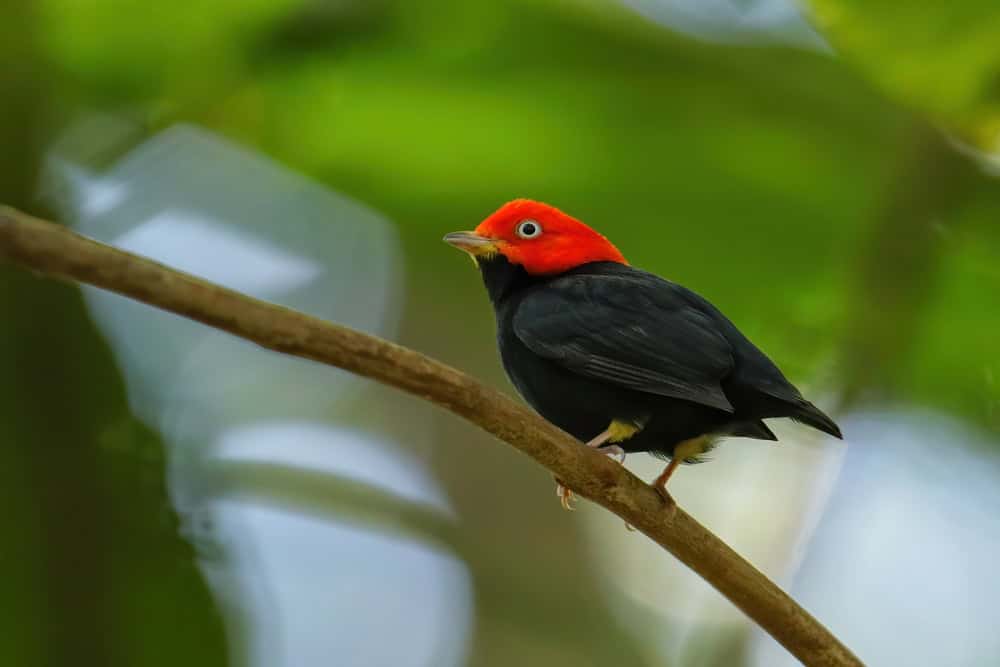
The red-capped manakin, a small bird native to Central and South American tropical forests, is famous for its Michael Jackson-inspired “moonwalk.” Males perform a swift, backward sliding dance along branches, creating an optical illusion of gliding. Notably, this intricate dance is not only for dazzling potential mates but also for warding off rival males.
Bowerbird’s Architectural Display
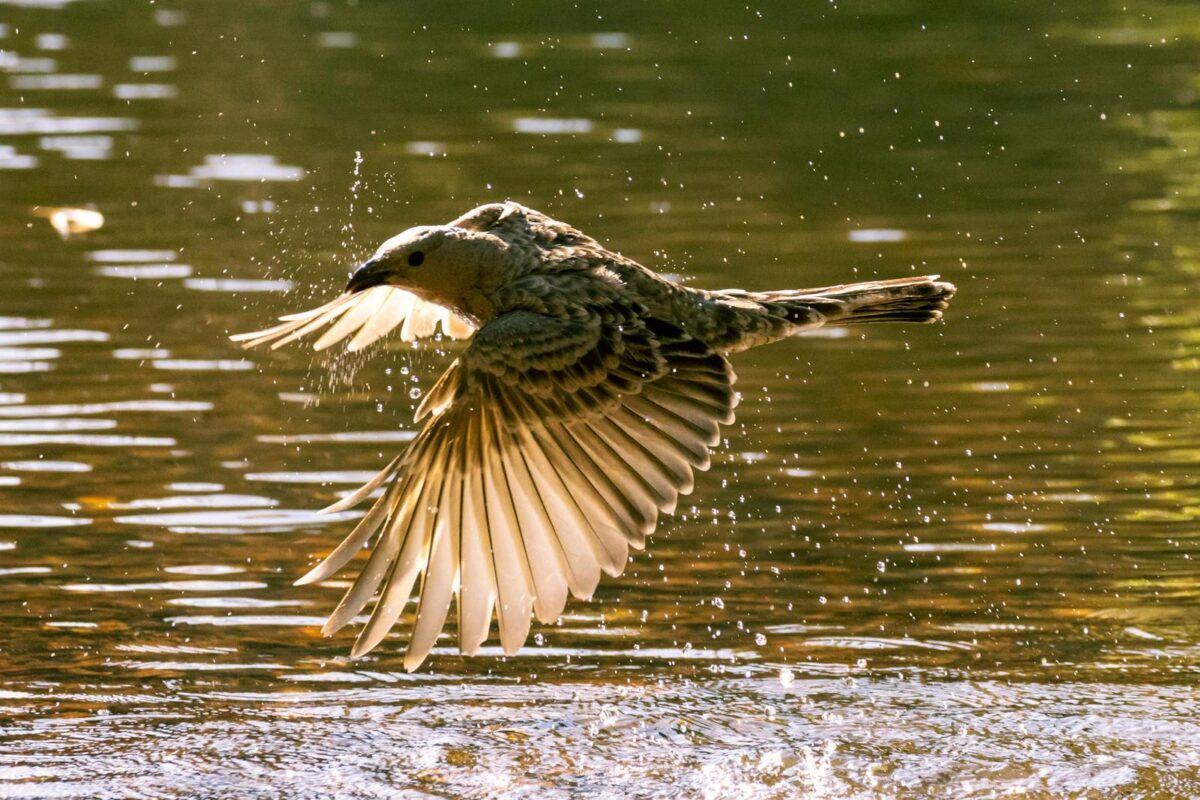
Bowerbirds, found in Australia and New Guinea, are celebrated for their exceptional architectural skills. Male bowerbirds construct elaborate structures known as bowers, decorating them with colorful objects like berries and shells. These bowers serve as a stage for intricate dance performances, aiming to impress females with both their decorative and rhythmic talents.
Laysan Albatross’s Elegant Waltz

The Laysan albatross, a seabird from the North Pacific, is known for its elegant and choreographed courtship dance. Pairs engage in a synchronized display involving head-bobbing, beak clacking, and sky-pointing, often leading to a lifelong bond. This process of synchronized movements establishes a strong pair bond essential for their long breeding cycles.
Western and Clark’s Grebes’ Rushing Dance

Western and Clark’s grebes, aquatic birds found in North American lakes, are renowned for their spectacular “rushing” display. During courtship, pairs sprint across the water’s surface, necks outstretched, in a synchronized dance. This impressive balance and speed showcase physical fitness and compatibility, essential for successful mating.
Blue-footed Booby’s High-Stepping Display

Native to the Galápagos Islands, the blue-footed booby performs a unique high-stepping dance to signal its willingness to mate. The male prominently displays his vivid blue feet, offering a ritualized dance involving stomping and wing spreading. The bluer the feet, the more attractive the male is to potential mates, indicating his health and vitality.
Male Sage Grouse’s Strutting Ritual

On North America’s plains, male sage grouse gather on traditional lek sites to perform a mesmerizing strutting display. Inflating air sacs in their chest while fanning their tail feathers, they create a haunting soundscape. This ritual, coupled with the visual display, plays a crucial role in female selection and hence drives the success of sage grouse reproduction.
Bird of Paradise’s Theatrical Performance
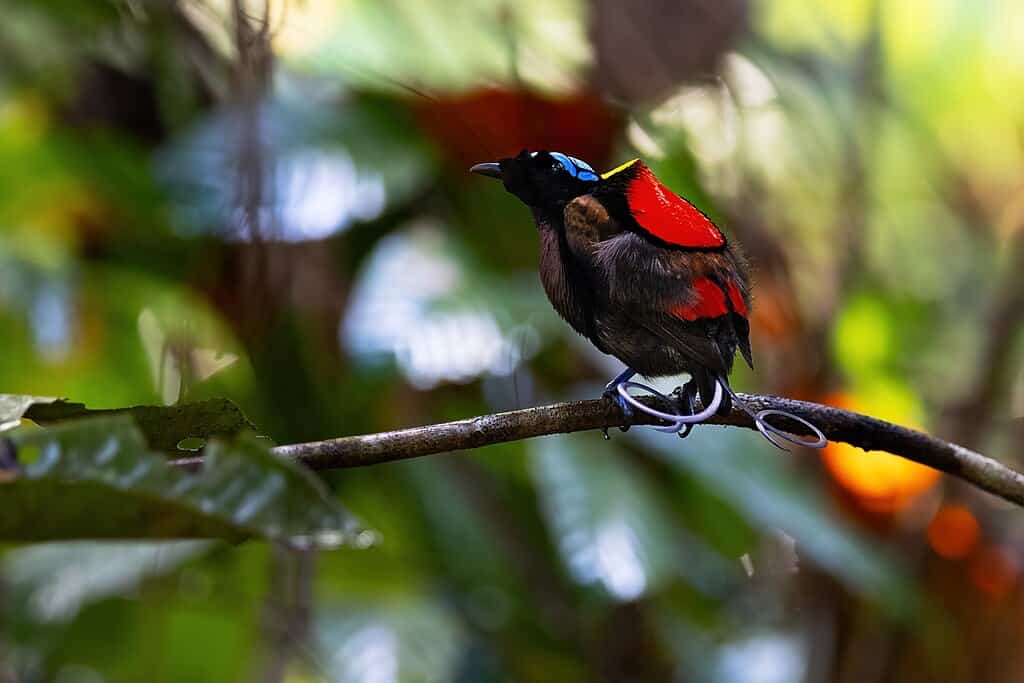
The birds of paradise, residing in the dense rainforests of New Guinea, are celebrated for their extravagant and theatrical mating displays. Each species showcases an array of dances incorporating acrobatics, feather displays, and rhythmic movements. The varying performances, often coupled with bright plumage, represent some of nature’s most impressive courtship rituals.
Japanese Crane’s Graceful Ballet
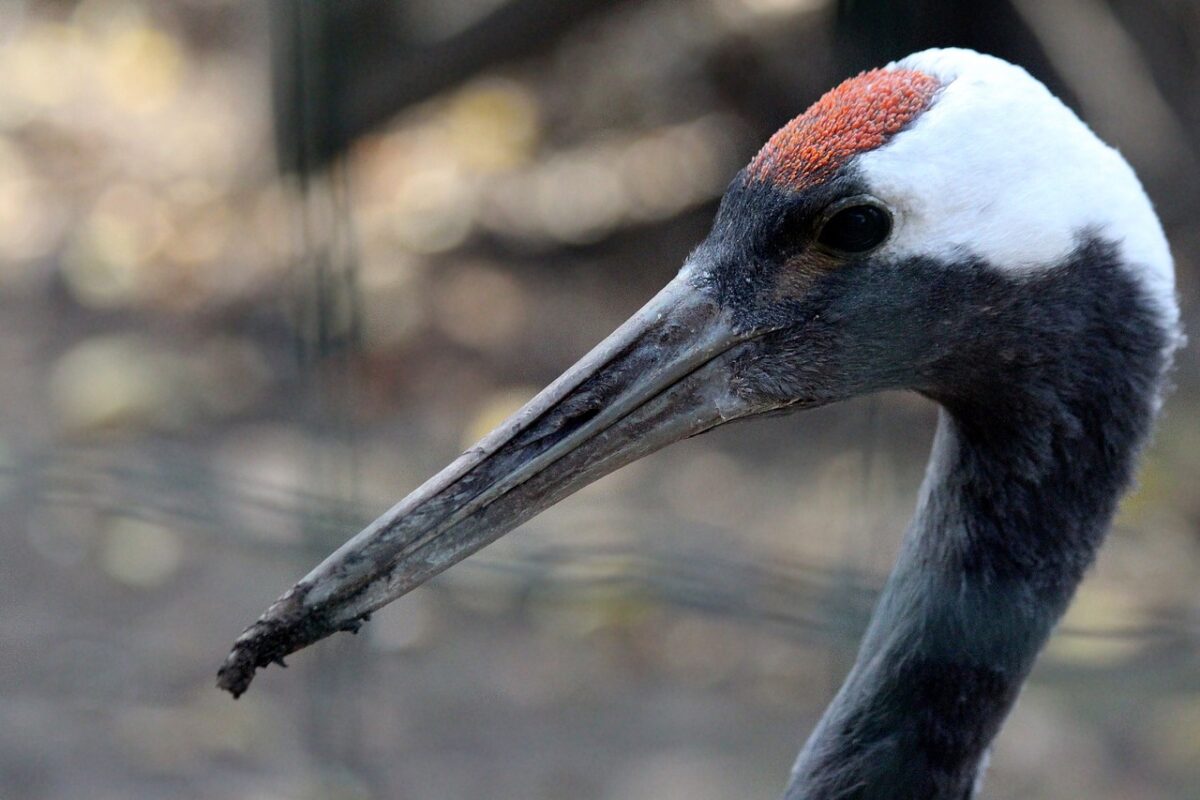
Kushiro Marshlands in Japan host the exquisite courtship dances of the Japanese crane. Pairs perform a synchronized ballet, involving leaps and bows, accompanied by intricate vocal harmonies. The crane’s courtship is not only a romantic display but also reinforces the pair bonds critical for raising their young.
Greater Flamingo’s Coordinated Display
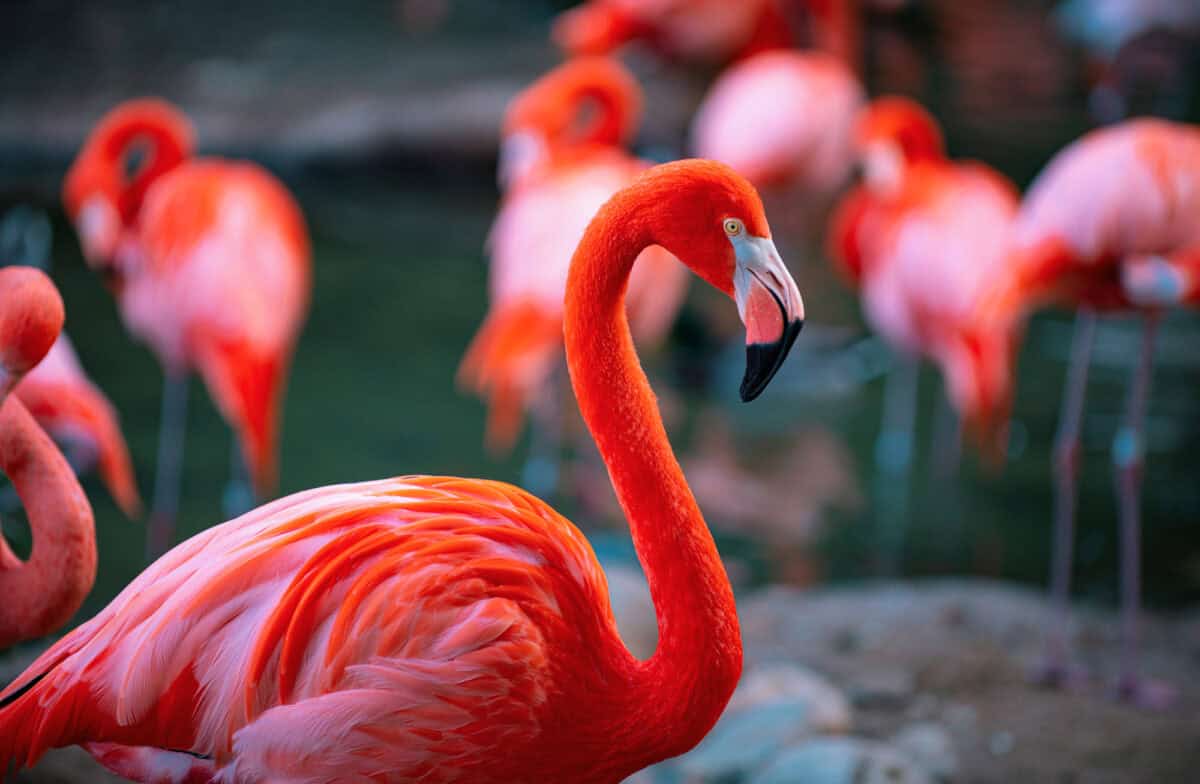
In vast colonies, greater flamingos engage in coordinated group displays to attract mates. Males and females both participate in a choreographed sequence of head flagging, wing salutes, and synchronized marching. This collective display increases the chances of individual birds finding a compatible partner amid the large gatherings.
Anna’s Hummingbird’s Aerial Acrobatics
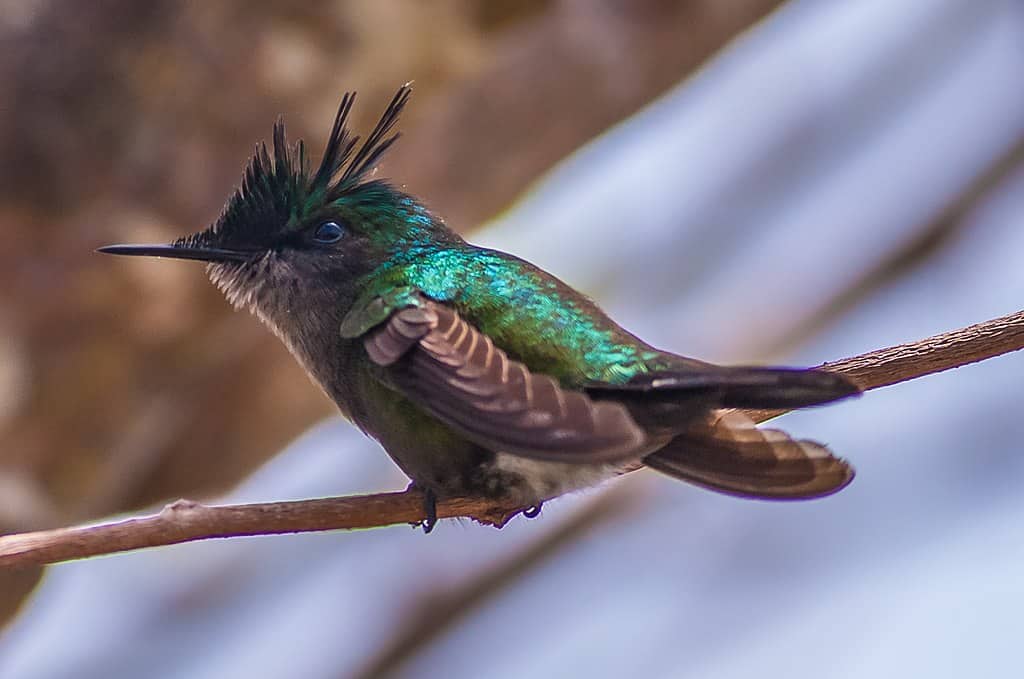
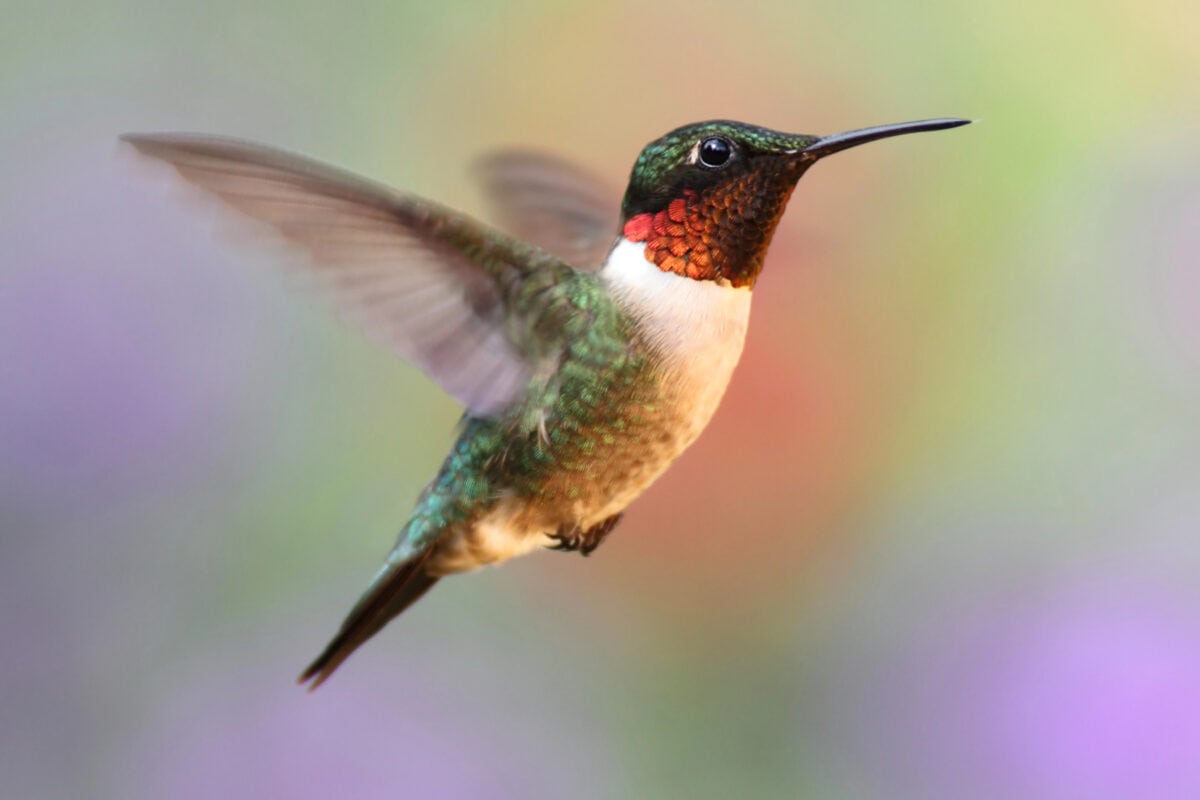
Native to the west coast of North America, Anna’s hummingbirds are renowned for their daring aerial courtship displays. Males climb over a hundred feet into the air before swooping down in a high-speed dive, performing aerial loops and banking maneuvers. These acrobatic feats demonstrate vitality and are intended to impress the discerning female hummingbirds.
Sharp-tailed Grouse’s Communal Dance
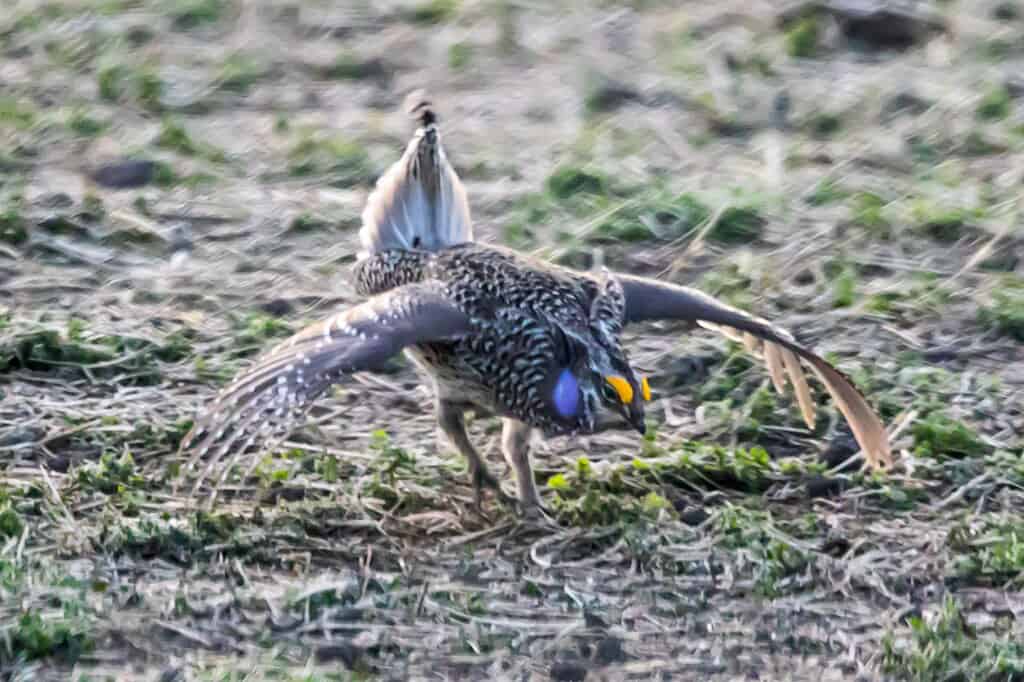
Sharp-tailed grouse conduct communal displays known as leks, where males gather to perform a lively dance to win female interest. The ritual involves foot-stomping, tail-shaking, and inflating their distinctive purple air sacs. Females visit these leks to choose a mate, observing the vibrancy and vigor of each potential suitor’s performance.
Andean Cock-of-the-rock’s Colorful Displays
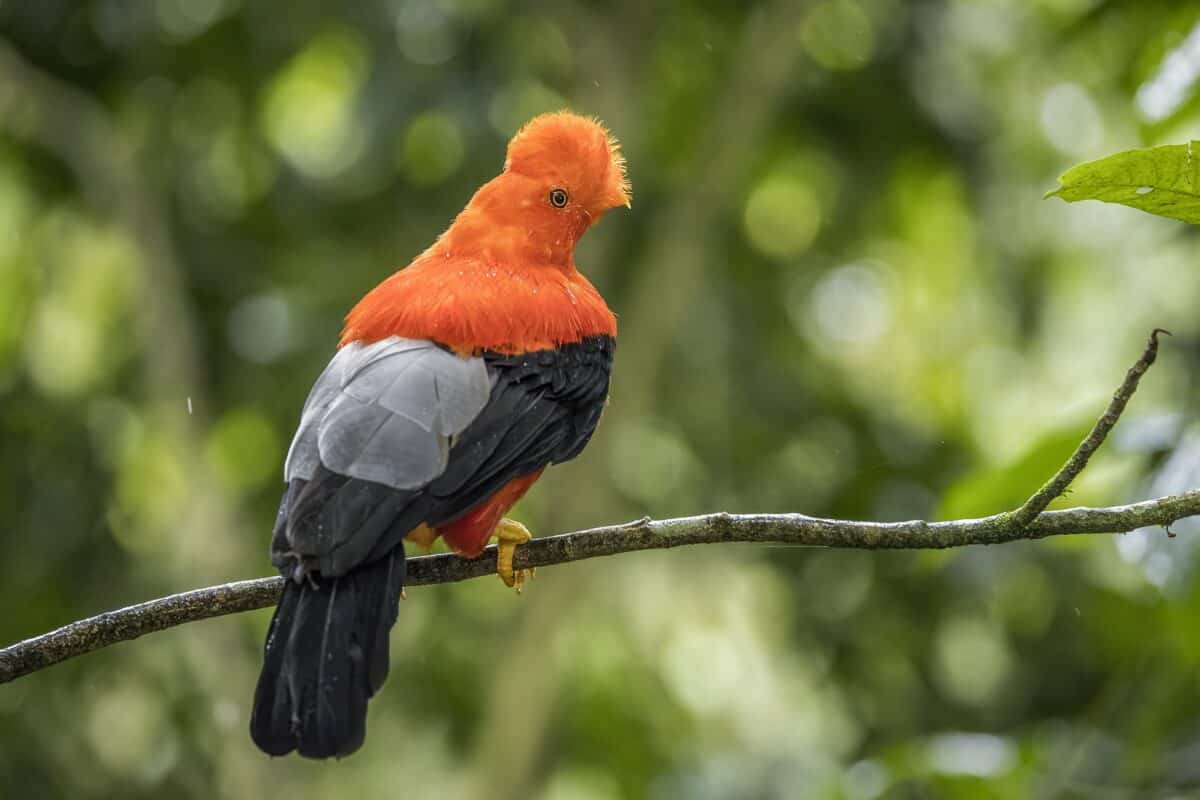
The male Andean cock-of-the-rock, native to cloud forests of the Andes, is easily recognized by its bright red-orange head. During mating season, males gather in communal leks to exhibit a dynamic display of hops, calls, and wing flutters. This visual and auditory extravaganza aims to secure the attention of the comparatively subdued females.
Whooping Crane’s Synchrony and Harmony
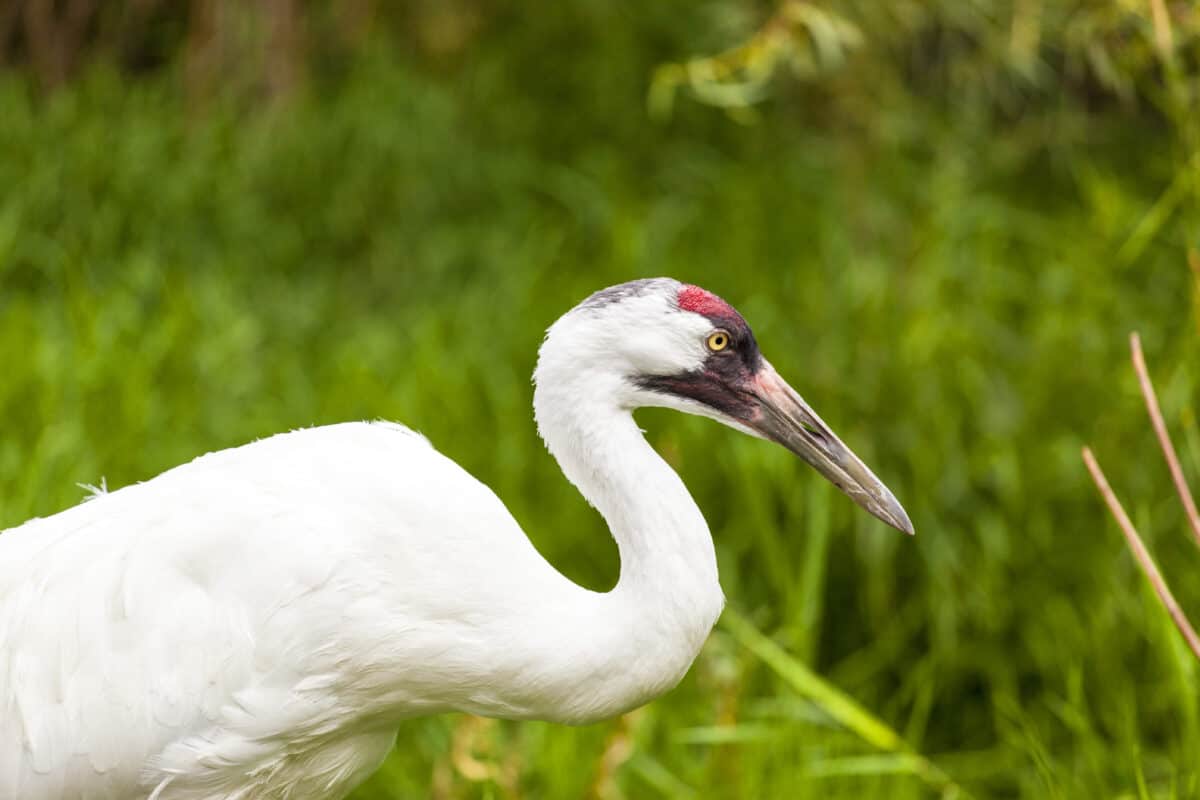
The endangered whooping crane employs a synchronized dance to cement pair bonds. Mates engage in bows, hops, and complex displays with their wings fanned dramatically. These dances are essential for maintaining their lifelong pair bonds and ensuring reproductive success.
Parotia Bird of Paradise’s Six-plumed Dance
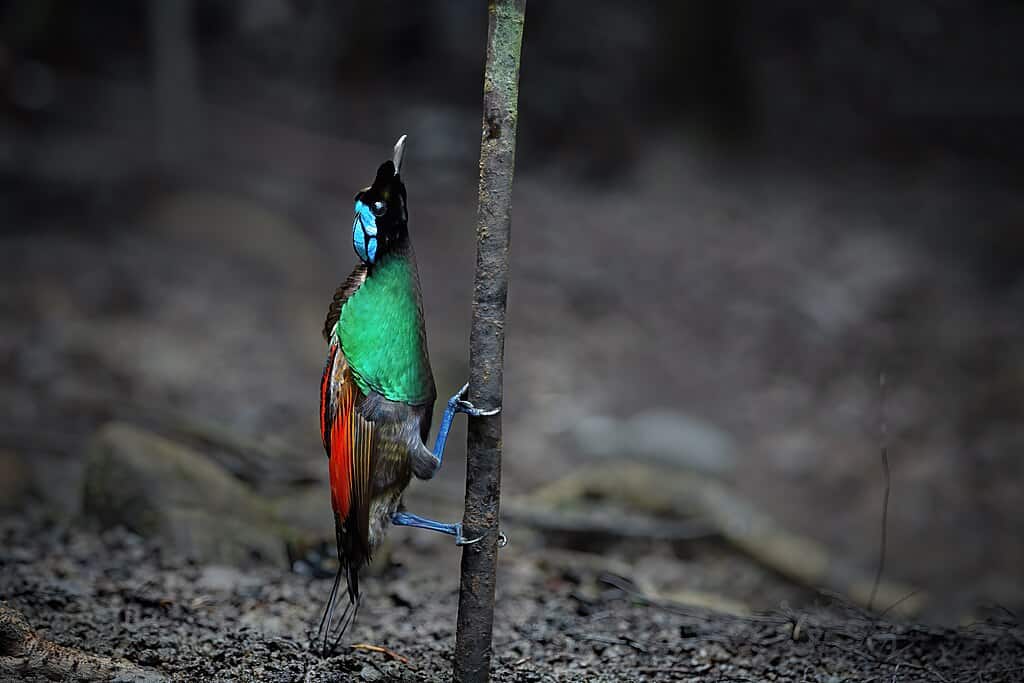
The parotia bird of paradise, dwelling in New Guinea’s forests, captivates with its multi-stage courtship dance. The male’s display involves elaborate footwork, shimmering plumage, and feather plumes that create a spectacular visual fan. Women seek males with the most enthralling performance, showcasing evolutionary power at its finest.
Conclusion:
In conclusion, these intricate mating displays reflect the incredible diversity and creativity found in nature. Whether through architectural feats, synchronized swimming, or high-speed acrobatics, these birds demonstrate the complex cultural rituals intrinsic to their survival and success. Each display acts as a biotic performance—a dance both beautiful and vital to the continuation of these remarkable species.

As a little kid, I fell in love with nature, wildlife, and animals. Living in the USA, South Africa, Italy, China and Germany gave me the opportunity to discover the world's Wildlife. My favorite animals are Mountain Gorillas, Siberian Tigers, and Great White Sharks.
I'm a certified PADI Open Water Diver, went to Everest Base Camp and Trekked Gorillas in Uganda. I hold a Master of Science in Economics and Finance.
Please send any feedback to feedback@animalsaroundtheglobe.com
- 13 Aquatic Mammals That Don not Look It - July 10, 2026
- 15 Unlikely Hunters With Killer Instincts - July 10, 2026
- 10 Low-Maintenance Pets for Busy Owners - July 10, 2026