

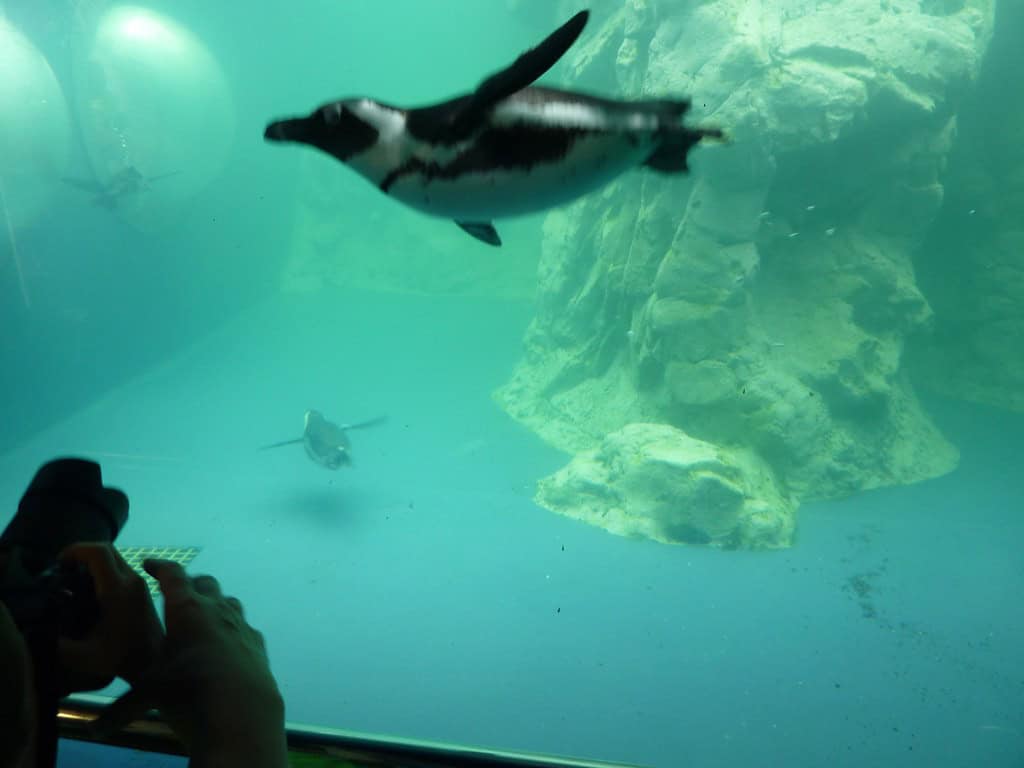
In the frigid waters of the Southern Hemisphere, penguins display one of nature’s most fascinating locomotion techniques. “Porpoising,” as it’s called, is when penguins leap out of the water while swimming, creating a dolphin-like movement pattern that has captivated researchers and wildlife enthusiasts alike. This behavior isn’t just visually striking—it represents a remarkable evolutionary adaptation that helps these flightless birds navigate their challenging marine environment with impressive efficiency. But why exactly do penguins porpoise? The answer lies at the fascinating intersection of physics, biology, and the penguin’s ongoing evolutionary journey to master life between land and sea.
What Exactly Is Penguin Porpoising?
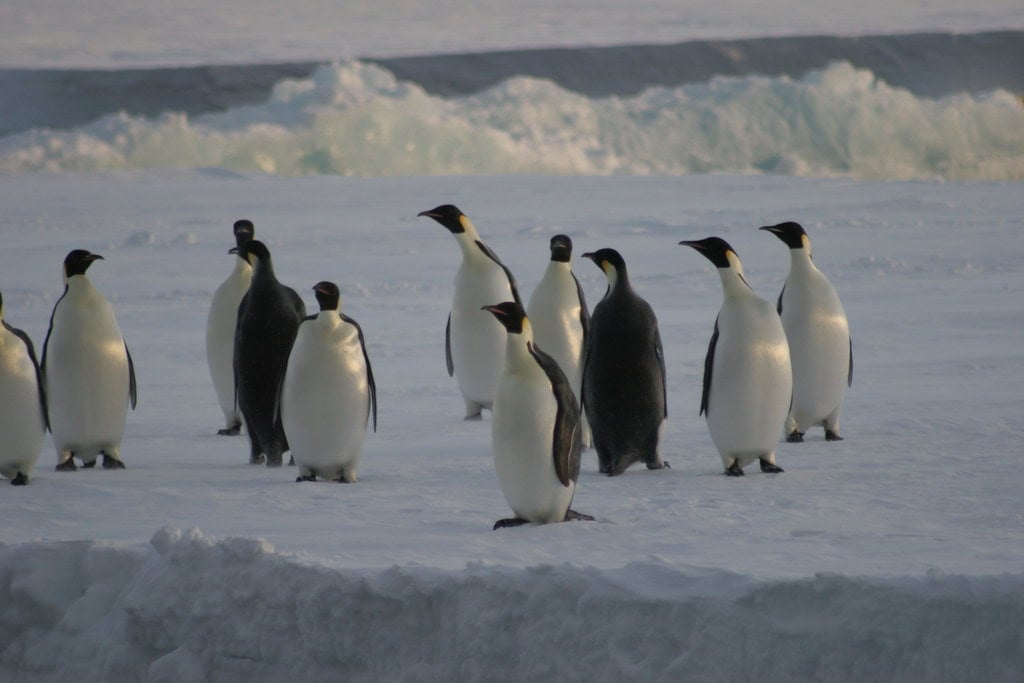
Porpoising refers to the distinctive swimming pattern where penguins repeatedly leap above the water’s surface while traveling at speed. During this behavior, penguins build up underwater momentum, burst through the surface, arc through the air, and then reenter the water to continue swimming. The name “porpoising” comes from the similarity to the way porpoises and dolphins move through water, though the behavior evolved independently in these different animal groups through convergent evolution.
This swimming technique is most commonly observed when penguins are traveling at higher speeds, typically when they’re commuting between feeding grounds and their colonies or when returning to shore after foraging. Different penguin species exhibit varying frequencies and heights of porpoising, with some species like the Gentoo penguin capable of leaping up to 7 feet (2 meters) above the water surface during particularly energetic displays of this behavior.
The Energy Efficiency Advantage

Perhaps surprisingly, porpoising actually conserves energy compared to swimming continuously underwater at high speeds. When a penguin swims faster than about 10 kilometers per hour (6.2 mph), water resistance (drag) increases substantially. At this point, it becomes more energy-efficient to periodically leap into the air, where resistance is approximately 800 times less than in water. Research has shown that despite the energy required to break the water’s surface tension and launch into the air, the overall energy savings from reduced drag make porpoising advantageous.
Studies measuring penguin oxygen consumption during different swimming methods have confirmed this energy benefit. For instance, Adélie penguins can reduce their energy expenditure by up to 20% when porpoising at higher speeds compared to remaining submerged. This efficiency becomes increasingly important during the breeding season, when penguins may need to make multiple lengthy journeys between nesting colonies and feeding grounds, often covering distances of 10-30 kilometers (6-19 miles) each way.
Predator Evasion Tactics

Porpoising serves as an effective strategy for evading predators that threaten penguins in their marine environment. Leopard seals, orcas, and sea lions are among the primary predators that hunt penguins while they’re swimming. When a penguin detects a potential threat, increasing speed and incorporating erratic porpoising behavior can make it more difficult for predators to predict the penguin’s movement pattern and successfully capture it.
The brief aerial phases during porpoising also provide penguins with moments to scan for predators, both in the water ahead and potentially behind them. This vigilance is crucial for survival, as many penguin predators rely on ambush tactics. Studies of Adélie penguin behavior have noted increased porpoising frequency in areas with higher predator density, suggesting that this behavior has indeed evolved partially as an anti-predator adaptation rather than solely for locomotion efficiency.
The Physics Behind Porpoising
The physics of porpoising is fascinating and demonstrates how penguins have evolved to exploit fundamental principles of hydrodynamics and aerodynamics. When swimming underwater, penguins face significant drag forces that increase exponentially with speed (proportional to velocity squared). By briefly entering the air, where density is much lower than water, penguins temporarily escape these high drag forces, allowing them to maintain momentum while expending less energy.
For porpoising to be effective, penguins must achieve sufficient underwater speed before breaching—typically 6-12 kilometers per hour (4-7.5 mph) depending on the species. The angle of exit is also crucial, with research showing that penguins typically emerge at angles between 30-45 degrees from the horizontal, which optimizes the distance covered while airborne relative to the energy expended. Upon re-entry, penguins streamline their bodies to minimize splash and maintain forward momentum, often adjusting their flippers to control the angle of descent.
Porpoising Across Different Penguin Species
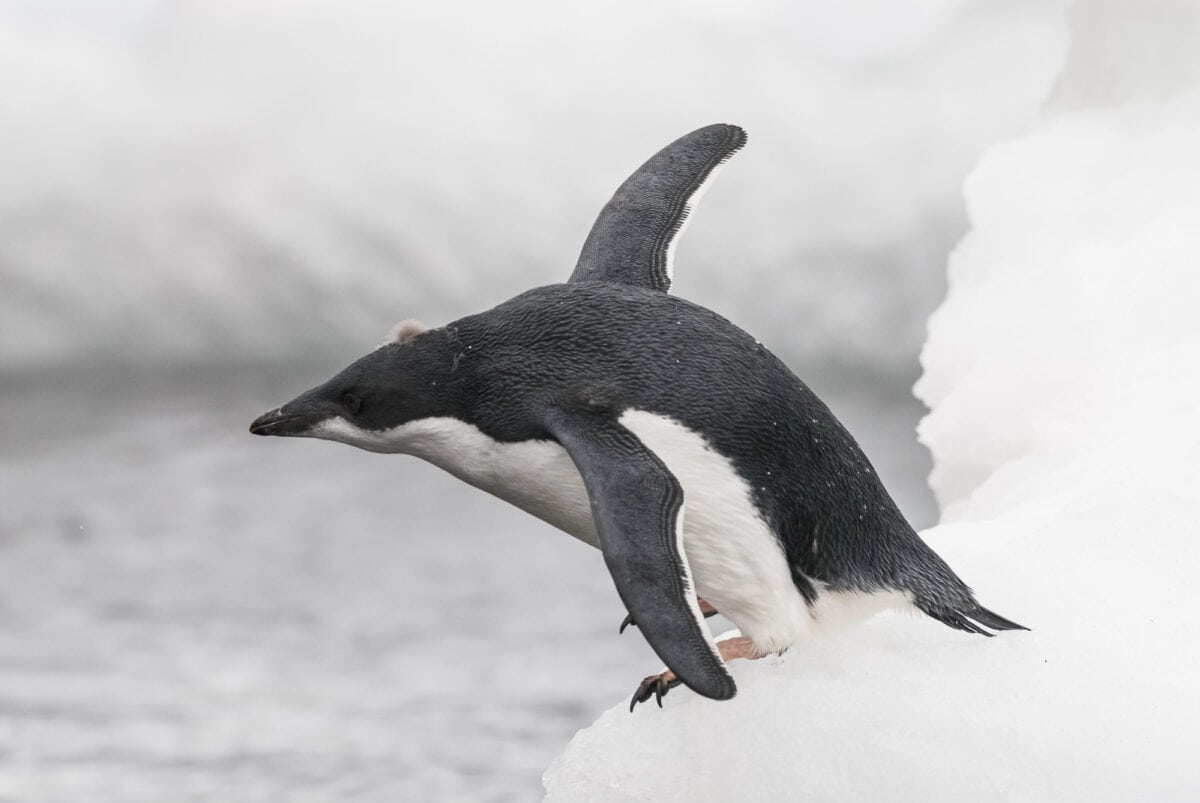
While all penguin species are capable of porpoising, the frequency and style vary significantly across the 18 recognized penguin species. Smaller, more agile species like the Adélie, Chinstrap, and Gentoo penguins are among the most active porpoisers, regularly using this technique during daily commutes between nesting and feeding grounds. In contrast, larger species like Emperor and King penguins porpoise less frequently, though they may still employ this technique when higher speeds are necessary.
The Rockhopper penguin, known for its distinctive appearance with spiky yellow feathers, has earned its name partly due to its impressive porpoising abilities that allow it to launch directly onto rocky shores from the ocean. Gentoo penguins are considered among the fastest underwater swimmers of all penguin species, reaching speeds of up to 36 km/h (22 mph), and they combine this speed with spectacular porpoising displays where they can leap several meters above the water surface.
Environmental Factors Influencing Porpoising Behavior
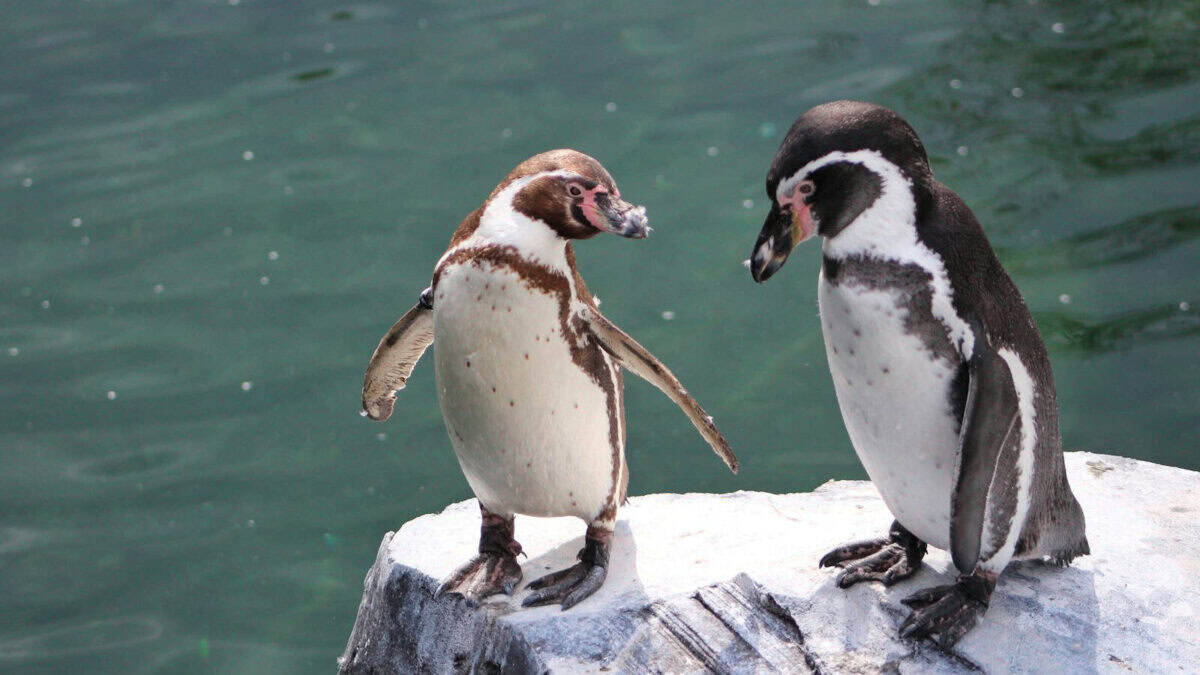
The frequency and intensity of porpoising behavior is influenced by several environmental factors. Water conditions play a significant role, with penguins typically increasing their porpoising activity in rougher seas. This adaptation helps them navigate through turbulent surface waters more efficiently, as breaking through waves requires less energy than swimming through them. Weather conditions also impact porpoising behavior, with wind direction and strength affecting the optimal trajectory for aerial phases.
Ocean currents represent another environmental factor that shapes porpoising patterns. Penguins have been observed increasing their porpoising frequency when swimming against strong currents, as the brief aerial phases allow them to bypass sections of contrary water flow. Conversely, when traveling with favorable currents, penguins may reduce porpoising and maintain longer underwater swimming phases to take advantage of the natural water movement.
Respiratory Benefits of Porpoising
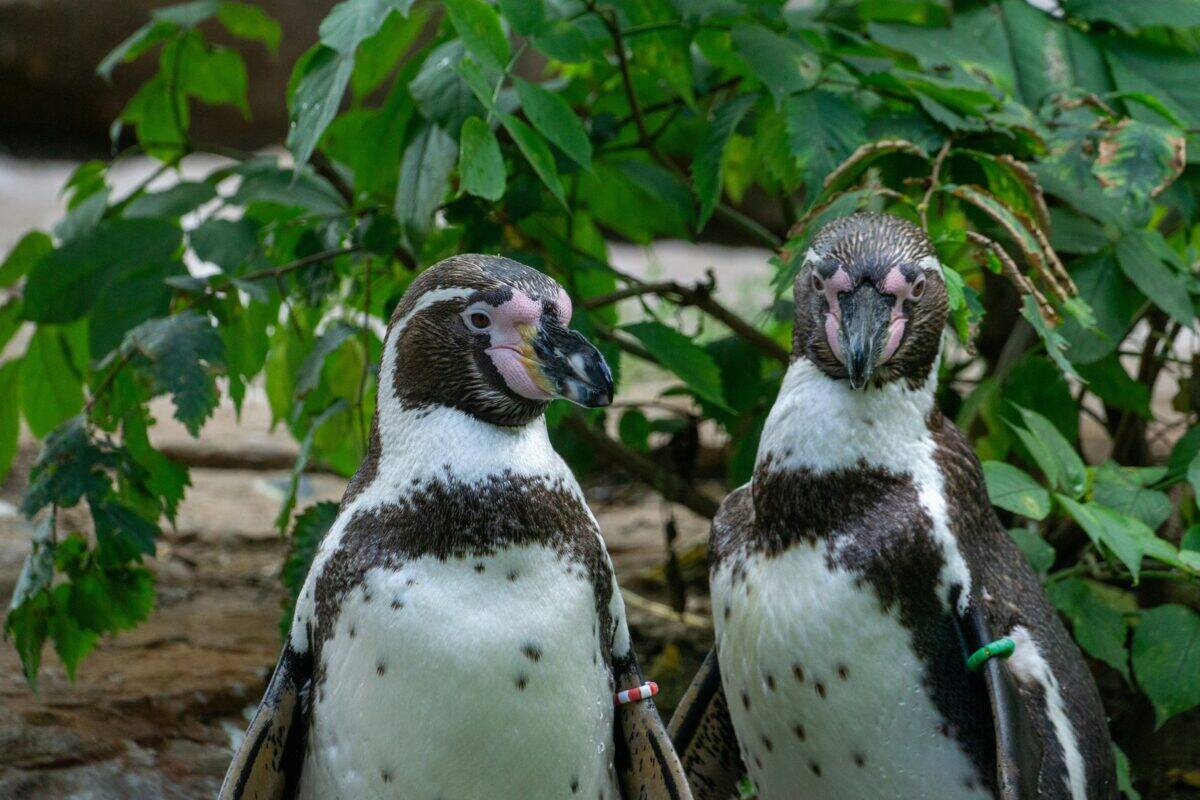
Beyond energy efficiency and predator evasion, porpoising provides important respiratory advantages for penguins. Despite being excellent swimmers, penguins are air-breathing animals that must regularly access the surface to replenish their oxygen supply. During intense swimming activities, their oxygen demand increases substantially. Porpoising naturally incorporates regular access to fresh air without requiring penguins to stop their forward momentum or significantly alter their swimming path.
Each time a penguin breaks the surface during porpoising, it can take a quick breath while maintaining travel speed. This integrated breathing pattern is particularly valuable during longer journeys or when evading predators, situations where stopping to breathe might be disadvantageous. Studies measuring penguin respiratory rates have shown that they synchronize their breathing with porpoising cycles, typically inhaling during the brief airborne phase and often exhaling just before or as they reenter the water.
Porpoising as Social Behavior

Researchers have observed that porpoising sometimes serves social functions beyond its practical locomotion benefits. Penguins frequently travel in groups, and synchronized porpoising appears to help maintain group cohesion during transit. The visible nature of porpoising makes it easier for group members to track each other’s positions even in murky or turbulent waters. This coordination becomes especially important during colony returns, when large numbers of penguins may be heading to the same location.
There’s also evidence suggesting that porpoising may occasionally serve display purposes, particularly during breeding season. Male penguins returning to colonies sometimes engage in especially vigorous porpoising sequences as they approach shore, potentially as a demonstration of fitness to potential mates observing from land. The energy required for sustained, high-intensity porpoising could serve as an honest signal of a penguin’s health and foraging capability, important qualities in selecting a mate who will share parental duties.
Learning and Development of Porpoising Skills

Porpoising is not an innate behavior that young penguins perform perfectly from their first swim. Rather, it represents a complex skill that juvenile penguins must develop through practice and observation. Young penguins typically begin with simpler swimming patterns and gradually incorporate porpoising as they gain strength and coordination. Researchers studying Gentoo penguin colonies have documented a clear progression in porpoising ability, with juvenile birds initially performing shorter, less coordinated jumps before mastering the more efficient technique seen in adults.
This learning period represents a vulnerable time for young penguins, as inefficient swimming makes them more susceptible to predation and increases energy expenditure during foraging. Observational learning appears to play an important role, with juvenile penguins often mimicking the swimming patterns of adults. Some researchers have suggested that group porpoising, where multiple penguins porpoise in succession, may partially serve to demonstrate proper technique to inexperienced colony members.
Scientific Research and Technological Insights
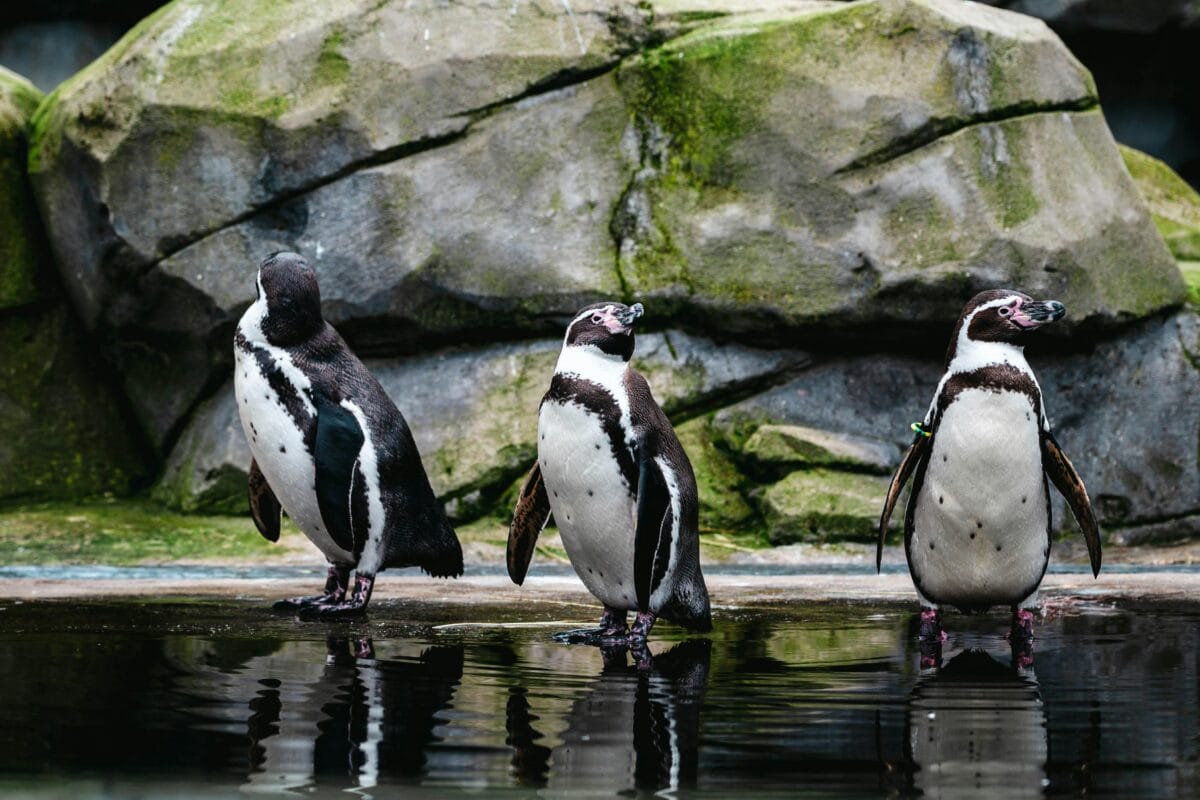
Modern research technologies have significantly enhanced our understanding of penguin porpoising. Biologging devices—small, streamlined instruments attached to penguins—record detailed data about swimming depth, speed, body orientation, and even heart rate during porpoising sequences. These devices have allowed researchers to map the precise three-dimensional movements of porpoising penguins and correlate these patterns with energy expenditure measurements, confirming the efficiency benefits of this behavior.
Computational fluid dynamics modeling has further illuminated the physics of porpoising by simulating the water and air flow around penguin bodies during different phases of the movement. These models demonstrate how penguins minimize drag during water re-entry and maintain laminar flow around their bodies. High-speed underwater cameras deployed near penguin colonies have captured detailed footage of porpoising mechanics, revealing subtle adjustments in flipper positioning and body orientation that penguins use to fine-tune their trajectories between water and air phases.
Conservation Implications of Porpoising Behavior

Understanding porpoising behavior has important implications for penguin conservation efforts. As climate change alters marine ecosystems, penguins face changing prey distributions that may require longer foraging trips. The energy efficiency gained through porpoising becomes even more critical under these circumstances. Changes in sea ice conditions, ocean currents, and weather patterns may also affect the optimal conditions for porpoising, potentially impacting penguin energy budgets during critical breeding periods.
Conservation researchers now sometimes use porpoising behavior as one metric to assess penguin population health. Decreased porpoising frequency or altered patterns may indicate nutritional stress, as penguins conserve energy by reducing this behavior when food is scarce. Similarly, changes in group porpoising behavior might signal social disruptions within colonies. By monitoring these subtle behavioral changes, researchers can potentially identify environmental stressors affecting penguin populations before more obvious signs like breeding failure become apparent.
The Remarkable Adaptation of Penguin Porpoising
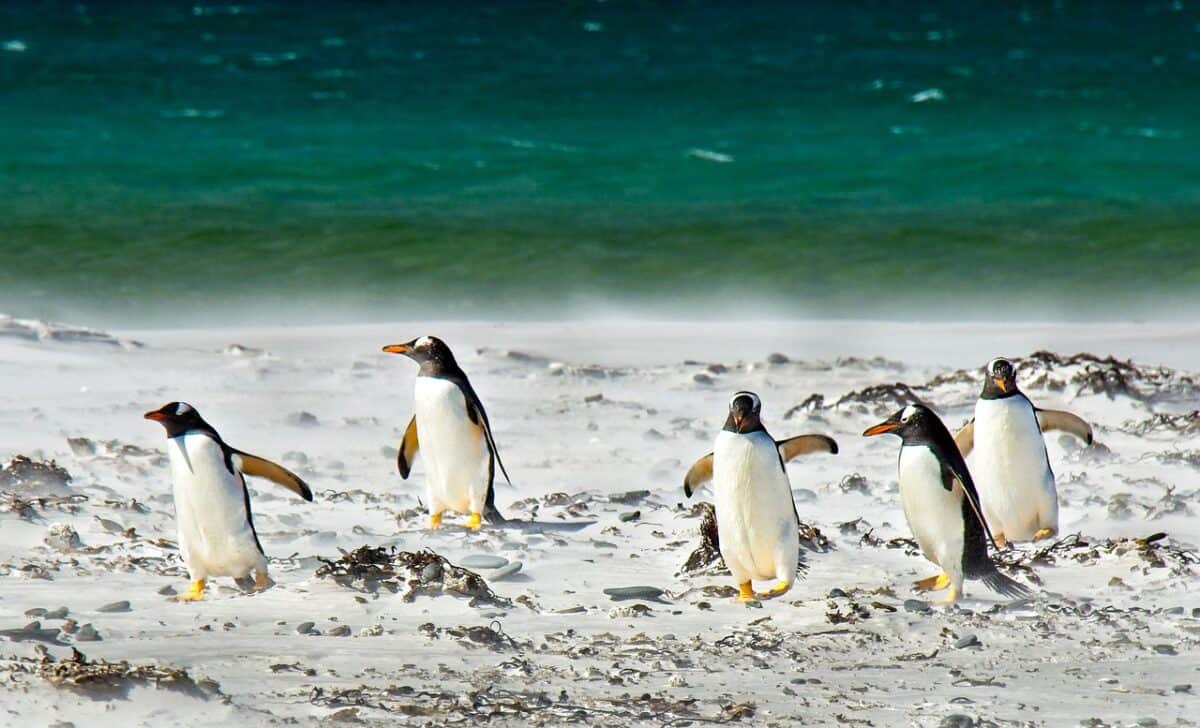
Penguin porpoising represents one of nature’s most elegant solutions to the challenges of marine locomotion. This behavior brilliantly balances multiple biological needs—energy conservation, predator avoidance, respiration, and social coordination—in a single distinctive movement pattern. The evolution of porpoising demonstrates how natural selection has finely tuned penguin physiology and behavior to their unique ecological niche at the interface between aquatic and terrestrial environments. As we continue studying this remarkable adaptation, we gain not only greater appreciation for penguin biology but also valuable insights into the fundamental principles of efficient locomotion that might inspire human technologies.
The next time you observe penguins performing their characteristic leaping swim, whether in person or through nature documentaries, you’re witnessing more than just a charming or amusing behavior. You’re seeing the result of millions of years of evolutionary refinement, a sophisticated locomotion strategy that helps these remarkable birds thrive in one of Earth’s most demanding environments. Through porpoising, penguins remind us that sometimes the most efficient path forward isn’t a straight line but rather a graceful series of arcs between water and sky.

From exploring the marine wonders in the Azores and witnessing the vast savannas of Kenya, to delving deep into the rich biodiversity of South Africa and traversing iconic landscapes in Australia and the US like Yellowstone, Chris's experiences are vast.
With a penchant for diving alongside sharks, the ocean holds a special place in his heart.
Through his academic insights, he champions wildlife conservation, striving with 'Animals Around The Globe' to cultivate a profound connection between humans and animals, enhancing our mutual appreciation.
Connect with him at Feedback@animalsaroundtheglobe.com.
- The Role of Giant Pandas in U.S. (China Diplomacy) - July 15, 2026
- These Psychedelic Sea Slugs Steal Venom and Glow Neon Bright - July 15, 2026
- Orcas of the Pacific Northwest: A Struggle for Survival - July 15, 2026