
You love them fiercely. They make you laugh, they greet you at the door, they keep your feet warm at night. Pets aren’t just animals sharing your space. They’re companions who see you through difficult days and celebrate the good ones without asking for much in return.
Yet, here’s what no one really talks about before you bring home that adorable puppy or kitten: some breeds come with energy levels and mental needs that can slowly chip away at your own wellbeing. It’s not their fault, honestly. These animals were bred for specific jobs, designed to herd sheep across vast fields, hunt for hours without tiring, or problem-solve their way through challenges. When those instincts meet modern apartment living or a quieter lifestyle, the mismatch can leave both you and your pet feeling exhausted, anxious, and misunderstood.
Let’s be real. Owning one of these breeds means signing up for a second job. They need structure, constant mental gymnastics, and physical outlets that go far beyond a quick walk around the block. Without it, you’ll see the fallout in chewed furniture, sleepless nights, and behaviors that make you question everything. So let’s dive in.
Border Collie: The Workaholic Who Never Clocks Out

Border Collies need mental challenges to keep them satisfied, and without enough stimulation, they might become restless. I know people who thought adopting a Border Collie meant having an active, fun pet. What they got instead was a dog that herded their children, obsessively chased shadows, and paced the house like a sentry on duty.
These dogs aren’t content with a casual lifestyle. Border Collies are one of the most high maintenance dog breeds because they don’t just like lots of exercise and plenty of things to occupy their smart, busy brains, they need it, and a bored, under-stimulated Border Collie can become anything from hyperactive to noisy to destructive to aggressive.
Think of them as the Ph.D. students of the dog world. They require daily problem-solving, agility courses, and jobs that engage every fiber of their being. If you’re not prepared to dedicate hours each day to training and exercise, this breed will test your sanity and patience in ways you never imagined.
Belgian Malinois: The Intensity That Never Dims

Belgian Malinois are often used as working dogs in police and military roles because of their intelligence, agility, and high energy, and they are not just highly trainable – they’re also incredibly active. There’s a reason professionals choose them. These dogs operate at a level most pet owners simply cannot sustain.
Belgian Malinois are not a casual companion and require extensive training, physical exercise, and socialization. They’re nicknamed Maligators for their habit of biting and grabbing, which sounds cute until you realize they’re testing your authority constantly.
This breed demands expert handling and a lifestyle built entirely around their needs. Fail to meet those needs, and you’ll witness anxiety, aggression, and an animal who quite literally cannot settle. It’s like living with someone who’s constantly wired on caffeine with nowhere to channel that energy.
Australian Shepherd: The Herder Without a Flock

Australian Shepherds were born to work from dawn to dusk. Australian Shepherds are known for their intelligence and herding instincts, and these highly intelligent and energetic dogs need plenty of physical and mental exercise to prevent boredom and destructive behaviors.
Without sheep to herd, they’ll redirect that drive toward anything that moves, including your ankles, your other pets, or even passing cars. You might find yourself constantly redirecting behaviors that feel obsessive and exhausting.
Their beauty is undeniable, with those striking eyes and multicolored coats. Yet that beauty comes at a cost. Expect to spend significant time training, running, hiking, and engaging them in dog sports just to keep their minds from unraveling. They’re not weekend warriors. They’re full-time athletes who need you to be their coach, every single day.
Jack Russell Terrier: Small Body, Massive Demands

Don’t let the size fool you. Terrier breeds are smaller, but they pack a lot of energy in little bodies, often known for their mischievous nature and enjoying digging and chasing, curious by nature and loving exploring their surroundings.
Jack Russells are relentless. They’re escape artists, diggers, and barkers who seem to have an internal motor that never stops running. Living with one means accepting that your home will never be truly calm. They need constant engagement, or they’ll create their own entertainment, usually at your expense.
Their high prey drive and stubborn streak make training a marathon, not a sprint. If you thought a small dog meant less work, think again. These terriers will test your patience more than many large breeds ever could.
Siberian Husky: The Escape Artist With Stamina for Days
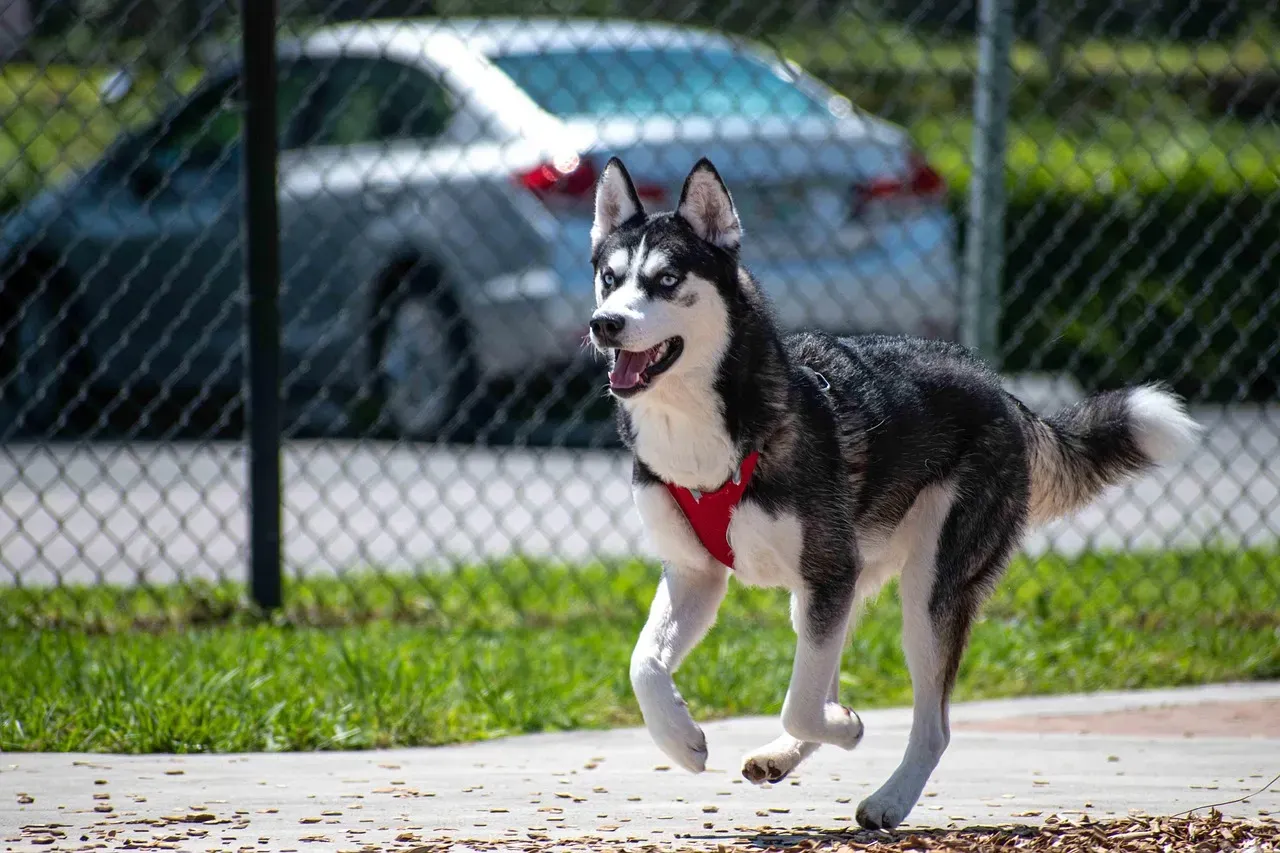
Huskies are gorgeous, no doubt. Those piercing eyes and wolf-like appearance draw people in. Then reality sets in. These dogs were bred to run vast distances in harsh conditions, pulling sleds for hours without rest.
When you confine that energy to a backyard or apartment, you’re asking for trouble. Huskies are notorious escape artists, capable of jumping fences, digging under barriers, and slipping out of collars. They’re also incredibly vocal, howling and talking back in ways that can drive neighbors and owners to distraction.
Their independent nature means they often ignore commands they find pointless. Training feels like negotiating with a stubborn teenager who has their own agenda. If you’re not running marathons or engaging them in serious physical activity daily, a Husky will slowly drain your mental reserves.
Weimaraner: The Velcro Dog With Separation Anxiety

Weimaraners are known for their striking appearance and boundless energy, and these dogs have high stamina and need a lot of exercise to stay content. They’re often called Velcro dogs because they stick to their owners like glue, following you from room to room, never letting you out of sight.
While that sounds endearing, it quickly becomes overwhelming. Weimaraners are prone to severe separation anxiety. Leave them alone, and you’ll return to destruction that looks like a tornado hit your home. They chew, they bark, they panic.
They demand not just physical exercise but constant companionship. If you work long hours or value personal space, this breed will test your mental health in ways that feel suffocating. It’s like having a shadow that never gives you a moment to breathe.
German Shorthaired Pointer: The Hunter Who Never Stops Searching

German Shorthaired Pointers need plenty of exercise and tend to be very clingy, needing lots of interaction with their humans and high-intensity exercise. These dogs were bred to hunt all day, and that drive doesn’t disappear just because you live in the suburbs.
They’re prone to separation anxiety and prefer to be with their family at all times. Their energy levels are through the roof, requiring hours of running, swimming, and mental challenges daily. A quick walk around the block doesn’t even scratch the surface.
If you’re not an extremely active person who can commit to daily adventures, this breed will make you feel guilty, exhausted, and perpetually behind. They need a job, and if you don’t provide one, they’ll find their own, usually involving things you’d rather they didn’t touch.
Vizsla: The Sensitive Soul With Endless Energy

Vizslas are often described as Velcro dogs because of their affectionate nature, and they need a lot of physical and mental stimulation to stay happy and healthy. They’re incredibly sensitive, forming deep bonds with their owners and struggling when left alone.
Their high energy combines with emotional neediness, creating a dog that requires both your time and your constant emotional presence. They’re prone to anxiety and depression if their needs aren’t met, which means you’re not just managing their physical requirements but their mental wellbeing too.
Vizslas thrive in active families where someone is almost always home. If that’s not your situation, you’ll watch them deteriorate emotionally, which in turn weighs heavily on your own mental health. It’s a cycle that’s hard to break once it starts.
Labrador Retriever: The People Pleaser Who Never Stops Eating

Wait, Labs are supposed to be easy, right? Well, yes and no. Labradors are family dogs and working dogs with personality traits including loyalty, smartness, intelligence, and friendliness, and they require mental and physical stimulation to enjoy their love and companionship forever.
The challenge with Labs isn’t aggression or anxiety. It’s their never-ending appetite, their tendency toward obesity, and their destructive puppy stage that seems to last for years. They’re also prone to separation anxiety and can become destructive when bored or lonely.
Labs need consistent exercise and mental engagement. Without it, they gain weight rapidly, which leads to joint problems and health issues that require expensive vet visits and careful management. Their cheerful nature can mask underlying stress, leaving you to manage behaviors that quietly escalate over time.
Standard Poodle: The Genius Who Gets Bored Easily

Poodles are typically high-energy dogs that need lots of attention, both physical and mental stimulation, and can be problematic if you cannot provide enough mental and physical enrichment. Their intelligence is both their greatest asset and biggest challenge.
Poodles bore easily. They need constant mental puzzles, training sessions, and activities that challenge their sharp minds. Without it, they develop anxiety, compulsive behaviors, and destructive habits that are hard to break.
Their grooming requirements are intense too, needing professional grooming every few weeks to prevent matting and discomfort. It’s a breed that demands time, money, and constant engagement. If you’re not up for that level of commitment, a Poodle will slowly chip away at your patience and wallet.
Bengal Cat: The Wild Child in a Domestic Package
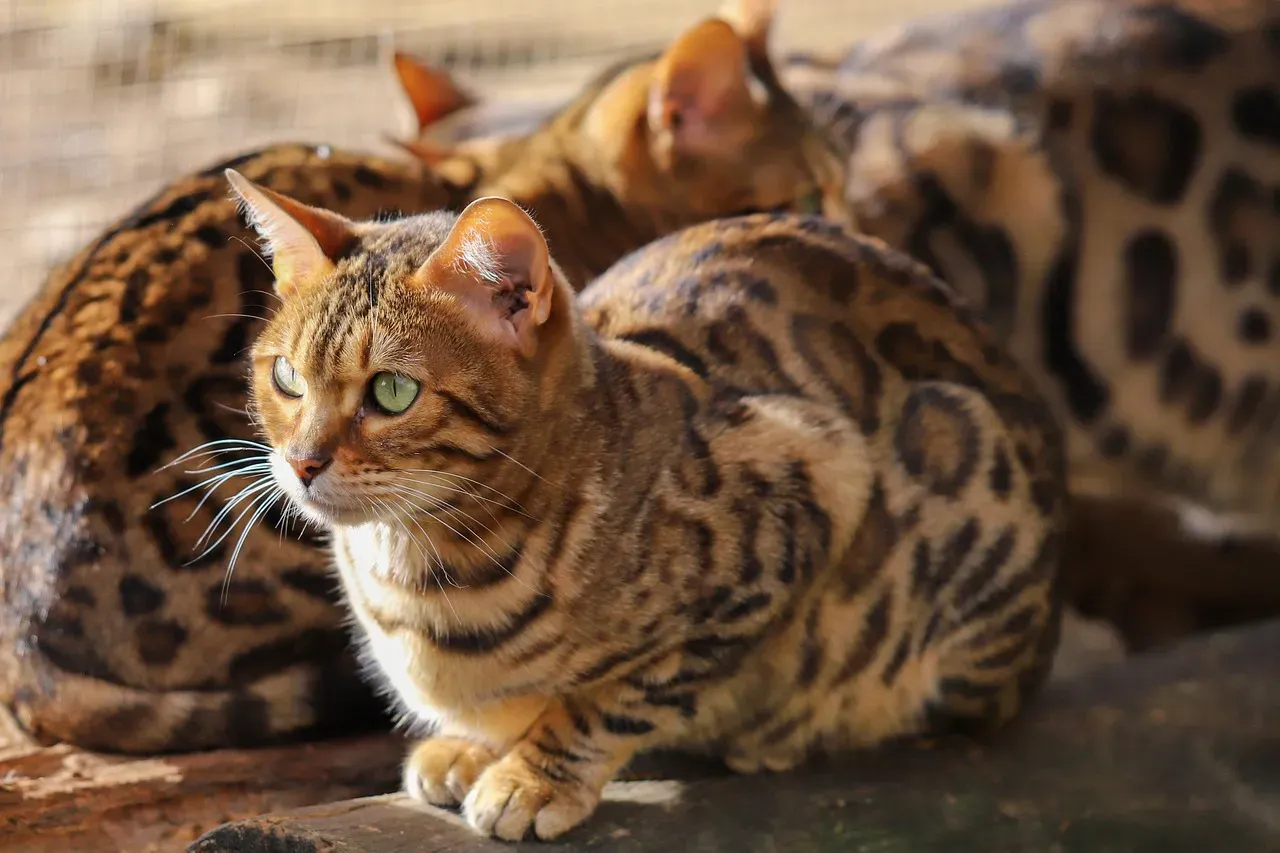
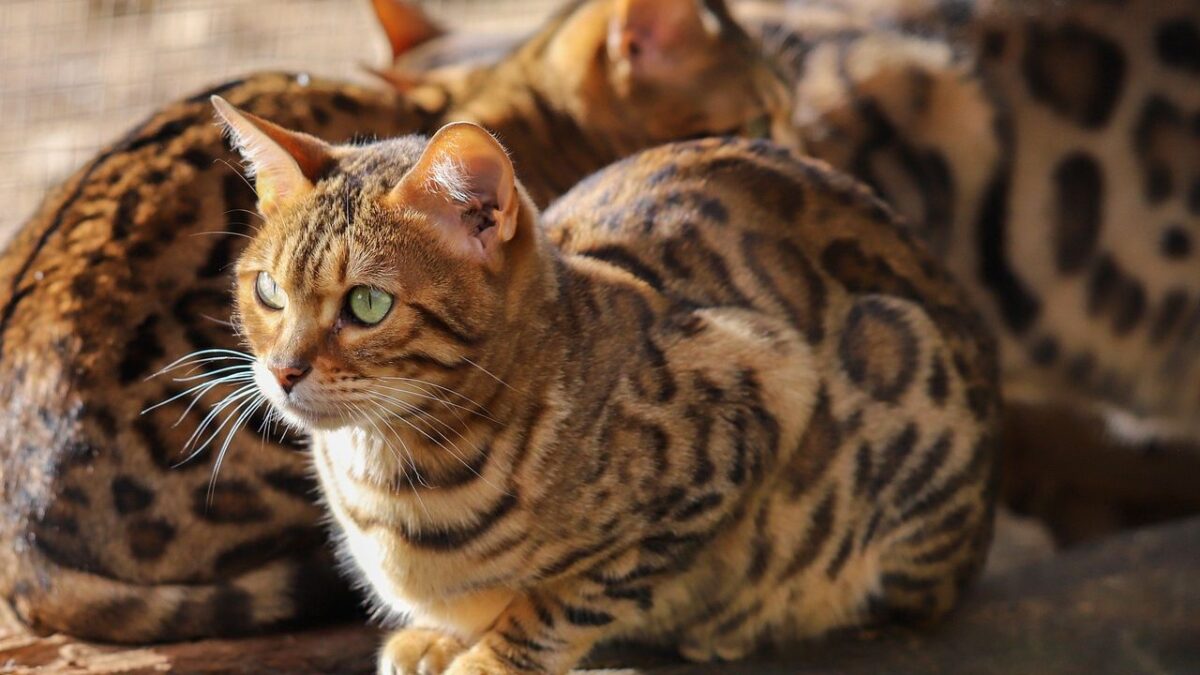
Bengal cats are strikingly beautiful but incredibly high-maintenance, and these energetic felines require constant mental stimulation and physical activity, prone to destructive behaviors if bored.
Their wild ancestry means they retain instincts that don’t mesh well with typical indoor living. They climb everything, knock things over, and demand interaction at all hours. Ignoring a Bengal means destruction, constant vocalization, and anxiety that manifests in ways you won’t enjoy.
They need large spaces, specialized diets, and owners who can match their intense energy. Living with a Bengal is like living with a toddler who never grows up. The cuteness wears off when you’re cleaning up the aftermath of their boredom for the third time that week.
Siamese Cat: The Demanding Diva Who Never Stops Talking
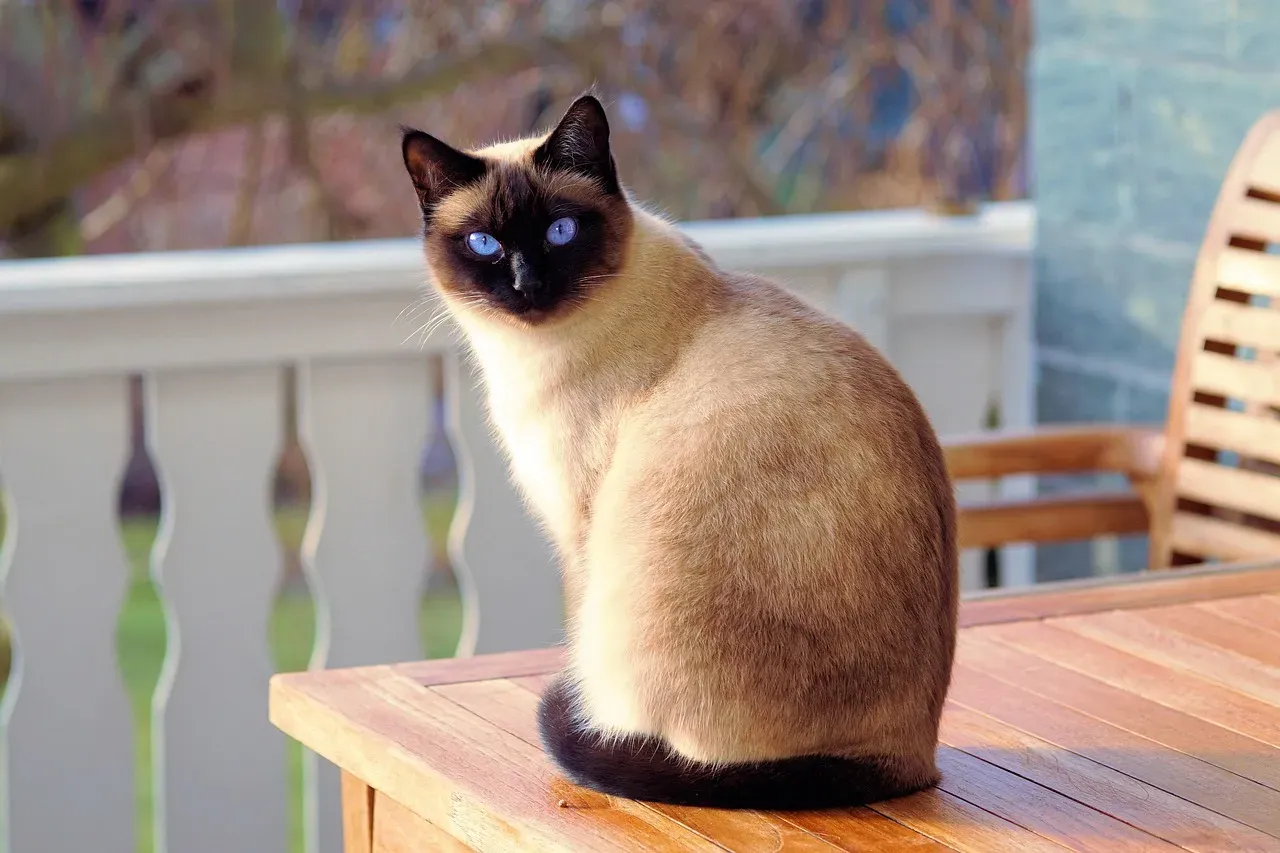
Known for their striking blue eyes and dramatic vocalizations, Siamese cats are as demanding as they are beautiful, and their aggression often stems from frustration, boredom, or a lack of attention from their human companions.
Siamese cats are loud. Not just occasionally vocal, but constantly communicating their needs, wants, and opinions. They demand attention and won’t take no for an answer. If you’re looking for a quiet, independent cat, this isn’t it.
There’s increased likelihood of separation anxiety in Siamese and Tonkinese patterned cats. They’re prone to anxiety when left alone, which can manifest as destructive behavior, excessive vocalization, and stress-related health issues. Their neediness tests your patience daily, especially if you value peace and quiet.
Abyssinian Cat: The Hyperactive Explorer

Abyssinians have an independent streak and a curious mind that sometimes clashes with household harmony, and their aggression is typically a response to overstimulation or being restricted during play, incredibly agile and loving to explore, which means confinement can lead to frustration and irritability.
These cats are constantly on the move, exploring, climbing, and getting into everything. They’re not lap cats. They’re adventurers who need constant stimulation and space to roam. Confine them, and you’ll witness anxiety and aggression.
Their independence means they don’t cuddle on demand, yet they still require engagement and entertainment. It’s a frustrating combination for owners who want companionship without the constant chaos. Living with an Abyssinian feels like babysitting a hyperactive child who refuses to nap.
Savannah Cat: The Hybrid With Unpredictable Moods
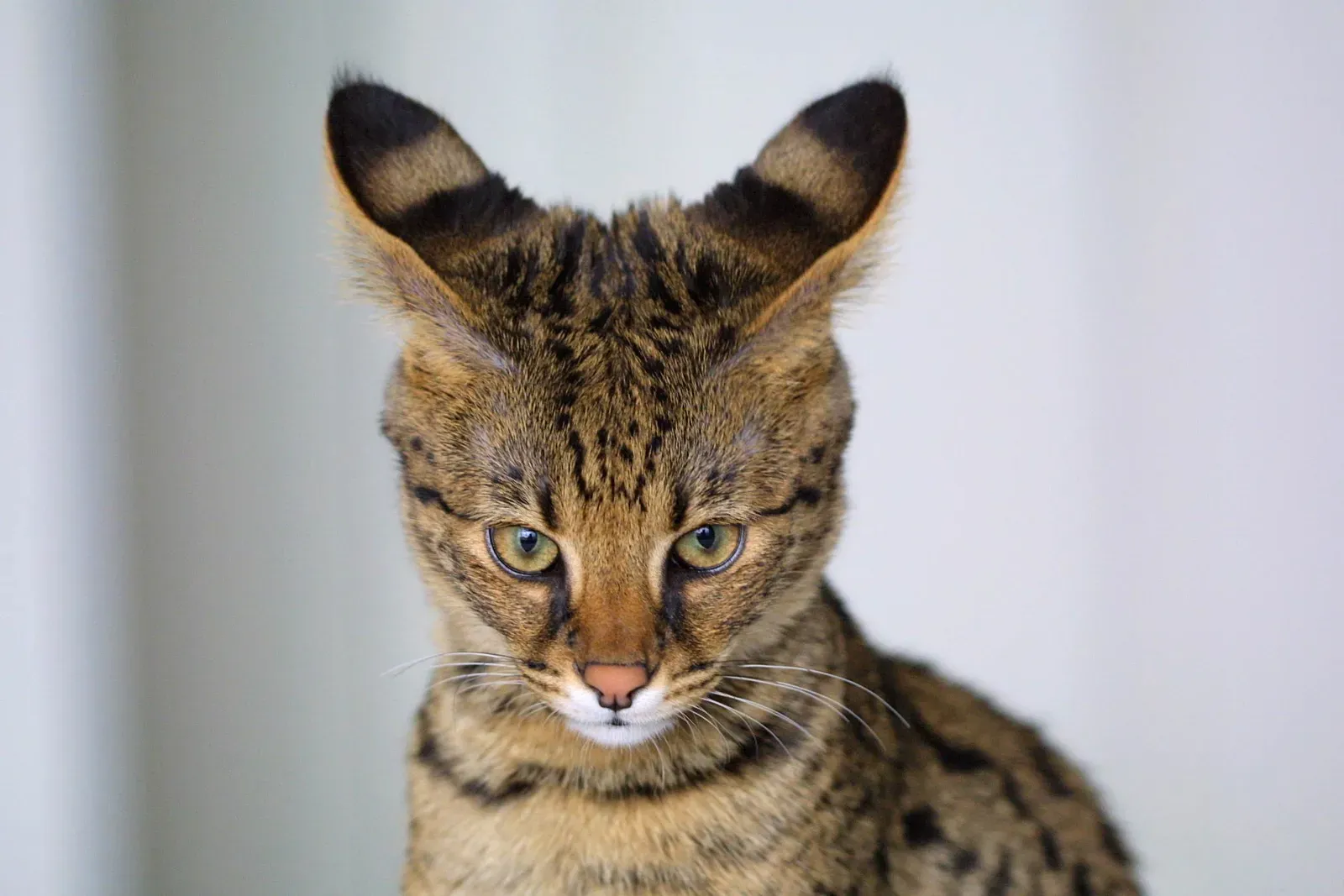
Crossbred with African servals, Savannah cats carry a bit of the wild in their genes, and their unpredictable behavior is rooted in their hybrid instincts, making them prone to sudden mood swings or territorial aggression, with socialization at a young age critical.
Their hybrid nature means they’re not fully domesticated. They can be affectionate one moment and aggressive the next. Their size and strength make their playful swats and nips more dangerous than typical house cats.
They’re not ideal for households with small children or timid pets. Managing a Savannah requires experience, patience, and an understanding of feline behavior that goes beyond what most pet owners possess. It’s a constant balancing act that can leave you emotionally drained.
Persian Cat: The High-Maintenance Beauty Queen

Persian cats are adorable with their flat faces and luxurious coats. Environmental enrichment and mental stimulation are paramount to preventing and treating cognitive issues in cats, with mental and physical stimulation encouraged through interactive play and food-dispensing toys.
Their grooming needs are intense, requiring daily brushing to prevent painful mats and regular professional grooming. Their flat faces also lead to breathing problems, eye issues, and dental challenges that require constant veterinary attention.
Persians are often laid-back temperamentally, yet their physical maintenance demands are exhausting. Add in potential health problems that come with their breed, and you’re looking at significant time and financial investment. It’s beauty at a cost that accumulates over the years.
Conclusion: Love Them, But Know What You’re Getting Into

These breeds are incredible in the right hands. They’re loyal, intelligent, and capable of forming bonds that feel unbreakable. Yet, they’re not for everyone. Understanding and meeting the needs of hyper dog breeds requires dedication, time, and energy, and when properly exercised and stimulated, these intelligent and active dogs make incredible companions for the right owners, so ensure your lifestyle and resources align with their substantial physical and mental requirements.
Before falling in love with a breed based on looks or reputation, ask yourself honestly: Can I meet their needs every single day for the next decade or more? Can I handle the mental load of managing anxiety, destructive behaviors, and constant demands? If the answer is anything less than an enthusiastic yes, consider a different breed.
Your mental health matters just as much as your pet’s wellbeing. The best match is one where both of you thrive, not one where you’re constantly struggling to keep up. What do you think? Have you experienced the challenges of owning one of these demanding breeds? Share your story in the comments.
