

1. Lantana
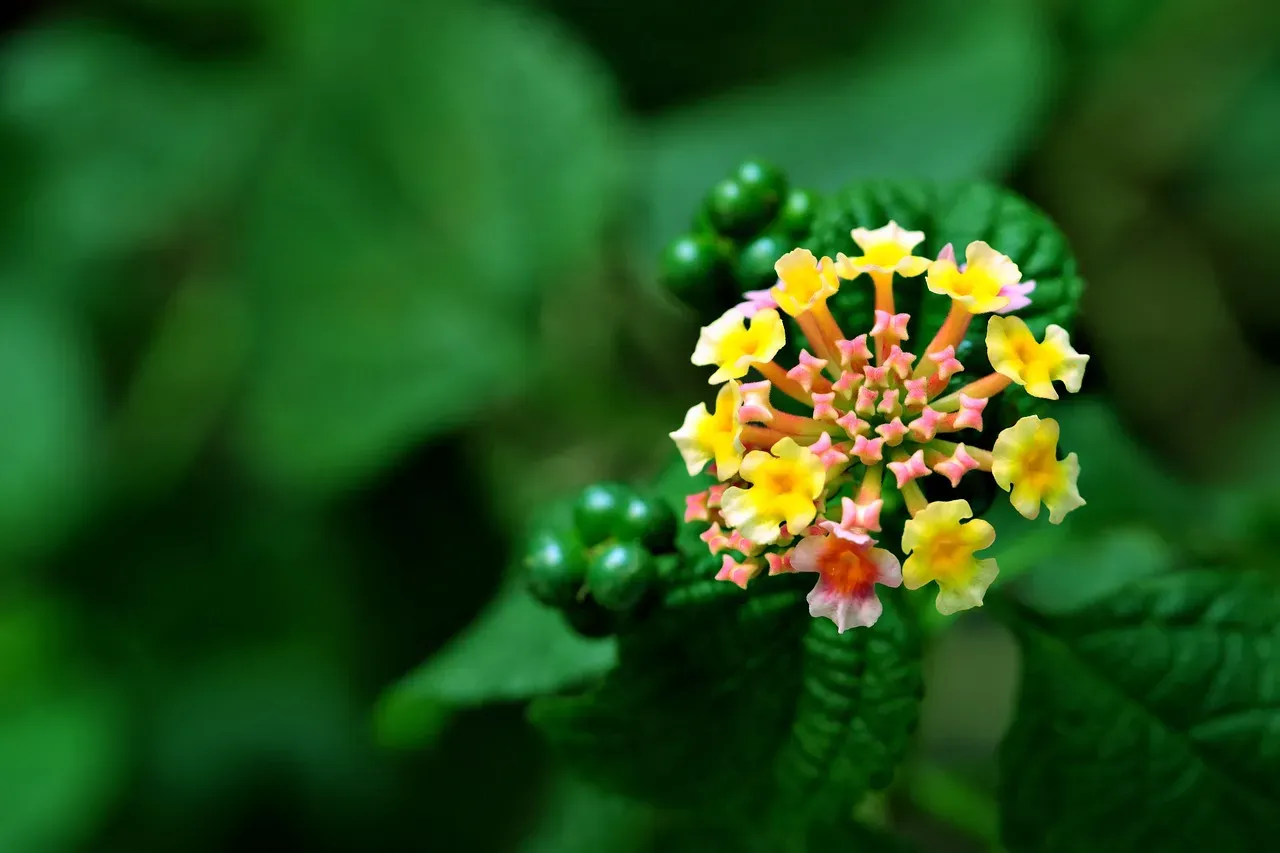
If you want butterflies and hummingbirds flocking to your patio, lantana is your plant. It thrives in brutal heat and actually blooms more intensely the hotter it gets. The multi-colored flower clusters, often mixing yellow, orange, pink, and red within a single bloom, create a stunning visual effect. Few flowering plants offer this kind of color complexity in a single head.
Lantana thrives in heat and needs little water once established, making it ideal for drought-prone areas. It also tolerates humidity and poor soil conditions well. It’s perfect for hanging baskets, patio pots, or a cascading edge in mixed containers. The compact growth habit means it won’t take over the whole pot either.
2. Portulaca (Moss Rose)
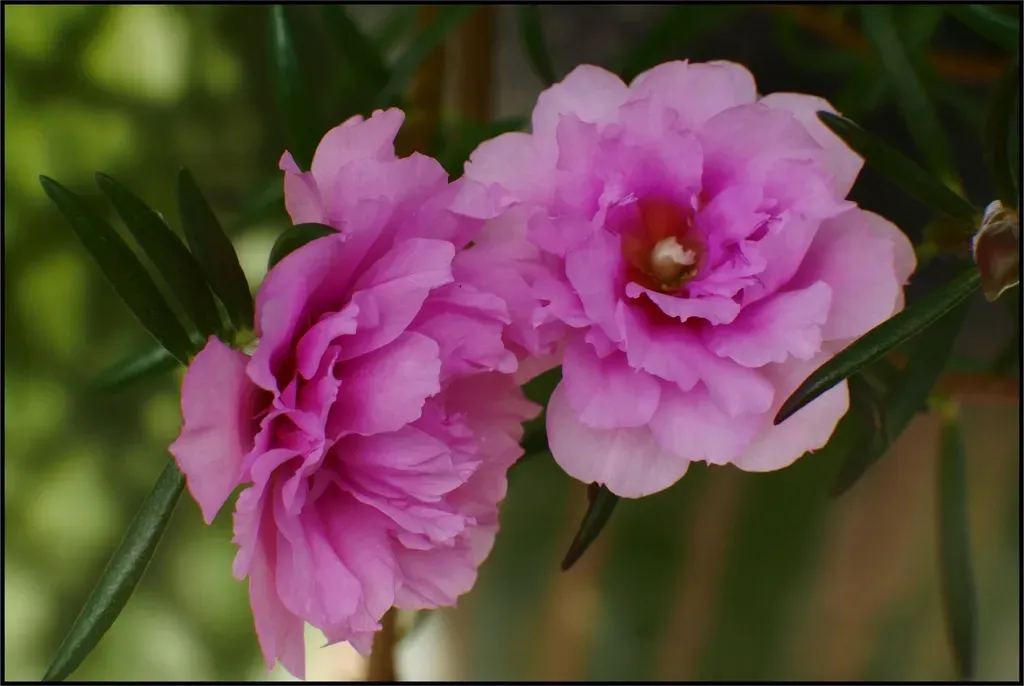
Portulaca is practically made for the impossible spots: south-facing walls, reflective concrete patios, areas that get relentless afternoon heat. Its succulent-like leaves store water, its flowers open in full sun and close at night or on cloudy days, and it spreads into a beautiful mat of jewel-toned blooms. It’s one of the most drought-tolerant flowering annuals you can grow in containers.
The floriferous annual moss rose is tolerant of heat and drought. Available in a range of hues, it makes a colorful addition to containers with other specimens, playing a supporting role under the larger horticultural stars. Think of it as the reliable backup singer that quietly steals the show.
3. Geranium (Pelargonium)
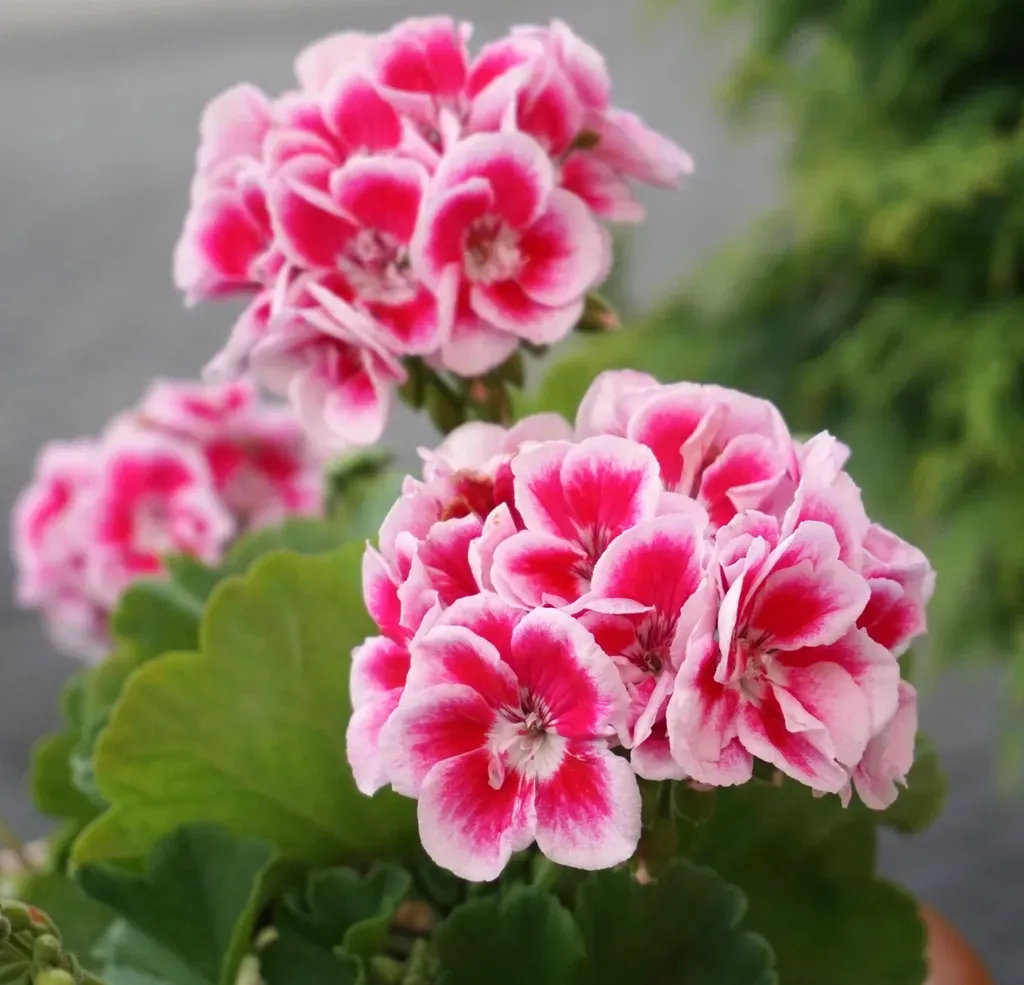
Almost all geraniums and geranium hybrids are sun lovers that won’t wilt and die if you forget to water them for a few days, making them perfect for a pot in the sunniest corner of your patio. They bloom from spring to fall and come in an astonishing range of vibrant hues. That combination of forgiveness and visual impact is rare.
Geraniums are possibly the best drought-tolerant plants for containers. They come in a wide variety of colors, making them perfect for all sorts of container planting. When the blooms begin to look spent, pinch off the clusters at the base of the stem (known as deadheading) and they will continue blooming all season. Low effort, high reward.
4. Petunias
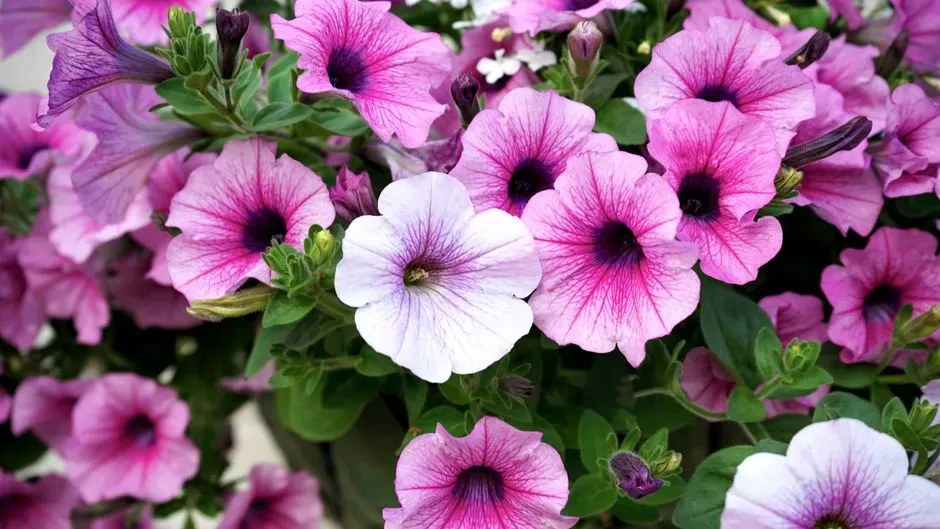
Petunias are the workhorses of the sunny container garden. They bloom continuously from spring through fall, come in virtually every color imaginable, and handle heat with ease. Modern varieties like Wave and Supertunia are bred specifically for vigor and heat tolerance, making them dramatically better than older types.
Petunias are the royalty of plants that grow well in sunny pots; they truly need eight hours of bright sunlight a day to bloom abundantly. With so many cultivars and hybrids on the plant market today, you’ll never tire of the spring-to-frost flower colors and sizes on offer. Give petunias the opportunity and they will trail, making them a great option for hanging planters.
5. Marigolds
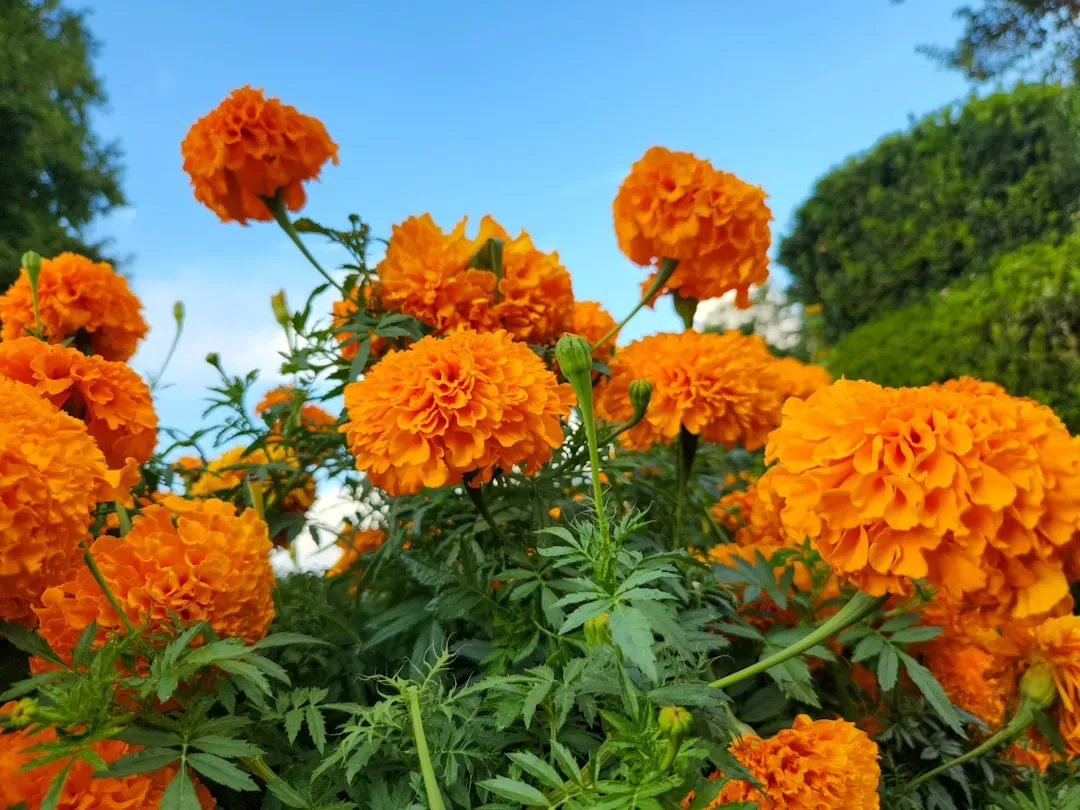
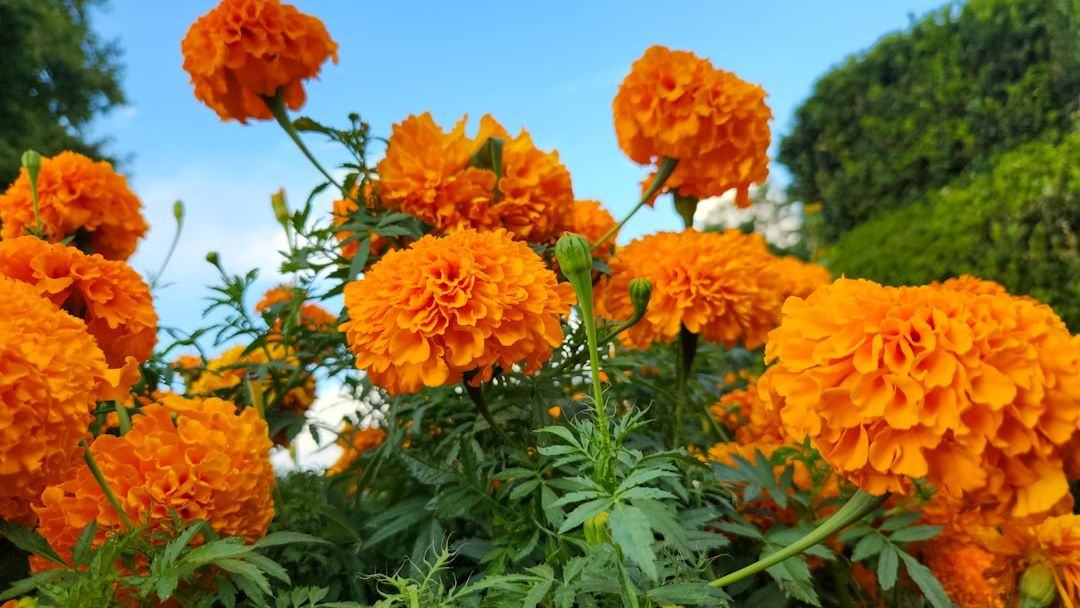
Marigolds are underrated. Gardeners sometimes dismiss them as old-fashioned, but they’re among the toughest, most reliable annuals for hot, sunny containers. African marigolds grow tall and bold, great as a thriller in a mixed pot. French marigolds stay compact and bushy, making them perfect fillers. That versatility alone earns them a permanent spot on the list.
Marigolds also repel pests naturally, which is a bonus if you’re growing herbs or vegetables nearby. Scented marigolds are a staple of kitchen and cottage-style gardens, grown for their bright, pollinator-friendly flowers. Plant in a container with other cottage-style annuals such as red salvia, nasturtium, and calendula.
6. Bougainvillea
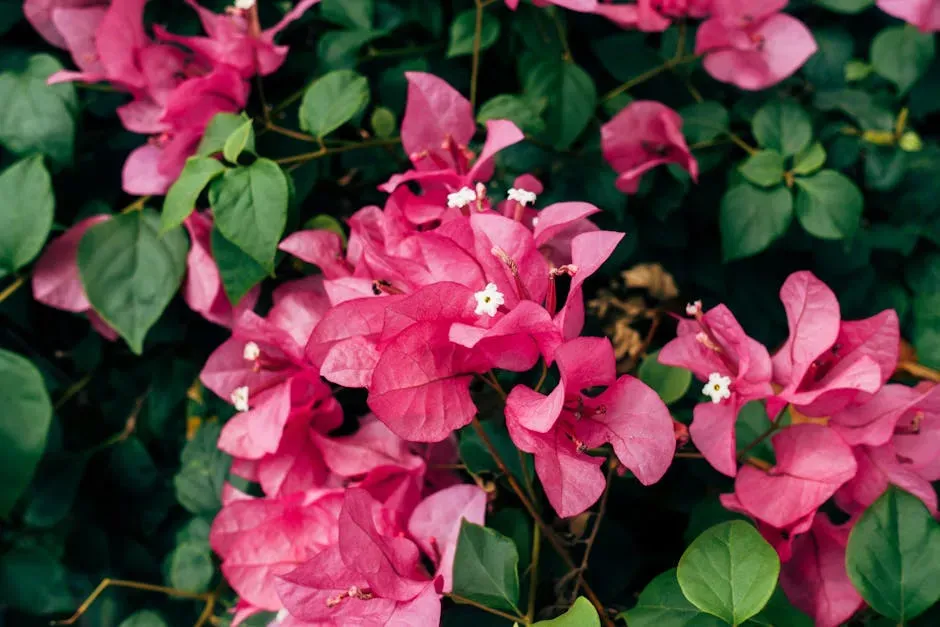
Bougainvillea dazzles with vibrant papery bracts in hot pink, purple, or orange. This bold climber is perfect for trellises or large containers that can spill over or climb up. It loves full sun, thrives on neglect, and prefers dry soil, making it ideal for hot patios. Once established, bougainvillea is drought-tolerant and blooms prolifically with minimal care.
Its bracts are not true flowers but modified leaves that add lasting color through summer. That’s worth knowing, because the color won’t fade as quickly as a traditional petal. Position it somewhere you can train it upward and it will become the dramatic anchor of your whole patio design.
7. Zinnias
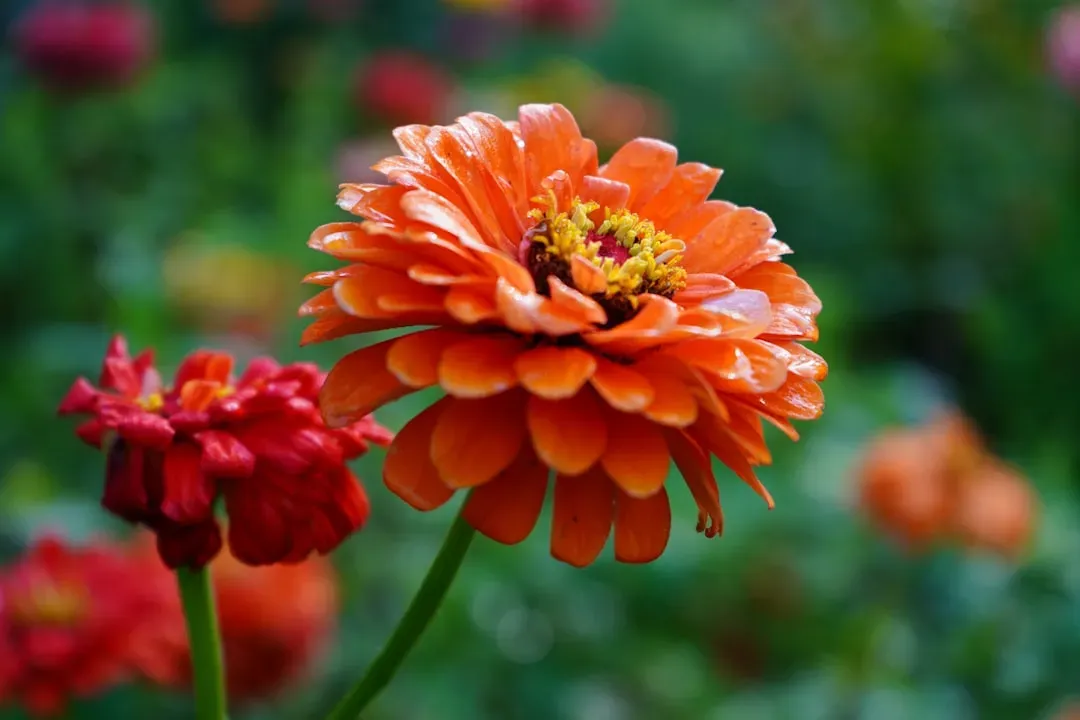
Few plants bring the same cheerful, cut-flower-quality blooms to containers as zinnias. They’re sun-lovers through and through: give them less light and they sulk; give them full blazing sun and they explode with color. They’re also one of the easiest annuals to grow from seed, which makes them genuinely cost-effective.
Bright cheerful flowers and long bloom time make zinnias a favorite of gardeners. Place a decorative container on a sunny deck or patio with a mounding form such as ‘Profusion’ as a filler. Combine with an upright salvia or canna lily and a spiller such as trailing lobelia, calibrachoa, or sweet potato vine. The design possibilities here are genuinely fun to experiment with.
8. Salvia
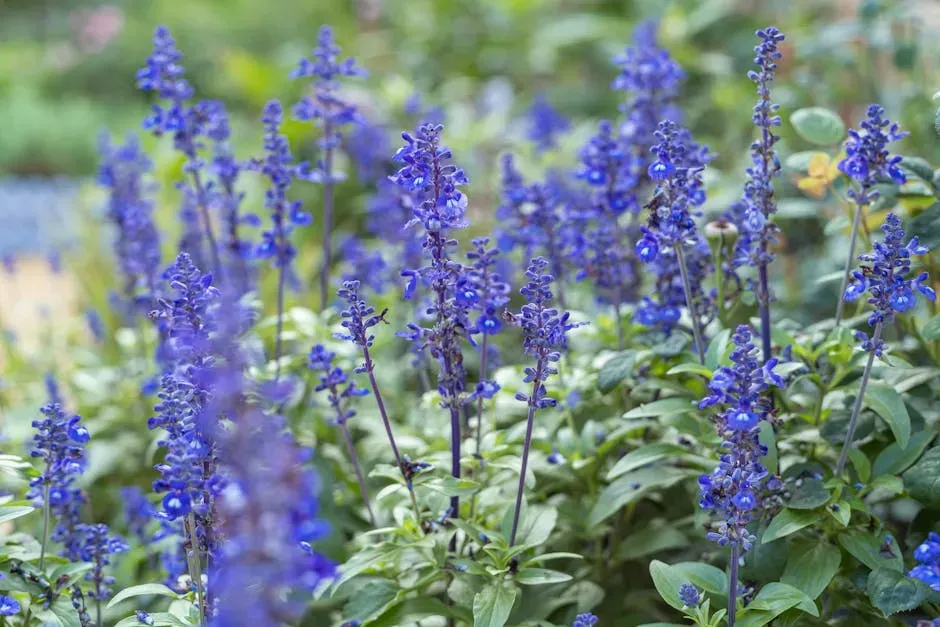
Known for its spiky flowers and long bloom time, salvia adds vertical interest and attracts pollinators in droves. Heat and drought tolerant, it’s perfect for sunny pots and pairs beautifully with trailing plants. Choosing smaller varieties works better for fit in pots. The upright habit gives containers a structured, intentional look that softer plants can’t always provide.
All Rockin’ salvias thrive in heat and can tolerate some drought stress once established. They work well as a thriller in patio planters and in pollinator gardens, as well as low maintenance gardens. Drought, humidity, and heat tolerant salvias boast plumes in hues of pink, blue, and purple, and thrive in a pot with good drainage dropped in the sunniest spot in the yard.
9. Calibrachoa (Million Bells)
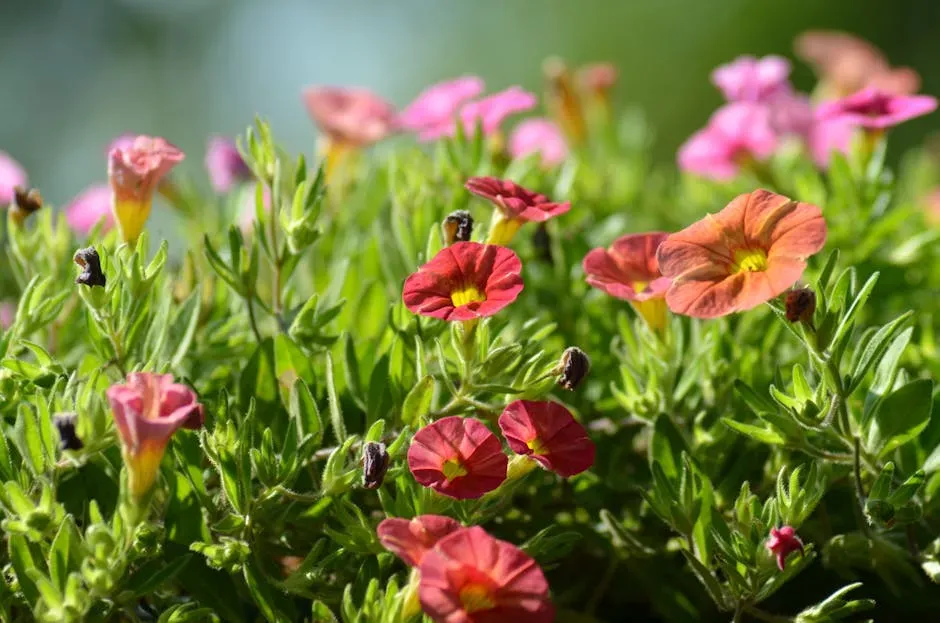
Also known as “million bells,” calibrachoa resembles tiny petunias and thrives in sunny containers. This trailing plant is perfect for hanging baskets, window boxes, or the edges of pots. With plenty of light, it will bloom all season long, offering a rainbow of colors like purple, yellow, pink, and white.
Calibrachoa prefers well-draining soil and benefits from regular watering and feeding. It’s also surprisingly resilient to heat and light drought. The sheer volume of blooms it produces relative to the size of the plant is almost disproportionate. It’s the kind of plant that makes passersby stop and ask what it is.
10. Succulents and Echeveria
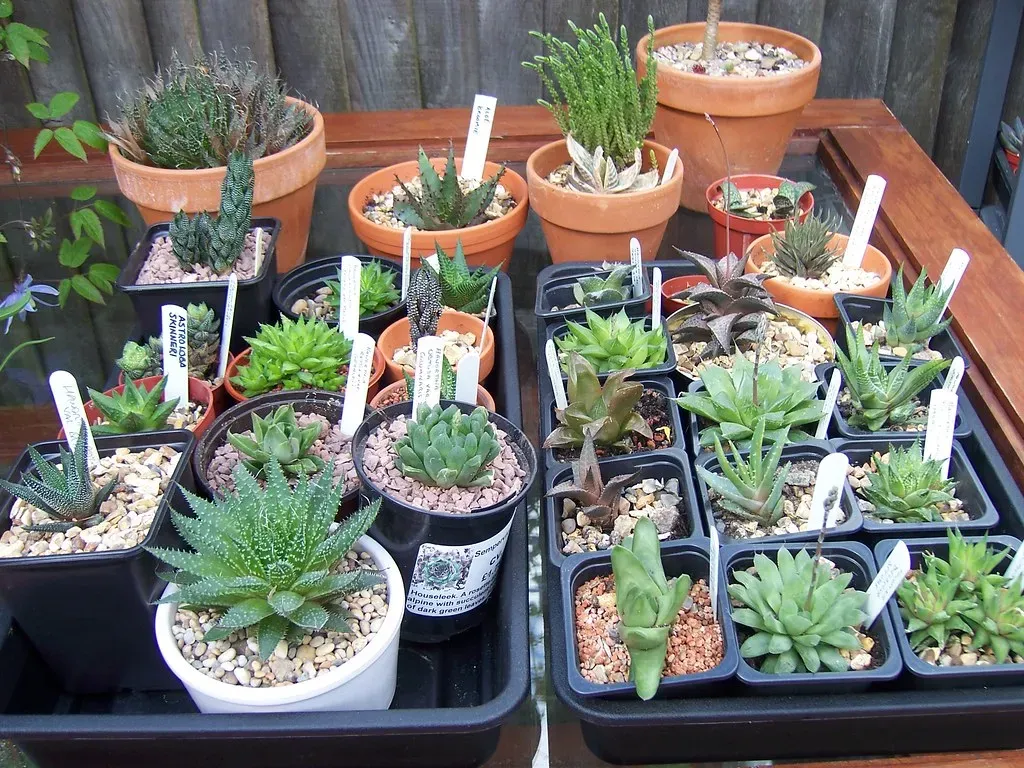
Succulents thrive in hot, sunny conditions, making them perfect candidates for container gardens on sun-drenched patios. Their water-storing leaves and minimal maintenance requirements mean you won’t be constantly watering them during heat waves. Group different varieties like echeveria, sedum, and haworthia in a shallow, wide bowl for an eye-catching display.
These hardy plants come in fascinating shapes and colors ranging from blue-green to purple and even orange. The key to success is using well-draining cactus soil and a container with drainage holes. Place your succulent bowl in the sunniest spot on your patio and water only when the soil is completely dry for a worry-free garden feature.
11. Purple Fountain Grass
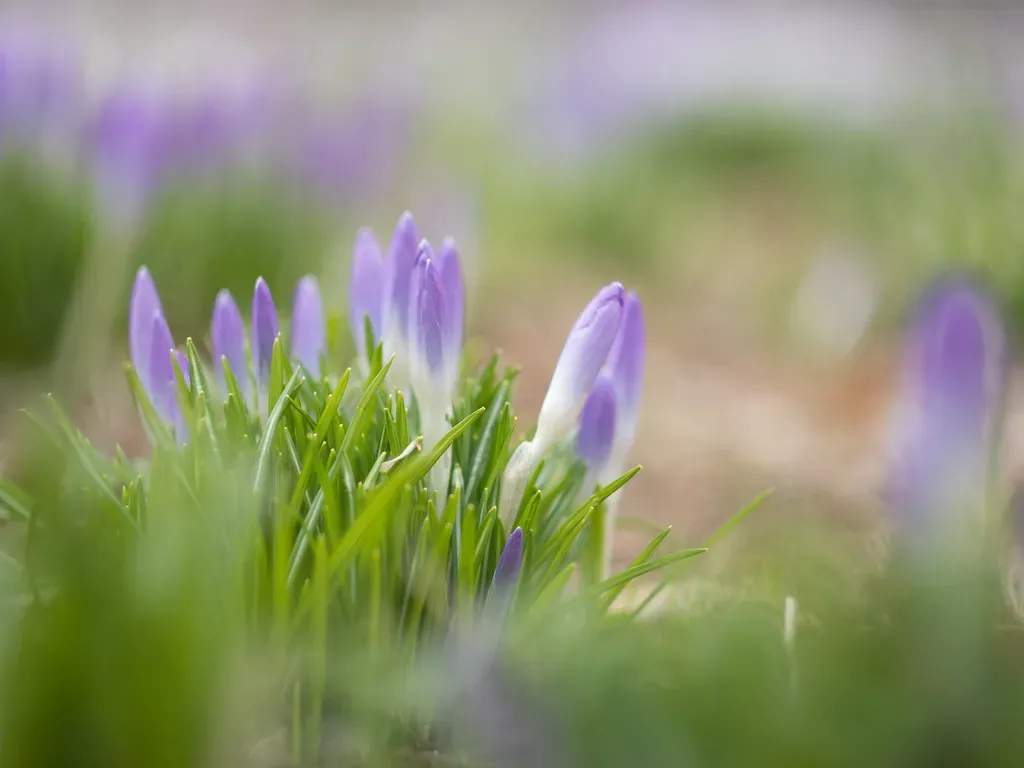
Ornamental grasses add movement, texture, and a modern feel to container gardens. Varieties like purple fountain grass and blue fescue thrive in hot, sunny locations and require minimal watering once established. There’s something distinctly satisfying about watching those arching burgundy blades catch a warm summer breeze.
When planted in large containers, purple fountain grass will grow quite tall, up to five feet. It makes a lovely visual frame for gates and doorways when planted on each side of an entrance. This grass thrives all season and is especially tolerant of blazing sun and little water. Choose purple fountain grass if you want height, movement, color, and easy summer care.
12. Hibiscus
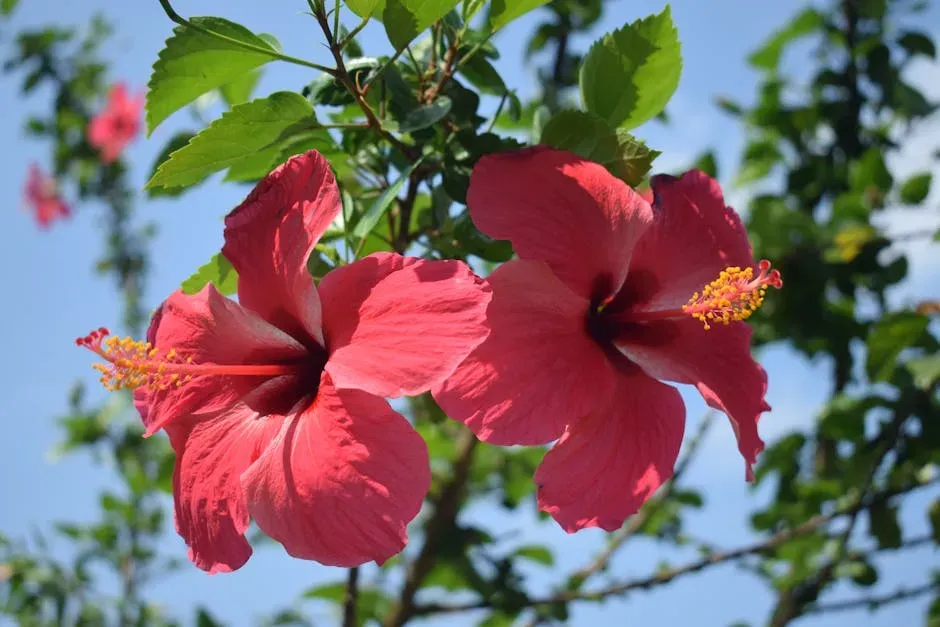
These show-stopping plants produce dinner-plate-sized blooms in hot pink, yellow, orange, and red that can transform a plain patio into an exotic retreat. Choose a large container at least 18 inches in diameter to accommodate their root system and provide stability. Hibiscus plants love heat but need consistent moisture to produce their spectacular flowers. Adding a layer of mulch on top of the soil helps retain moisture during hot days.
Position your hibiscus where you can enjoy the flowers, which typically open in the morning and close by evening. Each bloom lasts only a day, but plants continuously produce new flowers throughout the summer. That daily renewal makes it one of the most genuinely exciting plants to check on each morning.
13. Canna Lily
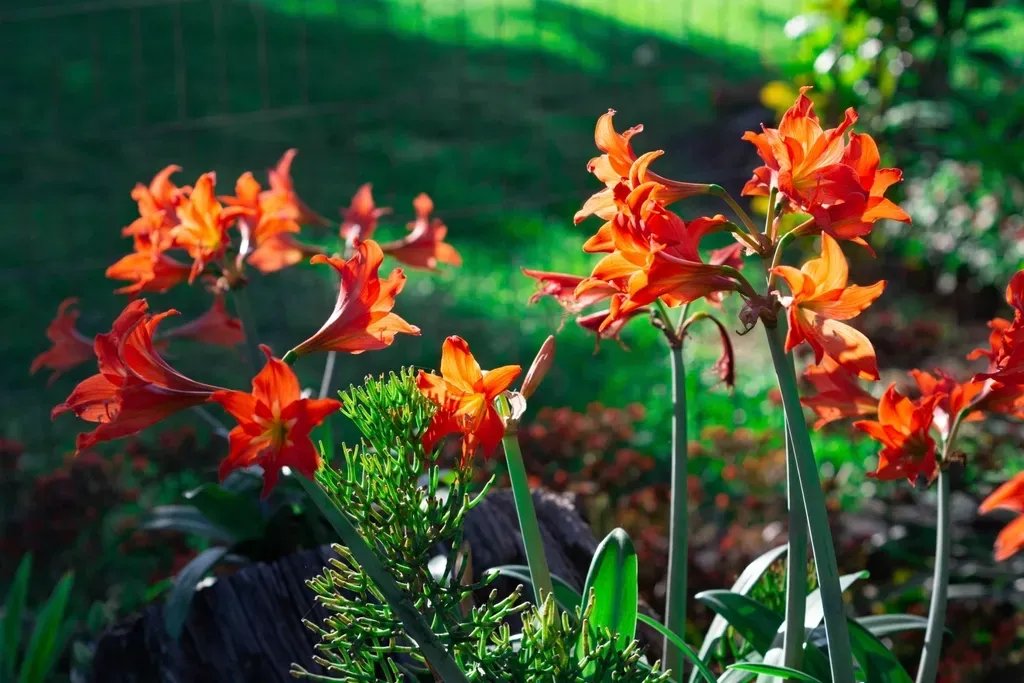
Canna lily says “lush and tropical” but also “hot and sunny” like few other flowering plants. It has broad fleshy and glossy lanceolate leaves, sometimes veined, sometimes even dark purple. These grow upward from the base of the plant, and they alone give you a tropical and exotic landscape. The foliage alone justifies growing it.
There’s nothing like the lush foliage, bold colors, and striking silhouettes of a tropical garden. Enjoying these extraordinary plants up-close and personal in patio or poolside containers is even better. From cannas to cordylines, there are so many stunning options, and they’ve been selected based on their hardy, heat-tolerant nature as well as their star-quality good looks.
14. Rosemary
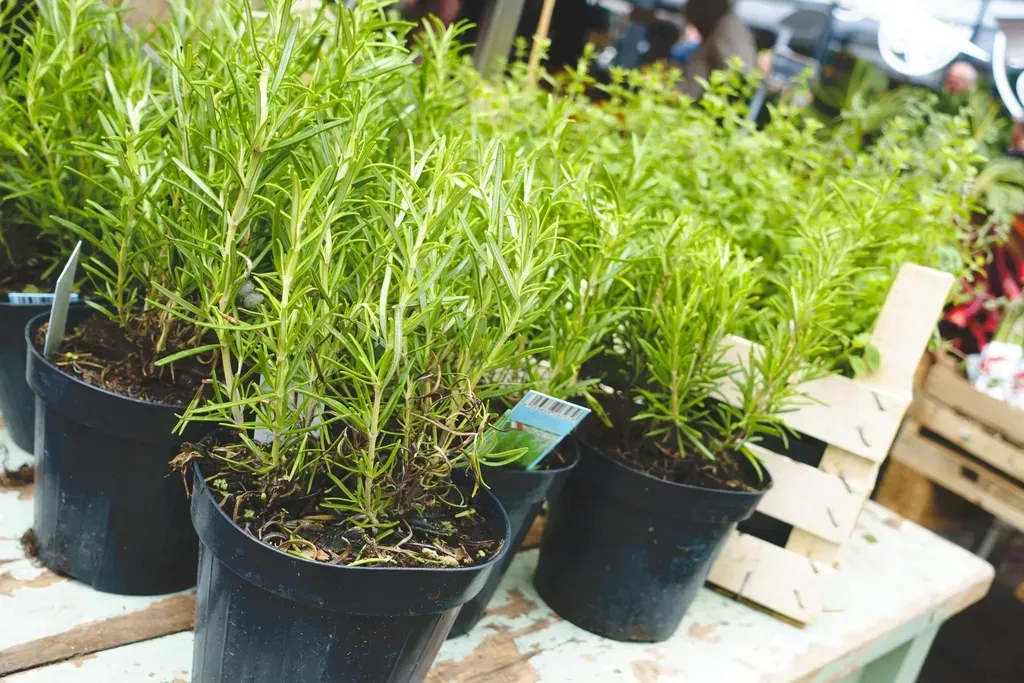
While cool-season herbs like cilantro, chamomile, dill, and parsley tend to bolt or burn when the going gets hot, there are several aromatic and tasty options that love the intense summer sun. Rosemary, thyme, and lavender shine during the hot summer months, and continue to produce the tasty leaves or flowers that we love for garnishing and flavoring our favorite dishes.
With well-known heat tolerance, aromatic needle-like foliage, and a profusion of tiny blue flowers, rosemary is a great choice for herb container gardens in full sun. Planting in a container also gives you the ability to bring it indoors for winter and enjoy it year-round. It’s one of those rare plants that earns its place as both functional and beautiful.
15. Mandevilla
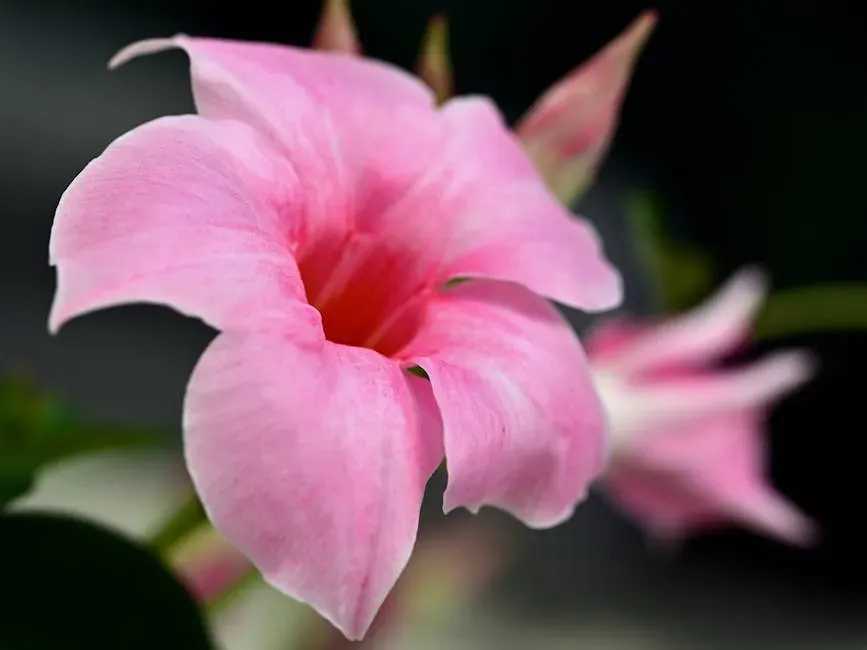
With its trumpet-shaped flowers and climbing habit, mandevilla adds a tropical flair to sunny patios. This vine blooms in shades of pink, red, and white and thrives in the heat. Mandevilla loves full sun and appreciates regular watering, especially during blooming. It prefers well-drained soil and benefits from occasional feeding with a balanced fertilizer.
Give it a trellis or stake and watch it soar, adding vertical interest to your container garden. In a world of mounding, spreading plants, mandevilla offers something genuinely different: upward drama. It transforms a plain wall or fence into a living backdrop, and once it gets going in summer heat, you’ll wonder why you waited so long to try it.
A Final Word on Making It All Work
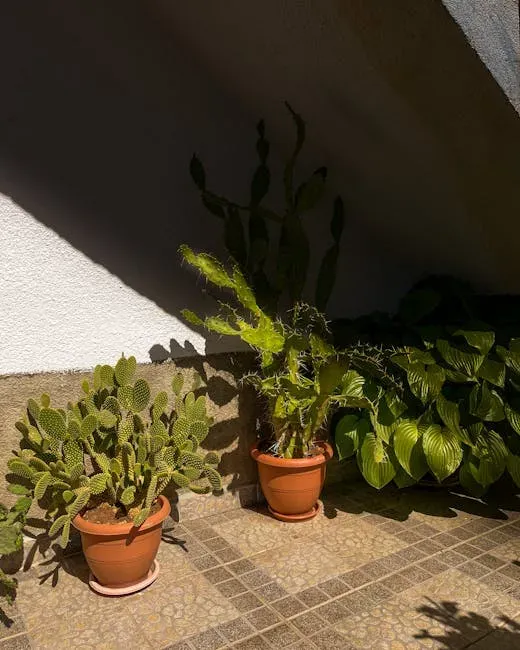
A full sun plant needs between six and eight hours of sunlight a day to produce vibrant flowers, luscious fruit, or otherwise perform at its best. While some full sun plants will grow in light shade, they get leggy and bloom less. Placement really does matter more than most gardeners give it credit for.
When choosing containers for heat-lovers, note that terracotta pots pose a problem in sunny spots: their porosity draws the water from the soil and from the plant’s roots. Black or dark-hued containers can attract a little too much of the sun’s energy, heating the pot sometimes to plant-wilting temperatures. Light-colored glazed pots are genuinely the smarter call in summer.
These plants naturally adapt to sunny, dry conditions and stay happy with minimal care. They often need less water and maintenance, saving you time and energy. That’s the quiet promise at the heart of this whole list. A hot patio isn’t a limitation. With the right plants, it’s the best possible place to garden.
The truth is, a sun-baked patio is not a graveyard for plants. It’s a very specific kind of opportunity. The fifteen plants on this list don’t merely survive the heat. They require it, reward it, and, in many cases, bloom harder because of it. Start with one or two, pay attention to what works in your particular microclimate, and build from there. A patio that once looked withered by August could easily become the most striking part of your outdoor space. The difference is usually just knowing which plants are actually on your side.
As a little kid, I fell in love with nature, wildlife, and animals. Living in the USA, South Africa, Italy, China and Germany gave me the opportunity to discover the world's Wildlife. My favorite animals are Mountain Gorillas, Siberian Tigers, and Great White Sharks.
I'm a certified PADI Open Water Diver, went to Everest Base Camp and Trekked Gorillas in Uganda. I hold a Master of Science in Economics and Finance.
Please send any feedback to feedback@animalsaroundtheglobe.com
- 14 Most Beautiful Bird Songs You Can Hear in America - July 15, 2026
- The Longest Snake Ever Found Slithering in the U.S. - July 15, 2026
- Why Humpback Whales Are Singing Louder Off U.S. Shores - July 15, 2026