

Picture this: America’s first national park, one of the most iconic wildernesses on the planet, was broken. Rivers weren’t flowing right. Trees weren’t growing. The whole ecosystem was out of whack. What could fix it? The answer seemed almost too simple. Let’s be real, nobody would’ve guessed that bringing back a predator we’d hunted to extinction would be the key to healing an entire landscape. Yet in the mid-nineties, that’s exactly what happened when wolves returned . The story behind this decision is fascinating, full of unexpected twists and ecological revelations that changed how we think about nature itself.
A Mistake That Took Seventy Years to Recognize
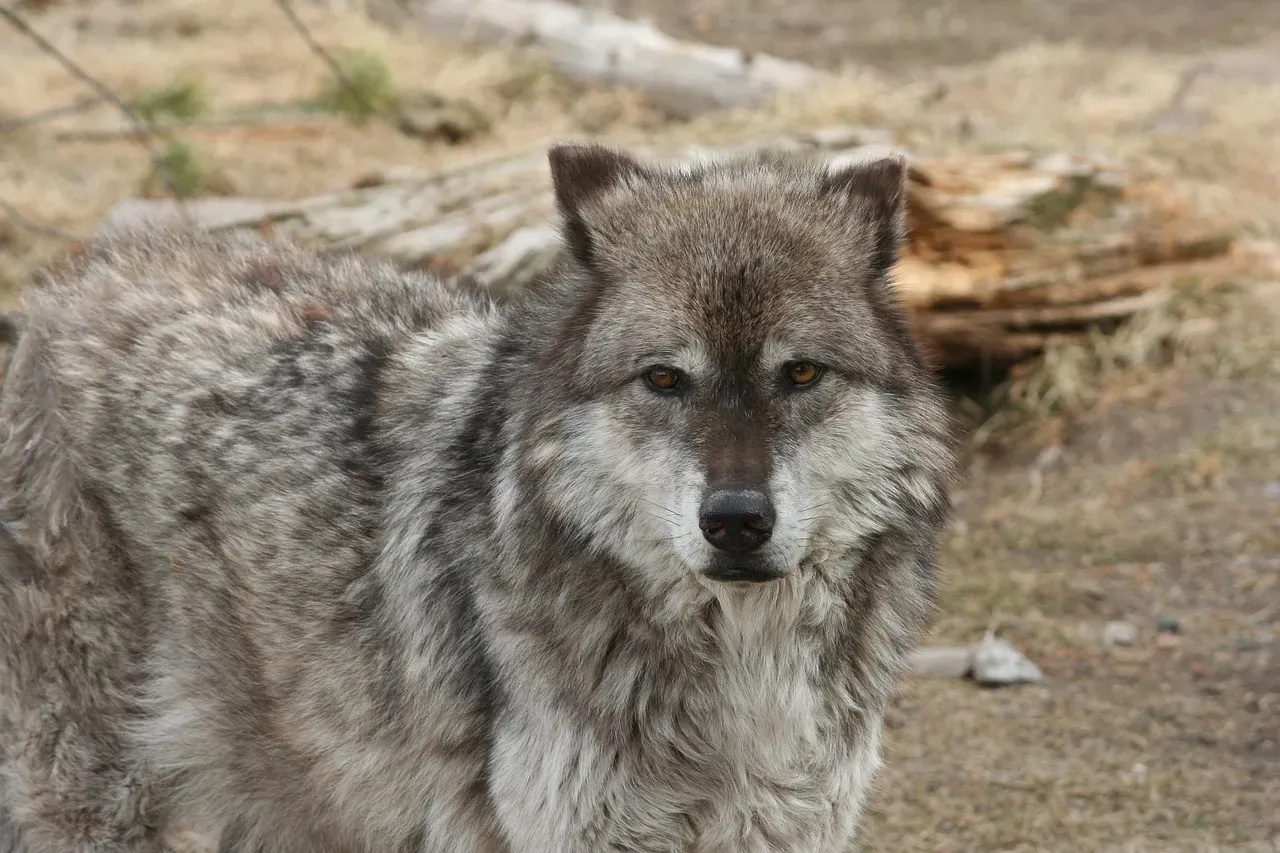
Between 1914 and 1926, humans eliminated 136 wolves that lived within Yellowstone National Park. Back then, predators were seen as varmints and threats. The thinking was straightforward: wolves killed elk and other game animals, so they had to go.
This was before we understood the connectedness of wildlife, before we knew the value of intact ecosystems, and wiping out an apex predator in the park turned out to be a major mistake. Government predator control programs in the first decades of the 1900s essentially helped eliminate the gray wolf from Yellowstone. Nobody realized then that removing one species would unravel the entire ecological tapestry of the park.
When Everything Started Falling Apart
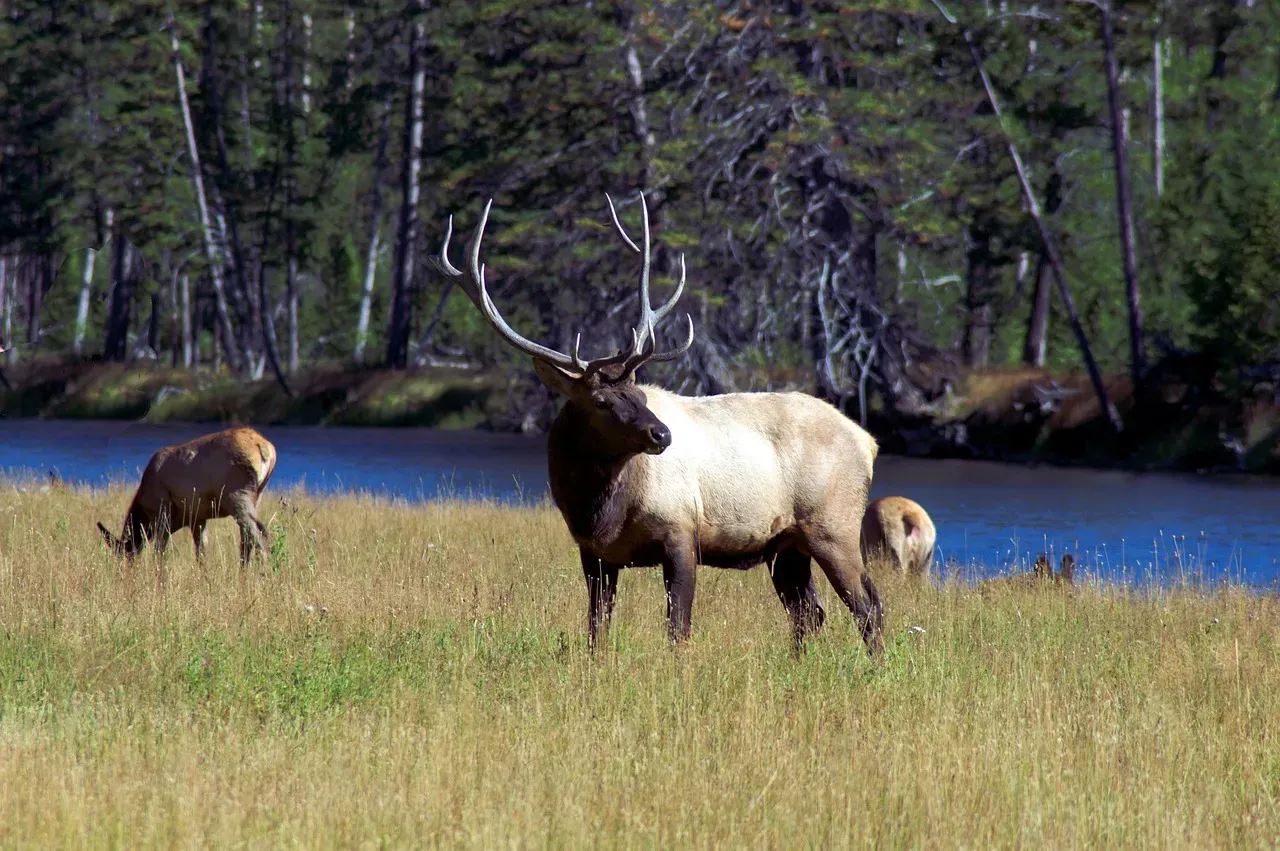
Seventy years without wolves changed Yellowstone dramatically. Without their primary predator, elk populations exploded and behaved completely differently. The absence of wolves took a huge amount of predatory pressure off the elk, and as a result, elk populations did very well, perhaps too well.
The elk overgrazed young trees and plants ruthlessly. With the apex predators gone, they gathered in great herds on the lush river banks and gorged themselves faster than the shrubs could grow. Willow and aspen trees couldn’t regenerate. Beavers lost their food supply and disappeared from the park. When the grey wolf was reintroduced in 1995, there was only one beaver colony in the park. The entire ecosystem was spiraling downward.
The Legal Push That Made Reintroduction Possible
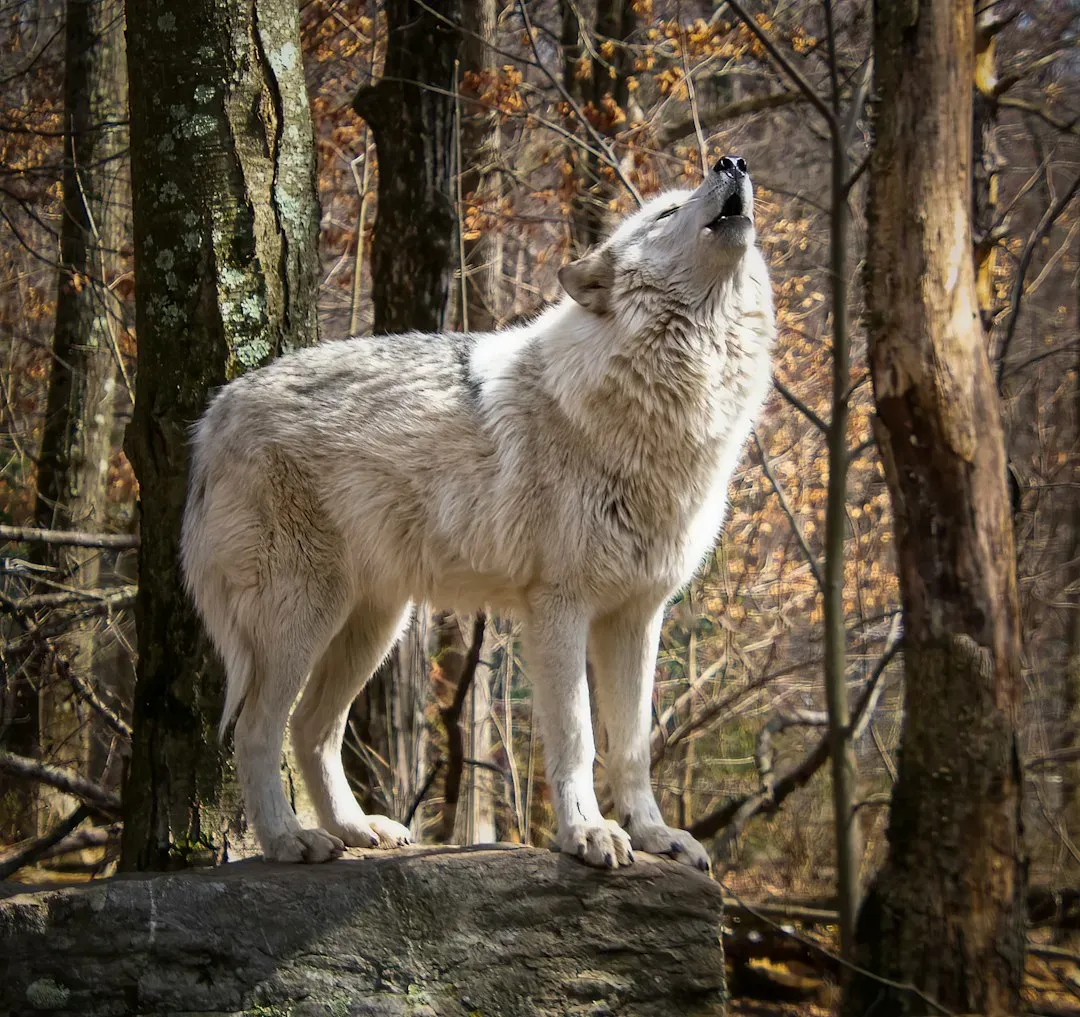
In 1973, the Endangered Species Act was passed, and the gray wolf was one of the first species listed as endangered, mandating protection and recovery planning. This legislation changed everything. Until the passage of the Endangered Species Act of 1973, there was no legal basis or process for re-introducing the gray wolf .
The road to reintroduction wasn’t smooth. It took decades for Americans to come around on wolf reintroduction, and many years of advocacy was needed to change people’s misperceptions. More than 160,000 public comments were received on the Environmental Impact Statement, the largest number of public comments on any federal proposal at that time. Some people feared for livestock, others for human safety. Ranchers worried about losing animals to wolf predation.
Restoring Balance Through a Keystone Species
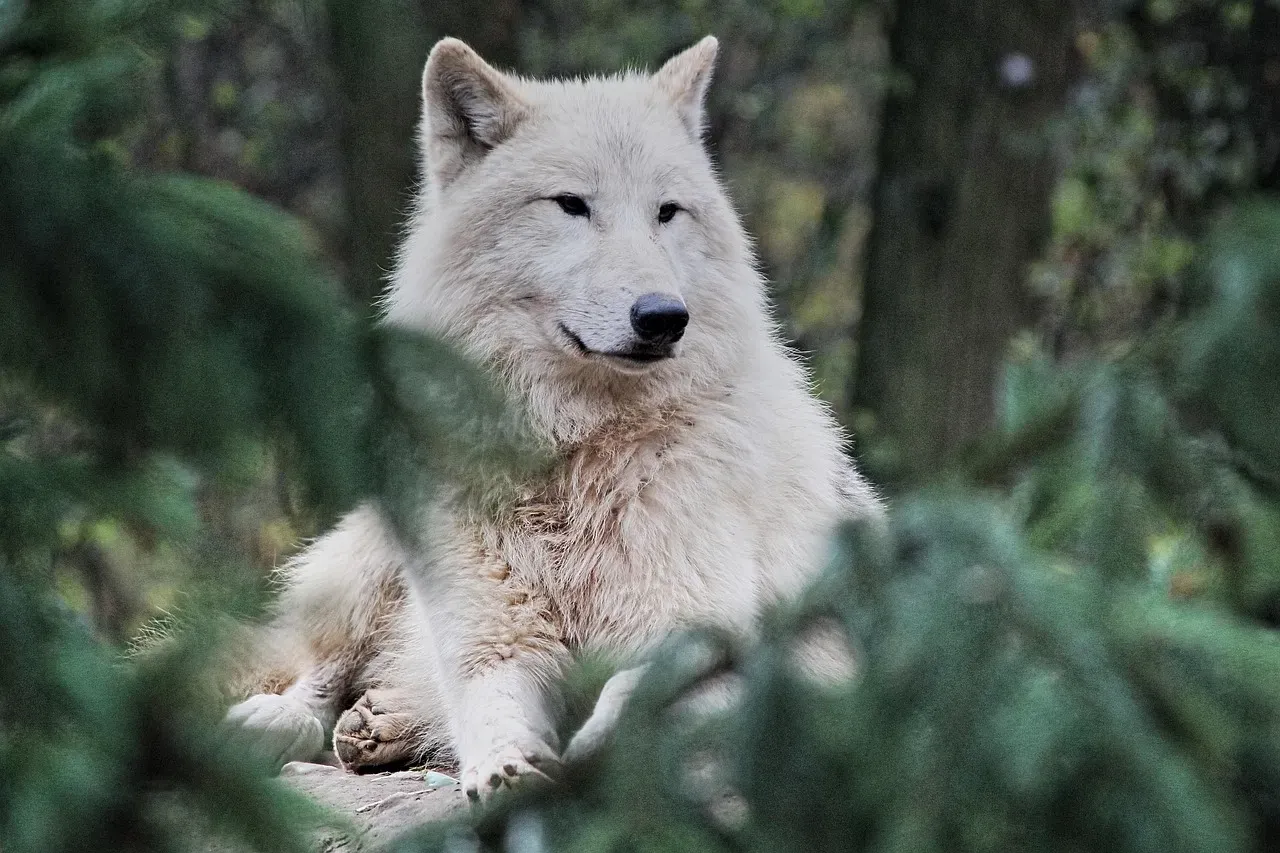
Scientists began to fully understand wolves’ role in the food web as a keystone species. This concept was crucial to the reintroduction argument. A keystone species is like the keystone in an arch: remove it, and the whole structure collapses.
Rangers wanted to restore the ecosystem and get the elk population, which had decimated the plant community, in check. The science was clear enough: Yellowstone needed wolves to function properly again. This monumental undertaking marked the first deliberate attempt to return a top-level carnivore to a large ecosystem. It was unprecedented, bold, and risky.
How Wolves Sparked a Trophic Cascade
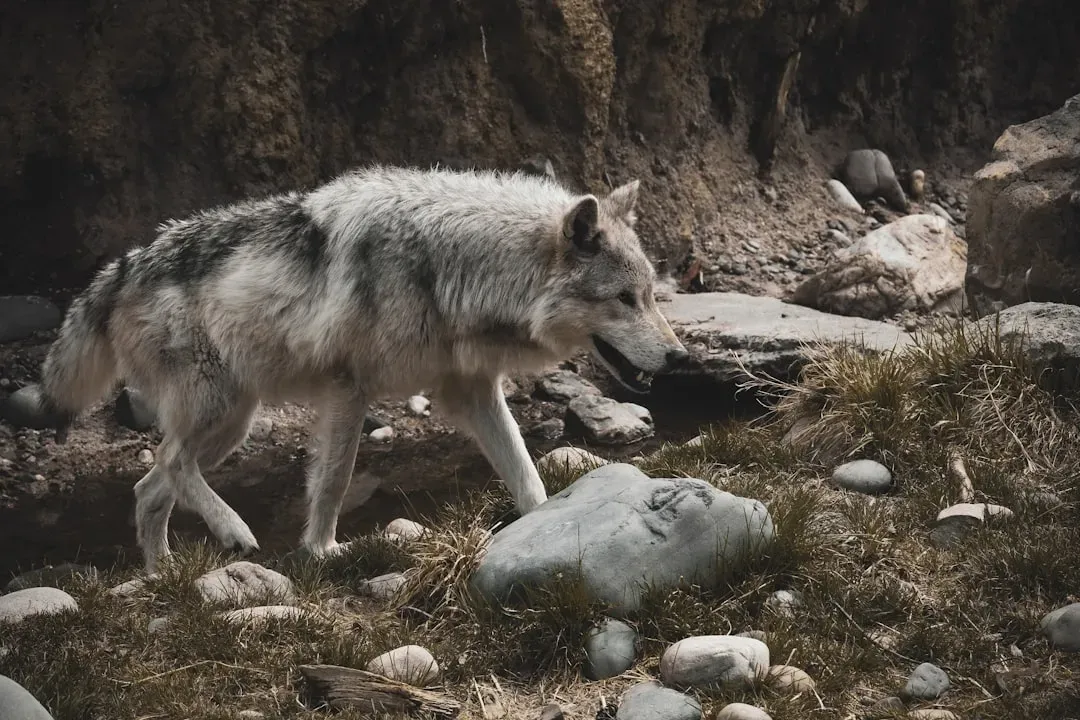
Gray wolves were reintroduced in National Park in 1995, resulting in a trophic cascade through the entire ecosystem. The term sounds technical, yet the concept is straightforward. Trophic cascades are the indirect effects of predators propagating downward through food webs.
Wolves have this beneficial trophic cascade effect for one simple reason: they make elk run. Instead of lounging by rivers and devouring everything in sight, elk had to stay alert and keep moving. This behavioral shift alone transformed the landscape. Elk behavior shifted so that instead of grazing freely, they became more cautious and avoided open riverbanks, and vegetation rebounded with fewer elk feeding on young saplings. Trees grew back, riverbanks stabilized, and biodiversity returned.
The Ripple Effects Nobody Expected
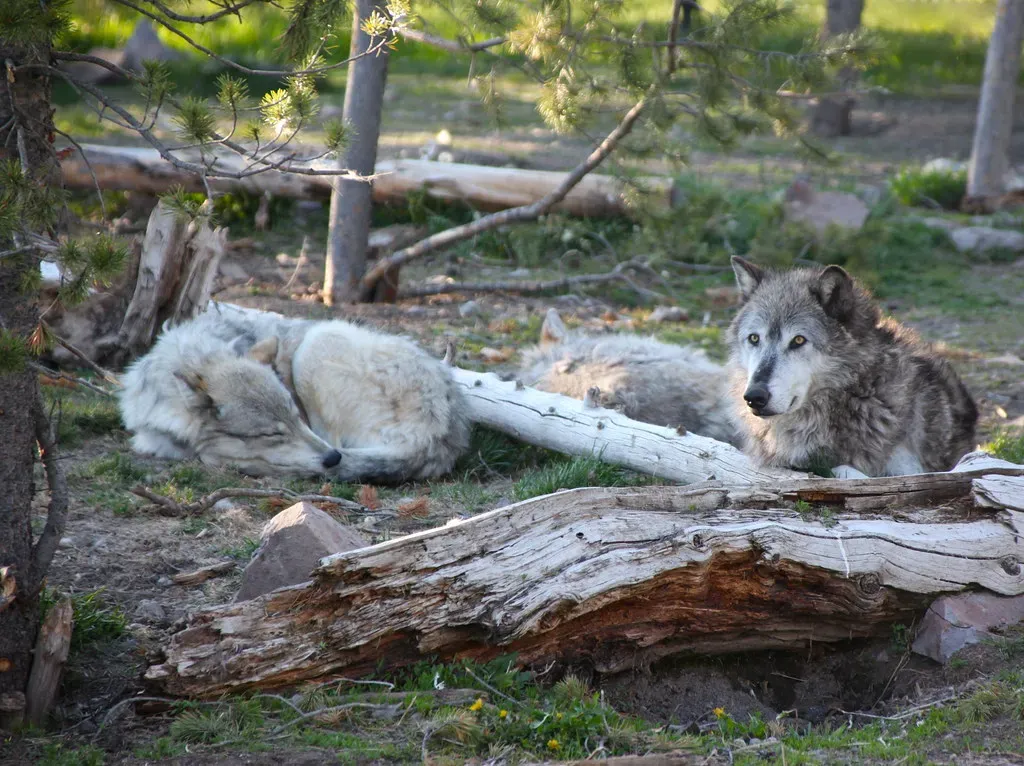
The changes went far beyond anyone’s wildest predictions. Research revealed a remarkable 1,500% increase in willow crown volume along riparian zones in northern Yellowstone from 2001 to 2020. Today, the park is home to nine beaver colonies, with wolves continuing to astonish biologists with a ripple of direct and indirect consequences throughout the ecosystem.
Even scavengers benefited. The combination of less snow and more wolves benefited scavengers both big and small, from ravens to grizzly bears, including bears emerging hungry from hibernation. Coyote populations dropped, allowing smaller mammals and raptors to thrive. Rivers literally changed their courses as vegetation stabilized banks and reduced erosion. It’s hard to say for sure, but this cascade might be one of the most dramatic ecosystem recoveries ever documented.
Conclusion: A Beacon of Hope for Conservation
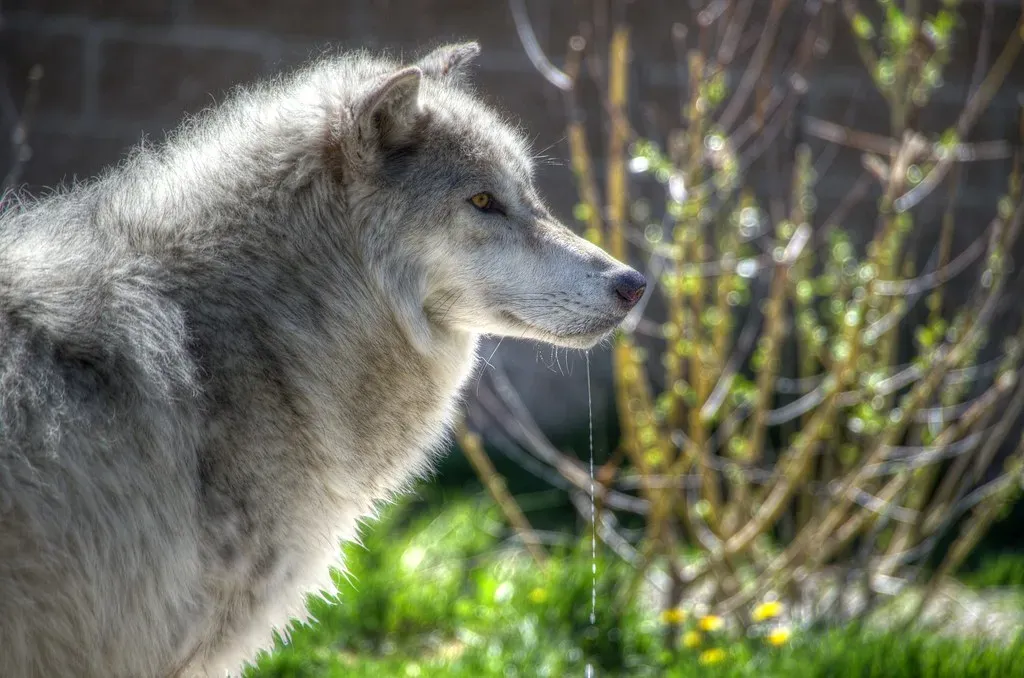
The reintroduction of wolves wasn’t just about fixing one park. It demonstrated something profound about how nature works when we give it the tools it needs to heal itself. The impacts of wolf recovery have been significant, with Yellowstone’s large carnivore community fully restored and wolves once again playing a critical role in natural ecological processes.
Wolf ecotourism brings in $35 million annually, proving that conservation can benefit local economies too. Wolves bring an estimated $83 million to the park’s gateway communities through wildlife watching. The wolf reintroduction showed that we can correct our mistakes, even massive ones that took seven decades to unfold.
Here’s the thing: this success story offers a blueprint for rewilding efforts worldwide. What do you think about bringing predators back to ecosystems where they’ve been lost? Could this work in other places struggling with ecological imbalance?

- Why Wolves Were Reintroduced to Yellowstone - July 15, 2026
- The Resurgence of America’s Wild Horses: A Symbol of Freedom and Hope - July 15, 2026
- 10 Cat Breeds That Tolerate Dogs Surprisingly Well - July 15, 2026