
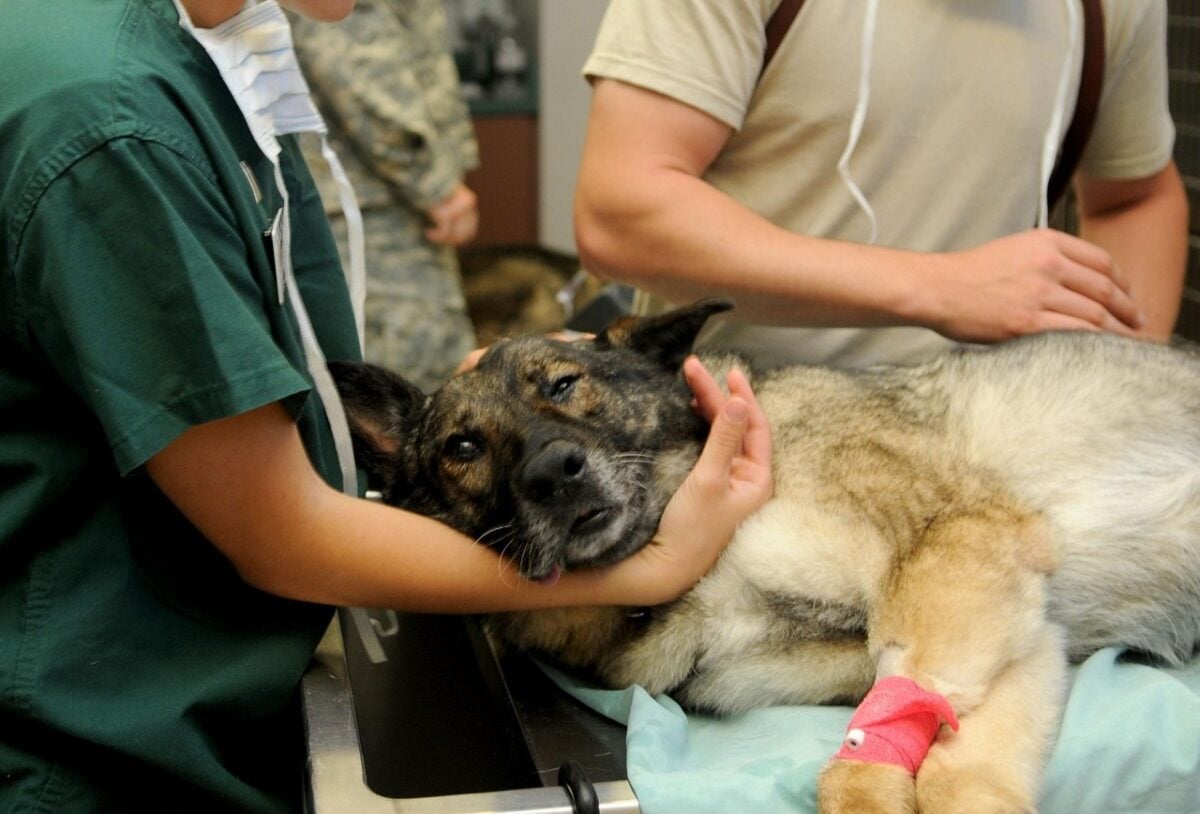
Most families assume a veterinary appointment ends the moment the bill is paid and the exam room door closes behind them. But talk to veterinary staff who spend their careers with older pet owners, and a very different picture emerges – one where quiet, unadvertised courtesies reshape the entire experience for clients over 60, especially during a pet’s final visit.
These gestures rarely show up on any invoice. Most clinics never mention them out loud, and plenty of younger pet owners have no idea they even exist. Veterinary insiders say these small acts of grace happen far more often than the public realizes – and the further down this list you go, the more surprising, and more human, they get.
#15 – Extra Minutes That Never Get Billed
🔥 Would you like to save this?
We'll email this post to you, so you can come back to it later!
Veterinary clinics run on tight scheduling, yet staff often quietly stretch the clock for older clients during a pet’s last appointment. Front desk teams block out longer windows without telling the family, simply labeling the visit “extended consult” internally.
Many clinics never charge for this additional time, even though a standard appointment slot is typically fifteen to twenty minutes. Vets say rushing an older client through a euthanasia decision creates lasting regret, so they build in buffer time on purpose. It isn’t written policy anywhere – it’s a habit passed quietly from senior staff to new hires. And #14 gets even more personal.
#14 – Waived or Reduced Aftercare Fees

🔥 Would you like to save this?
We'll email this post to you, so you can come back to it later!
Cremation and aftercare costs can run into hundreds of dollars, and many veterinary offices quietly adjust these fees for senior clients living on fixed incomes. Staff say they’re often given informal discretion to waive private cremation upgrades or shrink the gap between communal and individual options.
This flexibility is almost never advertised, because clinics don’t want to look like they’re handing out charity. Front desk staff are simply trained to say, “let me see what we can do,” when an older client hesitates at the price. It tends to happen more at independently owned practices than corporate chains, and it’s rarely called a discount – more often it’s a quiet “loyalty adjustment” that never even makes it onto the final bill.
Fast Facts
- Communal cremation (no ashes returned) typically runs on the lower end of the price scale.
- Private cremation with ashes returned in an urn generally costs more, often two to three times as much.
- Pet size, region, and clinic type all influence final aftercare pricing.
- Independent practices report more pricing flexibility than corporate-owned chains.
#13 takes that same quiet generosity somewhere most people wouldn’t expect.
#13 – Home Visit Options Quietly Offered First
🔥 Would you like to save this?
We'll email this post to you, so you can come back to it later!
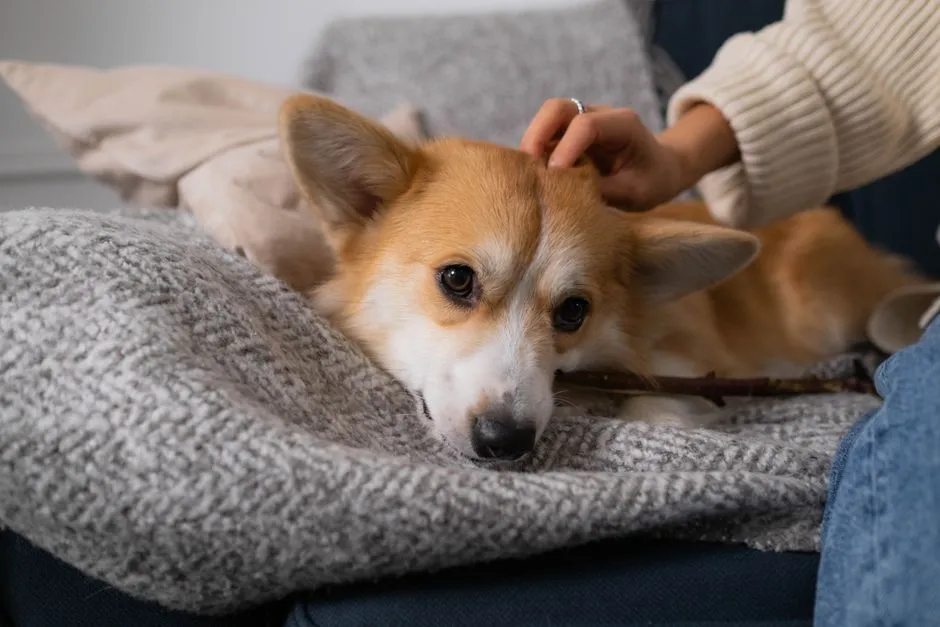
Many older clients don’t realize that in-home euthanasia is often mentioned to them before it’s ever offered to younger pet owners. Mobility and transportation are real barriers for senior clients, so staff are trained to bring up house-call options early in the conversation.
This option is frequently presented as the default, not the upgrade – because clinics know how hard it can be to get a grieving, elderly pet owner safely into a car and back home afterward. Staff worry about someone driving while emotionally shattered, so a home visit removes that risk entirely. The pet stays calmer too, in familiar surroundings, which vets say makes the whole process gentler for everyone in the room. #12 is about something even simpler – and it happens in nearly every family’s favor.
#12 – Permission to Bring the Whole Family, No Questions Asked
🔥 Would you like to save this?
We'll email this post to you, so you can come back to it later!
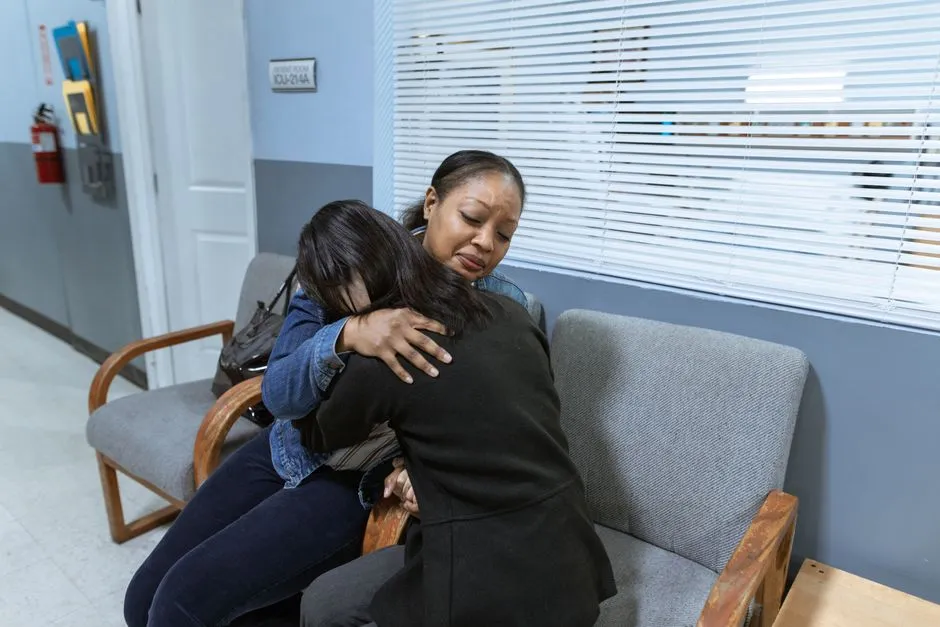
Most clinics have unspoken limits on how many people can crowd into an exam room. Those rules quietly disappear for older clients saying goodbye to a pet they’ve had for a decade or more.
This flexibility is rarely offered upfront to younger clients, who are usually expected to keep it to one or two people. Staff push furniture aside, borrow a bigger room, and let grandchildren, adult children, and even neighbors pile in. Some clinics have quietly set aside a specific “family room” for exactly this reason, and they’ll wait for a late-arriving relative rather than start without them. #11 isn’t about actions at all – it’s about the words themselves.
#11 – A Softer Script, Deliberately Rehearsed
🔥 Would you like to save this?
We'll email this post to you, so you can come back to it later!
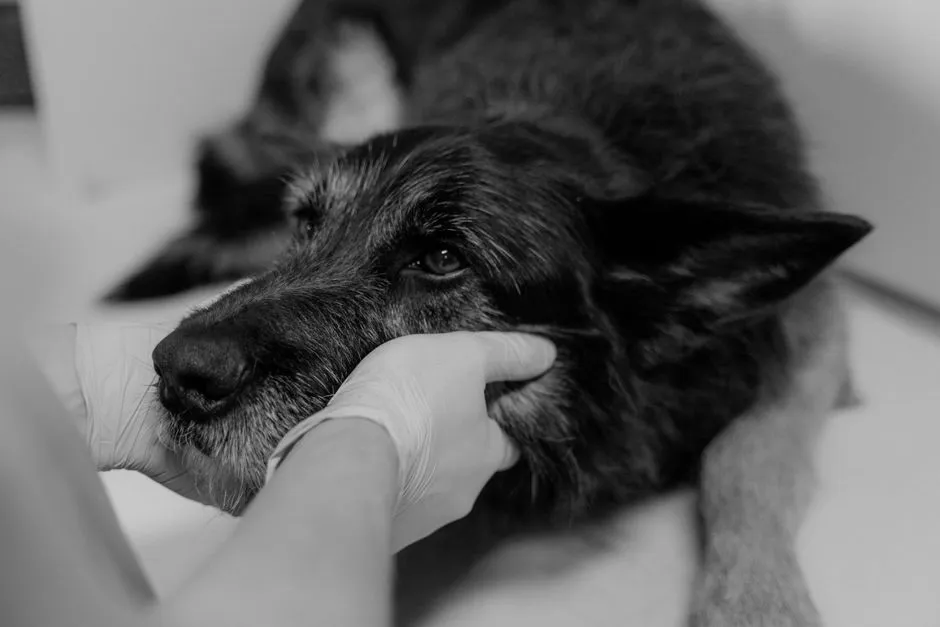
The language veterinarians use during a final appointment isn’t accidental. Many practices train staff to change their wording specifically for older clients.
Instead of clinical terms like “euthanize” or “put down,” staff are coached to say things like “help them pass peacefully” or “let them rest.” This shift in vocabulary is often taught specifically for senior clients, who staff say respond better to gentler framing in an already brutal moment. It isn’t dishonesty – it’s pacing. Older clients often need information delivered slower, with more room for questions, while younger owners tend to want quick, direct answers. #10 happens after the appointment is already over.
#10 – Quiet Follow-Up Calls Days Later

🔥 Would you like to save this?
We'll email this post to you, so you can come back to it later!
Most people assume the relationship ends the moment the final bill is paid. Many veterinary offices quietly keep going, especially with senior clients.
Staff say they’ll place a personal check-in call within a week of a pet’s passing – something far less consistent for younger households. This follow-up is often done off the clock or during slow periods, not as clinic protocol but as a personal gesture from someone who’s known the family for years. It’s especially common when the client is elderly and might be living alone for the first time in a long while. Some clinics even keep informal notes on which older clients live by themselves, so nobody on staff forgets to check in. #9 is something you can actually hold onto.
#9 – Handwritten Sympathy Cards, Not Printed Ones

🔥 Would you like to save this?
We'll email this post to you, so you can come back to it later!
Sympathy cards after a pet’s passing are common enough. But the quality and personalization of those cards often shifts noticeably once the client is older.
Veterinary staff report keeping handwritten cards specifically for long-term senior clients, while newer or younger clients might get a standard printed one. This distinction is almost never explained to clients directly, but staff say it reflects relationships built over years, sometimes decades, of visits. Technicians will reference a pet’s quirks or a family’s specific history by name. For clients who’ve outlived multiple pets, staff describe this as one of the last genuinely personal touches left in an increasingly corporate industry. #8 is the one most clinics won’t admit to out loud.
#8 – Discreetly Waived Exam Fees for the Final Visit
🔥 Would you like to save this?
We'll email this post to you, so you can come back to it later!
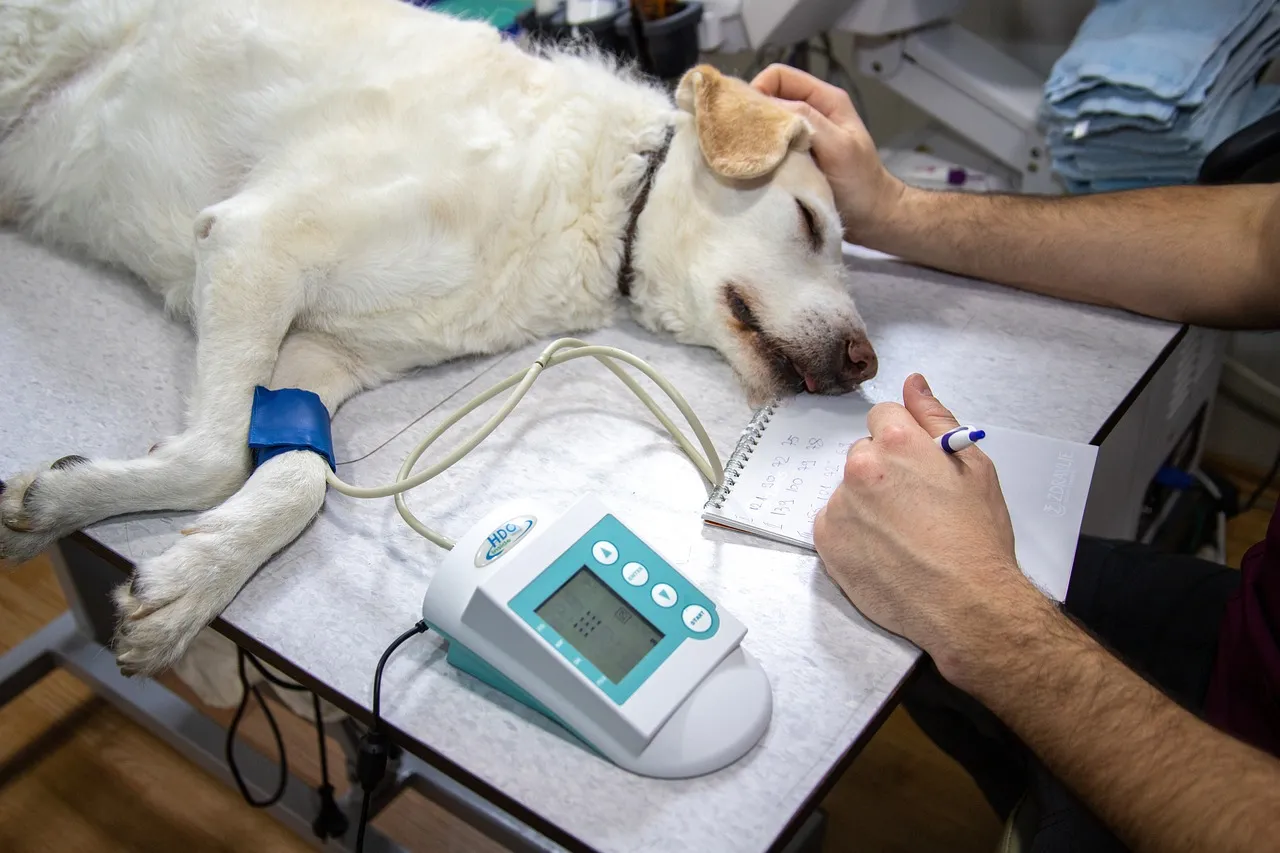
While cremation costs sometimes get adjusted, many clinics quietly waive the actual exam or euthanasia procedure fee for older, long-term clients. It’s rarely announced – it just shows up as a zero-dollar line item with no explanation attached.
Veterinarians say this decision is usually made privately by the doctor, not the front desk, and it’s typically reserved for clients who’ve been coming to the practice for years. It’s less common at corporate-owned clinics, where pricing flexibility is locked down by policy. Staff describe it as one of the more controversial internal practices, since it isn’t applied consistently – some vets see it as unfair, others see it as honoring a decades-long relationship. Either way, it rarely shows up in writing anywhere. #7 has nothing to do with money – it’s entirely about timing.
#7 – Priority Scheduling at the End of the Day
🔥 Would you like to save this?
We'll email this post to you, so you can come back to it later!
Older clients are often quietly scheduled for the very last appointment slot of the day, and it’s not a coincidence. Clinics do this specifically so families aren’t rushed by a packed waiting room or a ticking clock before the next patient walks in.
Staff say this scheduling trick is one of the most common courtesies extended to senior clients, letting them stay as long as they need without throwing off the day’s flow. It also gives staff time afterward to clean the room properly, and honestly, to decompress themselves. Receptionists coordinate this quietly, almost never explaining the real reason to the client.
Quick Compare
- Midday slot: tight time limit, waiting room noise, next patient often already checking in.
- End-of-day slot: open-ended time, quiet lobby, no pressure to wrap up quickly.
- Midday slot: staff cleaning the room while thinking about the next appointment.
- End-of-day slot: staff able to fully focus on the family before closing up.
#6 is a small object that ends up carrying enormous weight.
#6 – Keepsakes Offered Without Being Asked
🔥 Would you like to save this?
We'll email this post to you, so you can come back to it later!
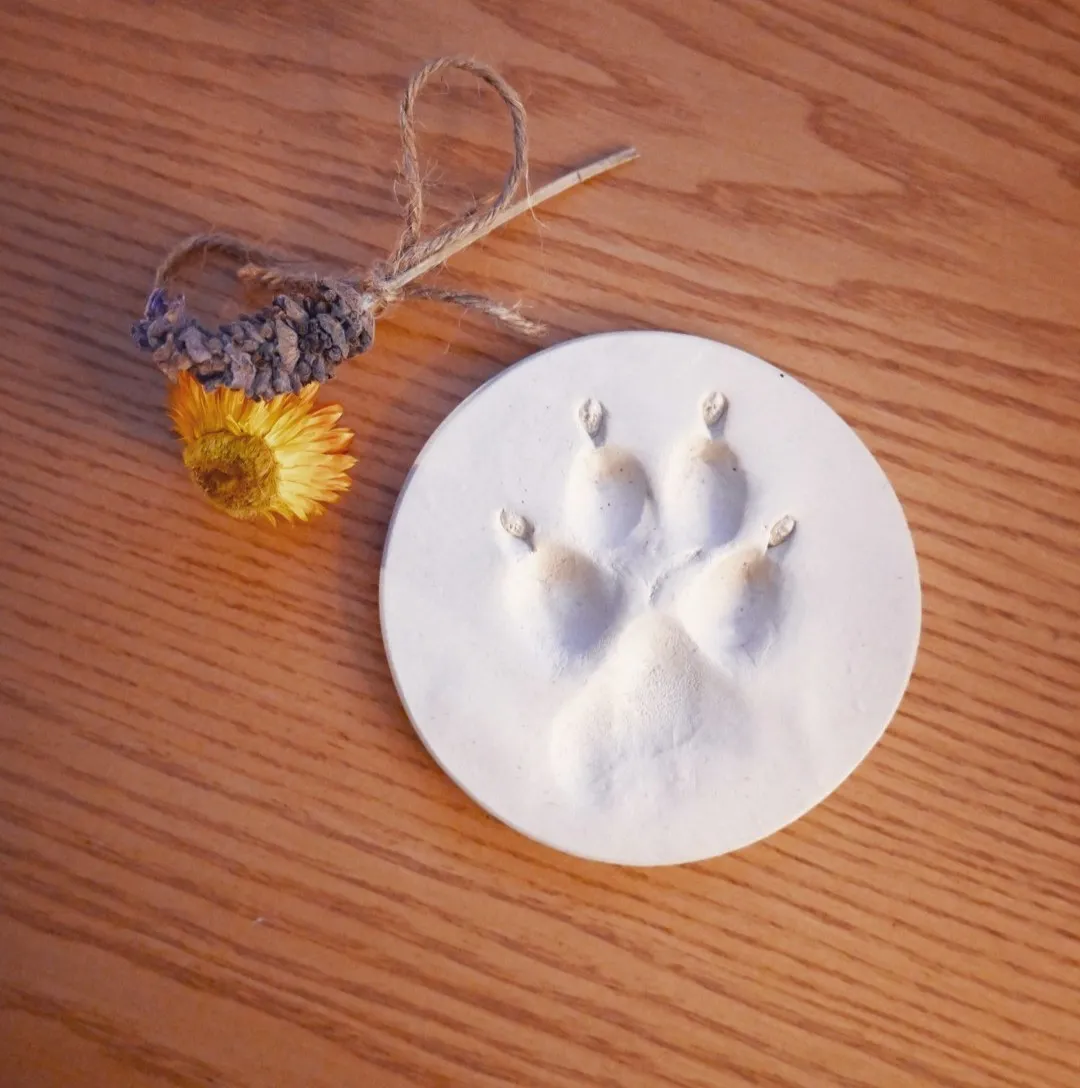
Paw print impressions, fur clippings, and clay paw casts are increasingly standard offerings. But staff say they’re proactively offered to older clients far more often than to younger ones.
Younger pet owners are sometimes simply asked if they want a keepsake. Older clients are frequently walked through the process step by step. This proactive approach is intentional, staff say, because senior clients may not think to ask in the moment, or may not even know these options exist. Some clinics keep keepsake kits pre-assembled specifically for this. Staff describe walking clients through it slowly, without ever rushing them toward the next task.
At a Glance
- Ink or clay paw print impressions
- Small clippings of fur, often tied with ribbon
- Certificate or card noting the pet’s name and dates
- Pre-assembled keepsake kits kept on hand for immediate use
#5 goes beyond the clinic doors entirely.
#5 – Transportation Assistance Quietly Arranged
🔥 Would you like to save this?
We'll email this post to you, so you can come back to it later!
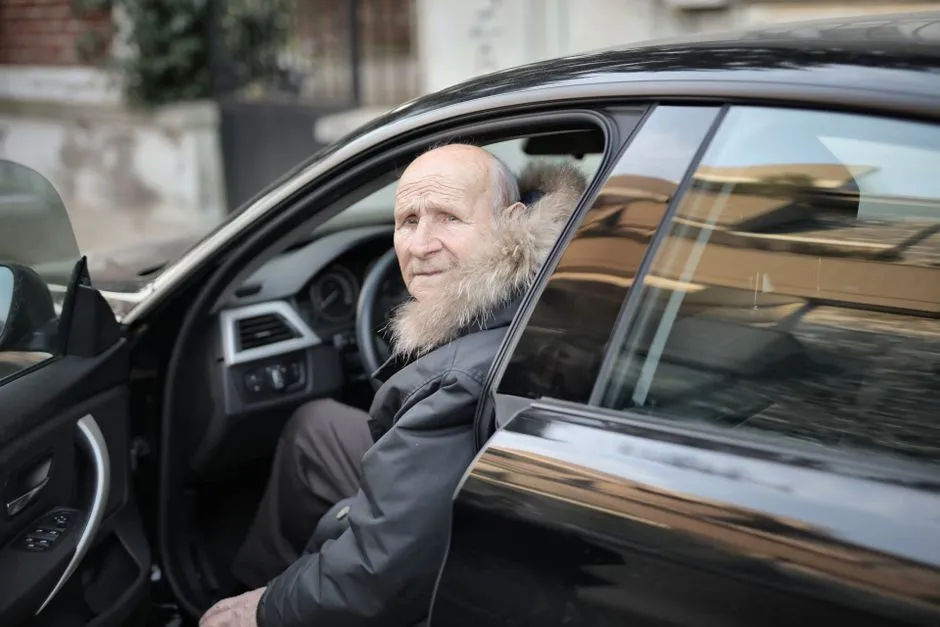
For older clients without reliable transportation, some staff go as far as personally arranging rides home after a devastating appointment. It’s not official policy at most practices – it’s individual people choosing to help.
Staff say this happens more often than most people would expect, particularly in smaller towns where the veterinary team knows clients personally. It reflects a level of care that stretches well past the professional relationship. Sometimes it’s nothing more than walking someone to their car, carrying an empty carrier, or making sure they’re steady on their feet before they drive off. Staff describe it as an unwritten responsibility that comes with serving a long-term, aging client base. #4 is about protecting something that can’t be bought back: privacy.
#4 – A Private Exit, Away From the Waiting Room
🔥 Would you like to save this?
We'll email this post to you, so you can come back to it later!
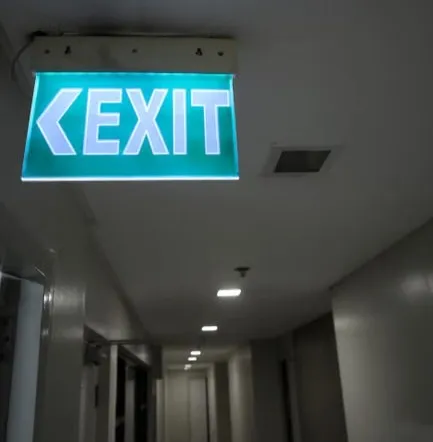
Most clinics run checkout straight through the main waiting area. Staff often reroute older clients through a side or back exit after a final appointment instead, avoiding a walk past a crowded lobby full of strangers and other people’s pets.
Veterinary staff describe this as one of the most consistently applied courtesies, since it protects the privacy and dignity of a family at their rawest. Clinics with a spare exit or private consultation room make this easy to coordinate without anyone noticing. Staff say they’ve seen firsthand how much it matters to older clients who feel embarrassed crying in front of people they don’t know. #3 is the one accountants hate – and clients never forget.
#3 – Payment Plans Offered Without a Credit Check

🔥 Would you like to save this?
We'll email this post to you, so you can come back to it later!
Emergency payment plans are usually reserved for urgent, unexpected care. But some clinics quietly extend flexible payment arrangements to older clients even for planned final appointments, no credit check involved.
This shows up most when a client has a long history with the practice and a track record of paying on time. Staff say this flexibility is rarely formalized in writing, relying instead on trust built over years. It lets older clients on fixed incomes make thoughtful decisions about their pet’s care without money clouding the moment. Some veterinary business consultants call this risky and inconsistent. Others argue a lifetime client relationship is worth more than strict billing uniformity – and staff say it happens more than official policy technically allows. #2 is about who actually chooses to stay in the room.
#2 – A Personal Visit From the Veterinarian, Not Just Staff
🔥 Would you like to save this?
We'll email this post to you, so you can come back to it later!
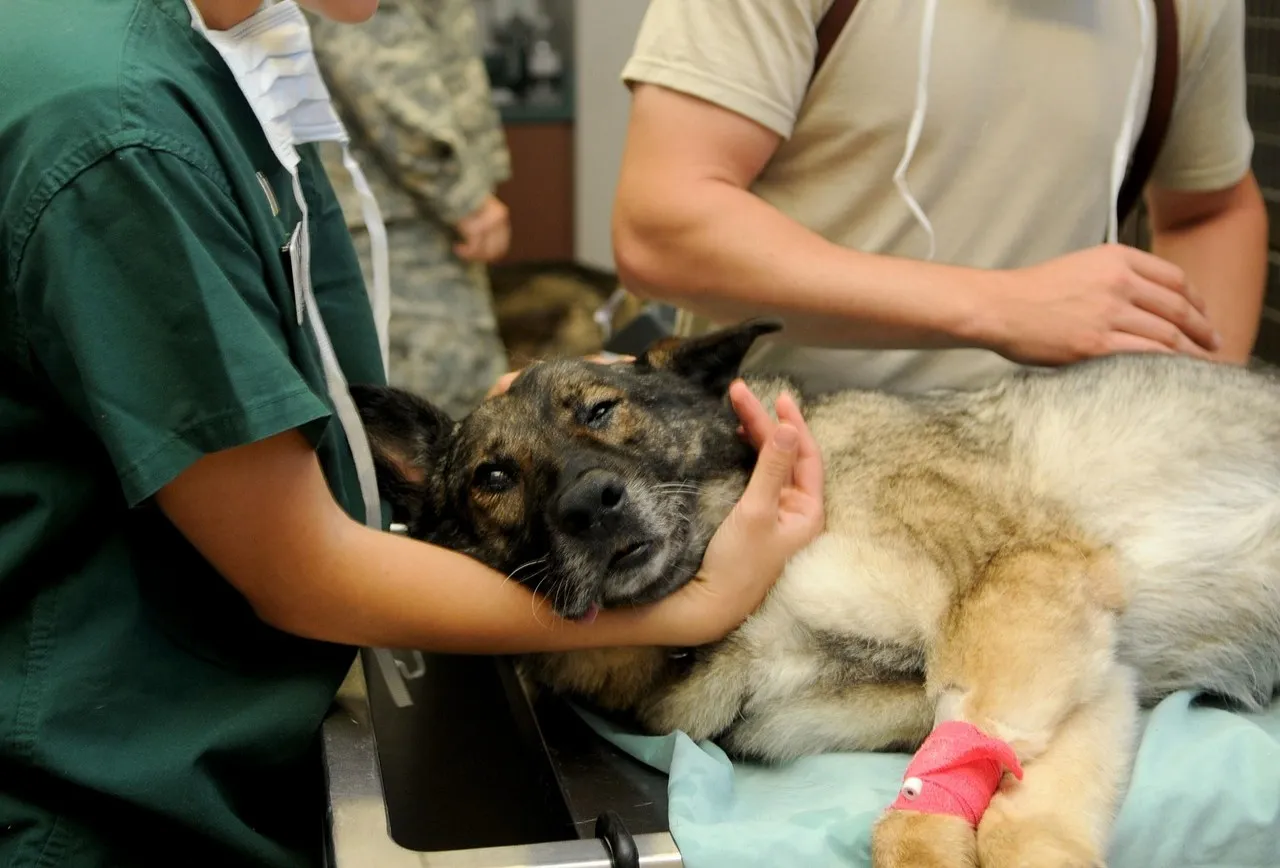
In many clinics, technicians handle the bulk of a euthanasia appointment while the vet steps in briefly and steps back out. For long-term senior clients, though, veterinarians often make a point of staying in the room from start to finish.
Many veterinarians make a deliberate choice to stay present through the entire process, offering their own condolences instead of handing that off to support staff. It reflects a relationship built over years of vaccinations, checkups, and worried late-night calls. Staff describe this as one of the clearest signs of respect a clinic can offer, since a veterinarian’s time is usually the scarcest resource in the entire building.
Why It Stands Out
- The vet’s time is typically the most limited resource in any clinic, making a full-appointment presence a genuine sacrifice.
- Staying present signals the relationship outlasted any single transaction or invoice.
- Families often remember who was in the room far longer than what was billed.
#1 isn’t a gesture at all. It’s something far simpler – and far harder to fake.
#1 – Being Remembered by Name, Every Single Time
🔥 Would you like to save this?
We'll email this post to you, so you can come back to it later!
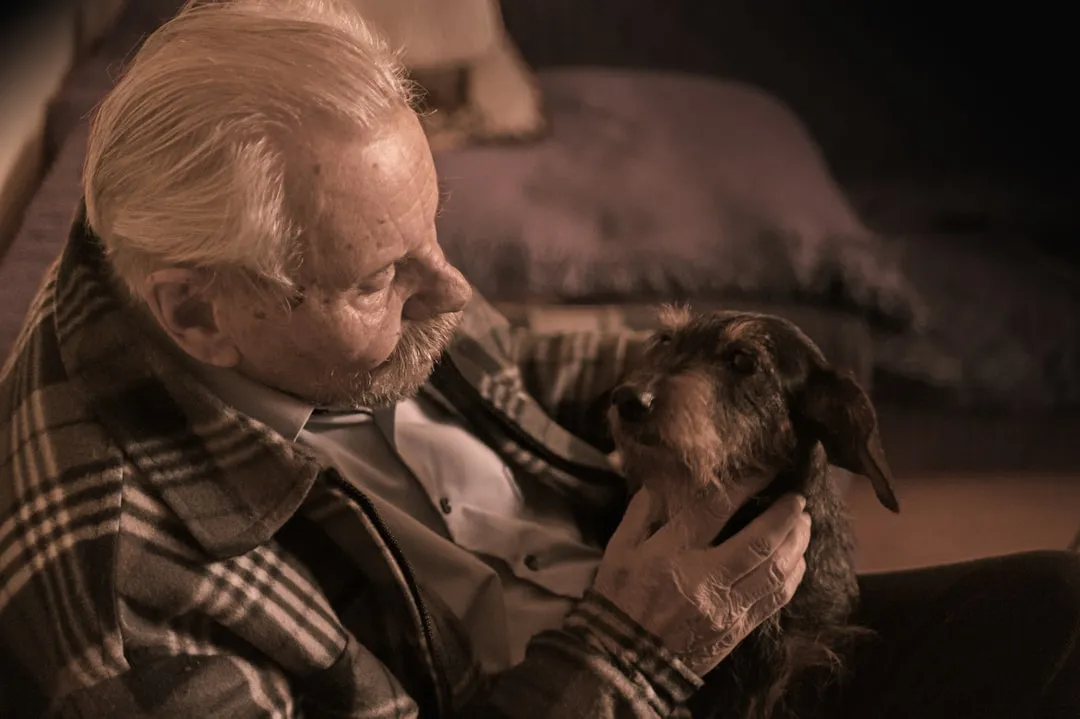
The single most consistent courtesy extended to older clients isn’t a discount or a service. It’s simply being remembered.
Veterinary staff say they make deliberate efforts to memorize details about long-term senior clients – a pet’s name, its full medical history, family members, even small personal details shared years ago. This isn’t automated or accidental. Staff keep personal notes specifically so older clients never feel like just another appointment on the schedule. In an industry increasingly dominated by corporate ownership and high staff turnover, that kind of memory has become rarer, and more valuable, than ever.
For older clients who may have already lost a spouse, friends, or other pets, being remembered by name carries enormous weight. It signals the relationship was never purely transactional. Staff describe this as the true foundation beneath every other courtesy on this list, because without genuine recognition, none of the rest would feel real.
The Bottom Line
🔥 Would you like to save this?
We'll email this post to you, so you can come back to it later!
None of these courtesies are official clinic policy, and that’s exactly what makes them matter. They exist because individual veterinary professionals choose, appointment after appointment, to treat long-term senior clients with a level of care the system doesn’t actually require of them.
Whether it’s a waived fee, a handwritten card, or simply being remembered by name, these gestures reveal something an invoice never will – that veterinary medicine, at its best, is still a stubbornly human profession. Corporate consolidation is changing plenty about how clinics run, but the people inside them keep finding quiet ways around it. That should tell you something about who they really are when nobody’s watching the billing software. Have you experienced a courtesy like this with your own vet? Tell us about it in the comments.

- 23 Warm Corners an Elderly Cat Keeps Returning To All Winter - October 29, 2026
- 16 Behaviours Showing a Cat Considers a House Permanent Now - October 29, 2026
- 15 Wildlife Programmes a Lifetime Pass Holder Over 62 Can Join Free - October 29, 2026