

Worried about unexpected vet bills?
Pet insurance can cover thousands in unexpected vet costs. Get a free quote from Lemonade in under 2 minutes.
Get My Free Quote →Sponsored · Opens Lemonade.com
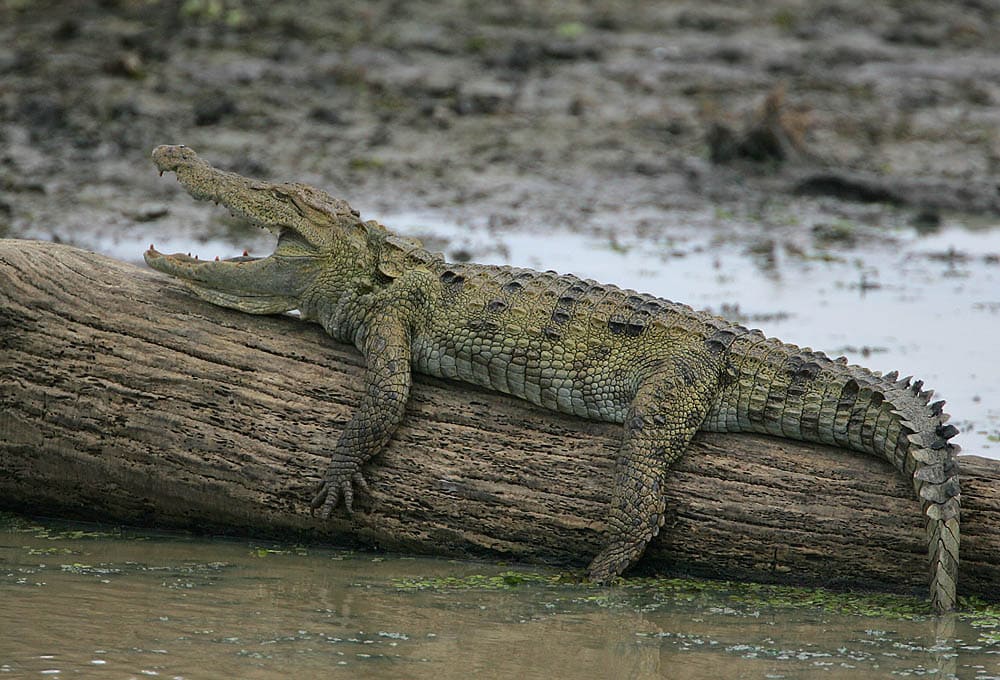
Crocodiles are among the most ancient creatures on our planet, having existed in remarkably similar forms for over 200 million years. Often described as “living fossils,” these resilient reptiles have survived multiple mass extinction events, including the one that wiped out the dinosaurs. While countless species have had to adapt dramatically to survive changing environments, crocodiles represent an evolutionary marvel: a design so effective it has required minimal changes for eons. This article explores 15 fascinating facts about crocodiles that demonstrate why they’ve remained virtually unchanged for millions of years, perfecting their role as apex predators through an evolutionary strategy that can be summarized as “if it isn’t broken, don’t fix it.”
15. Prehistoric Origins 200+ Million Years and Counting

Crocodilians first appeared during the Late Triassic period, approximately 230-240 million years ago. The ancestors of modern crocodiles emerged around 95 million years ago during the Late Cretaceous period. For perspective, this means crocodiles were already ancient when Tyrannosaurus rex walked the Earth about 68 million years ago. Their basic body plan and ecological niche have remained remarkably consistent throughout this vast timespan. While mammals and birds underwent dramatic evolutionary changes, crocodiles maintained their semi-aquatic, predatory lifestyle with only minor anatomical adjustments. This extraordinary evolutionary stability demonstrates that their adaptation to their environment was nearly perfect from the start, requiring minimal changes to survive through dramatically different geological eras.
14. Unmatched Bite Force Nature’s Most Powerful Jaws
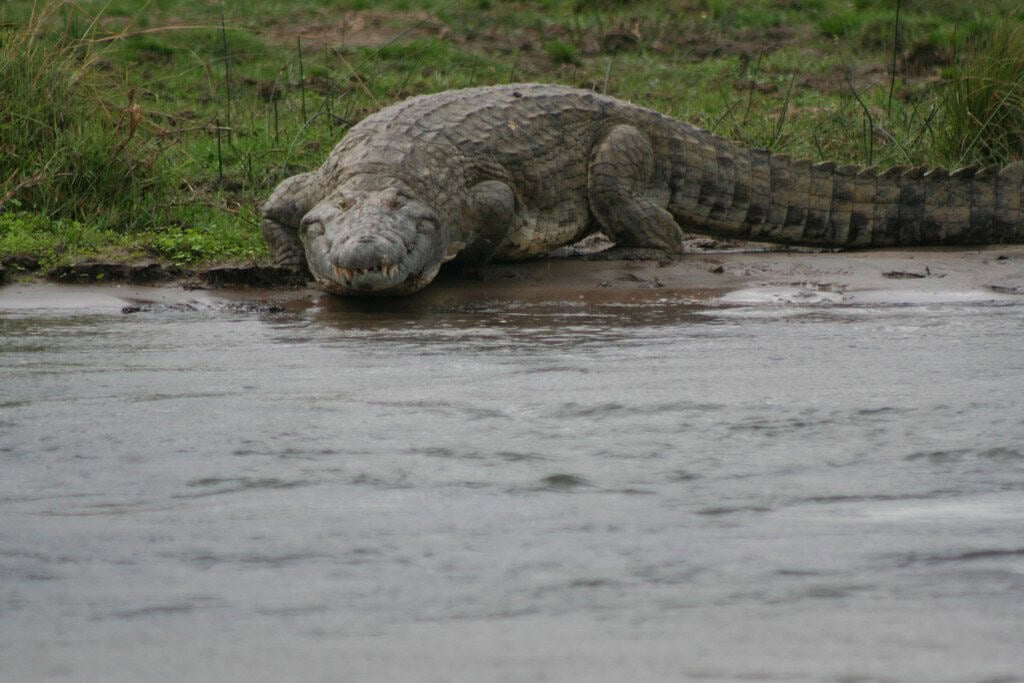
The saltwater crocodile possesses the strongest bite force ever measured in any animal, reaching up to 3,700 pounds per square inch (psi). This extraordinary power dwarfs that of lions (650 psi), great white sharks (625 psi), and even Tyrannosaurus rex (estimated at 8,000 psi). This incredible bite force is generated by massive jaw muscles that constitute a significant percentage of the crocodile’s head weight. Unlike many predators that have needed to evolve specialized teeth or hunting techniques, the crocodile’s simple yet devastatingly effective bite has remained largely unchanged for millions of years. This powerful bite allows them to crush turtle shells, snag large prey, and even break bones with ease—a mechanical advantage that has served them perfectly throughout their evolutionary history without requiring significant modifications.
13. Armor-Plated Protection The Impenetrable Hide

A crocodile’s skin represents one of nature’s most effective defense systems, featuring bony plates called osteoderms embedded within thick, leathery skin. These osteoderms act as natural armor, protecting vital organs from predators and potential prey. The armor is particularly thick on the back and neck but more flexible along the sides and belly, allowing for movement while maintaining protection. This armored hide is so effective that it’s believed to be essentially unchanged for over 80 million years. Modern crocodiles still possess roughly the same configuration of protective scales and osteoderms as their ancient ancestors. The skin is also incredibly tough—studies have shown that crocodile skin can be 10 times more resistant to punctures than mammalian skin. This natural armor has been so effective that it’s rendered them virtually invulnerable to predators throughout their evolutionary history.
12. Heart of Efficiency Advanced Cardiovascular Adaptations

Crocodiles possess one of the most sophisticated cardiovascular systems in the animal kingdom, featuring a four-chambered heart similar to mammals and birds. However, what makes their heart truly remarkable is its ability to shunt blood away from the lungs during diving, effectively functioning as a three-chambered heart when needed. This adaptation allows them to stay submerged for up to two hours by conserving oxygen and directing blood where it’s most needed. Additionally, crocodiles have specialized hemoglobin that allows efficient oxygen storage and transfer. These cardiovascular adaptations were so effective from their early evolution that they’ve required minimal changes over millions of years. The combination of physiological features that allow crocodiles to remain submerged for extended periods while maintaining the ability to burst into action with surprising speed on land represents an evolutionary pinnacle that has served them across geological eras.
11. Masters of Energy Conservation Metabolic Efficiency

Crocodiles have perfected the art of energy conservation through a remarkably efficient metabolism. Unlike warm-blooded animals that must constantly burn calories to maintain body temperature, crocodiles are ectotherms (cold-blooded), allowing them to survive on far less food. A large crocodile can live for over a year without eating after a substantial meal. Their metabolic rate can decrease by up to 80% when food is scarce, enabling tremendous survival advantages during periods of environmental stress. This efficiency extends to their digestion—crocodiles can digest bones, hooves, and horns using the strongest stomach acid measured in any vertebrate, with a pH as low as 1.2. This metabolic strategy was so successful that it hasn’t required significant modification throughout their evolutionary history. Such efficiency explains why crocodiles have survived through various extinction events that claimed many other species, including the end-Cretaceous event that eliminated non-avian dinosaurs.
10. Brain Power Unexpected Intelligence
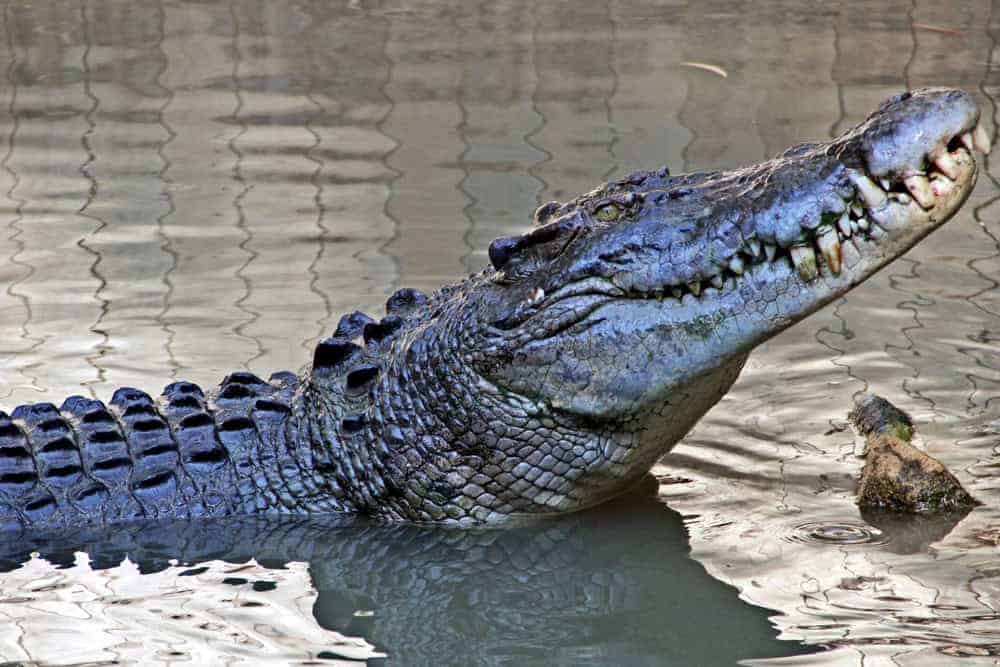
Despite their prehistoric appearance, crocodiles possess surprisingly advanced cognitive abilities that have served them well without requiring significant evolutionary changes. Studies have demonstrated that crocodiles can use tools (such as balancing sticks on their snouts to lure nesting birds), engage in complex communication, and show sophisticated social behaviors. Their brain-to-body mass ratio is actually comparable to that of some early mammals, allowing for problem-solving abilities that might seem unexpected in a reptile. Crocodiles can learn operational tasks as quickly as many mammals and appear to have excellent long-term memory. Their complex vocalizations include 20 different kinds of signals used for territorial display, mating, hatching coordination, and distress. This cognitive toolkit, developed early in their evolution, has proven so effective that it hasn’t required significant enhancement throughout millions of years of existence, enabling survival across dramatically different global environments.
9. Sensory Superiority Specialized Detection Systems
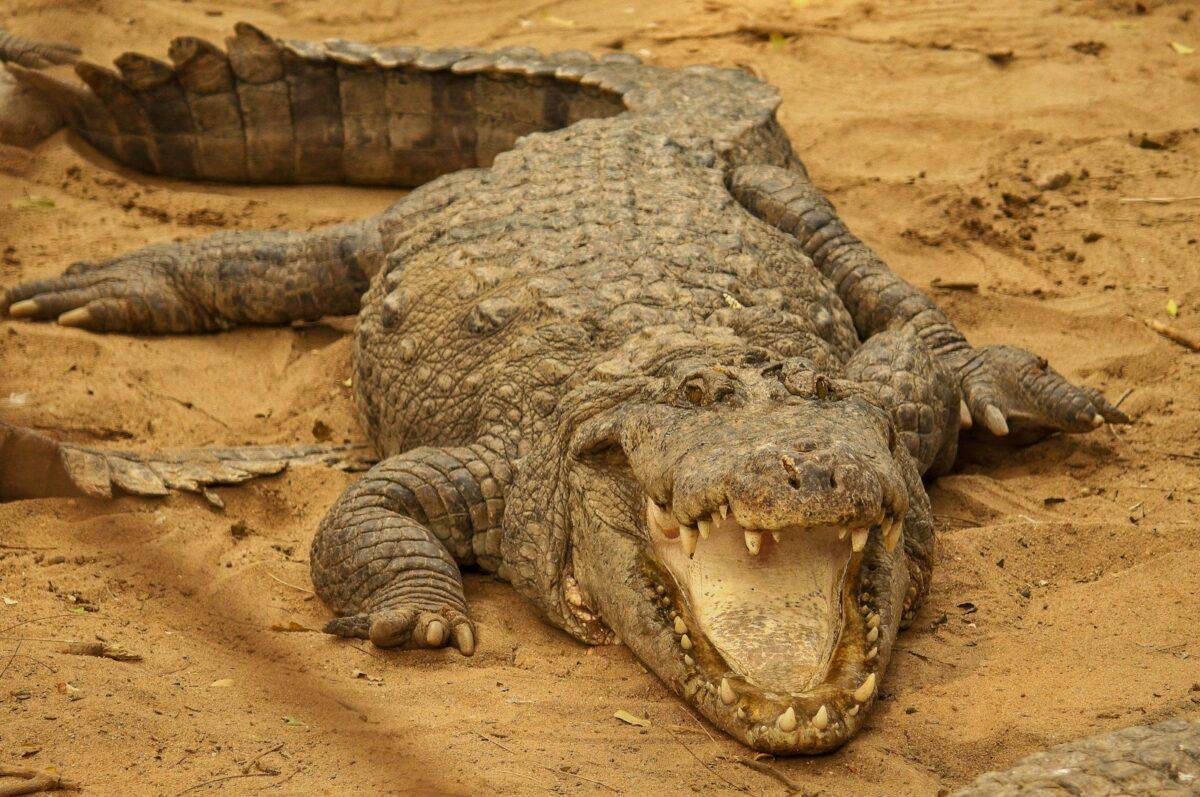
Crocodiles possess an array of highly specialized sensory adaptations that have remained largely unchanged for millions of years. Their integumentary sense organs (ISOs) are unique pressure receptors dotting the skin around their jaws that can detect minute vibrations in water, allowing them to locate prey even in complete darkness. These receptors are so sensitive they can detect a single drop of water falling into their habitat from several feet away. Additionally, crocodiles have excellent night vision thanks to a specialized reflective layer behind the retina called the tapetum lucidum, which amplifies available light. Their hearing is finely tuned to detect the distress calls of various prey species, and they possess one of the most acute senses of smell among reptiles. These sensory adaptations, developed early in their evolutionary history, have remained so effective that they’ve required minimal modification throughout geological time scales, providing crocodiles with unparalleled hunting efficiency across widely varying environments.
8. Longevity Legends Exceptional Lifespans

Crocodiles showcase remarkable longevity that far exceeds most vertebrates, with many species capable of living 70-100 years in the wild. This exceptional lifespan appears to be connected to their slow metabolism and unique cellular biology that includes potent antimicrobial properties in their blood. Researchers have found that crocodile blood contains compounds that kill bacteria resistant to strong antibiotics, providing natural disease resistance. Perhaps more remarkably, crocodiles appear to show minimal senescence (biological aging), maintaining reproductive capacity and physical vigor well into advanced age. Some studies suggest they may theoretically be biologically immortal, meaning they don’t experience decline due to aging (though they still die from disease, starvation, or injury). This extraordinary longevity system was established early in their evolution and has remained largely unchanged, representing another example of their evolutionary perfection. Their combination of slow growth, delayed maturity, and extended reproductive lifespan creates a biological strategy that has proven successful across geological epochs.
7. Parental Investment Sophisticated Reproduction

Crocodiles exhibit some of the most advanced parental care among reptiles, a behavior that evolved early and has remained consistent throughout their evolutionary history. Female crocodiles carefully select and construct nests, often returning to the same nesting sites year after year. They’ll guard these nests vigilantly for the 80-90 day incubation period, protecting the eggs from predators. After hatching, mother crocodiles gently transport their young to water in their mouths—a behavior requiring remarkable gentleness from an animal capable of exerting immense bite force. Parents will then protect their young for up to two years, responding to distress calls and teaching hunting behaviors. This complex reproductive strategy, involving significant parental investment, represents sophisticated behavior that emerged early in crocodilian evolution. The effectiveness of these reproductive behaviors has required minimal modification throughout millions of years, enabling successful propagation across dramatically different environmental conditions throughout Earth’s history.
6. Environmental Adaptability Surviving Climate Changes

Perhaps the most remarkable testament to crocodiles’ evolutionary perfection is their ability to survive dramatic environmental changes without significant biological modifications. Crocodilians have endured multiple mass extinction events, including the Cretaceous-Paleogene extinction that eliminated approximately 75% of all species on Earth, including all non-avian dinosaurs. Throughout their 200+ million year history, crocodiles have witnessed continental drift, dramatic climate fluctuations, sea level changes, meteor impacts, and massive volcanic activities. Their fundamental adaptations—semi-aquatic lifestyle, efficient metabolism, protective armor, powerful bite force, and sophisticated sensory systems—have proven sufficiently versatile to withstand these planetary upheavals. While many other species required significant evolutionary changes to survive changing environments or went extinct, crocodiles maintained their basic biological blueprint with only minor modifications. This extraordinary adaptability across geological timescales underscores why they represent one of evolution’s most successful designs.
5. Ecological Flexibility Thriving in Diverse Habitats

Modern crocodilians display remarkable ecological flexibility, inhabiting environments ranging from freshwater rivers and lakes to brackish swamps and even marine environments. The saltwater crocodile can travel over 900 kilometers across open ocean and tolerate varied salinity levels thanks to specialized salt glands. The American crocodile regularly moves between freshwater, brackish, and marine environments. Some species like the Australian freshwater crocodile thrive in isolated billabongs and desert rivers that may dry seasonally. Others like the dwarf crocodile have adapted to forest streams with minimal aquatic habitat. This ecological versatility has always been a hallmark of crocodilians, with fossil evidence showing they occupied similar diverse niches throughout their evolutionary history. Their fundamental adaptations have proven sufficiently versatile to allow them to thrive across dramatically different habitats without requiring significant biological modifications. This ecological flexibility helps explain why crocodiles have maintained their basic form across millions of years while other species underwent dramatic evolutionary changes or faced extinction.
4. Social Complexity Sophisticated Group Behavior
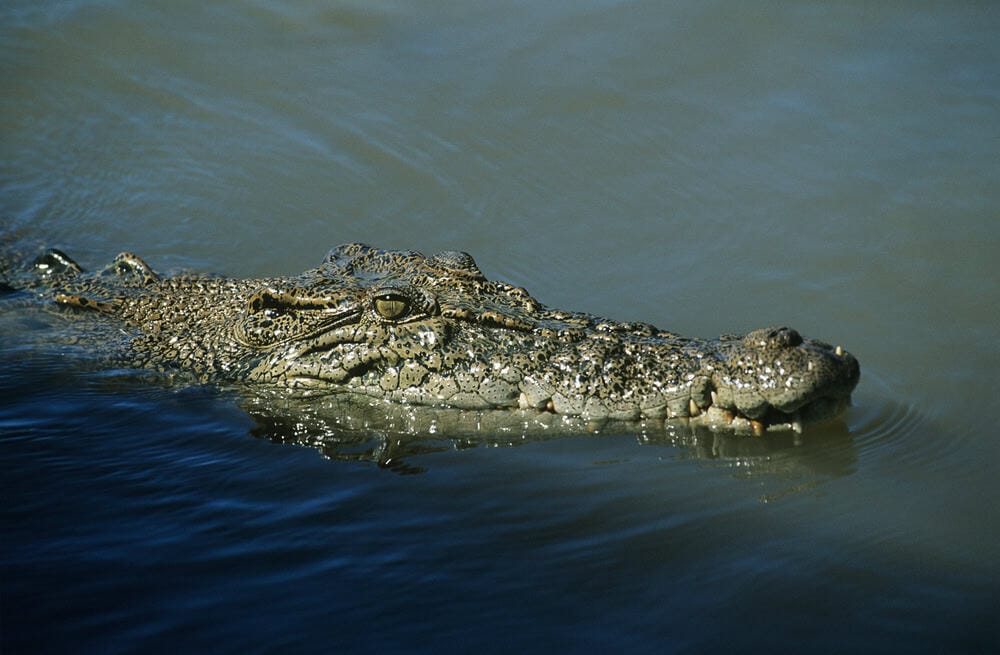
Contrary to the popular perception of crocodiles as simple, solitary predators, these ancient reptiles exhibit complex social behaviors that have remained largely unchanged throughout their evolutionary history. Crocodiles regularly engage in coordinated hunting strategies, with some species forming semicircles to trap fish or taking turns to feed from a large carcass in a surprisingly orderly fashion. They establish clear dominance hierarchies within populations and use sophisticated communication systems that include vocalizations, body postures, touch signals, and chemical cues. During mating season, male crocodiles engage in elaborate courtship displays involving water slapping, jaw clapping, and complex vocalizations. These social adaptations emerged early in crocodilian evolution and have required minimal modification throughout millions of years. Their social complexity represents another example of their evolutionary optimization—sophisticated enough to facilitate successful cooperation, reproduction, and resource allocation without requiring the energy-intensive brain development seen in mammals and birds.
3. Hunting Perfection Ambush Tactics

The crocodile’s hunting strategy represents one of evolution’s most perfect predatory systems, so effective it has remained virtually unchanged for millions of years. Their primary hunting technique—the ambush—has been refined to near perfection. Crocodiles can remain motionless for hours, with only their eyes and nostrils above water, virtually invisible to prey approaching the water’s edge. They can hold their breath underwater for up to two hours while waiting for the perfect moment to strike. When they attack, they can explode from the water with acceleration that can exceed 12 mph (20 km/h) in some species. The infamous “death roll”—a spinning maneuver used to tear chunks from larger prey—is a technique that fossil evidence suggests has remained unchanged for millions of years. Their teeth are continually replaced throughout their lifetime, with some crocodiles going through 8,000+ teeth during their lives, ensuring they always maintain their predatory edge. This hunting system emerged early in their evolution and has proven so successful that it has required minimal modification throughout their existence.
2. Temperature-Based Sex Determination Adaptive Reproduction

Crocodiles possess a fascinating reproductive adaptation that has served them well for millions of years: temperature-dependent sex determination (TSD). Unlike mammals, who have genetic sex determination, the sex of crocodile hatchlings is determined by the temperature at which the eggs incubate. In most crocodilian species, temperatures below 88°F (31.1°C) produce females, while temperatures above 93°F (33.8°C) produce males. Temperatures in between produce mixed ratios. This reproductive strategy provides remarkable adaptive advantages, allowing population sex ratios to naturally adjust to environmental conditions. During extended cool periods, more females are produced, increasing reproductive capacity, while warmer periods produce more males, potentially increasing genetic diversity through male competition. This system emerged early in reptilian evolution and has remained fundamentally unchanged in crocodilians. The effectiveness of this reproductive adaptation has played a crucial role in the crocodile’s ability to survive climate fluctuations throughout their long evolutionary history, representing another example of their biological optimization.
1. Evolutionary Success Perfection Through Stability

Crocodiles represent a powerful counterexample to the common misconception that evolution always means change and increasing complexity. While many lineages show dramatic transformations over time, crocodilians demonstrate that evolutionary success can also come through stability when an organism achieves nearly perfect adaptation to its ecological niche. Crocodiles have maintained their basic body plan, physiological systems, behavioral patterns, and ecological role with remarkably little change for over 200 million years. Their fundamental design has proven so effective that natural selection has primarily operated conservatively, preserving their adaptations rather than significantly modifying them. This evolutionary strategy—sometimes called “stabilizing selection”—has allowed crocodiles to survive through dramatic environmental changes that eliminated countless other species, including the non-avian dinosaurs. Their extraordinary evolutionary success highlights an important principle: when a species achieves a nearly perfect fit with its environment and ecological role, sometimes the most successful evolutionary strategy is to maintain that adaptation rather than change it.
Conclusion: Living Proof of Evolutionary Perfection
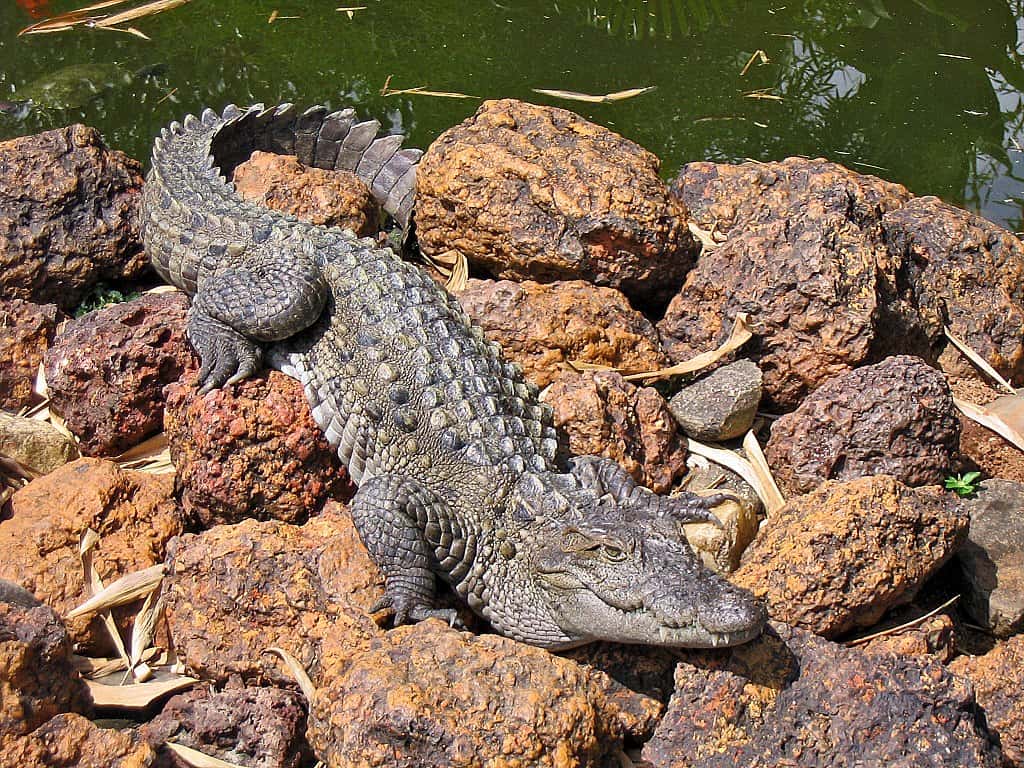
Crocodiles stand as remarkable testaments to evolutionary perfection—living fossils that demonstrate how a successful biological design can withstand the test of time with minimal modifications. Their 200+ million year history showcases stability rather than change, challenging us to appreciate that evolution doesn’t always drive dramatic transformation when an adaptation is already optimized. From their armored hides and powerful jaws to their sophisticated cardiovascular systems and efficient metabolism, crocodiles emerged early in their evolutionary history with a nearly perfect set of adaptations for their ecological niche. These ancient reptiles have survived climate changes, continental drift, mass extinctions, and competition from countless newer species through a biological blueprint so effective it has remained largely unchanged across geological eras. Crocodiles remind us that in the grand story of life on Earth, sometimes the most successful strategy isn’t constant reinvention but rather the perfection and preservation of a design that simply works.
Worried about unexpected vet bills?
Pet insurance can cover thousands in unexpected vet costs. Get a free quote from Lemonade in under 2 minutes.
Get My Free Quote →Sponsored · Opens Lemonade.com

As a little kid, I fell in love with nature, wildlife, and animals. Living in the USA, South Africa, Italy, China and Germany gave me the opportunity to discover the world's Wildlife. My favorite animals are Mountain Gorillas, Siberian Tigers, and Great White Sharks.
I'm a certified PADI Open Water Diver, went to Everest Base Camp and Trekked Gorillas in Uganda. I hold a Master of Science in Economics and Finance.
Please send any feedback to feedback@animalsaroundtheglobe.com
- 10 Places in the World Where You Can See Wild Rhinos - June 4, 2026
- 10 Animals You Did not Know Could Glide Through the Air - June 4, 2026
- 15 Most Beautiful Birds You Can Spot in Your Backyard - June 4, 2026