

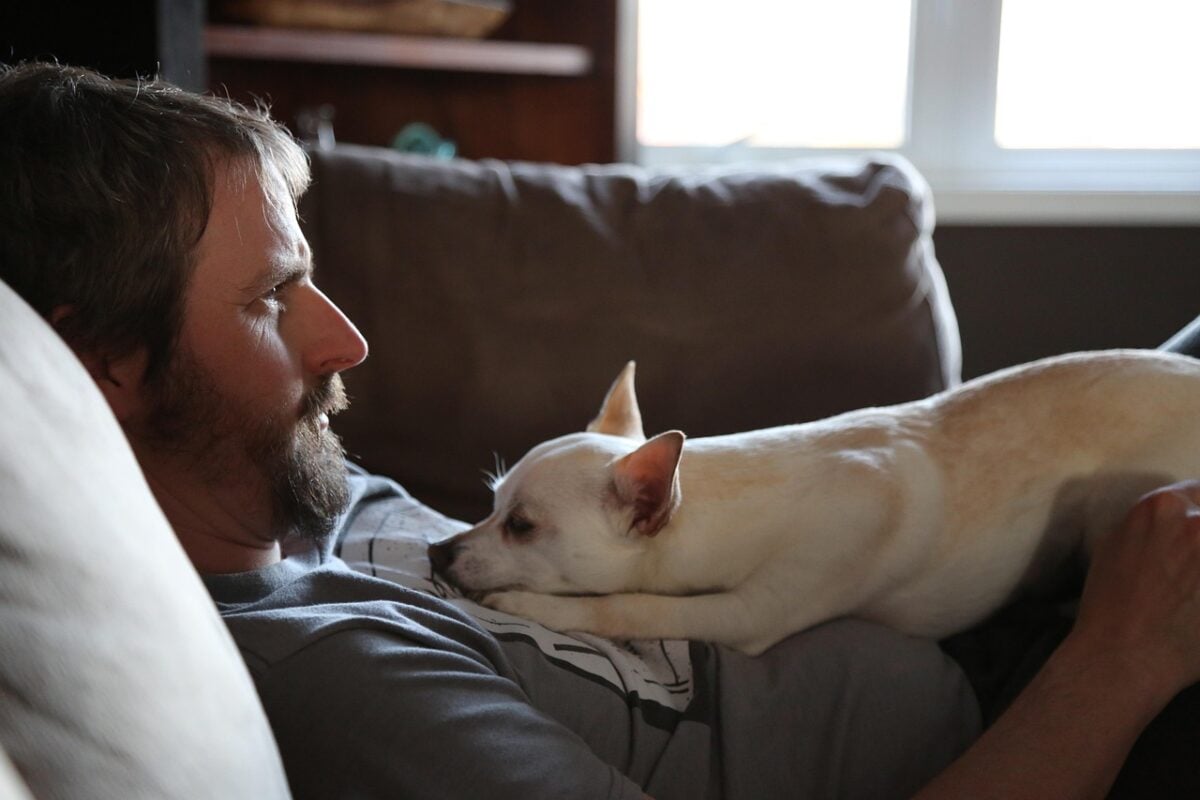
Every dog owner insists the same thing: “She loves everyone equally.” Then dinner time rolls around, and suddenly the dog who was napping on the office floor all afternoon materializes in the kitchen like she teleported. The tail wags harder. The eyes get bigger. The obedience gets weirdly perfect. Coincidence? Not even close.
Dogs are shameless when food is on the line, and their favoritism isn’t emotional guesswork – it’s calculated, repeatable, and almost always pointed at one specific human: whoever fills the bowl. Once you know what to look for, you’ll never watch your dog the same way again. Here are the 15 behaviors they reserve just for the person who feeds them.
#15 – The “Living Shadow” That Only Follows the Cook
🔥 Would you like to save this?
We'll email this post to you, so you can come back to it later!
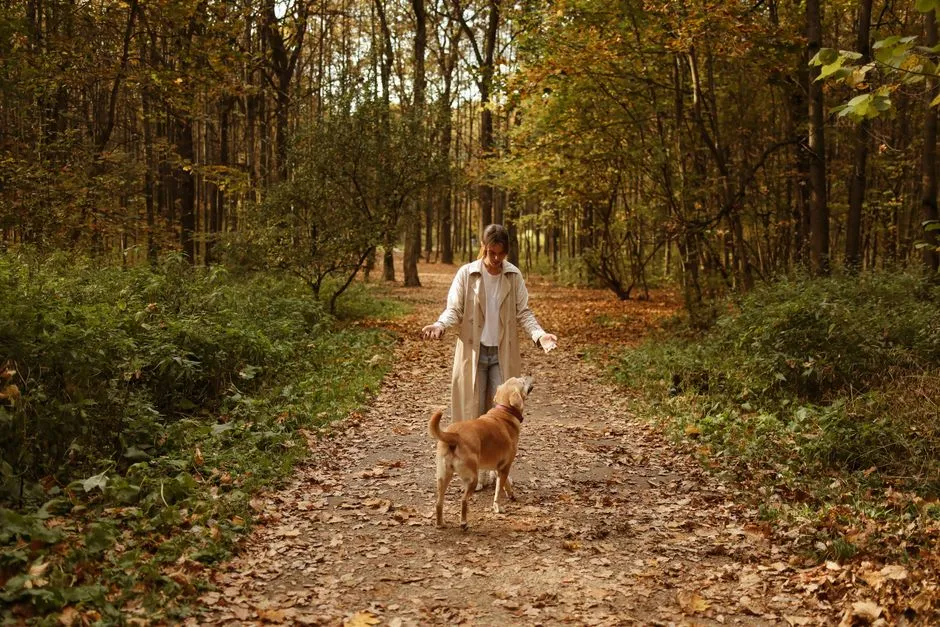
Your dog doesn’t trail everyone from room to room – just the person who handles the kibble scoop. That’s not loyalty being spread evenly. That’s a dog who has done the math.
Dogs evolved as opportunistic scavengers, and in a modern house, they still run on the same software. They learn incredibly fast who controls the food supply and shadow that person like a furry intern chasing a promotion. If you’re the one pouring dinner every night, your dog has mentally mapped your evening route: fridge, pantry, sink, couch.
- Notice how the shadowing spikes right around normal feeding times.
- Watch how your dog settles closer to you in the late afternoon than to anyone else in the house.
Most people call this “velcro dog” behavior pure love. Behaviorists call it resource-tracking. Your dog has quietly studied the pattern: when this human moves, food might follow. But that’s nothing compared to what happens the moment you pick up a knife in #14.
#14 – The Intense Stare While You’re Cooking… and Ignoring Everyone Else
🔥 Would you like to save this?
We'll email this post to you, so you can come back to it later!
There’s the casual dog glance, and then there’s the laser-focused, unblinking stare that switches on the instant you touch a pot or a chopping board. This isn’t idle curiosity. It’s surveillance.
Dogs quickly associate kitchen sounds – drawer slides, pan clinks, fridge doors – with a possible payoff, and they link that entire soundtrack to the one human who usually delivers. You might notice your dog positions itself so it can see your hands, not your face. To them, your hands are the food generators.
Plenty of owners assume their dog is “just curious about cooking.” But look around: is your dog staring at whoever’s on the couch scrolling their phone? Almost never. They’re locked onto the one person whose hand movements could end in a dropped piece of chicken.
Over months, this becomes ritual. Same time of day, same kitchen, same stare. You’re not just making dinner – you’re performing live theater for an audience of one. But that’s nothing compared to how shamelessly manipulative #13 gets.
#13 – The Fake Obedience Upgrade at Dinnertime
🔥 Would you like to save this?
We'll email this post to you, so you can come back to it later!
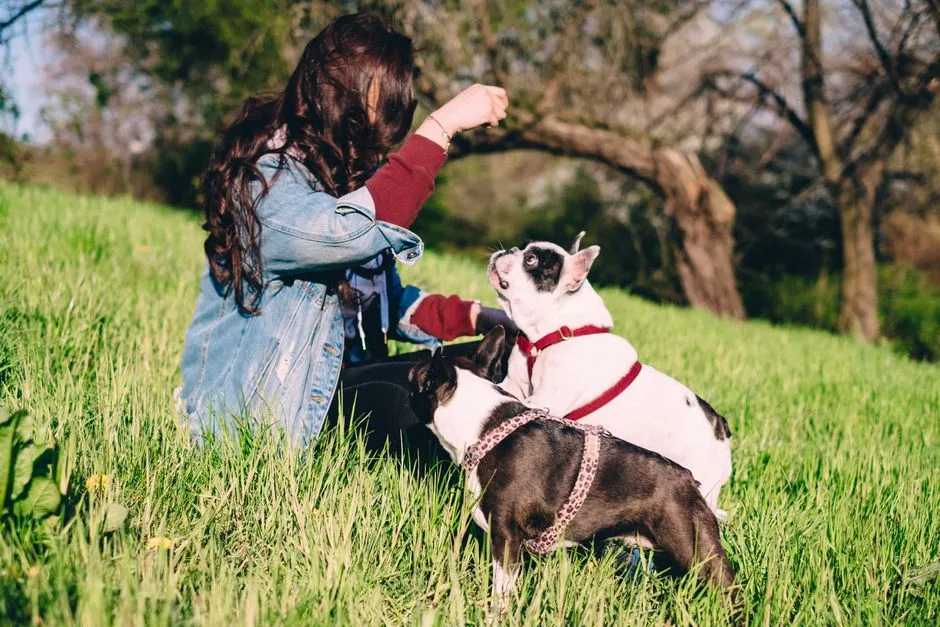
Ask your dog to sit in the morning, and you might as well be speaking Latin. Ask right before dinner, and suddenly they’re valedictorian material. This “selective obedience” is one of the clearest signs of a dog performing for the food source specifically.
Dogs execute commands faster, cleaner, and with sharper focus when they believe a reward is imminent – and they know exactly who has historically handed over that reward. If you’re the nightly feeder, watch for the tell: they sit before you’ve even said the word, the moment you touch the bowl.
Worth Knowing
- Dogs build associations through repetition, and a handful of consistent feeding rounds is often enough to cement a pattern.
- Selective obedience is a well-documented result of conditioning, not stubbornness or bad manners.
- The gap between command and reward tends to be shortest right before mealtime, which is exactly when compliance spikes.
While proud owners say, “Look how well-trained he is with me,” the blunter truth is that your dog has built a private economy around you. Your cues equal calories. Everyone else’s cues are optional, which is exactly why some dogs “ignore” kids or partners but snap to attention the second the food person speaks. They’re not confused. They’re prioritizing.
But that’s nothing compared to the jealous little performance waiting in #12.
#12 – The Jealous Body Block When Others Approach You
🔥 Would you like to save this?
We'll email this post to you, so you can come back to it later!
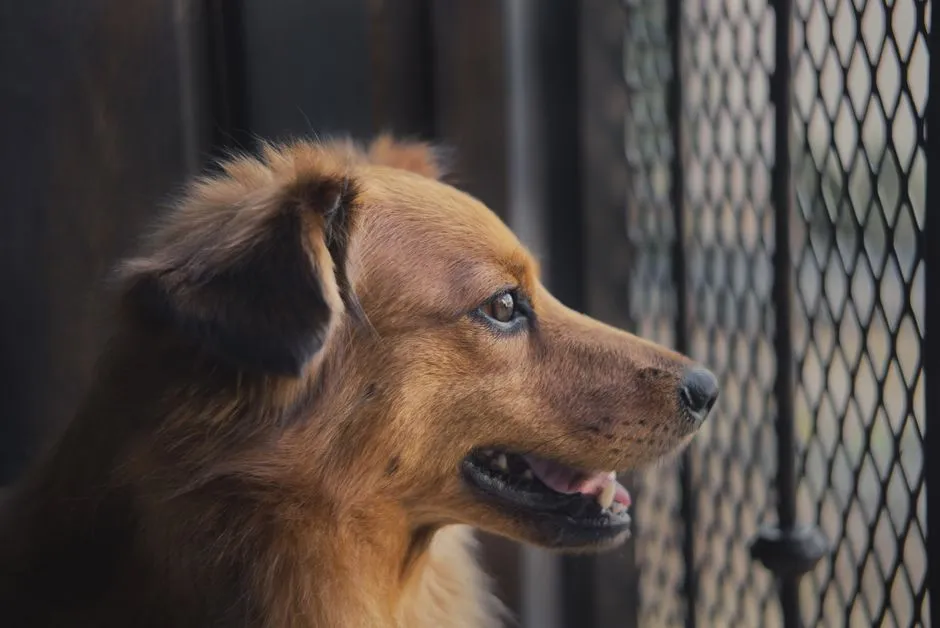
You’re dishing up kibble, and suddenly your dog wedges itself between you and whoever else dares walk over. That’s not random affection. That’s resource guarding wearing a cute disguise.
Dogs are social, but they’re not saints when food is on the line. Many dogs subtly position their bodies to “claim” the food person – leaning, nudging, or stepping between you and other humans or pets. They’re rarely growling about it. Instead, they use soft pressure and positioning to say, “This one’s busy. With me.”
- Your dog leans heavily against your legs the second someone hugs you in the kitchen.
- A paw or head lands on you the moment another pet drifts toward the food area.
- A suspiciously urgent need for “attention” the second someone else talks to you near feeding time.
Most people laugh this off as “aww, he’s protective.” Trainers quietly flag it as mild resource guarding over a human food dispenser. Your dog isn’t just clingy – they’re staking a claim. But that’s nothing compared to the guilt-trip marathon in #11.
#11 – The Sad-Eyed Guilt Trip Only When You’re Delayed
🔥 Would you like to save this?
We'll email this post to you, so you can come back to it later!
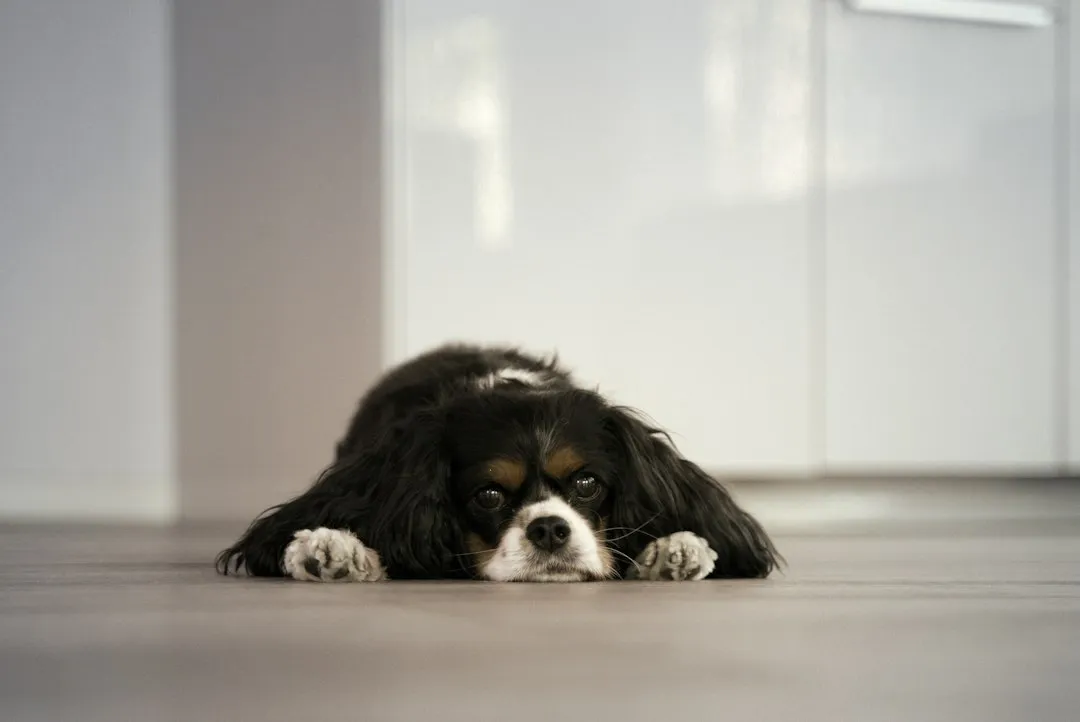
Show up five minutes late with dinner, and you won’t get neutral patience. You’ll get a full emotional campaign, complete with sighs dramatic enough to win an award.
Dogs are expert timekeepers for the routines that matter to them – walks, bedtime, and especially dinner. They don’t read clocks, but they track light changes, household sounds, and your own habits to predict when food should arrive, then zero in on the person responsible when it doesn’t.
Here’s the twist: other family members can be sitting right there, and your dog will still aim the guilt almost exclusively at you. They face the kitchen entrance. They follow you, not your partner. They camp out exactly where they can intercept you first.
This isn’t sadness. It’s targeted lobbying. In their mind, you have the magic food powers, and clearly you’ve forgotten your job. But that’s nothing compared to the door drama waiting in #10.
#10 – The Front-Door Frenzy Only When You Come Home Before Dinner
🔥 Would you like to save this?
We'll email this post to you, so you can come back to it later!
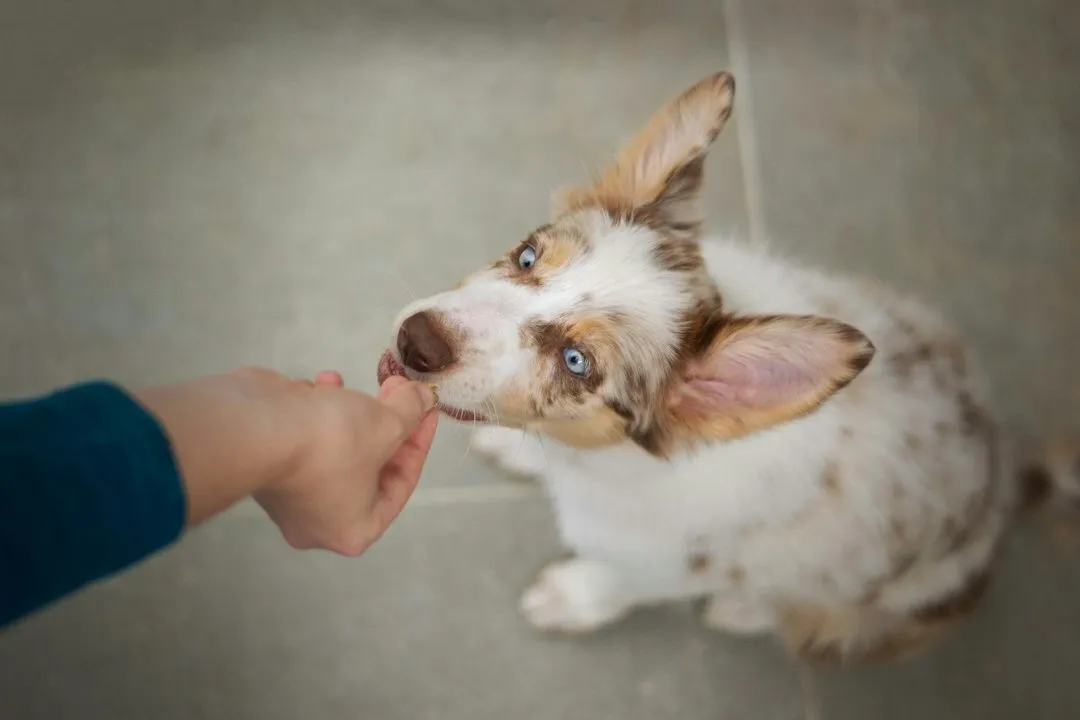
Two people walk through the door separately. One gets a casual tail wag. The other – usually the evening food prepper – gets a full parade, complete with spinning and frantic licking.
If you tend to arrive home within an hour or two of feeding time, your dog quickly learns that your entrance predicts dinner. The result is a disproportionate explosion of excitement reserved just for you, because in their mental calendar, “you walking in” equals “food soon.”
What makes this fascinating is the contrast. The same dog might greet another family member politely and go straight back to napping, then lose their mind the second the food person’s keys jingle. Some owners take this as proof they’re the favorite, and sometimes that’s part of it.
But there’s a colder layer underneath: you represent the fastest path to calories. Over time, your arrival becomes a cue almost as loud as the food scoop hitting the bag. It’s not just “Yay, you’re back.” It’s “Yay, the kitchen is about to open.”
#9 – The Selective Couch Cuddle as Feeding Time Approaches
🔥 Would you like to save this?
We'll email this post to you, so you can come back to it later!
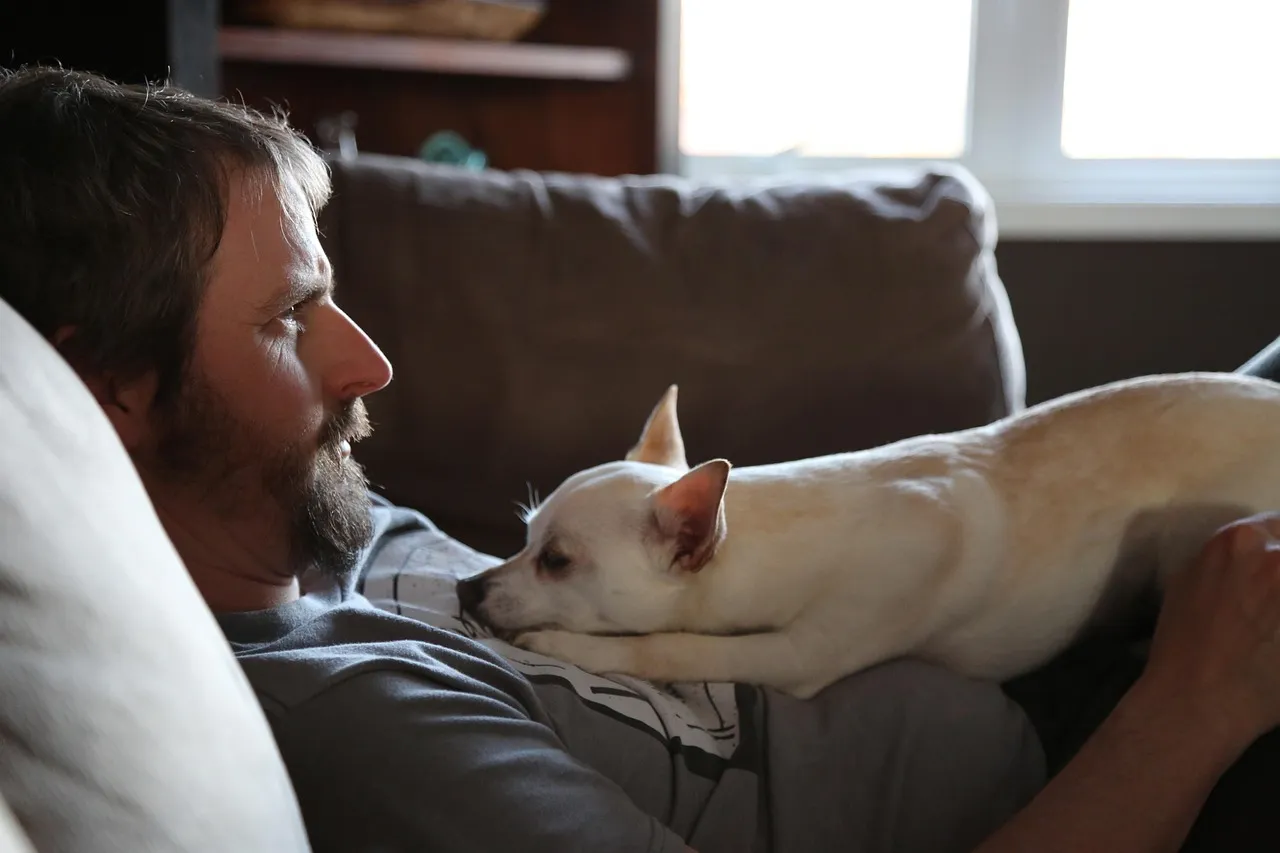
All day, your dog might happily flop next to whoever’s around. But as dinner hour creeps closer, watch for the shift – suddenly they’re glued to you specifically.
Dogs adjust their social choices based on who’s most “valuable” in the next hour, and the food preparer quietly becomes prime real estate in the evening. That’s when you get the dog who ignores your partner to wedge into your side of the couch after five p.m., or abandons a game with the kids to nap within arm’s reach of only you.
Fast Facts
- Many dogs start anticipating feeding time well before any visible prep begins, often shifting position 30 to 60 minutes early.
- Proximity-seeking tends to be strongest in single-feeder households, where one person consistently owns the routine.
- The couch-switch is rarely about comfort – it’s about maintaining a clear sightline to the kitchen.
Many owners swear this is proof they’re the favorite human. In reality, plenty of dogs are running a quiet internal calculation: stay close to the food person, and you won’t miss the pre-dinner cues – the standing up, the walk to the kitchen, the cabinet door opening.
Is there real affection in it? Absolutely. But there’s also strategy stitched right through the cuddles. And as calculated as this looks, it still doesn’t beat the kitchen choreography in #8.
#8 – The Dangerous Kitchen Underfoot Dance
🔥 Would you like to save this?
We'll email this post to you, so you can come back to it later!
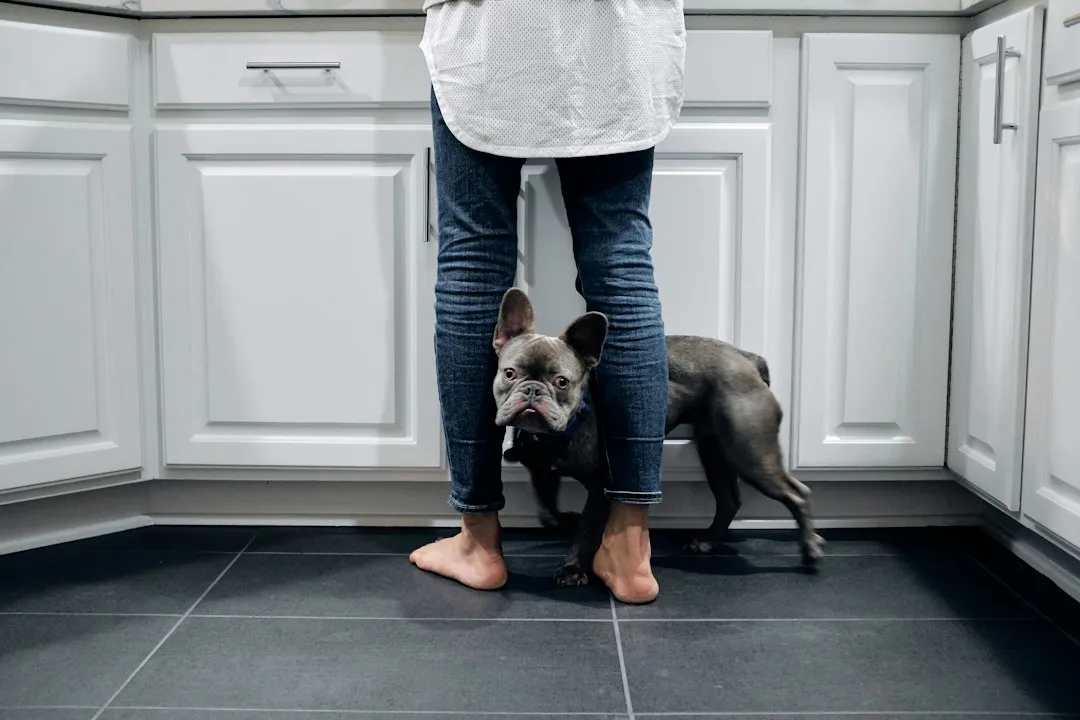
You know the move. You step toward the counter, and your dog teleports directly under your feet, tail wagging like a metronome set to chaos. This isn’t clumsiness. It’s intent.
Dogs position themselves underfoot around the food preparer because that’s the highest-probability zone for dropped scraps and early tastes. Behaviorists sometimes jokingly call it a “fallout zone” – if anything hits the floor, your dog is first on scene, every time.
- It happens almost exclusively when you cook, not when someone else makes coffee or a snack.
- It intensifies the moment you handle meat, cheese, or anything with a strong smell.
- They track your hips and hands, not your face, to anticipate where you’re headed next.
People laugh this off as cuteness, but plenty of veterinarians quietly warn that this is exactly how a lot of accidental kitchen falls happen. Your dog isn’t trying to trip you – they’re competing with gravity. And speaking of competition, wait until things get loud in #7.
#7 – The Sudden Barking or Whining Spike When You Touch the Bowl
🔥 Would you like to save this?
We'll email this post to you, so you can come back to it later!
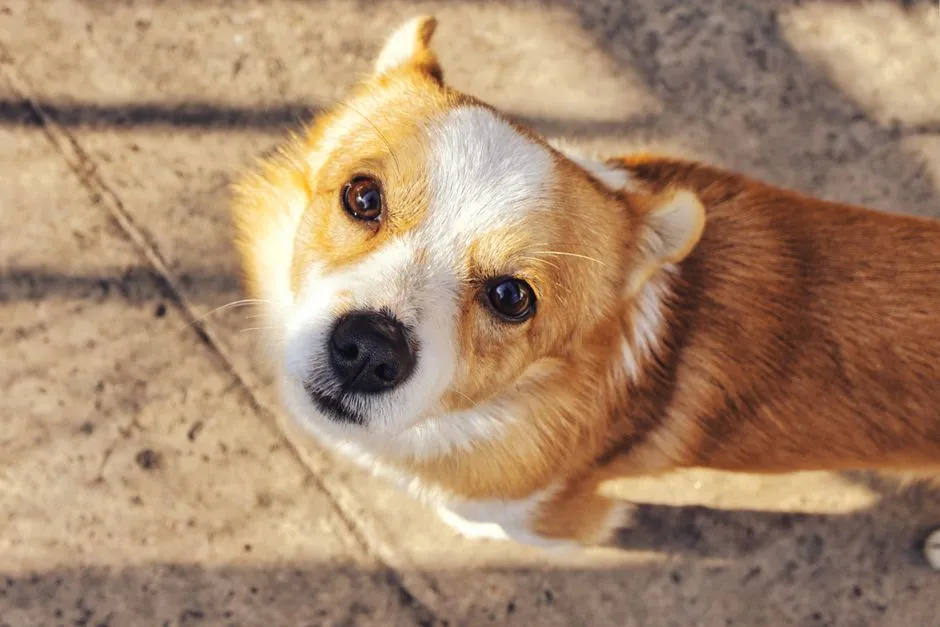
Your dog can be silent all day, then the second you grab the food container, it’s like someone hit a volume switch. This isn’t just excitement. It’s a calculated escalation.
Dogs learn that vocalizing – barking, whining, yipping – often speeds up the feeding process with specific humans who are more likely to hurry up under pressure. If you’re the primary feeder, your dog has been quietly testing different tactics on you for months.
Notice how they might be noisier with you specifically but stay calmer when someone else occasionally feeds. The volume often tracks your delay – the longer you take, the more dramatic the whining gets, sometimes starting at the earliest possible cue, like the crinkle of the kibble bag.
Trainers often recommend ignoring the noise entirely and only putting the bowl down once the dog goes quiet, because otherwise you’re training the performance to get louder. And no one gets targeted with that performance more than the food person. But the flattery campaign in #6 can be even sneakier.
#6 – The “I Only Take Treats Nicely from You” Act
🔥 Would you like to save this?
We'll email this post to you, so you can come back to it later!
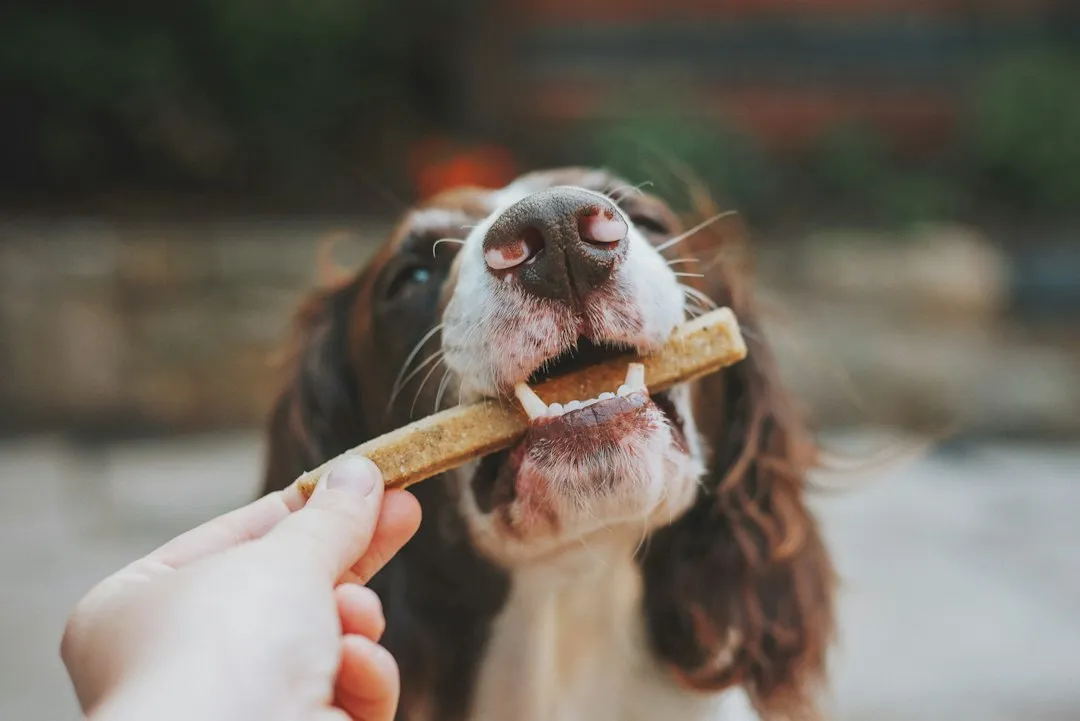
Here’s a behavior that fools a lot of people: “He’s so gentle with me but snatches food from everyone else!” It sounds like special respect. Sometimes it is. More often, it’s transactional.
Dogs quickly calibrate how carefully to take food based on how the main food provider responds. If you consistently pull back or correct rough mouthing, they learn to be soft-mouthed specifically with you. With people who rarely feed them or never correct the behavior, they grab greedily instead.
Quick Compare
- With the feeder: soft mouth, gentle takes, waits for a release cue.
- With occasional feeders: quicker grabs, noticeably less patience.
- With strangers or guests: often the most impulsive, least “trained” response of all.
This creates the illusion that your dog deeply reveres you. In reality, they’ve simply logged more practice reps reading your body language around food. You’re the most consistent source of edible things in their life, and the human whose micro-reactions to food-taking actually matter.
So yes, there’s a special relationship here. But it’s also a trained skill set built specifically around you. Still, nothing beats the tactical bed choice waiting in #5.
#5 – Sleeping Near the Kitchen or Your Usual Path Before Dinner
🔥 Would you like to save this?
We'll email this post to you, so you can come back to it later!
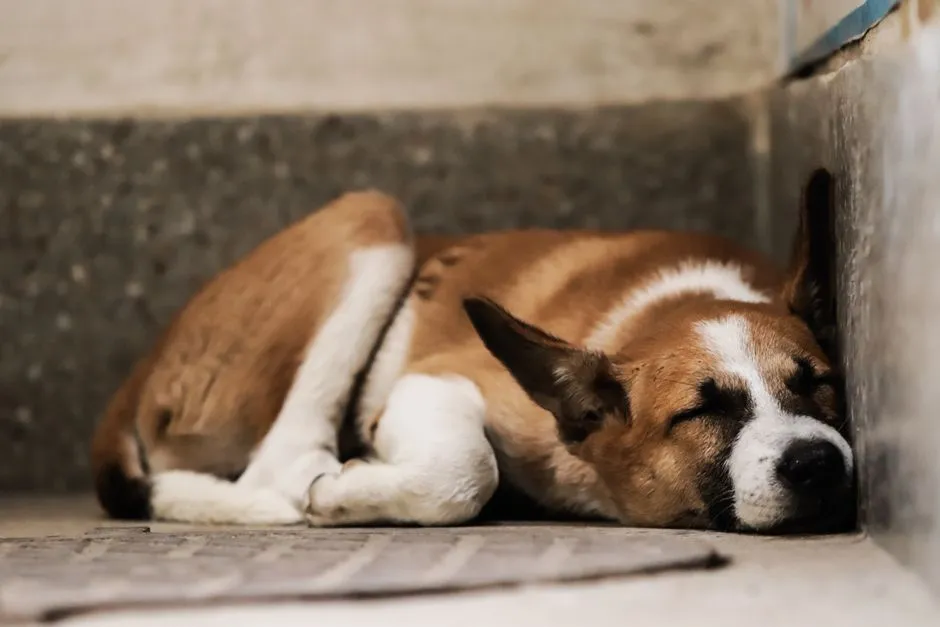
Some dogs seem to “randomly” nap in the hallway, near the kitchen, or directly across your usual evening walking route. Look closer – this is strategic placement, not luck.
Dogs are astonishingly good at predicting where the food person will move right before mealtime, and they position themselves to intercept. That can mean sprawling exactly where you have to step to reach the pantry, or relocating from a quiet bedroom to a high-traffic zone thirty to sixty minutes before dinner.
If you live with other people, pay attention to who actually earns this pre-dinner proximity. It’s rarely the teenager scrolling in their room. It’s the person whose footsteps have historically led to a clinking bowl.
Some owners read this as “he wants to be involved in everything I do.” Maybe. But there’s also a ruthless efficiency underneath it: if you’re the one who ultimately pours the kibble, you’re the one worth staking out. The way they prove it in #4 is almost embarrassing.
#4 – Ignoring Other People’s Commands the Moment You Enter the Room
🔥 Would you like to save this?
We'll email this post to you, so you can come back to it later!
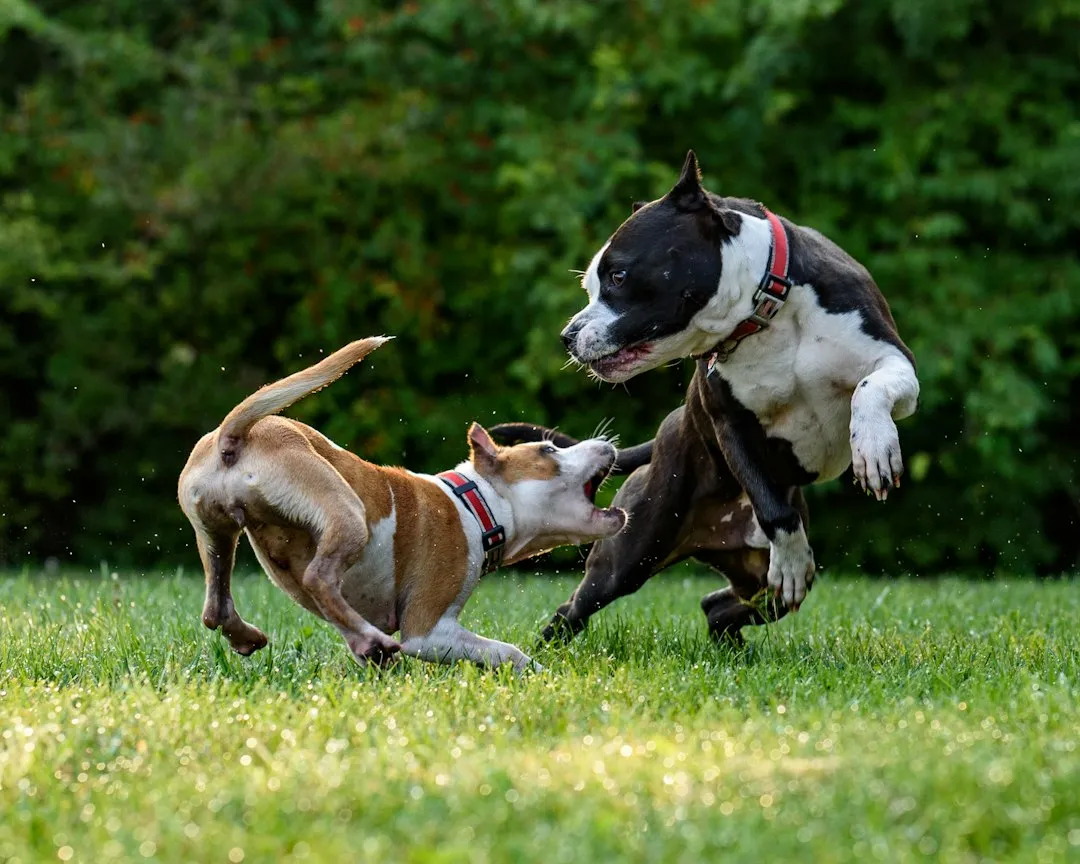
This is where dogs stop even pretending to be fair. Another family member might be mid-command – “Sit, Buddy!” – and your dog half-heartedly complies. The second you walk in, they lock onto you and override everyone else instantly.
Dogs naturally prioritize instructions from the human who consistently controls major resources – food, walks, outside access – and the evening food prepper often sits at the top of that invisible hierarchy. So when you appear, your dog may abandon play just to trot over and check in with you, or flat-out ignore someone else while searching your face for direction.
To non-feeding family members, this feels like blatant disrespect. To the dog, it’s efficient: listen most intently to the human whose decisions affect the food bowl. This dynamic causes real arguments – “He never listens to me!” – but from the dog’s point of view, they’re simply investing attention where the return is highest.
And the bedtime payoff in #3 cranks that loyalty act up even further.
#3 – Choosing to Sleep Closest to the Food Person at Night
🔥 Would you like to save this?
We'll email this post to you, so you can come back to it later!
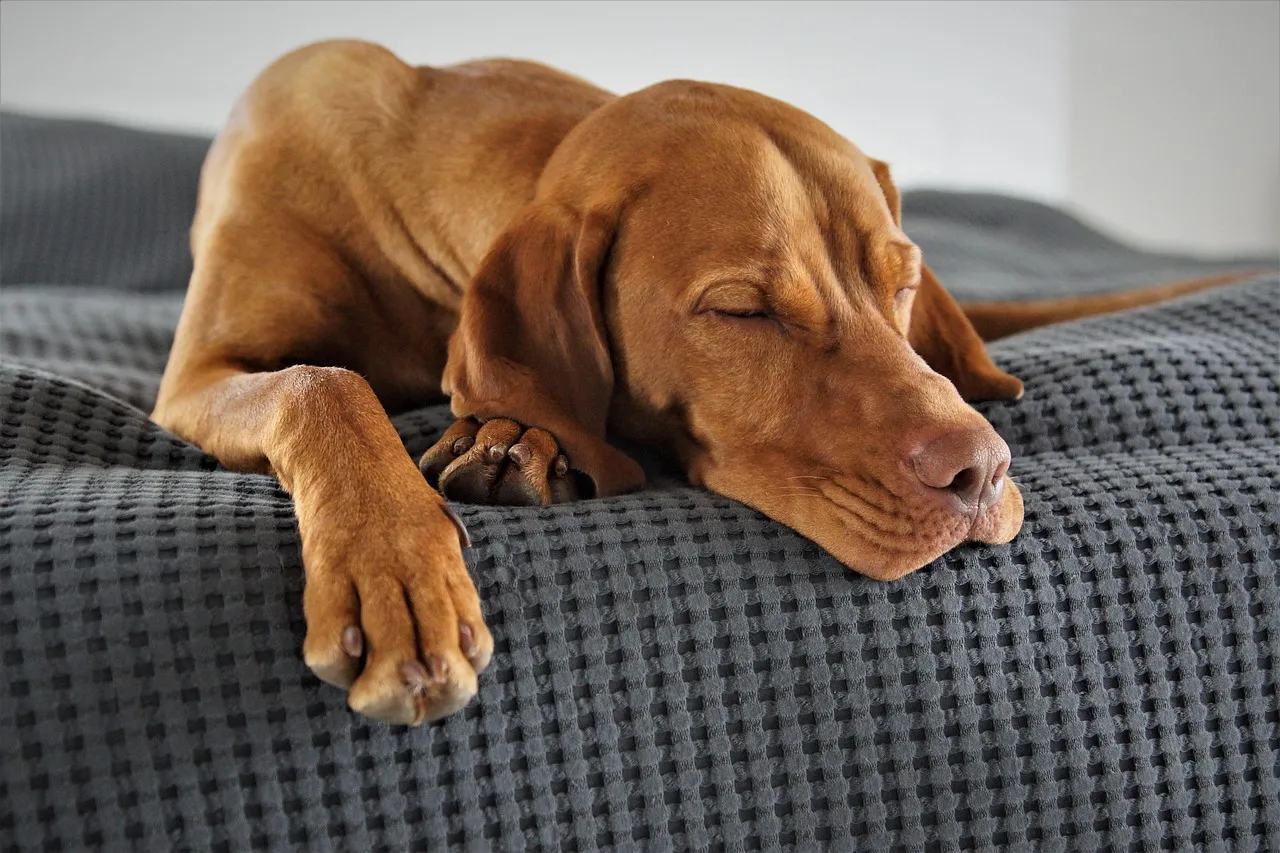
Who does your dog curl up against at night? In a suspicious number of homes, it’s the person who preps dinner, not the person who might spoil them in every other way.
There’s real emotional bonding here, but there’s also simple logistics. Sleeping near the food provider ensures the dog doesn’t miss morning or evening feeding cues and keeps them tightly synced with the human whose actions matter most to their survival.
- The dog sleeps on your side of the bed, never your partner’s.
- The dog claims the floor near your usual path to the bathroom or kitchen.
- On the couch, the dog tucks against your legs specifically, ignoring every other open spot.
People love to insist this is pure unconditional love, and arguing otherwise on Facebook is a guaranteed fight. Yet even seasoned trainers will quietly admit that dogs cluster their sleep near whoever controls the most valued resources. The bonus for them: the second you stir in the morning, they’re already positioned to launch the breakfast campaign. Just wait until you see its dinnertime twin in #2.
#2 – The Pre-Meal “Performance” of Tricks You Didn’t Ask For
🔥 Would you like to save this?
We'll email this post to you, so you can come back to it later!
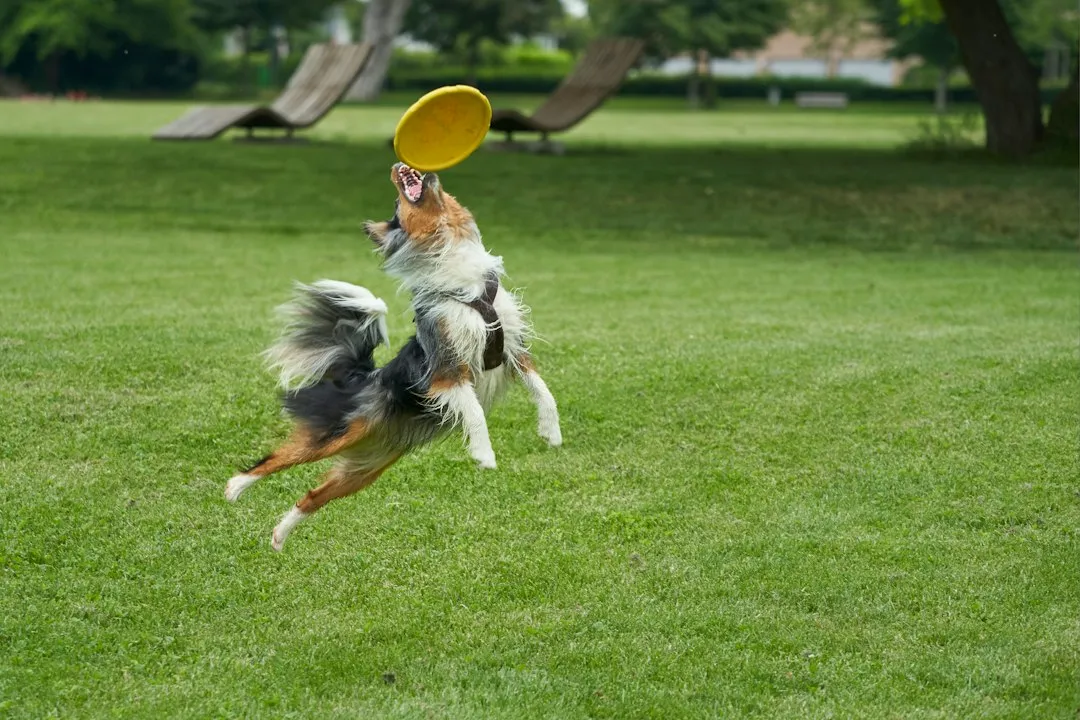
Right before the bowl hits the floor, your dog suddenly cycles through their entire repertoire – sit, down, spin, paw, maybe even that weird bow you taught them once for a party trick. This is operant conditioning in full swing.
Dogs learn that a higher rate of behavior near the feeder often results in a higher rate of food, or at least faster delivery. So they throw everything at the wall to see what pays off, and over time the performance becomes ritual.
Why It Stands Out
- Trick chains appear almost exclusively near the feeder, rarely for other household members.
- The behavior escalates the instant a hand touches the bowl or the bag, not before.
- Dogs often default to whichever trick has historically “worked” fastest, saving weaker tricks for later.
Watch for rapid-fire trick chains the moment you pick up the bowl, or “default” sits and downs offered without a single word from you, triggered by nothing more than the lift of your hand.
Most people film this, post it, and caption it “He loves showing off for me!” The harsher truth is that your dog has learned this particular human, at this particular moment of the day, pays out extra rewards for extra effort. You’re the vending machine that pays more when they press extra buttons. And then there’s #1 – the behavior so common we almost forget how laser-targeted it really is.
#1 – The “Starving” Act Reserved Just for the Food Person
🔥 Would you like to save this?
We'll email this post to you, so you can come back to it later!
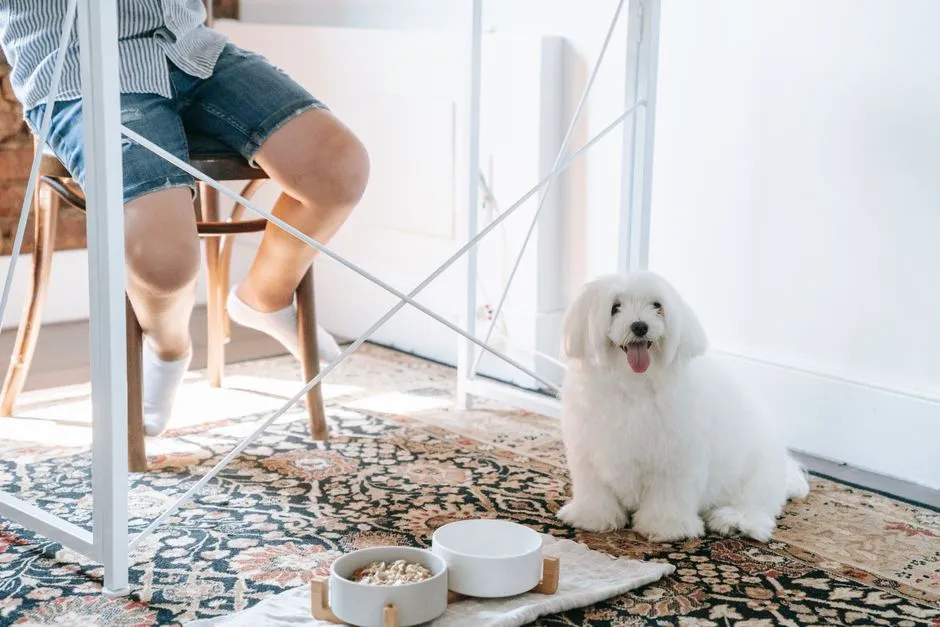
Here it is: the Oscar-worthy, “I haven’t eaten in years” performance that magically switches on the moment you step within ten feet of the kitchen. Dogs don’t waste this act on everyone.
They reserve their most dramatic starving body language – rib-stretching stretches, heavy sighs, exaggerated yawns, slow sad walks to the empty bowl – for the person who has historically fixed this fake emergency. It’s surgical in its precision.
Your partner might walk into the kitchen and your dog barely lifts their head. You arrive, and they sprint to the bowl, stare into it, then stare directly at you. They paw gently at your leg or nudge the empty dish, but only when you’re actually watching. And the more you’ve caved in the past – “okay, fine, a little early tonight” – the more intense the performance gets.
Dogs are not our whole life, but they make our lives whole.
Roger Caras
Even in households where someone else tries to change the feeding schedule, the dog often still directs the complaints at the original feeder, because they know exactly who can override everyone else. That’s why so many food people swear, “He only does this with me.” He does – because you’re the one who taught him it works. Underneath the guilt trips and theatrics, there is genuine bond. But pretending it isn’t also transactional is exactly how people end up gently manipulated every single evening.
The Bottom Line
🔥 Would you like to save this?
We'll email this post to you, so you can come back to it later!
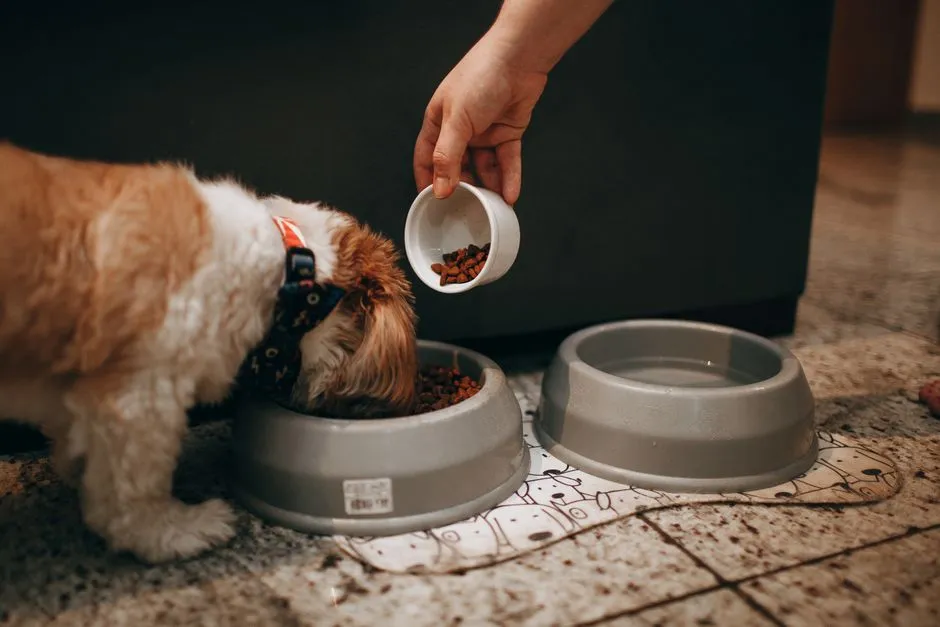
Strip away the flattering myth that dogs “love everyone equally,” and a sharper picture emerges: most of their clingiest, most dramatic behaviors are laser-targeted at the person who controls the bowl. From the shadowing and door-frenzy greetings to the jealous body blocks and the Oscar-level starving act, your dog has quietly built an entire evening strategy around whoever preps the food.
That doesn’t mean the love isn’t real. It means the love is tangled up with survival instincts and routines you’ve unknowingly reinforced, one guilty cave-in at a time. Honestly, I think the dogs have the better end of this deal – the person who feeds but never trains usually ends up with the most obsessed dog and the least actual control over it.
So where do you land: does your dog truly favor you, or just your role as the walking food dispenser? Either way, drop your dog’s dinnertime theatrics in the comments – we all secretly know exactly which behavior our own dog is running on us tonight.

From exploring the marine wonders in the Azores and witnessing the vast savannas of Kenya, to delving deep into the rich biodiversity of South Africa and traversing iconic landscapes in Australia and the US like Yellowstone, Chris's experiences are vast.
With a penchant for diving alongside sharks, the ocean holds a special place in his heart.
Through his academic insights, he champions wildlife conservation, striving with 'Animals Around The Globe' to cultivate a profound connection between humans and animals, enhancing our mutual appreciation.
Connect with him at Feedback@animalsaroundtheglobe.com.
- 15 Wild Animals You Might Spot in U.S. National Parks - November 5, 2026
- Top 10 Animals and Wildlife in Hawaii - November 4, 2026
- Top 10 Animal Encounters in Europe - November 3, 2026