
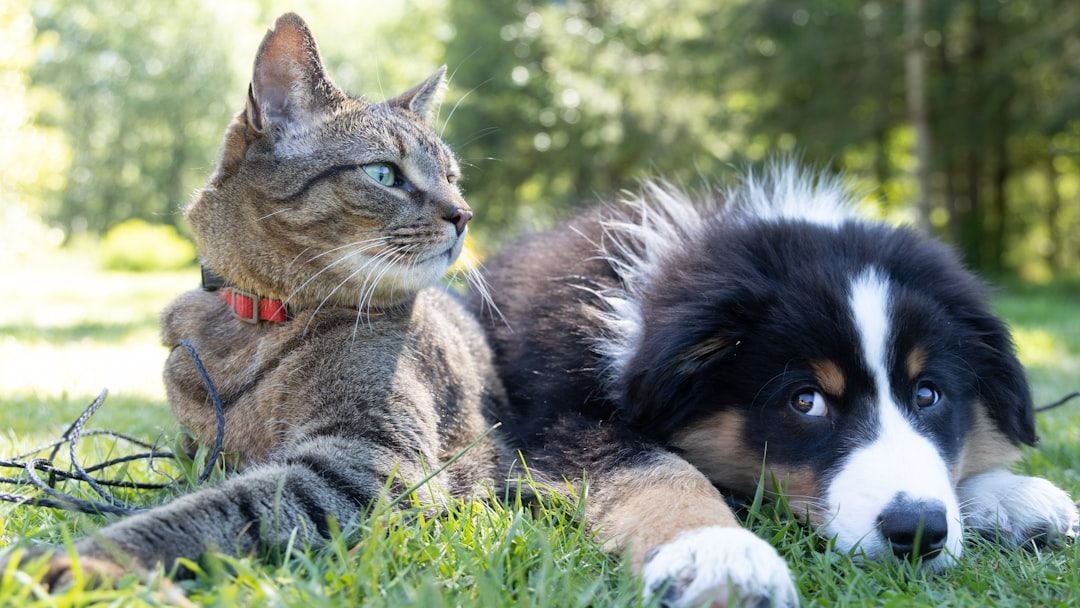
You’d think that after centuries of “fighting like cats and dogs,” the two species would be forever sworn enemies. Yet walk into the right home, and you might find a Golden Retriever snoozing peacefully with a tabby curled up on its back. It’s a sight that somehow never gets old.
The truth is, the whole “cats vs. dogs” story is far more nuanced than pop culture makes it out to be. Successful integration largely depends on the individual personalities of the pets involved, though certain dog breeds have traits that make them more likely to get along well with cats. Choosing wisely from the start can save you months of stress, tension, and a whole lot of hissing.
Whether you’re a cat owner looking to add a canine companion, or simply curious which breeds make the cut, what follows might genuinely surprise you. Let’s dive in.
1. Golden Retriever: The Ultimate Peacekeeper
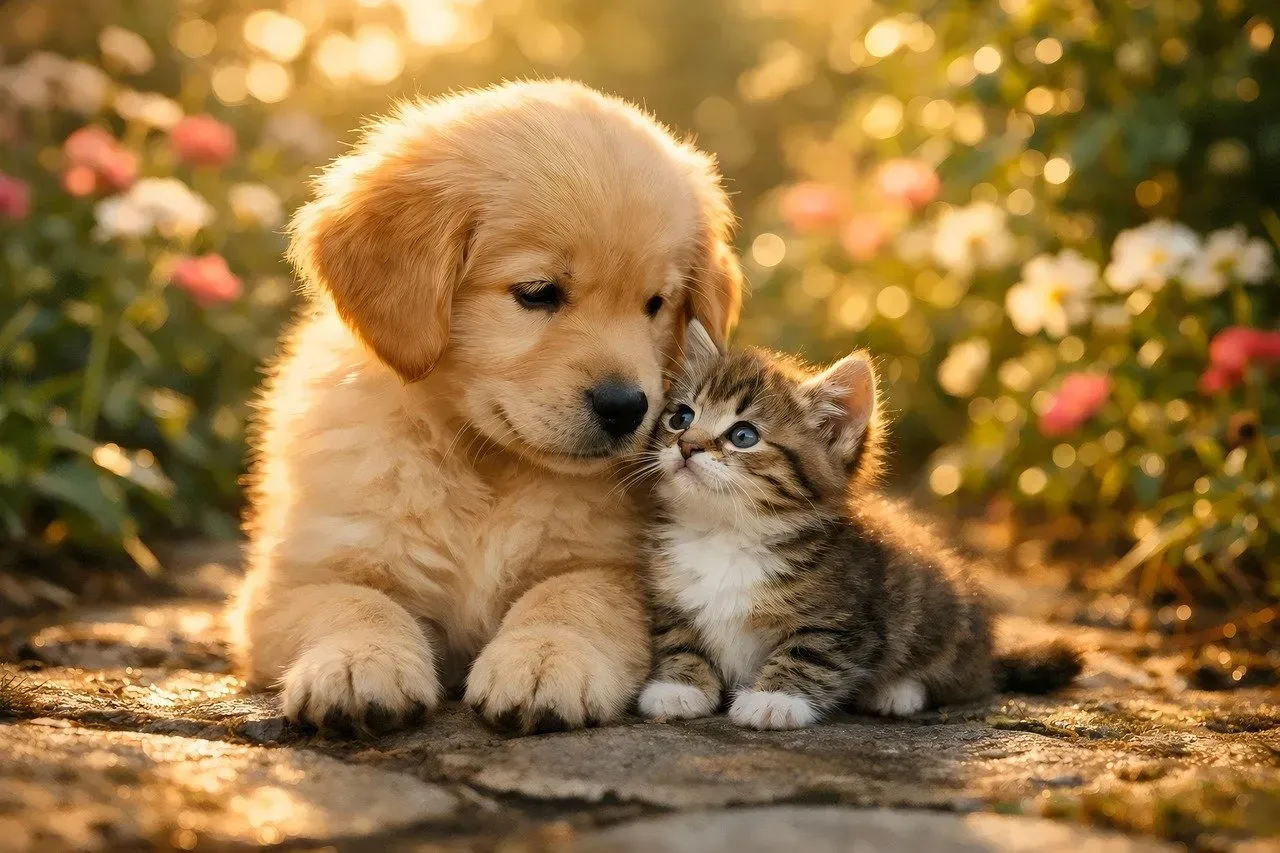
Honestly, is anyone surprised that the Golden Retriever made this list? These dogs are practically hardwired for warmth. The Golden Retriever breed can be your best buddy for life, and the love they have for their humans can also extend to other pets in the household.
Golden Retrievers are widely adored globally, and they possess amiable and devoted traits, making them highly compatible with youngsters and other animals, particularly felines. They’re not trying to dominate the cat. They genuinely just want a friend.
They have high adaptability skills, making them compatible with cats of all sizes and ages. If they were introduced to each other while still a puppy, a Golden Retriever will most likely consider your cat as a sibling and will even become protective of the feline as time goes by.
2. Labrador Retriever: Gentle, Smart, and Surprisingly Cat-Friendly
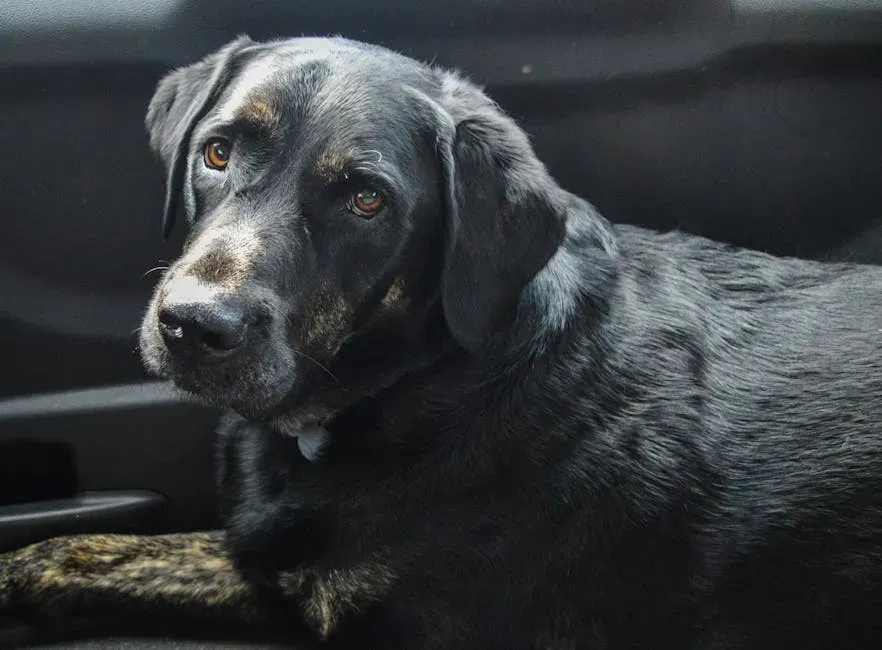
Labs have an energy that can feel overwhelming at first, but don’t let that fool you. Labs were developed to fetch and retrieve and have “soft mouths,” so hunting isn’t their primary goal. Labrador Retrievers also want to please their guardians, and if training communicates that the cat is off limits, they can understand better than other breeds.
Labs do have a strong prey drive, but it’s not a top characteristic for breeders. That distinction matters enormously in a multi-pet household.
Think of a Lab like the enthusiastic new coworker who means well, just needs some direction. With patient, consistent training and early introductions, this pairing can genuinely thrive.
3. Cavalier King Charles Spaniel: Small Dog, Giant Heart
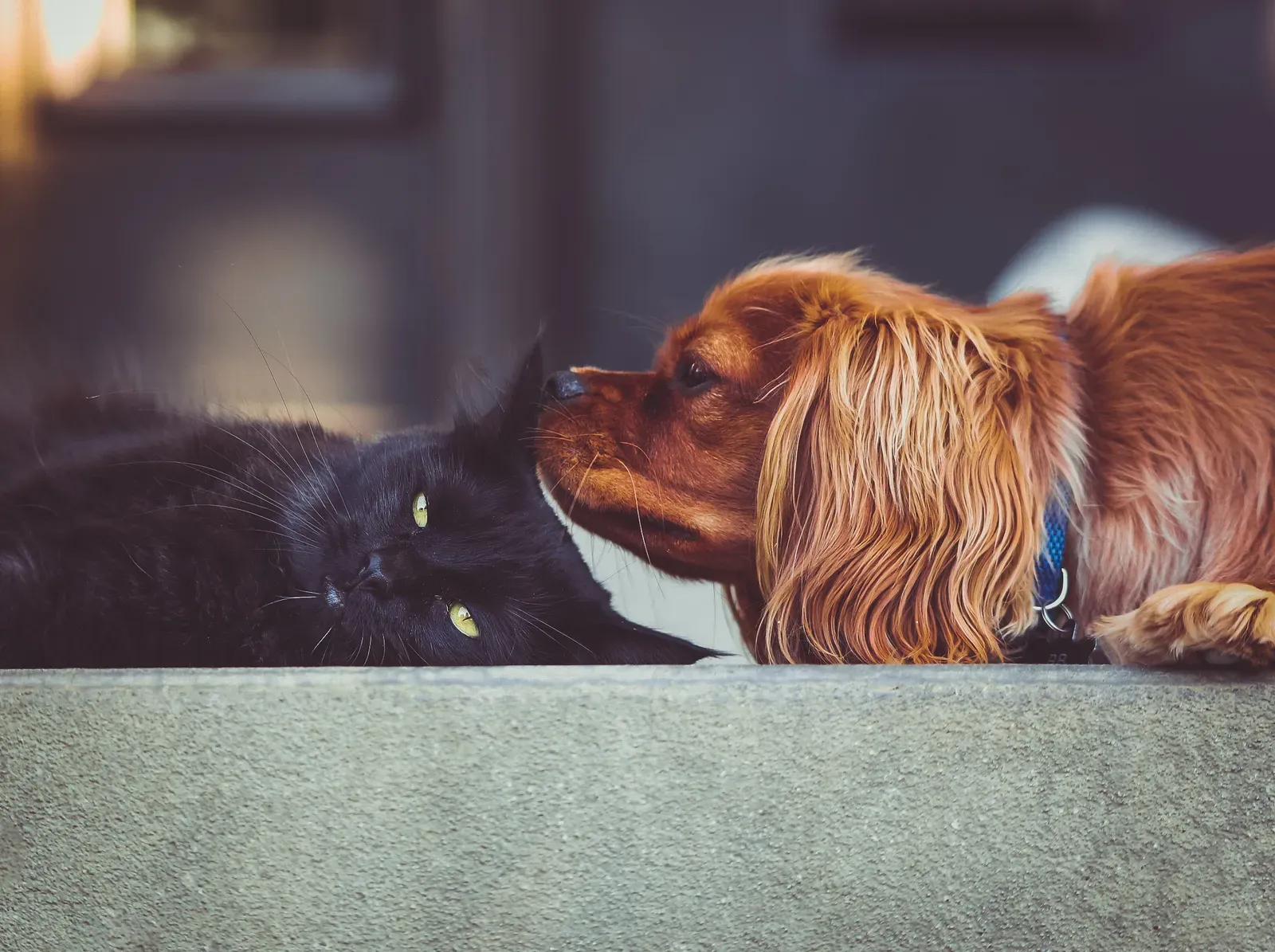
Cavalier King Charles Spaniels are likely one of the most beloved toy dog breeds. They have huge hearts of gold and bestow love on everyone they meet, which is why they make great emotional support dogs. The exact intuitive nature that provides affection and encouragement for patients in hospitals and nursing homes is ideal for sharing a home with a cat.
Cavs know how to back off and when they should, and they’re open to a feline napping buddy. Because Cavs prefer to always be in the company of people or pets, they’ll love having a feline roomie while you’re out.
That last point is a big deal. A dog that craves company and a cat that needs a warm body nearby? Sounds like the foundation of a beautiful friendship, honestly.
4. Basset Hound: The Low-Key Legend
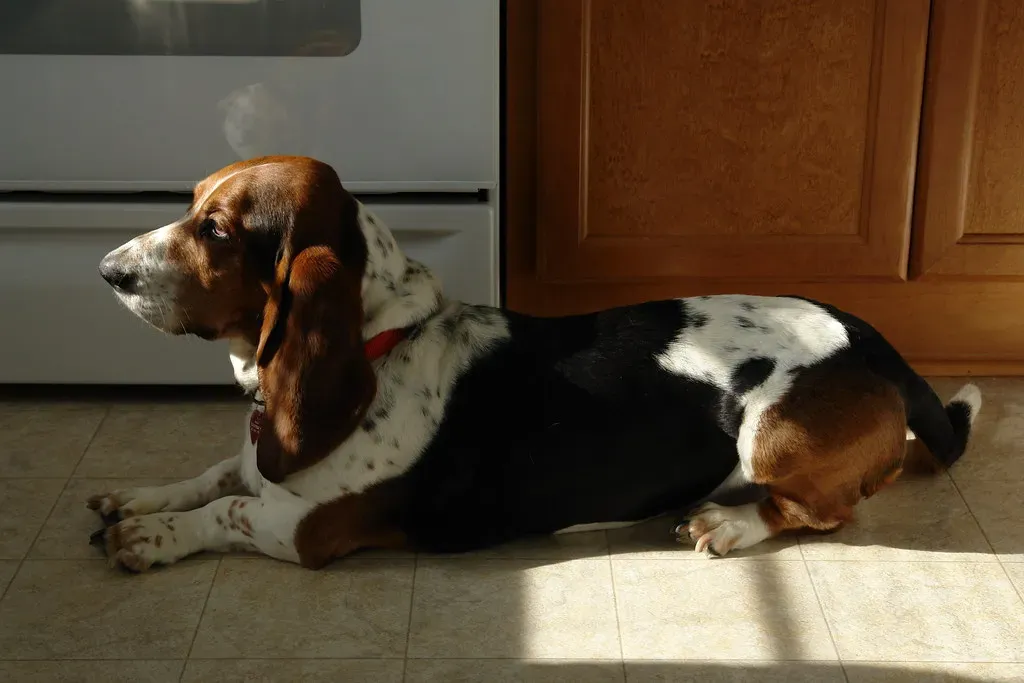
If cats had a say in picking their canine roommate, I think a lot of them would vote for the Basset Hound. This breed is known for its laid-back and easygoing nature, which is naturally helpful with skittish cats. Their low energy levels make them less likely to chase or insist on playing if your cat is not so inclined.
Basset Hounds also tend to respect space and boundaries, which is important for successful integration with cats. Though bred for hunting, Basset Hounds tend to be calm and non-aggressive on their own.
Aside from their penchant for howling, the Basset Hound, with its long floppy ears, is about as mellow as you can get. They are also incredibly loyal and patient, which will go a long way during the introduction and acclimation period with their feline sibling. A match made in napping heaven.
5. Beagle: Pack Mentality Works in the Cat’s Favor

Here’s a surprising one. Beagles were bred to hunt, yet that same pack instinct is precisely why they tend to welcome cats as family. Bred to hunt in packs, Beagles are usually friendly to other animals and have a “happy-go-lucky nature,” and are likely to see cats as just another member of the pack.
With proper socialization, Beagles can develop great friendships with cats and can learn to live harmoniously, especially when raised together from a young age. Beagles have historically been used as hunting dogs, however, so it is important to establish appropriate behavior early on in your household.
Solo Beagles typically only display hunting or aggressive behavior when in packs, so a solo Beagle is likely to do just fine with cats. Keep that in mind if you’re a single-dog household.
6. Bichon Frise: Small, Fluffy, and Wonderfully Sociable
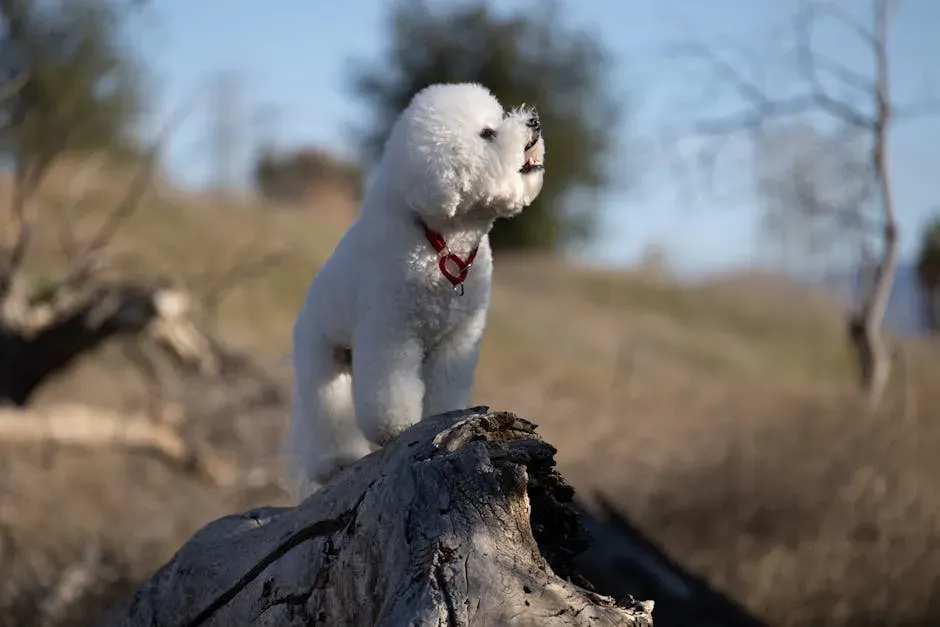
The Bichon Frise is known for their cheerful disposition and love for social interaction. Their friendly nature and gentle temperament allow them to bond with cat siblings, enjoying companionship and cuddle sessions together. Let’s be real, a fluffy white Bichon and a sleek tabby curled up together is peak home aesthetic.
The Bichon Frise breed can be extremely sociable with both humans and other animals, and will often get on well with other pets. If you’re considering adding a cat-friendly dog breed to your family, this breed is definitely worth considering, but bear in mind that Bichons love to play, so it’s worth keeping an eye on them to make sure they don’t become too boisterous.
Think of the Bichon as the playful sibling who needs occasional reminders to read the room. With a little guidance, they’re a stellar choice.
7. Bulldog: The Surprisingly Peaceful Tank
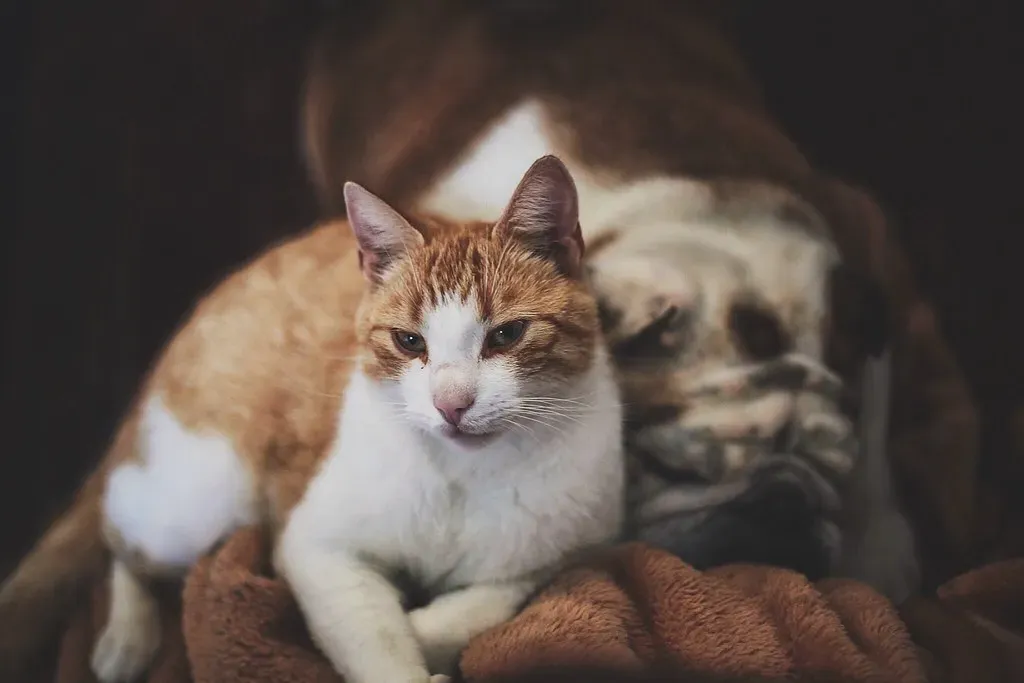
At first glance, the Bulldog looks like trouble. That stocky frame, those wide shoulders. Don’t let appearances fool you. The lazy nature of this stout breed makes them great housemates for cats. A smaller type of Mastiff, the Bulldog is known for its sweet, affectionate, and non-aggressive nature, a great match for the nervous cat who isn’t sold on the idea of a new sibling.
Bulldogs aren’t fans of the water, and they are lazy dogs that make excellent nappers, so the Bulldog and your cat already have four things in common, making them one of the best dogs that get along with cats.
A dog that would rather nap than chase? Every anxious cat’s dream. The Bulldog and the house cat are practically kindred spirits.
8. Pug: The Sociable Little Homebody
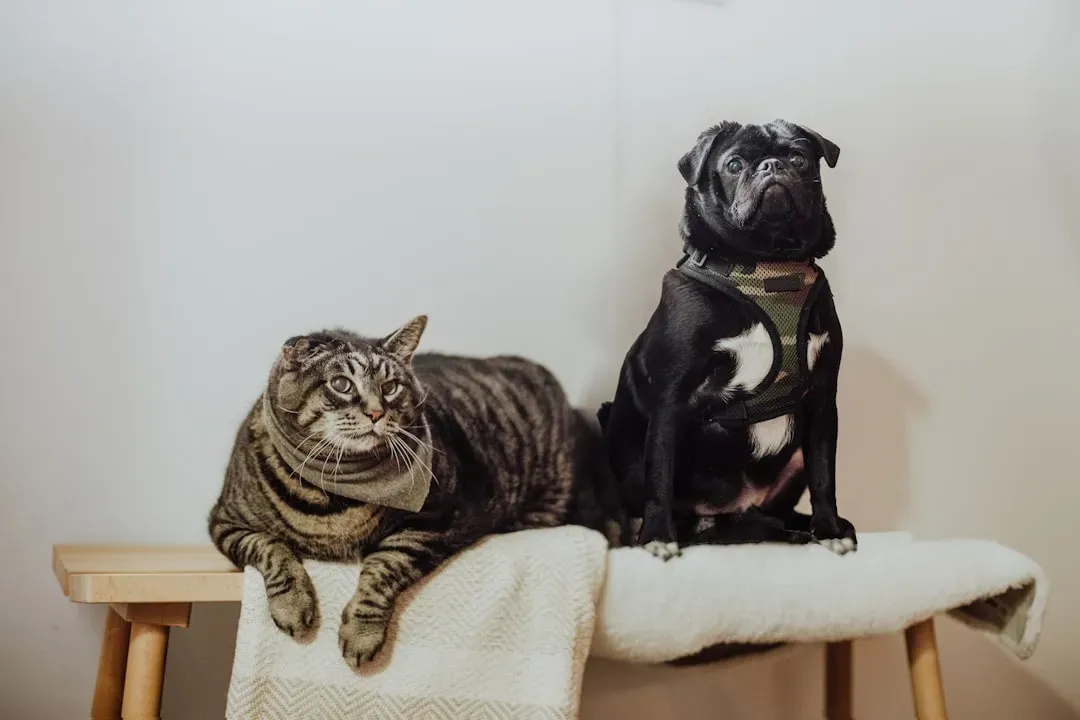
Pugs often don’t mind having feline company. In fact, you’re more likely to find them snuggling together than in the middle of a feisty exchange. Dogs that are good with cats, such as Pugs, can often be the sweetest canines, and this breed is known for being generally good-tempered and sociable.
Plus, they’re quite a small dog breed, so if you’re worried about space, Pugs won’t need that much room to be happy and comfortable. That compactness also makes them far less intimidating to a wary feline.
It’s hard to say for sure, but there’s something about a Pug’s smooshed little face that seems to disarm even the most standoffish cat. Their whole vibe screams “I just want to be cozy,” which is a language cats speak fluently.
9. Maltese: Impeccable Manners, Impeccable Company
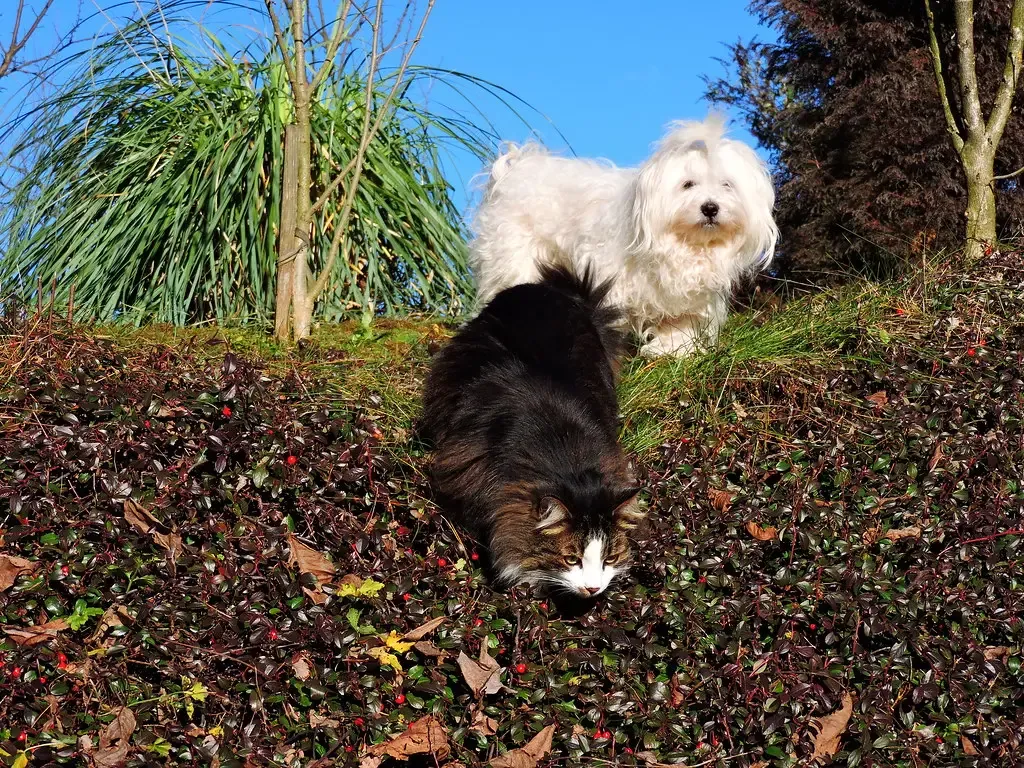
If you’re a fan of fluffy pets, the Maltese breed can also be a cat-friendly dog breed. This small breed is often friendly and sociable, meaning they can get on well with cats.
The Maltese is essentially the well-mannered dinner guest of the dog world. They arrive quietly, don’t demand attention, and somehow leave everyone feeling better. They do really enjoy companionship but are also happy to give cats a bit of space to be on their own when it’s needed.
Size matters here too. A tiny Maltese is simply not physically imposing to most cats, which takes a huge amount of tension off the table from day one. Less intimidation means faster bonding.
10. Bernese Mountain Dog: The Gentle Giant Who Plays It Cool
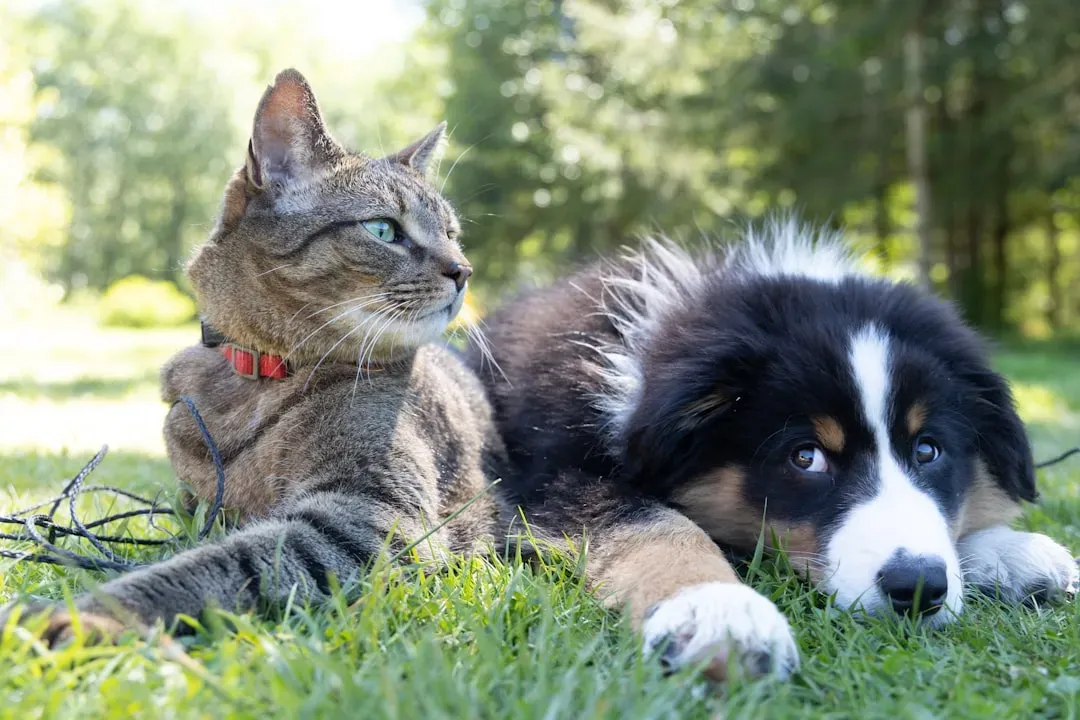
These large, fluffy dogs tend to be friendly and confident, which can be a perfect match for an assertive cat. Initially, your cat may be wary of a Bernese Mountain Dog due to their larger size, so cautious introductions are key.
Bernese Mountain Dogs do not have a strong prey drive, so it’s certainly easier to train them to live with cats than other big dog breeds. That’s a genuinely remarkable trait for a dog of that stature.
Imagine a bear-sized dog that simply has no interest in chasing your cat. That’s the Bernese in a nutshell. Once the initial size shock wears off, these two can become the most unexpectedly sweet duo in the house.
11. Irish Setter: Sociable, Trainable, and Cat-Compatible
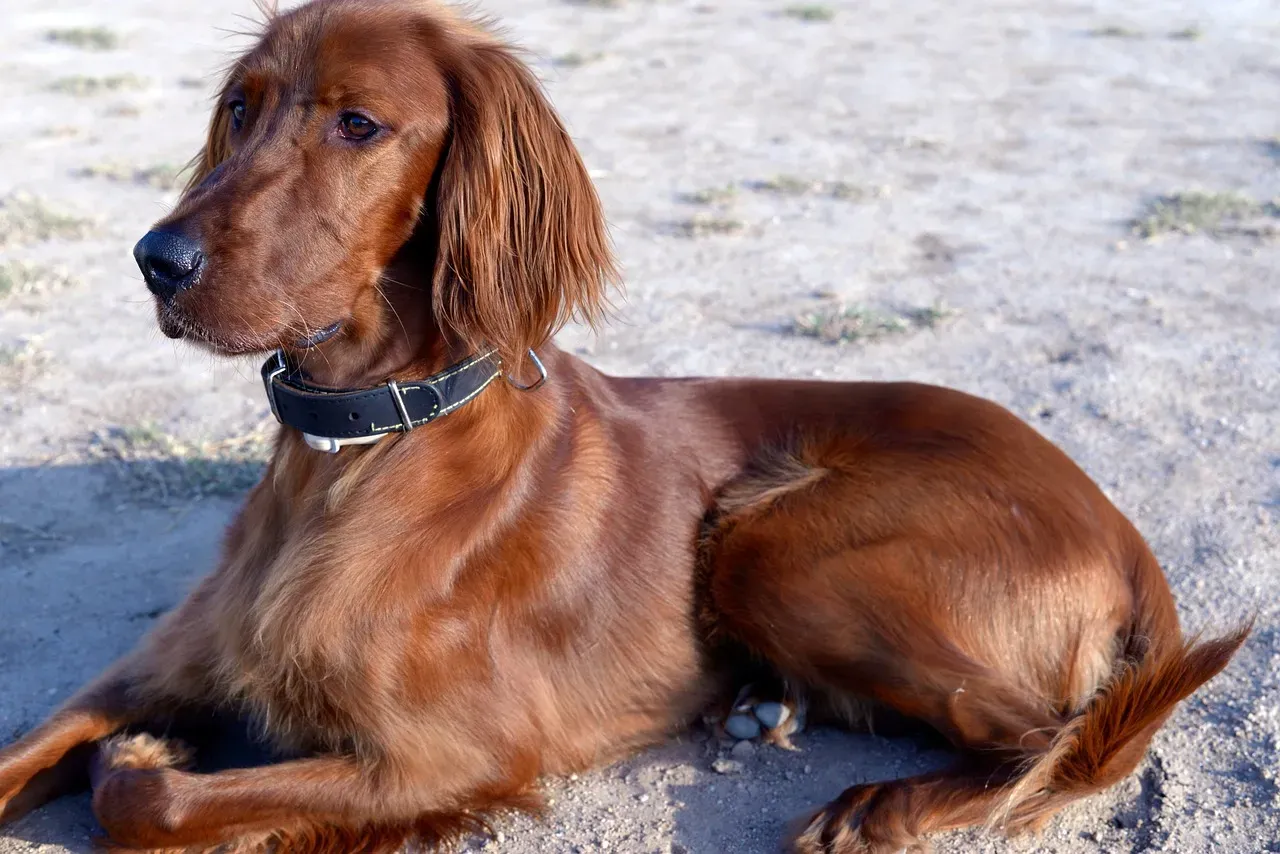
The Irish Setter breed can often have traits of being sociable and easy to train, which can mean that this dog won’t meddle in your cat’s business. The Irish Setter is a large breed, and they can be a bit clumsy, meaning they may need to get used to having your cat around, and should ideally be monitored closely when they are first introduced to your feline.
With proper training, Setters can be calm and obedient dogs, just what you need for a peaceful multi-pet household. That gorgeous, feathery red coat is just a bonus.
Here’s the thing: the Irish Setter is like a tall, enthusiastic person who doesn’t always realize how much space they take up. Clumsy, yes. Malicious toward cats? Almost never. Train early, and this one’s a winner.
12. Poodle: Intelligence That Works in Everyone’s Favor

Poodles are mellow, friendly, and loving creatures. In terms of size, they are classified into toy, miniature, and standard. With their mellow personality, it is safe to say that all three sizes are great companions for a cat.
Some breeds are just physically too small to run quickly or overcome a cat, like Bichon Frises and toy poodles. That physical reality alone reduces risk dramatically in a shared home.
Poodles are also one of the most trainable breeds on the planet. If you teach them early that the cat is a companion and not a plaything, they’ll internalize that lesson faster than almost any other breed. Smart dogs make better roommates.
13. Corgi: Energetic but Surprisingly Agreeable
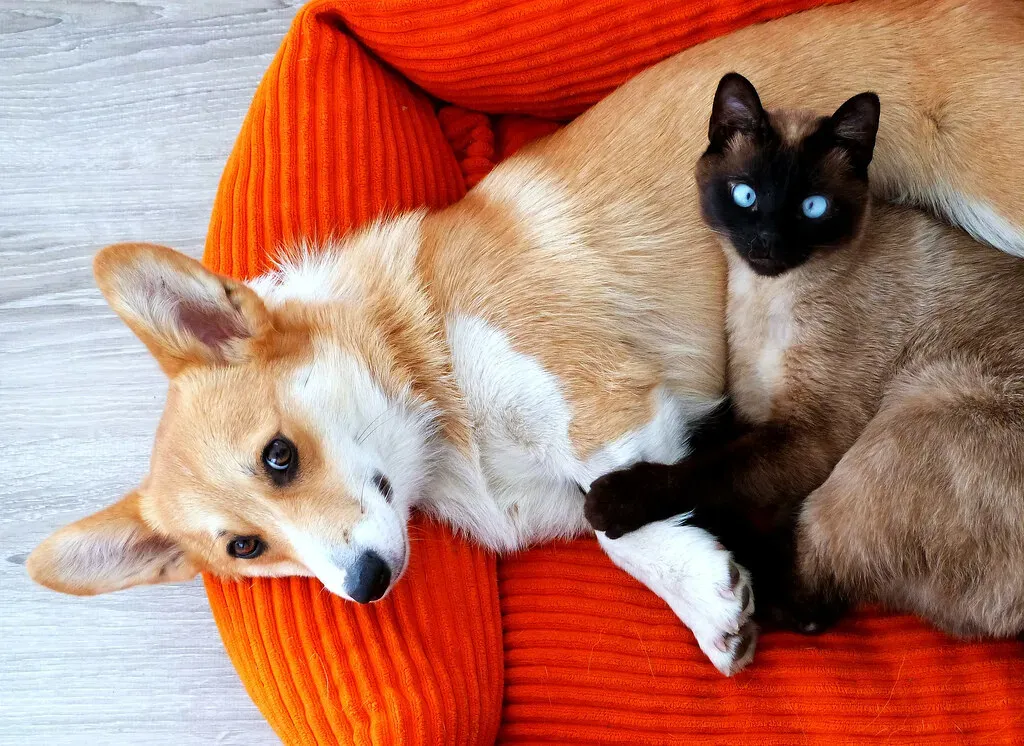
Affectionate, loyal, and obedient, Corgis are especially fond of kids and are agreeable with other pets. They carry this herding heritage but channel it into protectiveness rather than aggression, which is an important distinction.
If you have a cat with an outgoing and playful personality, a Corgi is a good choice. Corgis are fond of chasing anything that moves, including your cat. They will be good playmates if your cat matches the level of energy that the Corgi has.
If your feline is one that is shy and fearful, the Corgi’s energy might be too overwhelming. So personality matching matters here. A bold, spirited cat and a Corgi? That could be chaotic fun. A timid cat paired with a Corgi? Maybe not ideal.
14. Collie: Lassie Would Never Chase Your Cat
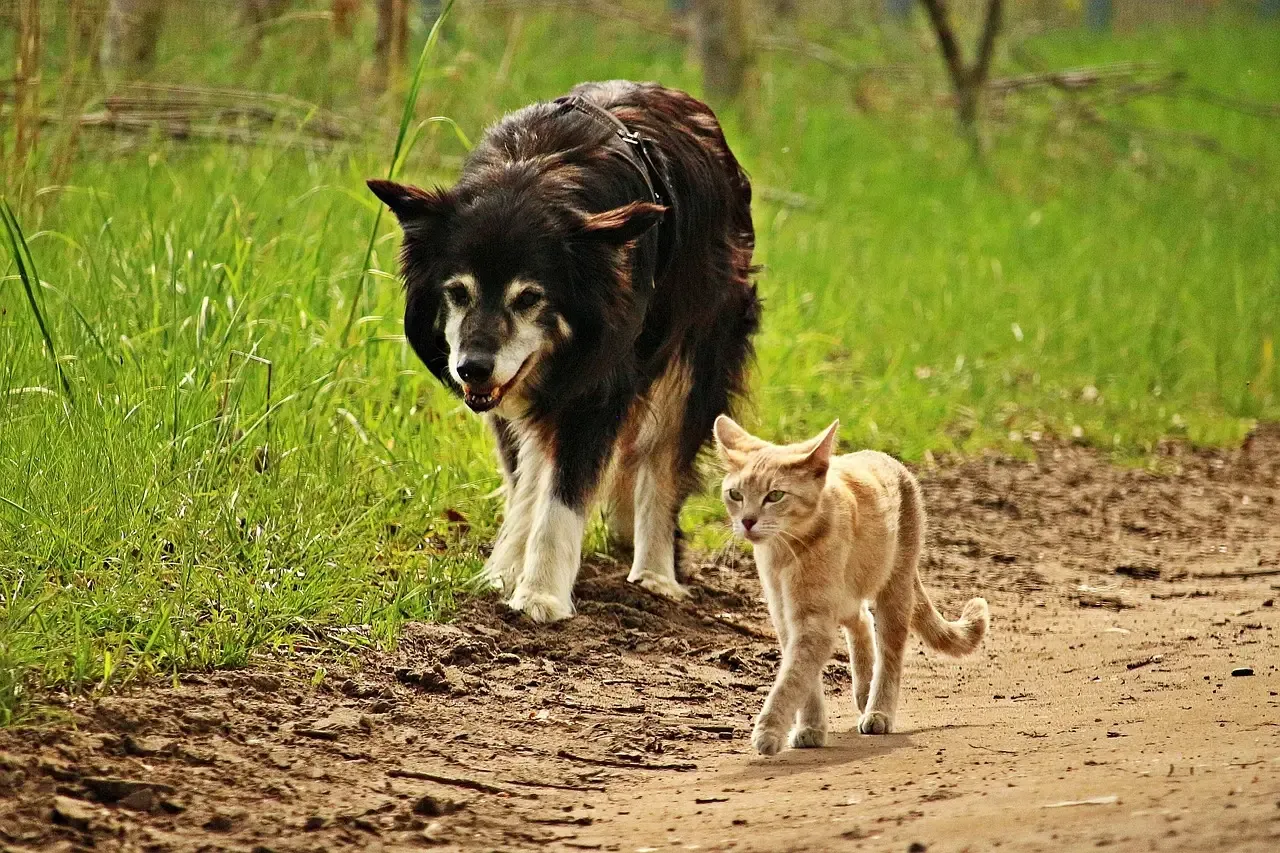
Collies are remarkably loyal to their human and furry siblings. Because they are wicked smart and sweet, they can learn how to interact and adjust to living with a cat sibling. That combination of intelligence and gentleness is rare.
Collies are known for loving children, and for some, that love can extend to cats. They are vocal dogs that tend to be tolerant of other family pets.
Yes, Collies are technically a herding breed, which often raises red flags in cat households. Yet they stand apart from most of their herding cousins. Their loyalty and emotional intelligence seem to override the chase impulse in most cases. A real exception to the rule.
15. Newfoundland: The Calm Colossus
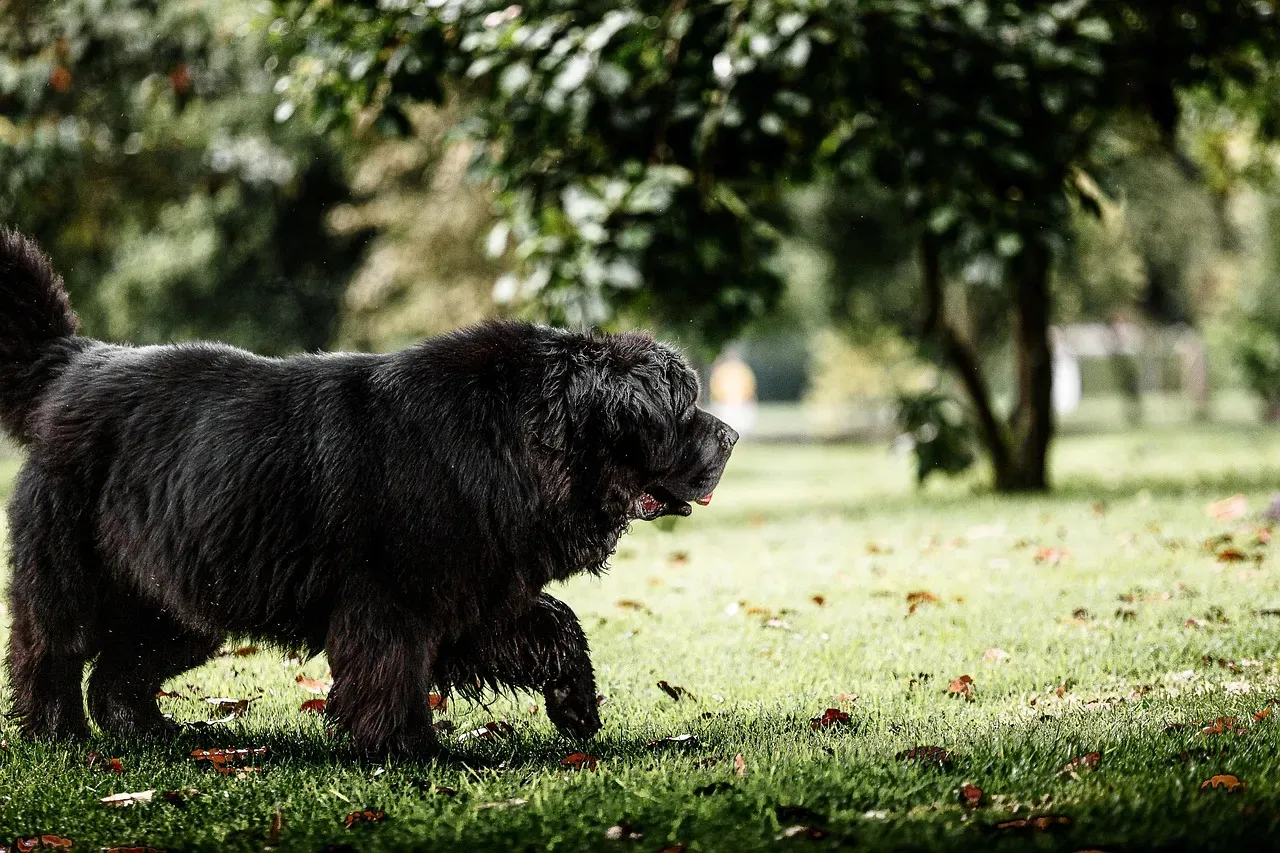
Described as “gentle giants,” Newfoundlands are known for their calm demeanor and lower energy levels. Their easygoing personality makes it likely that they’ll enjoy your cat’s company.
Here’s a dog that can weigh close to 150 pounds yet poses remarkably little threat to a cat. That’s largely because their temperament is so fundamentally unhurried. They move slowly, they react slowly, and they tend to observe before acting. Cats can respect that.
The sheer size difference between a Newfoundland and a cat makes proper introduction extra important. Once trust is established though, it’s not uncommon to find a small cat sleeping against the warm flank of this magnificent, woolly giant. Genuinely heartwarming.
16. Siberian Husky: Beautiful but Risky
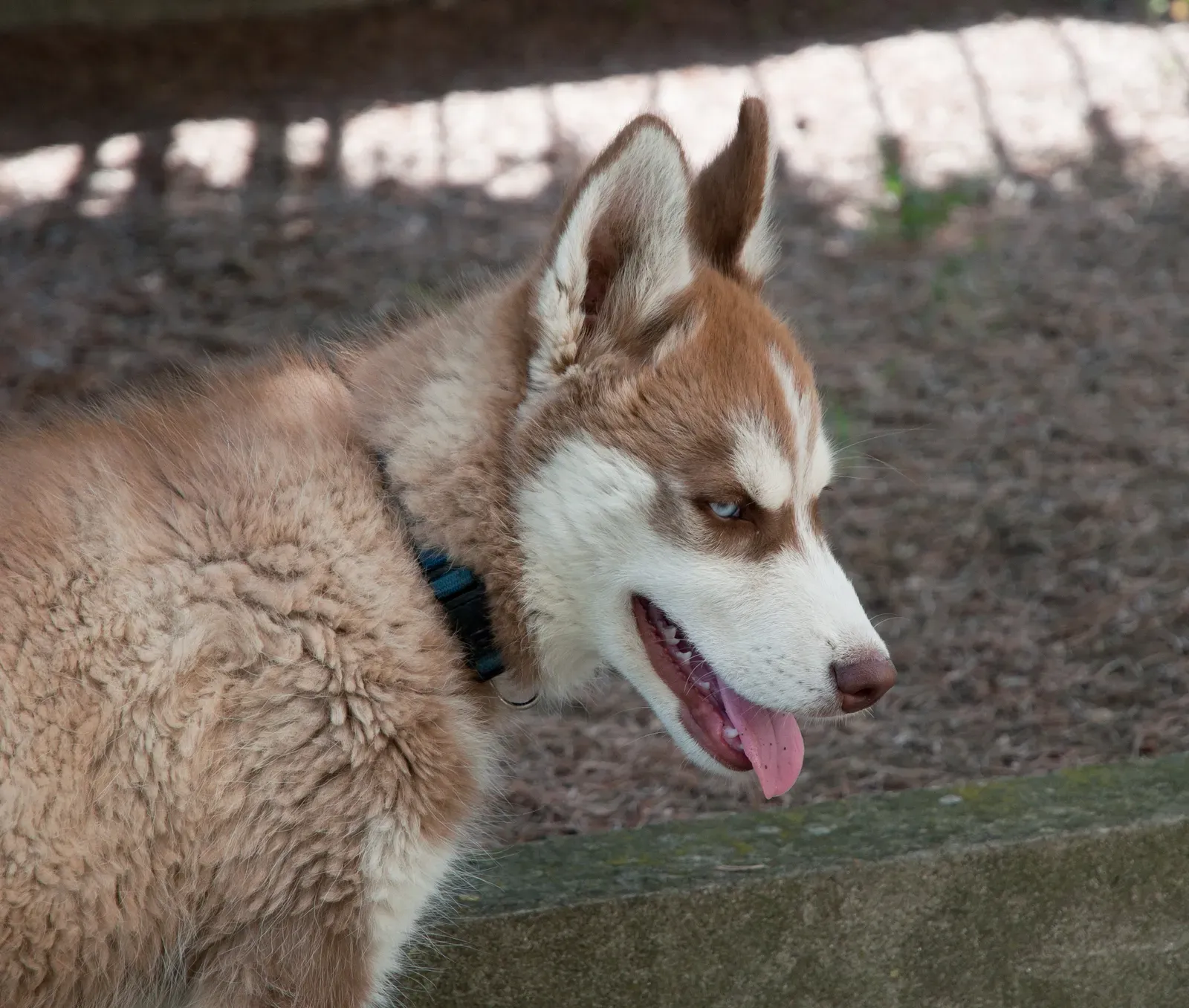
Now for the five breeds you really need to think twice about. The high prey drive of the Siberian Husky makes it a difficult breed to keep with a cat. The Siberian Husky is a sought-after breed due to its beautiful appearance and outgoing temperament.
The Siberian Husky is a working dog that was originally used for sled pulling. It would not do well with cats because of its high prey drive. If not properly socialized, this breed is likely to chase cats.
I know it’s hard to hear for Husky lovers. Those ice-blue eyes and wolf-like beauty are genuinely captivating. However, the Siberian Husky is one of those breeds that does worse with cats than others, with extremely high prey drives and the instinct to chase smaller animals. Beauty and danger, wrapped in one fluffy package.
17. Greyhound: Speed Is the Problem

Due to their strong hunting instincts, Greyhounds are not the best breed to keep with cats. Greyhounds are a gentle and intelligent breed bred for coursing, racing, and hunting. That history is written deep into their instincts.
Greyhounds belong to the sighthound group and were historically used to hunt small game such as rabbits and foxes. A Greyhound’s strong prey drive may compel it to chase your cat. Given the fact that Greyhounds can sprint up to 45 miles per hour when in pursuit of prey, they aren’t typically a good fit for households with cats.
Forty-five miles per hour. Let that sink in. No cat on earth outruns that. Even the most well-intentioned Greyhound can shift from calm to full pursuit in seconds, which makes the stakes simply too high in most home situations.
18. Afghan Hound: Elegance with a Hunter’s Soul
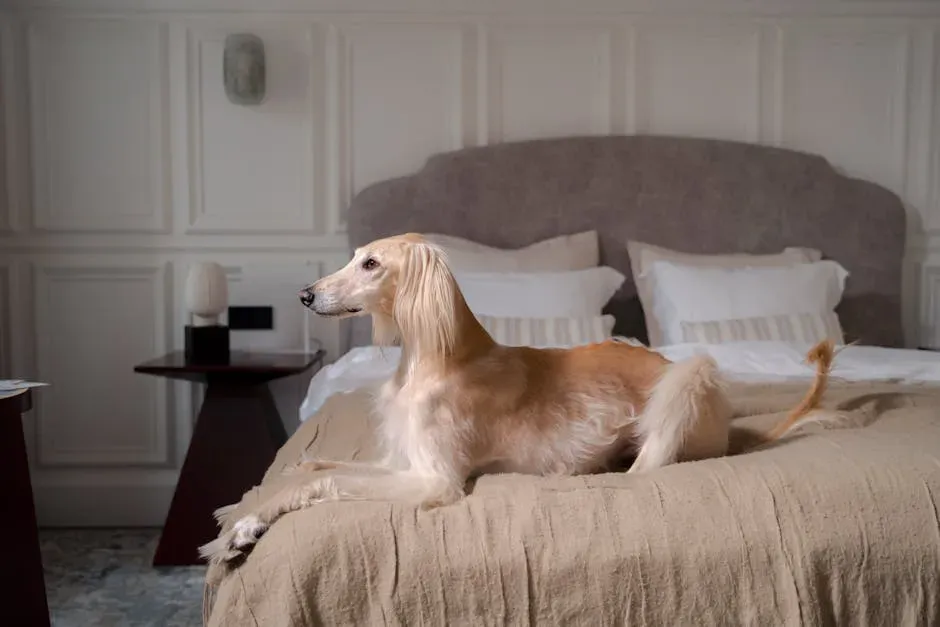
If there’s any breed that can be considered the archenemy to cats, it’s the Afghan Hound. Don’t let their long-haired elegance fool you. These hounds are natural-born hunters known for catching rabbits, wolves, and even snow leopards.
Afghan Hounds are elegant and independent dogs. They have a strong prey drive, which can make them a poor choice for homes with cats. Their hunting instincts are deeply ingrained, and they may see cats as prey.
It’s not like they’ll chase down your cat out of frustration. An Afghan Hound will go out of their way to find your cat because they just enjoy the chase and hunt. That’s not a casual problem. That’s a deeply rooted behavioral drive that no amount of good intentions can easily override.
19. Jack Russell Terrier: Feisty, Fearless, and Relentless

Any type of terrier is typically a poor match for households with cats, and the Jack Russell Terrier is no exception. These feisty canines were bred to hunt small game and have a very strong tendency to chase small animals. There’s no doubt that Jack Russells make for lively companions, but your cat would likely be happier with a more laid-back dog breed.
These little dogs can be fearless and relentless in their pursuit of small animals. If you have a Jack Russell, expect them to need a lot of training. They need strict supervision around cats to avoid problems.
Here’s the thing about Jack Russells: their size is genuinely deceiving. You’d think a small dog poses minimal danger, but their persistence is extraordinary. They don’t give up. Terriers were bred to dig underground and eliminate animals like moles, rabbits, groundhogs, and badgers. The Jack Russell can view a cat as a squirrel or rabbit that it is supposed to hunt down. That’s a sobering reality.
20. Weimaraner: A Hunter Through and Through

The Weimaraner is athletic, affectionate, and beautiful. Its friendly disposition makes it an attractive breed choice for families, as the Weimaraner loves nothing more than spending time with its family. As wonderful as Weimaraners are, families with cats at home may wish to choose a different breed. Traditionally a hunting dog, the Weimaraner often has an innate urge to chase small animals.
Even cats and Weimaraners raised from birth together aren’t on a positively firm standing. Weimaraner instincts are just so overpowering that it could just be a matter of time before your cat starts to look like a snack.
Experts suggest that if you work with your Weimaraner from puppyhood it may be possible to train it to be indifferent toward your cat. Possible, not guaranteed. That distinction matters enormously when a feline life is at stake.
A Final Word on Introductions and Instinct
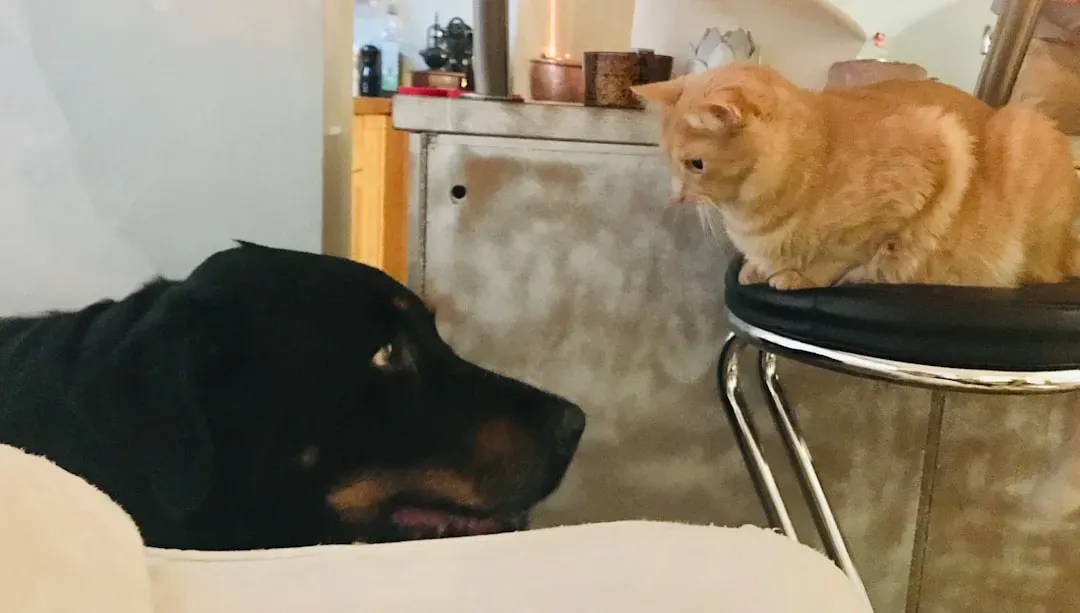
Even within the most cat-friendly breeds, no pairing is without risk. Most dog breeds can live calmly with a cat if they are socialized as puppies and are trained to leave the cat alone. Teaching your dog a “leave it” cue and a strong “stay” can help keep the peace. Proper introductions will also help, and it’s a good idea to make sure the cat always has an escape route.
If you must introduce two different animals, begin with them in separate rooms. Both animals have incredible scent glands and will understand another animal exists. You can continue with having a barrier between them, like a tall baby gate or fence.
Careful and consistent socialization and training with cats during the socialization phase is crucial to set your puppy up to have the best chances of being a cat-friendly adult dog. Absolutely choose a puppy that has already grown up around a cat or cats. That one decision alone can make the difference between harmony and chaos.
Conclusion: The Right Match Changes Everything
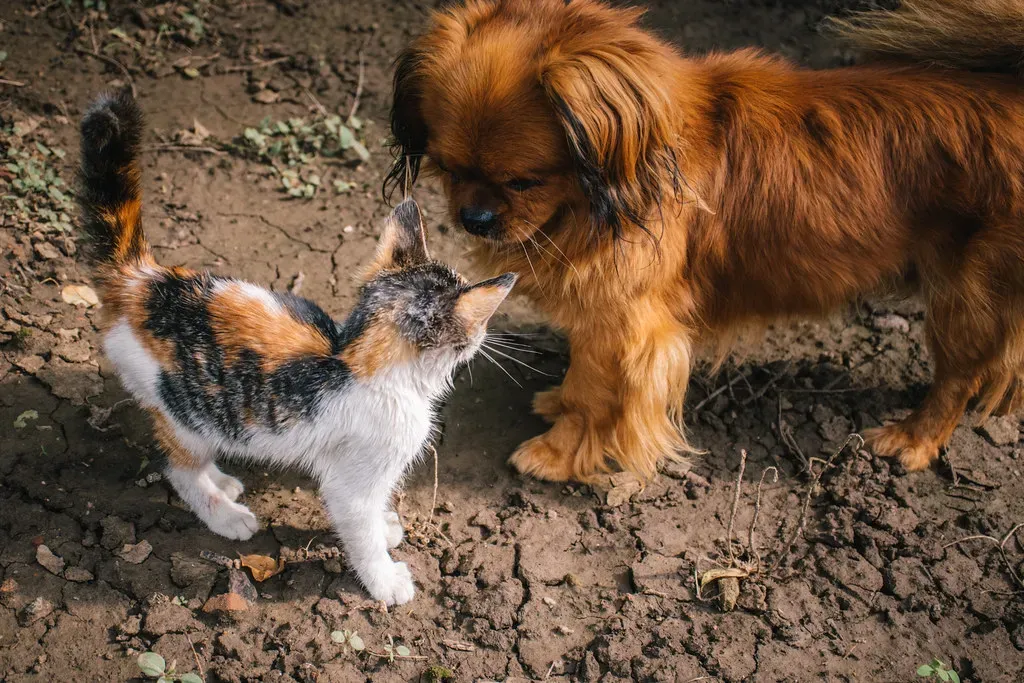
Breed matters, but it isn’t destiny. A Golden Retriever raised without boundaries can still terrorize a cat. A well-socialized Jack Russell can surprise everyone by making a feline friend. The breed sets the odds. The owner shapes the outcome.
Still, why start with the odds stacked against you? If you already share your home with a cat, choosing one of the fifteen cat-friendly breeds on this list gives everyone a fighting chance at genuine peace, and maybe even something warmer than that.
Because when you finally witness your dog and cat curled up together on the couch, completely unbothered by the world, you’ll realize the research was worth every second. What would you have expected from your current dog? Would it have made the good list or the risky one?
