

Freshwater rivers, with their seemingly peaceful surfaces, harbor some of nature’s most formidable predators and dangerous creatures. These waterways, which cover only a fraction of the Earth’s surface compared to oceans, contain an astonishing diversity of life – including species responsible for thousands of human fatalities annually. From microscopic parasites to massive reptiles, freshwater ecosystems host organisms that have evolved remarkable and often deadly adaptations for survival. This article explores the most dangerous freshwater river inhabitants across the globe, examining their hunting methods, defense mechanisms, and the very real threats they pose to humans who share their environments.
The Nile Crocodile: Africa’s Apex Predator

The Nile crocodile (Crocodylus niloticus) stands as one of the most formidable predators in freshwater environments worldwide. Growing up to 20 feet long and weighing over 1,650 pounds, these massive reptiles possess bite forces exceeding 5,000 pounds per square inch – strong enough to crush bones with ease. They are responsible for an estimated 200-500 human deaths annually across their range in sub-Saharan Africa, making them one of the deadliest large animals to humans.
What makes Nile crocodiles particularly dangerous is their hunting strategy. They are ambush predators that can remain motionless for hours, with only their eyes and nostrils visible above water, before launching lightning-fast attacks on unsuspecting prey that approach the water’s edge. Their territorial nature combined with their inability to distinguish between their natural prey and humans creates a deadly scenario in communities that rely on rivers for bathing, laundry, fishing, and water collection. Unlike many predators that may attack humans out of desperation, Nile crocodiles have been documented actively hunting people in certain regions.
Bull Sharks: The River-Dwelling Sharks
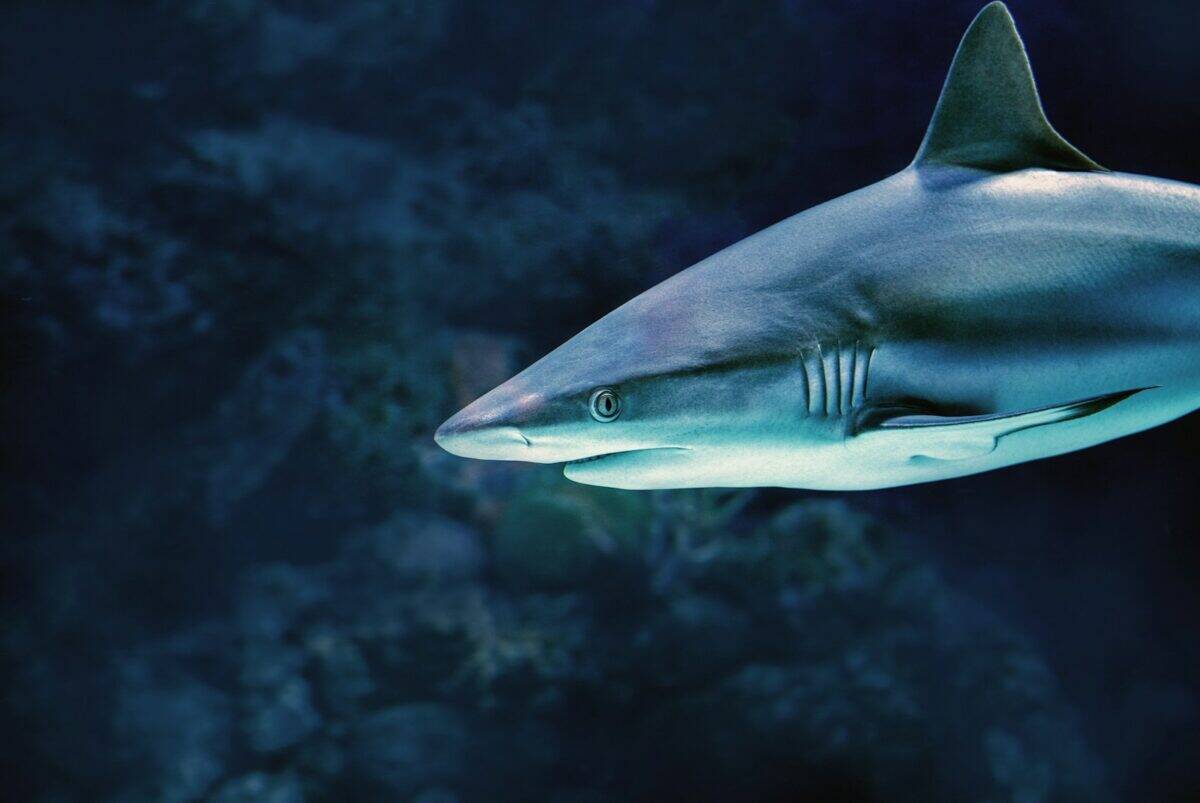
Perhaps the most surprising entrant on this list, bull sharks (Carcharhinus leucas) possess a unique physiological adaptation that allows them to regulate their salt retention, enabling them to survive in both saltwater and freshwater environments. These powerful predators have been documented thousands of miles upriver in the Amazon, Mississippi, and other major river systems worldwide. Growing up to 11.5 feet in length and weighing up to 500 pounds, bull sharks combine size with aggression to create a formidable predator.
Bull sharks are considered among the most dangerous shark species to humans due to their preference for shallow, murky waters where humans frequently swim, their unpredictable aggressive behavior, and their powerful bite. With the highest testosterone levels of any animal on Earth, male bull sharks display heightened aggression, particularly during mating season. Their ability to hunt in low visibility conditions using electroreception and an acute sense of smell makes them especially dangerous in river environments where visibility is often poor. The International Shark Attack File attributes numerous fatal attacks to bull sharks, though the exact number in freshwater environments is difficult to quantify.
Electric Eels: Living Batteries

The electric eel (Electrophorus electricus) of South American rivers represents one of nature’s most remarkable evolutionary adaptations. Despite its name, it’s not a true eel but rather a type of knifefish that can grow up to 8 feet long. What makes this creature deadly is its ability to generate powerful electric shocks of up to 860 volts – five times the voltage of a standard U.S. wall socket. These fish possess specialized electric organs comprising thousands of modified muscle cells called electrocytes that function like tiny batteries connected in series.
While deaths from electric eels are relatively rare, they can be lethal under certain circumstances. Multiple shocks can cause respiratory or heart failure, especially in children or individuals with heart conditions. The primary danger comes when humans are unable to escape repeated shocks, particularly in shallow water where the eel can press against its victim. Electric eels use their shocking ability both defensively and to hunt prey, stunning fish before consuming them. What makes them particularly dangerous is that, unlike venomous creatures that must bite to inject toxins, electric eels can deliver their shock from a distance without direct contact, making them difficult to avoid once encountered.
Piranhas: The River’s Razor Teeth
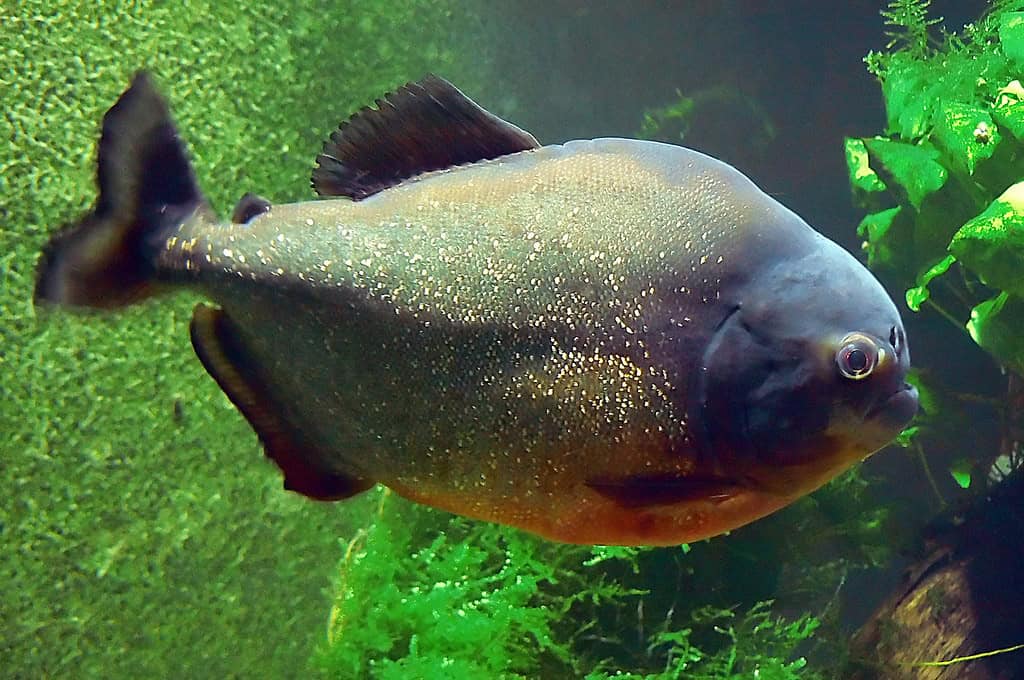
Few freshwater creatures have a reputation as fearsome as the piranha, particularly the red-bellied piranha (Pygocentrus nattereri) of the Amazon Basin. These fish possess triangular, razor-sharp teeth that interlock precisely, creating one of the most efficient cutting tools in nature. A single piranha can take a chunk of flesh from prey in one bite, and when hunting in schools of hundreds, they can strip a large animal to bone in minutes. Their powerful jaws can generate bite forces that vastly exceed their body weight, allowing them to easily slice through flesh and even small bones.
While media portrayals have exaggerated piranha behavior, they remain legitimately dangerous under specific circumstances. Attacks on humans most commonly occur during dry seasons when food is scarce and water levels are low, concentrating both fish and humans in smaller areas. Documented fatal piranha attacks typically involve people who have fallen into the water while already injured or unable to escape. Particularly vulnerable are intoxicated individuals who fall from boats or children left unattended in shallow waters. Scientific studies have shown that certain sound frequencies from splashing and chemical signals from blood can trigger feeding frenzies, making bleeding individuals at heightened risk in piranha-inhabited waters.
Candiru: The Parasitic Nightmare
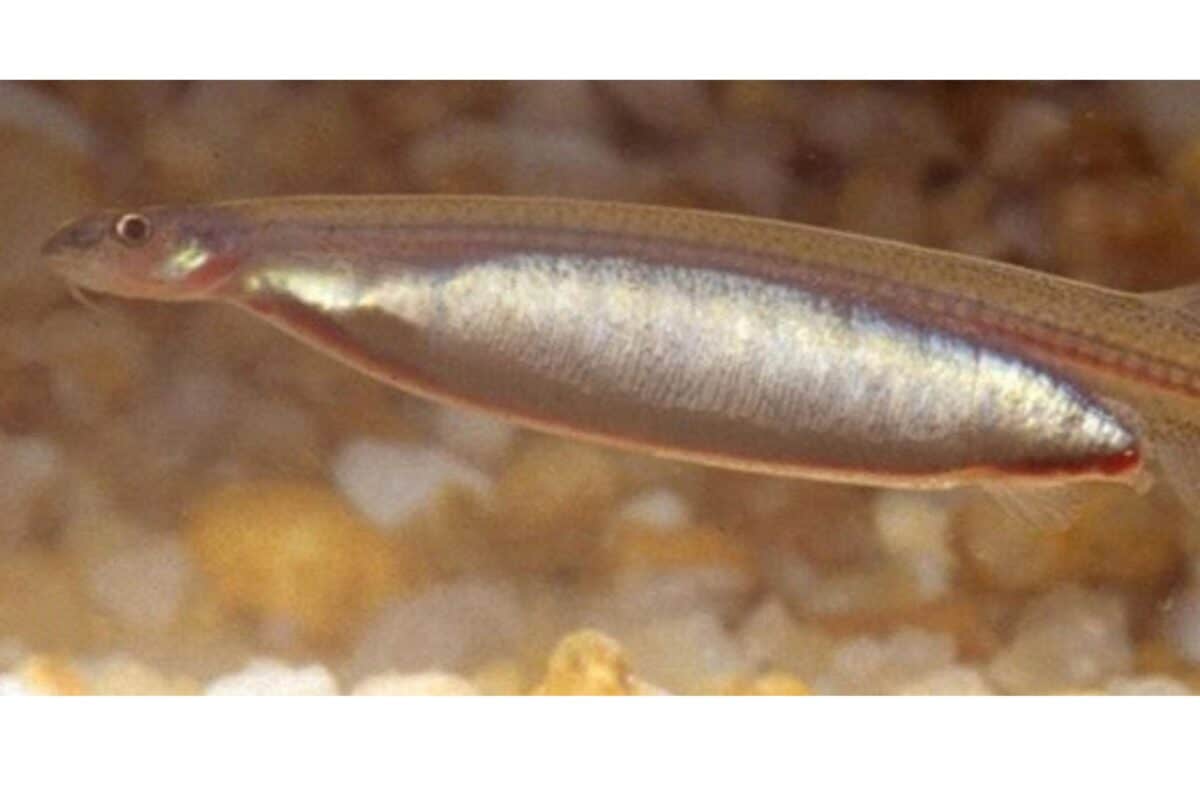
Perhaps the most notorious and feared fish in the Amazon River system is the candiru (Vandellia cirrhosa), a parasitic catfish species that grows only to about 1-2.5 inches in length. This nearly transparent fish has earned a terrifying reputation due to its alleged tendency to enter human urethral openings when people urinate in the water. Once inside, the fish deploys its sharp spines, making removal extremely difficult and painful. While many scientists debate the frequency of such attacks, documented medical cases exist of candiru infiltration requiring surgical removal.
The candiru’s natural behavior involves parasitizing larger fish by entering their gill openings and feeding on blood from the gill filaments. Their bodies are perfectly adapted for this lifestyle, with backward-pointing spines that prevent them from being dislodged once they’ve entered a host. What makes them particularly dangerous to humans is their attraction to the ammonia compounds found in urine, which they apparently mistake for the gill flow of their natural host fish. Beyond the physical damage caused by their spines, secondary infections from these parasitic intrusions can be life-threatening if not treated promptly with antibiotics. Local indigenous peoples have developed specific knowledge about avoiding candiru attacks, highlighting the very real danger these tiny fish present.
Brain-Eating Amoeba: Microscopic Killer
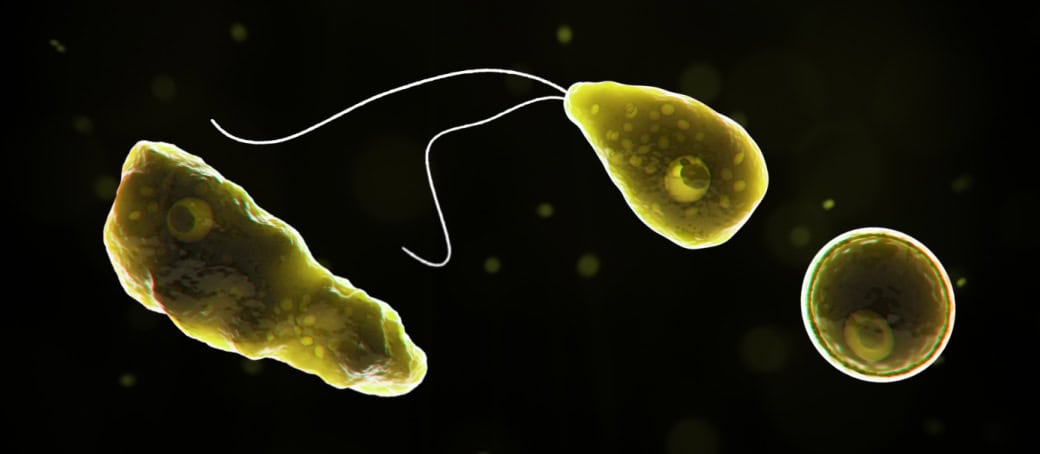
One of the deadliest freshwater threats comes in microscopic form – Naegleria fowleri, commonly known as the brain-eating amoeba. This free-living, single-celled organism thrives in warm freshwater environments worldwide, particularly during summer months when water temperatures rise above 77°F (25°C). Despite its minuscule size (8-15 micrometers), this amoeba is responsible for a devastating infection called primary amebic meningoencephalitis (PAM), which has a fatality rate exceeding 97%. Between 1962 and 2021, only four people out of 154 known infected individuals in the United States survived.
What makes this microorganism particularly terrifying is its mode of infection. When water containing the amoeba enters the nose – typically during swimming, diving, or water sports – it can travel along the olfactory nerve directly to the brain, where it begins consuming brain tissue. Initial symptoms resemble bacterial meningitis and include headache, fever, nausea, and vomiting, progressing rapidly to confusion, lack of attention, loss of balance, seizures, and hallucinations. Death typically occurs within 1-18 days of symptom onset. The amoeba cannot infect people through swallowed water, and human-to-human transmission is impossible. Climate change is expanding the geographic range of this deadly microbe, with cases now appearing in northern states that previously were too cool to support its growth.
Hippopotamus: Deceptively Deadly Herbivores

Despite their vegetarian diet and seemingly docile appearance, hippopotamuses (Hippopotamus amphibius) are responsible for an estimated 500 human deaths annually in Africa, making them one of the continent’s deadliest large animals. These semi-aquatic mammals can weigh up to 4,500 pounds and reach speeds of 20 mph on land despite their bulky appearance. Their massive jaws can open to 180 degrees, revealing canine teeth that can grow up to 20 inches long and exert a bite force of nearly 2,000 pounds per square inch – enough to easily crush a watermelon (or a human skull) in a single bite.
What makes hippos particularly dangerous is their unpredictable and highly territorial nature, especially in water. Males aggressively defend their stretches of river against any perceived intruders, while females become exceptionally dangerous when protecting their young. Unlike predators that typically attack only when hunting, hippos will charge boats unprovoked, capsize them, and continue attacking people in the water. Their aggression, combined with their speed both in water and on land, creates a lethal combination. Hippo attacks often occur when local people must cross rivers for daily activities or when fishermen unknowingly enter their territory. Despite being herbivores that never eat their victims, hippos kill more humans in Africa than any other wild mammal.
Saltwater Crocodile: The Rivers’ Largest Predator
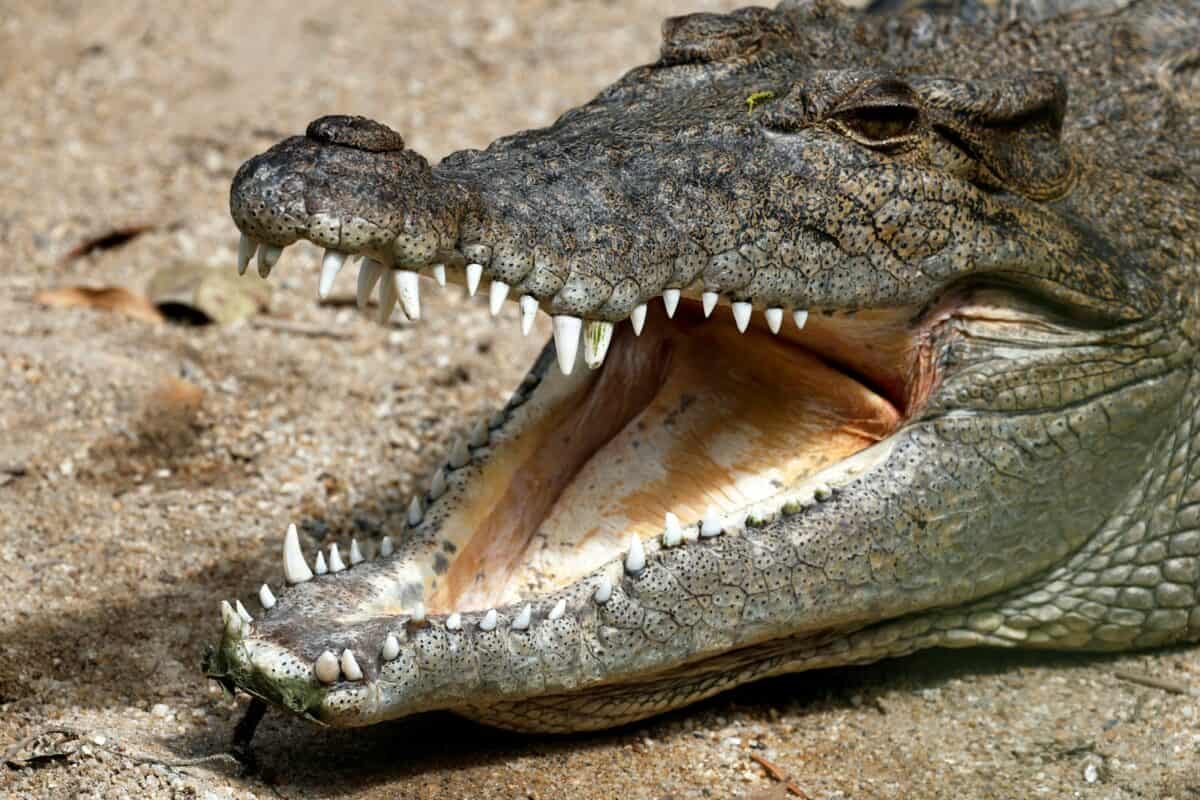
While primarily associated with brackish estuaries, the saltwater crocodile (Crocodylus porosus) frequently ventures far upstream into freshwater river systems across Southeast Asia, Northern Australia, and parts of the Indian subcontinent. Growing up to 23 feet in length and weighing over 2,200 pounds, “salties” are the largest reptiles on Earth and the most dangerous crocodilian species. Their massive size is complemented by exceptional intelligence and problem-solving abilities, with studies suggesting cognitive capacities comparable to some mammals. They possess the strongest bite force ever measured in an animal – up to 3,700 pounds per square inch, more than twice that of a great white shark.
Saltwater crocodiles are apex predators with nearly unlimited appetites, capable of taking down prey as large as water buffalo, sharks, and even other crocodiles. They are responsible for numerous human fatalities annually across their range, with Australia alone recording an average of 1-2 deaths per year despite its sparse population in crocodile habitats. What makes them particularly dangerous in river environments is their perfect camouflage, extreme patience (they can wait motionless for hours), and explosive attack speed both in water and on land. Unlike other dangerous river creatures that may avoid humans, saltwater crocodiles have been documented actively hunting people and even following boats. In parts of the Philippines and Papua New Guinea, certain river systems have become nearly unusable due to crocodile attacks, demonstrating their profound impact on human communities.
Giant Freshwater Stingray: Thailand’s River Giant

The giant freshwater stingray (Urogymnus polylepis), found in river systems throughout Southeast Asia, represents one of the largest freshwater fish species on Earth. These behemoths can reach 16.4 feet in length, 7.9 feet in width, and weigh over 1,300 pounds. While not aggressive by nature, these massive rays possess a defensive venomous barb on their tail that can reach 15 inches in length – the size of a large kitchen knife. This serrated spine can easily penetrate human flesh, delivering a powerful toxin that causes extreme pain, muscle necrosis, and potentially fatal cardiovascular complications.
What makes these rays particularly dangerous is their habit of partially burying themselves in river bottoms, making them nearly invisible to waders and swimmers. When stepped on or disturbed, they reflexively whip their tails upward in defense, driving the venomous barb into the threat. The physical damage from the barb itself can be severe, with deep lacerations that are prone to serious infection from the river environment. In remote areas where medical care is limited, stingray injuries can become life-threatening due to secondary infections or the inability to manage the intense pain and physiological reactions to the venom. Several fatalities have been documented among fishermen and riverside communities in Thailand, Cambodia, and other regions where these rays are common.
Snakehead Fish: The Invasive Predator

The northern snakehead (Channa argus) and its relatives have earned the nickname “frankenfish” due to their voracious appetite, remarkable adaptability, and ability to survive out of water for up to four days as long as they remain moist. Native to parts of Asia and Africa, these freshwater predators have become invasive species in North American waterways, where they have no natural predators to control their populations. Growing up to 3 feet long with powerful jaws lined with sharp teeth, snakeheads are ambush predators that consume everything from fish and frogs to small mammals and birds.
While snakeheads rarely attack humans directly, they pose a significant ecological threat that indirectly impacts human safety and livelihoods. Their introduction into new river systems can devastate native fish populations, disrupting food webs and damaging recreational and commercial fisheries that communities depend upon. What makes them particularly dangerous is their resilience – they can breathe atmospheric air using a specialized air bladder that functions like a primitive lung, allowing them to survive in oxygen-depleted waters or even migrate short distances across land to colonize new water bodies. Their aggressive territorial behavior, especially when guarding nests, has resulted in documented cases of snakeheads charging at and biting humans who approach too closely, though no fatalities have been recorded. The economic damage they cause to fishing industries, however, has had serious consequences for river-dependent communities.
Freshwater Jellyfish: Silent Invaders

Contrary to popular belief, jellyfish aren’t exclusively marine creatures. The freshwater jellyfish (Craspedacusta sowerbii), native to the Yangtze River basin in China, has now invaded rivers, lakes, and reservoirs across six continents. These small jellyfish, typically only about the size of a quarter, possess stinging cells called nematocysts that they use to paralyze tiny prey. While their stings aren’t powerful enough to penetrate human skin in most cases, they can cause irritation in sensitive individuals or when contact occurs with more vulnerable areas like the eyes or mucous membranes.
The real danger of freshwater jellyfish lies in their ecological impact and their potential to harbor harmful bacteria. Large blooms can dramatically alter freshwater ecosystems by consuming significant quantities of zooplankton, thereby disrupting the food web and potentially affecting water quality. Research has shown that jellyfish can serve as vectors for certain bacteria, including some that are harmful to humans. Their silent invasion of freshwater systems worldwide represents a growing concern for ecologists and water management professionals. Climate change and warming water temperatures are expected to increase the frequency and intensity of freshwater jellyfish blooms, potentially exacerbating their impacts on both ecosystems and human use of freshwater resources.
Conclusion: Respecting Nature’s Deadly River Dwellers

The diverse array of deadly creatures inhabiting our planet’s freshwater rivers serves as a powerful reminder of nature’s complexity and the evolutionary adaptations that have allowed these species to become efficient predators, defenders, and survivors in their aquatic realms. From massive reptiles like the Nile and saltwater crocodiles to microscopic threats like the brain-eating amoeba, these organisms have developed remarkable mechanisms to thrive in environments that humans often take for granted as safe. Understanding these creatures and the very real dangers they present is crucial for communities that share their habitats and for conservation efforts aimed at maintaining healthy river ecosystems.
While this article has highlighted the deadly potential of these freshwater inhabitants, it’s important to note that attacks on humans are relatively rare considering the millions of people who interact with rivers daily across the globe. Most of these creatures attack only when threatened, defending territory, or mistaking humans for their natural prey. By respecting the power and territorial nature of river predators, avoiding high-risk behaviors in endemic areas, and learning proper safety protocols, humans can significantly reduce their risk while sharing these vital freshwater environments. The deadliest river creatures remind us that we are visitors in these ancient ecosystems – ecosystems that demand our respect, understanding, and conservation efforts to ensure they continue to

- The Story of the Arctic Fox’s Incredible Seasonal Transformation - July 18, 2026
- 10 Most Venomous Snakes in US National Parks - July 18, 2026
- The Moth That Drinks Blood - July 18, 2026