
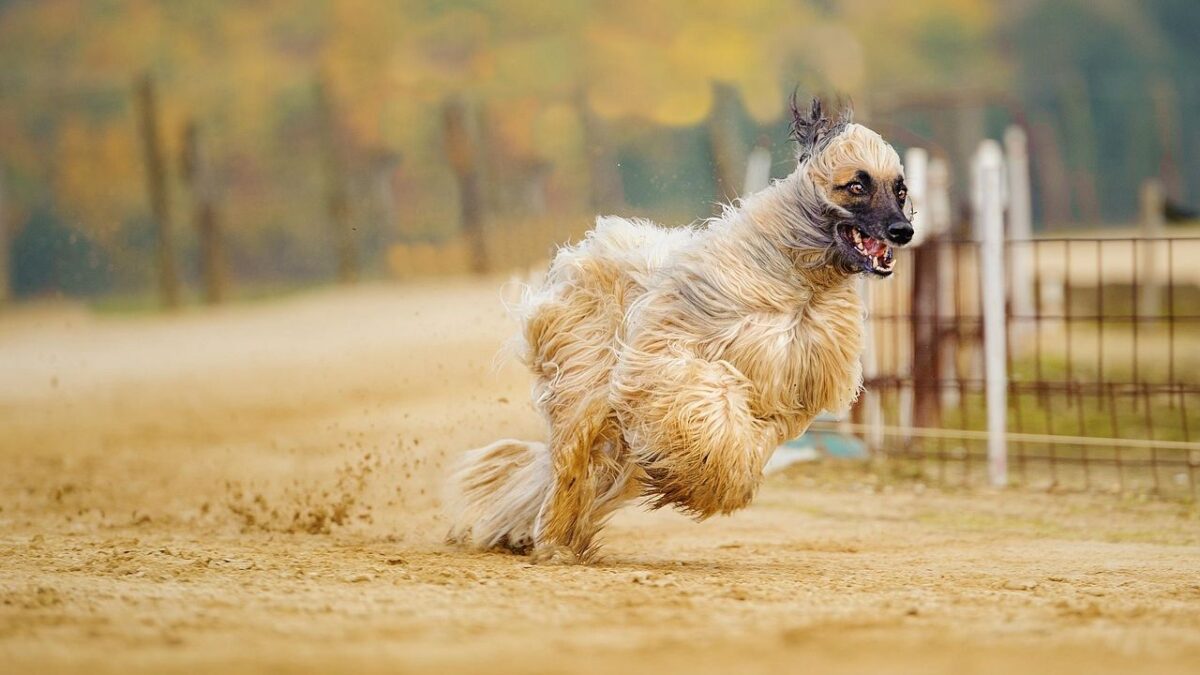
There’s a certain kind of heartbreak that nobody warns you about before you get a dog. It doesn’t come from cruelty or bad luck. It comes from a beautiful photograph, a viral video, or a five-star breed description on a pet website that made everything sound perfectly manageable. Millions of people have chosen a dog based on how it looks, how it’s described, or how popular it seems – and walked away months later absolutely overwhelmed, financially drained, or emotionally exhausted.
The truth is, some breeds are genuinely spectacular animals in the right hands. The problem is that the “right hands” part gets buried in the excitement of choosing a new companion. Endless grooming sessions, frequent vet visits, and boundless energy quickly turn excitement into exhaustion – and this is not the fault of the dog, but rather a mismatch between breed requirements and the owner’s lifestyle. These are 15 breeds that consistently look like the perfect choice, until they aren’t.
#1. Siberian Husky
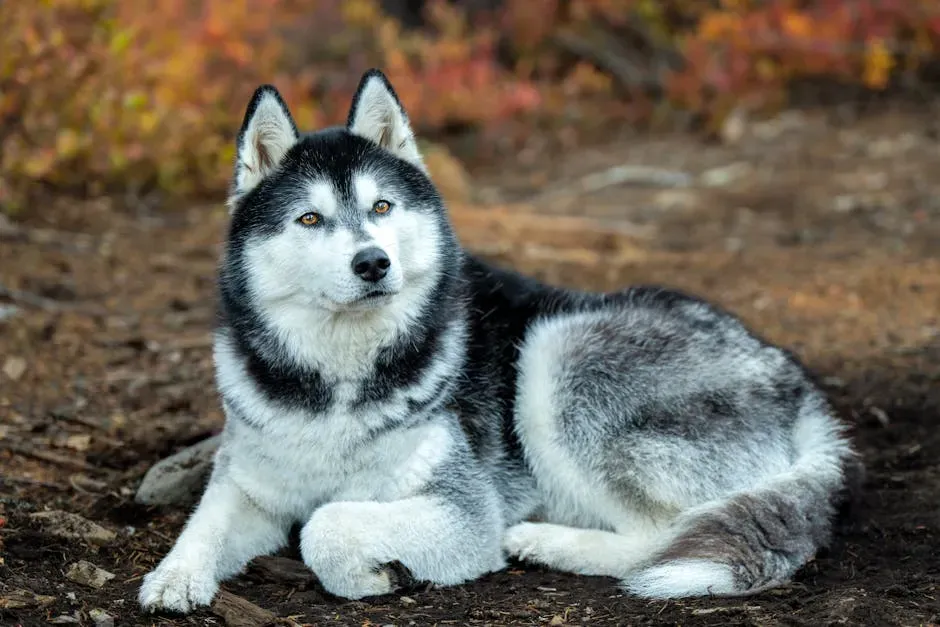
Few dogs generate the kind of social media envy that a Husky does. Those glacier-blue eyes, that wolf-like face, the dramatic coat – it’s nearly impossible to scroll past one without wanting one. Siberian Huskies look breathtaking, but their energy can steamroll unprepared owners. Bred to run for miles, they need vigorous daily exercise, mental games, and secure fencing to curb escape artist habits.
The disappointment tends to hit hard around the six-month mark. These dogs are notoriously vocal, using howls and “talking” sounds to express themselves, and their stubborn streak often challenges first-time owners who expect easy obedience, requiring patience and consistency to manage. Without structured outlets, their pent-up energy often turns into destructive chewing or constant restlessness, making them one of the breeds most often surrendered when families underestimate their needs.
#2. Border Collie
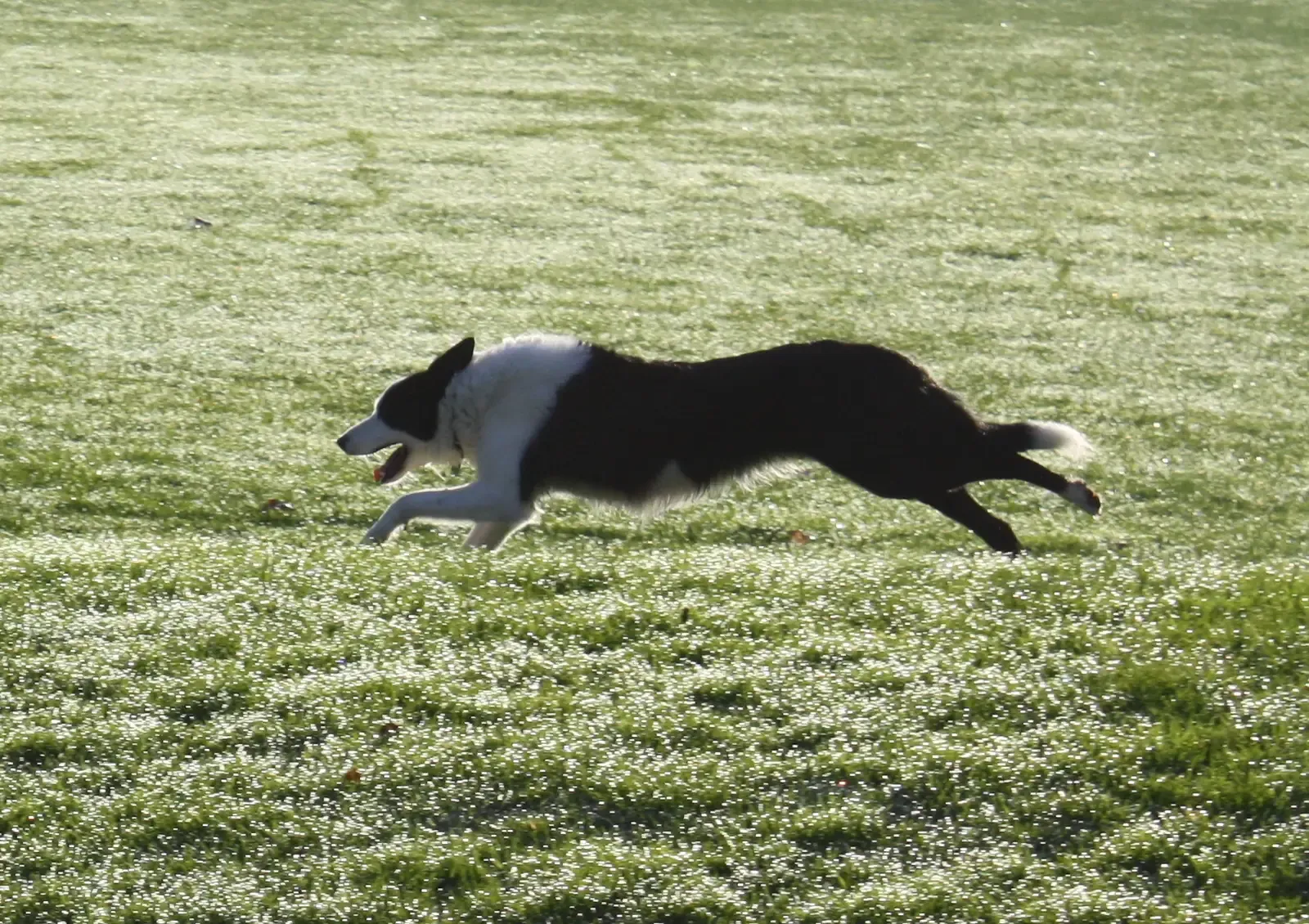
The Border Collie is routinely described as the most intelligent dog breed in the world, which sounds like a dream until you realize what that actually means day to day. Their active minds require tasks beyond casual walks or basic training. Without steady engagement, that brilliance can turn into restlessness and frustration. This isn’t a dog that wants to relax on the couch while you watch TV.
Border Collies will find things to do if they are not kept busy. They might start herding you and your family, just like an Aussie Shepherd will, or they might get into trouble to keep themselves occupied. The Border Collie requires a responsible owner with the time, energy, and expertise to ensure their well-being. Most busy pet owners don’t have several hours a day to keep these dogs exercised and stimulated – and if you’re like most time-strapped owners, a Border Collie may be an inappropriate choice.
#3. Belgian Malinois
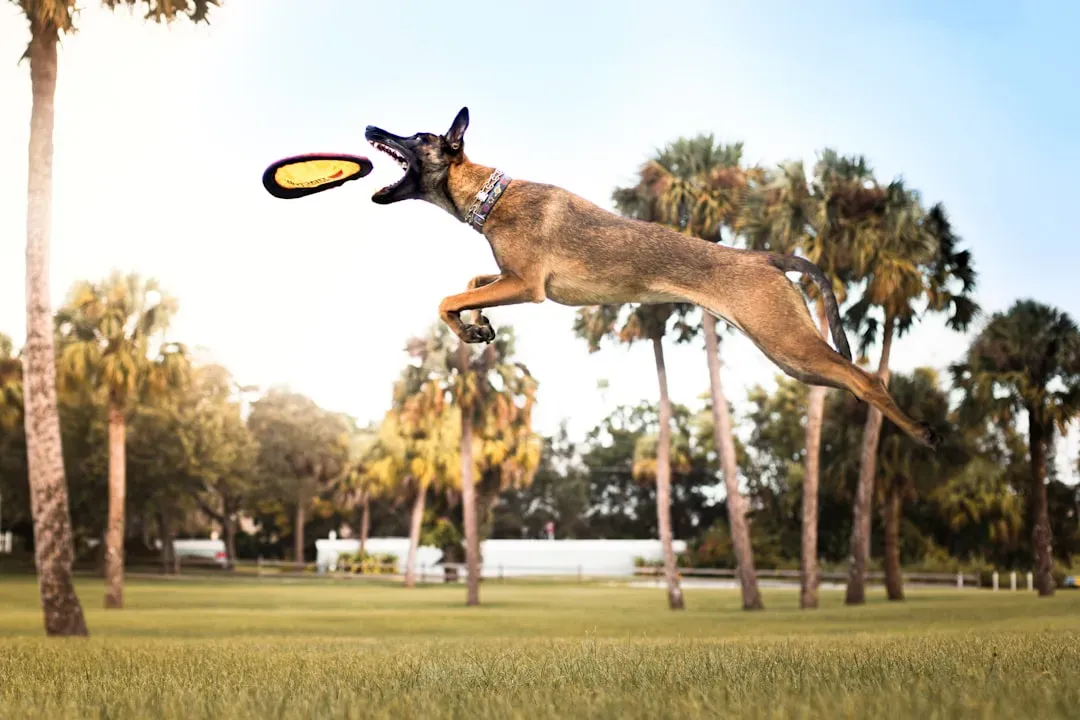
The Belgian Malinois has had a serious cultural moment in recent years, thanks to viral military videos and action film cameos. People see a sleek, athletic, brilliant dog and immediately want one. Belgian Malinois are elite athletes with razor-sharp intensity. Many are returned when families discover they behave like working missiles without constant direction, requiring advanced training, substantial exercise, and structured jobs to prevent biting, nipping, or frantic pacing.
They demand at least two hours of rigorous daily exercise and mental challenges like obedience or agility to prevent boredom-fueled destruction such as chewing or escaping. Their strong prey drive can lead to chasing small animals or reactivity, while protectiveness may cause wariness or aggression toward strangers without extensive socialization. If you are not ready for daily training blocks and careful management, consider another breed – because a Malinois without purpose will quickly overwhelm even well-meaning households.
#4. Dalmatian
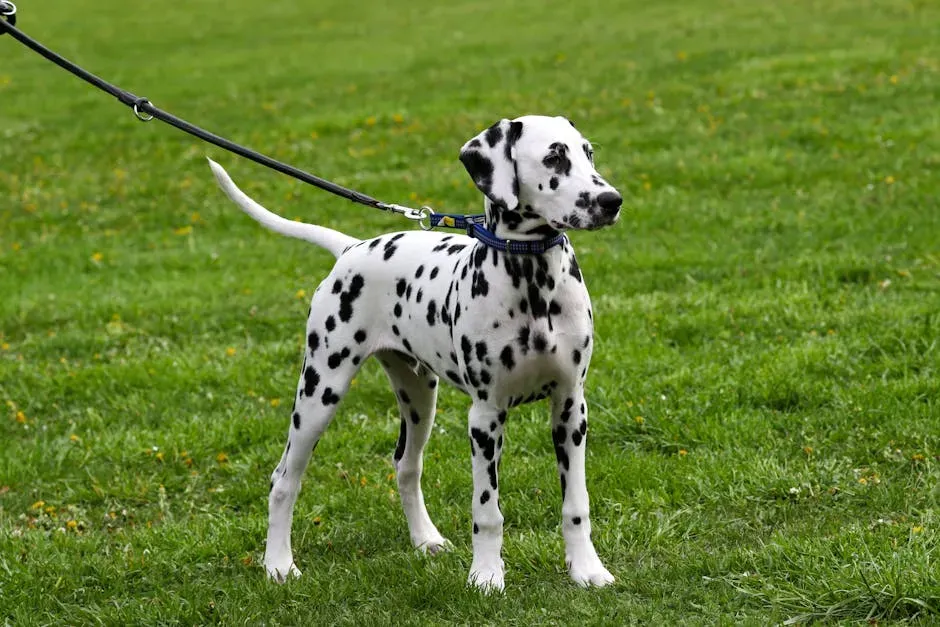
Decades of cultural exposure have made the Dalmatian one of the most recognizable breeds in the world. That striking spotted coat, that elegant frame – they genuinely look like dogs that belong in a well-appointed home. With their striking spotted coats, Dalmatians have a unique appeal, often popularized by movies and media. However, their high energy levels and need for extensive exercise can overwhelm many owners, and they are also prone to genetic health issues, including deafness and urinary stones, which can add to the challenges of care.
What the movies never showed was a Dalmatian tearing up the living room at 10pm because it hadn’t been properly exercised. The most common defect seen in Dalmatians is deafness, and they also tend to develop kidney or bladder stones. These aren’t occasional concerns – they’re documented genetic realities that can mean significant and ongoing veterinary costs from the moment a puppy comes home. The fantasy version of this dog and the reality of living with one are very different animals.
#5. Afghan Hound
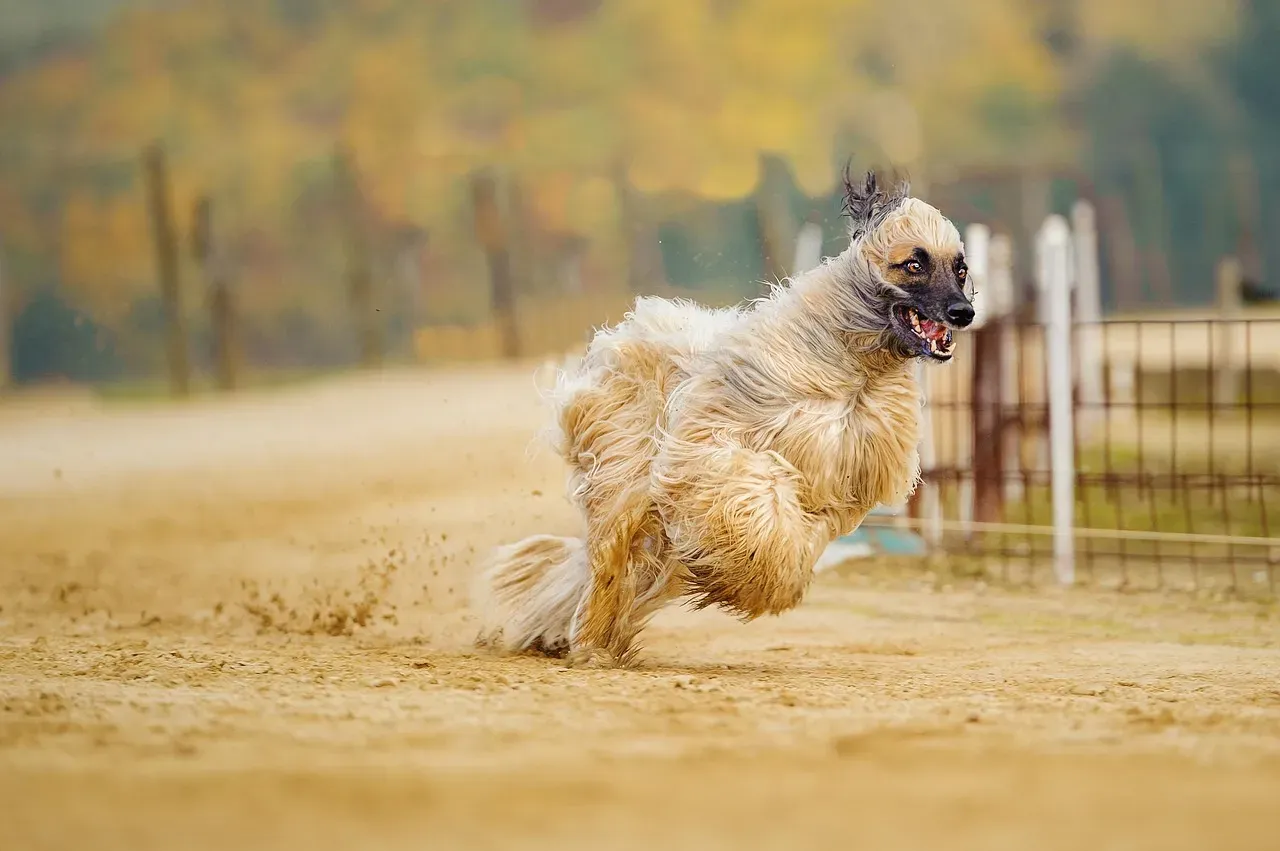
If you’ve ever seen an Afghan Hound mid-stride with its silky coat flowing behind it, you understand the appeal completely. This breed looks like something a Renaissance painter would have dreamed up. This breed essentially looks like a glamorous supermodel walking down a runway with their long flowing hair blowing in the wind. Keeping that gorgeous coat free of painful mats requires hours of dedicated daily brushing and very expensive trips to professional groomers.
The temperament is where things get particularly complicated. Afghan Hounds are incredibly independent thinkers who do not care at all about pleasing you or following basic commands. Getting one to reliably come when called is practically impossible because of their incredibly strong prey drive. If they spot a squirrel running across the street, they will bolt instantly and leave you standing there holding an empty leash. Their beauty is not in question. Their suitability for the average household very much is.
#6. Chow Chow
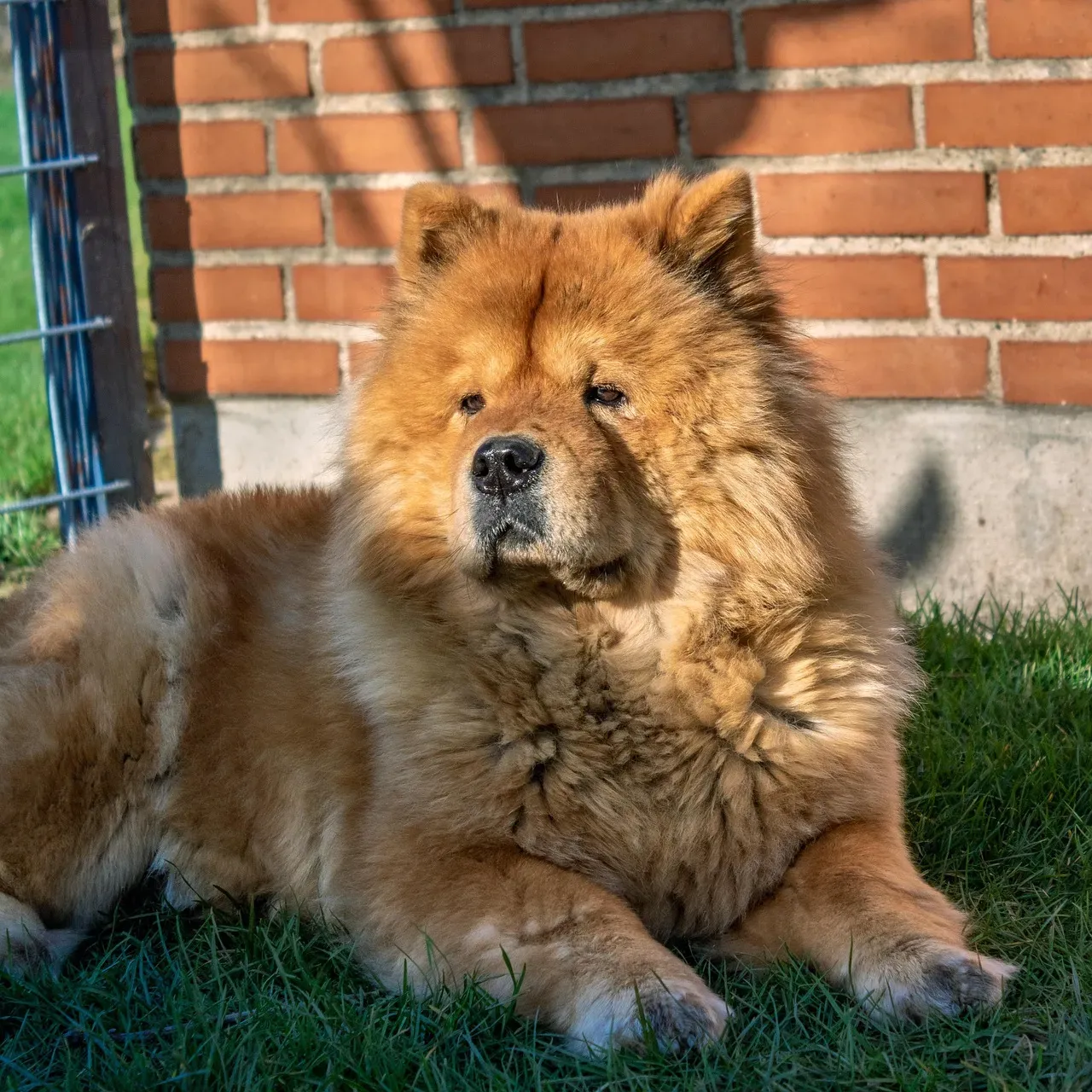
The Chow Chow’s fluffy, lion-like appearance is practically irresistible. They look like living stuffed animals, and that aesthetic draws in owners who assume a calm appearance means a calm temperament. The Chow Chow captivates with its unique blue-black tongue and teddy-bear appearance, but demands respect due to strong-willed traits. They require moderate daily exercise to prevent boredom, though their low energy suits quieter homes. Dominant by nature, they often show aggression toward strangers or other dogs, necessitating early socialization and firm, positive leadership to avoid territorial behaviors.
Training a Chow Chow requires patience, since they don’t respond quickly to commands. Their willful personality often makes them resistant to repetitive lessons or correction, and because of this, first-time owners may struggle to keep them engaged. Beyond temperament, their thick double coat demands constant maintenance to prevent mats and overheating. This is a breed that rewards experienced, patient handlers and quietly punishes those who expected something easier.
#7. Great Dane
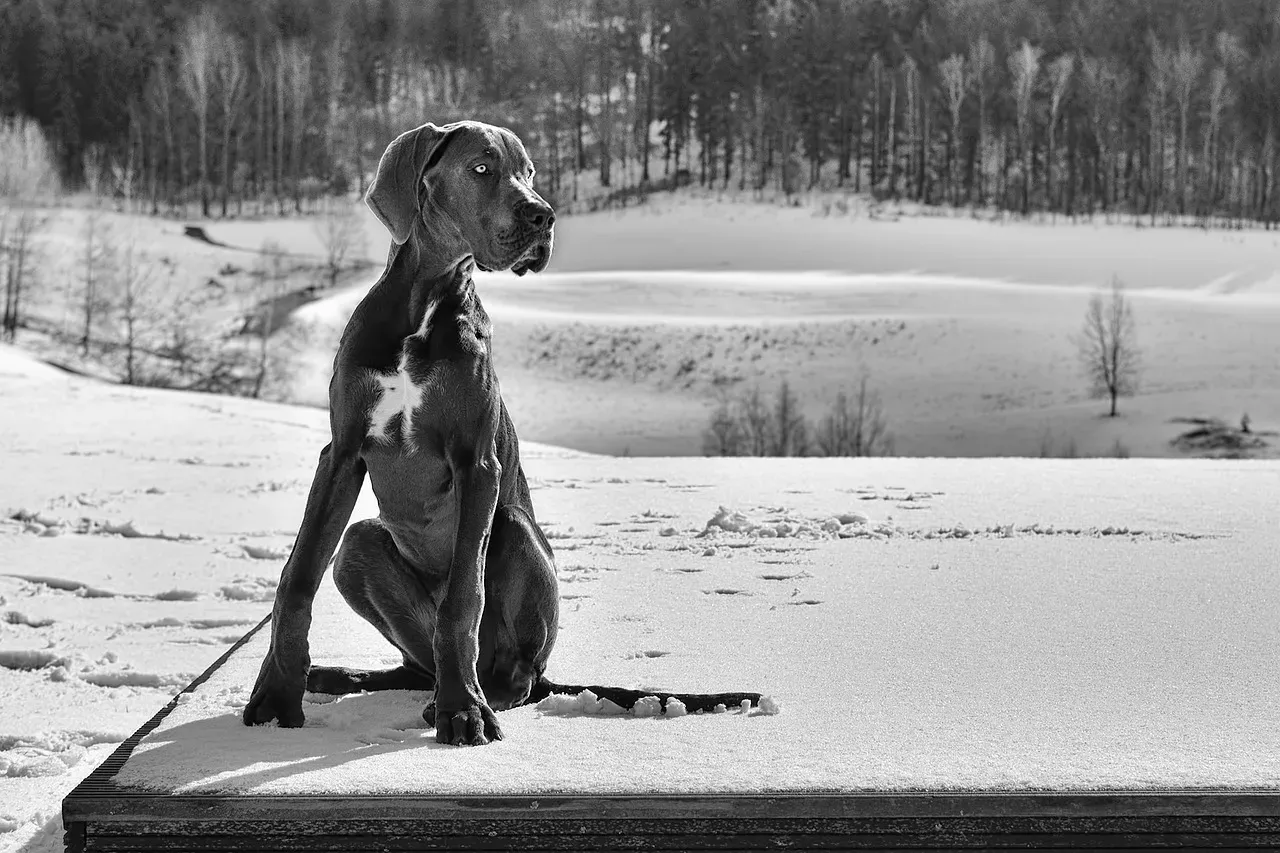
A Great Dane puppy is one of the most universally adored sights in the dog world. The combination of their enormous size, gentle nature, and goofy personality wins hearts fast. These gentle giants are famous for thinking they are tiny lap dogs despite being the size of a small horse. Everything about owning a Great Dane is massive, from their enormous food bills to the giant messes they leave in the yard, and you need a vehicle large enough to transport them and furniture sturdy enough to withstand their heavy weight.
The hardest part, though, isn’t the logistics. It’s the goodbye that comes far too soon. Health problems are a very sad reality for these massive creatures, as their huge bodies age much faster than smaller breeds. The average life expectancy for a Great Dane is a tragically short ten years, with many living only six or seven years. Novice owners are often completely unprepared for the heartbreakingly short lifespan that unfortunately accompanies these beautiful giant dogs. You fall fully and completely in love, and then the calendar works against you.
#8. Dachshund
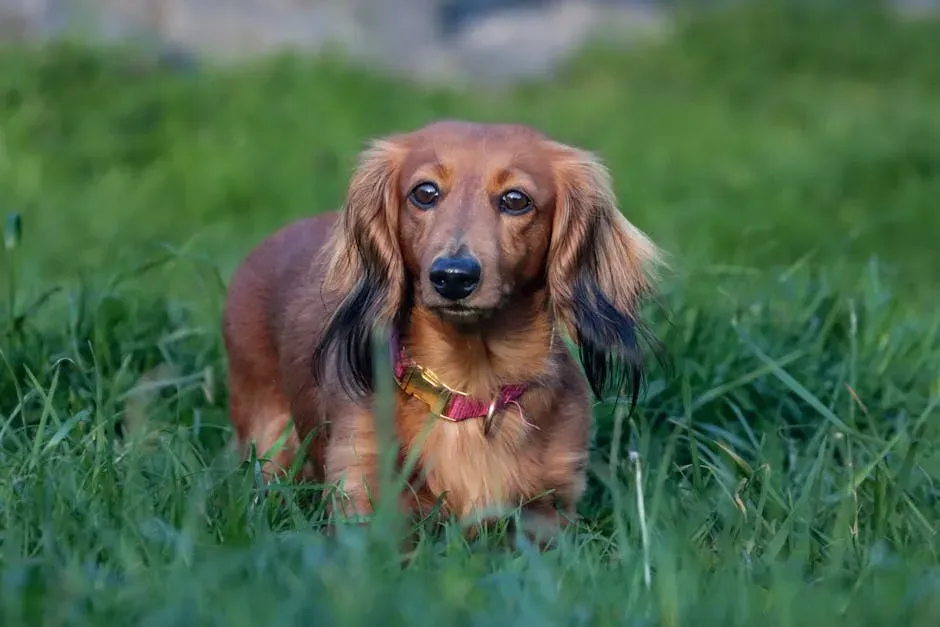
The Dachshund is one of the most immediately charming dogs you’ll ever encounter – long body, short legs, enormous personality packed into a compact frame. They’re funny, clever, and fiercely loyal. What gets glossed over is how physically fragile that adorable silhouette actually is. Dachshunds are generally a healthy breed, but they are prone to several health issues that owners should be aware of. Due to their long backs and short legs, they are particularly susceptible to intervertebral disc disease (IVDD), which can cause severe back pain and even paralysis if not properly managed. Dachshunds also have a tendency to gain weight easily, making obesity a common concern that can significantly increase the risk of spinal problems.
The personality surprises come quickly too. Their stubborn nature makes house-training notoriously difficult, often leading to accidents despite consistent efforts. Prone to back issues like IVDD, they need careful handling, and vocal and protective tendencies may exhibit as aggression toward strangers without proper socialization. They’re best suited for patient owners using positive reinforcement and can struggle in homes expecting quick obedience or with small children. Their charm is entirely real – but so is everything else.
#9. German Shepherd
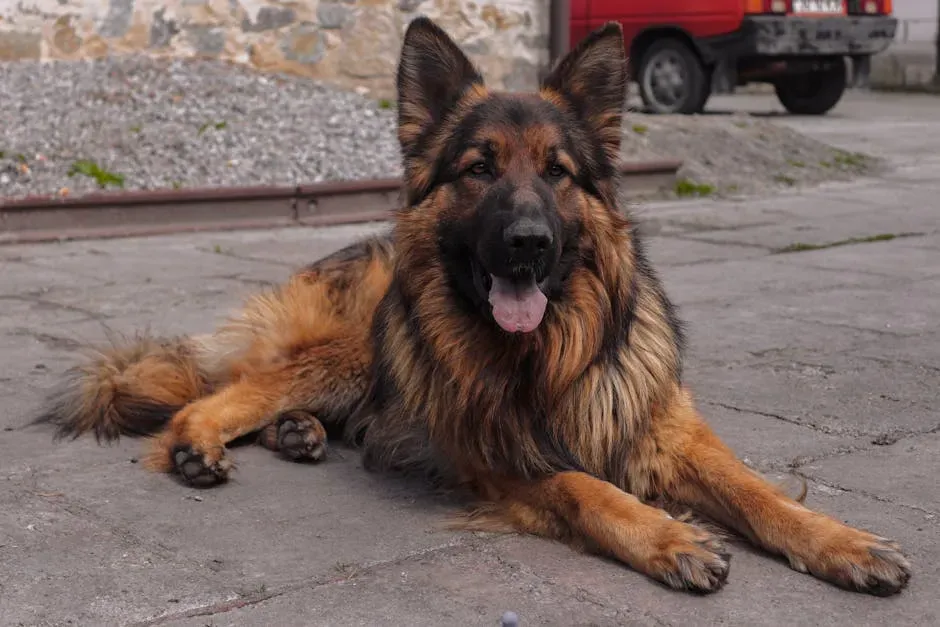
The German Shepherd’s reputation is built on a foundation of loyalty, intelligence, and quiet confidence. They look dependable, they sound dependable, and the breed’s long history in service work makes them seem like an obvious family dog. The German Shepherd has been a popular breed for many years, well-known for loyalty and a hard-working nature, often found working alongside the police and military. They’re intelligent, loyal, and protective – and as such, make great pets or companions. However, incorrect handling or insufficient training from inexperienced owners can make them very difficult to look after.
Many are surrendered when adolescence hits and behavior suddenly amplifies. Owners need calm leadership, ongoing socialization, and puzzle-style enrichment to keep their brains content. The popular German Shepherd enters shelters at an alarming rate because of overbreeding and irresponsible dog ownership. People buy the image and discover, often during the dog’s difficult teenage months, that they need to be far more committed than they anticipated.
#10. Weimaraner

The Weimaraner’s sleek silver coat and aristocratic posture make it one of the most photographed breeds in the dog world. They look distinguished, almost sculptural. Owners who pick one based on aesthetics often don’t realize they’ve taken on an athletic, high-energy working dog that needs a very specific kind of lifestyle. Weimaraners are high-energy and therefore high-maintenance. They need vigorous physical activity but also thrive on mental stimulation or they can turn to destructive tendencies. This is a “Velcro” dog that likes to stick close to its owner at all times – in other words, they’re attention-seekers.
The separation anxiety in this breed can be genuinely severe. Some breeds have separation anxiety and have difficulty being left alone. They struggle without regular or continuous human interaction and are not ideal for families who are out of the house for most of the day. The Weimaraner sits firmly in this category. An owner who works long hours, travels regularly, or simply wants a dog that can self-regulate will find this breed exhausting in ways they never anticipated.
#11. Labrador Retriever
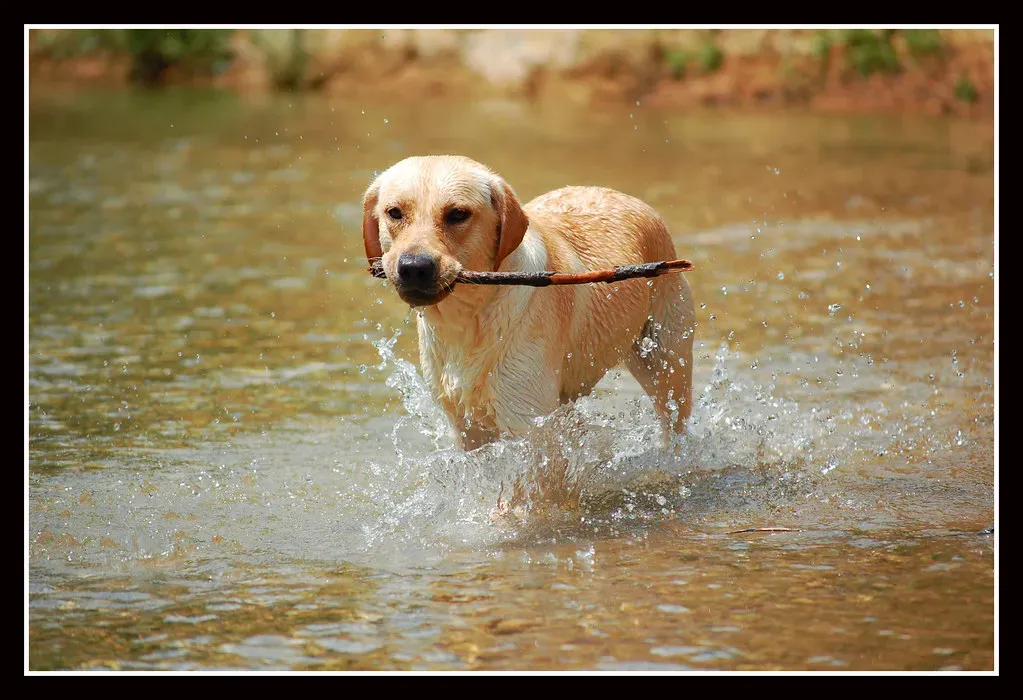
Here’s the one nobody expects to see on this list. Labradors are America’s most beloved family dog by reputation, and for valid reasons – they’re warm, affectionate, and genuinely eager to please. The problem is that their popularity has created a dangerous illusion that they’re somehow automatically easy. The Labrador Retriever, one of America’s most beloved dog breeds, is also one of the most common dog breeds in shelters all over the country, and their excellent reputation as loving and loyal pets could be their downfall, due to overbreeding to meet demand.
Labs are very energetic dogs that need a lot of daily exercise, and if this is not provided, they usually develop destructive behaviors. When Labs grow from a cute puppy to a larger dog that destroys shoes, furniture, toys, plants, and pillows, owners get very frustrated. Breeds of dogs that are highly popular and easy to sell tend to be the ones that are most overbred, as demand can outpace responsible breeding practices, and Labradors are particularly susceptible to overbreeding. The result is inconsistent temperaments and health issues that vary wildly from one dog to the next.
#12. Boxer
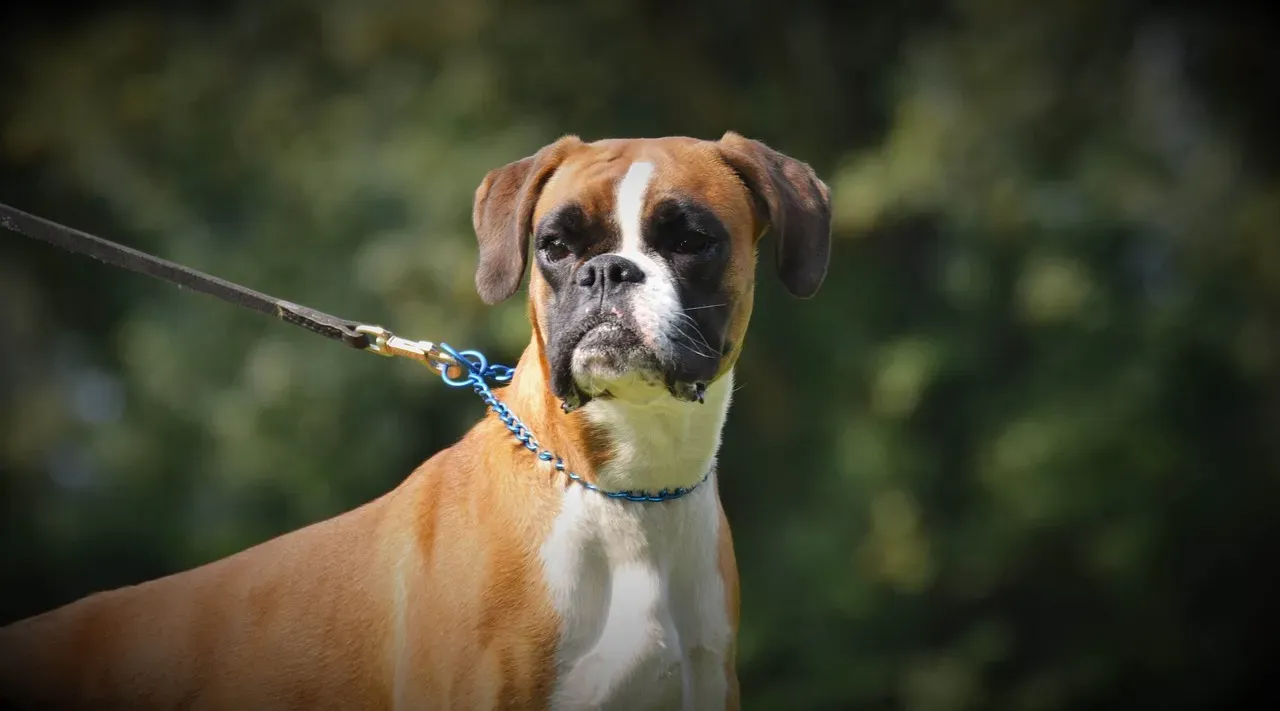
Boxers are genuinely lovable dogs. They’re playful, devoted, and have a clown-like quality that makes them irresistible to families with children. The pictures don’t lie – they do look wonderful. What gets underplayed is how intense that energy actually is and how much the breed demands in daily management. Boxers are energetic, affectionate dogs known for their playful nature and love of human interaction. Their high energy levels and strong desire for attention can be overwhelming for some people, and they’re often surrendered when people realize they can’t meet the breed’s exercise, attention, and training needs.
Their health profile adds another layer of difficulty. Alongside heart and breathing issues, Boxers are also prone to skin infections as they have wrinkly skin which requires daily care. Owners are advised to clean and dry the wrinkles on their skin daily, and if infection is found, to apply topical medicated creams. Owners who surrender their Boxers usually do so because they are fully unaware of the energy it takes to keep one healthy and happy. Boxers need hours of exercise every day, and a cooped-up Boxer will most likely become destructive and soil their home, especially if left alone for hours at a time.
#13. Shar-Pei
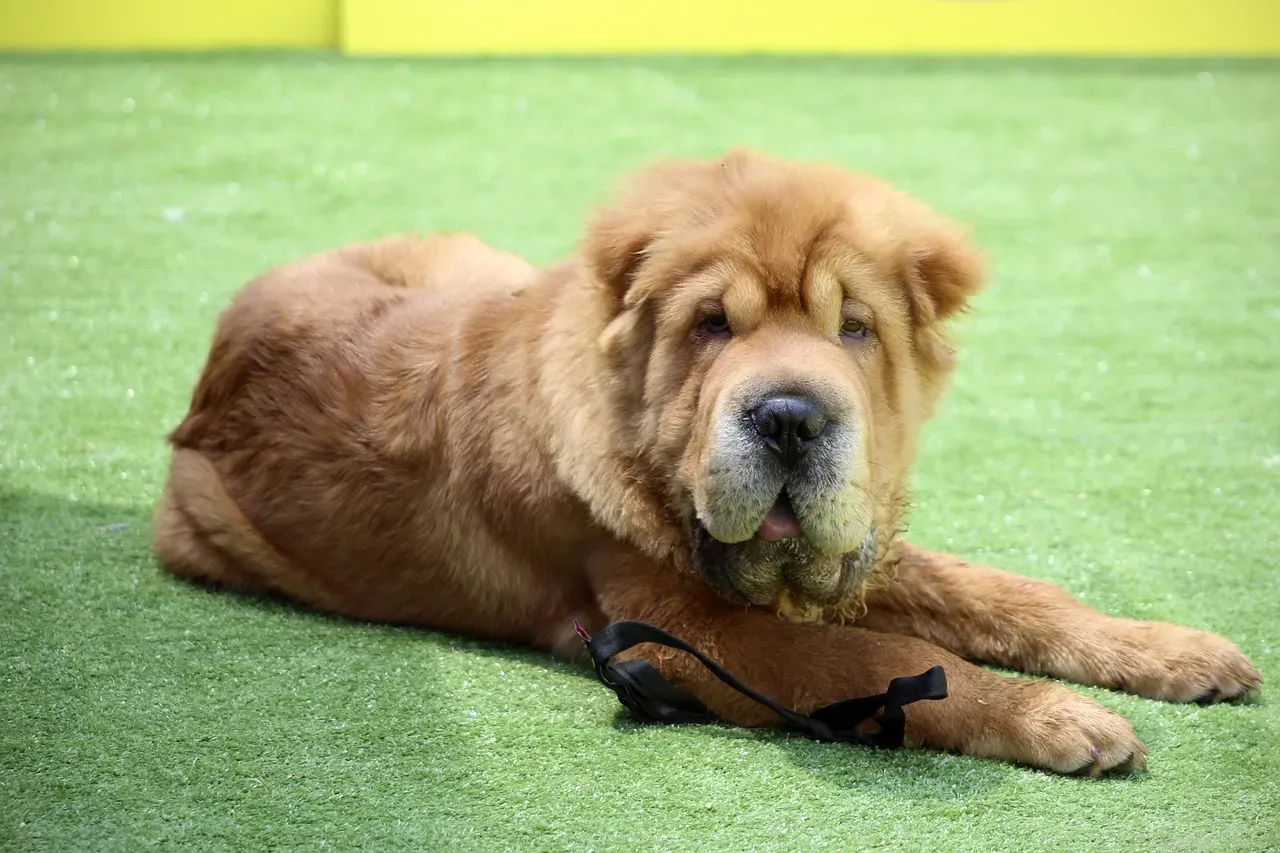
That deeply wrinkled face is almost impossible not to find endearing. The Shar-Pei has a look entirely unlike any other breed – ancient, serious, quietly regal. That uniqueness is a big part of the draw. What prospective owners rarely research thoroughly enough are the health realities attached to all those dramatic wrinkles. Shar-Peis have a multitude of health problems – like Bulldogs, most Shar-Peis are afflicted with severe, chronic skin allergies. Many can have bouts of Shar-Pei fever and cutaneous mucinosis.
The temperament side of things adds a further challenge that catches many new owners off guard. Veterinarians see lots of fear-based aggression in Shar-Peis. Originally bred as guard dogs, Chow Chows – and similarly, Shar-Peis – carry strong protective instincts. They are quick to size up new people and environments, often with suspicion, and this protective streak can turn into problematic behavior if not managed early with socialization. Without a deeply experienced handler and a firm commitment to early socialization, this breed can develop into a serious management challenge.
#14. French Bulldog
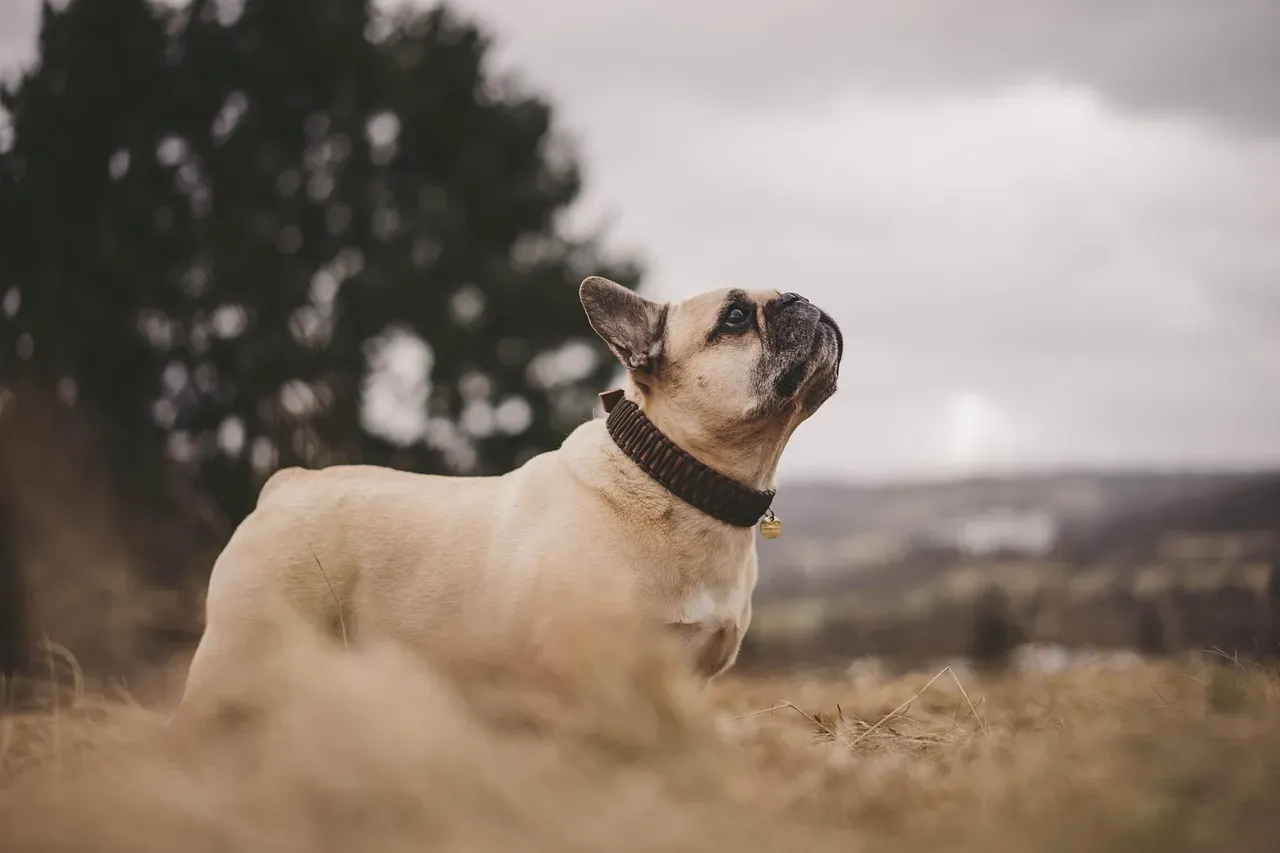
French Bulldogs have dominated popularity charts for years running, and it’s genuinely easy to understand why. They’re compact, expressive, and have a personality that punches well above their weight. They also happen to carry one of the most complicated health profiles of any breed currently in fashion. While some Bulldogs are generally very healthy, they are known as an “unhealthy breed.” They are prone to develop conditions such as respiratory issues (brachycephalic airway syndrome) due to the way their skull is formed, and they can develop joint issues like hip and elbow dysplasia and may be more likely to develop skin problems due to the skin folds on their face.
Due to their short muzzle, Bulldogs are prone to respiratory problems that affect daily activity. Even short walks in warm weather can leave them gasping for air, and many veterinarians emphasize that this breed requires extra care in avoiding overheating. Although Bulldogs are known for their calm demeanor, their health needs make them demanding. Regular cleaning of skin folds, along with close monitoring of diet, is necessary to avoid infections – and these hidden requirements can surprise owners who expect an easy companion.
#15. Australian Cattle Dog
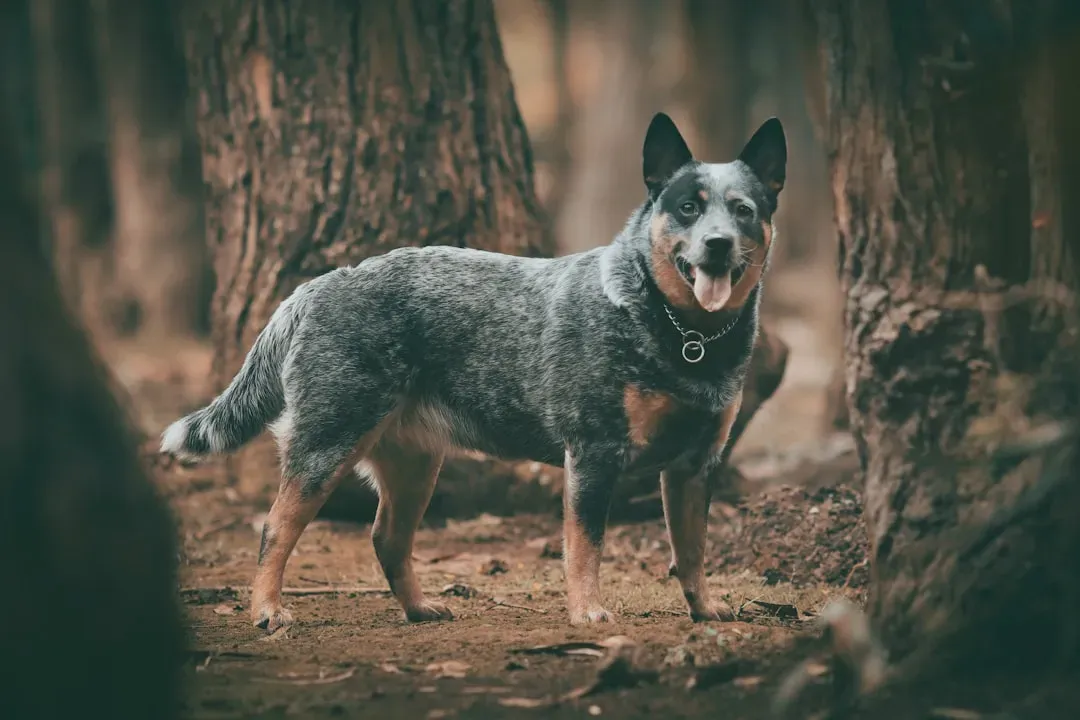
The Australian Cattle Dog – also called the Blue Heeler – is a stunning animal. That speckled coat, those alert eyes, the obvious intelligence in every movement. They photograph beautifully and look like exactly the kind of confident, capable dog that any active person would want by their side. Shelters report Australian Cattle Dogs come to them for a singular reason: the owner’s lack of understanding of their needs creates a bad fit for the family. This beautiful breed with a speckled coat makes families fall in love with their look – but that’s the least important part. Australian Cattle Dogs demand exercise and mental stimulation because their energy is simply off the charts.
Originally bred to herd cattle and other farm animals, the Australian Cattle Dog is usually best suited for very active families or those who live on a lot of land. Drop one into a suburban household with a modest backyard and a family that works full time, and the situation deteriorates quickly. Some dog breeds with high intelligence levels may need a lot of mental stimulation to avoid becoming bored. They often show negative traits when they don’t have the stimulation they crave, which can lead to a plethora of problems. The Cattle Dog is a vivid example of this reality in action.
The Bigger Picture: Why This Keeps Happening
This isn’t really about “bad” dogs or irresponsible owners in most cases. It’s a systemic mismatch between how breeds are marketed and what living with them actually demands. We all see those gorgeous viral videos of majestic dogs doing incredible tricks and think we want one right now. The reality behind those clips usually involves hours of intense training, massive vet bills, and a whole lot of ruined furniture. Some specific breeds demand a level of time and energy that most beginners simply do not have in their busy schedules.
Dog ownership can be an immensely rewarding experience, but it also comes with its challenges. Sometimes, despite the best intentions, owners find themselves unable to meet the needs of their pets, and this can result in dogs being surrendered to shelters. Dogs tend to be surrendered for one of a few common reasons: time and money. While cats can be left for hours, a dog requires more regular human companionship – not just because dogs are pack animals who rely on social connection, but also because they need to be exercised and allowed to relieve themselves throughout the day. Add in unexpected medical bills, and the strain becomes real very quickly.
A Final, Honest Conclusion
Every single breed on this list has produced deeply happy dogs and deeply devoted owners. That needs to be said plainly. This isn’t a case against any of these animals – it’s a case against the gap between perception and reality that sends too many wonderful dogs into shelters and leaves too many owners feeling like they’ve failed at something they approached with genuine love.
The real problem isn’t the breeds themselves. It’s the cultural machinery around them – the influencer posts, the breed marketers, the breeders who soft-pedal the hard parts, and the well-meaning websites that describe a Malinois as “spirited” or a Husky as “playful” without fully explaining what those words mean at 6am when the dog has destroyed something for the third time that week. If you’re serious about bringing one of these breeds into your home, do the research that goes beyond the photographs. Talk to current owners, not just breeders. Visit the breed in person. Read the hard-truth forums, not just the breed fan pages.
A dog that breaks your heart isn’t always a mismatch – sometimes it’s simply a breed that needed more honesty upfront. The dogs on this list aren’t problems to be avoided. They’re commitments to be understood.

- 7 Apex Predators That Are Actually Afraid of One Specific Animal Smaller Than Themselves and the Encounters That Confirmed It - July 18, 2026
- 10 Animals That Researchers Confirmed Can Recognize Themselves in a Mirror – and the One Near the Bottom of the List That Rewrote the Criteria Entirely. - July 18, 2026
- 6 Most Shark-Dense Coastlines Outside the United States That Tourism Boards Have Been Very Quiet About - July 18, 2026