

Most dogs are friendly. They’ll wag their tails at the mail carrier, accept a treat from a stranger at the park, and generally distribute their affection with casual generosity. Then there’s a different kind of dog entirely. One that locks eyes with a single person and, from that moment forward, acts as though the rest of the world is merely background noise.
Dogs that tend to bond with one person are often referred to as one-person dogs. Even in a multi-person household, these dogs tend to pick a favorite person and stick to them like glue. The reasons behind this behavior run deep. The loyalty of some dog breeds to just one person can be attributed to several factors, including genetics, breed history, individual temperament, and the roles they have been selected to perform. The 15 breeds below each carry that tendency in their own way, whether it shows up as fierce protectiveness, quiet devotion, or simply never leaving your side.
1. Akita
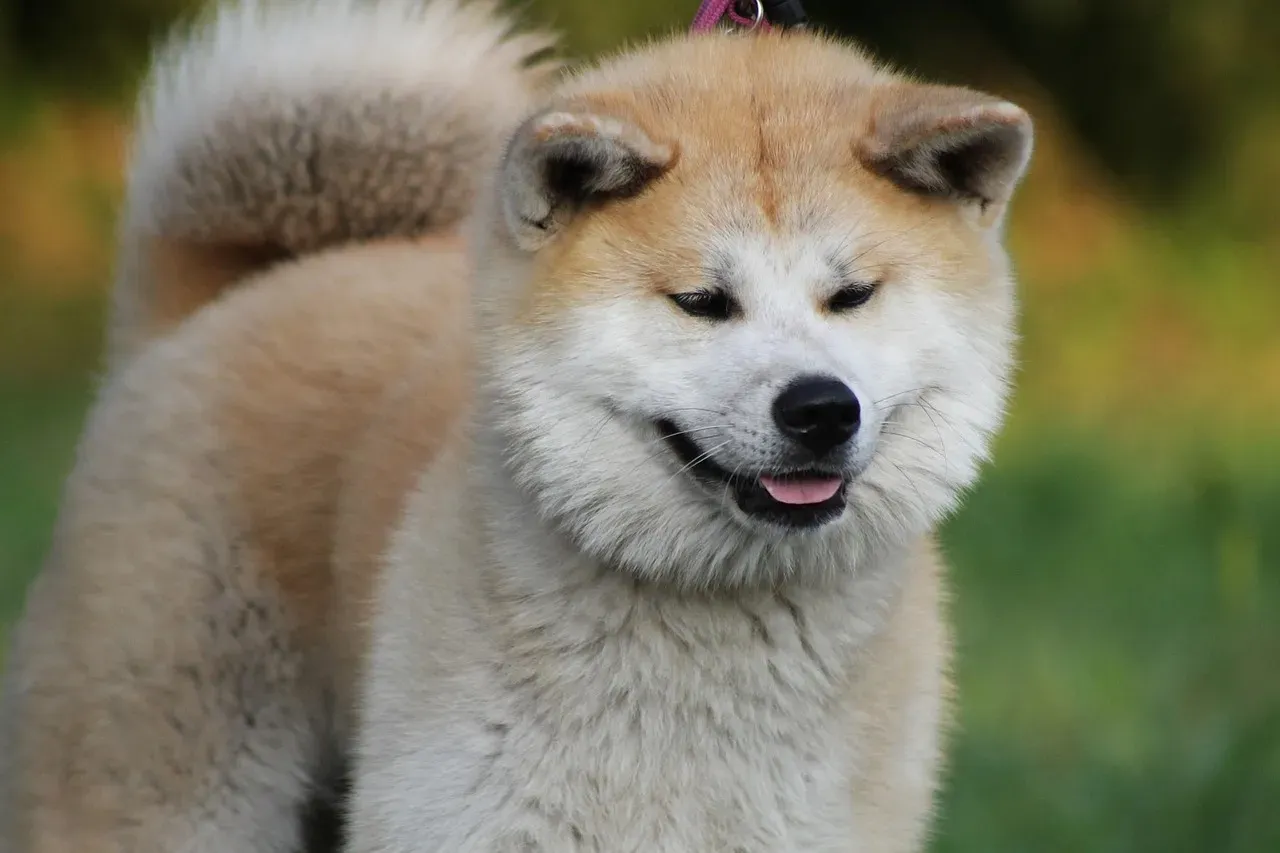
The Akita is a large and powerful dog breed originally tasked with guarding royalty in feudal Japan. As a result, this dog breed is a faithful companion that will be attached to the right human for life.
Akitas are famously loyal dogs who often bond very closely with one person or family and favor them with their strong protective instinct. These dogs were originally bred in Japan as guard and hunting dogs, and they’re known for their courage and unwavering loyalty.
Without socialization, they can become overly protective and difficult to handle, so they require an experienced and determined owner who takes care of their sensitive souls, but trains them consistently. Since it is a fairly intelligent breed, it requires regular and creative training.
The story of Hachiko, the Akita who waited at a Tokyo train station for his deceased owner every day for nearly a decade, remains the most iconic illustration of what this breed is capable of emotionally. These dogs like to please the chosen and admired person. Due to their character, they are extremely loyal, but a little more reserved, so their attachment is not necessarily manifesting in physical contact.
2. German Shepherd
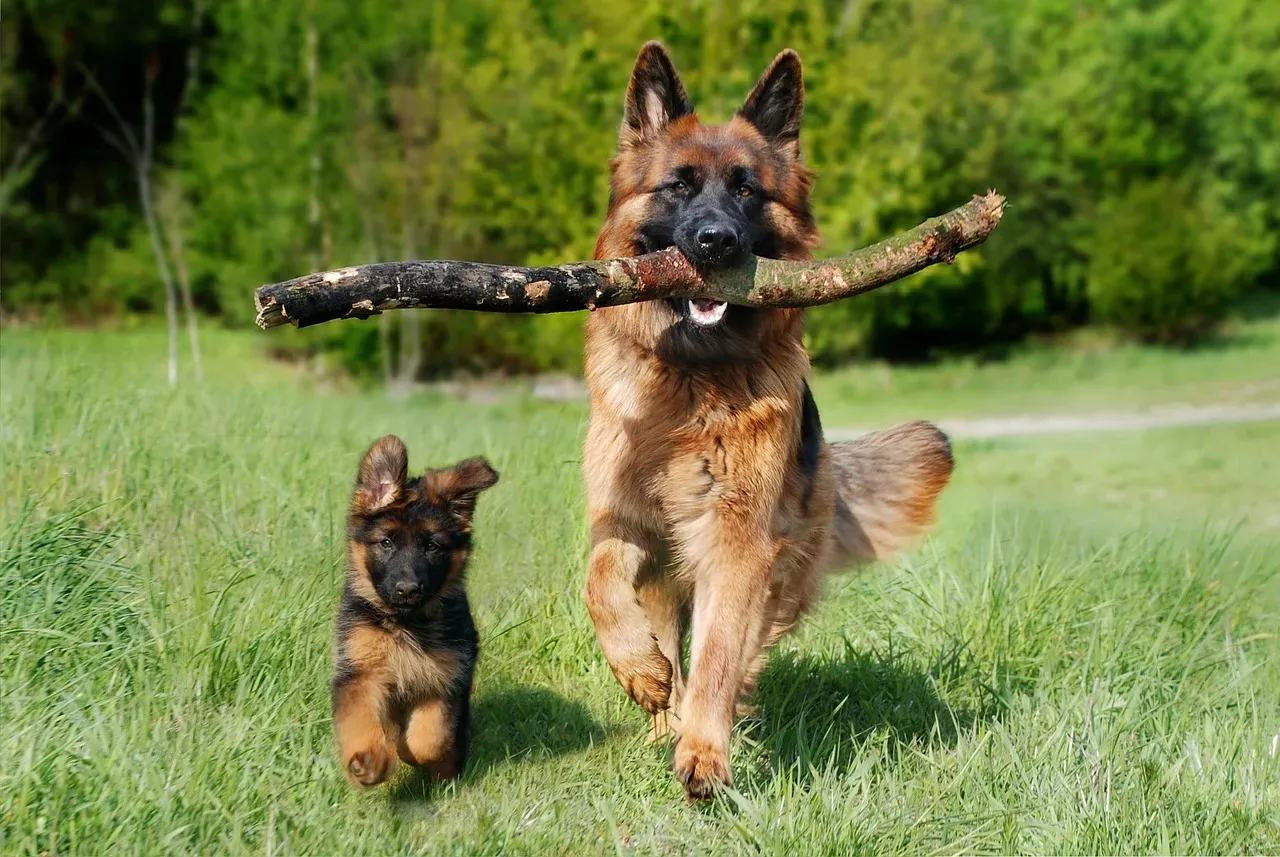
The German Shepherd is a working dog renowned for its loyalty and strong protective instincts. Developed originally for herding and guarding sheep, German Shepherds often form a very strong bond with a single owner. German Shepherds are naturally loyal, strongly attached to, and fiercely protective of their one person.
They love to please their owners, and while they are slightly aloof compared to some other breeds, they will definitely be happiest when in your presence. Their combination of intelligence and emotional attunement makes them one of the most versatile one-person dogs in the world.
German Shepherds may, in some cases, be one-person dogs, but they can form attachments to multiple people with careful socialization early in life. Generally, they make excellent companions for families looking for both protection and affection.
3. Doberman Pinscher
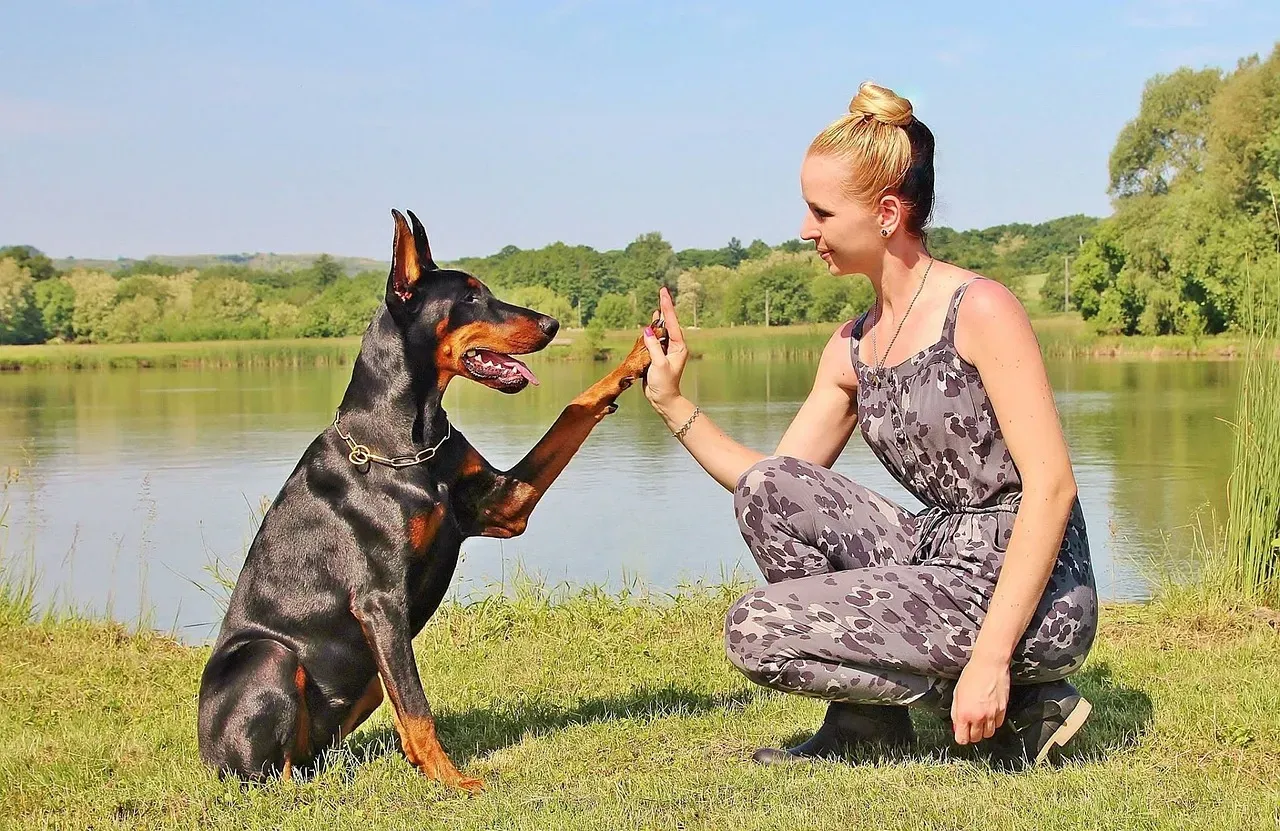
The Doberman Pinscher is the only breed in the world to have been specifically created to guard man, and to this day they have retained this characteristic. The smart, athletic Doberman is also highly trainable and has quickly transitioned from being a guard dog to working with the military and police forces.
Despite their tough-guy image, Dobermans are pretty emotional dogs. They form deep emotional bonds with their human families, and they’re more in tune with their owner’s feelings and emotions than a lot of other breeds, making them generally more responsive and loyal. That emotional depth is what sets them apart from most other guardian breeds.
Some Doberman Pinschers bond only to one person. Originally bred as guard dogs, Dobermans are known for their loyalty and tendency to form a strong bond with a single person.
4. Belgian Malinois
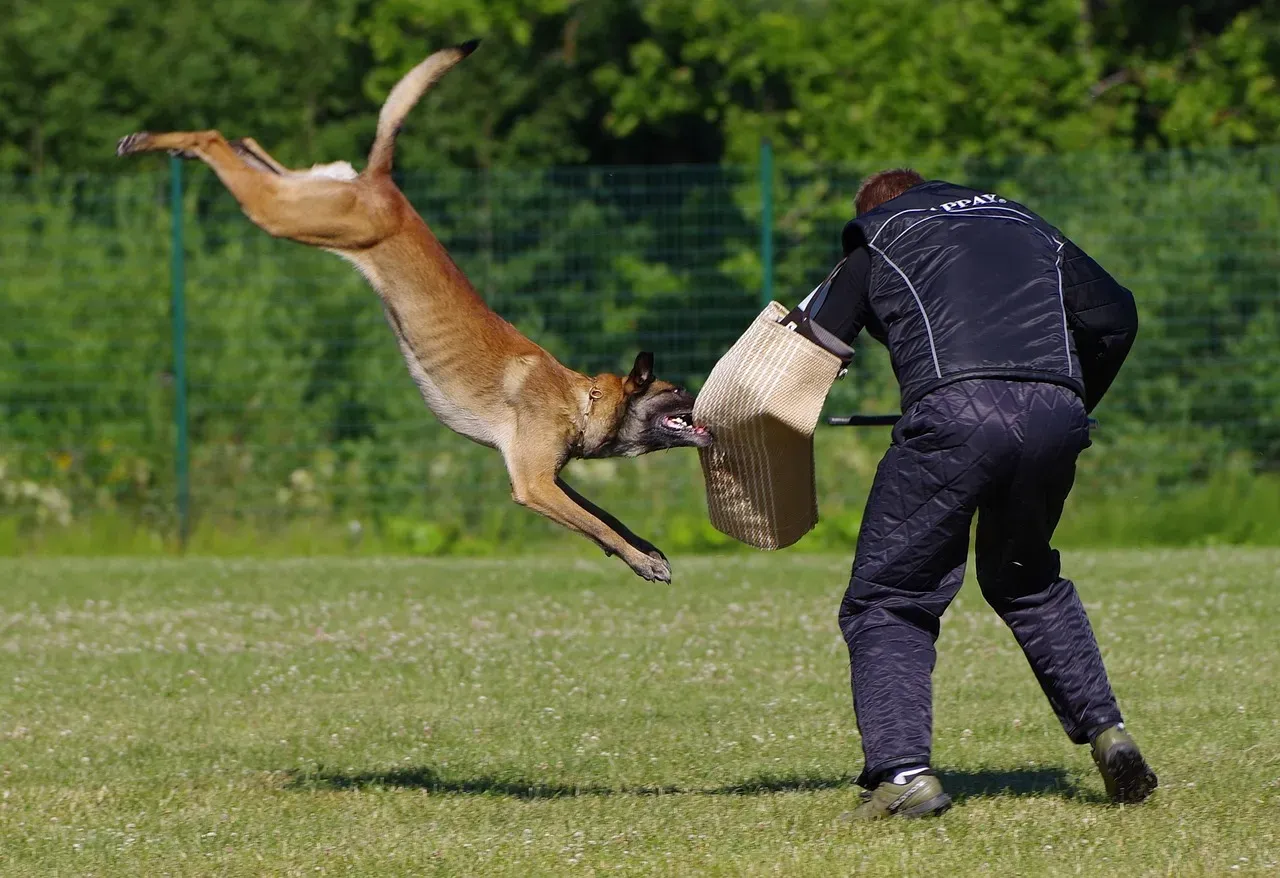
Belgian Malinois are highly focused and devoted dogs who often form strong bonds with one person in the family. They’re known for their drive to work, and their loyalty and intelligence makes them popular dogs for military and police work.
They’re known for their drive to work, and though dedicated and responsive, these smart dogs require ongoing training and enrichment, and they do best with experienced pet parents. This is not a dog you bring home on a whim. Their intensity of focus on one person can feel startling until you understand that it’s simply the breed doing exactly what it was designed to do.
Some of the most loyal dogs have been selectively bred for traits like guarding, herding, or companionship. As a result, they’re naturally more attached and protective than other breeds. The Malinois is one of the clearest examples of that principle in action.
5. Chihuahua
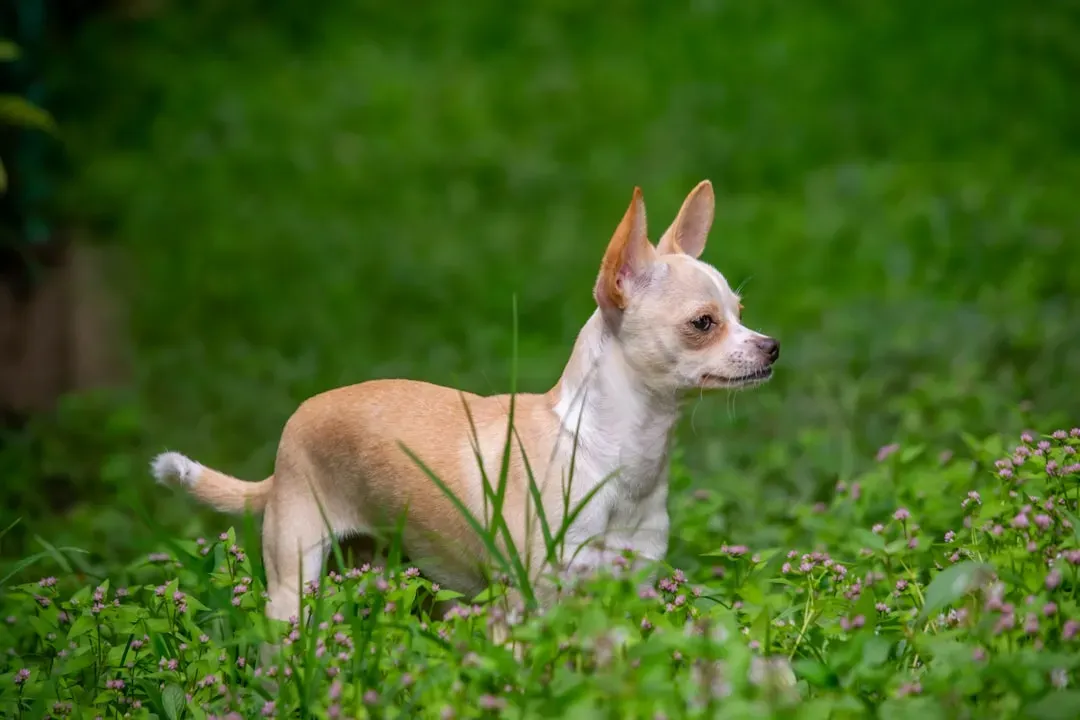
A tiny dog with a larger-than-life personality, the Chihuahua is known for its capacity for devotion to a single person. Chihuahuas tend to bond with one person and can treat all other people like foes. Despite their small size, Chihuahuas are fiercely loyal and protective.
These tiny dogs were originally bred as companions, often kept close as lap dogs for warmth and protection, and this close physical relationship with their humans naturally fostered a strong, exclusive bond.
Your Chihuahua may even become jealous and act aggressively towards people or other animals that it perceives as a threat to its relationship with you. Chihuahuas aren’t very good with young children, as jealousy is a big part of their personality. However, their unwavering loyalty and spirited nature make them excellent companions for people seeking a one-person dog.
6. Australian Cattle Dog
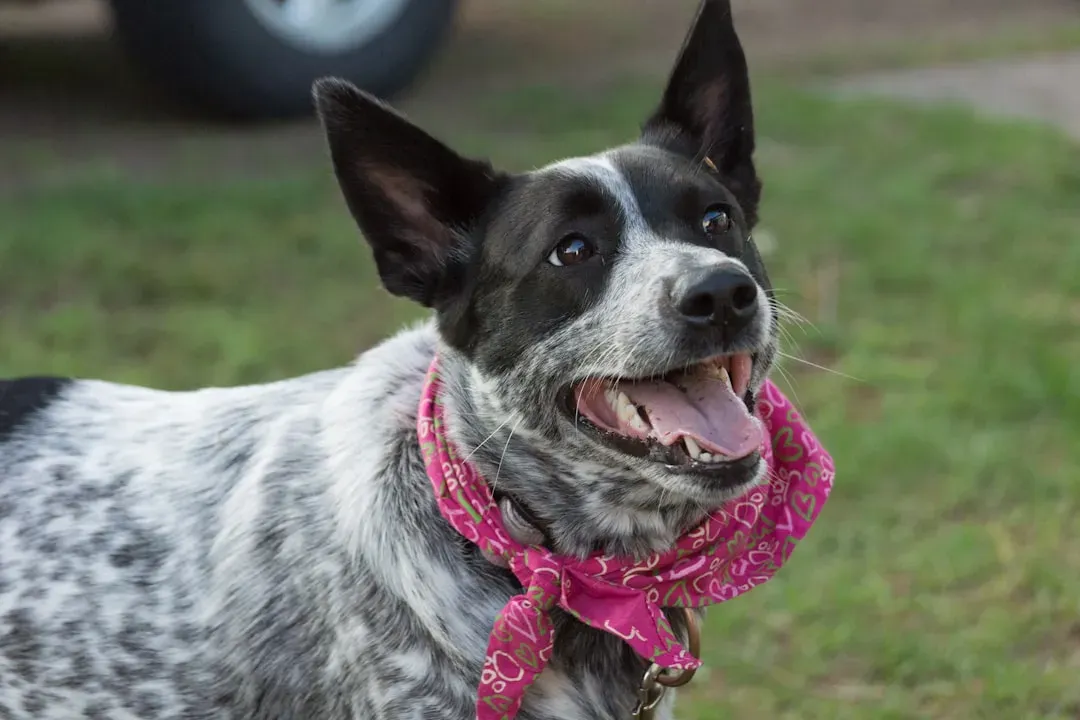
The Australian Cattle Dog is an extremely hardy dog breed developed, as its name suggests, by settlers to handle huge herds of bovines on vast ranches, where these canines are still used today. That working history shaped them into dogs that function best when they have one human handler to report to and follow.
Australian Cattle Dogs were bred for herding cattle, working closely alongside their handlers. As pets, these intelligent and fearless dogs are very loyal. They take their Heeler name seriously too – these dogs are true-blue and may follow their chosen person at the heels.
This breed is suspicious of strangers and can be very aloof, and your Australian Cattle Dog may not allow strangers or new people near you, whether or not you want it. That protectiveness is deeply bred into them. With fierce devotion to their owners, ACDs are loyal to the core, and this is very much the way they were bred to be.
7. Rottweiler
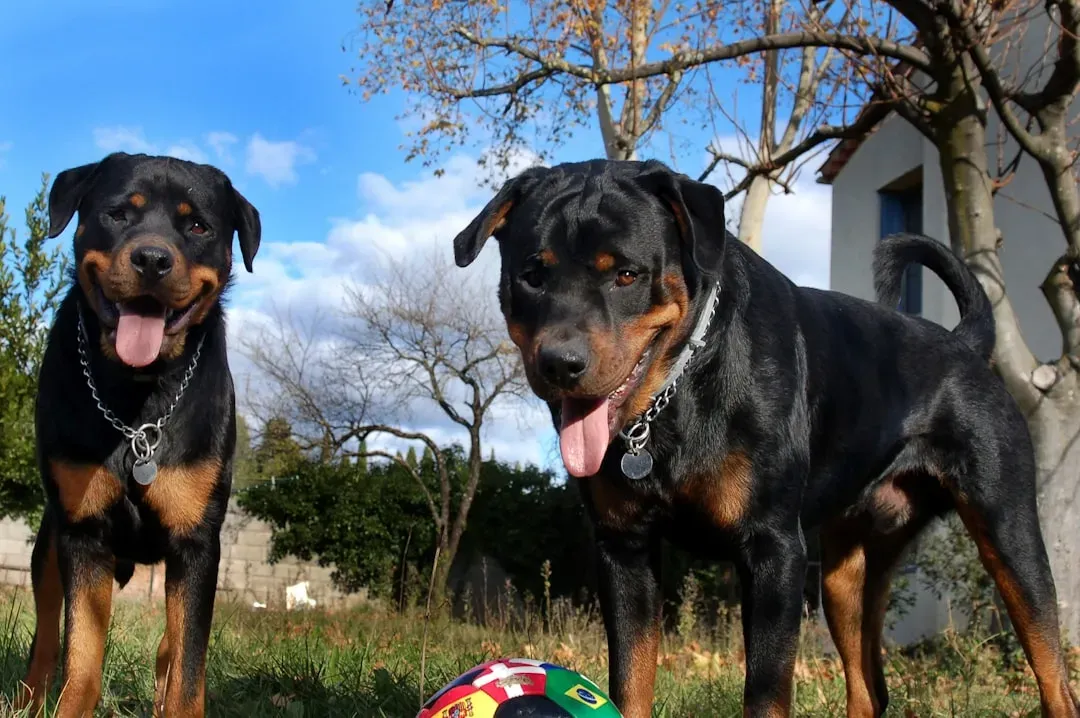
Rottweilers have a long history as working dogs, particularly guard dogs, and they’re deeply loyal and protective. They’re known to form close attachments to their families, which makes them great home guardians. While they often have some wariness around strangers, you can manage this trait with early training and socialization.
Rottweilers often choose a “favorite person” in the household but remain loyal and protective toward all family members. That distinction matters. They’re not cold to the rest of the family, they just reserve a particular depth of devotion for the one they’ve chosen.
Large guardian breeds like Akitas and Rottweilers need space, exercise, and experienced handling. Anyone considering a Rottweiler should be prepared to invest time in training and socialization from an early age, as their natural protectiveness needs proper direction.
8. Dachshund
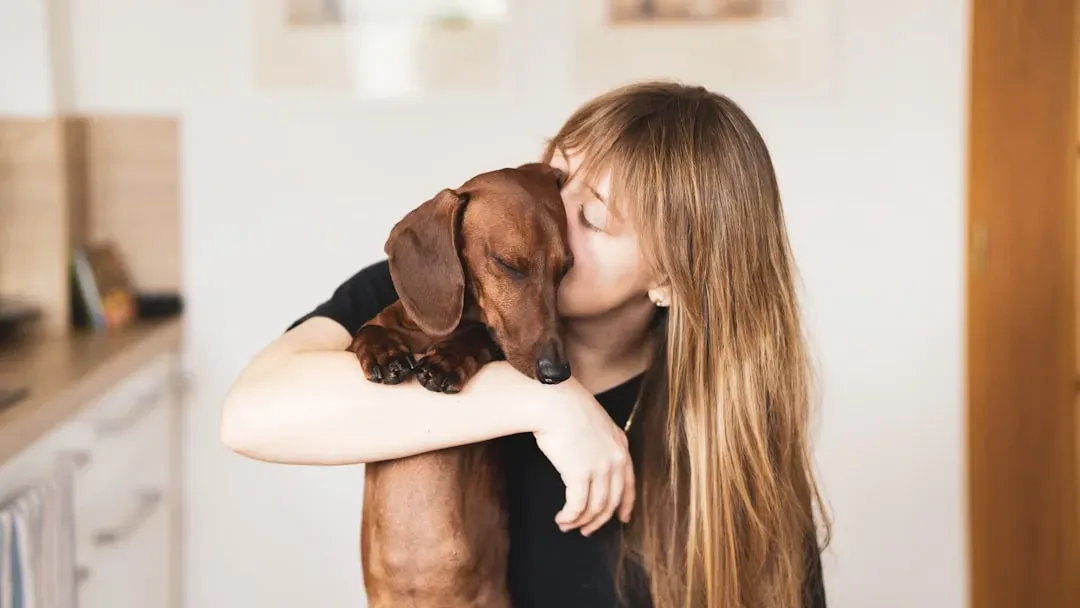
Dachshunds are known for their loyalty and affection, which they often attach to one person in the household. In fact, many Dachshunds follow their favorite person around from room to room and want to do everything together.
With their long bodies and short legs, Dachshunds were bred to hunt badgers, rabbits and foxes even in tunnels underground. They can be loyal pets. That bold, tenacious hunting spirit translates into a dog that pursues their favorite person with the same single-minded focus they once applied to tracking prey underground.
Do not let their small size fool you; Dachshunds are bold, feisty, and tough. They are affectionate and loyal and will love you deeply. Their strong attachment may lead to behavior problems if not properly managed.
9. Border Collie
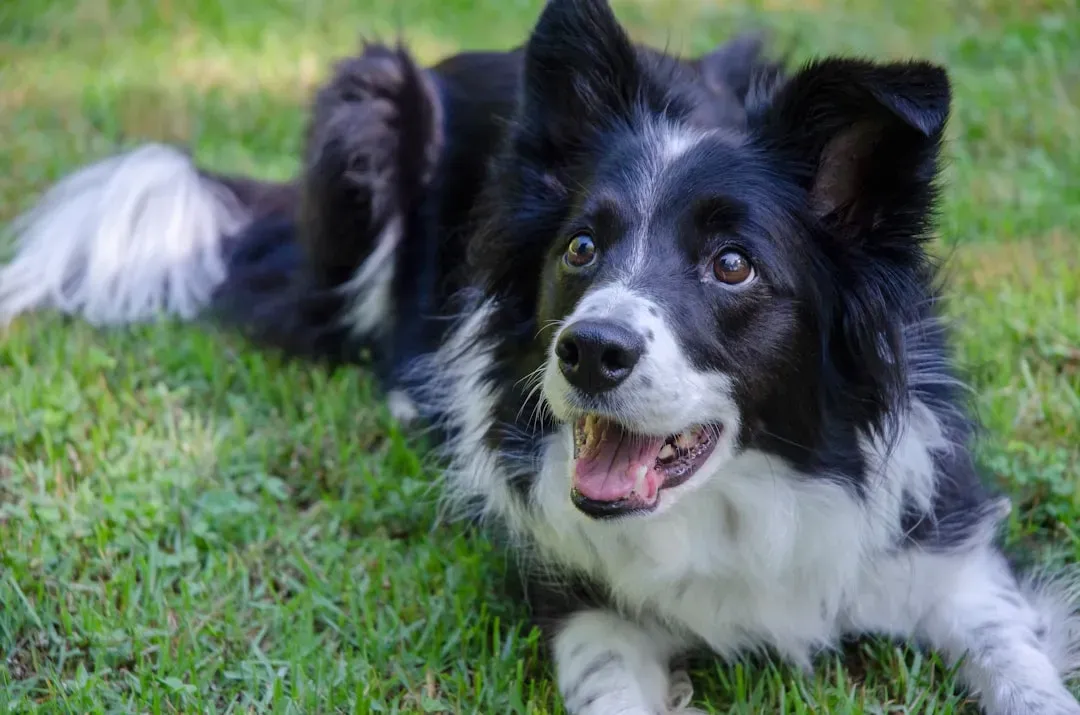
Widely regarded as the world’s smartest dog breed, the Border Collie usually prefers to bond with one person. Like the Australian Shepherd, the Border Collie was bred to work with one person as a team. As a pet, the Border Collie is loyal and devoted and tends to be a one-person or one-family dog.
As such, your Border Collie may be aloof toward strangers, other dogs, or other animals. Their brilliance is part of what makes them so singularly attached. They observe, learn, and catalog everything about the person they’ve bonded with, creating a relationship that feels almost intuitive.
Breeds with guarding or herding backgrounds tend to be even more devoted to specific people or families. The Border Collie’s herding instincts mean their attachment isn’t passive. They actively monitor, manage, and stay close to the person they’ve chosen.
10. Chow Chow
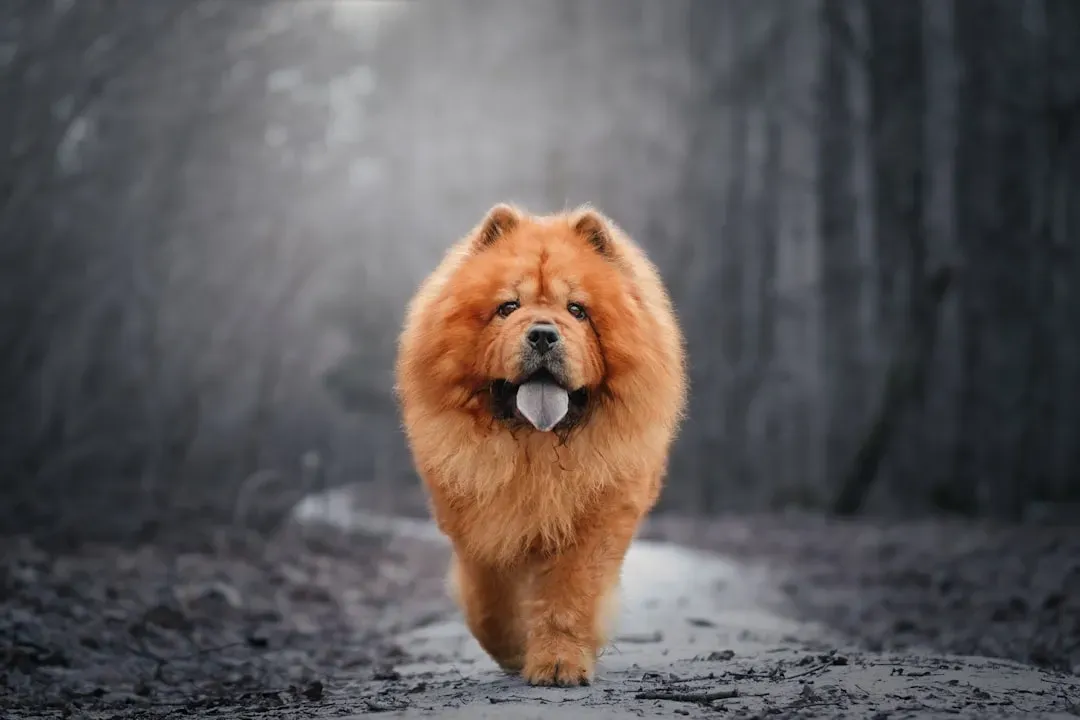
Historically, the Chow Chow worked as a guardian and hunter in ancient China. This working heritage, combined with the dogs’ calm disposition, makes the Chow Chow one of the most independent dog breeds. Yet that independence has a flip side that surprises many first-time owners.
Chow Chows are loyal and strongly attached to one or two people only. They will also be very protective of these special people, but an over-protective Chow Chow is not a good representation of the breed. They are reserved with strangers but aloof and dignified in their manner as opposed to aggressive.
These intelligent dogs have a distinct appearance, with a fluffy coat and blue tongue, and a distinct temperament. They are more independent than cuddly, and tend to choose one person in the family with whom they are especially close.
11. Vizsla

Vizslas are gentle, affectionate, and loyal dogs who love their human companions, bonding particularly strongly with one person. They shadow their chosen human as much as possible and can become vocally distressed when separated from them.
Vizslas are gentle, affectionate, loyal and playful dogs, with whom your life will be full of fun and laughter. The longing for the owner can leave a serious mark on them, so choose this beautiful breed only if you are ready to invest time and energy in your relationship.
They need training to make them manageable, but they are really smart and love to please their person, so training is not difficult. They don’t respond well to negative-reinforcement or harsh training methods. Their athleticism makes them excellent companions for joggers or cyclists.
12. Shetland Sheepdog (Sheltie)
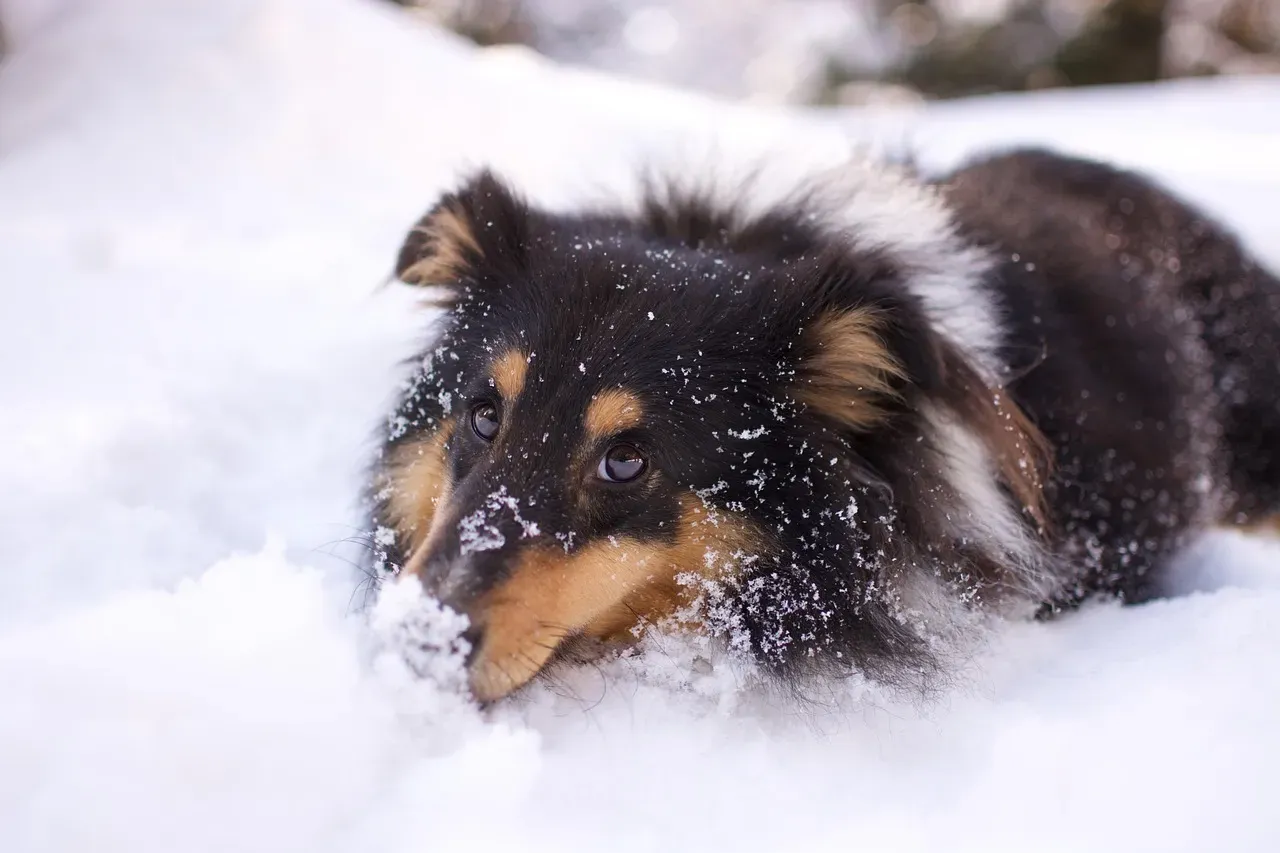
Shetland Sheepdogs, or Shelties, combine sensitivity with devotion in their bonding patterns. These intelligent herding dogs tune into their primary person’s emotions and routines with remarkable precision. Shelties typically shadow their chosen human throughout the day, anticipating needs and responding to subtle cues.
Shetland Sheepdog personality traits make them wonderful companions for the right families. These intelligent and sensitive dogs form strong bonds with their people and show remarkable loyalty. While they may be reserved with strangers, Shelties are deeply devoted to their families and show great enthusiasm for activities with their loved ones.
Shelties are leery of strangers. As a result, they are good watchdogs, likely to greet outsiders with lots of barking. That wariness toward outsiders stands in sharp contrast to the warmth they direct entirely at the person they’ve adopted as their own.
13. Shiba Inu
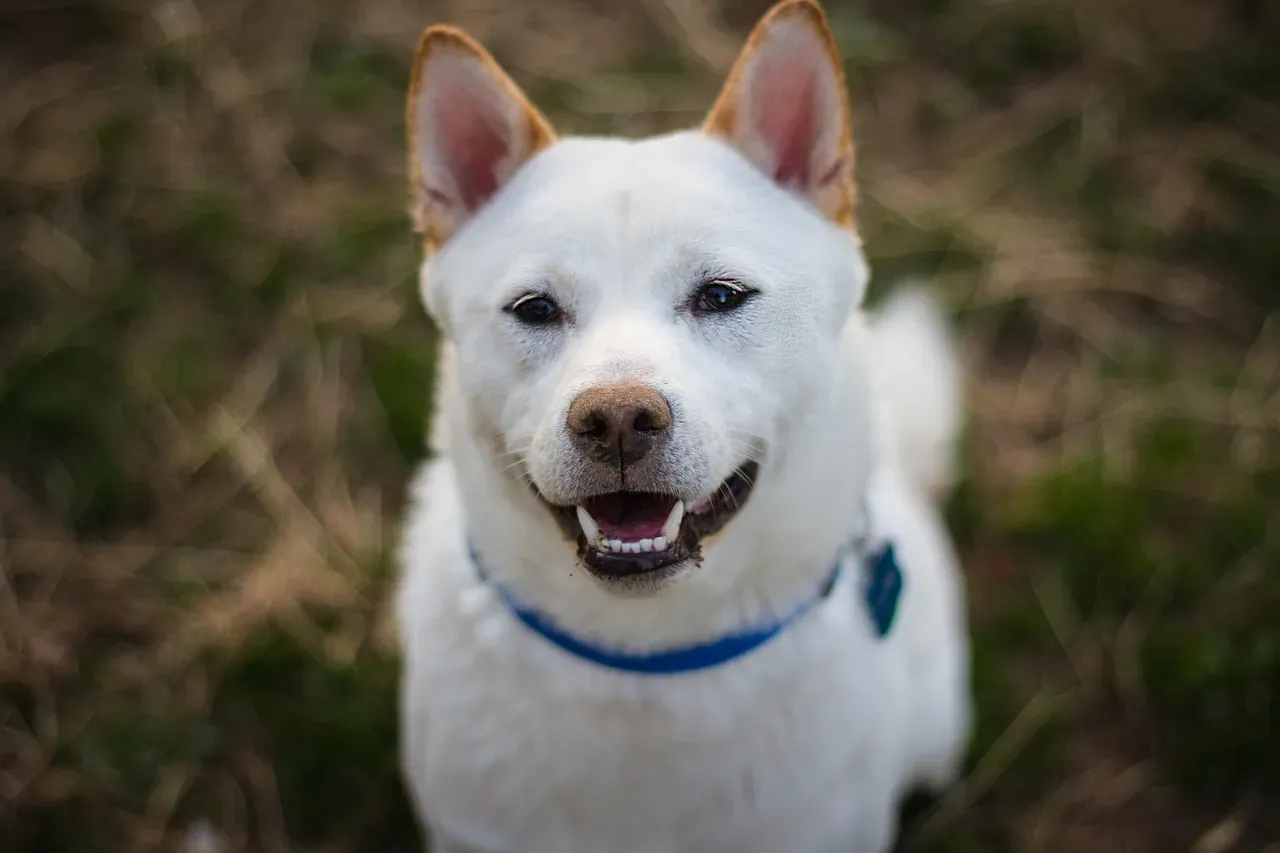
Independent and sometimes aloof, the Shiba Inu chooses their person carefully. When they do, their loyalty is undeniable. While they often appear detached, Shibas are affectionate, protective, and shadow-like around the one human they trust and love most.
Shibas can be reserved and may not always seek attention, even from their owners. Some people refer to them as being very “catlike” in their behavior. That comparison is apt. A Shiba’s loyalty isn’t displayed in tail-wagging exuberance. It’s quieter, more deliberate, and arguably more meaningful because of it.
The Shiba Inu hails from Japan and was a dog bred to hunt birds and small game. The dog is one of six native breeds in Japan. Today it is essentially a companion dog in both Japan and the United States. That ancient self-sufficient heritage shows clearly in how selectively they distribute their trust.
14. Scottish Terrier
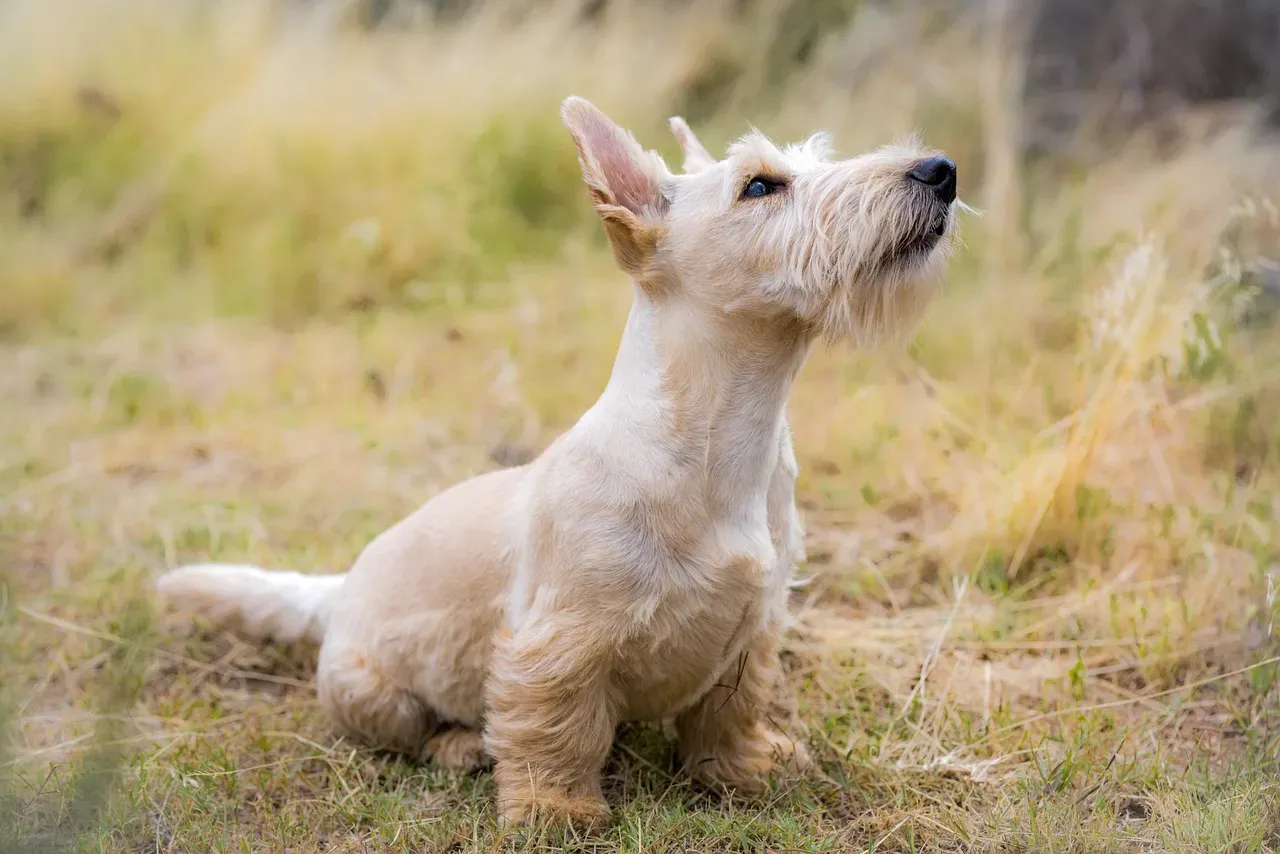
Scottish Terriers, with their distinctive appearance and dignified demeanor, often form a deep and lasting bond with a single person. They are independent and sometimes aloof, but when they choose their favorite human, they show a level of devotion and affection that is endearing. Scottish Terriers are loyal and can be protective of their owner, making them great companions for someone who values a strong, individual bond with their pet.
Don’t be misled by their compact size or their somewhat stubborn reputation. The Scottie has genuine tenacity and a fiercely loyal heart beneath that wiry coat. They’ve been favored by figures ranging from Scottish farmers to American presidents, which speaks to something enduring in their temperament.
Scottish Terriers are loyal and can be protective of their owner, making them great companions for someone who values a strong, individual bond with their pet. They work best with owners who respect their independence rather than trying to override it.
15. Cane Corso
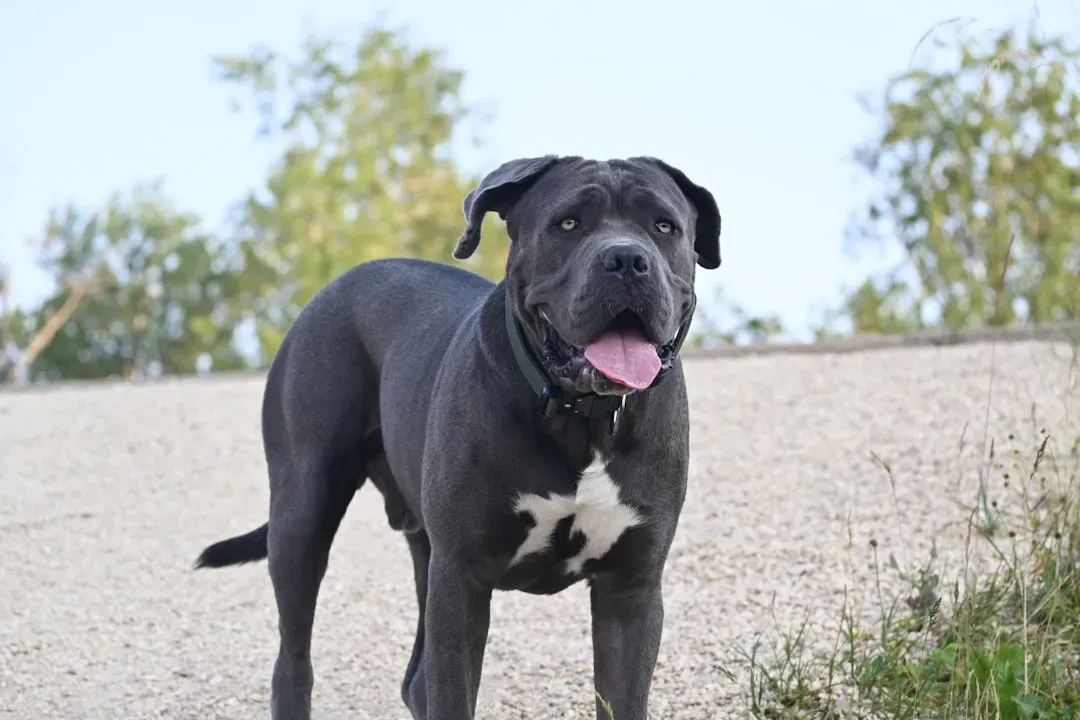
Large and majestic, Cane Corsos come from Italy and claim an ancient pedigree of giant war dogs and protective working dogs. Their intimidating appearance belies the affection and adoration they bestow upon those in their inner circle, especially their favorite human.
While loyal and affectionate with their families, Cane Corsos were originally guard dogs and can be wary and reserved with strangers. Due to their temperament and large size, significant training and socialization are required.
Dogs rescued or adopted after puppyhood may form even stronger one-person bonds, particularly if they experienced neglect or instability before finding their permanent home. The individual who provides consistency, safety, and positive experiences during this transitional period often becomes the focal point of the dog’s loyalty. For a Cane Corso, that focused devotion can feel almost profound in its intensity.
What Owning a One-Person Dog Actually Means

Besides breed, individual temperament and socialization during puppyhood can play a large role in whether a dog displays this trait. It’s especially important to practice independence training and socialization with these breeds, as they may also be prone to issues such as separation anxiety when apart from their person.
A loyal, one-person dog requires a loyal owner, devoted bonding time, and lots of affection. Without this, they can become distressed, turning to destructive behavior. They may also develop separation disorders.
Having a loyal and attached dog is an honor and a privilege that comes with great reward and great responsibility. The bond these breeds offer is rare and genuine, but it asks something real in return: your consistency, your time, and your presence.
Conclusion
There’s something that feels quietly extraordinary about being chosen by a dog. Not merely liked, not tolerated because you fill the food bowl, but genuinely selected as the one person above all others. The breeds on this list take that kind of attachment to a level most pet owners never experience.
Some dogs form connections with their entire family, while others reserve their deepest loyalty for a single individual. This selective bonding isn’t a flaw in temperament but rather a distinctive trait found in certain breeds. Understanding that distinction helps set realistic expectations before bringing one of these dogs home.
If you’re the kind of person who wants a companion that genuinely tracks your moods, notices when you’re gone, and greets your return like nothing else in the day mattered, one of these fifteen breeds will likely deliver exactly that. Dogs are remarkably perceptive about who meets their needs and provides structure. Consistent training reinforces the bond through clear communication and mutual understanding, creating a relationship built on trust rather than mere familiarity. Give that trust well, and you’ll have a dog that never looks elsewhere for it.

- 6 Exotic Bird Species You Can Spot in U.S. National Parks - July 19, 2026
- 11 Iconic American Birds Facing New Challenges and How You Can Help - July 19, 2026
- 10 Friendliest Animals in the World - July 19, 2026