

There’s a reason some dogs follow you into the bathroom. It’s not quirky behavior or bad training – for certain breeds, being near their person isn’t a preference, it’s a core need. These are dogs whose entire emotional architecture was built around human closeness, sometimes over hundreds of years of selective breeding for companionship, hunting partnerships, or herding work that demanded constant side-by-side contact.
Dogs with separation anxiety become extremely anxious when left alone and may exhibit destructive behaviors, excessive barking or howling, and even self-harm through overgrooming, licking, and chewing themselves. For the 15 breeds below, that distress can begin the moment the front door closes. Understanding which dogs carry this deep need isn’t about discouraging ownership – it’s about making sure the right people bring them home.
1. Vizsla

The Vizsla is widely considered the most “Velcro” dog breed due to its intense need for human companionship and constant closeness to its owners. Originally developed in Hungary for close-contact hunting work, these dogs were bred to remain physically near their handlers at all times, and that instinct never really left.
They often follow owners everywhere and might show signs of stress, and they can even develop separation anxiety when isolated, sometimes whining, barking incessantly, or losing their appetite. Vizslas don’t just want company – they genuinely struggle to function without it.
2. Border Collie
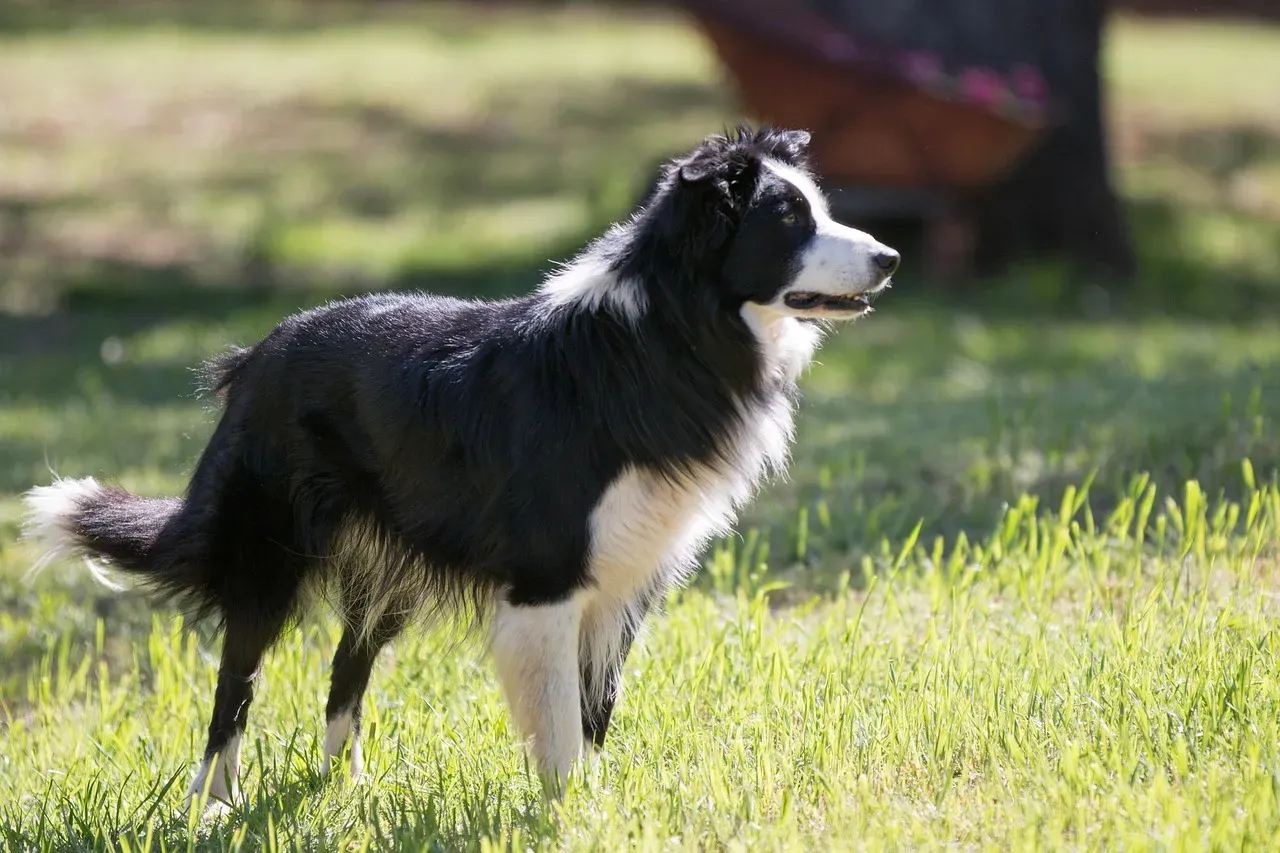
The Border Collie is one of the most active dog breeds – bred to be outside with its owner while herding sheep. Their high energy levels and intelligence mean they need a huge amount of stimulation, and a regular lack of company will lead to separation anxiety very quickly.
Isolation gradually leads to boredom, which quickly transforms into intense anxiety and destructive behaviors – and can even lead to depression. Some of the most obvious behavioral signs include destructive chewing, pacing, and excess barking. This breed needs a job, a person, and purpose – ideally all at once.
3. Labrador Retriever

Just like the Golden Retriever, the beloved Labrador is prone to suffering from separation anxiety. It’s a detail that surprises many owners who expect their laid-back Lab to simply sleep while they’re out. The reality is that Labs are deeply social animals who were bred to work alongside people all day.
Labrador Retrievers can reflect a sad mood when alone. They are bred to be working dogs and thrive on having a job to do. When they don’t have a job to do, they can become anxious and restless. Long stretches of solitude for a Lab can mean chewed furniture, non-stop barking, and a visibly unhappy dog.
4. Golden Retriever
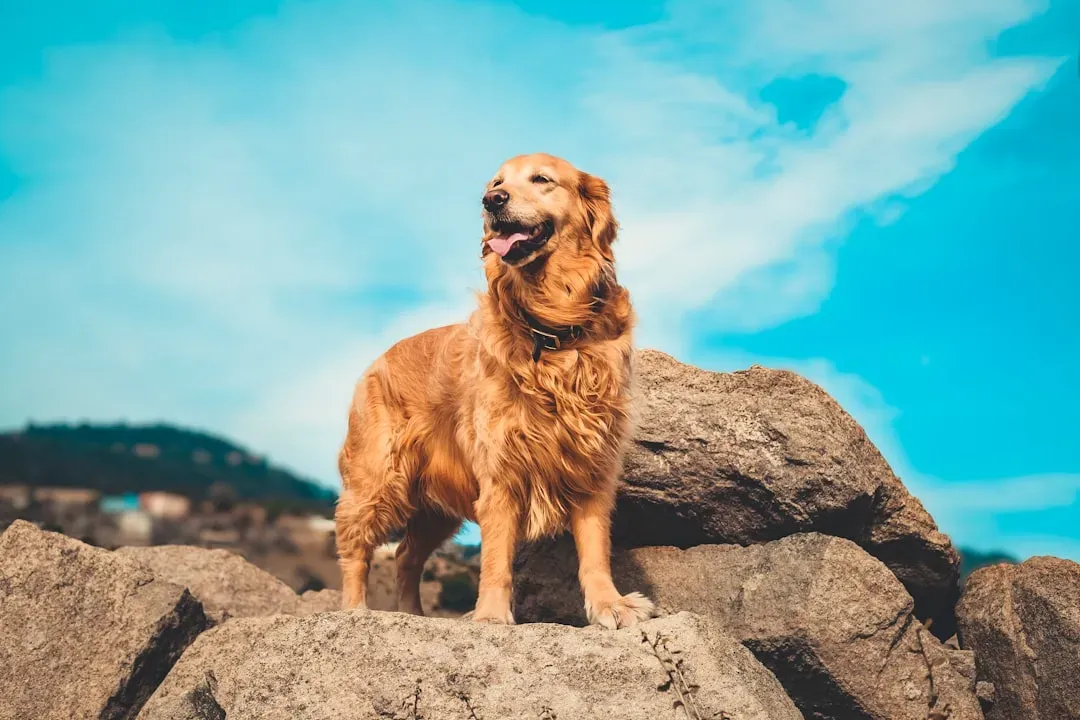
Golden Retrievers are incredibly loyal and affectionate dogs who are bred to be part of the family. This makes them more prone to separation anxiety than most large dog breeds. Their whole identity is built around warmth and connection, which is precisely why being left alone cuts against their grain.
This can make them seem clingy or like Velcro dogs if they don’t get enough exercise or mental stimulation throughout the day. If they can’t get their energy out in a healthy way, they’ll look to you to satiate their boredom. A Golden left alone too often will find ways to tell you about it – usually through your couch cushions.
5. Cavalier King Charles Spaniel
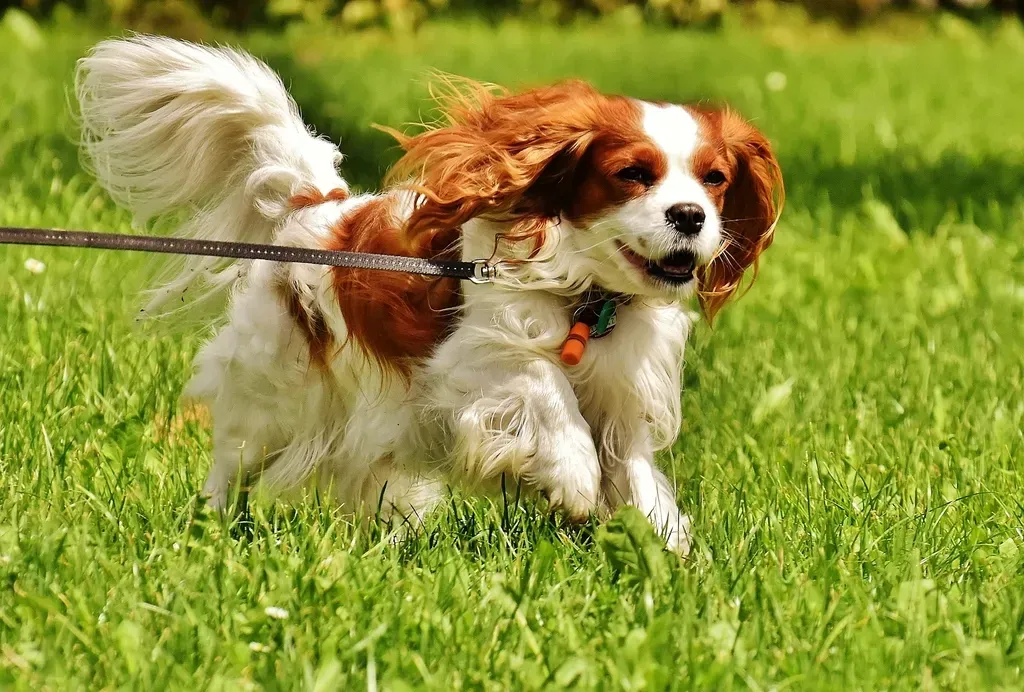
Historically bred as royal lapdogs, Cavaliers are the epitome of a “comforter” dog. They are perpetually needy, always requiring reassurances, cuddles, and companionship. Their entire history is one of close human contact, and they carry that expectation into modern homes with striking intensity.
Cavalier King Charles Spaniels are affectionate and loyal dogs whose world revolves around human companionship, which can make them prone to separation anxiety. If your Cavalier displays symptoms such as excessive barking, pacing, or destructive behavior, these needs should be addressed to ensure their happiness when you’re not at home.
6. Australian Shepherd
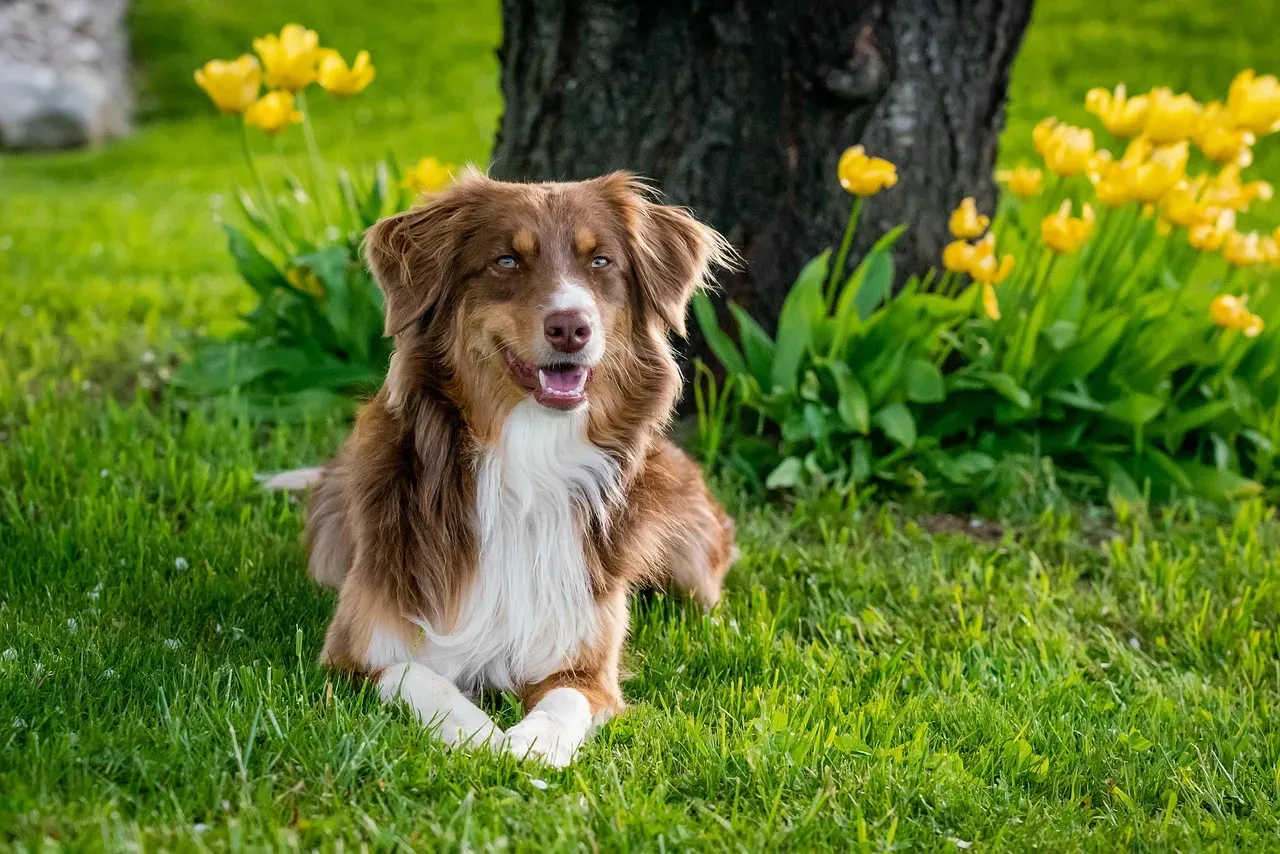
Aussies are designed for constant, high-energy work. Their original job was herding cattle or sheep, and their ultra-vigilant nature means they like to be engaged constantly and are highly sensitive to their surroundings. Sit one down in an empty house and you’ve essentially taken away everything their nervous system was built for.
Australian Shepherds are intelligent, energetic dogs used to working closely with their handlers. They are known for their strong work ethic and loyalty, which can make them prone to separation anxiety when left alone for long periods. When left without adequate mental and physical outlets, they may become anxious or destructive.
7. German Shepherd
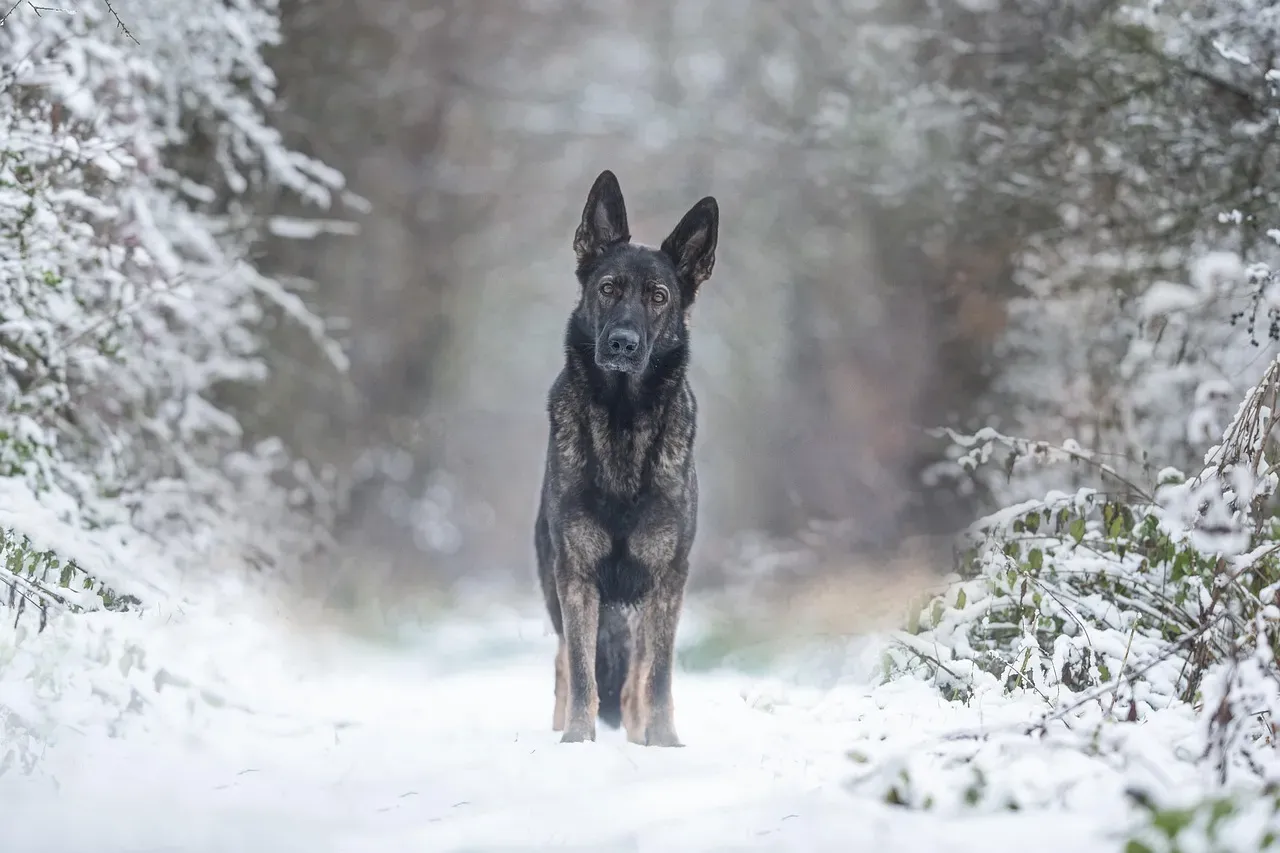
German Shepherds may have a reputation for being hardy working dogs, but they form very strong bonds with their owners and are surprisingly sensitive. The tough exterior is real, but it coexists with a deeply loyal interior that doesn’t cope well with abandonment – even temporary, everyday abandonment.
German Shepherds may develop clingy behavior over time, following you from room to room whenever you are home. Without proper mental stimulation or routine, their anxiety can intensify, making alone time increasingly difficult for them to handle. Consistency and presence matter enormously to this breed.
8. Bichon Frise
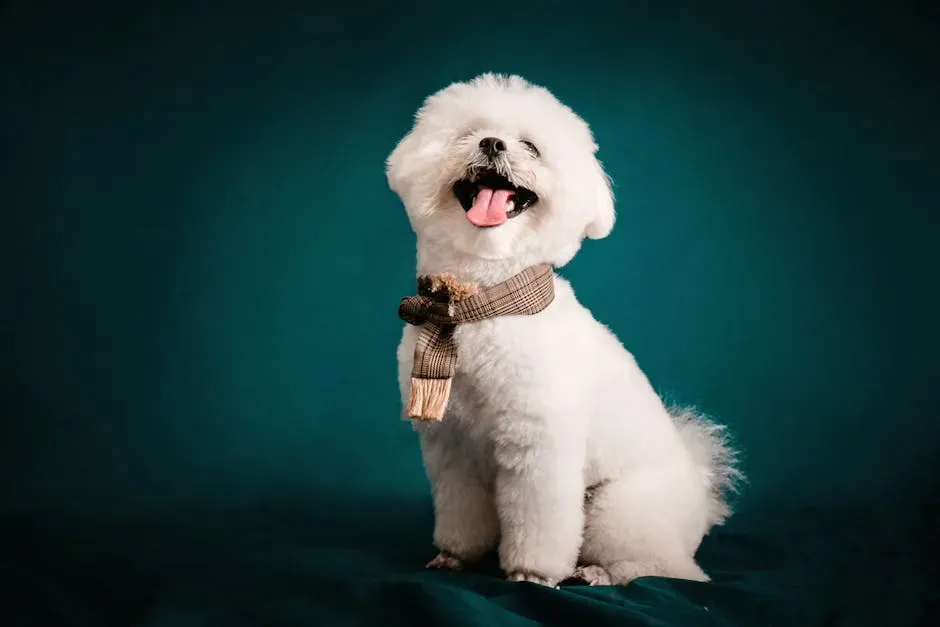
The Bichon Frise was bred to be the perfect lap dog, which means he can feel anxious and abandoned if he doesn’t have a lap to curl up in all the time. Separation anxiety can be a very real problem with this adorable and fluffy breed. That cheerful, cloud-like exterior conceals a dog with a surprisingly fragile emotional core.
Bichons were bred almost exclusively to be companion animals. Therefore, they thrive on human affection and attention. These fluffy, cheerful dogs often form intense attachments to one person and act as a “four-legged shadow.” They literally feel abandoned if they don’t have a lap to curl up on, making them highly prone to loneliness. Behavioral signs include incessant barking, aggression, or destructive behavior like tearing up furniture.
9. Havanese
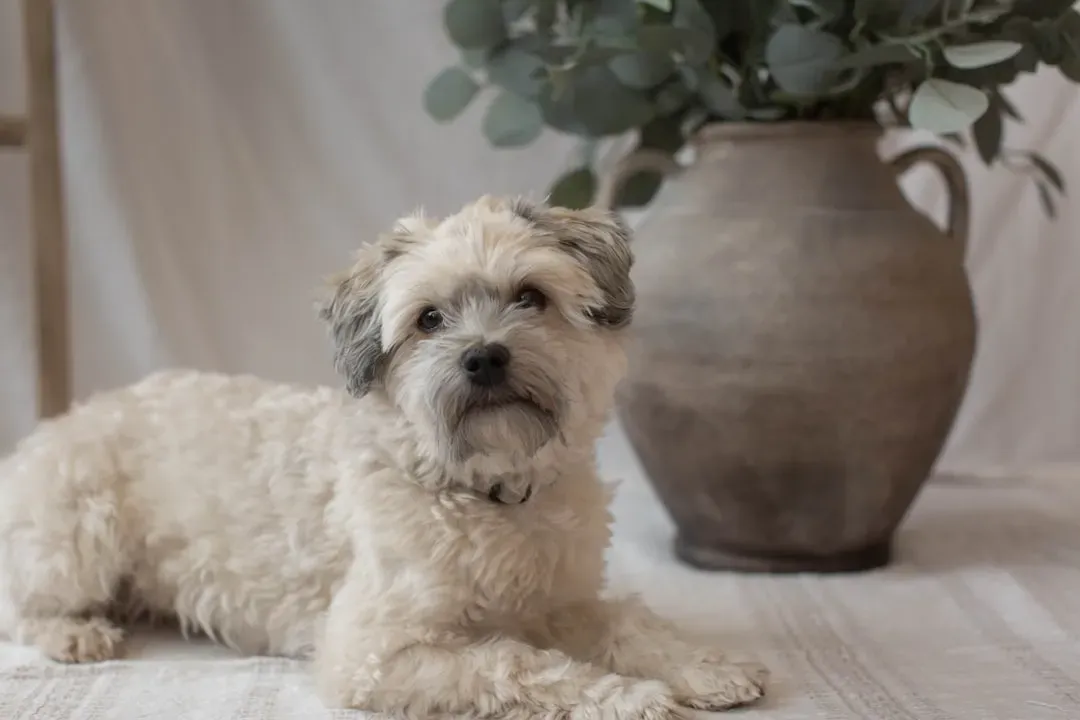
With a heart as soft as their coat, Havanese dogs are sensitive, loyal companions. Their greatest desire is to be part of the family, and they often struggle to function without their human. Cuba’s national dog was bred for one purpose above all others – to be a devoted companion, and that role demands constant presence in return.
They can become extremely sad and introverted if left alone regularly for long hours, and are not suitable for people working full-time outside the home. Some of the most notable behavioral signs include pacing, crying, and refusal to play. A Havanese without its people isn’t quite itself.
10. Italian Greyhound

Italian Greyhounds are small, elegant dogs known for their affectionate and sensitive nature. They form strong bonds with their owners and can become extremely anxious when left alone. They are highly social dogs that thrive on companionship and are particularly prone to separation anxiety due to their sensitive temperament.
When left alone, they may exhibit signs of distress such as barking, whining, or even trying to escape. Their delicate nature makes them more suited to households where someone is often home to provide comfort and companionship. For a breed that looks so sleek and independent, their emotional needs are surprisingly deep.
11. Shetland Sheepdog
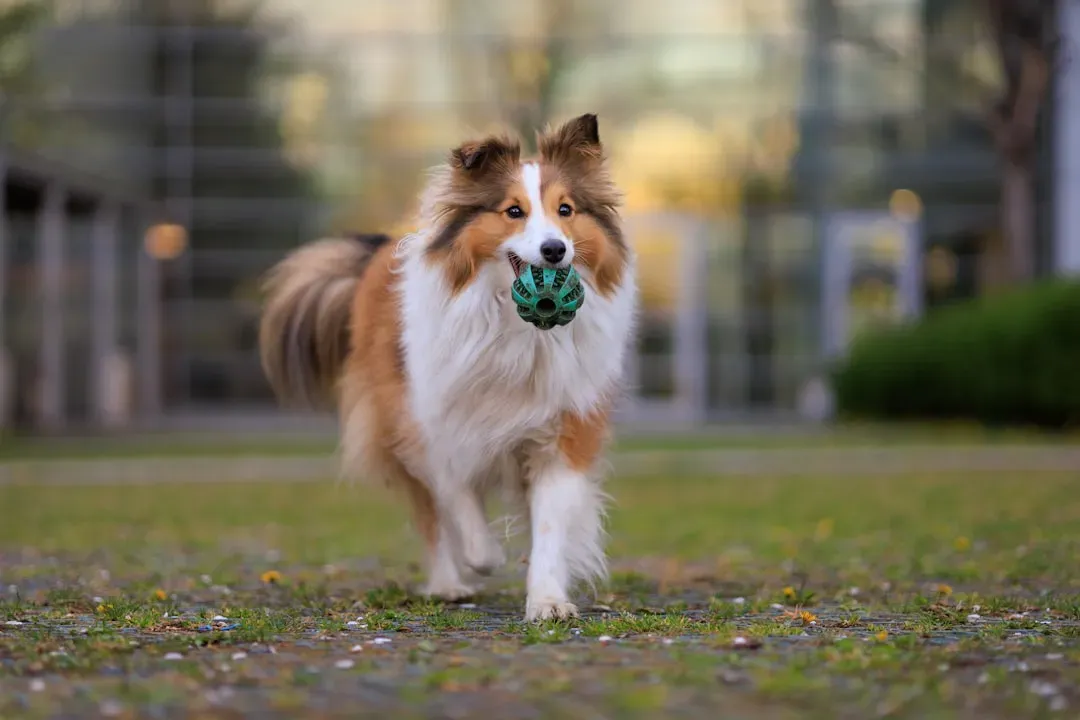
The Shetland Sheepdog’s devoted companionship comes at a price: they ask the same in return. They bond strongly and forever with their human family and may feel distressed if left alone. Shelties are herding dogs at heart, and herding dogs were never meant to work – or wait – alone.
In common with many working breeds, Shetland Sheepdogs are highly social creatures and do not enjoy being left alone. They require plenty of daily physical activity, so if frustrated and bored, this may trigger stress at being left to fend for themselves. Shelties tend to form strong bonds with their owners, so strangers may also make them feel anxious, making it complicated for dog-walkers or neighbours to pop round to help out.
12. Toy Poodle
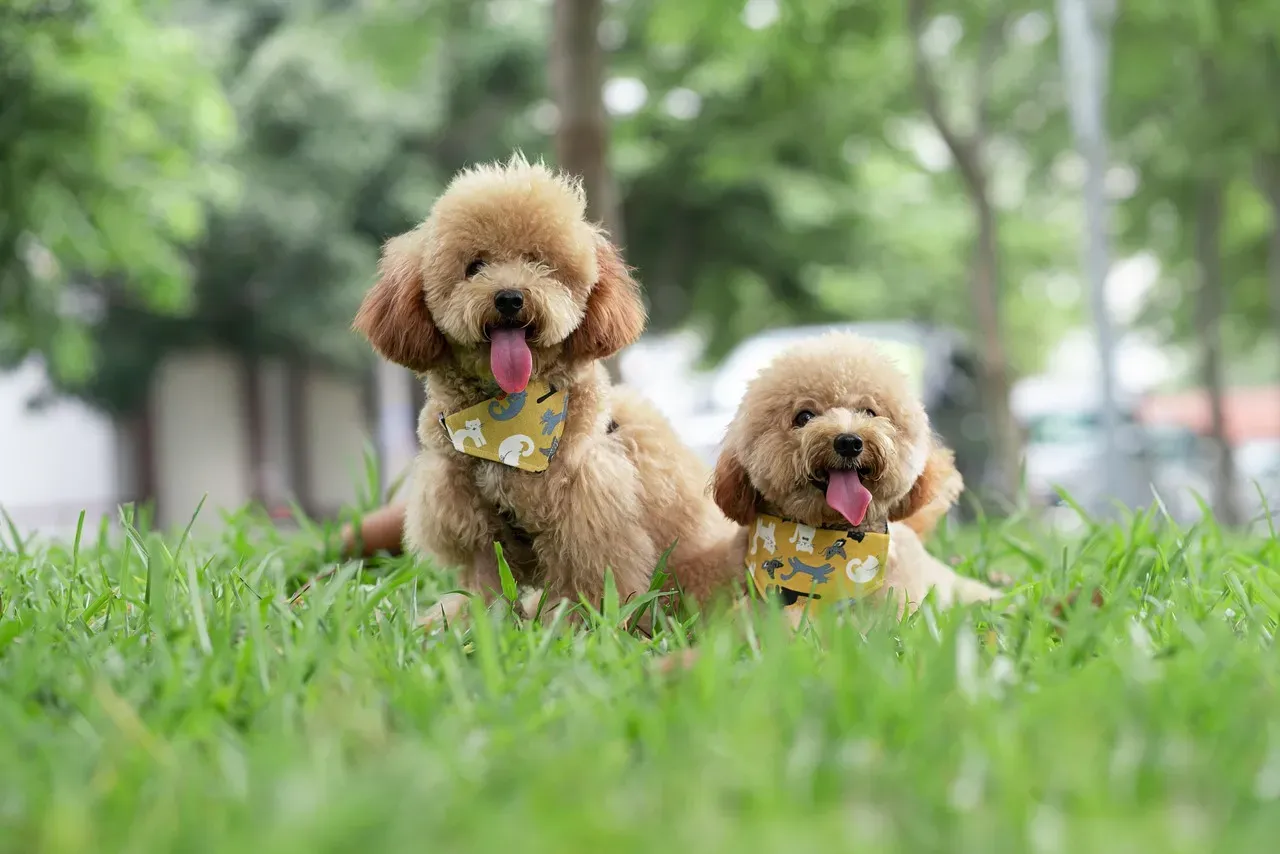
This sweet little ball of fur is affectionate and will bond strongly with you. Unfortunately, the Toy Poodle can become overly dependent on your presence and develop severe separation anxiety if left alone for long periods of time. Sometimes, this results in negative behaviors like having accidents in the house.
This type of poodle has a gentle temperament and has been bred as a companion dog. As such, it needs time and love from its human family. When they don’t get it, they can suffer from significant separation distress. Their intelligence only amplifies the problem – they’re sharp enough to know exactly what they’re missing.
13. Beagle
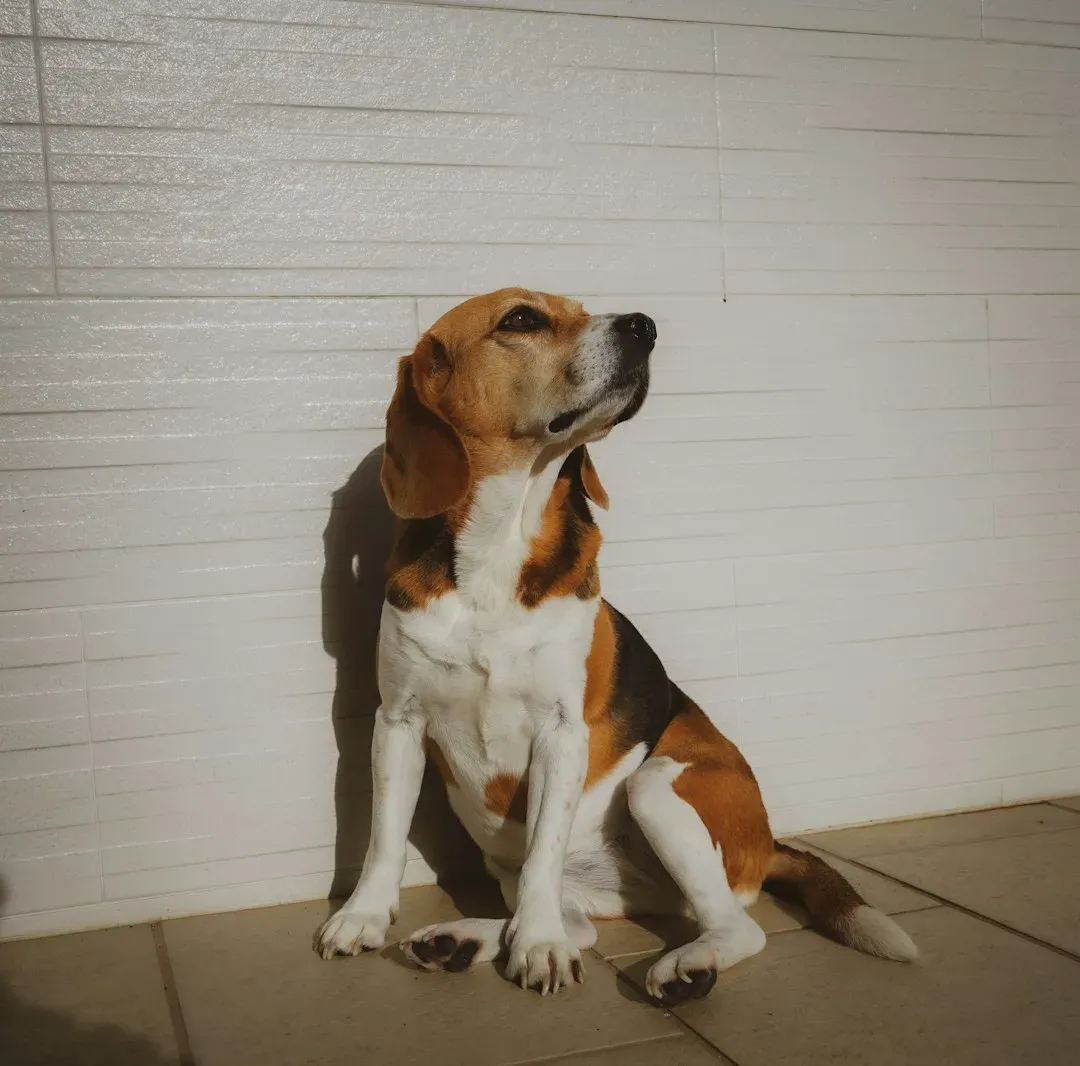
Beagles are hunting dogs with a strong pack instinct and they’re simply not built for being alone. This breed is both active when young, very driven by scent, and prone to loneliness. This can cause destructive behaviors when they’re home alone. A beagle’s nose keeps them curious, but a beagle’s heart keeps them searching for their pack.
Without social contact, Beagles often resort to the most vocal forms of protest – howling that can carry for impressive distances and chewing that can be surprisingly thorough. Any dog can develop separation anxiety, but some anxious dog breeds may be more likely to struggle with being alone due to inherited temperament traits, original breeding roles, and natural instincts. For Beagles, the pack instinct is baked in at a fundamental level.
14. Doberman Pinscher
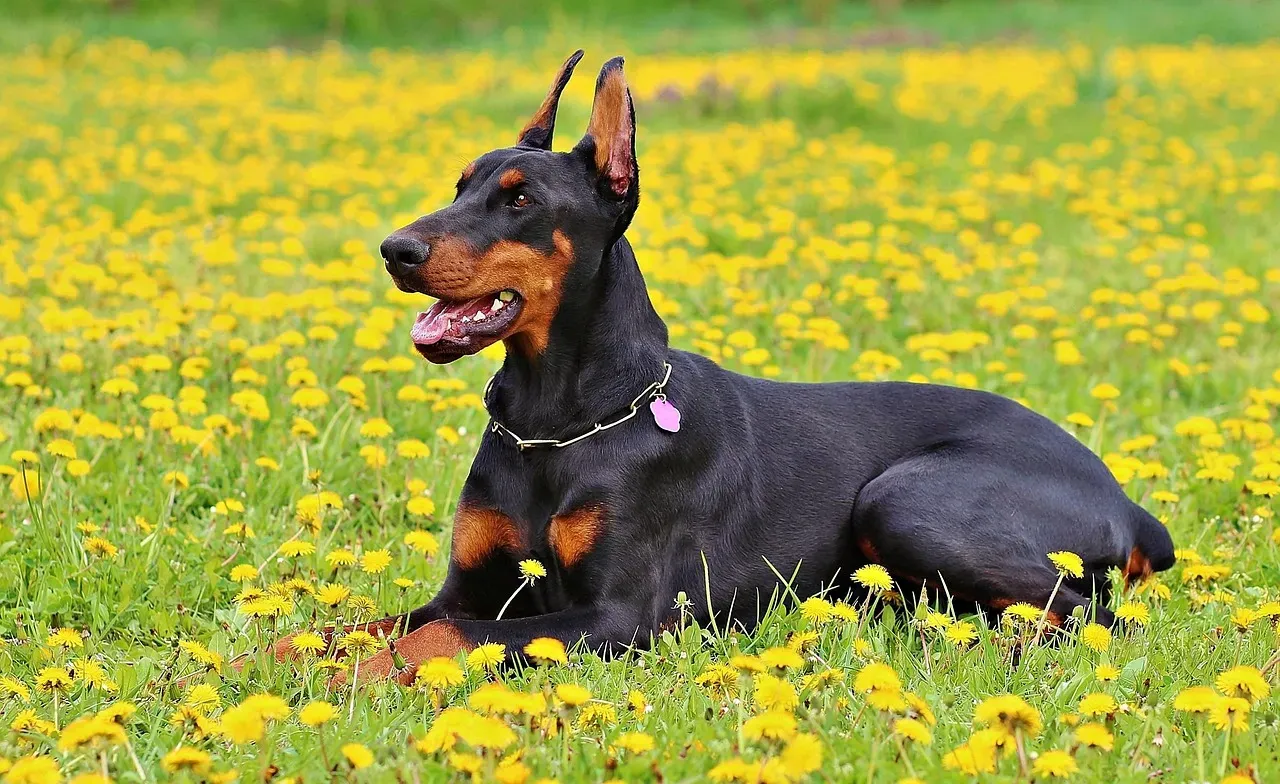
The Doberman Pinscher is known for its loyalty and protective nature, making it an excellent guard dog and a devoted family member. However, this deep attachment can come with a downside – Dobermans often struggle with separation anxiety when left alone. They are happiest when they are by their owner’s side, and long periods of solitude can lead to destructive behavior or excessive barking.
They thrive in homes where they can be active and engaged and benefit from a consistent routine that minimizes time spent alone. People expect a Doberman to be fearless, and in many ways it is. The one thing it can’t easily face is an empty house.
15. Jack Russell Terrier

The Jack Russell Terrier is one of the dog breeds that suffers from separation anxiety. This breed is known for its high energy and intelligence, making it difficult for them to be left alone. They may become destructive or even aggressive when left alone. These small dogs have an engine that doesn’t switch off, and without stimulation it redirects itself toward anything within reach.
These bundles of energy quickly become bored and need lots of entertainment as well as lots of physical activity. They can quickly go awry if there isn’t a human around to help them out and to keep them engaged. They can also do a surprising amount of damage for a small dog. With a Jack Russell, the size is deceptive. The need is not.
What This Means for Prospective Owners
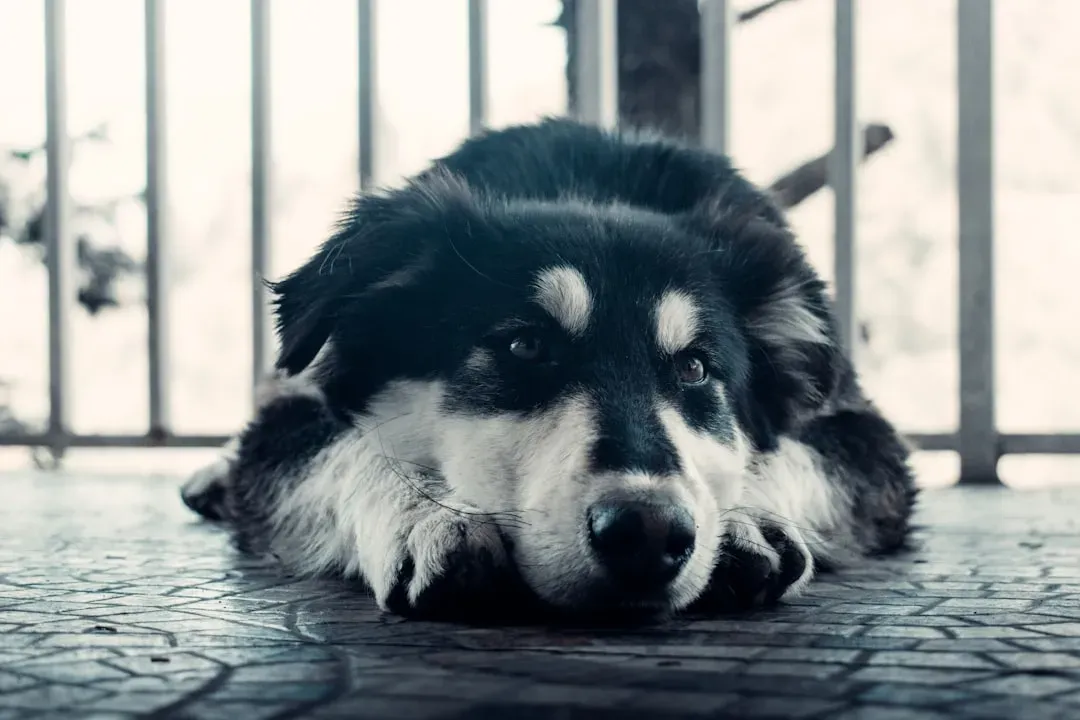
Some dog breeds are naturally inclined to form strong bonds with their people and stay highly attentive to what is happening around them. Because of that, they may prefer to stay close and follow daily routines, which can make alone time more challenging even in a loving, familiar home. This isn’t a flaw – it’s the result of centuries of deliberate breeding for human partnership.
Separation anxiety is a serious condition that can negatively impact your dog’s health and happiness. If concerned about your pet, talking to a veterinarian about professional training, and possibly even medication options, is a worthwhile step. There are good tools available, and many dogs can be gradually desensitized to alone time with patience and consistency.
Separation anxiety is one of the most common behavior problems in dogs, according to the American Veterinary Medical Association. In fact, roughly a fifth to nearly half of dogs referred to animal-behavior practices in North America are diagnosed with the disorder. Knowing your breed’s predispositions before bringing them home is simply responsible ownership.
Conclusion
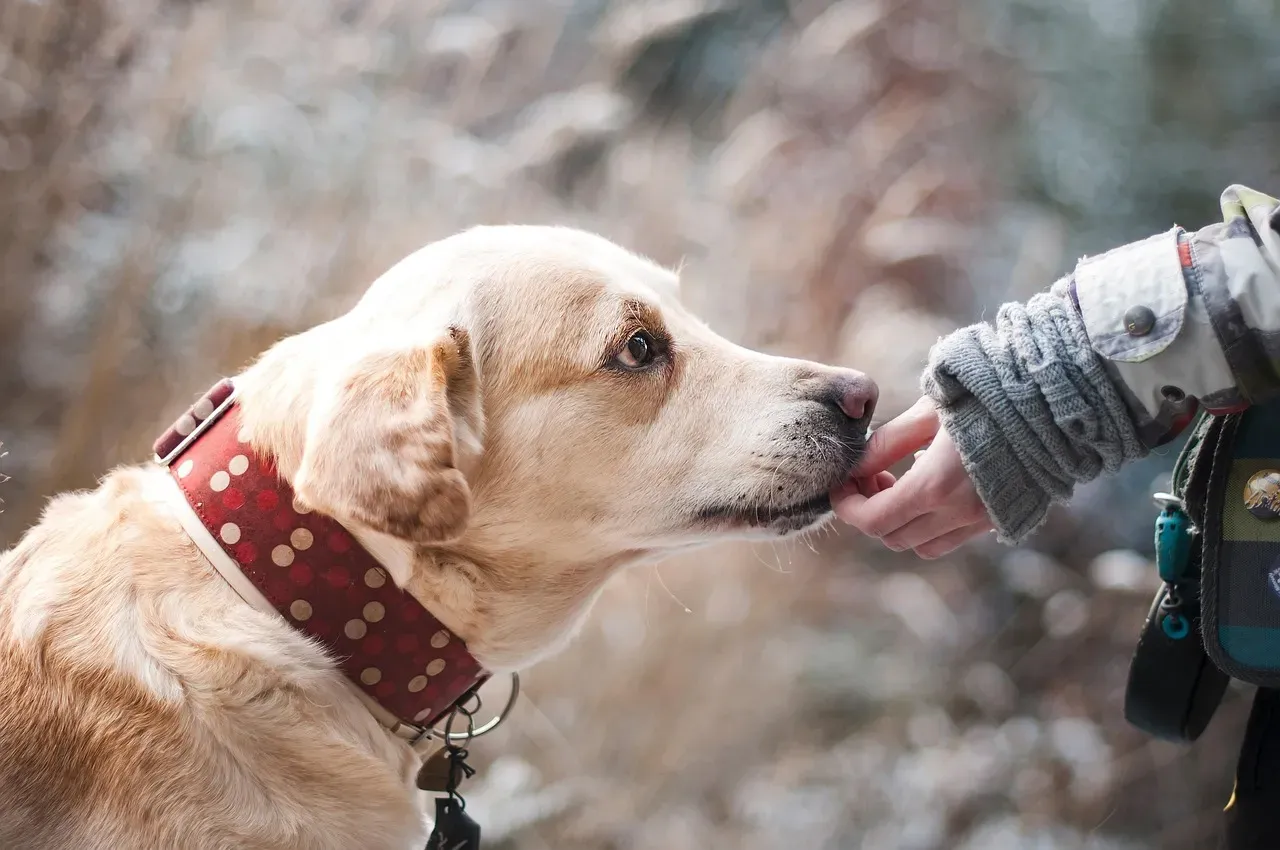
Choosing a dog from this list isn’t a mistake – it’s simply an informed commitment. These breeds give back an extraordinary level of loyalty, affection, and presence. The trade-off is that they ask for much the same in return.
If your lifestyle involves long hours away from home, frequent travel, or unpredictable schedules, a breed with lower dependency needs may be a better fit for both of you. Without enough quality bonding time, a Velcro dog can get anxious and develop destructive behaviors like chewing or digging. Separation anxiety is far more common in these breeds and can take a lot of patience to work through.
The right dog for your life isn’t the most impressive breed or the most popular one – it’s the one whose needs honestly match the hours and attention you’re genuinely able to give. That match, more than anything else, determines whether a dog thrives or merely survives in your home.
