
Picking your first dog is one of those decisions that feels simple from the outside. You browse photos online, fall in love with a face, and start imagining walks in the park. What rarely gets discussed is what happens after the puppy comes home, when the reality of a breed’s temperament, health needs, or raw physical power starts to set in.
Veterinarians prioritize the long-term health and well-being of animals, and when they express reservations about certain breeds, it’s usually based on extensive clinical experience and scientific data. That expertise rarely gets shared openly in the exam room, though. These are the 15 breeds that vets quietly steer nervous newcomers away from, and the honest reasons why.
1. French Bulldog

The French Bulldog’s round head and bat-like ears make it one of the most photographed dogs on the planet, and that popularity comes at a steep cost. Brachycephalic breeds like French Bulldogs often suffer from Brachycephalic Obstructive Airway Syndrome, which can cause breathing difficulties, heat intolerance, and even sleep apnea, while their facial structure also makes them prone to eye problems and dental issues.
French Bulldogs come with non-stop health issues, from breathing problems to skin infections to spinal issues. On average, a pet owner is looking at paying around $16,295 over the course of a French Bulldog’s lifetime, factoring in adoption costs, vet bills, and additional medical care. For a first-time owner with no frame of reference for chronic illness management, that financial and emotional weight can be overwhelming.
2. Cavalier King Charles Spaniel
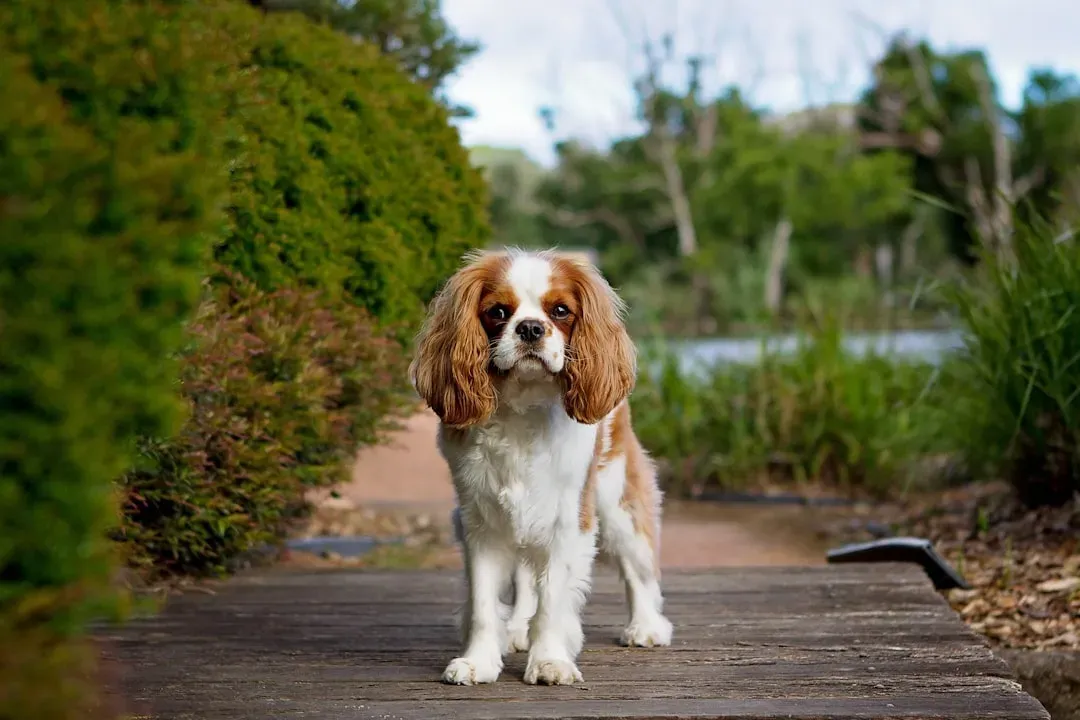
Few breeds look as gentle and inviting as the Cavalier. Silky ears, expressive eyes, a permanently sweet expression. The hard truth is that behind that face lies a serious genetic health burden that vet clinics see time and again. Heart mitral valve disease is a terminal illness which may afflict over half of all Cavalier King Charles Spaniels by the age of five years and nearly all Cavaliers by age ten, and it is the breed’s leading cause of death.
MVD has been found to be 20 times more prevalent in Cavalier King Charles Spaniels than in the average dog breed. Syringomyelia and Chiari-Like Malformation are also common in this breed, affecting more than 50% and 95% of Cavaliers respectively. Caring for a dog with progressive heart disease and neurological pain requires emotional resilience and financial commitment that first-time owners rarely anticipate.
3. German Shepherd
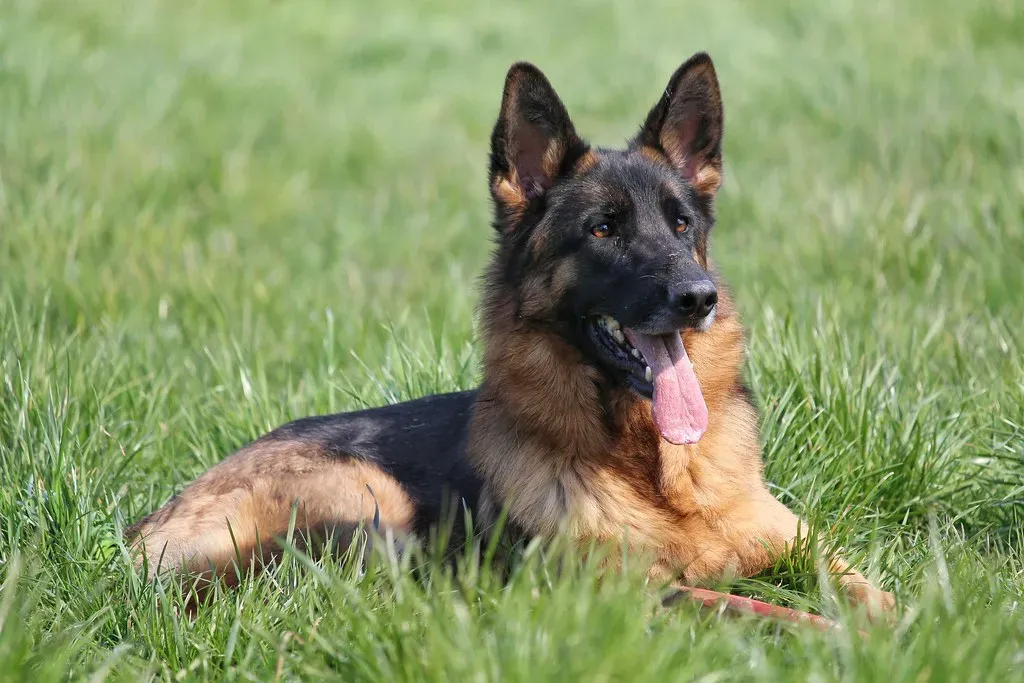
German Shepherds are iconic, intelligent, and deeply loyal. They are also one of the breeds that vets consistently flag for inexperienced owners, and for good reason. In the unfamiliar surroundings of a veterinary practice, German Shepherds can become aggressive and reactive, and many vets have come across too many with the paralyzing spinal condition degenerative myelopathy.
The most common behavioral trait in German Shepherds is aggression, usually caused by insufficient socialization at an early age, and they have a lot of energy, needing more exercise than most owners have time for. They are also predisposed to several conditions including hip and elbow dysplasia. The combination of intense physical demands and genetic health risks makes this breed a genuine challenge for someone learning on the job.
4. Belgian Malinois
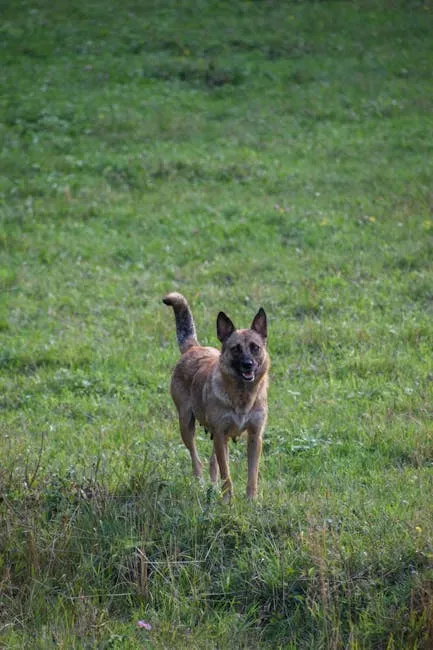
If you’ve watched a police K-9 unit at work, you’ve likely seen a Belgian Malinois. These dogs are purpose-built for extreme performance, and that’s precisely the problem when they end up in a suburban living room. Belgian Malinois are incredible working dogs, crazy intelligent and driven, but unless you’re training them constantly and giving them proper structure, they become destructive and reactive fast, and they’re not family pets for most people.
The Belgian Malinois requires constant mental and physical stimulation, which means if left to their own devices they will become restless and destructive, and experienced, active owners are required for this breed to truly shine. Their high energy levels and need for constant mental and physical stimulation can be overwhelming for the average dog owner, and without proper outlets for their energy they can become destructive and difficult to manage.
5. Chow Chow
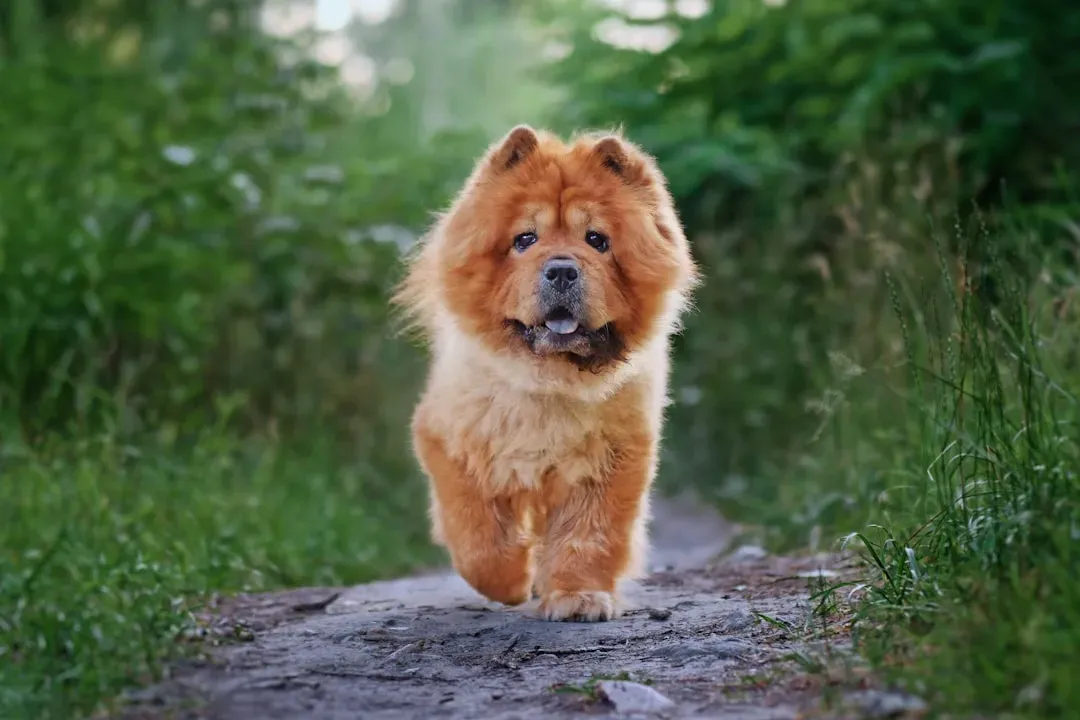
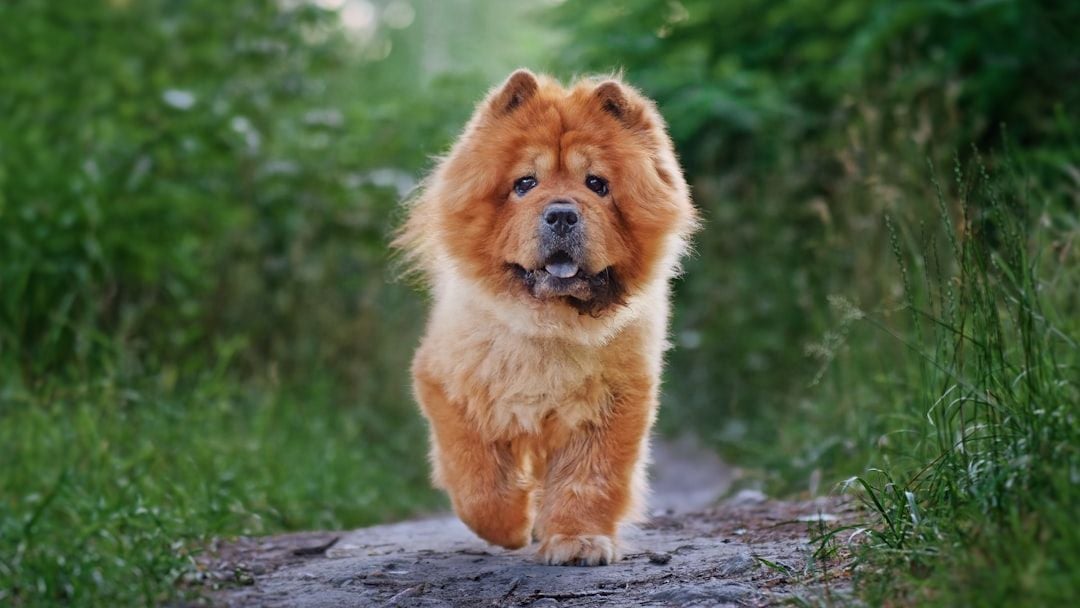
The Chow Chow looks like a living stuffed animal, complete with a thick fluffy coat and a distinctive blue tongue. Looks, in this case, are especially deceiving. Chow Chows are not just distinctive in appearance but also in personality, tending to be aloof and very independent, and they are not naturally inclined to obedience but rather independent thinkers who value autonomy.
Health is a major consideration, as they are prone to joint issues, thyroid problems, and eye disorders, with a shorter than average lifespan and preventive veterinary care that is essential, while grooming is also demanding due to their dense double coat. The major downside of owning a Chow Chow is that it can be dangerous and difficult to manage in new hands. This is not a breed that forgives inexperience easily.
6. Siberian Husky
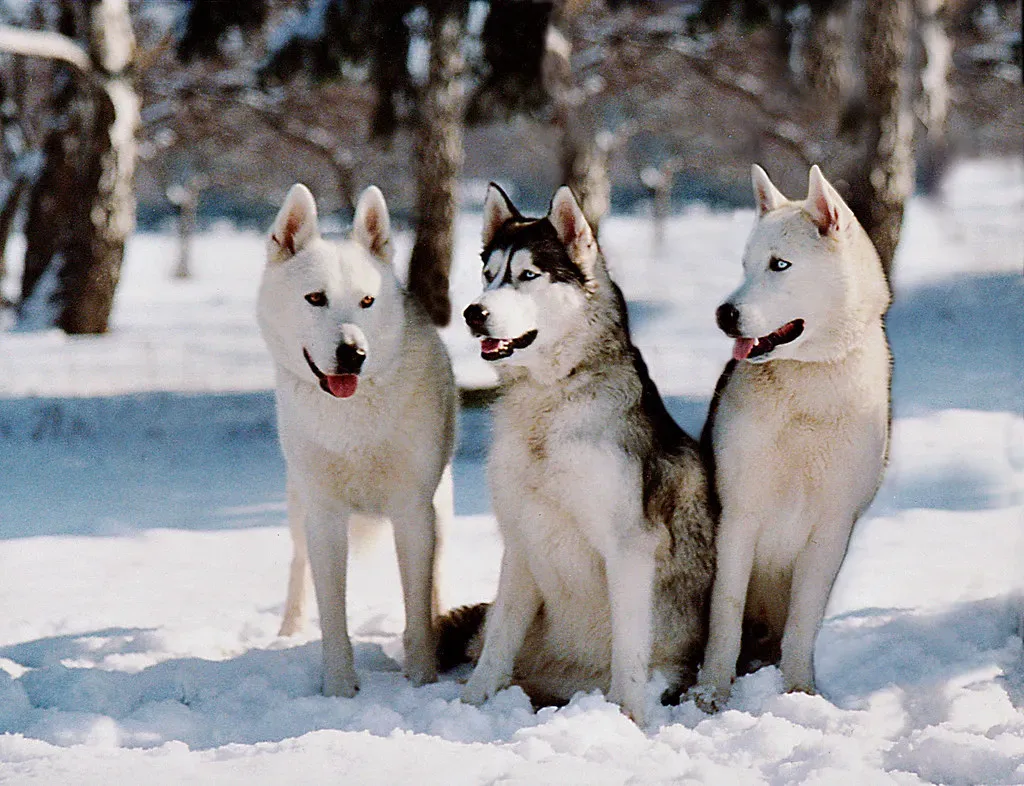
Social media has made the Siberian Husky one of the most desired dogs in the world, largely because of its wolf-like appearance and expressive face. What those videos rarely capture is the three-hour daily exercise requirement and the howling at 2 a.m. Siberian Huskies are among the highest energy dogs, developed to be sled dogs capable of traversing long distances, and they need heaps of exercise and mental stimulation, otherwise they’ll find unsavory ways of exhausting their energy.
These dogs are notorious escape artists, requiring plenty of dedicated training and a secure environment to keep their escapades in check. They are extremely vocal dogs who love the sound of their own voice and aren’t afraid to express themselves through whines, chirps, or howls, and training a Husky to keep their voice down can prove especially challenging for first-time dog owners.
7. Dalmatian
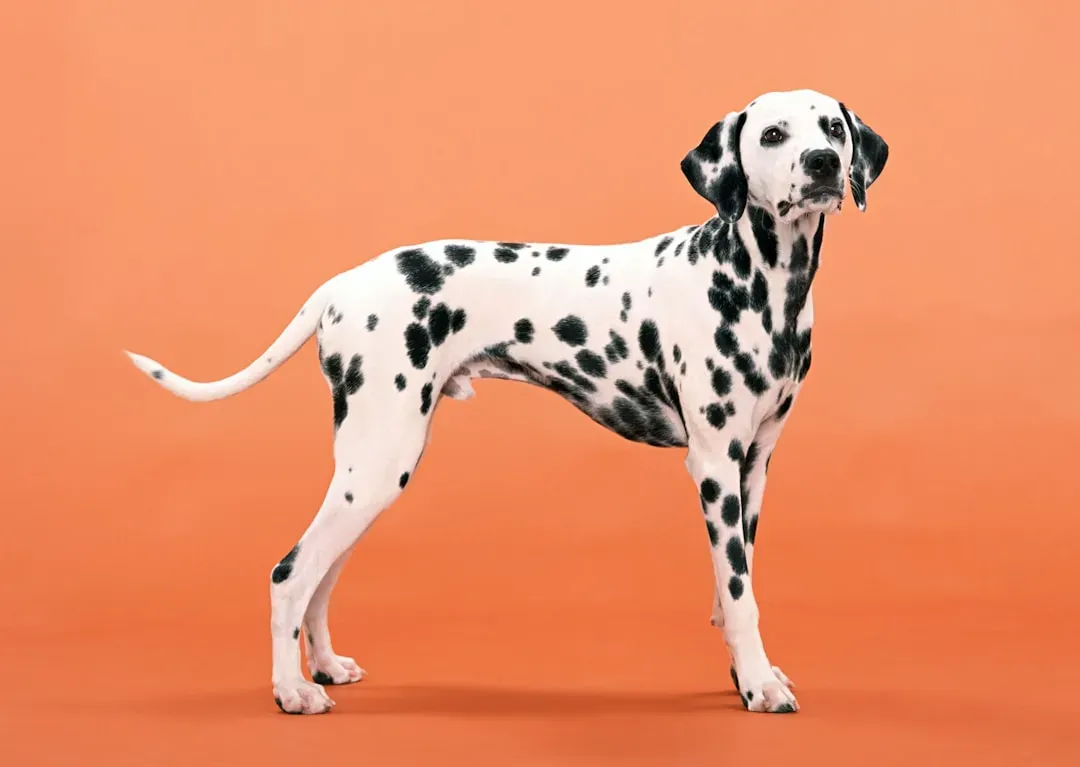
The Dalmatian’s film-star reputation gives it an almost mythological appeal. The reality of daily life with one is considerably more demanding than any Disney film suggests. Bred as carriage dogs literally designed to run long distances, Dalmatians bond well with active families but may overwhelm households unprepared for their boundless energy, and without sufficient exercise they can become hyperactive and difficult to manage.
Dalmatians shed year-round with tiny needles of hair that cling to everything, and some have uric acid issues requiring careful diets and frequent bathroom breaks. They can be reserved with strangers and protective of their families, requiring early socialization, and training can be a challenge due to their independent streak, requiring patience and consistency. This is a breed that genuinely needs a lifestyle, not just a home.
8. Rottweiler
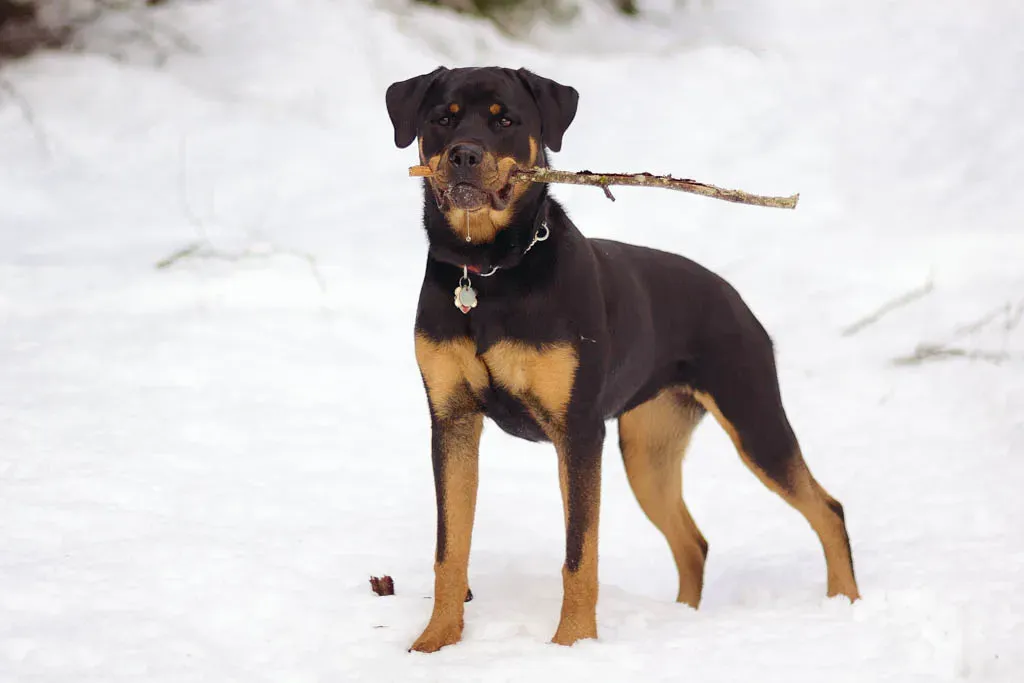
Rottweilers are devoted, powerful dogs with a working history that goes back centuries. That same working heritage, though, means they come with very specific demands around training, authority, and social structure. The wrong Rottweiler with the wrong owner can truly be a challenging situation, as a Rottweiler wants someone to be in charge, and if that role isn’t filled, they will assume it themselves, with considerable strength and protectiveness to back it up.
If you’re not experienced in managing a dominant dog, you may find yourself struggling to assert authority, and because of their size, an out-of-control Rottweiler can pose a serious danger even without meaning to cause trouble. Rottweilers are prone to joint problems like hip dysplasia which often requires surgery, and then there’s the cost of obedience training and socialization classes, both essential for this breed but expensive.
9. Akita
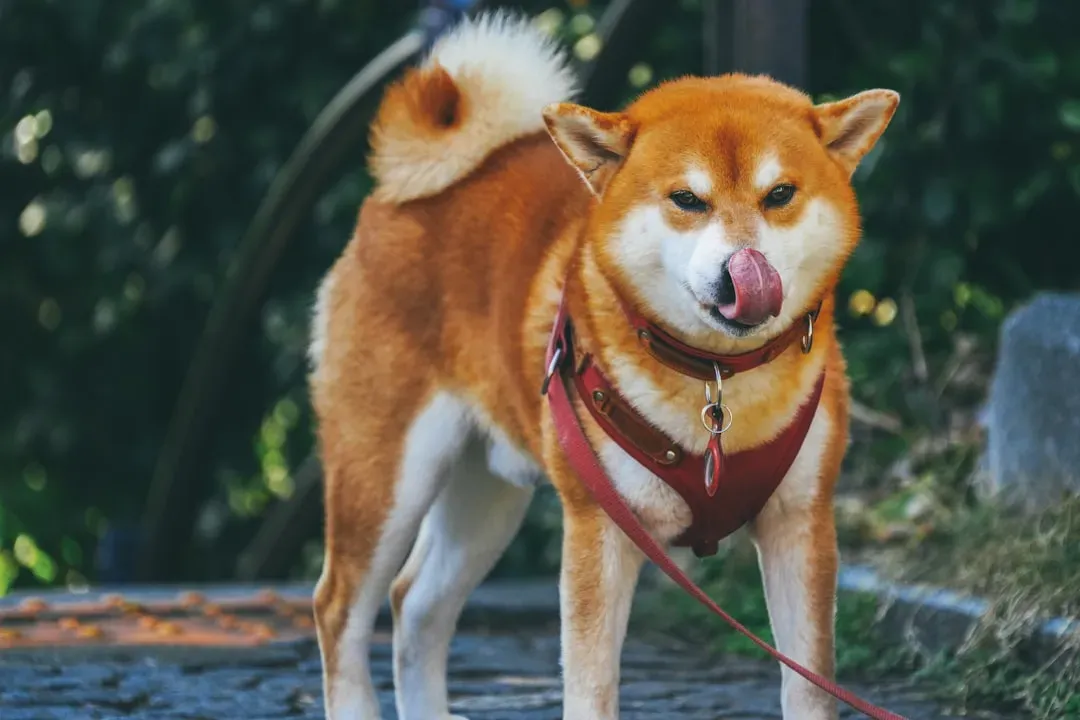
The Akita commands respect the moment it walks into a room. Originating in Japan, this breed was used to hunt large game and guard royalty, and those instincts haven’t faded. Akitas were bred to hunt big game, have a strong prey drive, and can be aggressive if not adequately socialized and trained, are highly protective by nature and often wary of strangers, and it takes an experienced pet parent to keep them grounded.
Akitas are big, strong, intensely protective, and one of the hardest breeds to train, suitable for experienced owners only because their large size and resistance to training can create potentially dangerous situations. While affectionate with loved ones, their protective instincts can be overwhelming for first-time owners, who would need to be confident handlers able to balance firm training with affection and respect.
10. Border Collie

Widely considered the most intelligent dog breed in the world, the Border Collie sounds like the perfect companion until you understand what that intelligence actually demands. Border Collies are extremely intelligent and bursting with energy, qualities that make them exceptional workers but also lead to plenty of mischief when there is no job to be done, and they are best suited to country life rather than urban apartment dwelling.
Natural herders, Border Collies are prone to nipping at peoples’ heels, and while loyal and affectionate with their owners, they tend to be standoffish or snappy with strangers. They need daily vigorous exercise and mental stimulation through activities like agility, herding, or Frisbee, and first-time owners may not realize or be able to meet these demands. Boredom in a Border Collie doesn’t look like sleeping. It looks like systematic destruction.
11. Dachshund

It’s genuinely hard not to love a Dachshund. Their playful spirit and affectionate nature make them appealing to almost everyone, but their distinctive long-backed body carries a serious structural vulnerability. Dachshunds have huge personalities and are lovable, but their long spine makes them prone to slipped discs and paralysis, with too many ending up in pain or needing expensive surgery after something as simple as jumping off a couch.
The main reason Dachshunds are so prone to back problems is a cartilage defect called chondrodystrophy, which gives them their short-legged body shape, but also means that the cartilage in the discs in their spine commonly becomes diseased over time, making them more likely to herniate. This includes reducing how much your Dachshund is jumping, in addition to avoiding them becoming overweight, which exacerbates disc issues. Managing these risks requires consistent vigilance that first-time owners may not be prepared for.
12. Shar Pei

The Shar Pei’s wrinkled face and stocky build give it an almost ancient, philosophical appearance. Spending five minutes trying to get one to follow a basic command brings that illusion crashing down. Shar Pei dogs are extremely stubborn, making them hard to train, which is why many behavior experts agree it is not a good breed for first-time pet owners, and they can also become aggressive if not socialized properly.
Aggression is just one concern, as Shar Peis can have a range of health issues, with a study in the United Kingdom finding that the most common disorder diagnosed is Entropion, or in-turned eyelids, an extremely painful condition, with nearly one-fifth of all Shar Pei dogs receiving veterinary care for this condition. The combination of behavioral stubbornness and recurring health problems makes this breed a particularly heavy lift for an inexperienced owner.
13. Alaskan Malamute
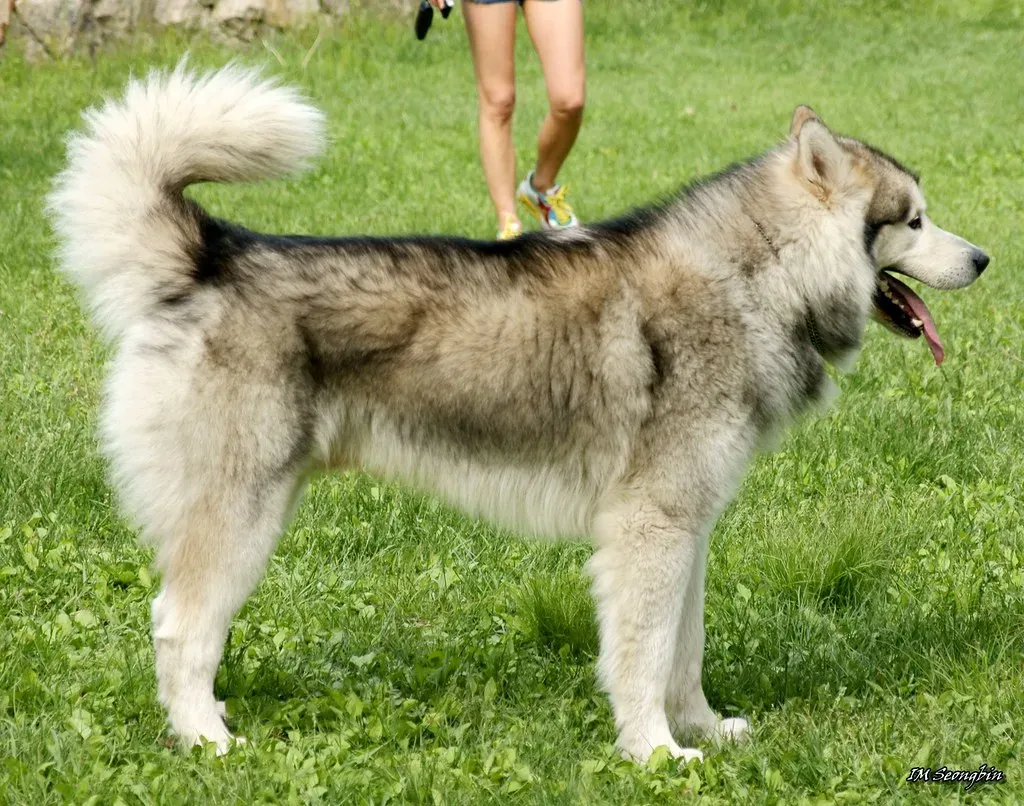
Often mistaken for a large Husky, the Alaskan Malamute is a different animal in almost every meaningful way, starting with its sheer size and power. The Alaskan Malamute is one of the oldest Arctic sled dogs, originally bred to haul heavy freight across snow and ice, and unlike Siberian Huskies bred for speed, Malamutes were built for power and endurance, weighing up to 85 pounds with some males exceeding 100 pounds.
The Alaskan Malamute is also one of the hardest breeds to train, and although very smart, they are also independent, willful, stubborn, and have no interest in listening to anyone they don’t respect. This breed is made to travel far on its own four feet and needs a family committed to a lot of exercise, while its thick fur coat also leaves it vulnerable to heat injury. That combination is a difficult reality for a first-time owner to navigate.
14. Pug

Pugs have been beloved companions for centuries, and their clown-like personality still charms almost everyone they meet. The health picture, however, is one that vets find genuinely concerning. Pugs have a significant number of health problems, and being brachycephalic, they often suffer from breathing problems that can be physically uncomfortable, distressing, and potentially life-threatening, while also suffering from skin, eye, and ear problems associated with short snouts.
As cute as the corkscrew tail is, dogs with tightly curled tails run the risk of developing back problems thanks to this extreme physical trait. A study published by The Royal Veterinary College highlighted the litany of health risks facing Pugs, and while the breed was less likely to suffer from heart murmurs and aggression, scientists felt that the risks far outweighed the gains and that prospective dog owners should be wary.
15. Australian Cattle Dog
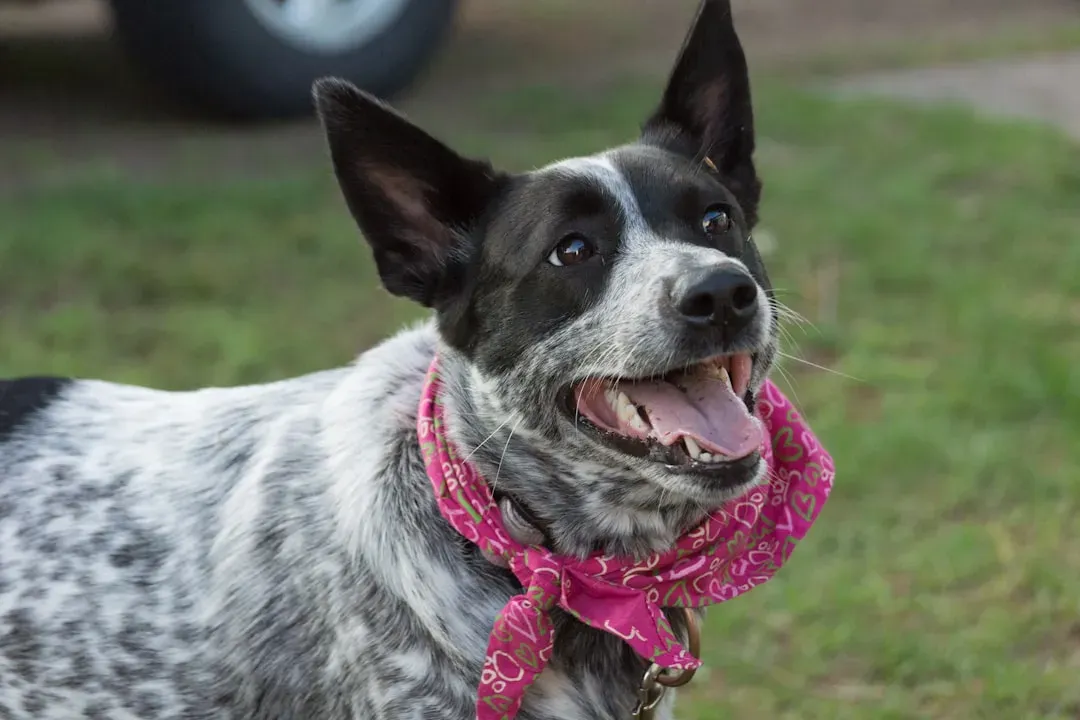
The Australian Cattle Dog, sometimes called the Blue Heeler, is one of the most capable working dogs ever bred. That capability, in a household without a working purpose or enough stimulation, tends to express itself as chaos. Sometimes known as the Blue Heeler, the Australian Cattle Dog is a medium-sized dog with serious endurance, with a reputation for being stubborn and having energy to spare, not to mention a truly adventurous spirit that will leave owners wondering how it will injure itself next.
Working breeds like the Australian Cattle Dog require high levels of mental and physical stimulation, are typically intelligent and energetic, and without proper exercise and mental stimulation they can become bored, develop behavioral issues, or exhibit destructive behaviors. Their herding instinct can also lead to nipping at children or other pets, a behavior rooted in genetics rather than malice, but one that catches first-time owners completely off guard.
A Final Word Before You Choose

None of the breeds on this list are bad dogs. That point is worth repeating plainly. These recommendations aren’t about judging a breed but about informing potential owners about potential challenges. Every dog on this list has found the right home with the right person and thrived. The difficulty is that the right person usually isn’t a first-time owner working with no experience and no clear expectations.
Understanding a breed’s potential challenges allows you to prepare for them, whether through choosing a responsible breeder, committing to specific training, or budgeting for potential health costs. The smartest thing a new dog owner can do is spend an hour talking to a vet before falling in love with a breed online. That conversation might save a dog from being surrendered, and save an owner from years of heartache they never saw coming.

- Why You Should Never Feed Bears in Campgrounds - July 23, 2026
- 14 Signs Vets Say Mean Your Older Cat Still Has a Lot of Life Ahead - July 23, 2026
- 15 Tender Things an Old Dog Does in the Season Before It Lets Go - July 23, 2026