

Most people believe that animal shelters are filled with aggressive leftovers or “mutts” of mysterious origins, but the modern reality is far more sobering. Recent data from national rescue groups reveals that the majority of dogs currently filling kennel space are actually popular, high-value breeds that families paid thousands of dollars for just months prior. These are not “broken” animals; they are the victims of viral social media trends and a massive misunderstanding of what certain breeds actually require to thrive in a suburban home. Here’s what the shelter insiders actually say.
#17 — The French Bulldog

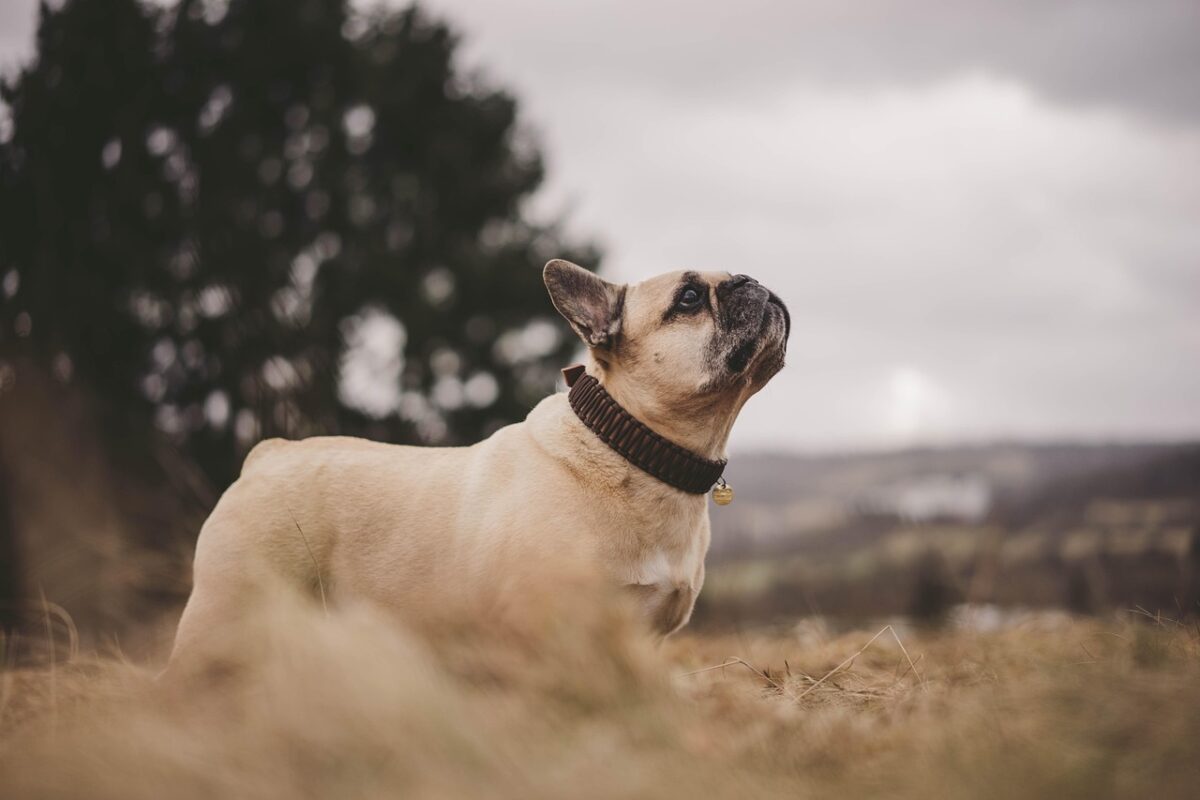
The French Bulldog has skyrocketed to become the most popular breed in America, but that popularity has come at a massive cost to local shelters. While they look like low-maintenance “apartment dogs,” many owners are shocked to realize that these dogs are one of the most medically expensive breeds in existence.
Shelters are seeing an influx of Frenchies because owners cannot afford the thousands of dollars required for airway surgeries or spinal treatments. Furthermore, their stubborn personality makes them surprisingly difficult to housebreak, leading many frustrated owners to surrender them before they reach their second birthday. Surrender rates for brachycephalic breeds have increased by over 40% in some urban corridors.
It is a heartbreaking cycle where “fad” colors like “blue” or “merle” are bred for profit, only for the dog to end up in a concrete kennel when the vet bills start piling up. But as difficult as Frenchies can be, they aren’t nearly as physically demanding as the breed at #16.
#16 — The Siberian Husky

Huskies are arguably the most beautiful dogs in the world, often purchased by fans of “wolf-like” aesthetics or popular fantasy TV shows. However, they are also the number one breed surrendered for “escape artist” behavior, as they can scale six-foot fences with ease.
Most owners don’t realize that a Husky is essentially a marathon runner in a fur coat; they require miles of vigorous exercise every single day. When they don’t get it, they become extremely destructive, often chewing through drywall or expensive furniture in a matter of hours. Shelters are currently packed with “teenage” Huskies aged 1 to 3 years old.
The “vocal” nature of the breed—once considered cute in viral videos—often leads to noise complaints from neighbors, forcing owners to choose between their housing and their dog. But while Huskies howl for attention, the breed at #15 is filling shelters for a much more intense reason.
#15 — The Belgian Malinois

Thanks to Hollywood movies featuring heroic military dogs, the Belgian Malinois has seen a massive spike in residential ownership. This is a catastrophic mistake for the average family, as experts frequently refer to them as “Maligators” due to their intense drive to bite and grip during play.
These aren’t just high-energy dogs; they are high-work dogs that possess a “throttle” most humans aren’t prepared to handle. Shelters report that these dogs are often surrendered because they began “herding” and nipping at children or guests, a behavior that is hardwired into their DNA.
Without a professional-level job to do, a Malinois will find its own work, which usually involves dismantling your home. They are one of the hardest breeds for shelters to rehome because they require highly experienced handlers. If you think the Malinois is intense, wait until you see the data on the #14 “designer” breed.
#14 — The Goldendoodle

The myth of the “perfect, hypoallergenic, easy-to-train” family dog has led to the Goldendoodle becoming a staple in rescue facilities. Despite being sold as low-maintenance, many of these dogs are genetically prone to extreme separation anxiety, leading to severe behavioral issues when left alone.
Furthermore, many owners are misled about their coats; they actually require professional grooming every 4–6 weeks, which can cost upwards of $150 per session. When owners skip this, the dogs become painfully matted down to the skin, often resulting in a “neglect surrender” at local shelters.
Because they are a crossbreed, their temperaments are unpredictable, and many exhibit a “nervous energy” that doesn’t mesh with busy households. They are being dropped off at shelters in record numbers as the “Doodle craze” hits a reality check. But that’s nothing compared to the tragedy unfolding with breed #13.
#13 — The German Shepherd

The German Shepherd remains a top-tier choice for protection, but they are currently the second most common breed found in municipal shelters. The primary reason? A massive lack of socialization during the crucial first six months of life.
When these dogs reach 80 pounds and start showing protective instincts toward the mailman or strangers, owners become intimidated by their own pets. “Leash reactivity” is the most cited reason for Shepherd surrenders, as owners find they can no longer control the dog during walks.
Additionally, backyard breeding has led to a surge in hip dysplasia and degenerative myelopathy. Many Shepherds are dumped in shelters the moment they start showing signs of mobility issues, leaving the facility to foot the bill for expensive end-of-life care. But as large as they are, they don’t compare to the space requirements of #12.
#12 — The Great Dane
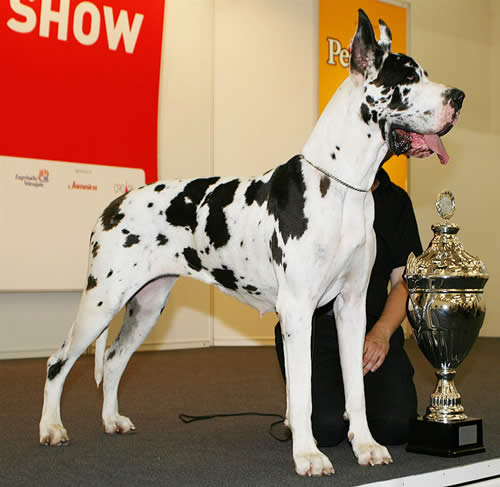
It’s a common misconception that Great Danes are “apartment-friendly” because they are lazy. While they are “couch potatoes,” the sheer cost of feeding and medicating a 150-pound dog is what drives them into shelter systems.
As the economy fluctuates, many owners find they can no longer afford the $200-a-month grocery bill required to keep a Dane healthy. Shelters are struggling to house these “Gentle Giants” because they do not fit in standard-sized kennel runs, often requiring them to be kept in isolation or expensive “real-life” rooms.
Their lifespan is unfortunately short, and many are surrendered when they hit “senior” status at just six years old. Seeing a Great Dane in a shelter environment is particularly heartbreaking due to their sensitive natures. However, the breed at #11 is arguably misidentified even more often.
#11 — The American Pit Bull Terrier

While “Pit Bull” is often used as a catch-all term, the specific American Pit Bull Terrier dominates shelter populations, often making up over 50% of the total available dogs in many regions. The “Pit Bull crisis” in shelters is fueled largely by breed-specific legislation (BSL) and housing restrictions.
Many owners love their dogs but are forced to surrender them when homeowners’ insurance companies or landlords refuse to allow the breed on the property. This is a “man-made” shelter crisis rather than a fault of the dogs themselves.
Tragically, because of the sheer volume of these dogs and the stigma surrounding them, they have the highest euthanasia rates in the country. Advocates work tirelessly, but the influx never seems to slow down. But while Pit Bulls face stigma, the breed at #10 is filling shelters because of its “cute” reputation.
#10 — The Beagle

Beagles are iconic family pets, but they are increasingly appearing in shelters due to their high-decibel “baying” and their uncontrollable noses. As a scent hound, once a Beagle catches a trail, they become “deaf” to all commands, often leading to them being lost or picked up as strays.
Owners in suburban developments are often unprepared for the non-stop howling that occurs when the dog is left alone, leading to immediate tension with neighbors. Shelters also report a high number of Beagles being surrendered by hunters who find the dog is “gun shy” or lacks a strong enough drive to hunt.
They are incredibly food-motivated, which often leads to obesity and associated health problems that owners don’t want to manage. They are sweet, but their vocal cords are a dealbreaker for many. If you think Beagles are loud, wait until you hear about the “working” dog at #9.
#9 — The Australian Shepherd

The Australian Shepherd is a victim of its own striking eye colors and beautiful coats. They are “Velcro dogs” that want to be with their owners 24/7, but they also have the energy levels of a professional athlete.
A major reason they end up in shelters is “nipping.” Because they are bred to herd stubborn livestock, they will frequently nip at the heels of running children or “herd” guests into corners. Families often mistake this instinctual behavior for aggression and surrender the dog out of fear.
Shelters are currently seeing a “post-pandemic” surge of Aussies that were bought when people had time to hike, but are now developing neurotic behaviors from being crated 8 hours a day. They are brilliant dogs, but that intelligence makes them dangerous when bored. This is similar to the issue with #8.
#8 — The Border Collie

The Border Collie is widely considered the smartest dog breed in the world, and that is exactly why they are currently overwhelming shelters. A dog that is smarter than its owner is a recipe for disaster in a standard home environment.
Without complex mental tasks, Border Collies will develop “OCD” behaviors, such as staring at shadows, chasing reflections, or circling the dining room table for hours. Owners who wanted a “smart dog” quickly realize they aren’t prepared to play “brain games” for three hours every evening.
They are often surrendered for being “too high strung,” which is simply a byproduct of a working dog being denied work. Shelters find these dogs difficult to place because they require “jobs” that the average pet owner cannot provide. But the breed at #7 is being surrendered for a much more “glamorous” reason.
#7 — The Dalmatian

Dalmatians experience “waves” of shelter surrenders that usually coincide with the re-release of certain Disney movies. People fall in love with the spots but have no idea that Dalmatians were originally bred to run alongside horse-drawn carriages for 20+ miles a day.
They are notoriously “aloof” with strangers and can be quite protective, which catches many unprepared families off guard. Additionally, the breed has a unique urinary tract system that requires a specific diet to prevent painful bladder stones—a medical detail many “fad” buyers overlook.
When the dog reaches its powerful adult size and shows signs of independence, it often ends up in a kennel. They are stunning, but they are not the “cuddly” cartoon characters people expect. This is a common theme with the “lion-like” breed at #6.
#6 — The Chow Chow

The Chow Chow is one of the most ancient breeds, known for its blue tongue and lion-like mane. However, they are also one of the most frequently surrendered breeds due to “unpredictability” with strangers and other dogs.
Chows are incredibly loyal to one person but can be very wary—and even aggressive—toward anyone outside their “inner circle.” Many owners surrender them after a biting incident involving a visitor or a neighbor, usually because the dog wasn’t properly socialized during its first year.
Shelters have a very hard time rehoming Chows because they “shut down” in kennel environments, often appearing aggressive when they are actually just terrified. They are beautiful, but they require a level of “pack leadership” that most beginners lack. But even they aren’t as misunderstood as #5.
#5 — The Cane Corso
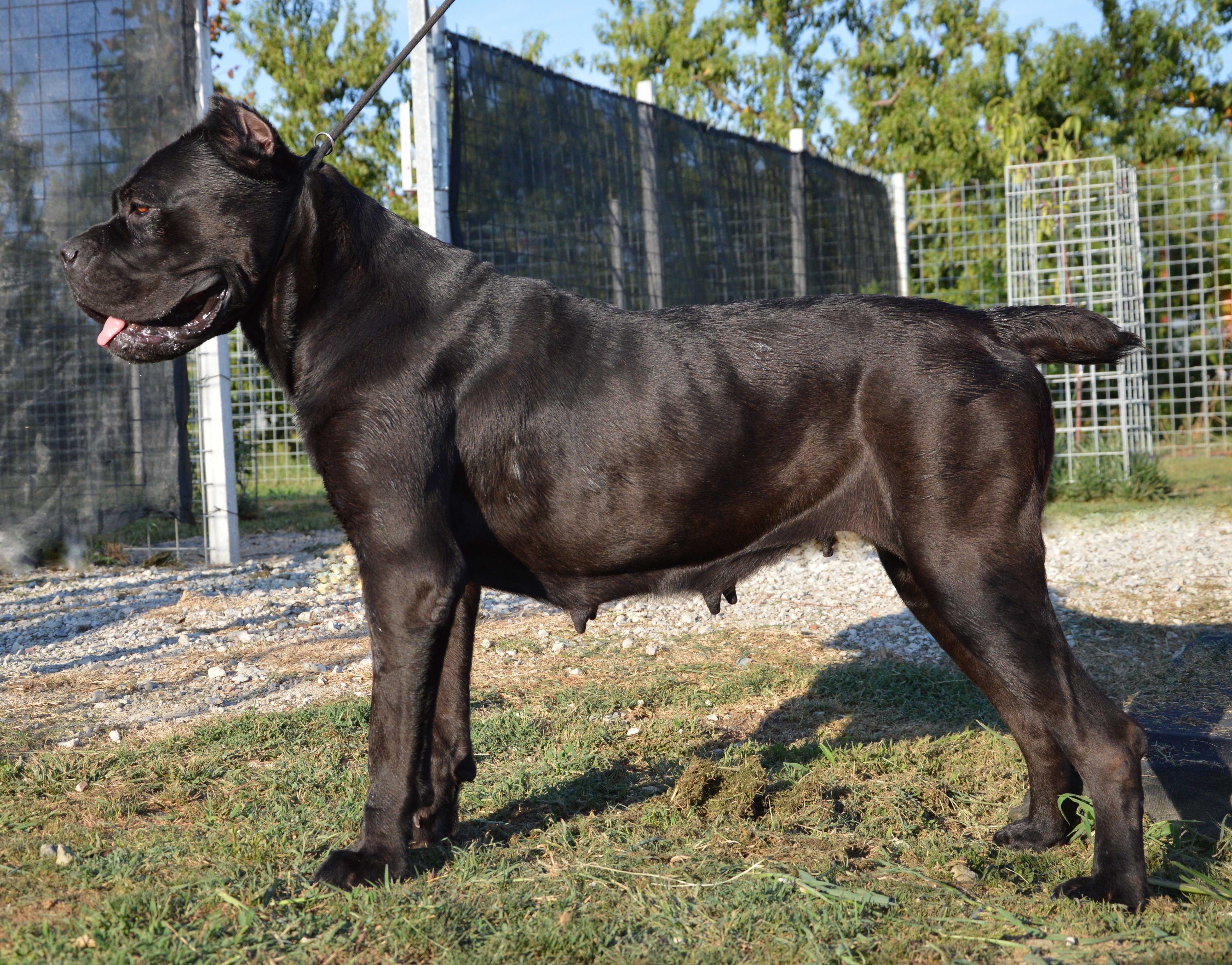
The Cane Corso is a massive Italian Mastiff that has become the new “status symbol” dog in many parts of the country. This has resulted in a terrifying increase in shelter intakes, as these 120-pound dogs are often too much for the average person to handle.
Because they are incredibly powerful and have a high protective instinct, a Cane Corso that has not been trained is a liability. Shelters are seeing young males being dumped at 10 months old as they begin to test boundaries and realize they are stronger than their owners.
The “scare factor” of their size makes them one of the most difficult breeds to adopt out, and many spend months in shelters because they require a “no kids, no pets, experienced owner” home. But while the Corso is scary to some, the breed at #4 is being dumped for being “too much work” in a different way.
#4 — The Jack Russell Terrier

Don’t let the small size fool you; the Jack Russell Terrier is essentially a large, high-drive dog trapped in a 15-pound body. They were bred to hunt foxes, and that prey drive remains so high that they will often kill small neighborhood pets if not managed.
They are frequently surrendered because they are “too vocal” and “too hyper.” Unlike a Yorkie or a Maltese, a Jack Russell will not sit on your lap all day; they want to dig holes in your yard and bark at anything that moves.
Shelters are currently full of JRTs that “didn’t get along with the cat,” a predictable outcome that many owners failed to research before buying. They are tenacious and bold, but those traits are exactly what land them in shelters. The next breed at #3 is perhaps the most surprising on the list.
#3 — The Akita

The Akita is a Japanese treasure, but in American shelters, they are often seen as one of the most difficult breeds to manage. Known for their “cat-like” cleanliness and silence, they are also notoriously dog-reactive and highly territorial.
Akitas do not “play” like Golden Retrievers, and owners are often shocked when their Akita gets into a serious fight at a dog park. This “aggression” toward other animals is a core breed trait, yet many owners buy them based on looks alone.
Once an Akita is in a shelter, they are extremely prone to “kennel stress,” which can make them appear more aggressive than they actually are. They are loyal to a fault, but they don’t give their love away easily. This leads us to the #2 most overwhelmed breed.
#2 — The Boxer

Boxers are the “clowns” of the canine world, but their high energy and “bouncy” nature lead to thousands of surrenders every year. Many families buy a Boxer for their children, only to realize the dog is continually knocking the children over in its excitement.
Boxers also suffer from a disproportionately high rate of cancers and heart issues, which can lead to expensive vet visits that owners aren’t prepared for. Furthermore, their “flat faces” mean they can’t handle heat well, making them poor choices for families who want an outdoor-only dog.
Shelters report that Boxers are often surrendered due to “lack of time,” which is usually code for “we didn’t realize this dog would act like a puppy for eight years.” They are lovable, but exhausting. Finally, the #1 breed filling shelters today might shock you.
#1 — The Labrador Retriever
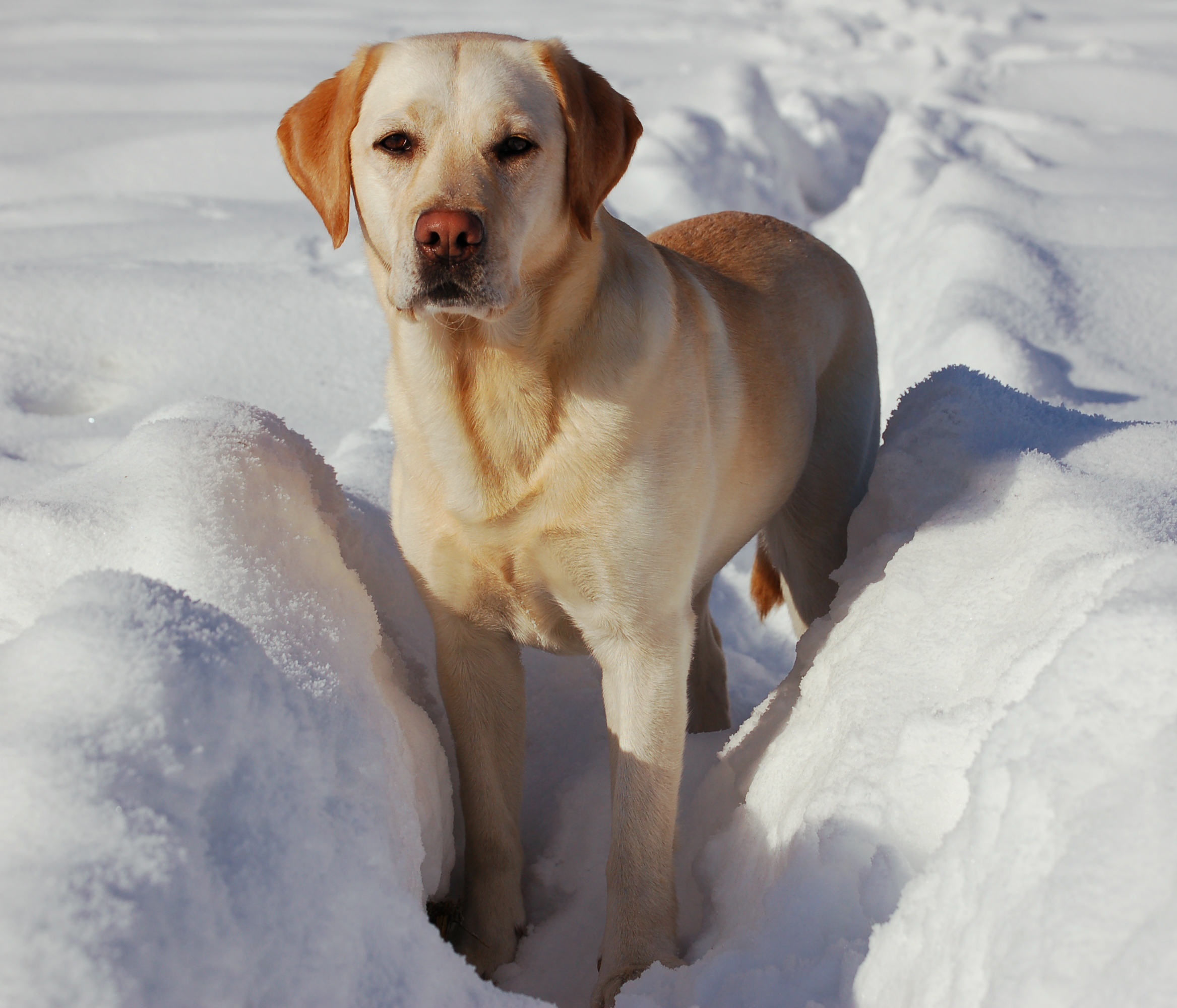
It seems impossible, but the “All-American” Labrador Retriever is currently the most common purebred dog found in shelters today. Because they are so popular, they are overbred by “backyard” breeders who prioritize profit over temperament and health.
While well-bred Labs are the gold standard for pets, the “shelter Labs” often suffer from extreme hyperactivity and “pica”—a condition where they eat non-food items like socks and rocks, leading to thousands of dollars in emergency surgeries. Owners who expected a “Marley & Me” experience find themselves with a 90-pound wrecking ball.
Since there are so many of them, people often view them as “disposable,” assuming they can just get another one. The reality is that Labs require significant training to become the “easy” dogs people see in movies. Without it, they are the #1 reason shelters are reaching capacity.
The Bottom Line
The shelter crisis in America isn’t just about “strays”; it’s about a fundamental disconnect between what people want and what these popular breeds actually need. From the expensive medical needs of French Bulldogs to the high-octane drive of the Belgian Malinois, these 17 breeds are being failed by owners who prioritize aesthetics over lifestyle compatibility. Before buying a “trending” breed, check your local shelter—you’ll likely find a purebred dog waiting for a second chance.
Has your favorite breed ended up on this list? Did we miss one that’s common in your local area? Drop it in the comments and let’s talk about how to stop the shelter overflow.
