

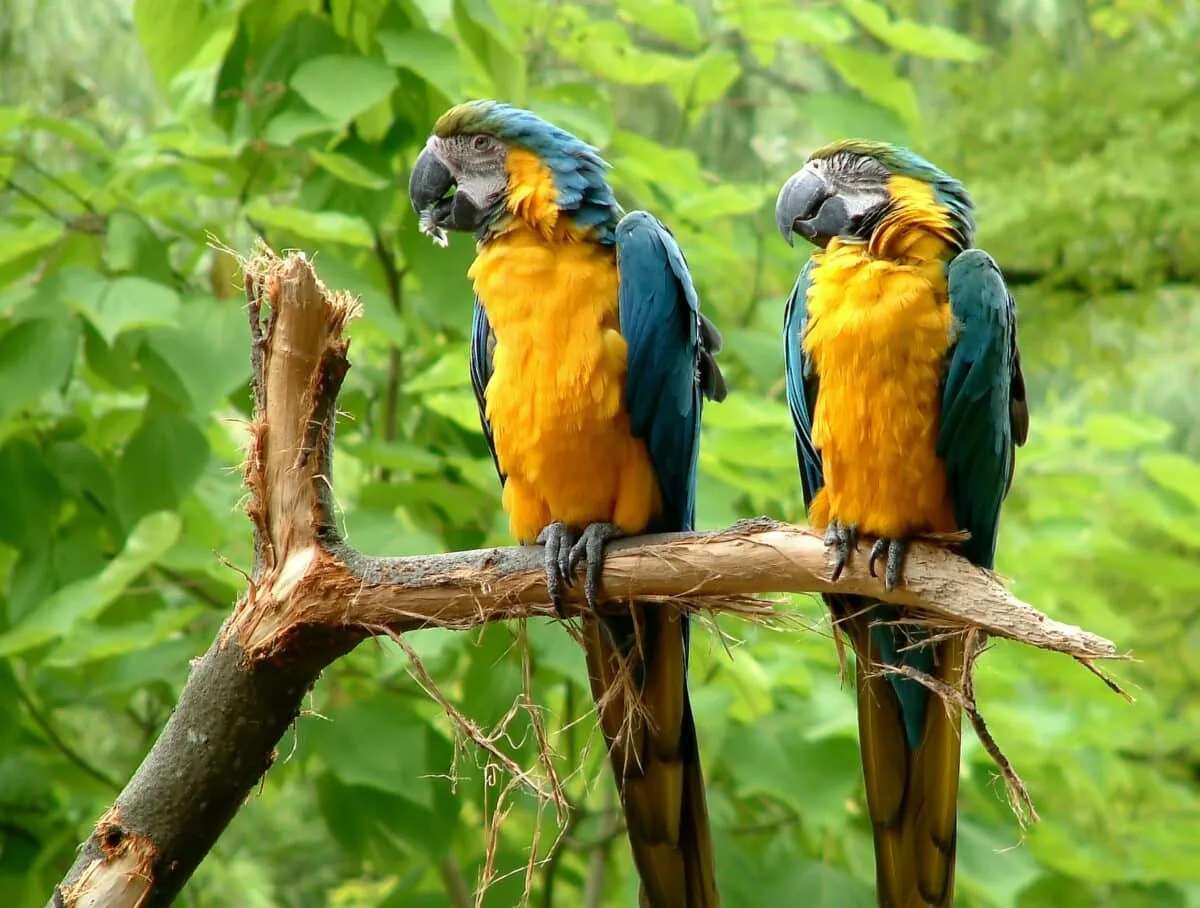
Parrots are among the most charismatic and intelligent companions in the avian world. With their vibrant plumage, remarkable vocal abilities, and distinct personalities, these feathered friends have captured human hearts for centuries. From tiny budgerigars to majestic macaws, the parrot family (Psittaciformes) offers a diverse range of potential pets that can bring joy, laughter, and even thoughtful conversation into your home. Whether you’re a seasoned parrot owner or simply fascinated by these colorful birds, these fifteen fascinating facts will deepen your appreciation for these extraordinary creatures and perhaps surprise you with information you never knew about our feathered companions.
Parrots Can Live Remarkably Long Lives
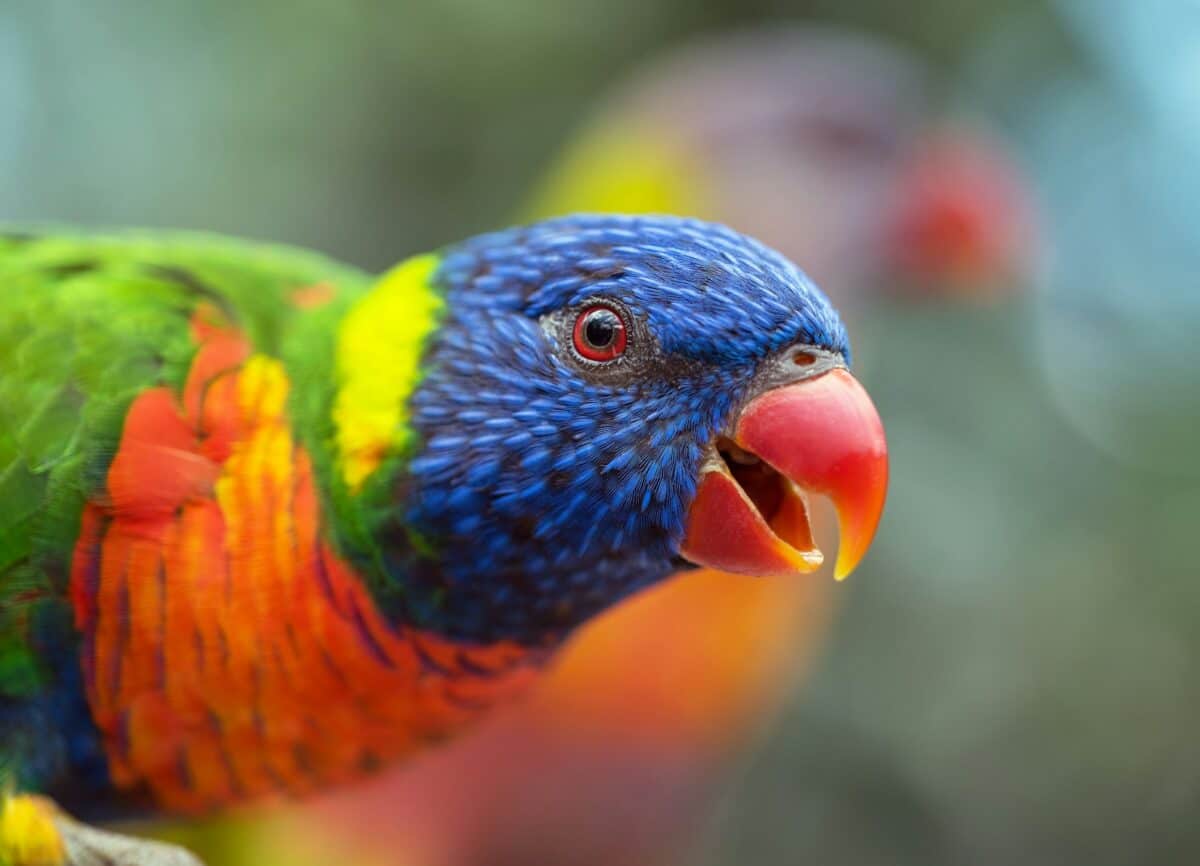
While many household pets have relatively short lifespans, parrots are known for their impressive longevity. Depending on the species, these birds can be lifelong companions in the truest sense. Small parrots like budgerigars (budgies) and cockatiels typically live 15-20 years with proper care. Medium-sized parrots such as conures and caiques can reach 25-30 years. Larger species like African greys and Amazon parrots commonly live 40-60 years, while macaws and cockatoos can live 60-80 years or even longer! The oldest documented parrot was a Major Mitchell’s cockatoo named Cookie who lived to 83 years at Brookfield Zoo in Chicago. This remarkable lifespan means that adopting a parrot is truly a long-term commitment that may extend across generations of human caretakers.
Parrots Have Remarkable Intelligence
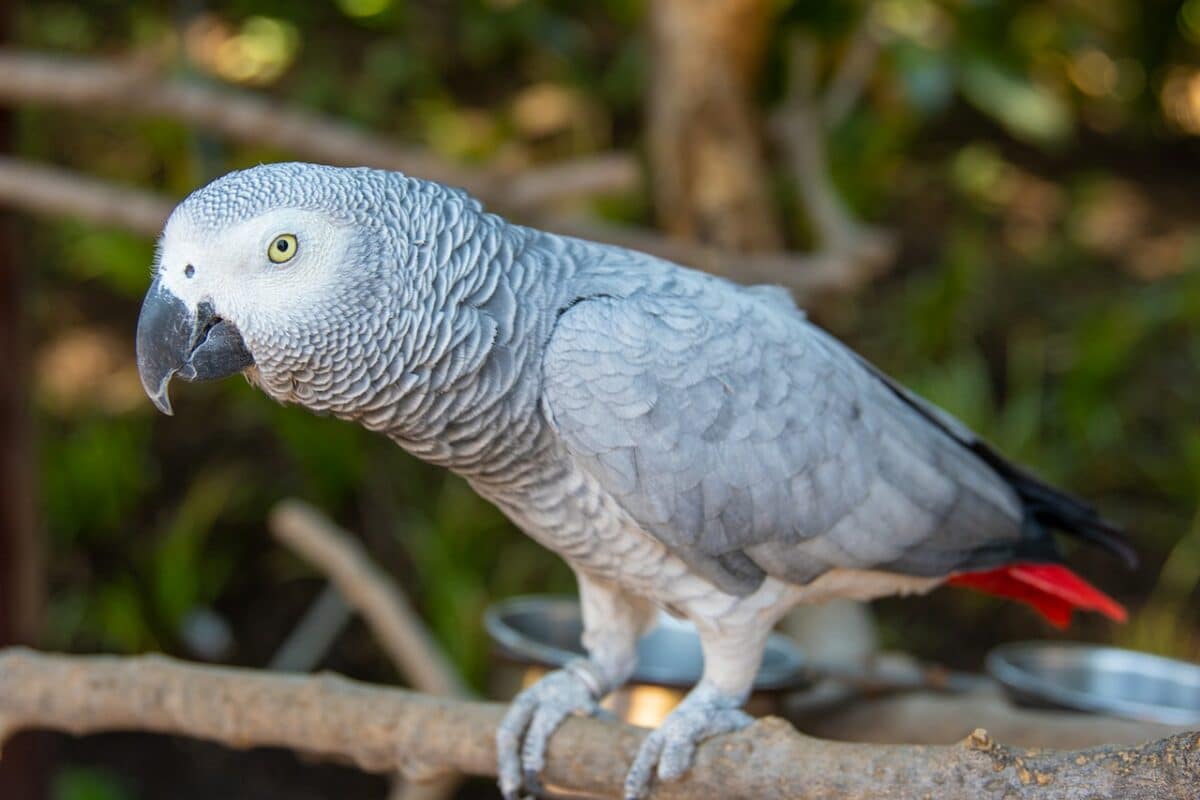
Parrots possess cognitive abilities that rival those of primates and dolphins, despite having brains the size of walnuts. African Grey parrots, in particular, have demonstrated the intelligence of a 5-6 year old human child in certain contexts. The famous African Grey named Alex, studied by Dr. Irene Pepperberg, learned over 100 words, could identify colors, shapes, and numbers, understand the concept of “same” and “different,” and even asked existential questions. Beyond vocabulary, parrots can solve complex problems, use tools, and recognize themselves in mirrors—a rare feat in the animal kingdom that demonstrates self-awareness. Their intelligence means they require regular mental stimulation through toys, puzzles, and social interaction to prevent boredom and associated behavioral problems.
Parrots Don’t Just Mimic—They Communicate

While parrots are famous for mimicking human speech, research has shown they don’t simply repeat sounds—they can actually understand and use language meaningfully. Wild parrots develop unique “dialects” within their flocks, and pet parrots often learn to associate specific words with objects, actions, or situations. For instance, many parrot owners report their birds saying “hello” when someone enters the room or requesting specific foods by name. Some particularly talented birds can even use words in context to express their needs, feelings, or observations. African Greys and Amazon parrots are especially noted for their sophisticated communication skills, sometimes constructing simple sentences or asking questions. This ability to communicate with humans creates a unique bond between parrots and their caretakers that few other pets can match.
Parrots Have Zygodactyl Feet
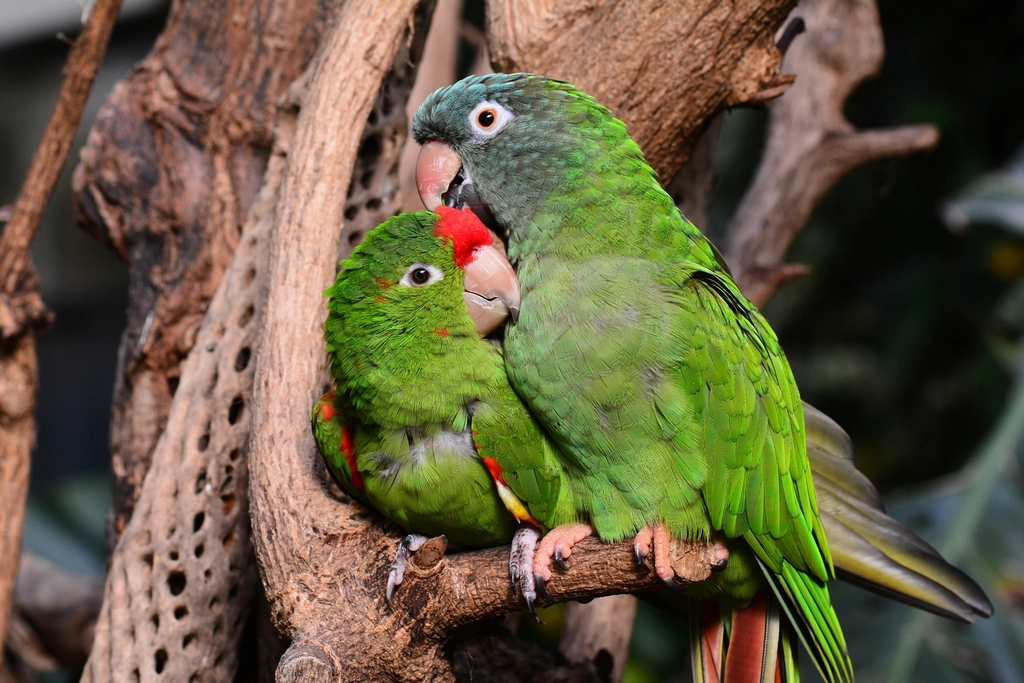
Unlike most birds that have three toes pointing forward and one backward, parrots have zygodactyl feet—meaning they have two toes pointing forward and two pointing backward. This specialized foot structure functions almost like a pair of hands, giving parrots exceptional dexterity for climbing, hanging, manipulating objects, and even holding food while they eat. Their strong feet allow them to perch securely while sleeping, hang upside-down during play, and climb vertical surfaces with ease. Combined with their powerful beaks, which they also use as a “third hand,” parrots are remarkably adept at exploring their environment and interacting with objects. This dexterity contributes to their ability to solve puzzles and manipulate toys designed to stimulate their active minds.
Parrots Are Emotional and Form Strong Bonds
Parrots are highly social and emotional creatures that form deep bonds with their human caregivers. In the wild, most parrot species mate for life and live in complex social groups. When kept as pets, they often transfer this natural bonding tendency to their human families. Parrots can show affection through preening, regurgitating food (a natural courtship behavior), seeking physical contact, and even learning specific phrases to express love. They can also experience a range of emotions including joy, excitement, jealousy, anger, and grief. Many owners report their parrots becoming depressed if left alone for extended periods or showing signs of mourning when a family member or fellow pet passes away. This emotional capacity makes them incredibly rewarding companions but also means they require consistent social interaction and emotional support.
Parrots Have Specialized Dust-Producing Feathers

Many parrot species, particularly cockatoos and African Greys, have specialized feathers called powder down that continuously disintegrate into a fine, talc-like powder. This natural powder helps waterproof and condition their other feathers, providing protection and maintaining plumage health. While beneficial for the bird, this powder can accumulate in the home and may cause respiratory issues for sensitive humans. Parrot owners often use air purifiers to manage this natural dust. Interestingly, some parrot species like macaws produce less powder down and instead have oil glands that serve a similar function. The presence and amount of powder down varies significantly between species, with cockatoos being among the dustiest parrots and considered less suitable for owners with asthma or dust allergies.
Parrots See in Ultraviolet Light

Unlike humans, parrots can see in the ultraviolet light spectrum, giving them a literally different view of the world. This special vision allows them to perceive patterns in feathers invisible to the human eye, which may play a role in mate selection and species recognition. Some seeds and fruits reflect UV light when ripe, helping wild parrots identify optimal food sources. This enhanced vision also explains why parrots may be attracted to or frightened by objects that appear ordinary to us—they’re seeing details and patterns we cannot perceive. Their extraordinary color vision also means they’re quick to notice subtle changes in their environment, such as new objects or rearranged furniture, making them sensitive to household changes. Pet owners should consider this unique aspect of parrot perception when introducing new toys or changing their living space.
Parrots Need a Specialized Diet
Contrary to popular belief, parrots cannot thrive on a seed-only diet. In the wild, different parrot species consume a diverse range of foods including nuts, fruits, vegetables, berries, blossoms, bark, grasses, and even insects. Pet parrots require similarly varied nutrition to remain healthy. A well-balanced parrot diet typically includes a high-quality commercial pellet as a base (formulated to provide essential nutrients), supplemented with fresh vegetables, limited fruits, and occasional nuts or seeds. Some foods toxic to parrots include avocado, chocolate, caffeine, alcohol, and foods high in salt, sugar, or fat. Different species have different dietary needs—for example, hyacinth macaws require more fat from nuts than other species, while lorikeets need specialized nectar diets. Proper nutrition is critical for preventing common health issues like fatty liver disease, obesity, and nutritional deficiencies.
Parrots Need to Chew and Destroy
Destructive behavior in parrots isn’t naughtiness—it’s a biological necessity. In the wild, parrots use their powerful beaks to forage for food, strip bark, crack nuts, and maintain their beaks’ health through constant use. This natural chewing instinct remains strong in pet parrots, who need regular opportunities to exercise their beaks through appropriate destruction. Without proper outlets for this behavior, parrots may turn to household furniture, books, door frames, or even their own feathers. Successful parrot owners provide plenty of safe chewing materials, including untreated wood, paper products, specialized bird toys, and natural items like coconut shells and dried palm fronds. Rather than trying to eliminate chewing behavior, the key is redirecting it to appropriate items. Many owners rotate toys regularly to maintain their parrot’s interest and prevent boredom.
Parrots Can Dance to Music
While many animals respond to music, parrots are among the few non-human species that can genuinely dance to a beat. Research has confirmed that some parrots can perceive rhythm and synchronize their movements to musical tempos—a skill once thought unique to humans. The most famous example is Snowball, a sulfur-crested cockatoo whose dancing videos went viral and led to scientific studies on this phenomenon. Researchers found that Snowball could adjust his movements when the tempo changed, demonstrating true rhythmic synchronization rather than simple mimicry. This ability may be connected to parrots’ vocal learning capabilities, as the brain regions involved in vocal learning appear to overlap with those used for processing rhythm. Many parrot owners report their birds developing preferences for certain musical styles or artists, with some birds even “singing along” to favorite songs.
Parrots Need Regular Sleep
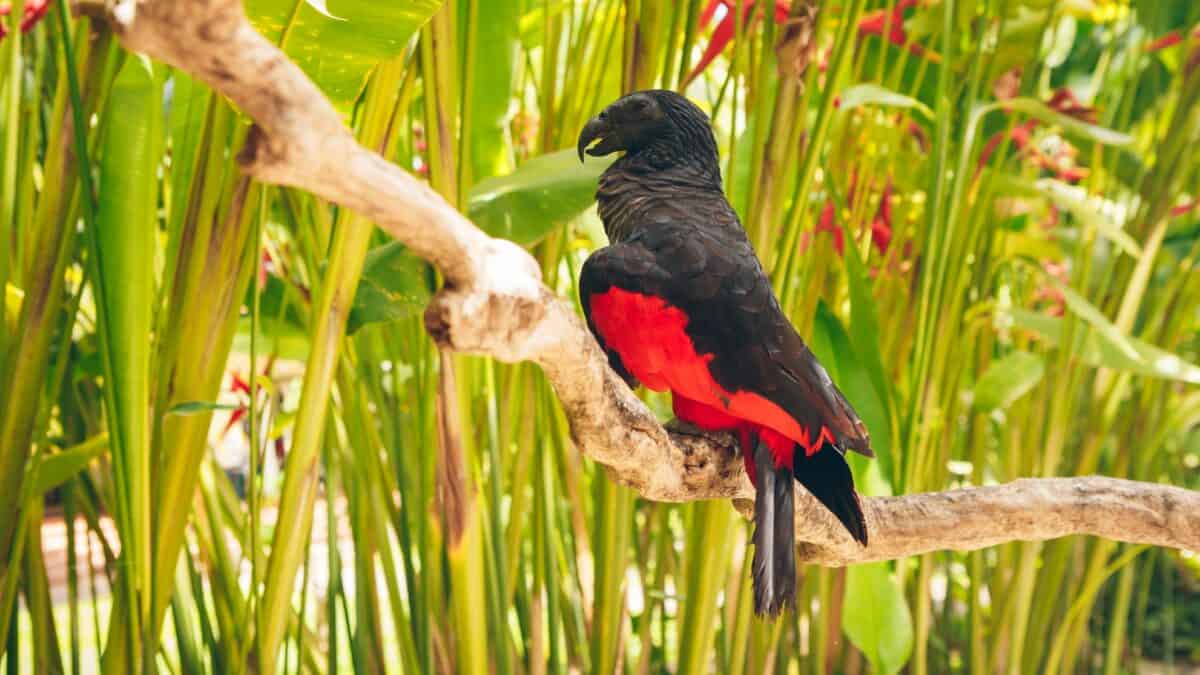
In the wild, most parrot species follow the sun’s schedule, becoming active at dawn and settling down at dusk. Pet parrots maintain this biological rhythm and require 10-12 hours of uninterrupted sleep each night to maintain physical and psychological health. Insufficient sleep can lead to behavioral problems including increased aggression, excessive screaming, feather plucking, and compromised immune function. Many parrot owners provide a separate “sleep cage” in a quiet room or use cage covers to create a consistent dark sleeping environment. Unlike humans, parrots generally don’t sleep deeply through the night—they experience brief periods of deep sleep interspersed with lighter rest, allowing them to remain alert to potential predators. This sleep pattern makes them particularly sensitive to nighttime disturbances, so maintaining a consistent, quiet sleep environment is essential for their well-being.
Parrot Beaks Never Stop Growing
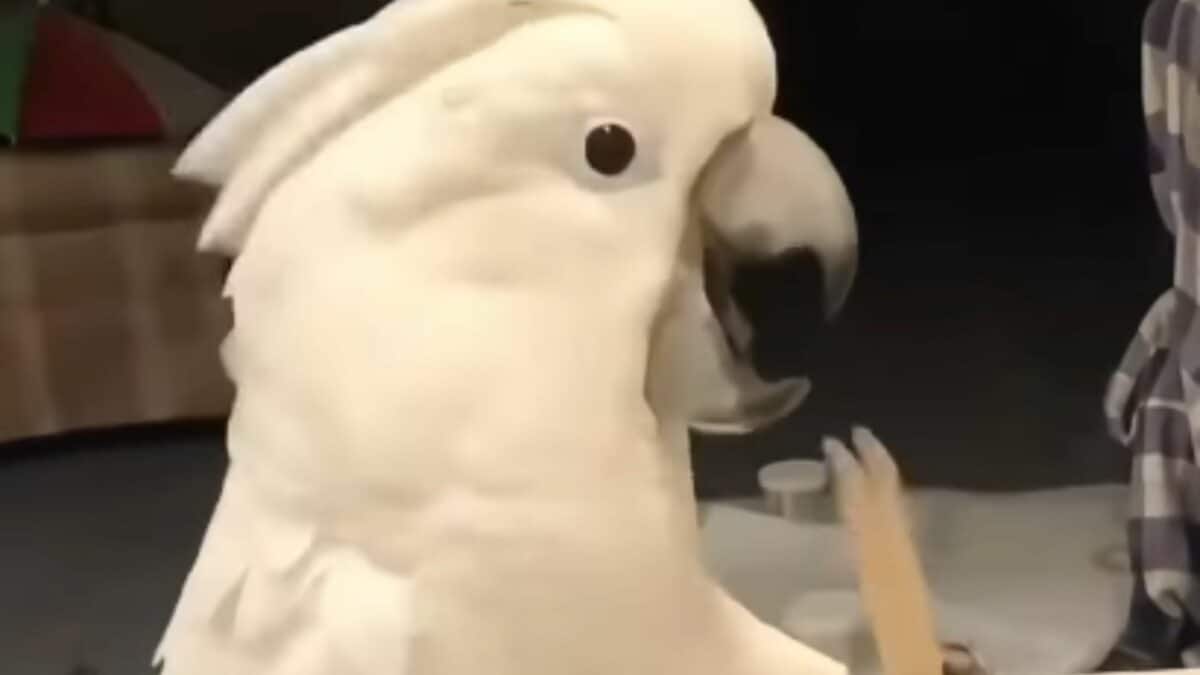
Similar to human fingernails or rodent teeth, a parrot’s beak grows continuously throughout its life. In the wild, natural foraging activities and environmental interactions maintain proper beak length and shape through regular wear. Pet parrots need opportunities to wear down their beaks through appropriate chewing materials and toys. Without adequate wear, a parrot’s beak can become overgrown, potentially causing feeding difficulties and discomfort. The upper mandible (top part of the beak) typically grows faster than the lower, and the rate of growth varies by species, with larger parrots generally experiencing faster beak growth. Beyond its growth aspects, the beak is a remarkably sensitive organ containing numerous nerve endings, allowing parrots to feel textures and temperatures—it’s not merely a rigid tool but a sophisticated sensory apparatus that helps them explore their world.
Parrots Are Ambidextrous

Unlike humans, who typically show a strong preference for either right or left-handedness, most parrots are naturally ambidextrous. They can use both feet with nearly equal dexterity for tasks like holding food or manipulating objects. However, studies have shown that individual parrots often develop subtle preferences for one foot over the other when performing complex tasks, similar to the way humans favor one hand. This “footedness” appears to be linked to brain lateralization—the specialization of the brain’s hemispheres for different functions. Interestingly, research suggests that parrots showing stronger foot preferences may be better at certain types of problem-solving and learning tasks. This ambidexterity, combined with their zygodactyl foot structure, contributes to their impressive manual capabilities and their ability to manipulate objects with precision that surpasses most other birds.
Parrots Have Specialized Tongues
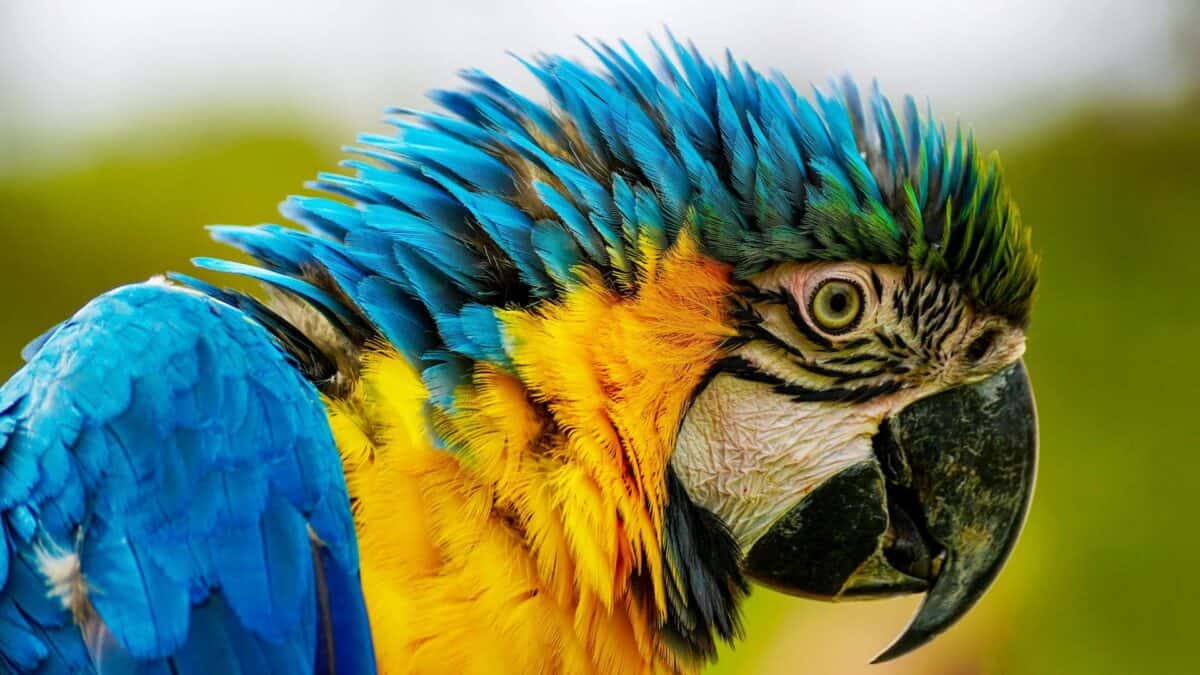
Parrot tongues are remarkably specialized organs that differ significantly across species. Most have thick, muscular tongues with a bone inside (called the hyoid) that provides structure and dexterity. This adaptation allows them to manipulate food with precision and contribute to their vocal abilities. Some species have particularly distinctive tongue adaptations—lorikeets and lories have brush-like papillae on their tongues specialized for collecting nectar and pollen, while black cockatoos have specialized tongues for extracting seeds from woody fruits. The African Grey parrot’s tongue contains numerous tactile receptors that likely help them manipulate objects with such precision. A parrot’s tongue also plays a crucial role in articulating human speech sounds, with its mobility allowing them to form consonants despite lacking lips. This combination of sensory capability and fine motor control makes the parrot tongue an extraordinary adaptation that contributes significantly to their feeding and communication abilities.
Parrots Can Recognize Human Faces

Parrots possess remarkable facial recognition abilities, enabling them to distinguish between different human individuals even after long periods of separation. Research has shown they can identify specific people based on facial features alone, independent of clothing, voice, or other identifiers. This capability allows parrots to recognize their primary caregivers and develop different relationships with various family members. Many parrot owners report their birds reacting differently to different people—perhaps being more playful with one family member while more relaxed with another. This facial recognition extends to strangers as well, with some parrots showing wariness around unfamiliar people or remembering individuals who may have frightened them in the past. Some particularly observant parrots even seem to recognize subtle changes in their owners’ appearances, such as new hairstyles or glasses, sometimes responding with curiosity or momentary confusion until they confirm the identity of their familiar human.
Conclusion: Why Parrots Make Extraordinary Companions

The remarkable traits that make parrots such fascinating creatures also define the unique joy and challenge of sharing your life with these extraordinary birds. Their intelligence, emotional capacity, and longevity create possibilities for deep, meaningful human-animal bonds that few other pets can offer. With proper care, environmental enrichment, and social interaction, parrots can be loving, entertaining companions that bring decades of color, sound, and personality into your home. However, these same qualities demand a serious commitment to their specialized needs—from nutrition and housing to intellectual stimulation and emotional support. Understanding the facts about parrot biology, psychology, and natural behaviors is essential for creating a harmonious relationship with these sensitive, complex animals. For those willing to make the necessary investment of time, energy, and resources, the rewards of parrot companionship can be truly extraordinary and lifelong.

As a little kid, I fell in love with nature, wildlife, and animals. Living in the USA, South Africa, Italy, China and Germany gave me the opportunity to discover the world's Wildlife. My favorite animals are Mountain Gorillas, Siberian Tigers, and Great White Sharks.
I'm a certified PADI Open Water Diver, went to Everest Base Camp and Trekked Gorillas in Uganda. I hold a Master of Science in Economics and Finance.
Please send any feedback to feedback@animalsaroundtheglobe.com
- 14 Most Beautiful Bird Songs You Can Hear in America - July 15, 2026
- The Longest Snake Ever Found Slithering in the U.S. - July 15, 2026
- Why Humpback Whales Are Singing Louder Off U.S. Shores - July 15, 2026