
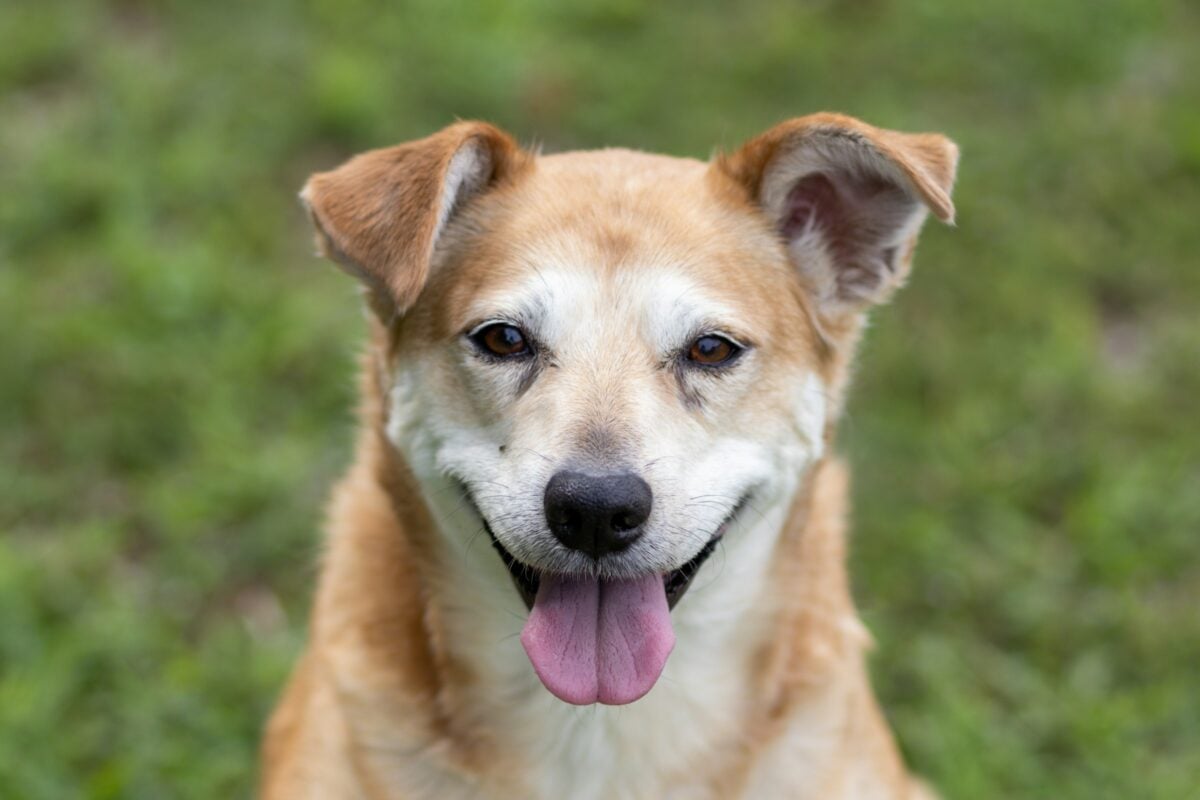
Everyone braces for the scary stuff with an aging dog – the limp, the confusion, the sudden weight loss. But here’s what almost nobody talks about: vets are quietly watching for a completely different set of signals, and most of them look like nothing at all.
By the time something is “obviously wrong,” a vet will tell you the dog has usually been dropping hints for months. The real skill is learning to spot the calm, boring, easy-to-miss behaviors that mean your senior dog’s body and brain are still holding steady. Some of these signs look like ordinary “old dog stuff.” They’re actually the opposite of a warning – and once you know what to look for, you’ll never watch your dog the same way again.
#15 – Still Getting Excited for Mealtime
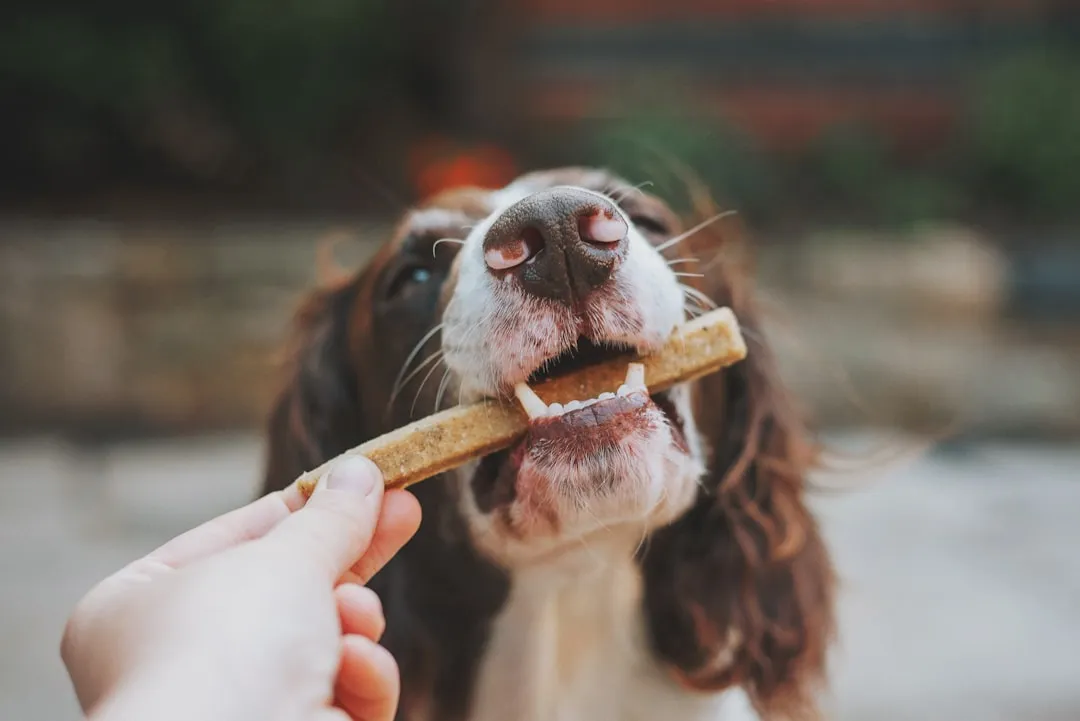
When a vet walks into an exam room and sees a gray-muzzled dog laser-focused on the treat jar, it’s an instant green flag. A steady, enthusiastic appetite tells vets that your senior dog’s digestion, hormones, and mood are likely still in balance.
Loss of appetite is one of the earliest clues something’s wrong, so its opposite – a dog who perks up at the sound of the kibble bag – can be surprisingly reassuring. It means their sense of smell still works, their stomach feels okay, and their brain still links food with pleasure. Vets also watch how a senior dog eats: finishing meals without wandering off, chewing comfortably, and not guarding the bowl all count as quiet wins.
#14 – Smooth, Unhurried Bathroom Habits
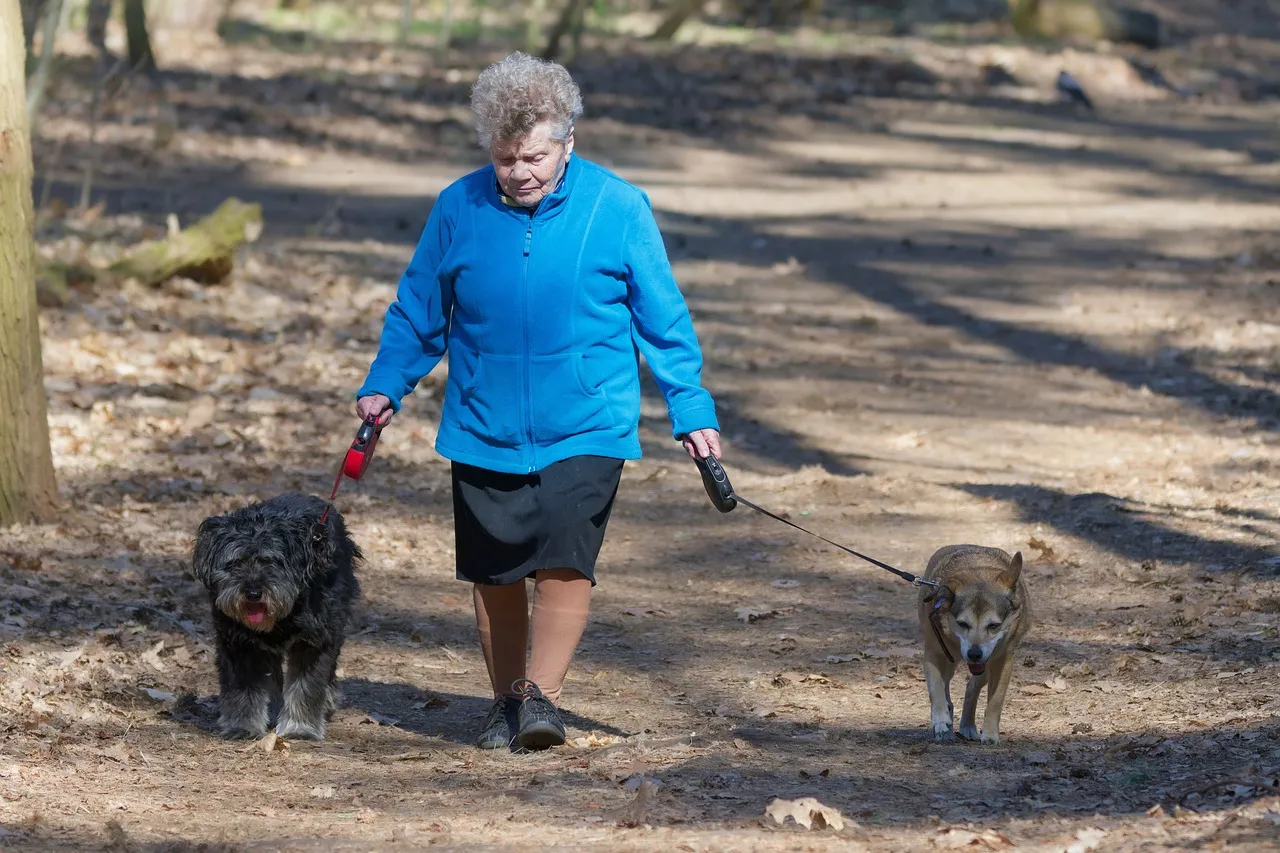
Most owners only start paying attention once accidents begin. Vets quietly celebrate the opposite: a senior dog who still pees and poops on a normal schedule, outside, without drama.
Consistent bathroom habits tell vets that kidneys, bladder, bowels, and even the nervous system are generally doing their job. It also hints that mobility is good enough for a dog to reach their usual spot and hold a comfortable posture once they get there. What most people miss is how much of this is actually brain health – a dog who still walks to the door, waits, or signals you is running a full mental sequence: I feel it, I find my person, we go outside. That’s memory, awareness, and training all quietly holding together.
#13 – Choosing to Explore Instead of Just Existing
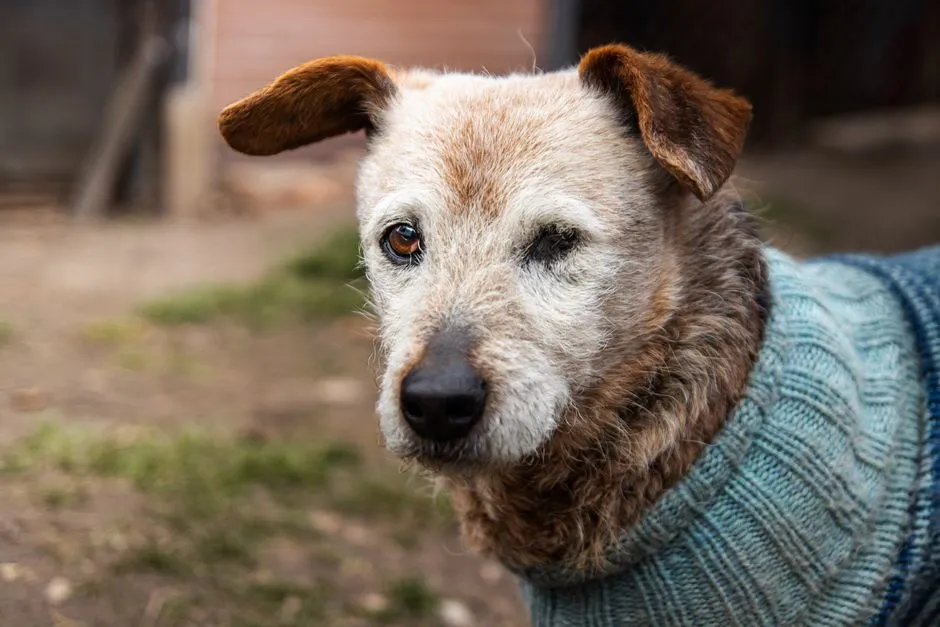
A lot of people assume a senior dog lying around all day is “just old.” Vets pay closer attention to something else entirely: whether that same dog still chooses to get up and investigate the world.
When an older dog wanders over to sniff a new box, checks the window at a strange noise, or trots into a room just to look around, it matters more than it seems. Curiosity doesn’t have to look like puppy zoomies – slow, thoughtful sniffing counts just as much. Dogs that are mentally checked out stop caring about new things entirely, so a senior dog still “taking in” their world is showing a mind that’s still switched on.
Worth Knowing
- Curiosity doesn’t need to be fast – slow sniffing, watching, and quiet investigating all count just as much as puppy-style zoomies
- A senior dog checking out a new sound, smell, or object usually signals an alert, engaged brain
- Dogs who are mentally “checked out” tend to ignore novelty completely, even when it’s right in front of them
- Simple enrichment – a new box, a snuffle mat, or a short sniff-walk – can help keep that spark of curiosity alive
#12 – Settling Into Real Sleep, Not Just Shutting Down

Here’s a distinction most owners never think to make: a senior dog who can truly relax is very different from one who’s simply exhausted. Vets look for a dog who curls up comfortably, shifts positions, sighs, and genuinely settles – rather than one that collapses and stays rigid.
Dogs in pain or distress don’t rest well. They pace, pant, reposition constantly, or jolt awake at nothing. A senior dog who sleeps deeply, wakes up smoothly, and doesn’t wander the house at 3 a.m. disoriented is telling you, in the simplest way possible, that their body and brain feel safe.
#11 – Hearing Loss That Isn’t Wrecking Their Confidence
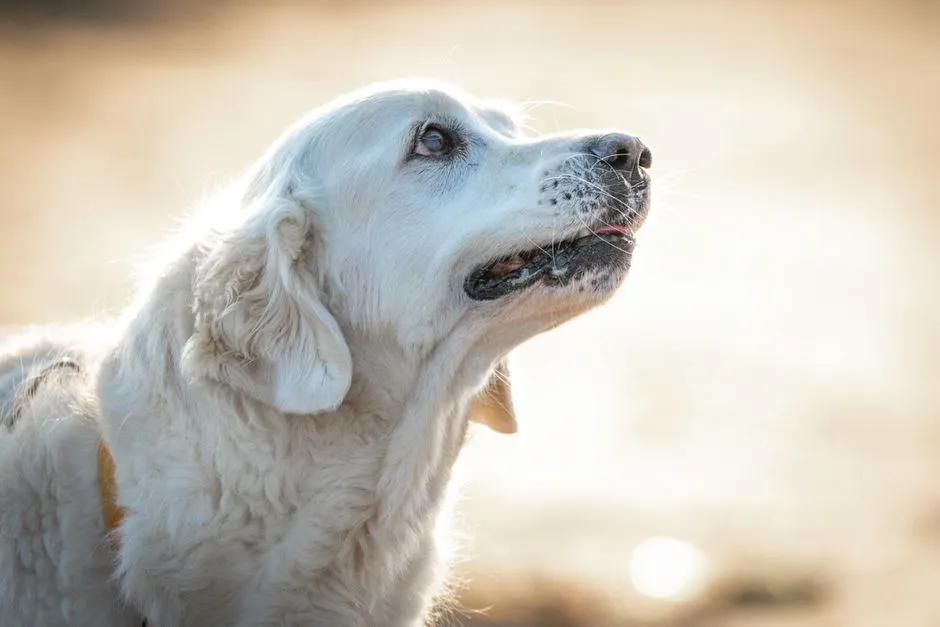
This one surprises people. Plenty of senior dogs lose some hearing, and vets don’t automatically treat that as bad news – as long as the dog is adapting calmly and leaning on their other senses instead.
A hard-of-hearing old dog who still orients to vibrations, watches your body language, and doesn’t panic when they “miss” a sound is showing real emotional flexibility. Vets actually get more worried about dogs who seem anxious, clingy, or confused by their own hearing loss than dogs who simply shift to relying on their eyes and nose. A senior dog who shrugs off a sensory change like this is quietly saying: I’m aging, but I’m okay.
#10 – A Coat That Looks Lived-In, Not Neglected
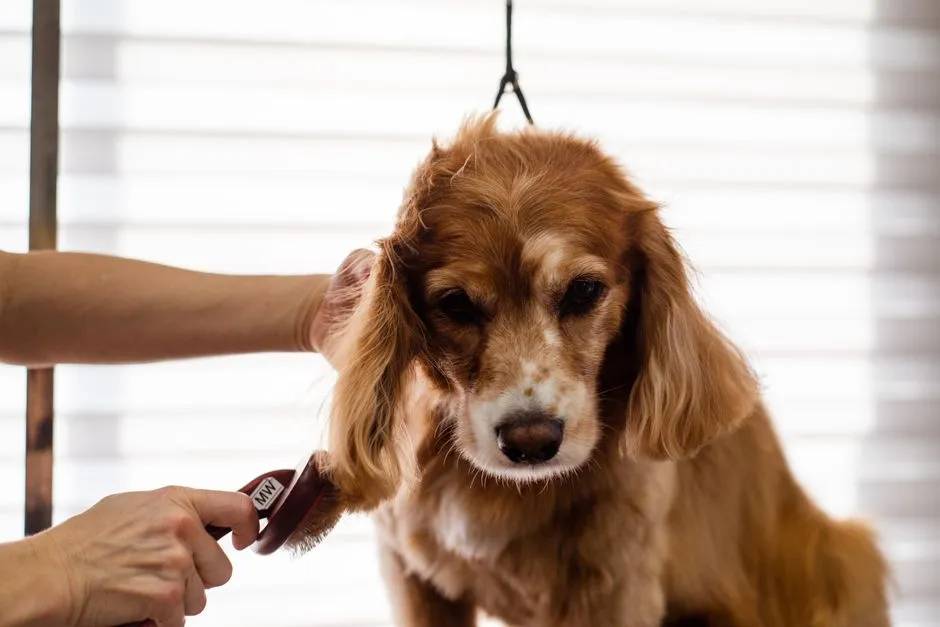
You can’t fake a dog’s coat – it tells the truth. Vets notice when a senior dog’s fur looks reasonably clean, not greasy, not patchy, and not buried in flakes. It doesn’t need to look show-ring perfect, but it shouldn’t scream neglect from the inside out.
Here’s the part people underestimate: grooming behavior reveals almost as much as the coat itself. A dog who licks a paw and then stops, scratches an itch and moves on, and isn’t chewing themselves raw usually has comfort levels that are still manageable. Combine that with nails that aren’t wildly overgrown and skin free of angry hot spots, and most vets quietly relax. Everyone stares at the gray hairs; the real story is texture, thickness, and comfort underneath.
#9 – Still Choosing to Play, On Their Own Terms
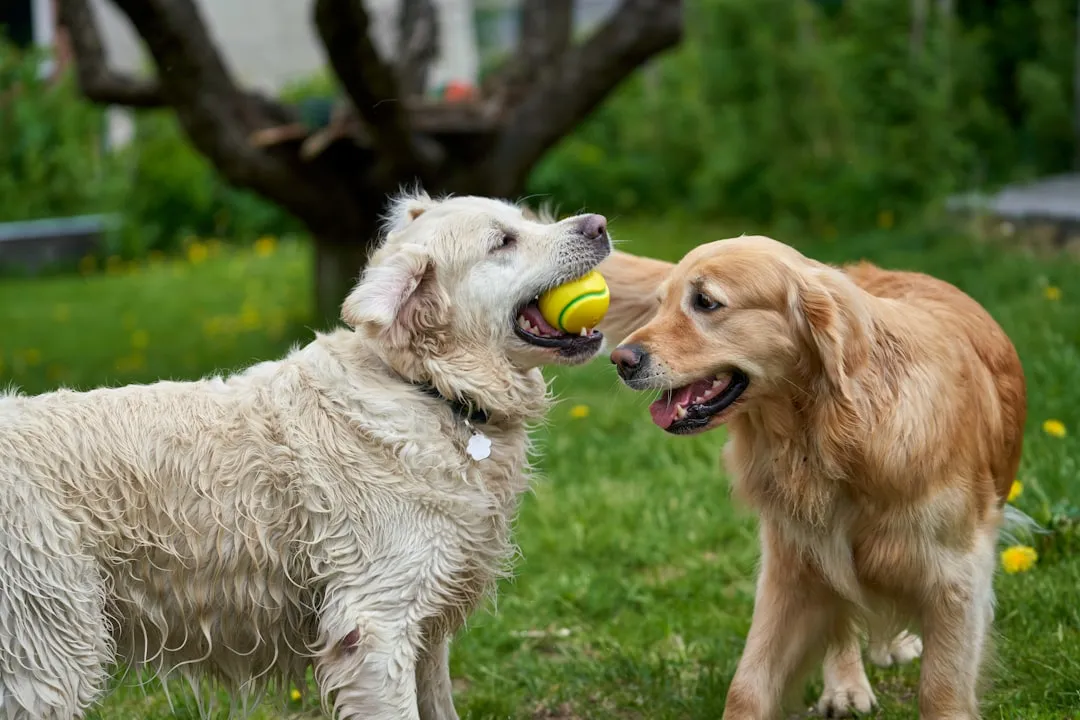
No, a 12-year-old dog doesn’t need to chase frisbees for an hour. What actually impresses a vet is the senior dog who chooses a short burst of play – nudging a toy, bowing at you, bouncing toward another dog.
That decision to initiate play shows motivation, comfort, and emotional health all at once. Pain, severe arthritis, or depression tend to shut that impulse down completely. A few minutes of tug, a soft round of fetch across the living room, then rest – that’s a dog whose pain is controlled enough to allow for fun, not just survival. Vets see that and think: this dog isn’t just existing, they’re still enjoying life.
#8 – A Personality That Hasn’t Suddenly Changed
Behavior shifts are one of the biggest red flags vets watch for in older dogs. That’s exactly why they love the opposite: a dog whose personality has stayed remarkably steady over the years.
Sudden irritability, unexplained fear, or snapping can point to pain or cognitive decline setting in. A little extra grumpiness with age is normal – what vets are really watching for is consistency. A dog who still greets visitors the way they always have, responds to corrections the same way, and doesn’t suddenly hide or lash out under familiar conditions is showing that their brain is still processing the world in a stable, predictable pattern. Stability sounds boring. In a senior dog, it’s gold.
#7 – Handling a Vet Visit Without Falling Apart
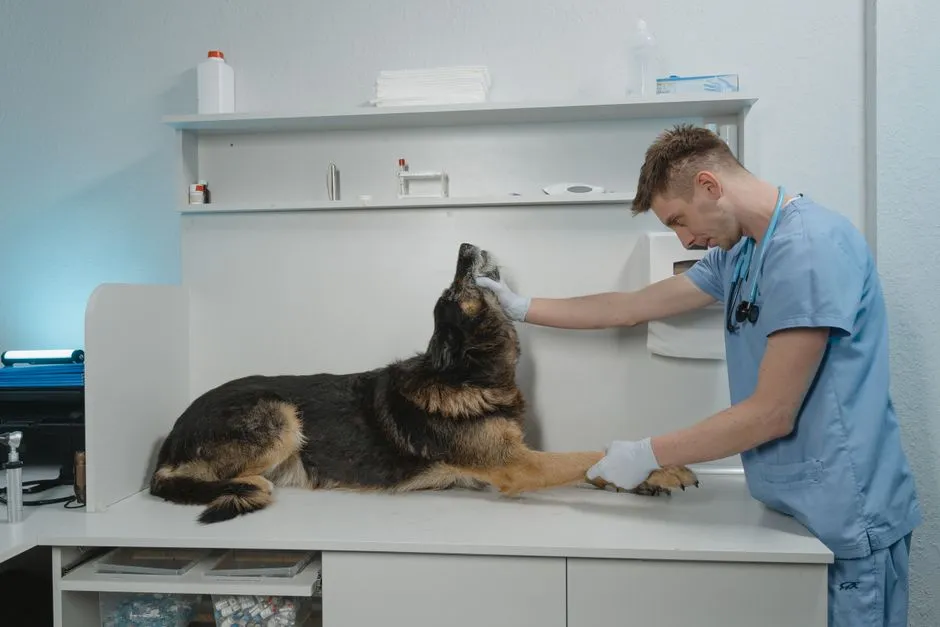
Ironically, how your old dog behaves at the vet’s office tells the vet almost everything they need to know. A senior dog who’s a little nervous but still takes treats, tolerates being handled, and recovers quickly afterward is sending a strong signal that their stress system is working, not spiraling.
Dogs in chronic pain or cognitive decline often fall apart in a clinic – shaking nonstop, shutting down completely, or reacting out of character. Vets quietly note whether a dog can stand on the exam table without collapsing, tolerate gentle palpation, and bounce back once the visit is over. How a senior dog handles a bad day, it turns out, reveals more than how they handle a perfect one.
At a Glance
- Standing reasonably steady on the exam table, without collapsing or bracing rigidly
- Tolerating gentle palpation of the joints, belly, and spine
- Accepting a treat even while visibly a little nervous
- Bouncing back to normal behavior within minutes of leaving the clinic
#6 – A Weight That Hasn’t Budged Much

This one’s less heartwarming than a viral video, but vets obsess over the scale for good reason. A senior dog whose weight has stayed in a healthy, stable range over time is very often a dog whose organs, hormones, and lifestyle are all working in sync.
Sudden weight loss or unexplained gain can be an early whisper of cancer, endocrine disease, or mobility decline – long before any obvious symptoms show up. Here’s what most owners get wrong: “a little chubby” in a senior dog isn’t cute, it’s risk, since extra weight makes arthritis, heart disease, and diabetes worse. Vets quietly root for the older dog who still has a visible waist, has ribs you can feel under a thin layer of fat, and hasn’t swung wildly up or down since the last visit.
#5 – Eyes That Might Be Cloudy but Are Still Connected
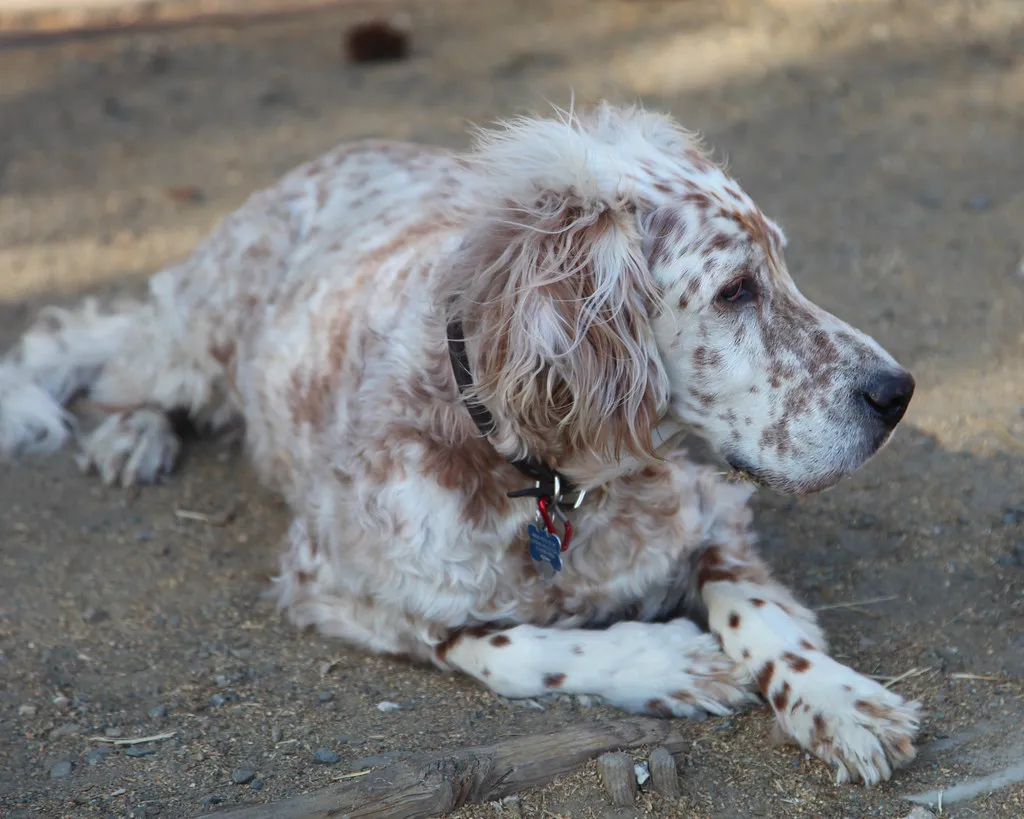
Not every cloudy eye is a crisis. Many healthy senior dogs develop a harmless bluish haze called nuclear sclerosis that doesn’t actually destroy their vision – and vets care about function, not appearances.
A senior dog who still tracks movement, makes eye contact, and moves through familiar rooms without bumping into furniture is showing that practical vision is intact, even if the fine detail has faded. Recognizing you across the room, following a tossed treat, or watching squirrels through the window all say the eyes and brain are still talking to each other. Owners panic over the haze; the real win is that their dog can still see their world.
Fast Facts
- Nuclear sclerosis generally occurs in middle-aged or older dogs – typically those over the age of 7.
- Some estimates show the prevalence of lenticular sclerosis or cataracts at 50% in dogs over 9 years of age and 100% in dogs over the age of 13.
- Vision does not appear to be significantly affected in dogs diagnosed with lenticular sclerosis.
- Cataracts, unlike nuclear sclerosis, are white and opaque and represent a change in the ability of light to penetrate to the retina, so they cause diminished vision.
#4 – Remembering the Daily Routine Like It’s Their Job
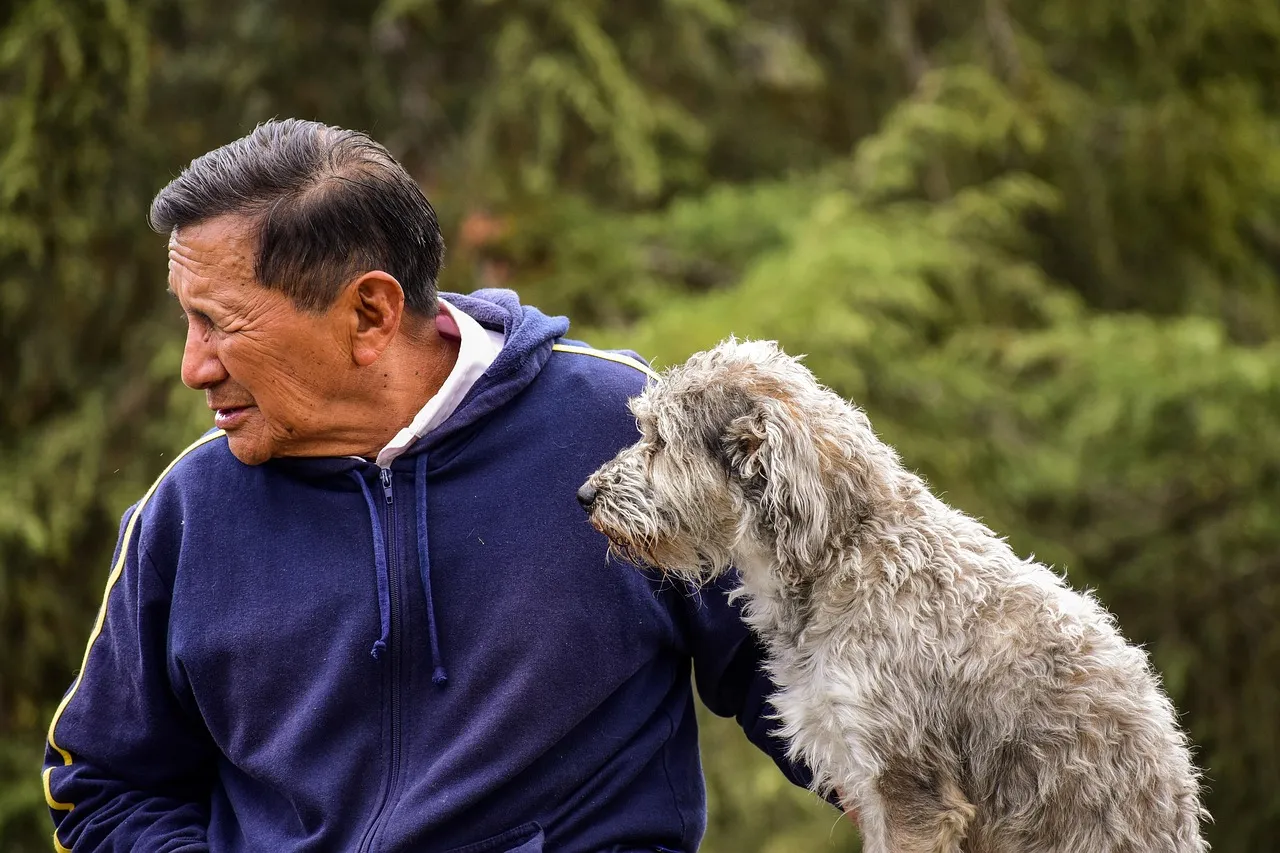
Cognitive decline in dogs is real, but so is cognitive resilience. Vets love seeing older dogs who still know the drill – heading to the door at walk time, trotting to the kitchen at the sound of the food container, settling into bed at night without being told.
Dogs with worsening cognitive issues often get lost in familiar places, stare blankly at walls, forget their house training, or seem restless all night and foggy all day. The opposite – a dog who anticipates activities and settles easily into a schedule – suggests the neural circuits underneath are still firing in an organized way. When a vet hears “he still knows exactly when it’s dinner,” that sentence matters more than most owners realize.
#3 – Getting Up and Moving Without a Battle
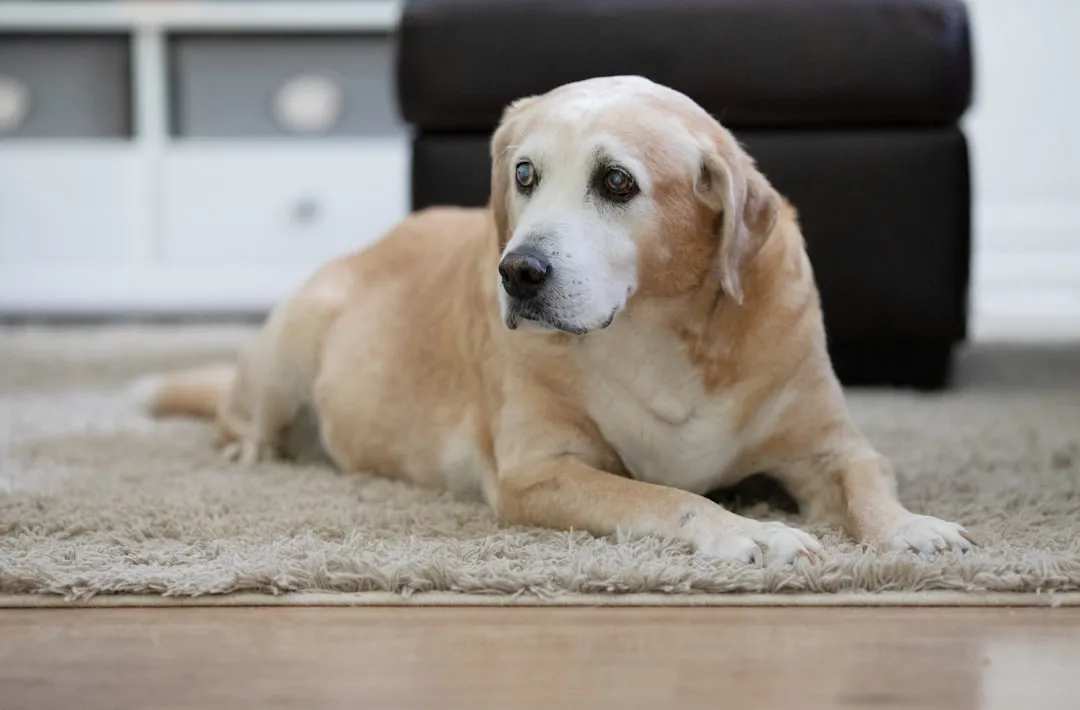
Nobody’s expecting a marathon. Vets are watching for something much simpler: a dog who can still stand, walk, and lie down without a visible struggle – how they move from lying to standing, from standing to sitting, into the car, or up a small step.
If those movements look stiff but controlled – not frantic, not impossible – it usually means the pain underneath is mild or well managed. A dog who can still handle short regular walks, move through the house, and shift positions a few times a day is likely living a better quality of life than people assume. They might bunny-hop a little or move slower on cold mornings, but if they warm up and get home without being wrecked, most vets see this as one of the loudest quiet victories in senior care.
Quick Compare
- Osteoarthritis has been found in roughly 80% of dogs over the age of 8, making some stiffness a near-universal part of aging.
- Normal aging stiffness: slow to rise, a little wobbly at first, but smooths out after a few steps
- Worth a vet visit: yelping when touched, refusing stairs entirely, or collapsing mid-walk
- Most senior dogs live comfortably with mild joint changes when weight, activity, and pain relief are managed well
#2 – Still Lighting Up Over the Small Stuff
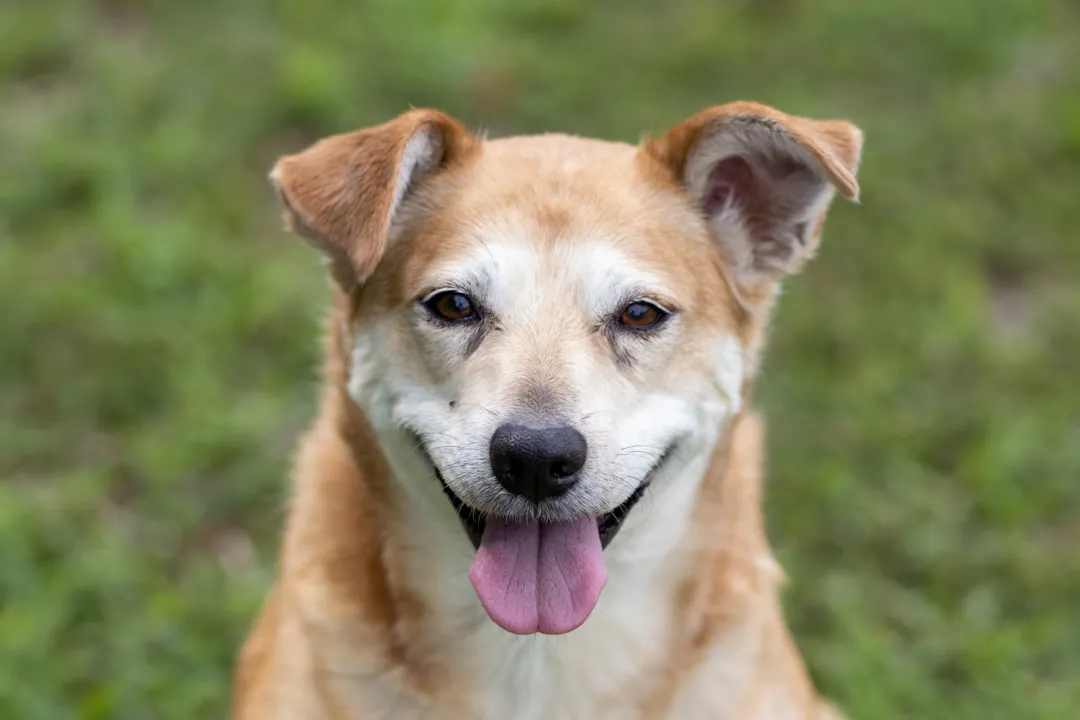
Here’s the honest truth: vets are less moved by birthday hats for dogs and far more moved by a tiny tail wag. A senior dog who still lights up for the things they’ve always loved – car rides, a familiar walking route, one specific person walking through the door – is telling you something powerful.
Joy just looks softer with age. It’s a gentle tail swish, a slow head lift when you walk in, leaning into your hand instead of jumping up. Dogs deep in pain, anxiety, or serious cognitive decline tend to lose that spark entirely. When a vet hears “she still loves her evening sniff-walk,” what they’re really hearing is: she still has purpose, and she still has pleasure.
#1 – Choosing to Stay Close, Without Clinging in Panic
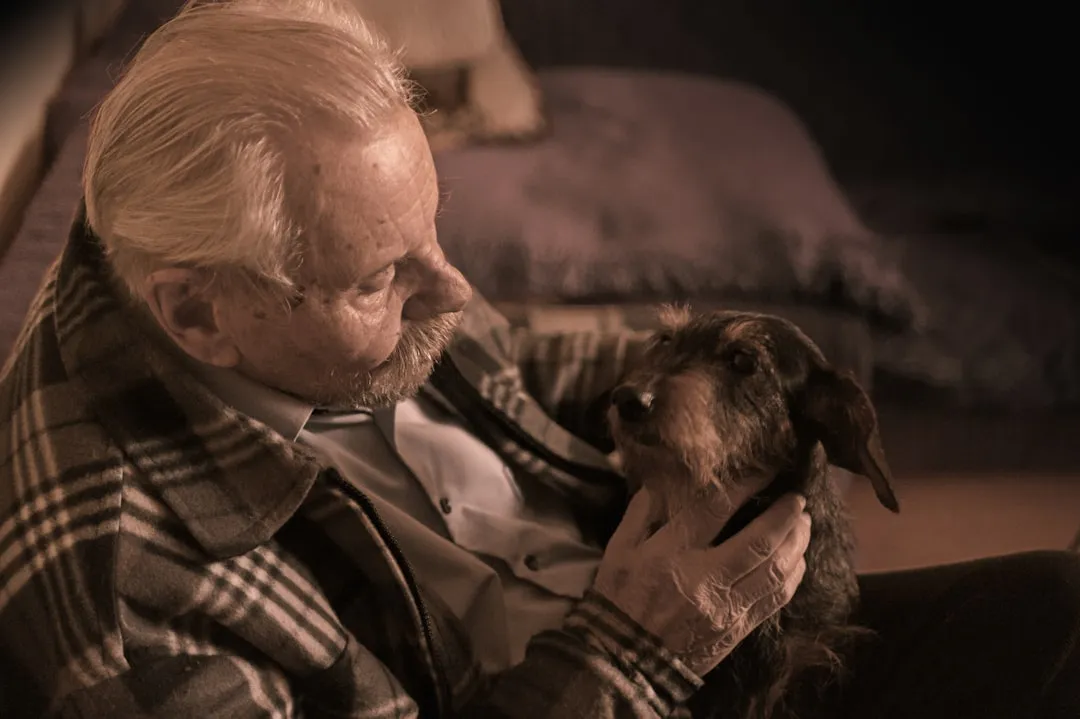
The most underrated “everything is still okay” sign in a senior dog? Choosing proximity – lying near you in the same room, following you calmly from place to place, resting a paw on your foot – without frantic, panicked dependence.
Dogs in real distress tend to swing to extremes: they withdraw and isolate, or they glue themselves to you and panic the second you step ten feet away. A well senior dog does something quieter and more secure – they like knowing where you are, they enjoy gentle contact, and they can relax alone when they need to, but they choose to settle near you anyway. To many vets, that calm, steady bond is the strongest, most emotional green flag they can find in an exam room.
The Bottom Line
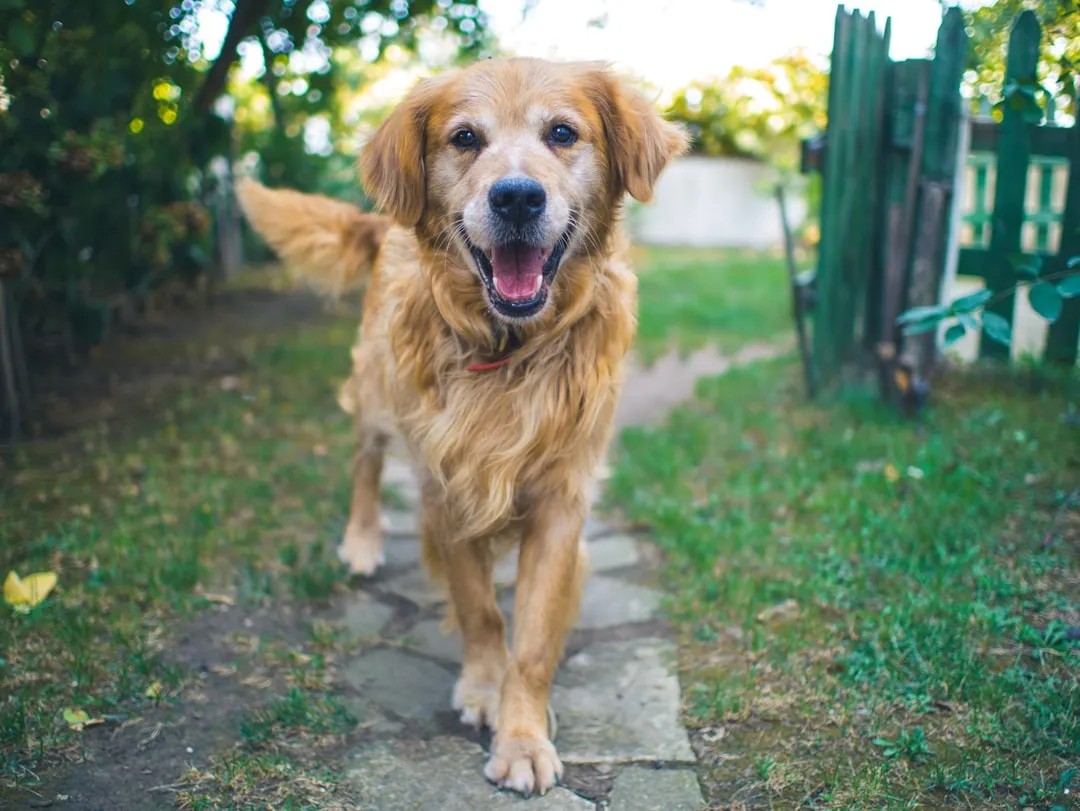
Senior dogs rarely announce that they’re thriving. They whisper it – in a steady appetite, predictable bathroom habits, quiet curiosity, decent sleep, a little self-regulated play, a personality that hasn’t shifted, and that soft decision to keep sharing your space.
None of these signs alone guarantees perfect health, and any worrying change still deserves a real vet visit – dogs are more complicated than a checklist. But together, these gentle signs paint the picture every vet quietly hopes to see: a dog who is aging, yes, but aging well.
The uncomfortable truth is that most people miss every single one of these wins, because they’re too busy scanning for disaster. Maybe it’s time we started watching for the quiet stuff instead. Did we describe what you’re already seeing in your own senior dog – or is there a sign you swear by that we missed? Tell us in the comments.

- 15 Gentle Signs Vets Look for That Show a Senior Dog Is Doing Well - July 25, 2026
- 10 Amazing Facts About Penguins - July 24, 2026
- 8 Ways to Create a Wildlife-Friendly Backyard Oasis for Local Critters - July 24, 2026