

Somewhere under the sun-baked soil of Arizona, or buried beneath a tangle of Virginia woodland, or resting quietly beneath the bayous of Louisiana, there may be a fortune waiting to be found. That’s not just romantic fantasy. It’s a serious possibility that has driven historians, amateur sleuths, and professional treasure hunters to spend decades, sometimes entire lifetimes, chasing whispers and coded maps across one of the most geographically diverse countries on Earth.
The United States has a layered, often turbulent history. Pirates sailed its coasts. Outlaws robbed its banks and trains. Wars scrambled its records and left gold in the ground. Rumors of lost gold, pirate loot, outlaw stashes, and mysterious maps have persisted for generations, backed by historical documents in some cases, and by oral tradition, folklore, and sheer obsession in others. What follows are fifteen of the most enduring and credible treasure legends in American history. Some of them may be exaggerated. A few might be entirely fabricated. The rest? They just might be real.
1. The Beale Ciphers – Bedford County, Virginia
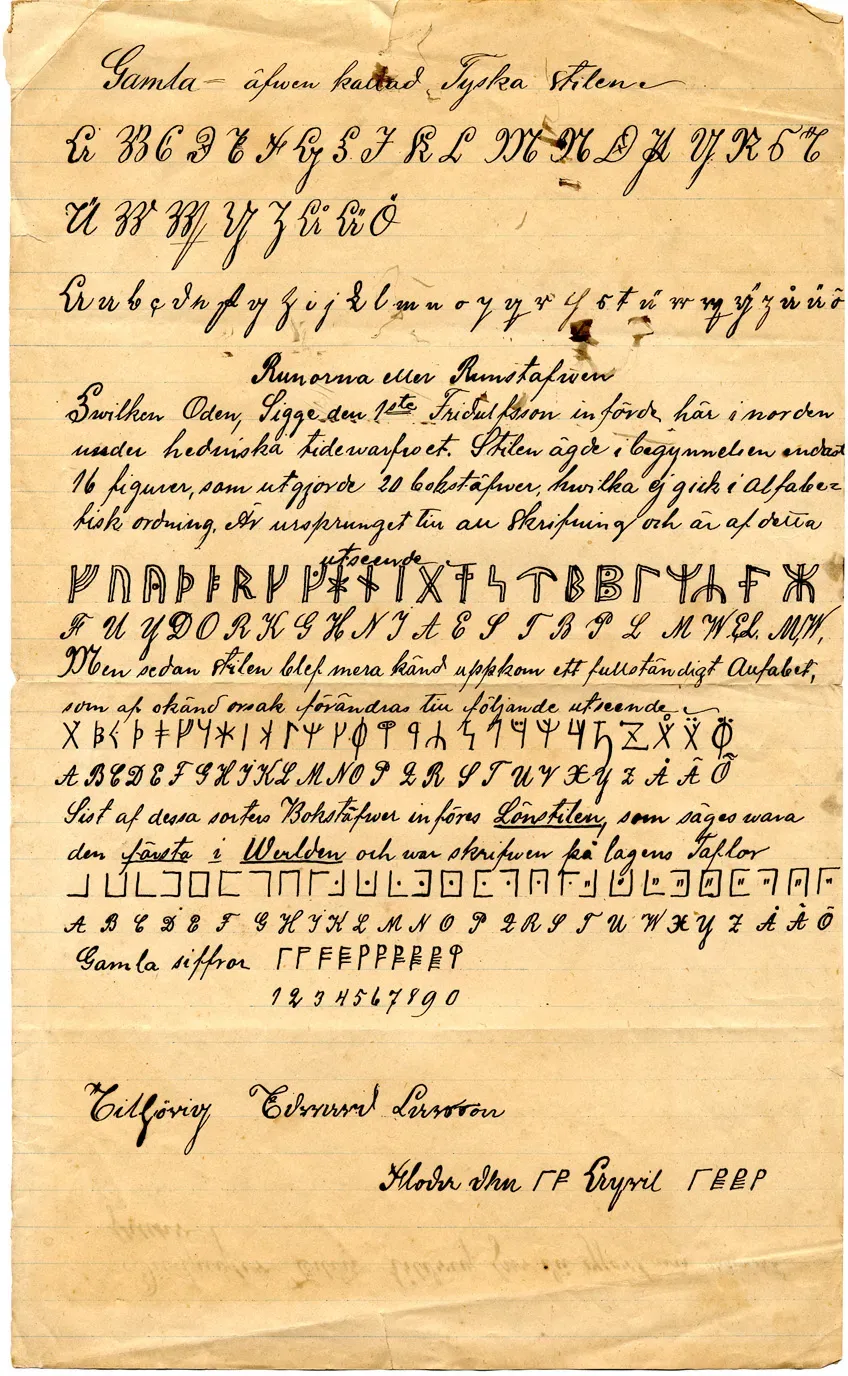
According to a pamphlet published in 1885, a group of around thirty adventurers led by Thomas J. Beale discovered an abundantly rich mine near Santa Fe, New Mexico in the early 1800s. They spent eighteen months extracting thousands of pounds of precious metals and stones, and Beale was tasked with transporting and concealing the haul, which he eventually hid near the town of Montvale in Bedford County, Virginia.
Beale created three cryptograms to reveal the treasure’s location, its contents, and the next of kin who should receive it. To find the treasure, you need to decode the ciphers, and two of the three remain unsolved after more than two hundred years. The second cipher was decoded in the late 1800s using the Declaration of Independence as the key, and its opening sentence reveals the treasure is hidden four miles from Buford, Virginia. Based on what Beale described as the contents of the chests, experts believe the treasure is worth more than sixty million dollars.
2. Blackbeard’s Buried Loot – North Carolina and the East Coast
Edward Teach, better known as Blackbeard, is one of the most feared pirates in history. After years of pillaging along the Atlantic coast, he was killed in 1718 near Ocracoke Island, North Carolina. His ship, the Queen Anne’s Revenge, was discovered in 1996, but curiously, little treasure was recovered from the wreck, which has only fueled speculation that Blackbeard buried much of his riches on land before his final battle.
The pirate met his end in 1718 on Ocracoke Island, taking the location of his treasure to his grave. Rumors of his hidden riches have placed them in the mudbanks near Sullivan’s Island near Charleston, buried in or near Bath in North Carolina, on Oak Island, off Delaware Bay, on Tangier Island in the Chesapeake, and in numerous other locations along the East Coast. Historians insist that Blackbeard didn’t bury most of his booty, and the relatively modest haul of items salvaged from the Queen Anne’s Revenge may represent his actual treasure. Still, the mystery refuses to die.
3. The Lost Dutchman’s Gold Mine – Superstition Mountains, Arizona
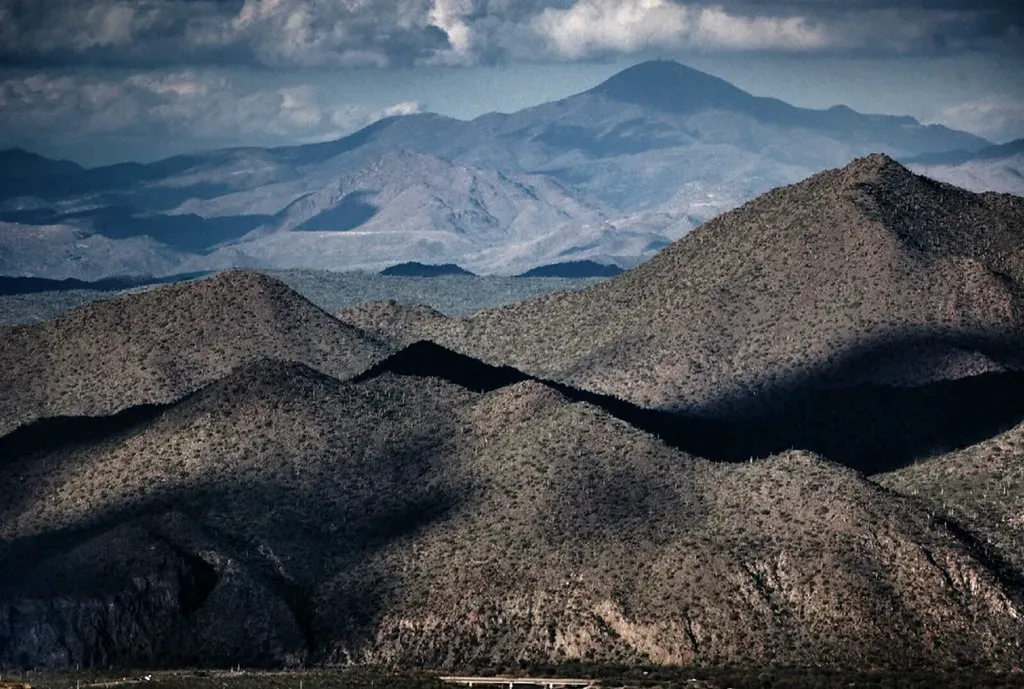
The tale of the Lost Dutchman’s Mine is perhaps the most famous lost treasure legend in the American West. According to legend, German immigrant Jacob Waltz discovered a fabulously rich gold mine in Arizona’s Superstition Mountains in the late 1800s, but died before revealing its location. The harsh terrain and mysterious disappearances only add to the mine’s allure, and the gold remains hidden, if it ever existed at all.
The Superstition Mountains are located east of Phoenix, Arizona, and are known for their rugged terrain, stunning vistas, and rich history. According to the legend, Waltz had stumbled upon a rich vein of gold in the mountains, but kept the location a secret, dying in 1891 without ever revealing the mine’s whereabouts. Over the years, dozens of treasure hunters have perished or disappeared searching for the mine, which is rumored to be cursed.
4. Mosby’s Confederate Treasure – Fairfax County, Virginia
Reports suggest there is a cache of Civil War-era valuables worth upwards of $350,000 buried deep in the woods of Fairfax County, Virginia. It began when Confederate Colonel John Singleton Mosby launched a daring night raid in early March of 1863, capturing 42 Union soldiers at the Fairfax County Courthouse without firing a single shot. The Confederate army also reportedly found a burlap sack containing family heirlooms and treasures taken from the homes of Virginia’s wealthiest planters.
On the way back to Confederate lines, Mosby was warned that Union soldiers were nearby and chose to bury the sack between two trees, marking the spot with his knife. Later, he sent seven of his men back to retrieve it, but they were captured and executed. As far as anyone knows, Mosby never returned, so the hidden treasure could still be out there. There are different stories about why Mosby never went back for the alleged fortune in riches, but it is still believed to be buried in Virginia to this day.
5. Jesse James’s Hidden Loot – Oklahoma and the Ozarks
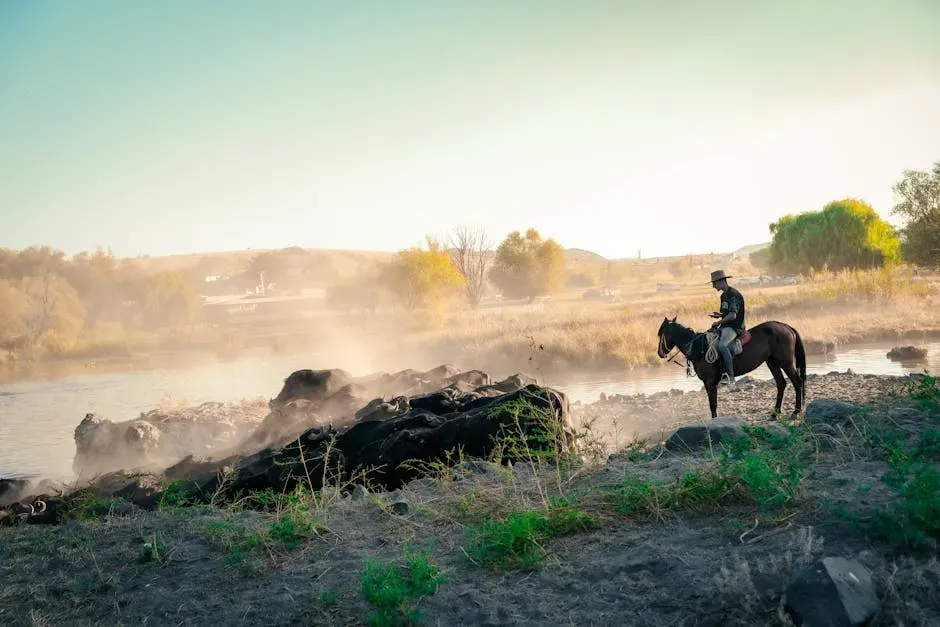
Jesse James wasn’t just a gunslinger. During his decades as a bank and train robber, he is believed to have buried gold, cash, and coins across several states. After his death in 1882, followers claimed to have maps showing marked trees, rock formations, and secret codes pointing to hidden hoards. The James family farm in Missouri has yielded relics, and some reports suggest caves in Oklahoma were used as stash points.
In 1876, the Jesse James Gang reportedly robbed a Mexican gold transport south of Texas. They escaped but didn’t get as far as planned, getting snowed in at the Wichita Mountains in Oklahoma. Figuring law enforcement wasn’t far behind, they reportedly ditched roughly two million dollars’ worth of loot somewhere in the Keechi Hills and moved on. Thirty years later, the first bits of gold were dug up by Jesse’s brother Frank James, who spent nearly a decade in the Keechi Hills attempting to retrace the gang’s steps.
6. Dutch Schultz’s Gangster Fortune – The Catskills, New York
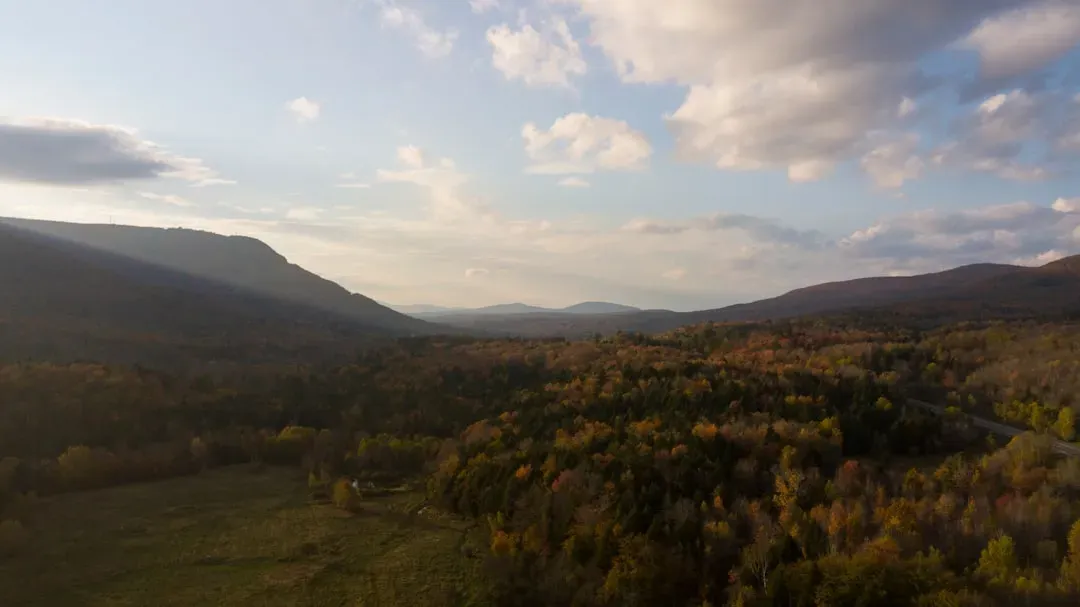
According to Schultz’s lawyer, who spoke with Collier’s magazine in 1939, Schultz obtained a steel strongbox and stuffed it with as much cash, bonds, and diamonds as it could hold, perhaps five to nine million dollars at the time, or up to one hundred million dollars in today’s value. He and an associate then drove it to an area near Phoenicia, New York, where they supposedly buried it near Esopus Creek. Schultz’s bootlegging operation had run through the Catskills, making the area familiar to him and his crew.
Schultz was gunned down at a Newark restaurant and quickly taken to the hospital, where a police stenographer recorded his dying words. Delirious with a high fever, his final moments possibly contained veiled references to a buried stash of millions. For nearly a century, treasure hunters have scoured the Catskills in search of the long lost treasure. The mystery is made stranger by the fact that both Schultz and the only other person who knew the location were killed the same night.
7. The Civil War Gold of Dents Run – Elk County, Pennsylvania
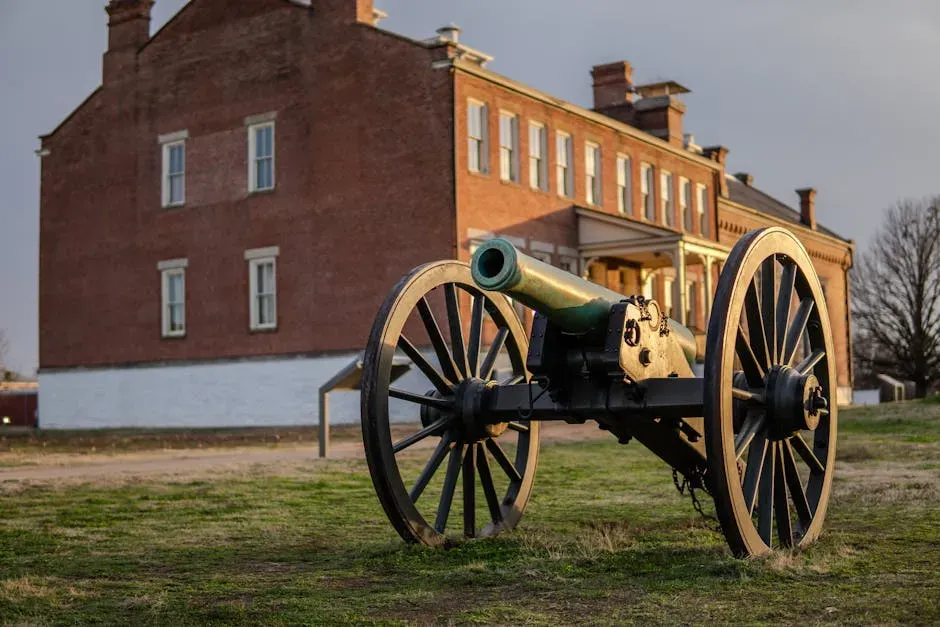
Eye-watering amounts of gold and other precious items went missing during the American Civil War, and one of the most notable cases concerns a shipment of gold that went astray in June 1863 in Elk County, Pennsylvania. The gold was being transported from Wheeling, West Virginia to Philadelphia on a Union wagon train that had taken a northern detour to avoid advancing Confederate troops. Details are very sketchy, but the precious shipment appears to have vanished near remote Dents Run.
According to reporting from the New York Times, there were 52 bars, originally thought to be 26, with each 14-carat bar weighing 50 pounds, making the trove potentially worth millions of dollars. The public requires permission to dig, and the plot thickened in 2018 when a team of FBI agents was spotted on the site, apparently searching for the missing gold. This only confirmed many treasure hunters’ suspicions that millions of dollars of gold is buried in Dents Run. Dennis Parada even launched a legal battle against the FBI to force it to reveal what it discovered, but as of 2025, the FBI remains insistent that nothing was found.
8. Jean Lafitte’s Gulf Coast Treasure – Texas and Louisiana
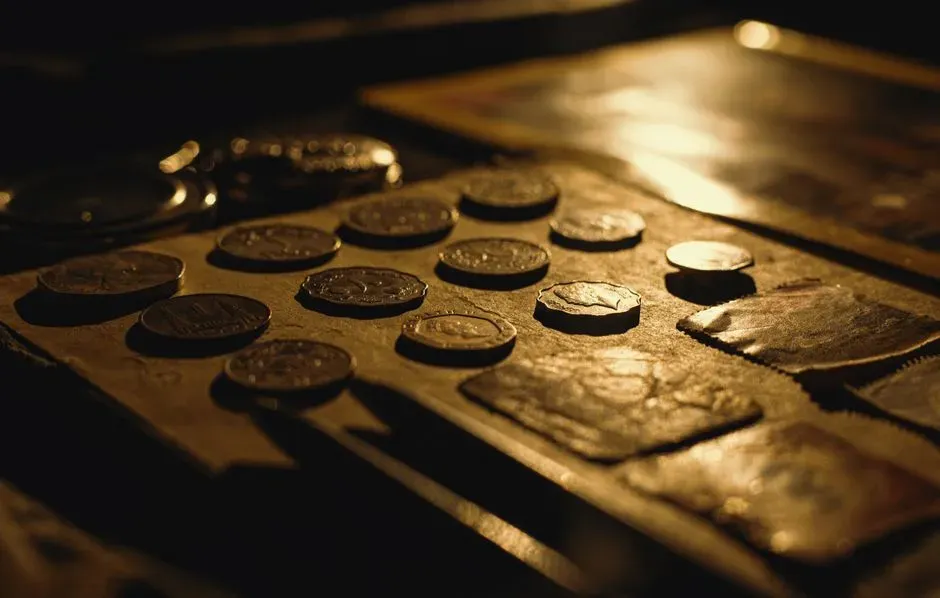
Jean Lafitte is as much a myth as a man. Operating in the Gulf of Mexico during the early 1800s, Lafitte ran a smuggling empire and amassed enormous wealth from looting Spanish ships. According to legend, Lafitte buried his swag, some twenty sea chests of treasure, in several locations along the coast of Texas and Louisiana. Now and then, a few gold coins come to the surface, serving to keep alive the stories of Lafitte and his fabulous chests of riches.
The lore of Lafitte’s buried treasure in Texas stems from accounts and supposed sightings of his wealth being hidden before he was forced to abandon Galveston in 1821. Tales suggest that Lafitte and his men buried gold and other valuables in various locations along the Texas coastline before departing. The state of Louisiana is not exclusive to rumors of the treasure’s whereabouts, as residents of Texas have claimed that the treasure was buried somewhere along the Texas Gulf Coast, with many accounts saying Lafitte settled in Galveston after his adventures in Louisiana.
9. The Lost Treasure of the Confederate Treasury – Georgia and Alabama

As the Confederate States of America faced defeat in the spring of 1865, rumors swirled that Confederate President Jefferson Davis fled with a large cache of gold, silver, and jewels meant to rebuild the South. With Union troops closing in, his convoy was reportedly ambushed and the treasure vanished. Some say it was buried hastily in Georgia or Alabama to avoid capture, while others believe it was stolen by those meant to protect it.
As the Civil War drew to a close in 1865, the Confederate government faced imminent collapse. In a desperate bid to preserve their assets, officials gathered gold, silver, and other valuables from Richmond, Virginia, and transported them southward. The treasure’s trail winds through Georgia, with rumors of caches buried in various locations to prevent capture by Union forces. One popular legend suggests a significant portion was hidden in or near Lake Michigan, possibly intended to fund a resurgence of the Confederacy. The exact fate and location of these riches remains a tantalizing mystery.
10. The Old Spanish Treasure Cave – Ozarks, Arkansas
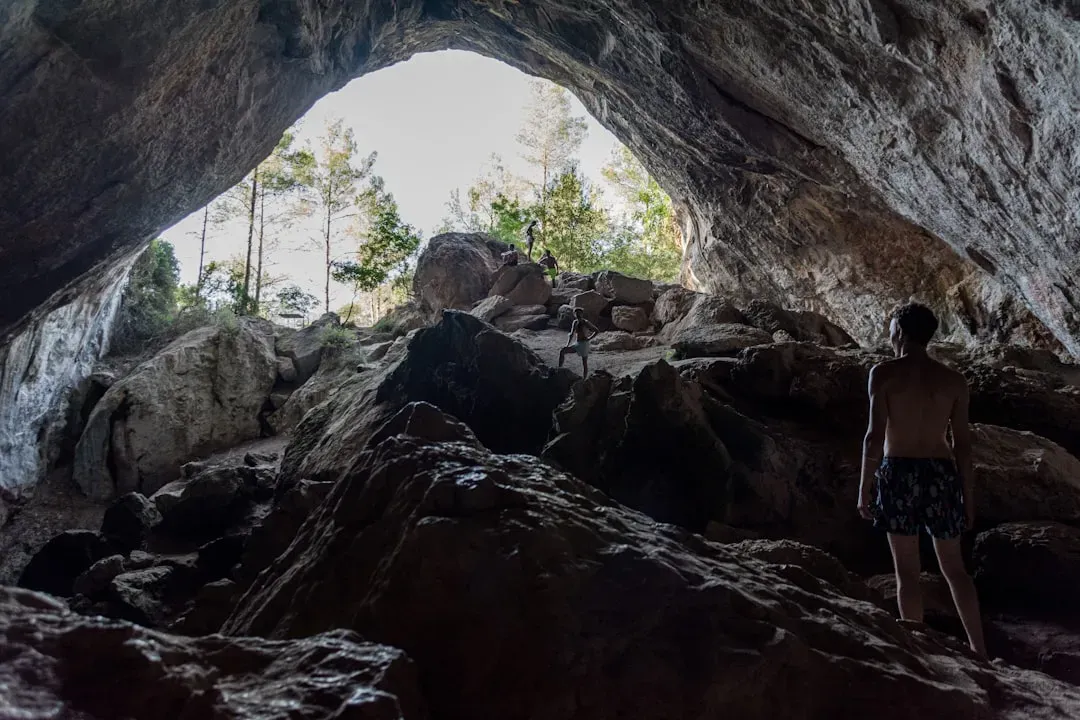
The Old Spanish Treasure Cave in the northwest corner of Arkansas is believed to hold treasures buried by Spanish conquistadors fleeing from Native Americans over 350 years ago. The treasure itself has not yet been found, but artifacts from the time period such as helmets, weapons, and armor have all been found in the area, so there’s still hope.
The presence of authenticated period artifacts is what makes this particular legend harder to dismiss than most. Physical relics from the era confirm that Spanish soldiers were in the region. Whether they fled in a panic and buried their gold before making their last stand, or whether the treasure story grew around the artifacts after the fact, is a question no one has fully answered. The cave itself draws visitors to this day, and the surrounding hills carry centuries of rumor in their limestone layers.
11. Butch Cassidy’s Wild Bunch Loot – Colorado and Wyoming
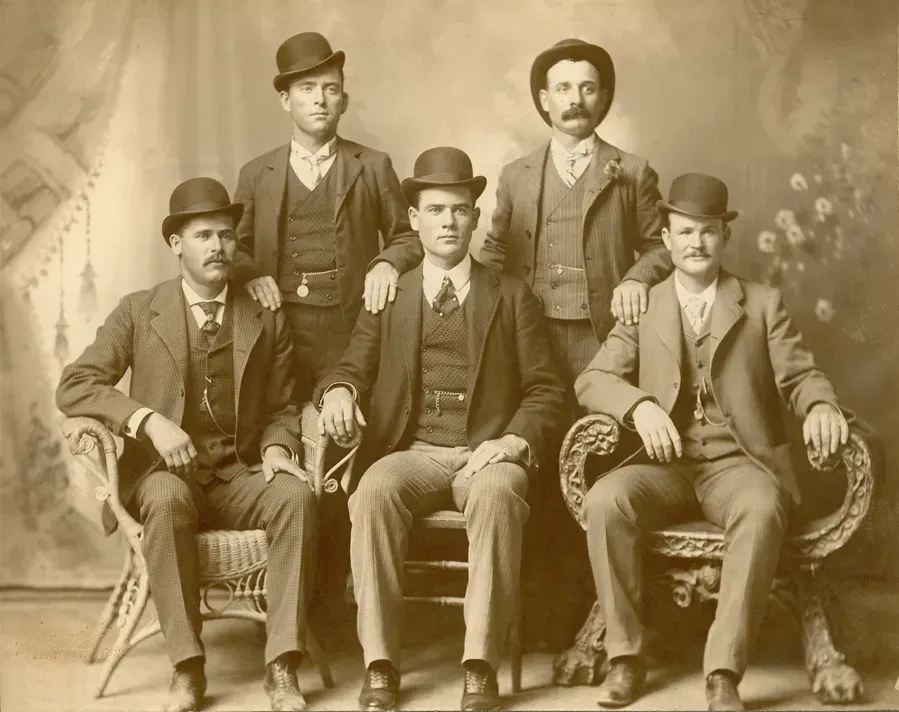
Butch Cassidy, the Sundance Kid, and their Wild Bunch are reputed to have buried countless thousands of their stolen dollars in Irish Canyon, a small, remote site in Colorado’s Uintah Mountains. Butch Cassidy is said to have hidden a cache near Hole-in-the-Wall Pass, and before escaping to South America, he allegedly buried his loot in the remote Wyoming or Utah terrain. Hints of old maps and cryptic letters have tantalized treasure hunters, sparking many expeditions.
The irony of the Cassidy story is one that historians still find puzzling. The Wild Bunch are reputed to have buried thousands of their stolen dollars in Irish Canyon. Which begs the question: with a life of ease hidden within easy reach, why travel all the way to Bolivia to start life over as bandits? That contradiction has never been satisfactorily explained, and for many, it only deepens the suspicion that something genuinely valuable was left behind.
12. John Dillinger’s Buried Suitcase – Manitowish Waters, Wisconsin
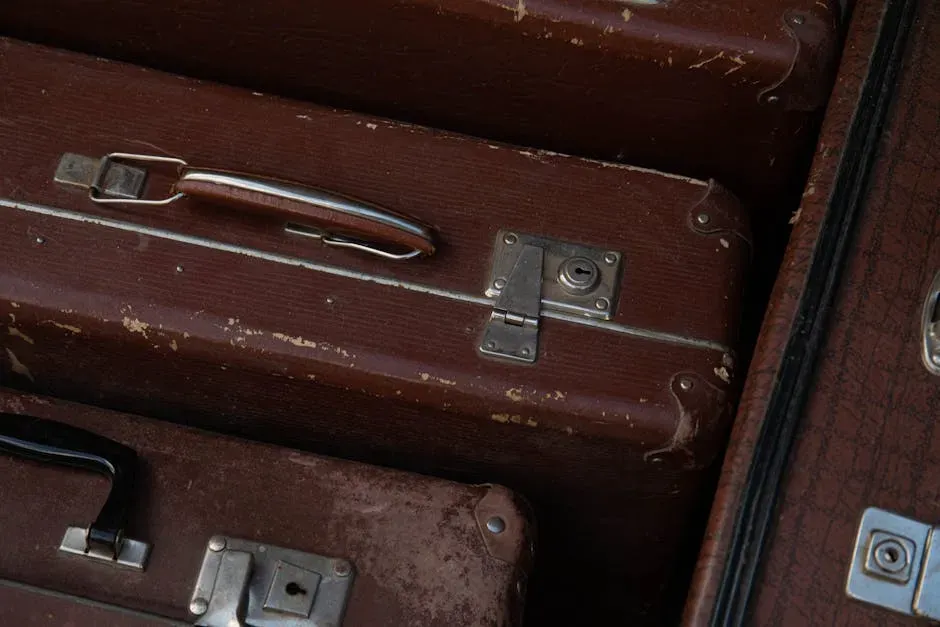
One of America’s most famous gangsters, John Dillinger, spent the spring of 1934 hiding at the Little Bohemia Lodge near Manitowish Waters, Wisconsin. After a phone call tipped off FBI agents to the gang’s location, they raided the lodge and ended up in a shootout with Dillinger and his men. In the confusion, Dillinger apparently escaped out the back door with a suitcase containing $200,000 in small bills. The legend says he buried the suitcase in the backyard of the Lodge. As he was shot three months later in Chicago, the hidden treasure remains in Wisconsin to this day.
The Little Bohemia Lodge still stands, and it has become something of a historical landmark. The property has been searched repeatedly over the decades. No suitcase has ever been found. Whether it was actually buried there, moved before his death, or never buried at all remains genuinely unclear. What is certain is that Dillinger escaped with the money, and it was never recovered by law enforcement.
13. The Fabergé Imperial Eggs – Scattered Across the United States

In 1885, Czar Alexander III of Russia started an Easter gift-giving tradition, commissioning a special Easter egg to be made each year by a master goldsmith. It is unknown where the final eight eggs are, but most believe they are hiding in plain sight in the United States. Ten of the eggs were brought to America by Armand Hammer in 1931, and they make up the majority of the lost pieces.
This is perhaps the strangest treasure on the list, because it’s not buried underground. It’s sitting somewhere, possibly in a private collection, a dusty antique shop, or a forgotten storage unit. The eggs are priceless objects of Russian Imperial craftsmanship, and several have turned up over the years in unexpected places. The remaining missing ones could theoretically be anywhere, which is both an exciting and deeply strange thought.
14. Ted Binion’s Silver – Pahrump, Nevada
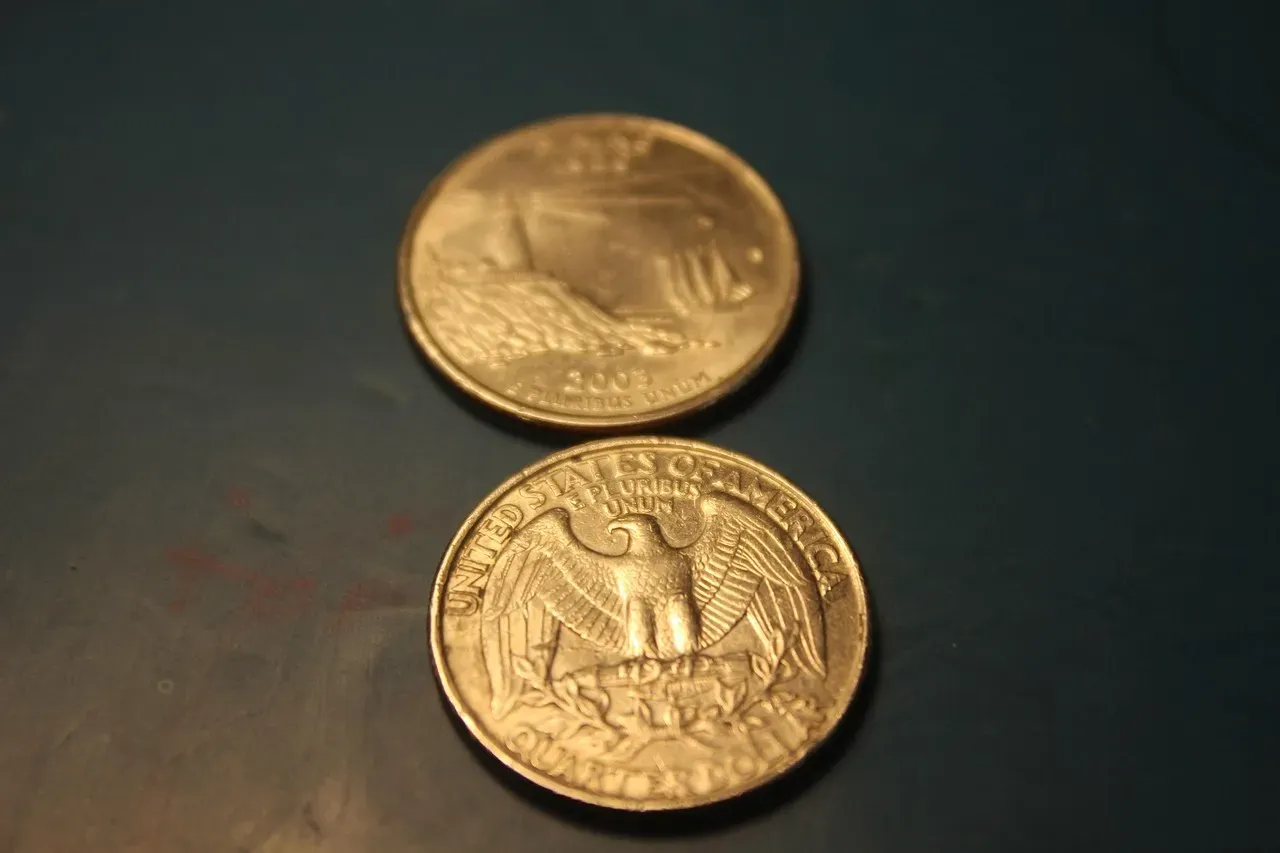
Wealthy casino heir Ted Binion has been dead for over two decades, but his legacy lives on in the form of a silver collection said to be worth several million dollars, rumored to be buried somewhere on the property of his Pahrump, Nevada ranch. Binion was allegedly murdered in 1998 at the age of 55 by his girlfriend and her lover. While the duo was acquitted of murder on appeal, they were convicted on charges related to silver theft, the motive being his collection of silver items worth several million dollars at the time.
Some believe all the silver has been recovered, but others think a buried fortune of hidden treasures remains somewhere on or under the property. The legal twists of the Binion case made national headlines for years. The conviction related to the silver theft adds a layer of documented reality to a story that might otherwise read like pure legend. Whether everything was accounted for, or whether some portion remains buried on those Nevada grounds, is something that hasn’t been conclusively settled.
15. The Lost Treasure of Little Bighorn – Bighorn River, Montana
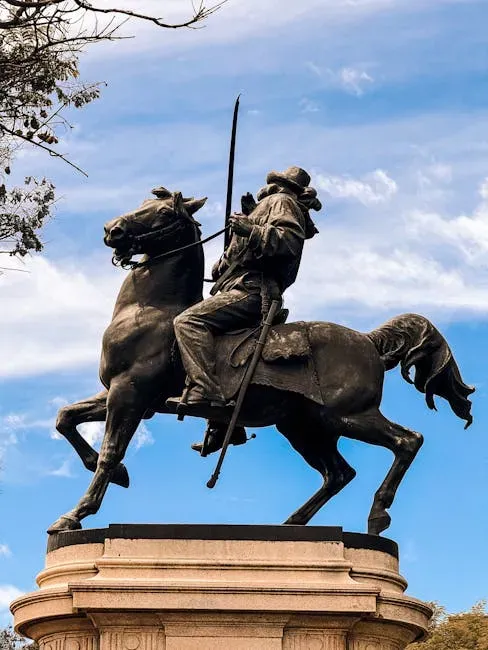
In addition to the many legends surrounding Colonel George A. Custer and the Battle of Little Bighorn, there have grown persistent rumors of lost treasure. As one version goes, the captain of the steamboat Far West, in order to lighten his load, buried some $375,000 in gold that he was safeguarding for miners, to better accommodate the battle’s wounded troopers. The gold still lies buried, according to legend, along the banks of the Bighorn River.
The Bighorn River runs through remote terrain in southern Montana, and the specific burial site, if it ever existed, would be nearly impossible to pinpoint without some kind of documentary evidence. The event itself sits at the edge of recorded history, where military chaos and oral tradition blend together. No gold has been confirmed found along the river in the context of this legend, though the story has never stopped pulling in curious searchers who wonder whether the Far West’s captain really did make that fateful decision.
A Final Thought on the Hunt Itself
These fifteen legends range from the historically documented to the frankly speculative. Some rest on solid ground: coded ciphers, FBI excavations, court convictions, and recovered artifacts. Others float almost entirely on folklore and wishful thinking. The honest truth is that separating fact from fabrication, in most of these cases, is part of what makes them so persistently compelling.
What’s worth appreciating isn’t just the potential for gold or silver at the end of the trail. It’s what the hunt reveals about the people who hid the treasures in the first place. Pirates fleeing capture. Outlaws one step ahead of a posse. Civil War soldiers burying gold in a forest at midnight. Gangsters afraid of going to prison. These were real people living through extraordinary circumstances, and they made choices that no one fully understood at the time. The treasures they left behind, real or imagined, are really just the last unfinished chapters of their stories. Somebody, someday, might actually get to write the ending.
