
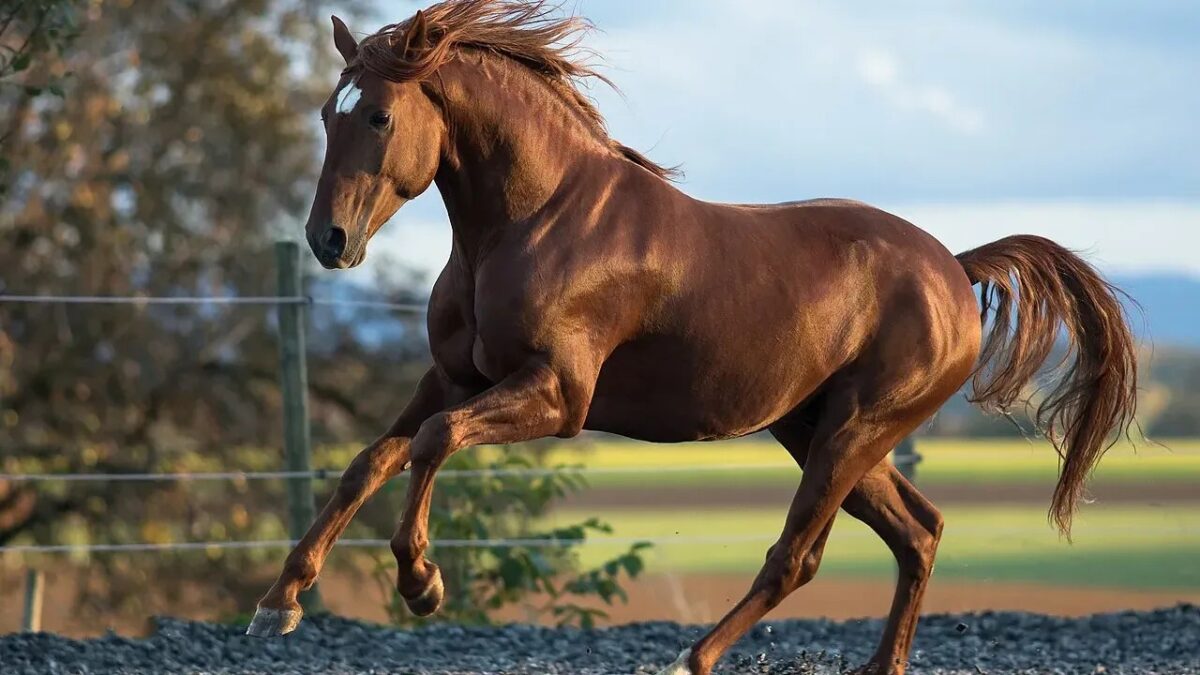
Most people assume a well-trained horse will work just fine for whoever picks up the reins. Hand them off to a capable rider, and they perform. Simple. But spend time around certain breeds and that assumption collapses fast. Some horses don’t just prefer their person – they choose them, completely and almost permanently, in a way that leaves every other rider feeling like a stranger.
This isn’t about stubbornness or poor training. Trainers, long-time handlers, and breed specialists have watched it happen across generations: horses that “shut down,” test unfamiliar riders, or simply go flat without the one human they’ve decided to trust. The breeds below do it more consistently than almost any other. A few of the names on this list will surprise you – and the one at #1 takes the loyalty to a level that’s genuinely hard to believe until you’ve seen it.
#15 – Marwari: The Desert Loyalist With Tunnel Vision
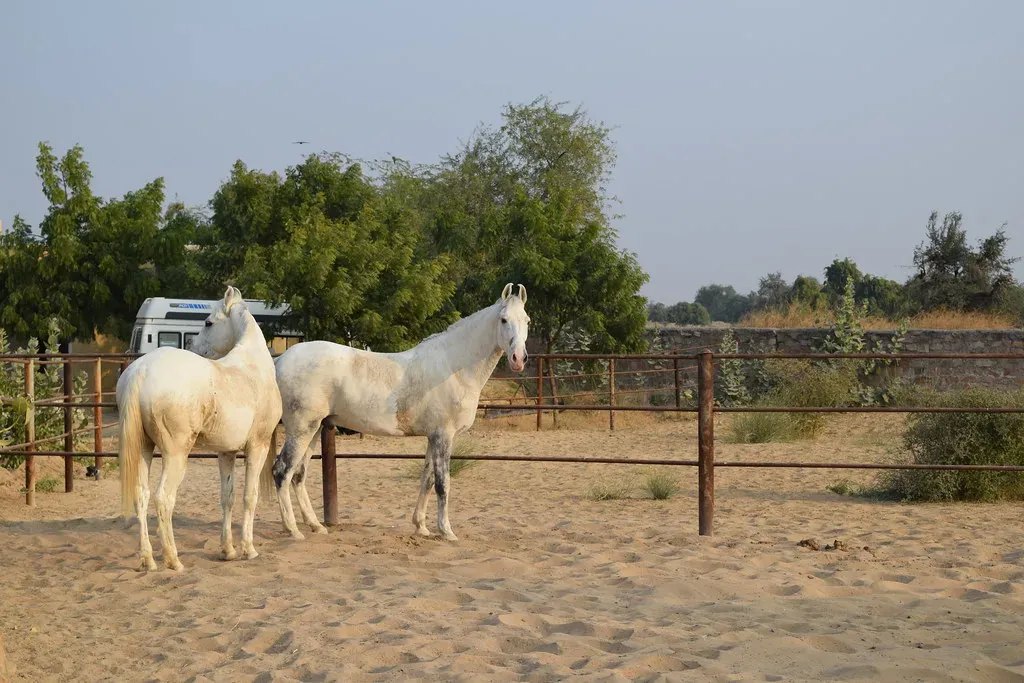
Marwari horses from the Rajasthan desert carry something in their bones that no amount of general training can fully override – a hardwired instinct to trust one person and treat everyone else as an outsider. Their signature inward-curving ears aren’t just a visual quirk; they’re a symbol of just how finely tuned these horses are to a single, familiar presence. Once a Marwari locks onto their person, they read that rider’s voice, weight shifts, and breathing patterns with an almost eerie precision that feels less like training and more like telepathy.
The flip side is that new riders often find the experience bewildering. A horse that executed precise maneuvers for its owner will suddenly ignore basic cues, plant its feet, or move with stiff reluctance under unfamiliar hands. This isn’t disobedience – it’s a survival trait baked in over centuries. In the harsh desert landscapes of India, a warrior’s horse had to be completely synchronized with one rider. That history didn’t disappear when the battles ended. It just got quieter.
Fast Facts
- Originated in the Marwar (Rajasthan) region of India; bred by the Rathore clan from as early as the 12th century
- Famous for inward-curving ears that can meet at the tips – a breed hallmark found in no other horse
- Carried Rajput warriors into battle, including the legendary Chetak at the Battle of Haldighati in 1576
- Export was banned for decades; limited international travel visas only became available after 2008
- Described by experienced handlers as deeply loyal once bonded, but strongly opinionated with strangers
#14 – Criollo: The South American One-Track Mind
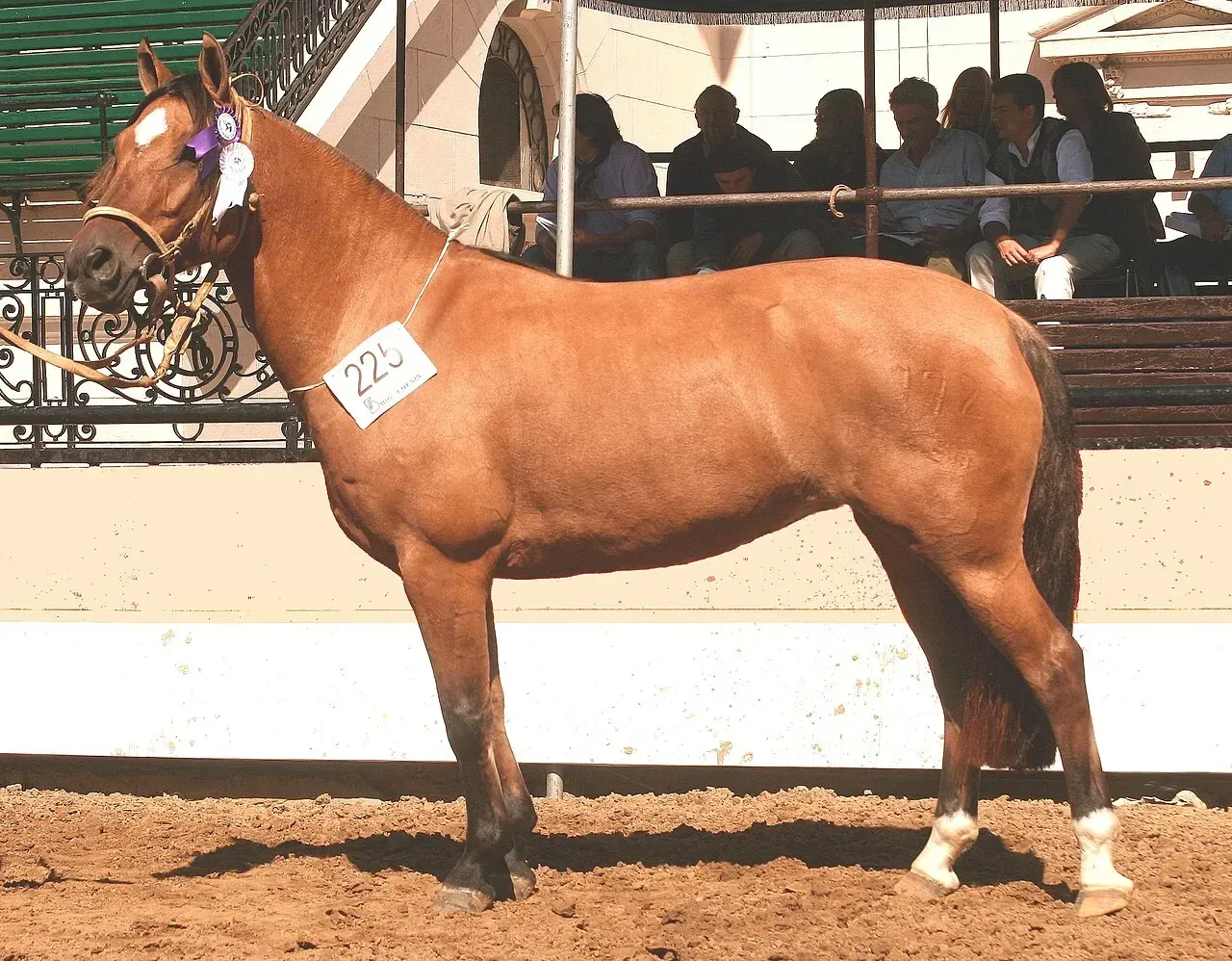
The Criollo is the horse that carried gauchos across the South American pampas for weeks at a time, through punishing heat, cold, and terrain that broke other breeds entirely. That endurance is legendary. Less talked about is what that isolation and constant one-on-one partnership did to the Criollo’s psychology. These horses didn’t just survive the journey with one rider – they internalized it. The gaucho was the horse’s world, and that imprint runs deep in the breed to this day.
Modern Criollo owners frequently discover this the hard way when a trusted horse is handed off to another rider, even temporarily. Tasks the horse performed easily become hesitant or incomplete. The horse isn’t confused – it’s withholding. Their intelligence is precisely what makes the selectivity so sharp. A Criollo knows the difference between its person and everyone else, and it acts on that knowledge every single time.
#13 – Haflinger: The Alpine Specialist Who Picks Favorites
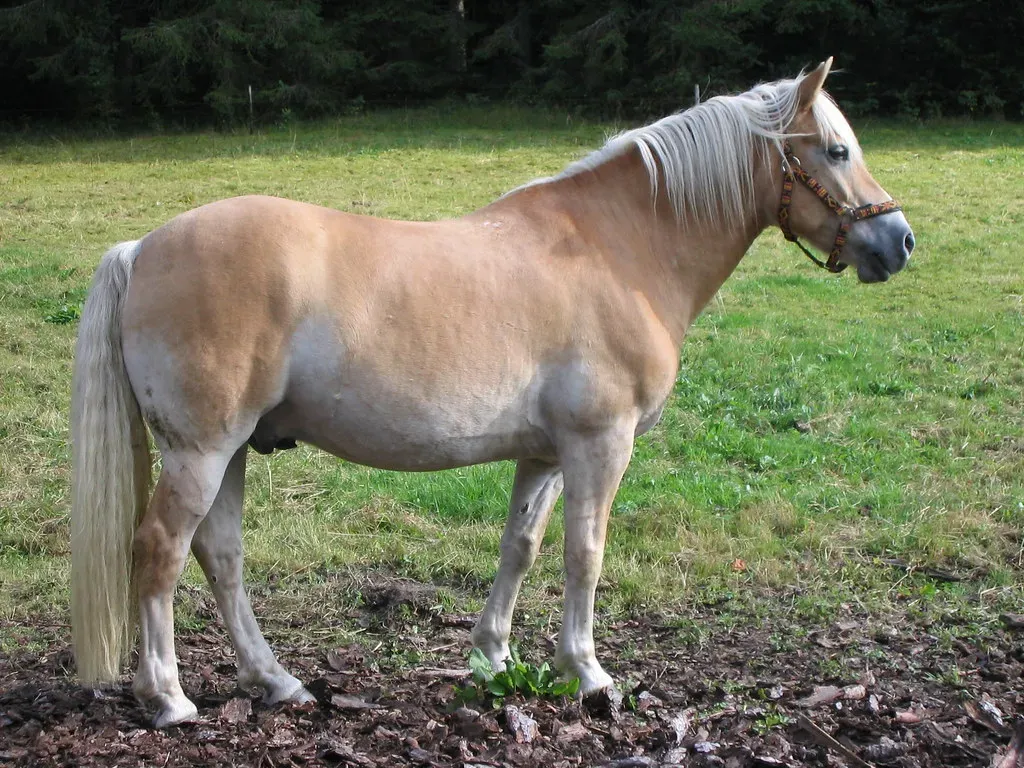
There’s a deceptive charm to the Haflinger’s compact, golden appearance and calm demeanor that makes people assume they’re endlessly easygoing. And they can be – until you try to swap riders. Bred in the steep mountain terrain of the Austrian and Italian Alps, Haflingers developed a working style built around precision partnership. The narrow trails and heavy loads required a horse that understood exactly who was guiding it and responded accordingly. That precision didn’t vanish in domestication; it redirected into rider preference.
Owners who’ve worked closely with a Haflinger for a season describe something that almost resembles emotional loyalty – the horse brightening visibly when its person arrives and settling into a focused, almost effortless cooperation that other riders can’t seem to replicate. Lesson barns sometimes struggle with Haflingers for exactly this reason. They’re not difficult in a dangerous sense, but they have a quiet stubbornness that only dissolves completely for the right person.
#12 – Gypsy Vanner: The Traveler’s Devoted Companion
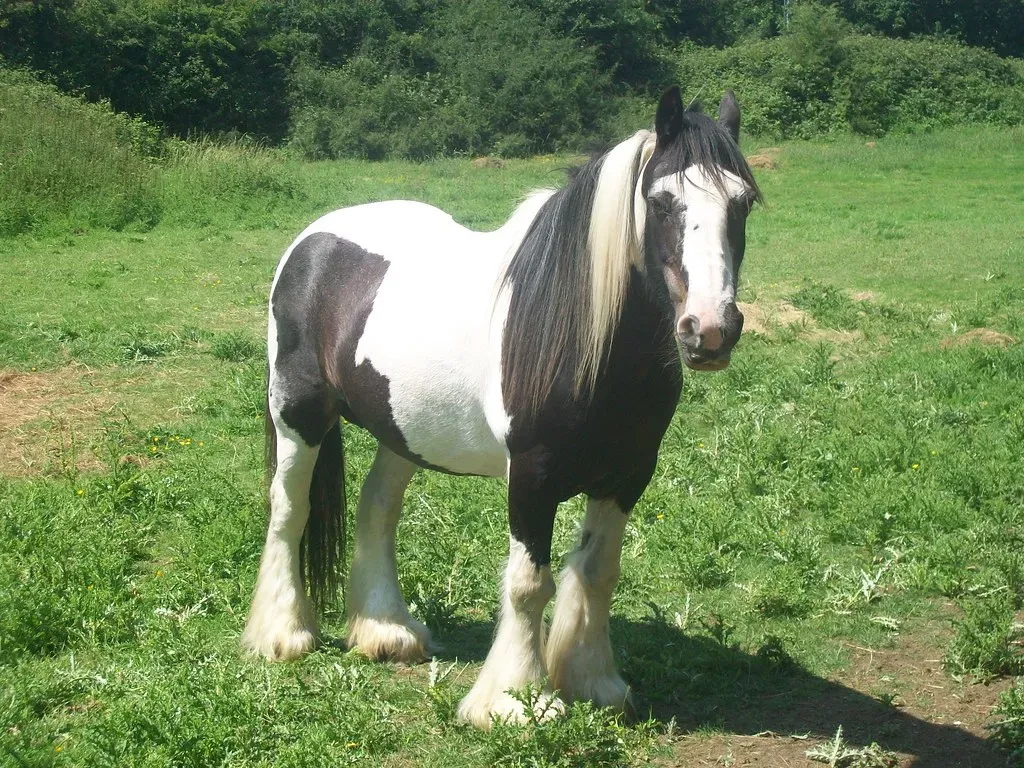
The Gypsy Vanner was bred to live alongside Irish Traveler families in an almost seamless daily partnership – pulling vardos, navigating roadsides, and living within arm’s reach of the people who depended on them completely. That proximity created a horse that calibrates itself to human emotional states with unusual sensitivity. They are not just aware of their rider; they are tuned to them, the way a close friend reads your mood before you’ve said a word.
That sensitivity is both their gift and their complication. New riders often encounter a horse that feels polite but slightly withheld – technically compliant but never fully unlocked. Gypsy Vanner owners describe the moment the bond truly clicks as unmistakable: the horse’s whole body relaxes, the movement becomes more expressive, and the cooperation feels effortless. Getting to that moment takes time, and the horse controls the timeline entirely. Most won’t reach it with more than one person at a time.
#11 – Lusitano: The Portuguese Partner With High Standards
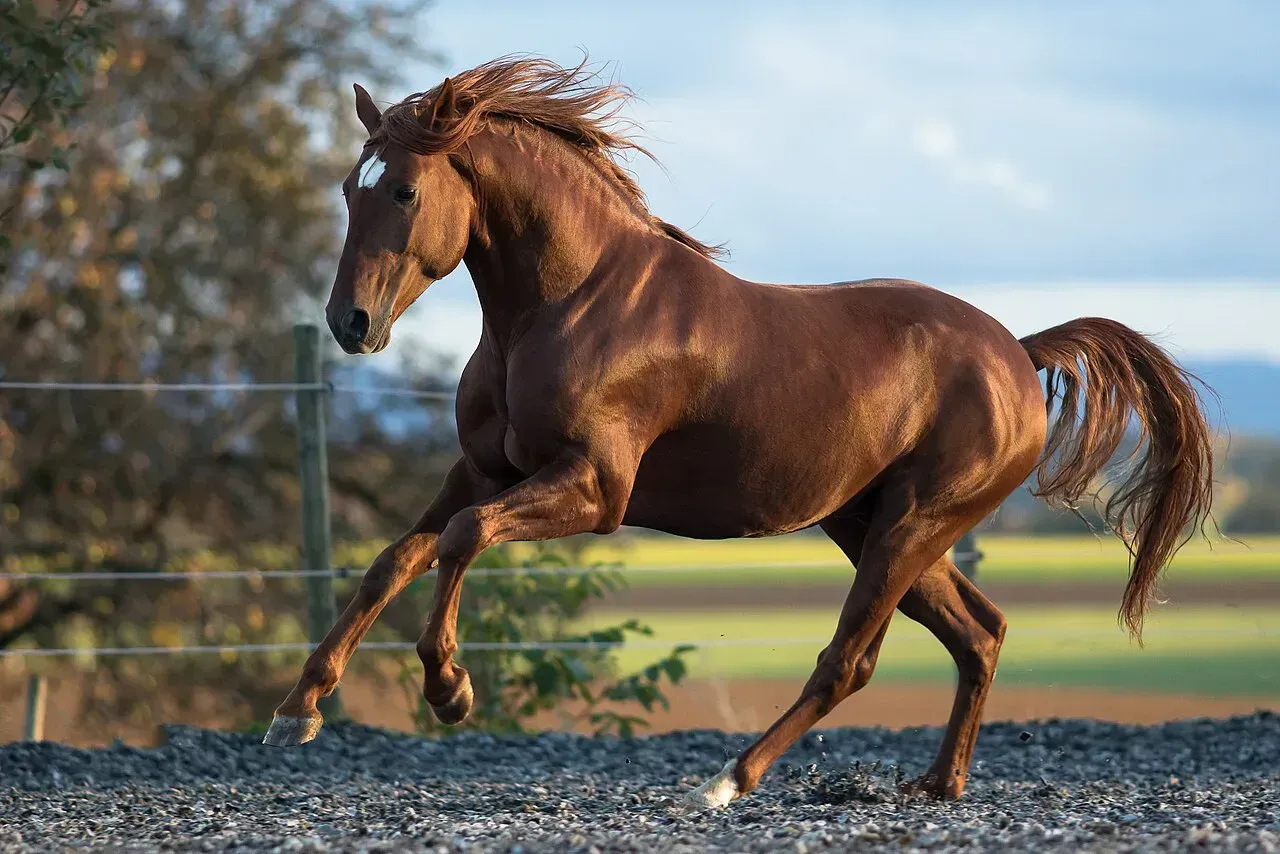
The Lusitano spent centuries in the Portuguese bullfighting ring, where the slightest miscommunication between horse and rider wasn’t just a performance error – it was a physical danger. That crucible produced a horse of extraordinary intelligence and sensitivity, one that learned to read a single rider’s intent with surgical accuracy. The bond that formed in those conditions wasn’t optional. It was survival, and the breed carries that weight in its temperament today.
Modern Lusitano owners working in dressage describe a quality of communication with their horse that feels almost conversational – subtle shifts in seat and intention that the horse answers before the aid is fully given. But try to replicate that with a substitute rider and the magic largely disappears. The Lusitano isn’t being difficult; it simply hasn’t built the vocabulary yet with this new person, and it won’t fake understanding it doesn’t have. That honesty is part of what makes them extraordinary partners, and part of what makes them genuinely difficult to share.
#10 – Tennessee Walking Horse: The Gaited One-Person Specialist
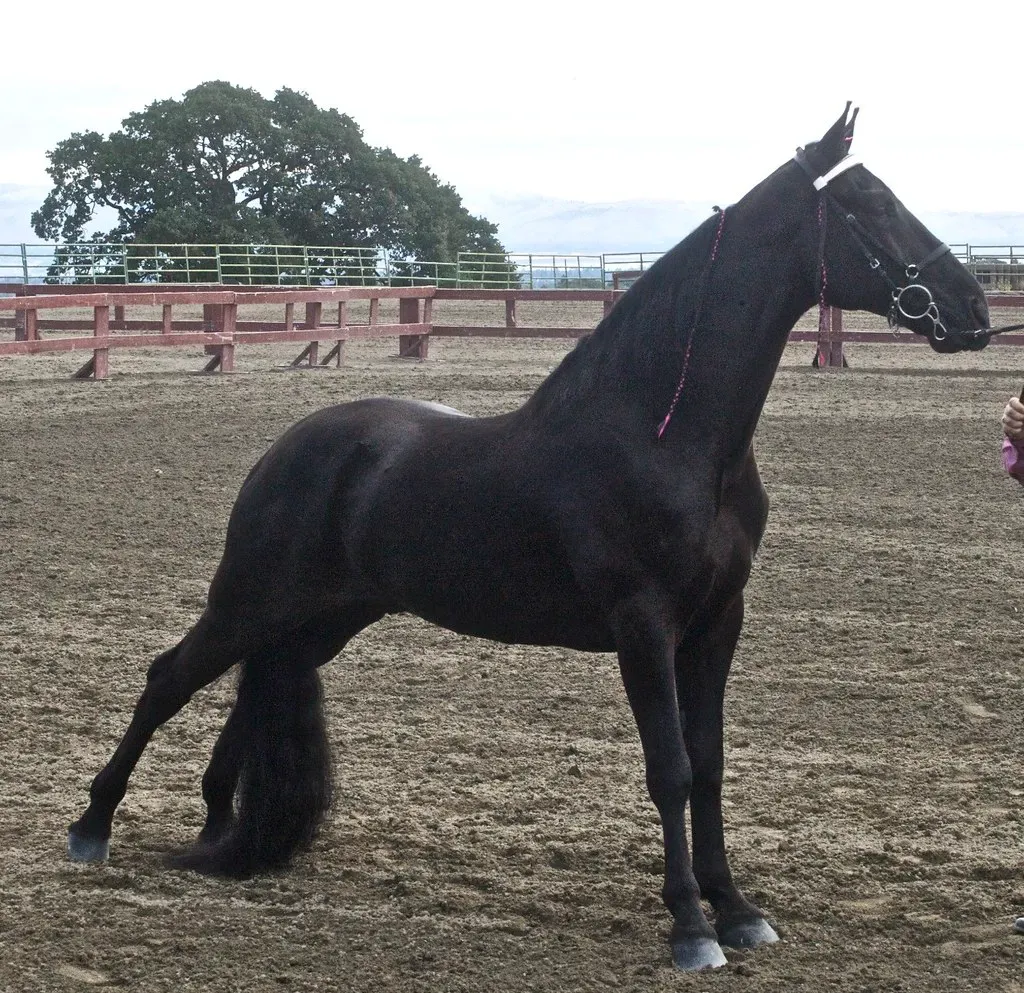
The Tennessee Walking Horse’s famous running walk is one of the smoothest, most distinctive gaits in the equine world – gliding and effortless for the rider, seemingly automatic for the horse. But experienced handlers will tell you that smoothness isn’t automatic at all. It’s the result of a deeply calibrated communication between horse and rider, built through hours of work that the horse has essentially memorized for one specific person. Change the rider, and the gait often changes too – becoming rougher, less consistent, or subtly off in ways that are hard to pin down.
These horses are highly intelligent and emotionally perceptive, which accelerates bonding but also accelerates selectivity. Tennessee Walking Horse trainers frequently note that a horse performing beautifully in one person’s hands will test a new rider in ways that seem almost calculated – not explosive, just persistently uncooperative in small ways that add up. Their plantation heritage, where a single owner might ride the same horse daily for years, reinforced this exclusive dynamic at the genetic level. The bond, when it forms, is remarkable. Getting one to extend that to a second person takes patience most casual riders don’t have.
At a Glance: The Middle-of-the-List Loyalists
- Lusitano: Centuries of bullfighting ring pressure forged a horse that reads one rider’s intent with near-telepathic accuracy
- Tennessee Walking Horse: Its famous running walk is a communication – and it only flows perfectly for the rider it was built with
- Gypsy Vanner: Bred for daily family life, it calibrates emotionally to one human and stays slightly withheld with everyone else
- Haflinger: Deceptively easygoing in appearance, but its quiet stubbornness surfaces the moment an unfamiliar rider picks up the reins
#9 – Paint Horse: The Colorful Horse With Selective Trust
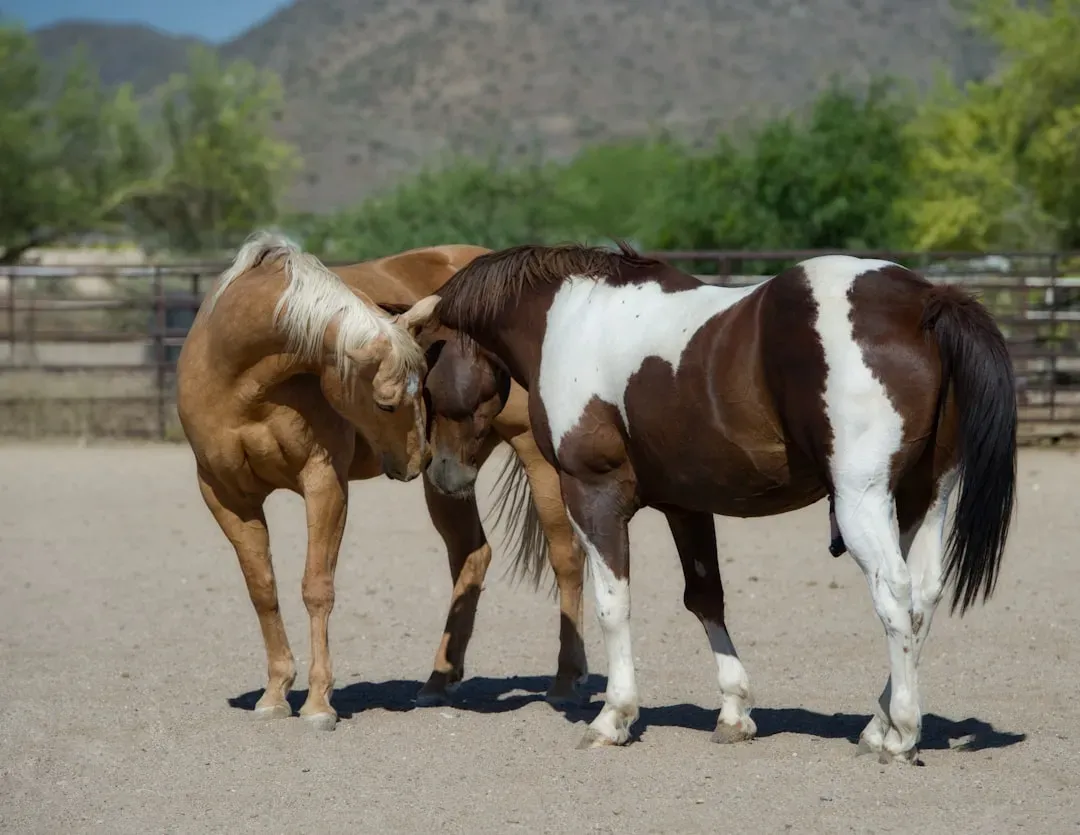
The Paint Horse’s striking coat patterns tend to get all the attention, but underneath that eye-catching exterior is a horse with a deeply social and loyalty-driven psychology. Paints carry the Quarter Horse intelligence and work ethic in their bloodlines, and with that comes the same capacity for strong, singular attachment that their plainer relatives are known for. Ranch horses that worked with one cowboy day after day, season after season, didn’t develop broad social personalities – they developed precise ones.
What surprises new Paint owners most is that the exclusivity doesn’t always look like aggression or drama. It looks like subtle withdrawal – a horse that gives 80 percent for a new rider when it clearly has 100 percent to offer. Owners who’ve spent significant time with their Paint describe a warmth and responsiveness that feels personal, almost like the horse is genuinely happy to see them specifically. That happiness, and the full cooperation that comes with it, doesn’t automatically transfer. The horse decides who earns it, and that decision is rarely reversed.
#8 – Friesian: The Baroque Beauty With Narrow Focus
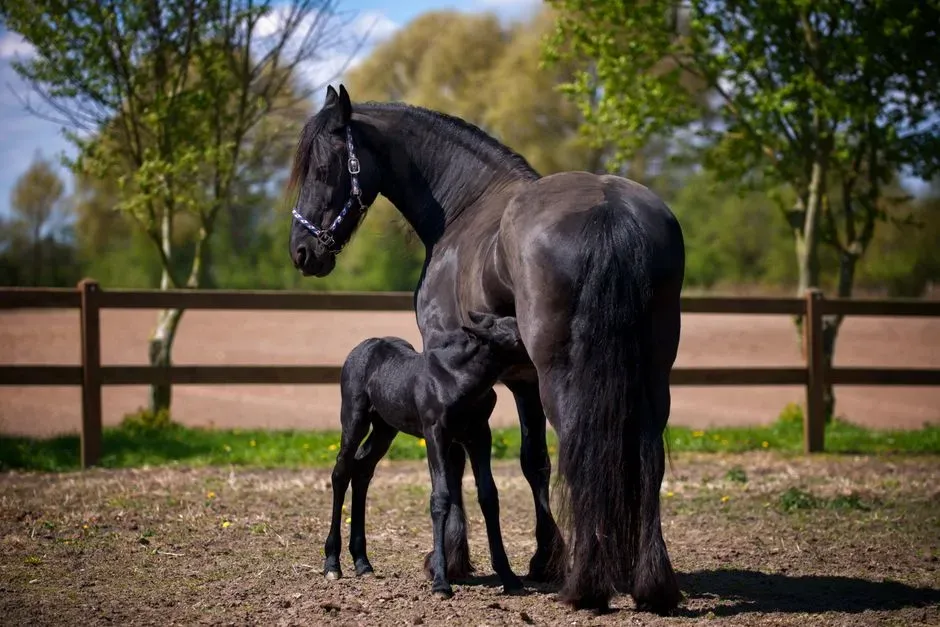
Friesians are often described as the horse world’s most dramatic overachievers – those flowing manes, that enormous floating trot, the sheer theatricality of their movement. But that expression isn’t a performance they give to everyone who climbs on board. Friesians are deeply sensitive horses whose willingness is closely tied to emotional trust, and that trust builds slowly and selectively. The horse that floats across an arena for its dedicated rider can look entirely different under someone else – flatter, stiffer, quietly reluctant in a way that dampens everything that makes a Friesian spectacular.
Dutch breeders shaped this horse for refined carriage work where the partnership between driver and horse had to be near-perfect, and that history left a psychological fingerprint. Friesian owners frequently describe a quality of attention from their horse that goes beyond training – an awareness of their rider’s emotional state, a responsiveness to subtle shifts in confidence or stress. That depth of connection is part of why Friesian enthusiasts become so devoted to the breed. It’s also why borrowing someone else’s Friesian for an afternoon almost never goes the way you hope.
#7 – Mustang: The Wild Heart That Chooses Once
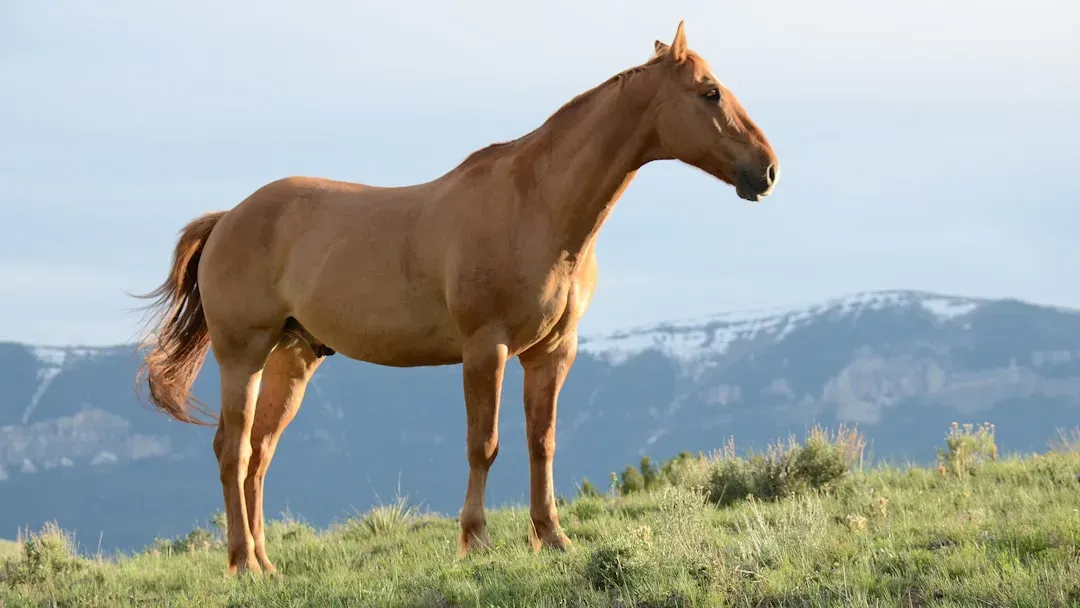
A Mustang’s journey from the open range to a human partnership isn’t a process that happens quickly or easily – and it’s not a process the horse takes lightly. Every person who has gentled a wild Mustang describes the same arc: weeks or months of patient, careful work, then a moment where the horse makes a decision. Not just accepts handling, but genuinely chooses. That moment is unlike anything else in horse training, and the people who witness it rarely forget it.
What follows that choice, however, is a bond that has very little flexibility. The Mustang that committed to one person built that trust from a foundation of feral independence, which means the trust is both profound and narrow. New riders often encounter a horse that reverts – not to aggression necessarily, but to wariness, to distance, to the careful watchfulness of a wild animal that hasn’t decided yet whether you’re safe. Many Mustang owners accept this as part of the deal. The exclusivity isn’t a flaw. It’s the price of a connection that most riders never get to experience at all.
The horse is a mirror to your soul. Sometimes you might not like what you see in the mirror; sometimes you will.
Buck Brannaman
#6 – Andalusian: The Spanish Noble With High Expectations
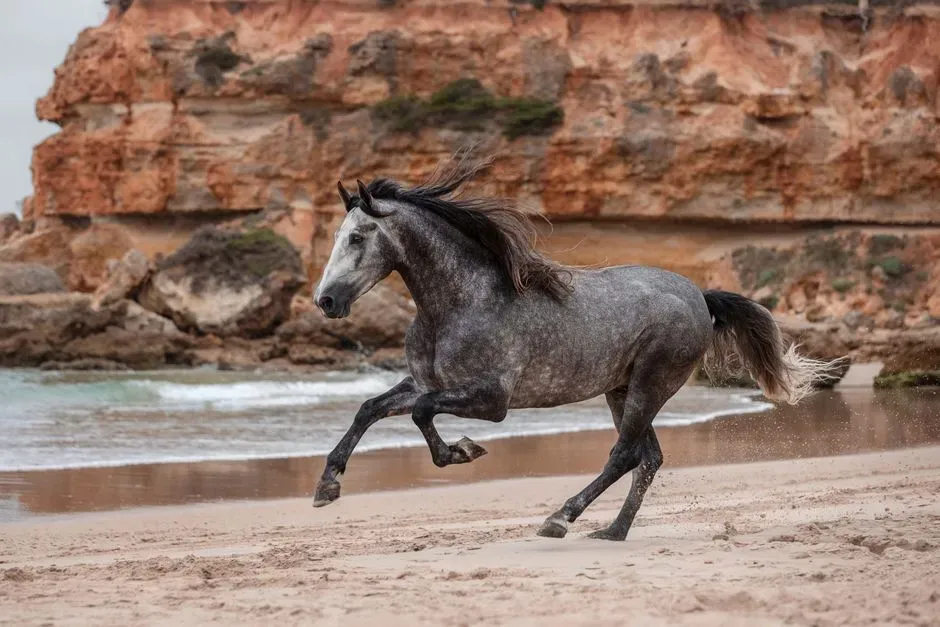
The Andalusian has been the horse of kings, conquistadors, and classical riding masters for five hundred years. That lineage matters not just aesthetically but temperamentally – these horses were bred to respond to the finest, most subtle aids imaginable, and they were bred to do it for one specific, skilled rider. The result is a horse of astonishing responsiveness that can feel almost magical under the right person and strangely muted or testing under someone who hasn’t earned that language yet.
Andalusian owners working in classical dressage describe a feeling of co-creation with their horse – as if the movements emerge from a shared intention rather than from applied aids. That quality doesn’t appear on day one, and it doesn’t appear for every rider who gets on. The Andalusian is assessing you constantly, quietly, and its best work is reserved for the person who has passed that long, invisible exam. New riders often describe feeling like they’re being politely tolerated rather than genuinely partnered – which is accurate, because they probably are.
#5 – Appaloosa: The Spotted Horse With Fierce Loyalty
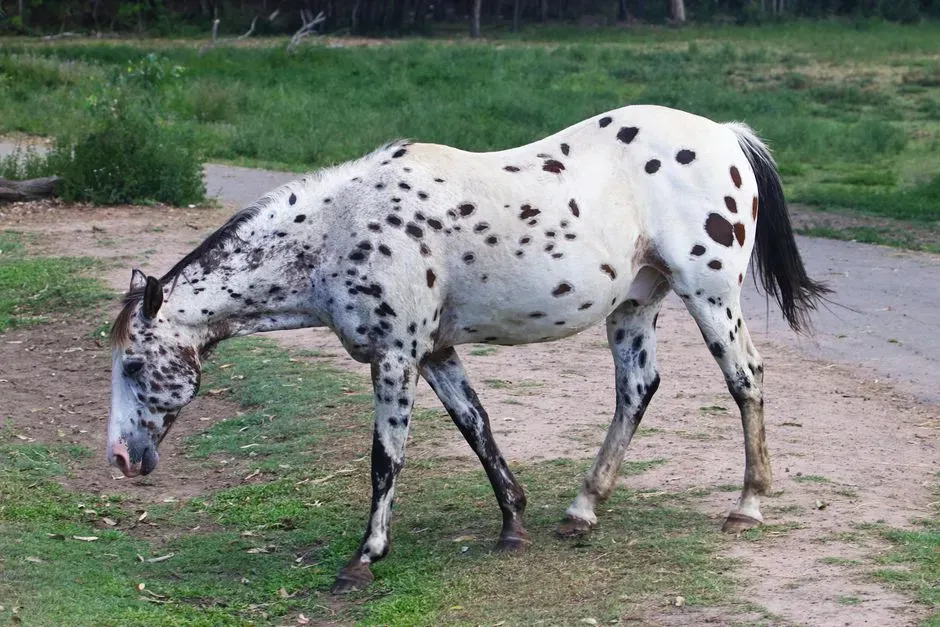
The Appaloosa’s story is inseparable from the Nez Percé people who developed and refined the breed across generations of careful selection. These weren’t just horses bred for looks or speed – they were bred to be partners in every meaningful sense, sharing camp, travel, and the full weight of survival with one family, one rider, one human relationship at a time. That purpose shaped a psychology of loyalty that runs deeper than most people expect when they see the spotted coat and assume they’re getting a versatile, easy-going trail horse.
Appaloosa owners frequently note a quality of attention from their horse that feels almost watchful in a good way – the horse tracking its person’s movements, responding to changes in mood, offering more when asked by someone it trusts completely. That responsiveness doesn’t disappear with a new rider, but it dims noticeably. The Appaloosa performs; it just doesn’t invest. There’s a difference, and anyone who has experienced the full version knows it immediately when it’s missing.
Worth Knowing: Signs Your Horse Has Chosen You
- Meets you at the gate consistently – and doesn’t do it for anyone else in the barn
- Sighs, lowers its head, or visibly relaxes the moment you start grooming
- Performs transitions and gaits noticeably smoother under your hands than a capable substitute rider
- Whinnies specifically when it hears your voice, not just any familiar footstep
- Stays close without a lead rope in open space – a behavior many one-person breeds reserve exclusively for their chosen human
#4 – Morgan: The All-American Horse That Picks Its Person
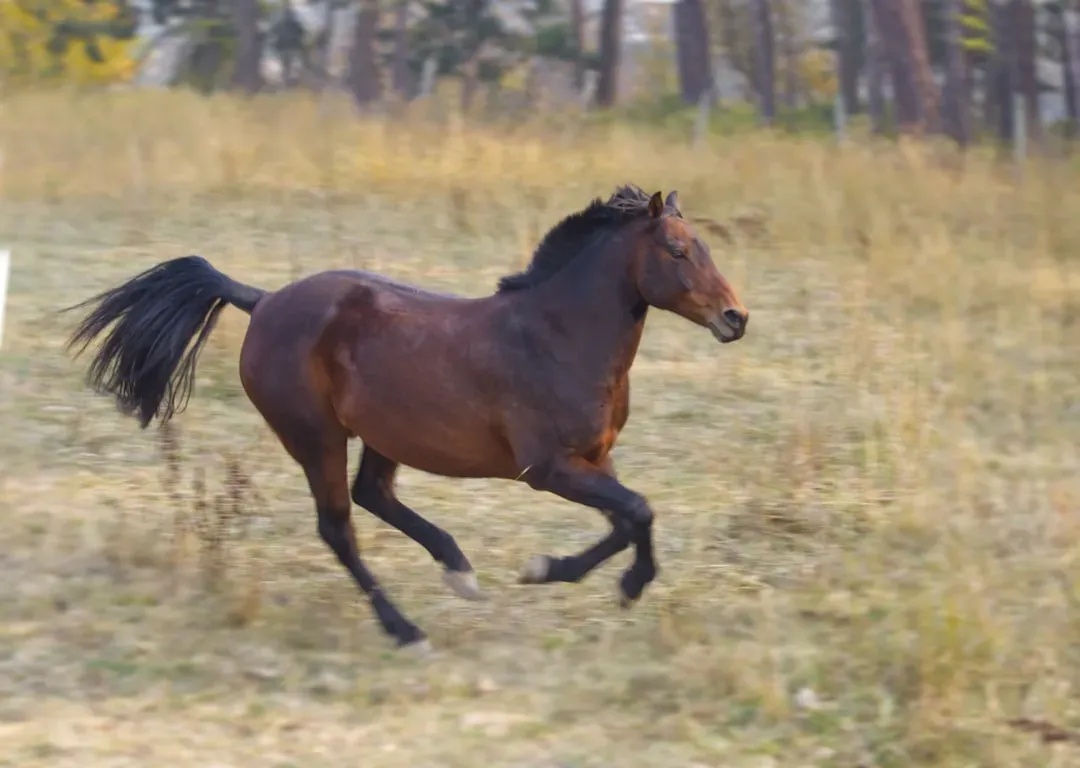
The Morgan is one of America’s oldest breeds, descended from a single foundation sire named Figure who was legendary not just for his physical toughness but for his extraordinary willingness to work for the people he trusted. That foundational trait – deep, eager cooperation tied to a specific human relationship – has persisted through every generation of the breed since. Morgans are not indiscriminately friendly. They are selectively, intensely devoted, and that devotion tends to center on one person at a time.
Families who keep Morgans for years often describe a dynamic that feels less like owning a horse and more like having a relationship with a highly perceptive individual who has genuinely decided you matter to them. The horse greets them differently, works differently, and communicates differently with its chosen person than with anyone else in the barn. That exclusivity can occasionally complicate things – lending or leasing a Morgan rarely works as smoothly as expected – but for the person the Morgan has chosen, the feeling is irreplaceable.
#3 – Arabian: The Desert Icon With Legendary Devotion
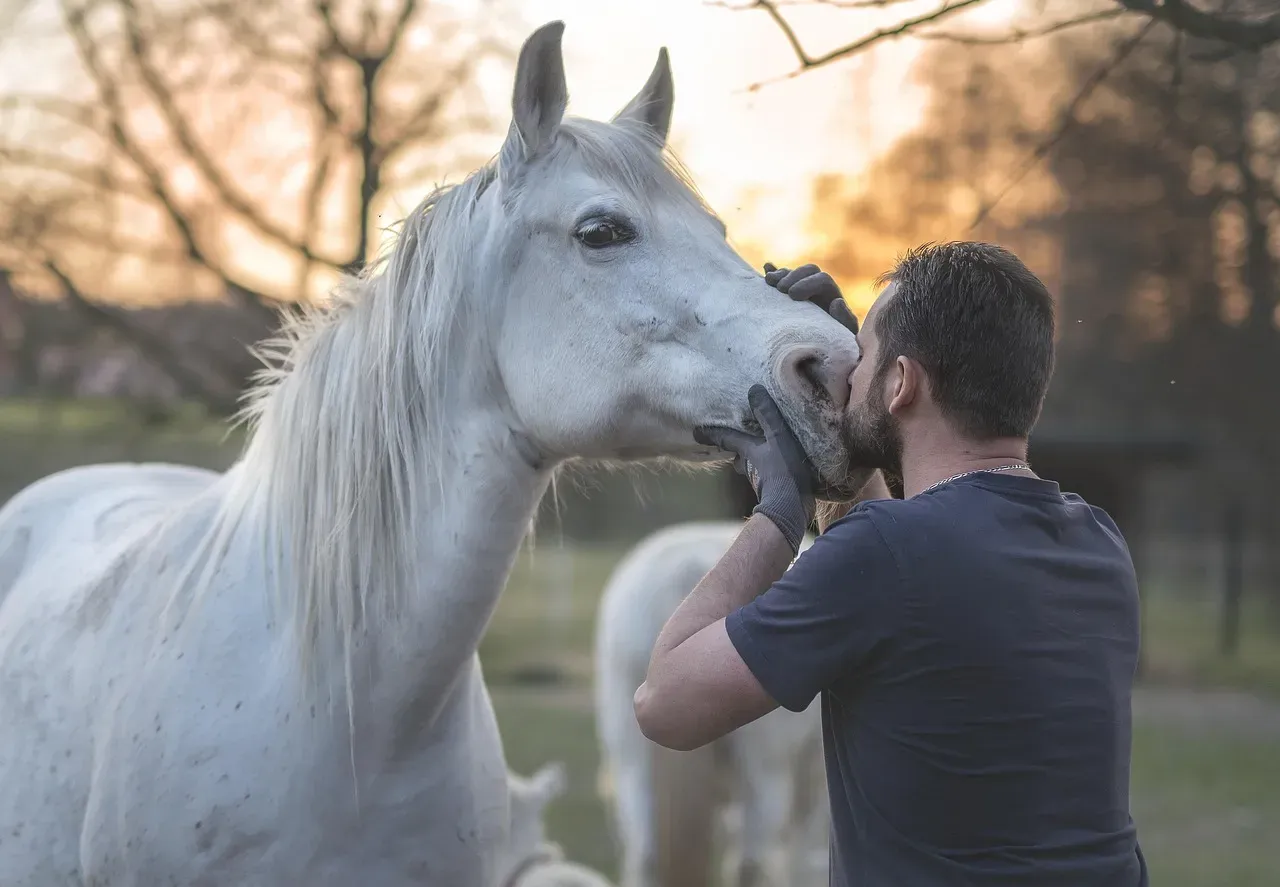
The Arabian’s “one-person horse” reputation is one of the oldest and most persistent in the equine world, and it exists for good reason. These horses lived inside Bedouin tents, shared their owner’s food and shelter, and were treated as members of the family rather than tools of labor. Centuries of that intimacy produced a horse of extraordinary emotional intelligence – one that reads human energy with uncanny accuracy and forms bonds that feel less like animal-human relationships and more like genuine friendship between two sensitive beings.
The intensity of that bond is also its most complicated feature. Arabians that bond deeply with one rider can become visibly anxious, distracted, or resistant with others – not because they’re poorly trained, but because they are exquisitely attuned to the person they love and can feel the absence of that connection immediately. New riders are sometimes intimidated by this, misreading the horse’s guardedness as a character flaw. It isn’t. It’s fidelity, and for the rider who earns it, an Arabian’s full trust is one of the most extraordinary things in the horse world.
Quick Compare: Arabian vs. Akhal-Teke Loyalty
- History of human closeness: Arabians slept inside Bedouin family tents for centuries; Akhal-Tekes were tethered just outside their owner’s dwelling – both unusually intimate by horse standards
- Bond intensity: Arabians form deep attachments but can gradually accept a second trusted person; Akhal-Tekes are widely considered the more absolute of the two
- With strangers: Arabians show visible anxiety or guardedness; Akhal-Tekes can treat unfamiliar riders as a perceived threat
- Rarity: Arabians are among the world’s most popular breeds; Akhal-Tekes number only around 6,600 worldwide and are listed as threatened
#2 – Quarter Horse: The Ranch Favorite With Exclusive Leanings
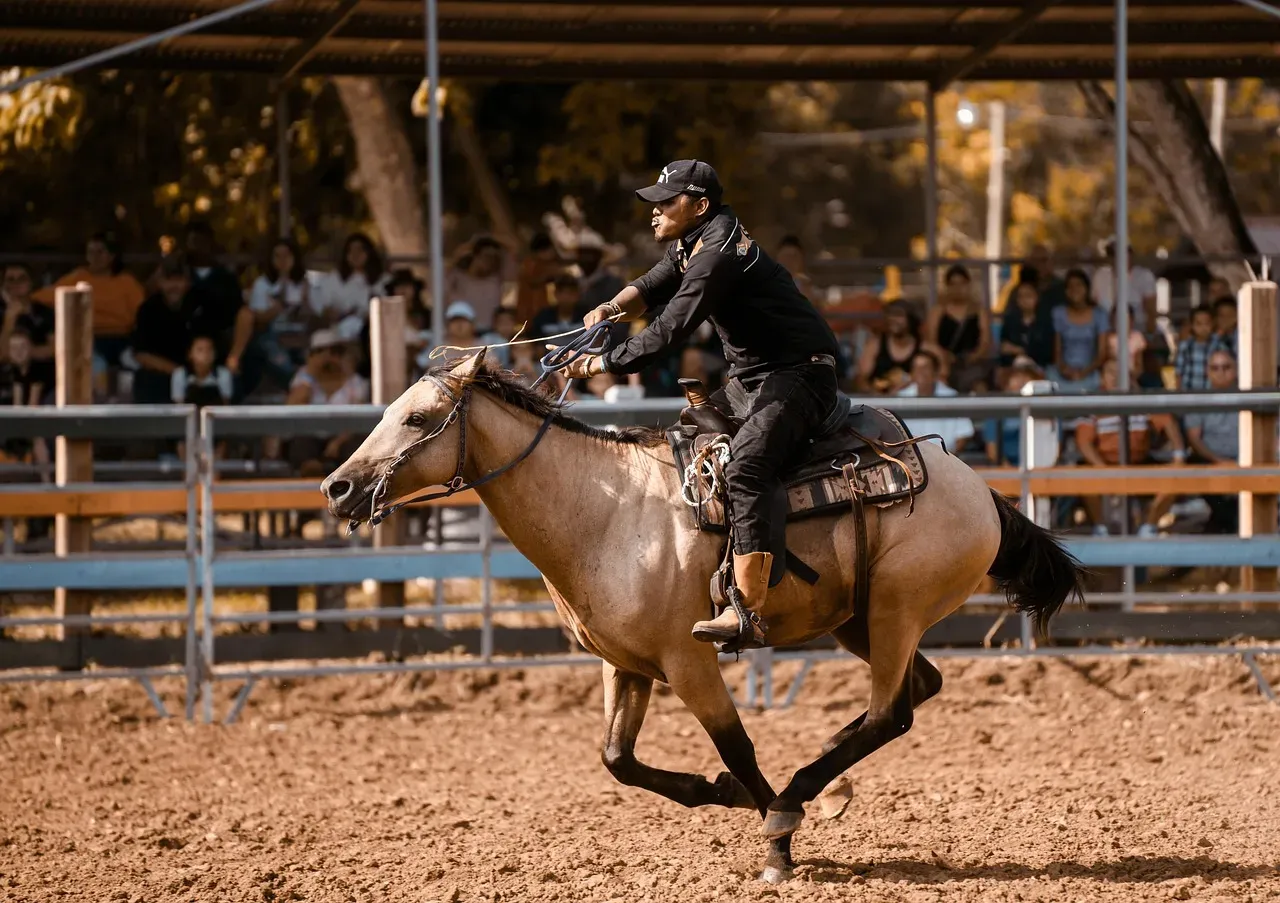
The Quarter Horse’s reputation for levelheadedness and versatility tends to overshadow a quality that working ranchers have known for generations: these horses bond hard to the person they spend real time with. The calm, steady exterior doesn’t mean the horse is emotionally neutral. It means the horse has learned to carry its feelings quietly – and those feelings include very clear preferences about who is sitting in the saddle. A Quarter Horse that has worked cattle, trails, or arenas with one person for a season has built something specific and proprietary with that rider.
The selectivity surfaces in performance rather than in dramatic behavior. A new rider usually finds the Quarter Horse cooperative but somehow less – less responsive to light aids, less fluid in transitions, less willing to take initiative. The horse’s primary rider often can’t even fully articulate what makes the difference, because the communication has become largely nonverbal, a fluency built through repetition and trust. That fluency takes real time to develop with someone new, and most Quarter Horses don’t bother working hard at it until they’ve decided the new person is worth the effort.
#1 – Akhal-Teke: The Golden Horse That Bonds for Life
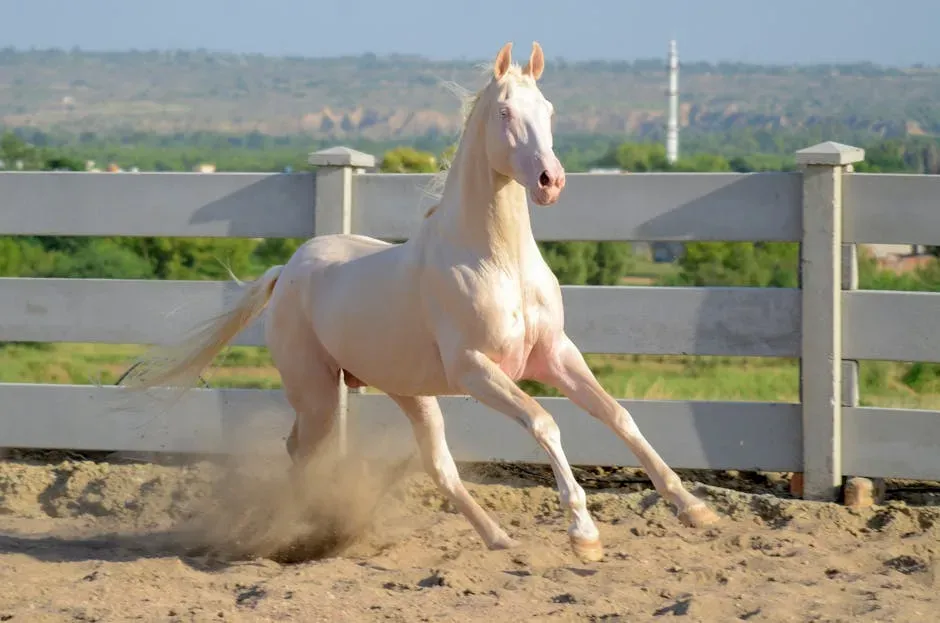
The Akhal-Teke is not a horse most people encounter in a lifetime of riding, and the ones who do tend to describe the experience in terms that sound almost spiritual. These ancient Turkmen horses – with their metallic coats that seem to generate light rather than reflect it – are widely considered the most intensely bonded breed on earth. Central Asian nomads kept them as singular companions across thousands of miles of steppe and desert, and the horse’s entire psychology evolved around that exclusivity. The Akhal-Teke doesn’t form herds in the traditional sense of horse social structure. It forms pairs.
Owners describe a connection that goes beyond anything they experienced with other breeds – a horse that follows without a lead rope, responds to whispered words, and becomes visibly distressed when separated from its person in ways that other horses simply don’t. The resistance to other riders isn’t trained behavior or stubbornness; it’s a fundamental feature of how this breed experiences relationship. Many Akhal-Teke owners will tell you plainly: this horse has one person in its lifetime, maybe two if circumstances require it and the transition is handled with extraordinary care. Everyone else is, at best, a tolerated stranger. At worst, a threat. If you earn the full trust of an Akhal-Teke, you will never want another horse again – and the horse will make sure you know the feeling is mutual.
Fast Facts: Akhal-Teke
- Formally dubbed “the horse of a single master” – one of the few breeds where the one-person bond is considered a defining breed characteristic, not an individual quirk
- Approximately 3,000 years old; originated in the Karakum Desert of Turkmenistan and is considered one of the oldest surviving horse breeds on earth
- Only around 6,600 exist worldwide; listed as “threatened” on The Livestock Conservancy’s Conservation Priority List
- Their metallic coat sheen – visible on every color except black – is produced by the unique hollow-core structure of each hair shaft
- Known to defend their chosen owner from perceived threats and show visible distress when separated from their person
- Starting price typically around $7,000, with exceptional individuals reaching $100,000 or more
The Verdict
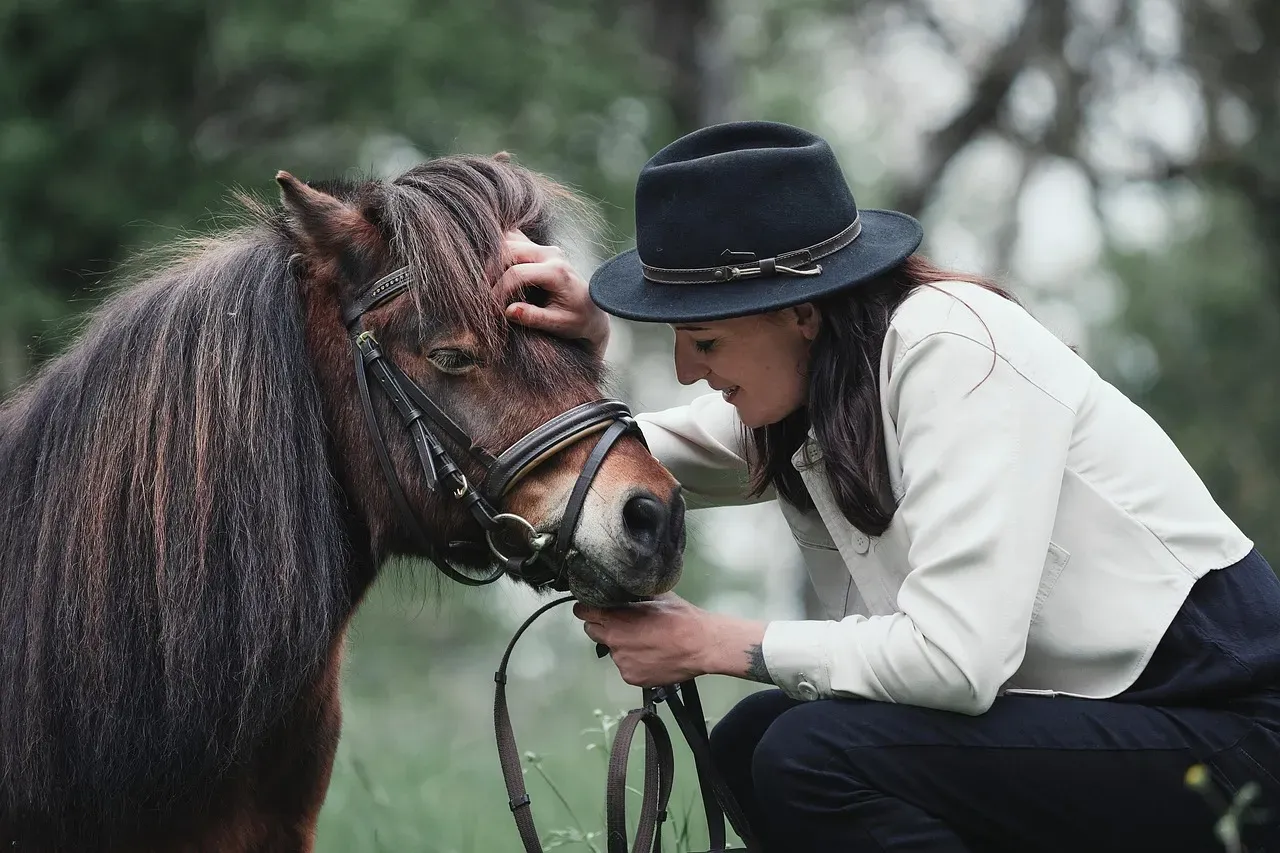
What these fifteen breeds share isn’t a training problem or a flaw to be corrected – it’s a depth of emotional investment that most horses simply aren’t capable of. The Akhal-Teke and Arabian sit at the extreme end of that spectrum, but every breed on this list carries some version of the same truth: genuine partnership with a horse isn’t automatically transferable. The horse has a say. And the breeds that feel this most intensely are, arguably, the ones that give you the most when you’re the person they chose.
There’s something worth sitting with in that. In a world where horses are often treated as interchangeable tools of sport or recreation, these breeds are quiet proof that some animals experience loyalty as a non-negotiable way of being. Whether that strikes you as beautiful or inconvenient probably says something about what you’re looking for in a horse – and maybe something about what you’re looking for in any relationship at all. The truth is, if you’ve ever had one of these horses choose you – really choose you – you already know no list could fully capture what that feels like. And if you haven’t yet, these are the breeds worth waiting for. Did one of your horses make this list? Or do you know a breed that belongs here and didn’t make the cut? Drop it in the comments.

- 10 Remarkable Facts About the African Cheetah: The Lightning of the Grasslands - July 29, 2026
- 10 Most Heroic Horses in History - July 29, 2026
- Why You Should Never Play Dead When Attacked by a Black Bear - July 29, 2026