
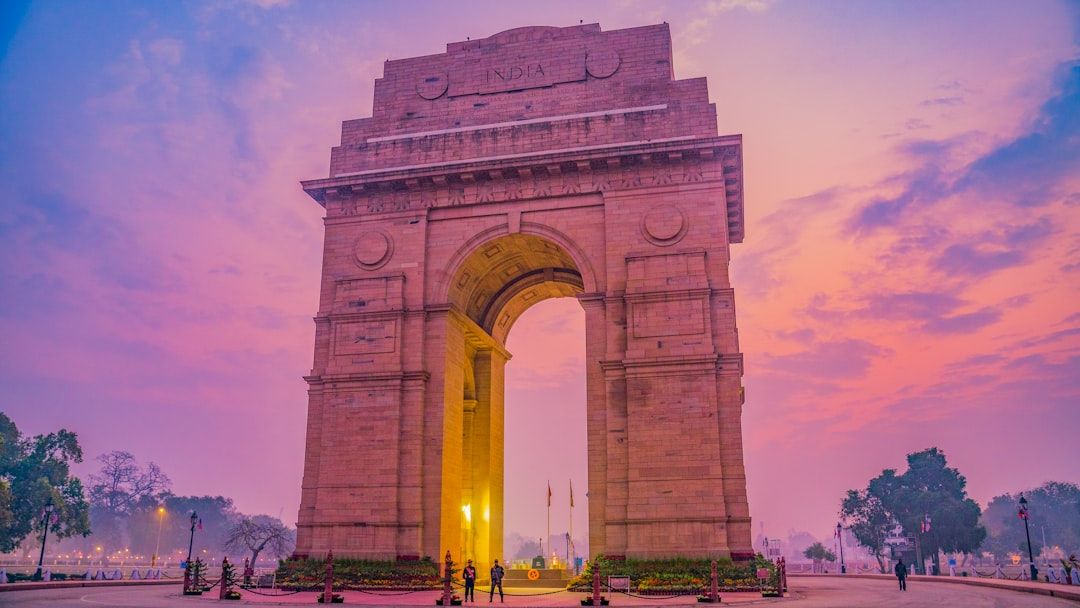
Picture this: you step outside and the air itself feels like it’s burning your lungs. The pavement beneath your feet is so hot it could literally cook an egg. Welcome to life ‘s most scorching urban centers, where residents don’t just endure the heat, they’ve learned to conquer it through sheer determination and ingenious adaptation.
These aren’t just warm places that make you sweat a little more than usual. We’re talking about cities where temperatures regularly soar past what most humans consider survivable, where the very act of breathing becomes a challenge, and where entire civilizations have thrived despite Mother Nature’s most extreme tantrums. So let’s get started and explore these blazing metropolises that redefine what it means to live under the sun.
Death Valley (Furnace Creek), California, USA
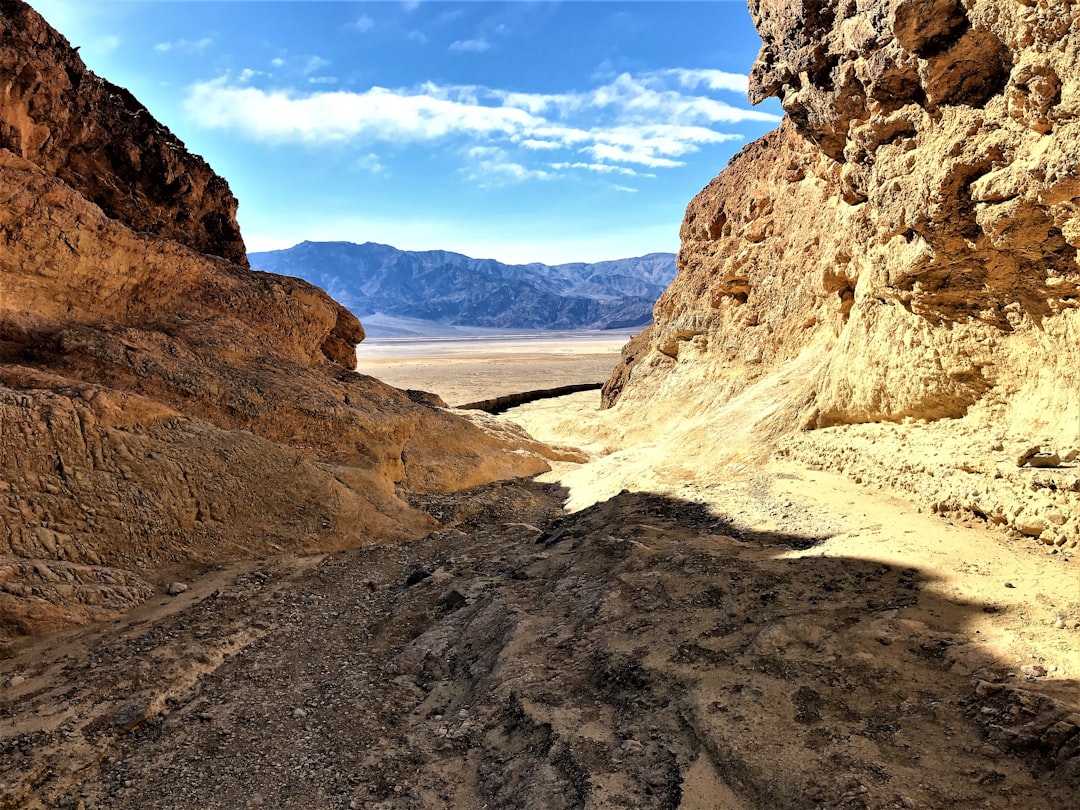
The hottest place on Earth is Furnace Creek in Death Valley, California (USA), where a temperature of 56.7°C (134°F) was recorded on 10 July 1913. This isn’t just a random desert location, it’s actually a functioning community that somehow manages to exist in what can only be described as nature’s furnace.
In summer months, Death Valley has an average daily high of 45°C (113°F). This is only the air temperature, with surface heat much higher. The residents here have mastered the art of desert living, with most activities planned around the brutal summer heat that makes outdoor work nearly impossible during daylight hours.
Turbat, Pakistan
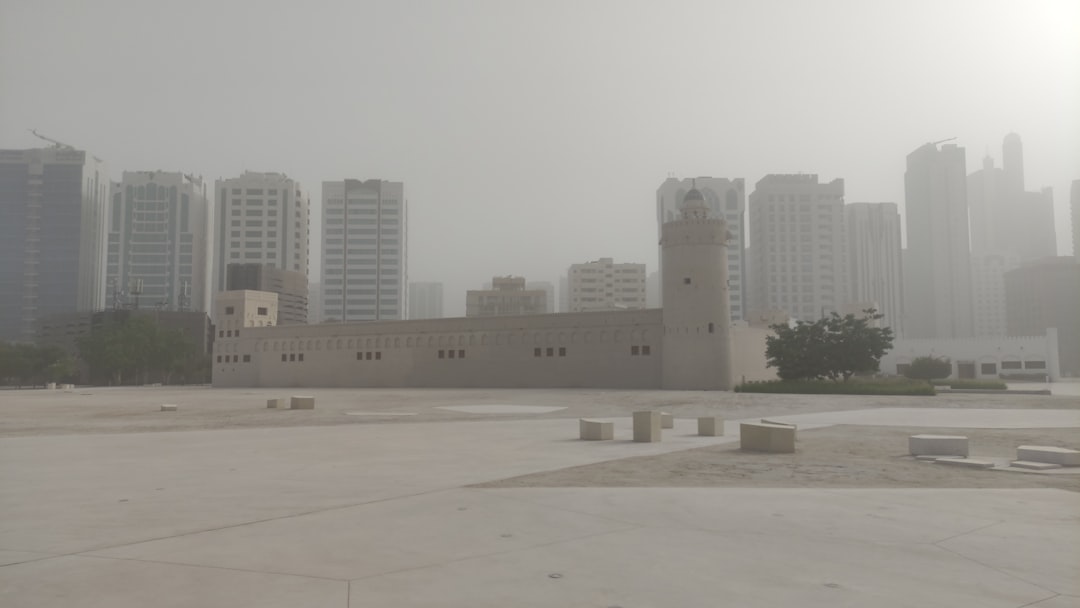
Daily life in Turbat, a city in Pakistan’s Balochistan province, is characterized by intense heat. Turbat, which is located close to the Arabian Sea and the Makran Desert, set a national record for Pakistan on May 28, 2017, when it recorded an incredible 54.0°C (129.2°F), which tied for the fourth-highest temperature ever recorded worldwide.
Located on the Kech River, this administrative hub frequently sees summer temperatures above 50°C (122°F). The hottest month is usually June, when highs average 43°C (109°F). Despite these extreme conditions, Turbat continues to function as an important regional center, with residents adapting their daily routines to survive the relentless heat.
Ahvaz, Iran
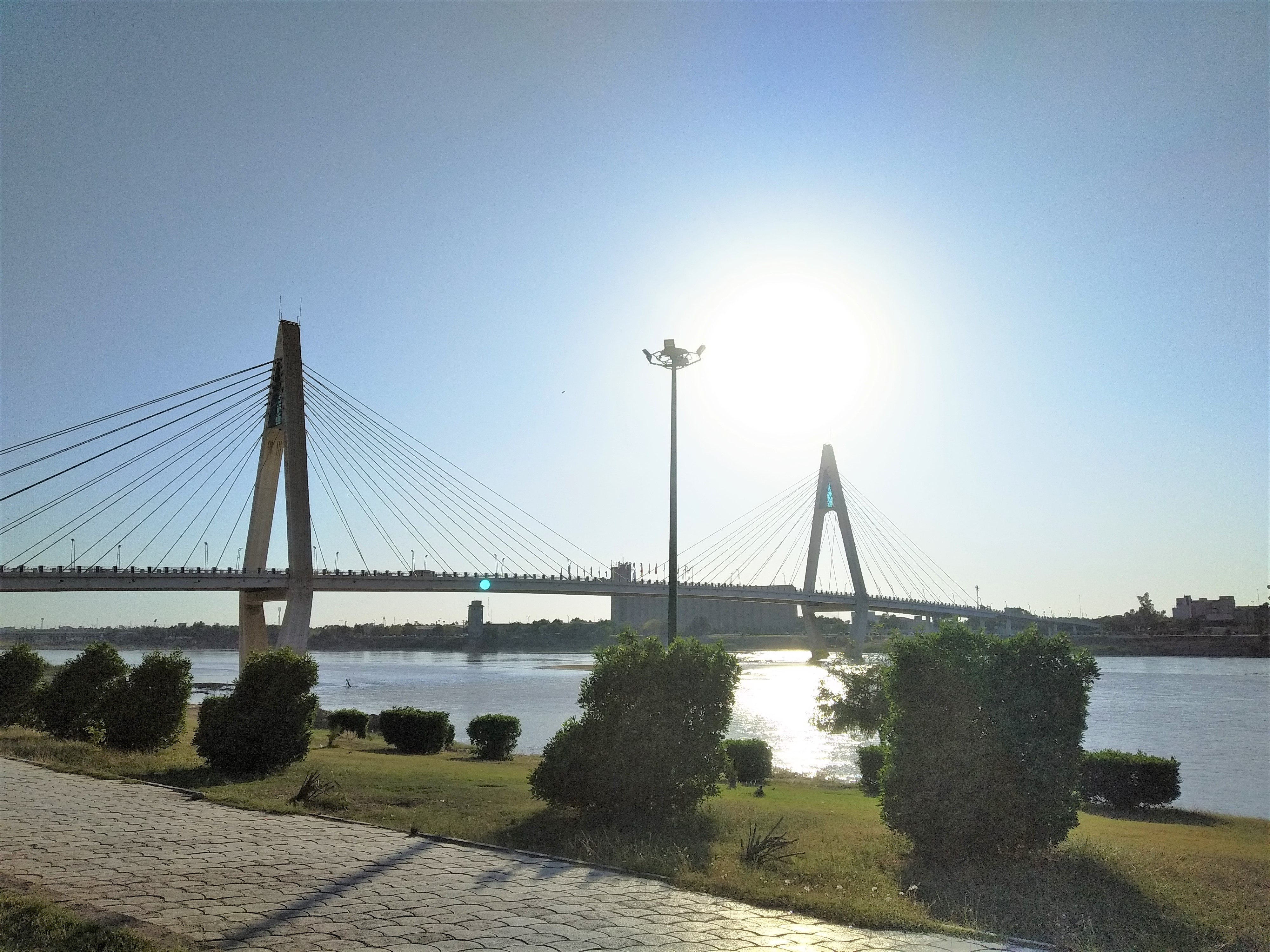
From 1970 to 2000, Ahvaz made it to 52 °C (125.6 °F) or more on three days. Ahvaz had a high of 52.0 on July 12, 1971 and 52.2 °C (126 °F) on July 1, 2000. Neither of those broke any temperature records for the city, since it had already reached 54.0 °C (129.2 °F) on July 15, 1967.
The Iranian city of Ahvaz has recorded the highest temperature seven times over the past 20 years, consistently exceeding 50C. This southwestern Iranian city has become synonymous with extreme heat, regularly appearing on global weather maps as one of the planet’s most challenging places to live during summer months.
Kuwait City, Kuwait
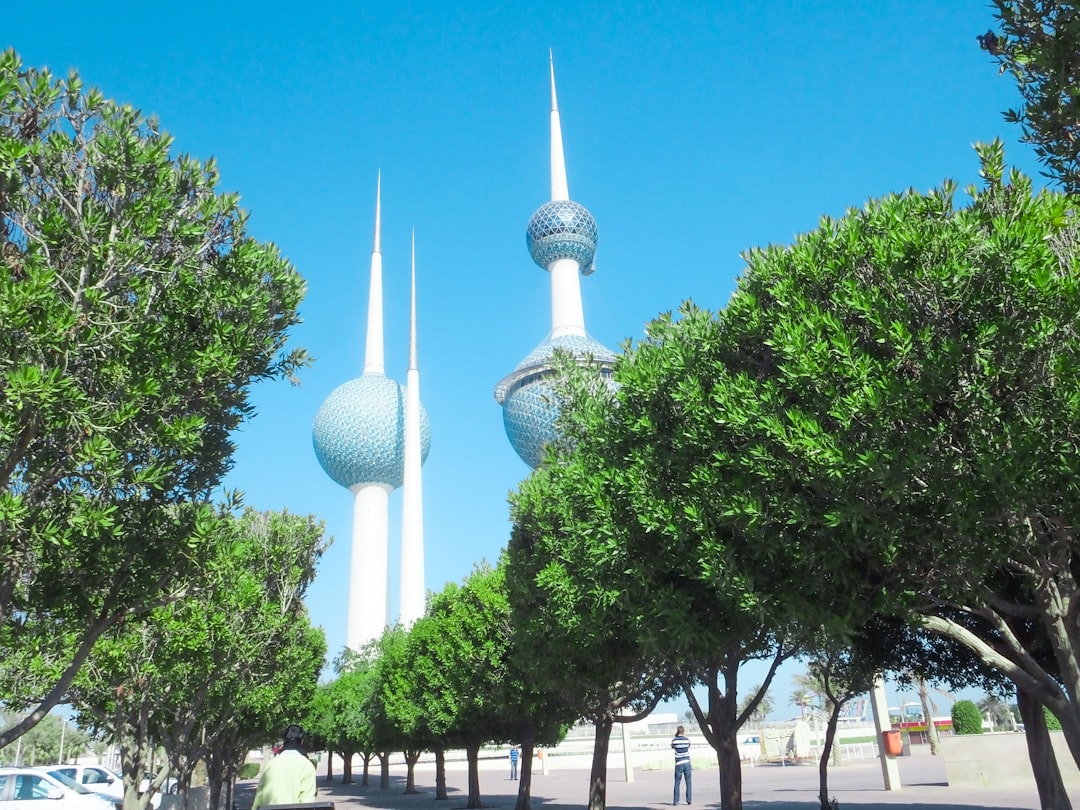
Kuwait City, the capital of Kuwait, is one of the , with an average temperature of 45°C (114°F). Kuwait’s oil industry also contributes to its high temperatures, due to industrial heat emissions. In summer, temperatures in the city often exceed 50°C, making the surrounding environment challenging for its residents.
In August, Kuwait City squeaks ahead with a 46.9 °C (116.4 °F) average high, while Ahvaz is just one-tenth of a degree Celsius cooler at 46.8°C (116.2 °F). These temperatures are averages from 1994 until 2008 for Kuwait City and from 1994 to 2005 for Ahvaz, the most recent periods of data available from their meteorological offices. The city’s modern infrastructure helps residents cope with these brutal conditions.
Basra, Iraq
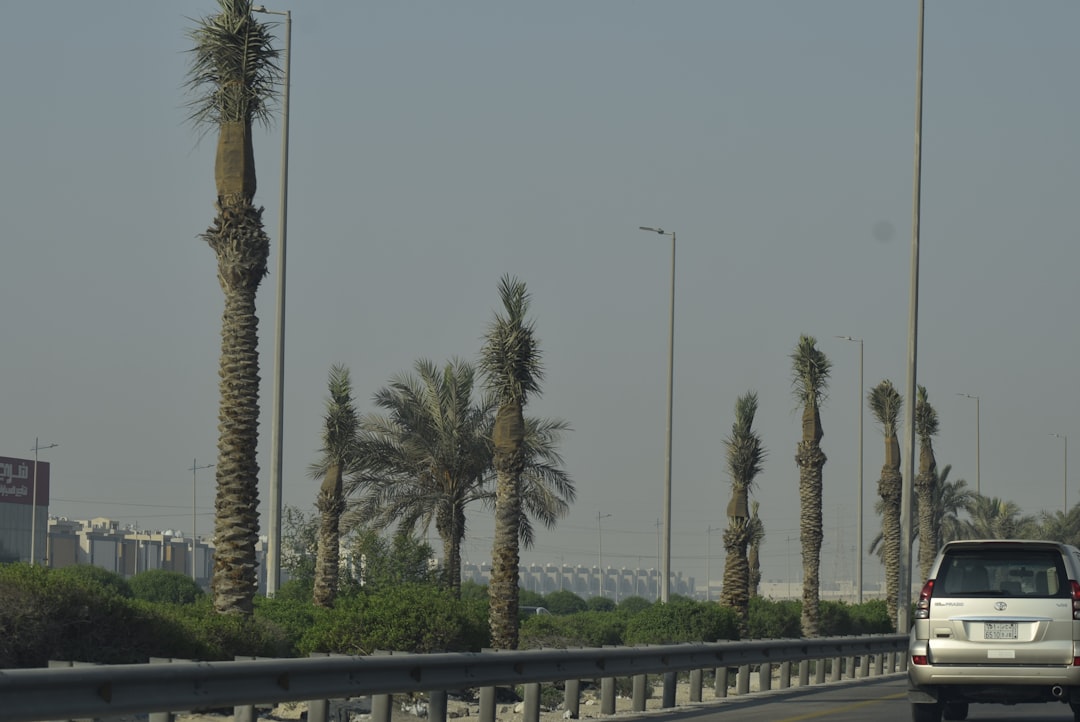
Basra, Iraq, is home to one such temperature, recording a high of 53.9°C (129°F) on 22 July 2016. It matches the heat recorded in Kuwait just a day before (more on that below). With around 1.5 million people living in the city, Basra is located on the Shatt al-Arab River within the Arabian peninsula.
About 1.4 million people live in Basra, which is on the Shatt al-Arab River and experiences scorching desert weather. July is the hottest month, with average highs of 46°C (114.8°F), while summer temperatures frequently rise above 50°C (122°F). The city’s strategic location close to Al Maqal Port highlights its economic significance, but it is among the most susceptible locations in the Middle East due to the intense heat, drought, and food shortages.
Phoenix, Arizona, USA
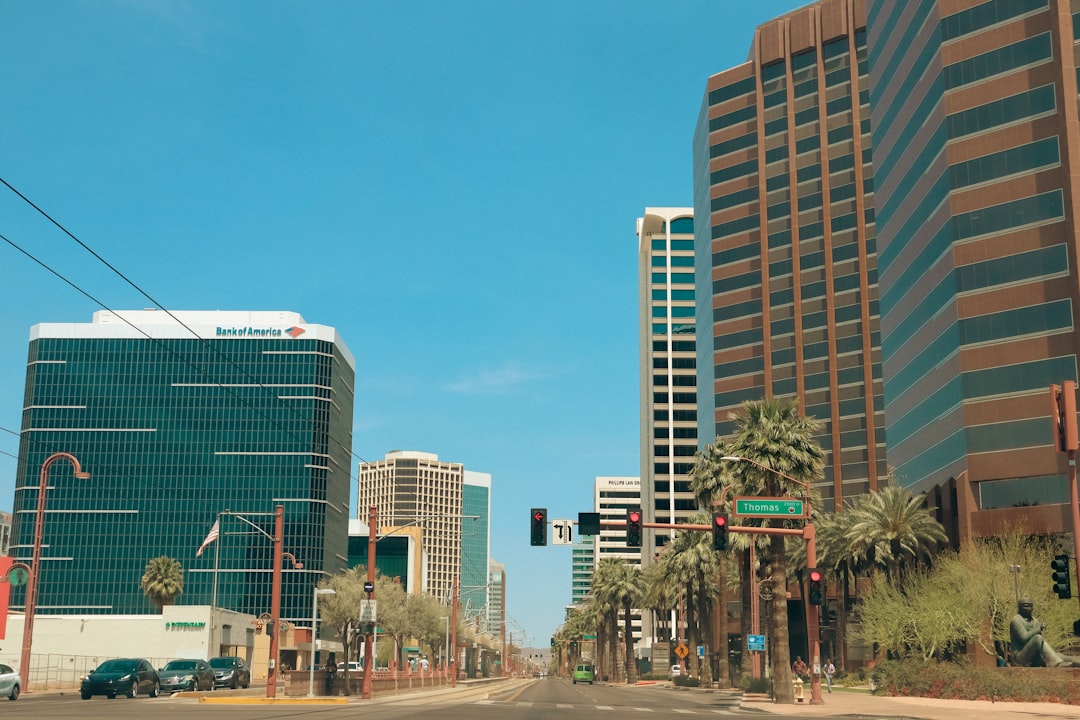
Phoenix is the hottest city in the U.S. Phoenix earns its reputation as one of the , especially in the United States. Summer temperatures here often stay above 40°C (104°F) for days, with record highs hitting near 50°C. The dry, desert air makes the heat intense and constant. It’s no wonder locals call it “The Valley of Heat.” Phoenix still attracts millions due to its beautiful desert scenery and growing tech industry.
Phoenix will be among the highest gainers, with an average 7.2-degree increase in summer highs by 2100. Heat has killed at least 12 people in Maricopa County since April. An additional 55 deaths – most occurring since mid-June – are suspected to be heat-related, according to county health records.
Riyadh, Saudi Arabia
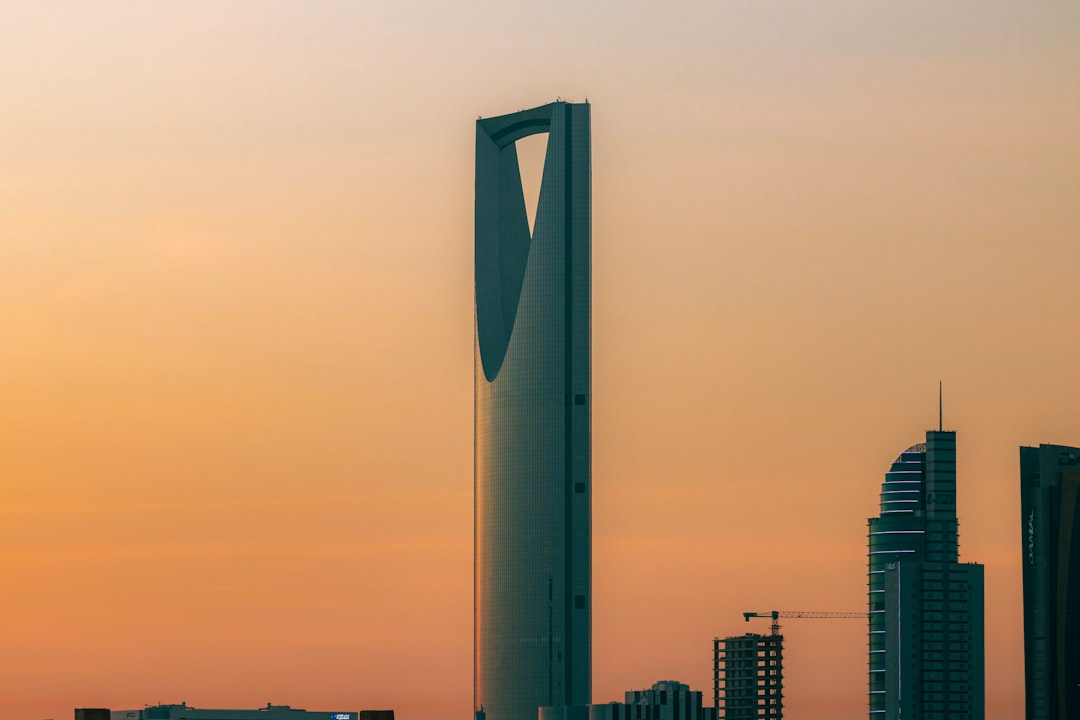
Riyadh is known for its hot and dry climate, with summer temperatures regularly exceeding 45°C (113°F). The city is located in the heart of the Arabian Desert, making it one of the . Riyadh deserves its place on any list of , with daily temperatures regularly exceeding 45°C in summer.
As Saudi Arabia’s capital and largest city, Riyadh demonstrates how modern urban planning can help millions of people thrive in extreme desert conditions. The city’s extensive use of air conditioning and covered walkways creates a parallel world where business and daily life continue despite the scorching outdoor temperatures.
Dubai, United Arab Emirates
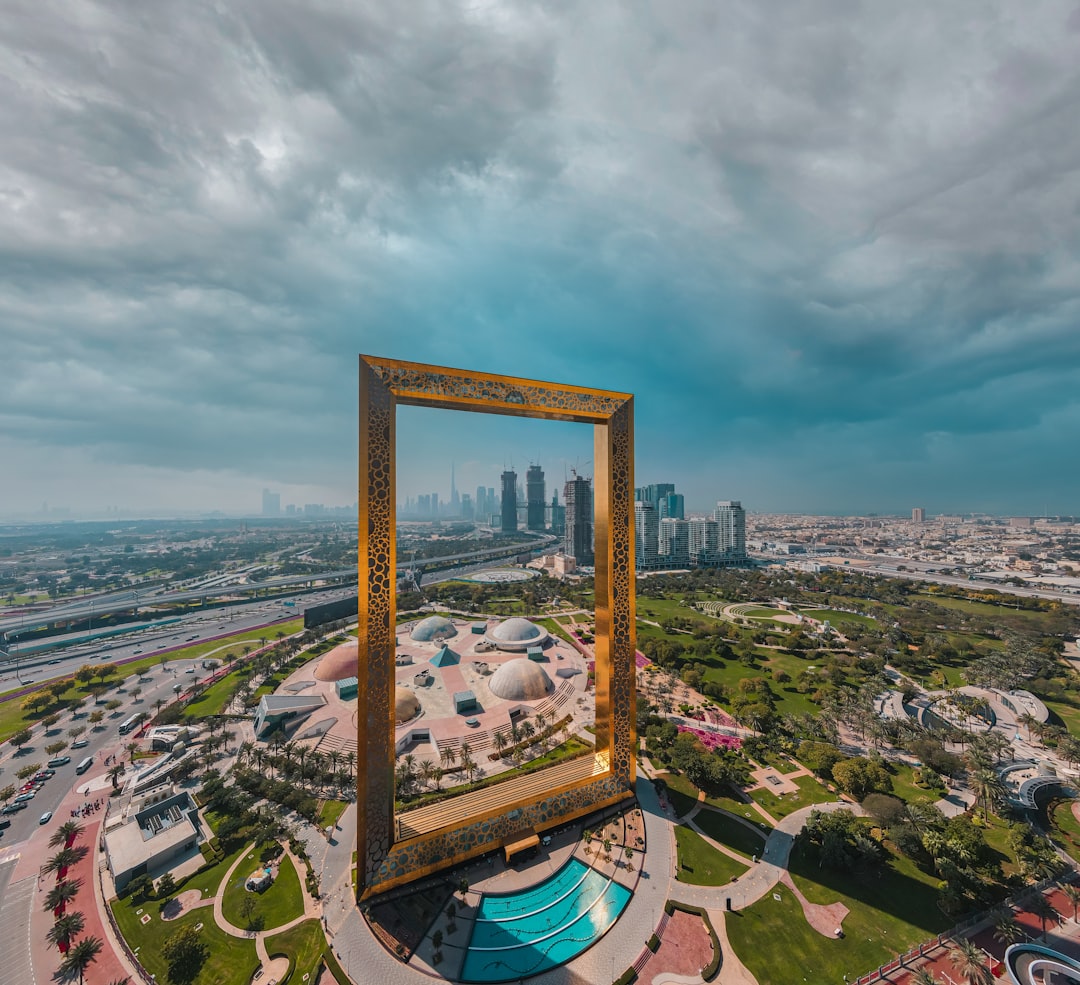
Dubai is a city known for its luxury and opulence, but it is also known for its extreme heat. Summer temperatures can reach up to 48°C (118°F), with very little rainfall to provide relief from the scorching sun. Dr Patel, of the Department of Architecture and Urban Planning at Qatar University, said that Dubai and Abu Dhabi were “doing great” when it came to ensuring that there was plenty of green cover.
For example, Dubai Creek, they have diverted the water to make an inland channel. It acts like a sink for temperatures.” She cited the area of water near the Burj Khalifa tower as another feature that may have kept temperatures in check. Dubai’s innovative urban design helps mitigate some of the extreme heat through strategic water features and green spaces.
Las Vegas, Nevada, USA
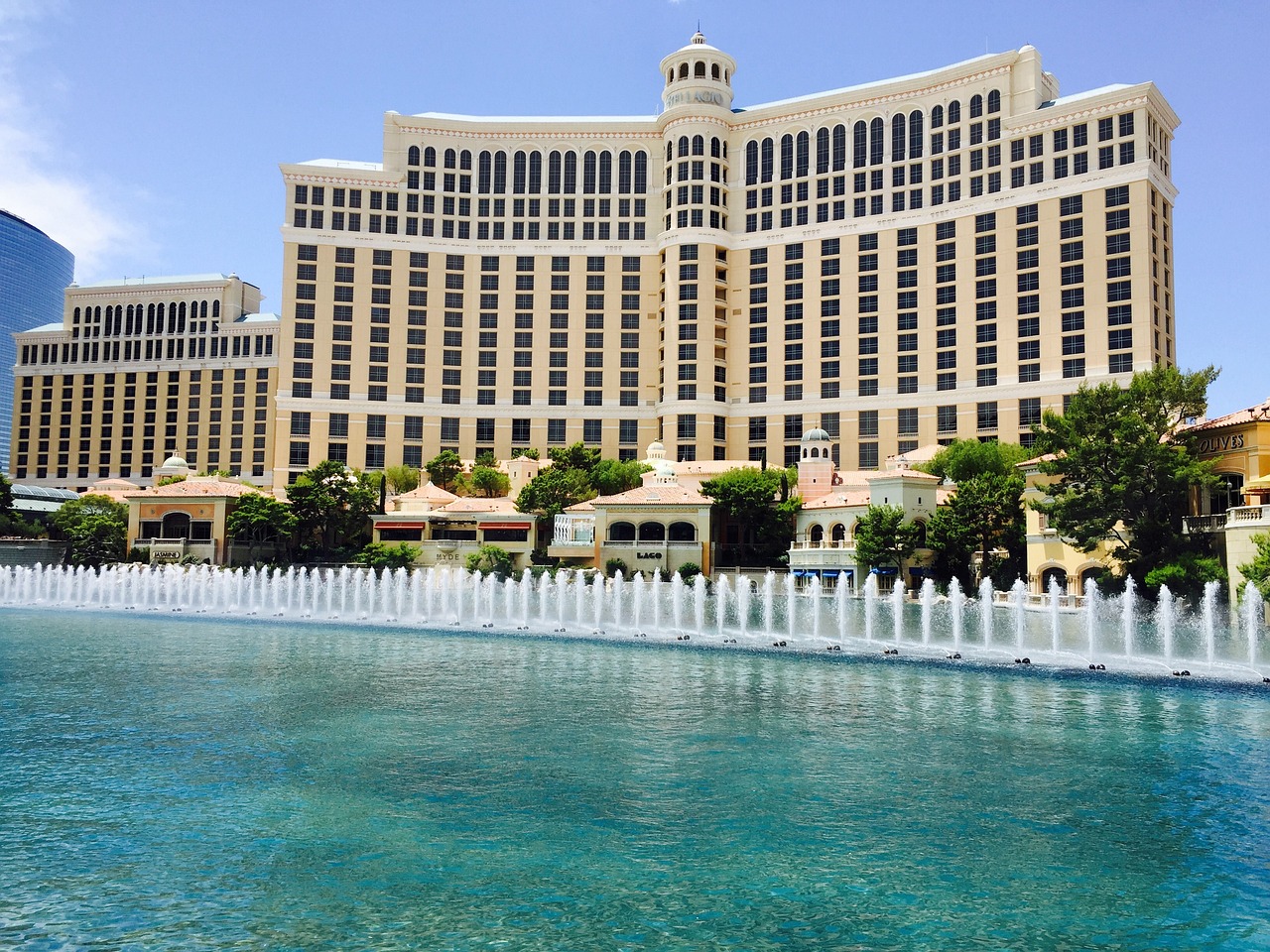
Even though Las Vegas lost its title of world’s highest-volume gambling city to Macau, China in 2006, this scorching city in the Mojave Desert is still easily the world’s hottest major gambling destination. The average high temperature in July is 104°F/40°C and triple-digit Fahrenheit temperatures are common all summer long. Hotel prices ease off their spring highs in June and July, and the smaller crowds are treated to some of the world’s most robust air conditioning systems in this city that contains around 20 of the world’s 25 largest hotels.
In July, Sin City saw seven straight days with highs above 115°F and three days topping 118°F, both records. A temperature of 120°F was recorded during this heatwave, which broke the all-time record by an astonishing 3°F. The city’s rapid growth has added to the risk.
Delhi, India
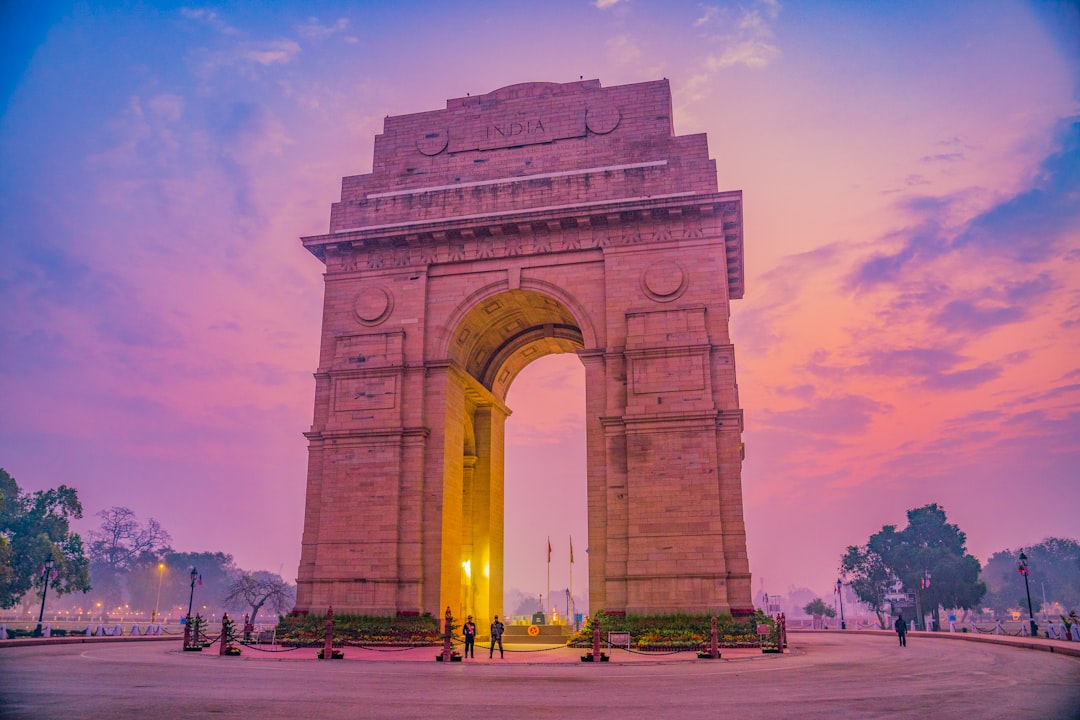
Delhi, India’s vibrant capital, is no stranger to extreme temperatures. With an average high of 40°C (104°F) and record highs of 49.9°C (121.8°F), the city faces significant challenges in managing its infrastructure and ensuring the well-being of its residents. Historically, the city has experienced a sharp increase in heatwave days, from 49 in 2018 to 90 in 2019, and even more in subsequent years.
Delhi regularly appears on lists of the , particularly in the months of May and June. The heat here feels suffocating, often worsened by dust and pollution. It’s called “The Searing Capital” because it combines record-high temperatures with the hustle and bustle of city life. Power outages during heatwaves make the situation even more difficult.
Doha, Qatar
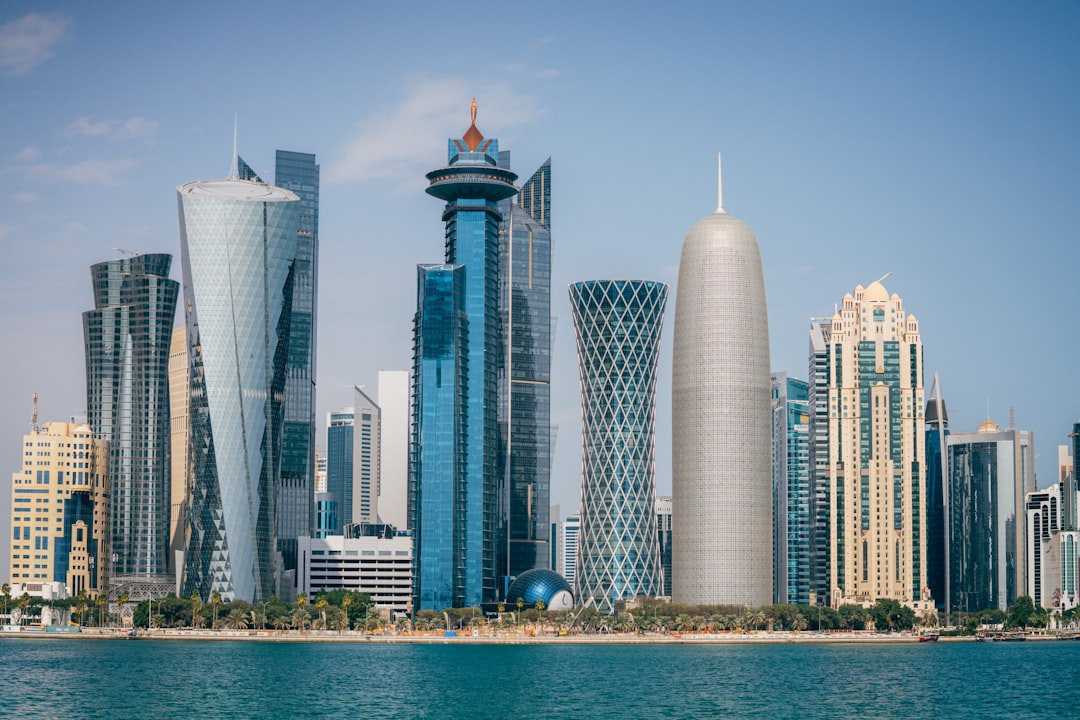
Doha (Qatar) is a place with a tropical climate. The day temperatures range from 22 °C (72 °F) in January to 42 °C (107 °F) in July. We’re talking about 4 to 6 degrees Celsius (7.2 to 10.8 degrees Fahrenheit) increase in an area that already experiences high temperatures,” Ayoub said. “So, what we’re looking at more is a question of how does this impact the health and productivity of the population.” The danger is acute in Qatar because of the Persian Gulf humidity.
But there is also evidence that Doha is warming because of climate change. Its temperatures are in sync with other places in the Middle East and Persian Gulf, including nonurban areas, studies show. The city has become famous for its engineering solutions to extreme heat, including outdoor air conditioning in some areas.
Bangkok, Thailand
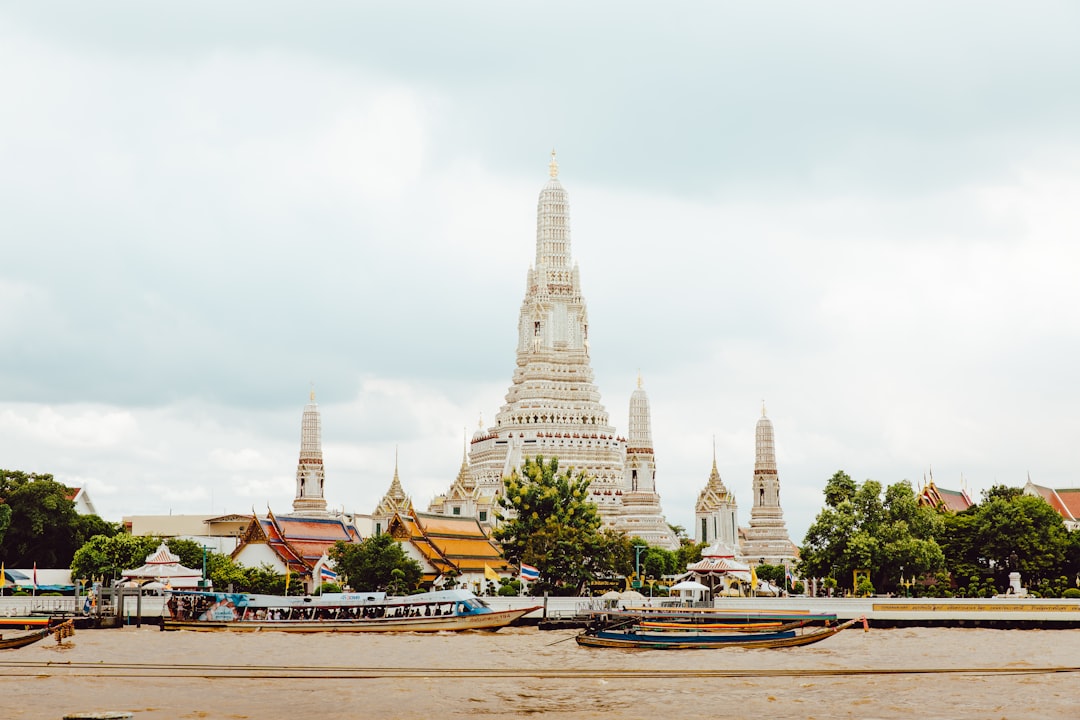
While Bangkok doesn’t experience the world’s most extreme summer temperatures, it is the world’s hottest city when it comes to year-round intense heat. Temperatures in the Thai capital routinely rise above 40C during the day, with night-time temperatures hovering at similar levels. Bangkok’s notorious smog is also a problem for those with heat aversion. The megacity’s well-known air pollution traps hot air within the city center, causing daytime humidity and heat that catches many tourists off guard.
By some measures, Bangkok is actually considered the hottest big city on earth. The average temperature for the entire year is 84°F/29°C, which of course includes the coolest month of December when the average high is 87°F/31°C and the average low is 70°F/21°C. Its location not too far north of the Equator helps explain the oddity of having April and May tie for the hottest months, with average high temperatures of 102°F/39°C.
Cairo, Egypt
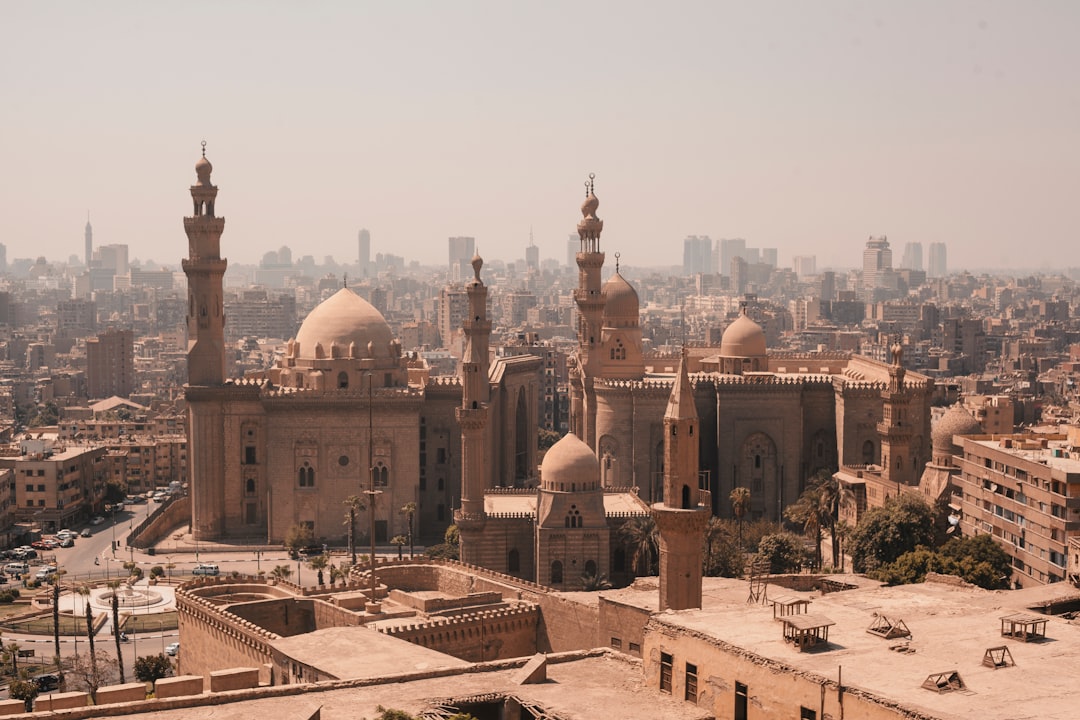
Cairo is the capital city of Egypt and is known for its hot and dry climate. Summer temperatures can exceed 40°C (104°F), with very little rainfall to provide relief from the intense heat. The city is located in the desert region of North Africa.
Cairo’s position along the Nile River provides some relief from the desert heat, but summer months still bring temperatures that challenge even longtime residents. The ancient city has developed traditional cooling methods over thousands of years, including architectural designs that maximize airflow and minimize heat absorption.
Karachi, Pakistan
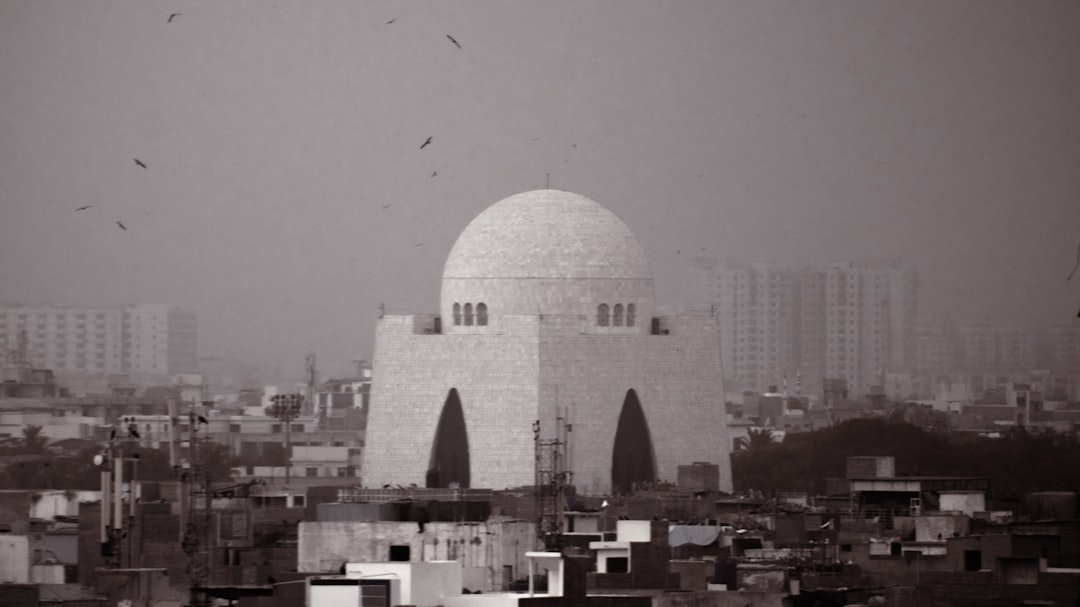
Karachi is the largest city in Pakistan and is known for its hot and humid climate. Summer temperatures can reach up to 45°C (113°F), with high humidity levels making it feel even hotter. This coastal megacity faces a double challenge of extreme heat combined with oppressive humidity from the Arabian Sea.
What makes Karachi particularly challenging is not just the raw temperature, but the way coastal humidity amplifies the heat’s impact on the human body. The city’s massive population, combined with limited infrastructure, creates additional heat through the urban heat island effect, making certain neighborhoods even hotter than surrounding areas.
Mecca, Saudi Arabia
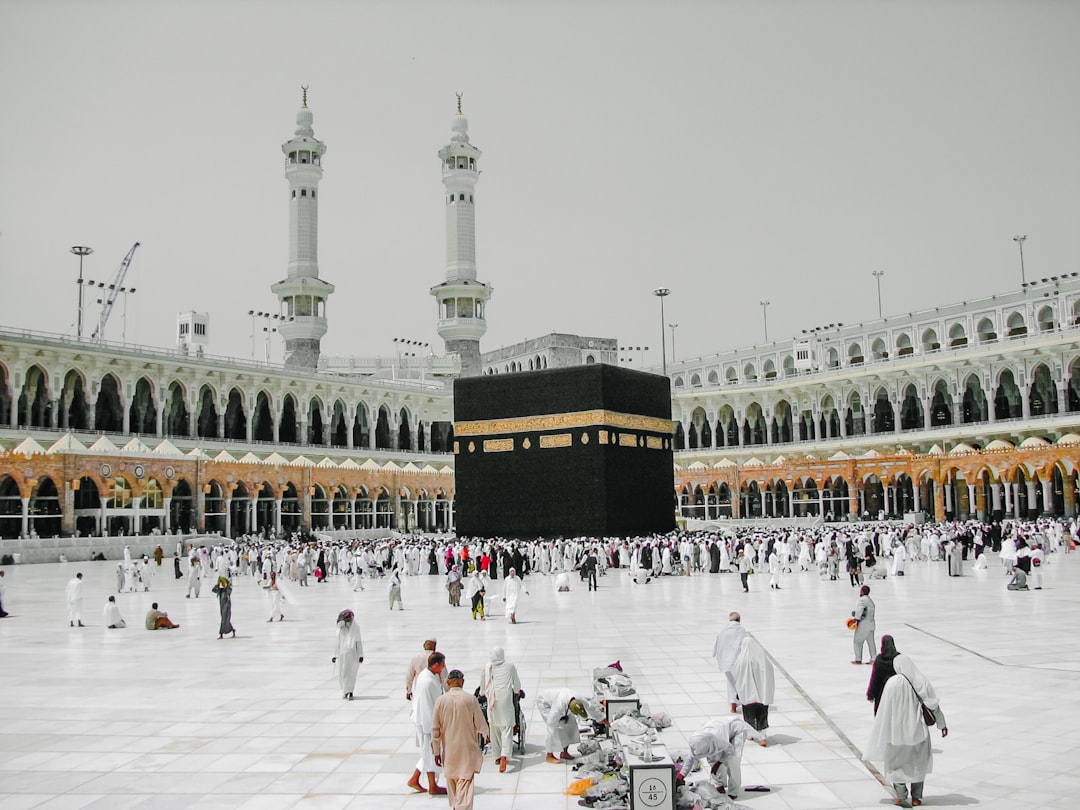
As Islam’s holiest city, Mecca presents unique challenges when it comes to extreme heat management. Millions of pilgrims visit during Hajj season, often coinciding with some of the year’s most brutal temperatures. The city regularly experiences summer temperatures exceeding forty-five degrees Celsius, testing the limits of human endurance.
Saudi authorities have invested billions in cooling systems and protective infrastructure to help pilgrims cope with the intense heat during religious observances. The city’s location in a valley surrounded by mountains can trap hot air, creating a natural oven effect that makes the heat even more intense than surrounding desert areas.
The Heat Challenge Continues

These fifteen cities represent humanity’s remarkable ability to adapt and thrive in Earth’s most extreme conditions. From the technological marvels of Dubai’s cooling systems to the ancient wisdom of Cairo’s traditional architecture, each location tells a story of human resilience against nature’s most formidable opponent: heat.
Climate change continues to push these already scorching cities to new extremes, forcing residents and urban planners to constantly innovate and adapt. Yet life goes on, businesses operate, and communities flourish, proving that with determination and ingenuity, humans can make even the hottest places on Earth feel like home. What would you have guessed about these blazing urban centers before reading this list?

- 8 Scents That Cockroaches Hate - August 10, 2026
- 8 Ways Glaciers Carved New York's Finger Lakes - August 10, 2026
- 8 Ways Bobcats Move Through Suburbs Without Being Seen - August 9, 2026