

1. The Leash Coming Off the Hook
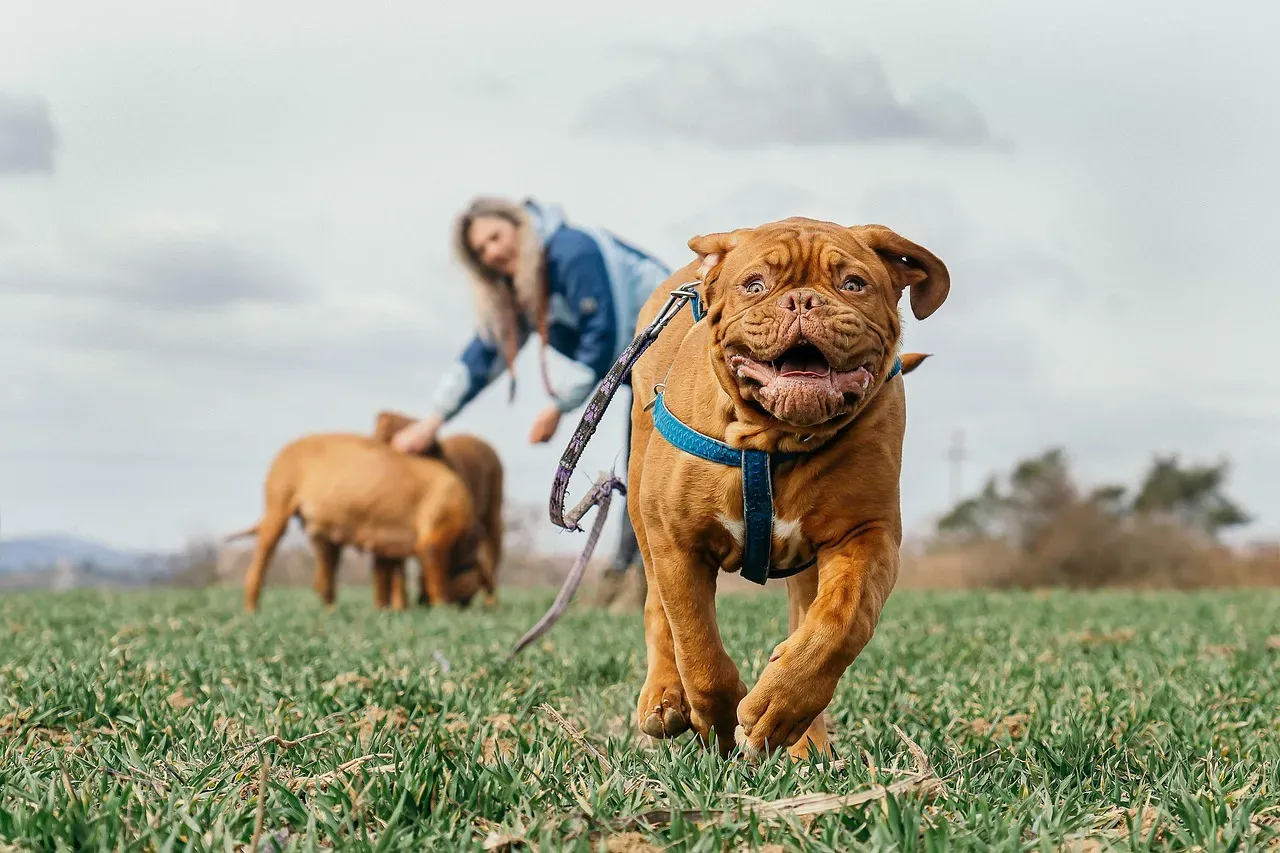
It doesn’t matter how many thousands of times it has happened. The moment that leash jingles off the hook, something ancient and excited wakes up in an old dog. Some dogs express their joy with a howl, especially breeds that are naturally more vocal, and if it’s paired with playful behavior or excitement, it’s coming from a place of happiness. You’ll most likely hear it when you grab the leash for a walk.
When a dog is happy, their whole body and tail will look relaxed, and they quite often wiggle. A happy dog’s whole body can wag along with their tail. That full-body celebration at the sight of the leash is not nostalgia. It’s pure, present-tense joy.
2. The Morning Greeting
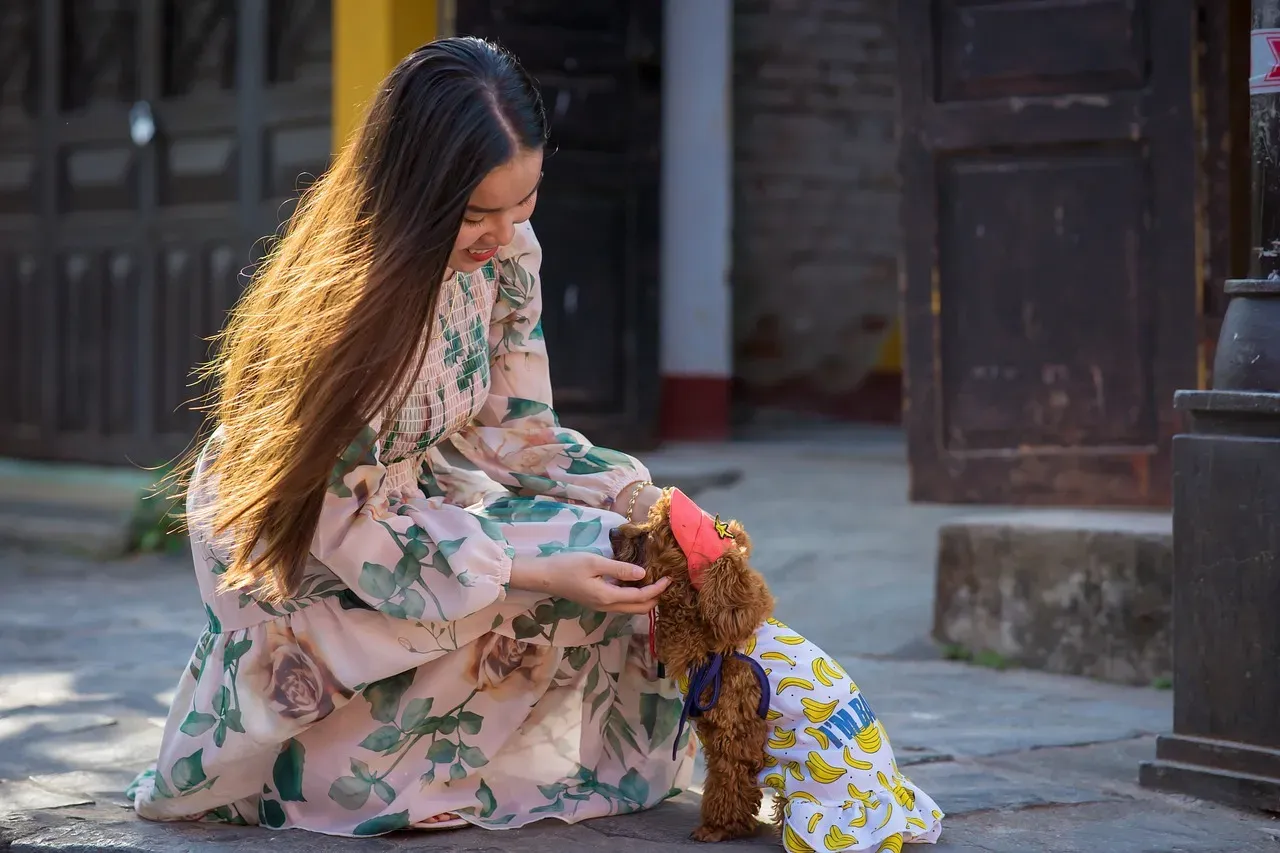
Every morning, your old dog greets you as though you’ve been apart for years. There’s an earnestness to it that never dulls with age. Most happy dogs often behave like social butterflies with their humans, craving attention, loving playing with you, or may even shadow your every move.
When your dog listens to you, checks in, or responds to simple commands, it shows they’re mentally engaged and emotionally bonded with you. Happy dogs want to be near you and understand what’s going on. They’ll often respond to your tone, movements, or even just your presence in the room. That morning greeting is their way of saying they noticed you were gone, and they’re genuinely glad you’re back.
3. Mealtime Enthusiasm
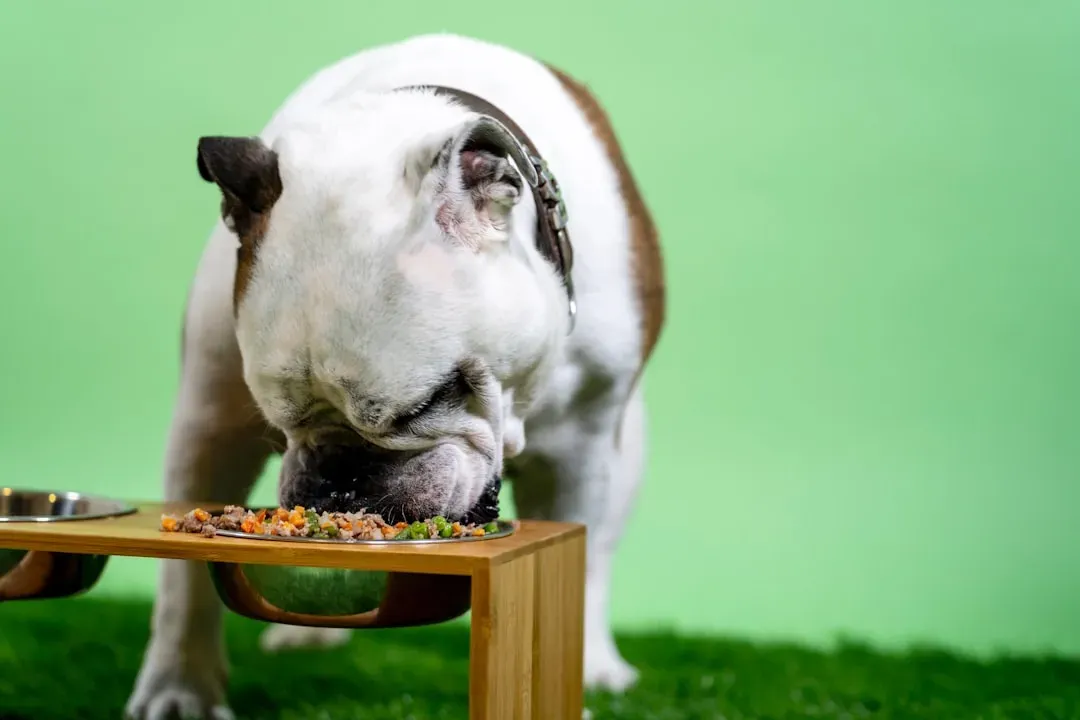
Wags and woofs of joy at mealtime can be a clear clue. For many dogs, especially food-motivated breeds like beagles and Labrador retrievers, mealtime tops the list for switching on happy behavior. Old dogs have a way of making the ritual feel sacred, hovering near the bowl with that unmistakable mixture of patience and barely contained anticipation.
Healthy senior dogs maintain a steady appetite and body weight. If your pup’s food bowl is regularly emptied with enthusiasm, this is a great sign. It may be the simplest moment in the day, but watching a senior dog eat with genuine relish is quietly reassuring in a way that’s hard to explain unless you’ve experienced it.
4. A Slow Walk Somewhere New
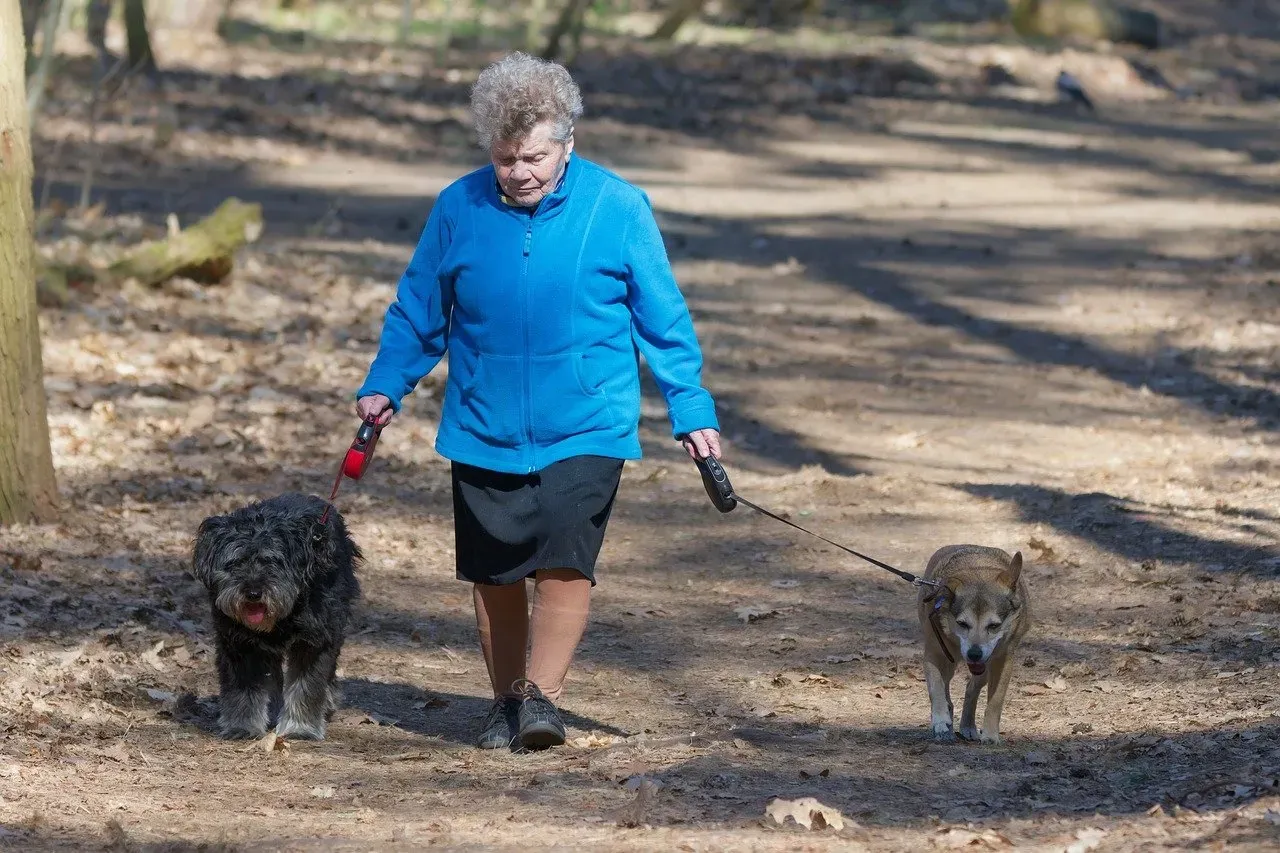
Even if they are starting to slow down, older furry friends still enjoy being outdoors in the fresh air. In addition to providing exercise, fun activities outdoors can improve the mental health of senior dogs by allowing them to explore new sights and smells. A new route, a different park, a patch of grass they haven’t investigated before – any of these can completely transform a walk for an old dog.
During a walk, a dog that’s feeling happy will have a loose, bouncy and smooth gait. It will also display normal dog behavior, such as sniffing at plants and flowers and engaging with other friendly dogs and passersby. As your senior dog starts to lose agility, allow them to set the pace. Many senior dogs prefer multiple, shorter walks over the course of the day over one or two longer excursions.
5. A Good, Long Sniff
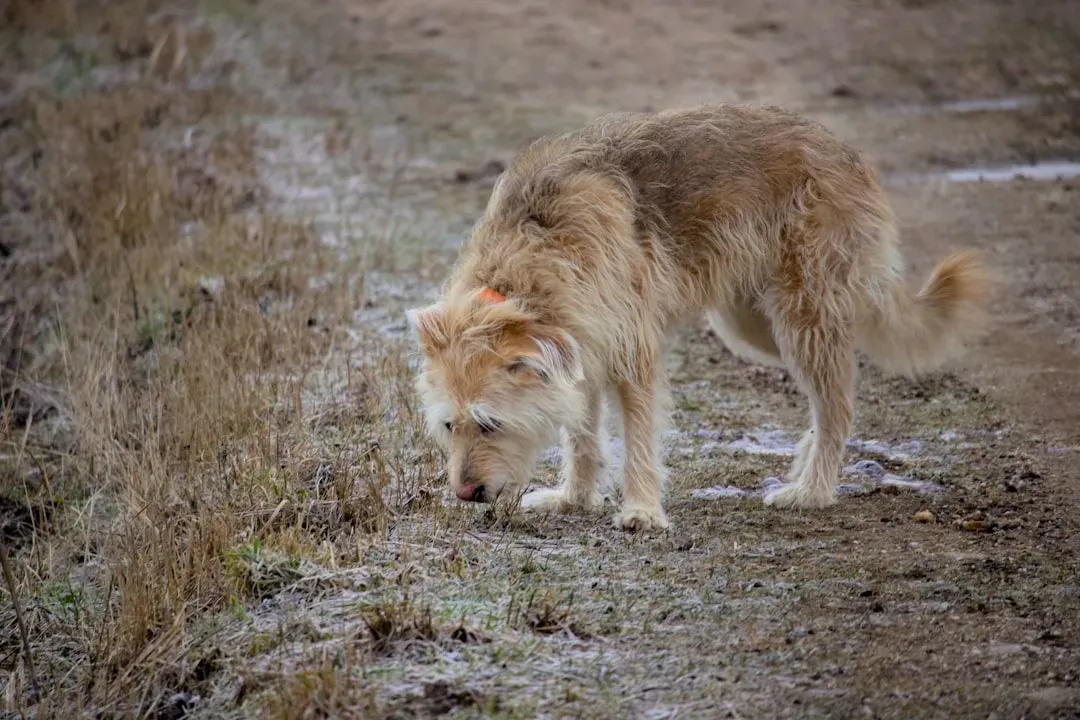
If a senior dog has one superpower that age doesn’t diminish, it’s the nose. Sniffing is deeply satisfying to dogs on a neurological level, and older dogs often lean into it with even more devotion than they did as puppies. Taking short, gentle walks and allowing your dog to sniff around engages their sense of smell and provides great mental stimulation.
Happy dogs engage with their surroundings with calm curiosity. They sniff around, explore, and observe without signs of stress or fear. This highlights their confidence and mental stimulation instead of anxious vigilance. Watching an old dog work their way through an interesting smell with total absorption is one of the most contented sights there is.
6. Puzzle Time and Scent Games
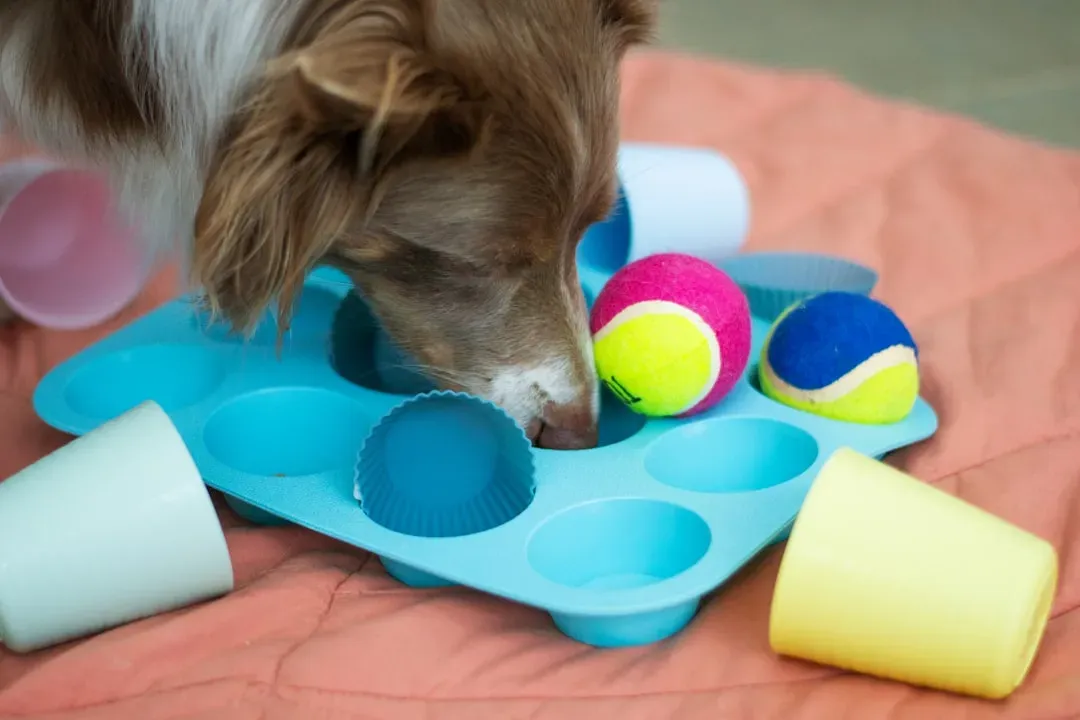
Mental exercise becomes even more valuable as physical ability changes. Food puzzles, short training refreshers, scent games, and calm social interaction can help prevent boredom and support cognitive function. Even a dog who sleeps more still wants a reason to engage with the world. The moment you pull out a puzzle toy or hide a treat somewhere interesting, that familiar spark comes right back.
Older dogs or those with health challenges can still join the fun with low-impact activities like scent games, where they sniff out hidden treats or toys. It’s remarkable how a simple game that takes five minutes can leave a senior dog visibly more alert and satisfied for the rest of the afternoon.
7. Belly Rubs and Quiet Touch
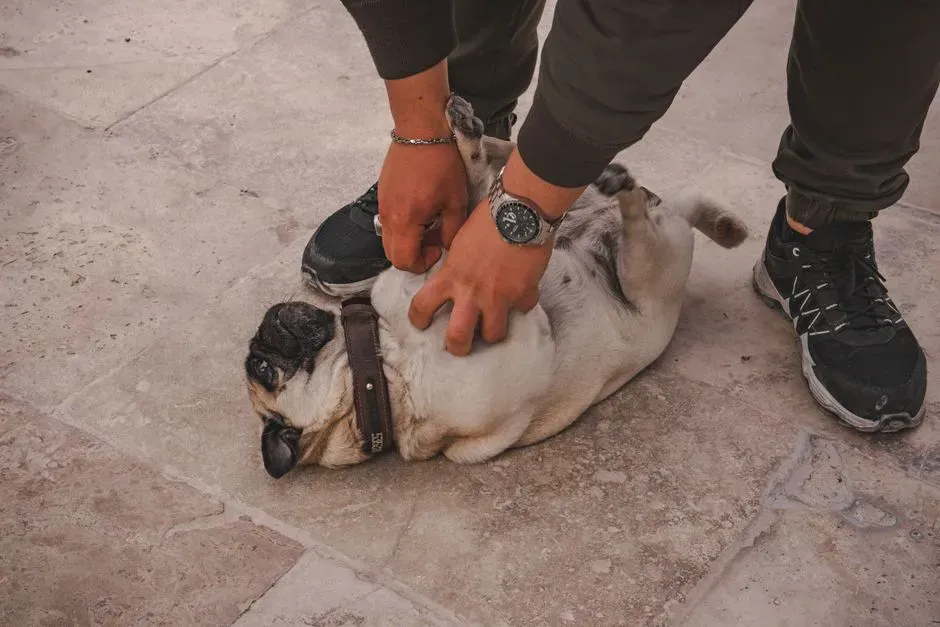
There’s a moment when an old dog rolls onto their back for a belly rub that is completely disarming. A wriggling dog showing you their belly is likely to be a very happy and comfortable dog. That kind of vulnerability and trust deepens with age rather than fading from it.
Happy dogs make a lot of body contact. If your dog reacts, stays close, or even leans in toward your hand during petting, they’re enjoying the contact. Just like humans, dogs benefit from massages. A gentle massage can improve circulation, relieve stiffness, and help with relaxation. What starts as comfort becomes a moment of genuine mutual connection.
8. Their Favorite Toy Making an Appearance
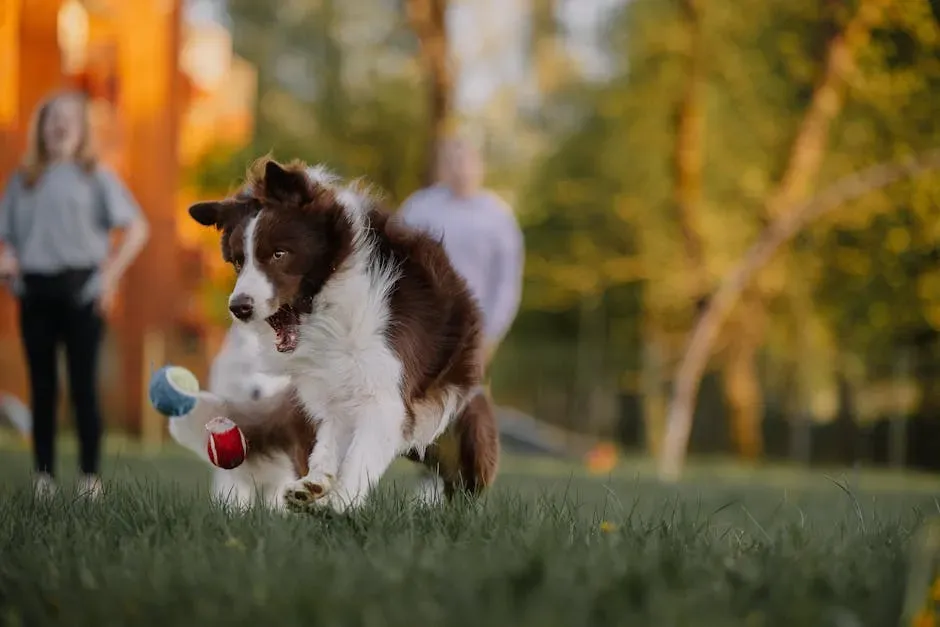
Many senior dogs still enjoy playtime, but they may prefer softer toys that are easier to chew. Light games of tug or rolling a ball gently across the floor can keep them engaged without overstressing their body. The sight of a beloved toy can trigger a response that makes an old dog look years younger, at least for a few glorious minutes.
Even older dogs can show happiness through a gentle wag and a goofy bounce. Just like little kids, happy dogs love to play, whether it’s fetching a ball, frolicking with other dogs, or playing tug-of-war with their favorite toy. Although older dogs may have less energy than their younger counterparts, many still enjoy playtime with their favorite human.
9. Soaking Up a Sunny Spot
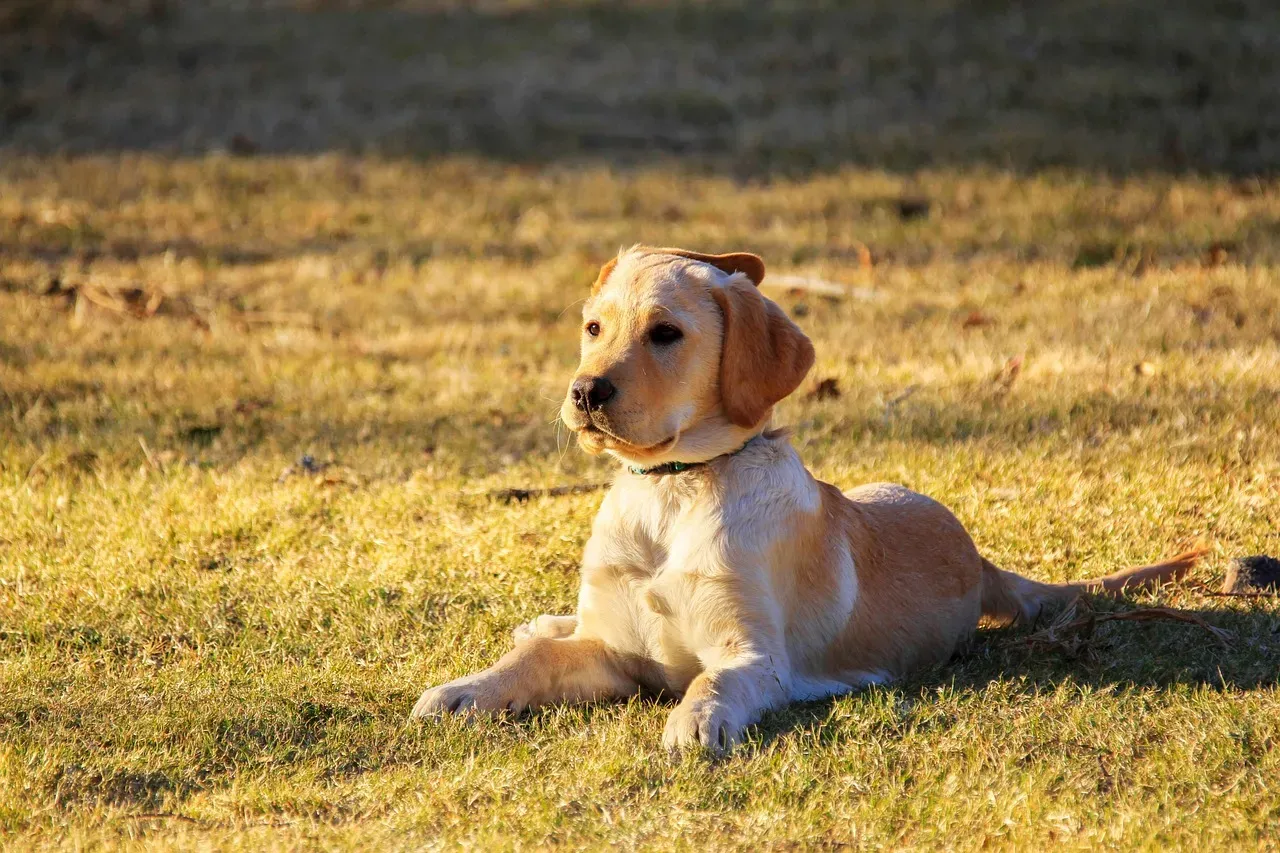
Letting your senior dog relax in the sun can help ease joint pain and boost their mood. Ensure they have a shady spot nearby and keep fresh water available to prevent overheating. Watch a senior dog find a patch of warm sunlight on the floor and settle into it with a long, satisfied sigh – it’s pure contentment made visible.
Most older dogs still want to go places and do stuff, especially with you. Some senior dogs with a laid-back temperament or health problems simply want to lay in a sunny spot and watch the world go by. There’s nothing passive about that kind of ease. It’s a dog who feels entirely safe, entirely comfortable, and entirely at home.
10. Learning Something New
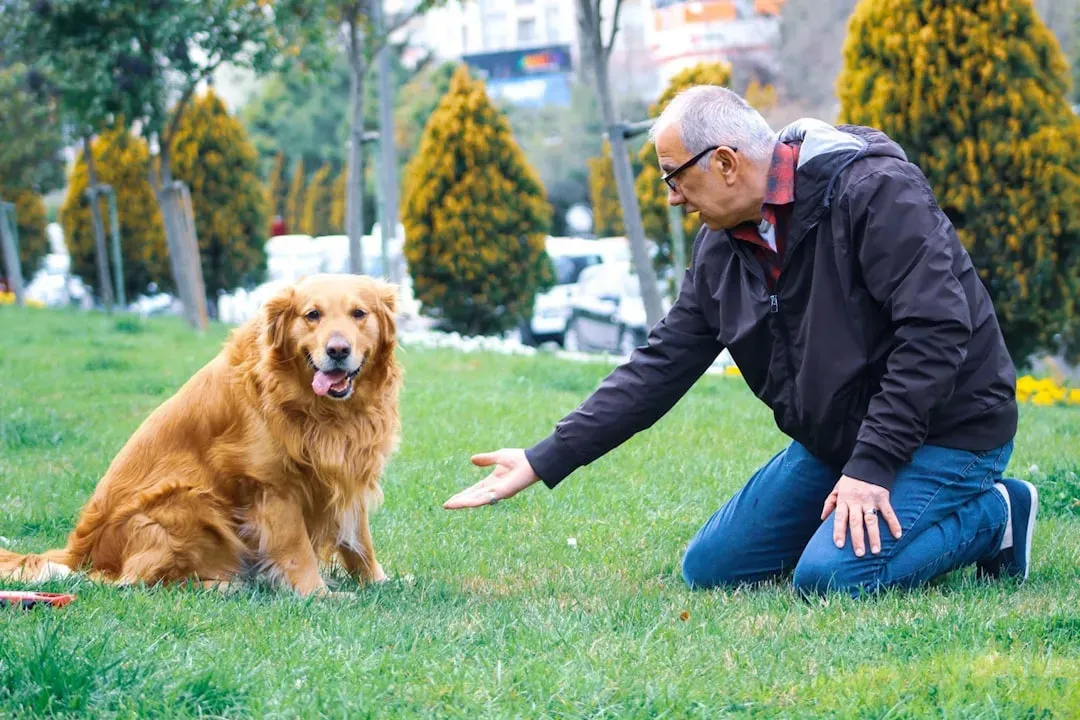
The old idea that you can’t teach an old dog new tricks is simply wrong. Old dogs can learn new tricks. Sticking to simple tricks, always considering your dog’s current physical status, is a good approach. You can modify some of your dog’s favorite activities, such as rolling a ball instead of throwing it.
The moment a senior dog figures out what you’re asking of them and earns that reward, the look on their face is unmistakable. Play is an intense emotional source that can express happiness and confidence. Happy dogs willingly initiate and respond to games positively, and play without feeling frustrated, aggressive, or hyperactive. Training sessions, even light ones, tap into that same spirit of engagement and connection.
11. Settling In for a Cuddle on the Couch
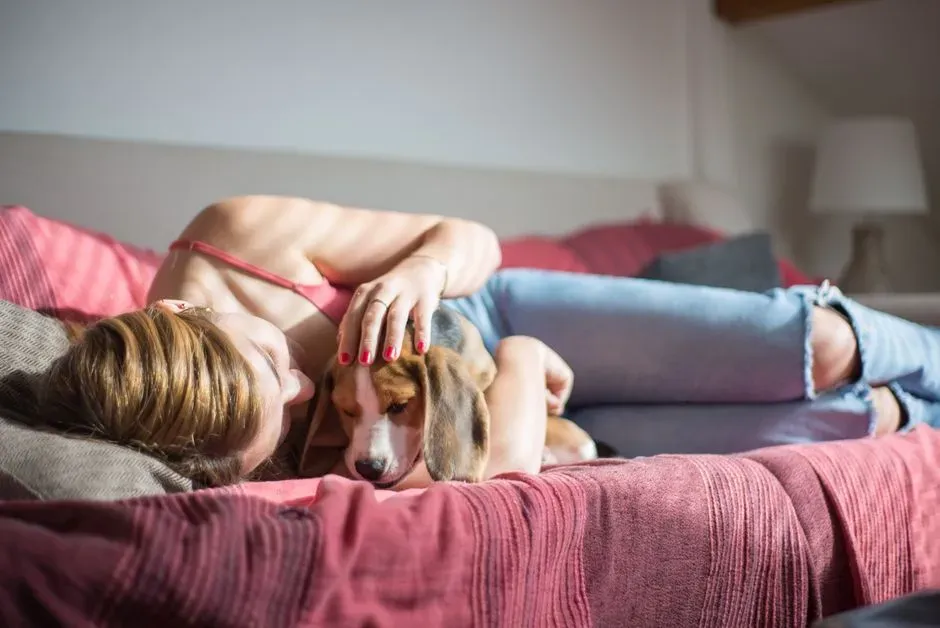
Dogs who feel secure and loved will often express affection in their own unique ways. It could be cuddling on the couch, resting their head on your lap, or giving gentle licks. When your dog chooses to be close to you and seeks connection, it’s a sign that they feel emotionally fulfilled.
Offering extra affection, patience, and reassurance, speaking softly, moving gently, and maintaining familiar routines, all contribute to their wellbeing. Spending quality time together, whether cuddling, grooming, or enjoying quiet walks, helps them feel secure and valued. Senior dogs have a way of leaning in harder during these moments, as if they’ve finally learned to fully appreciate stillness.
12. The Familiar Routine, Right on Schedule
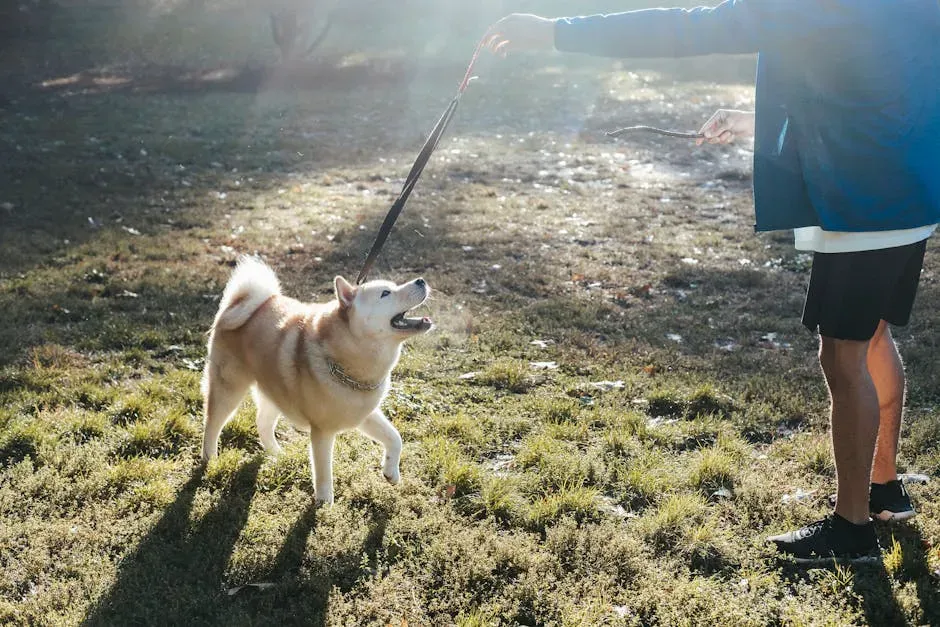
Older dogs tend to do best when life feels predictable. Meals at the same time, potty breaks on a reliable schedule, moderate exercise, and a consistent bedtime can lower stress and make it easier to notice changes. There’s a quiet happiness in watching a senior dog perk up at the exact right moment, knowing what comes next before you’ve even moved.
Consistency is the foundation of a happy dog’s life. Regular feeding times, daily walks, and grooming sessions create a sense of stability and trust. Dogs love routine as it helps them feel loved and secure. That reliable rhythm isn’t boring to them. It’s the architecture of a life that feels safe and deeply familiar, and that feeling is its own kind of joy.
Conclusion
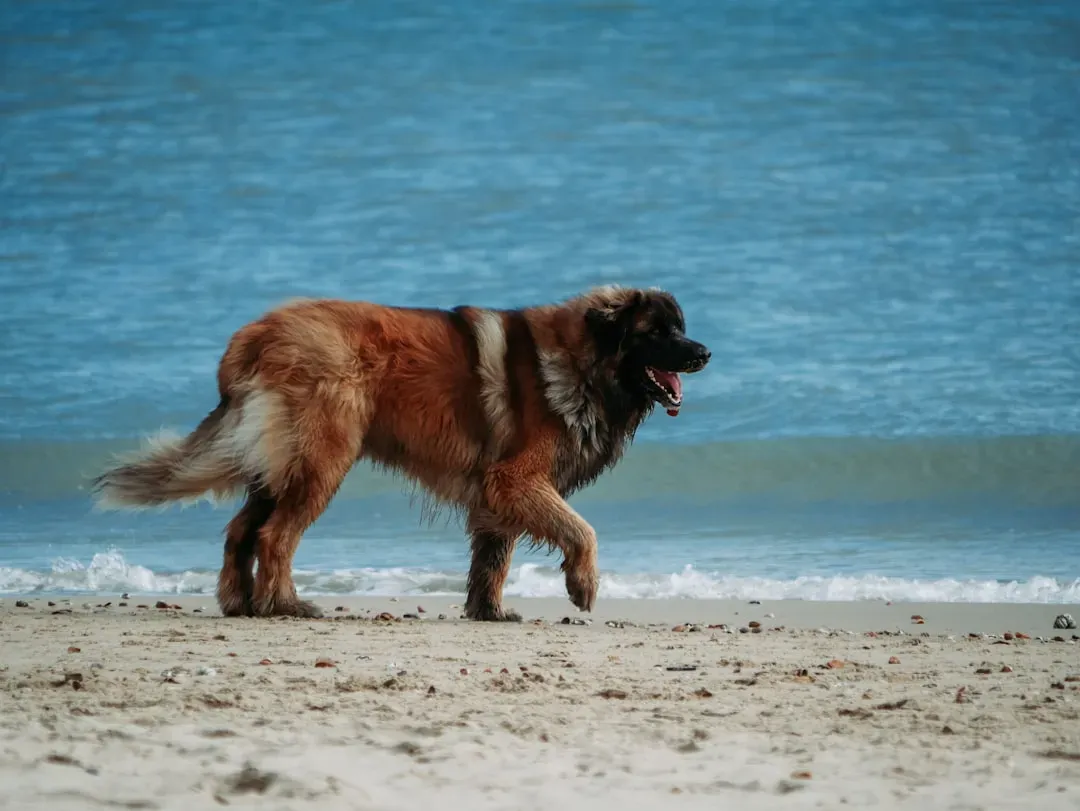
There’s a quiet grief that hovers around loving an old dog, and it’s real. But there’s also something equally real on the other side of that feeling. Aging is part of loving a dog long enough to see who they become in every season. The moments listed here are not remnants of a more vibrant past. They are the present.
Dog happiness isn’t just about those big moments. It’s about the everyday signs, subtle cues, and healthy habits that keep your dog feeling safe, loved, and engaged. Pay attention to those small lights. The tail that lifts when you reach for the leash. The sigh of contentment in the sunshine. The steady, trusting gaze across the room. Your old dog is still very much here, still finding reasons to be glad about it, and still looking to you for more.

- 12 Architectural Wonders From The Ancient World That Inspire Us Today - July 18, 2026
- 6 Beautiful Ancient Cities That Time Forgot (But Shouldn’t) - July 18, 2026
- 6 Common Animal Behaviors That Are Often Misunderstood by Humans - July 18, 2026