

Worried about unexpected vet bills?
Pet insurance can cover thousands in unexpected vet costs. Get a free quote from Lemonade in under 2 minutes.
Get My Free Quote →Sponsored · Opens Lemonade.com
The world transforms under the cover of darkness, and nightfall reveals a different side of the natural kingdom, where certain species reign supreme in the absence of sunlight. While most of us rest, a myriad of creatures awaken to forage, hunt, and explore. Let’s delve into the fascinating lives of these 15 nocturnal animals, each adapted uniquely to nighttime survival.
15. Bats The Night’s Aerial Acrobats

Bats are perhaps the most iconic nocturnal creatures, often associated with darkness and mystery. Comprising about 1,400 species globally, these mammals are the only ones capable of true flight. Their nocturnal nature helps them avoid predators and exploit abundant nighttime insect populations. Echolocation is their primary navigation and hunting tool, allowing them to emit high-frequency sounds that bounce off objects, painting a sonic map of their surroundings.
14. Owls Silent Predators of the Night

Owls are renowned for their silent flight and excellent night vision, making them effective nighttime hunters. Their asymmetrical ears enable precise sound localization, crucial for pinpointing the location of their prey even in complete darkness. With a diverse diet that includes rodents, insects, and even other birds, owls maintain a delicate balance in their ecosystems.
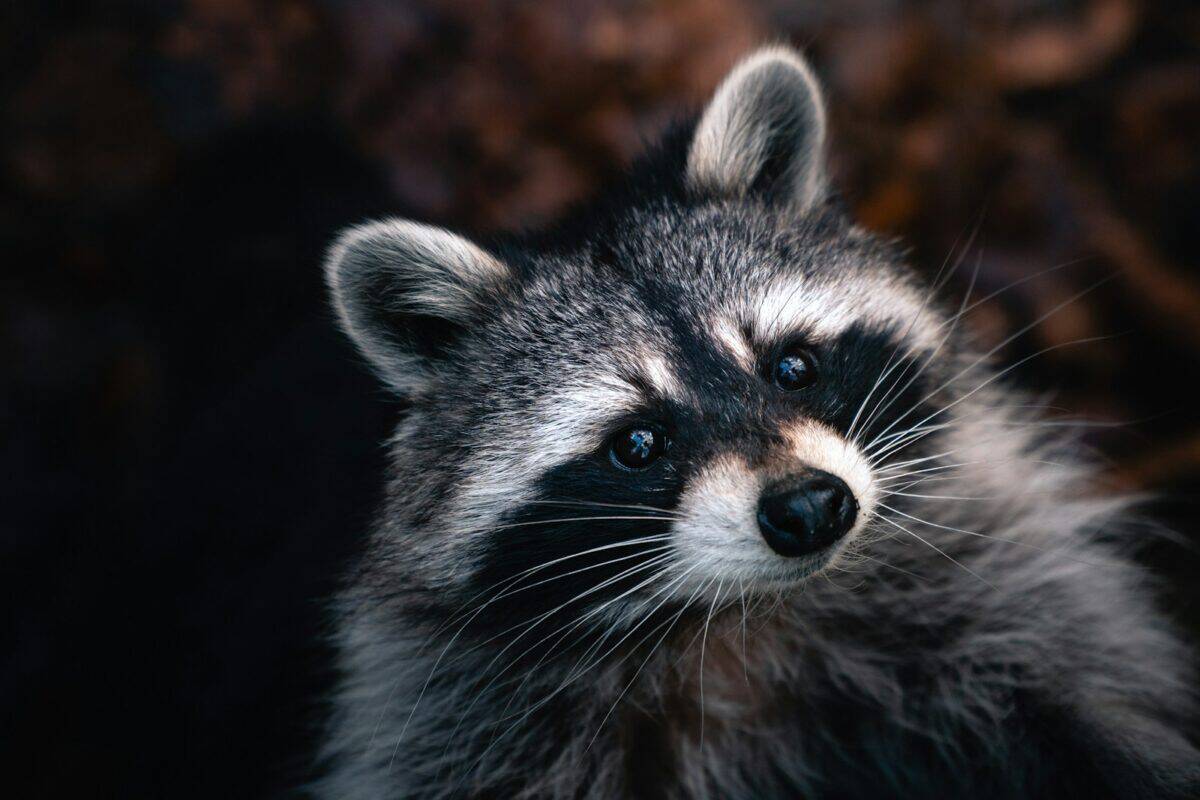
13. Raccoons Clever Nighttime Foragers

Raccoons are adaptable omnivores, often seen rummaging through trash cans in urban areas. Known for their dexterous front paws and keen nocturnal vision, these mammals are experts at survival. Their masked faces and ringed tails add to their distinctive appearance. Raccoons play an essential role in their habitats by controlling insect and small vertebrate populations.
12. Aye-Ayes Eccentric Lemurs of Madagascar
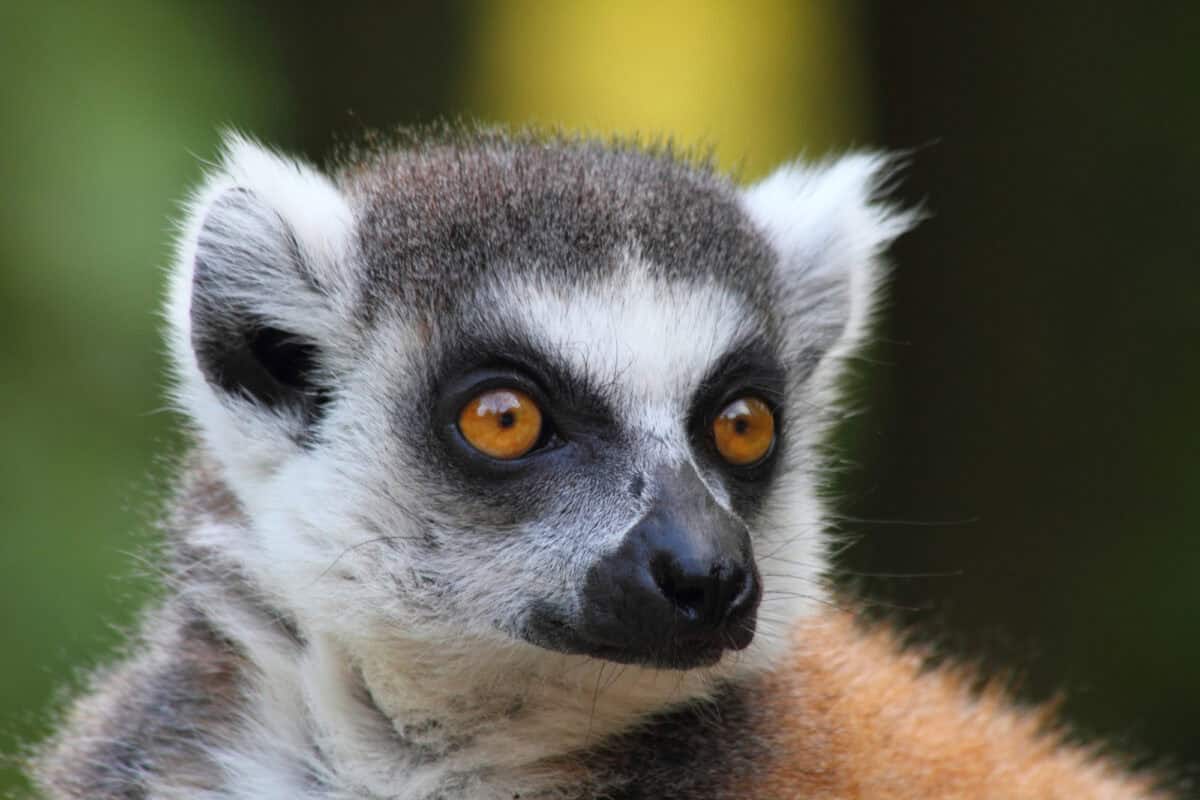
The aye-aye is a curious lemur native to Madagascar, known for its unique foraging technique. This creature uses its elongated middle finger to tap on trees and listen for insect movements inside, much like a woodpecker. Once it detects larvae, it gnaws a hole with its rodent-like teeth and extracts the meal. Their peculiar appearance and habits have made them subjects of fascination and superstition.
11. Nightjars Masters of Camouflage
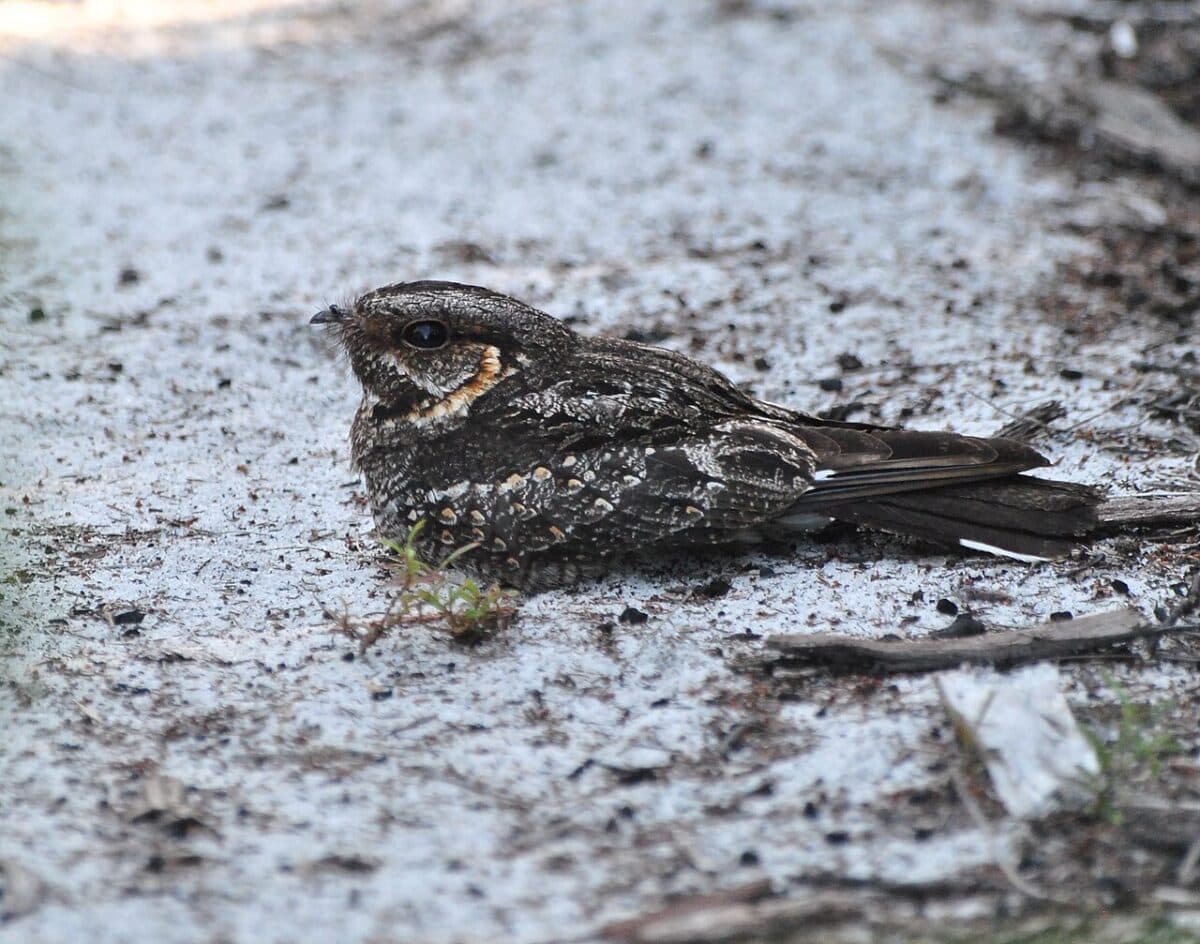
Nightjars are ground-nesting birds with a reputation for their cryptic plumage, which blends seamlessly with leaf litter and soil. Nocturnal insectivores, they feed opportunistically on flying insects. Their large mouths not only help capture prey in flight but also emit distinctive calls that can be heard across the still night.
10. Tarsiers Tiny Primate Night Stalkers

Tarsiers are small primates found in Southeast Asia, notable for their enormous eyes, which are crucial for night vision. These arboreal animals leap from branch to branch in pursuit of insects, their primary food source. Despite their small size, tarsiers are fierce predators, employing stealth and precision to capture their prey.
9. Pygmy Slow Loris: Cautious Nocturnal Wanderers

The pygmy slow loris is a small primate native to Southeast Asia, recognized for its deliberate movements and nocturnal lifestyle. They possess a toxic bite, a rare trait among mammals, which they use for defense. Feeding on fruits, tree sap, and insects, slow lorises have a significant role in seed dispersal and insect population control.
8. Hedgehogs Spiny Insectivores

Hedgehogs are solitary nocturnal foragers, known for their preference for insects, worms, and snails. Their spiny coats offer protection from predators, while their keen sense of smell guides them through the darkness. Found across Europe, Asia, and Africa, these endearing creatures hibernate in colder climates and contribute significantly to pest control.
7. Bandicoots Marsupials of the Night

Native to Australia, bandicoots are small, nocturnal marsupials that play a critical ecological role. As omnivores, they maintain soil health through their foraging activities, digging for insects and roots. This natural tilling enhances soil aeration and nutrient mixing, supporting plant growth. Their adaptability has enabled them to thrive in diverse habitats.
6. Red Foxes Versatile Nighttime Hunters

Red foxes are among the most adaptable carnivores, found across the globe. Primarily nocturnal, they utilize their sharp senses of hearing and smell to hunt small mammals, birds, and insects. Their distinctive bushy tails serve multiple purposes, including balance, communication, and warmth. Red foxes are vital to controlling rodent populations.
5. Fennec Foxes Desert Nocturnals

Residing in the Sahara Desert, fennec foxes are remarkable for their large ears, which aid in dissipating heat and locating prey beneath the sand. These nocturnal animals beat the desert heat by being active at night, feasting on insects, plants, and small animals. Their social structure and playful behavior are essential for surviving the harsh desert environment.
4. Common Glow-worms: Bioluminescent Beetles

Glow-worms are a captivating sight in the darkness, illuminating the forest floor with their bioluminescent glow. The light is a chemical reaction within their bodies, primarily used by females to attract mates. Found in Europe and parts of Asia, these beetles also play a role in controlling pest populations by feeding on small insects.
3. Aye-Ayes Unique Foragers of Madagascar
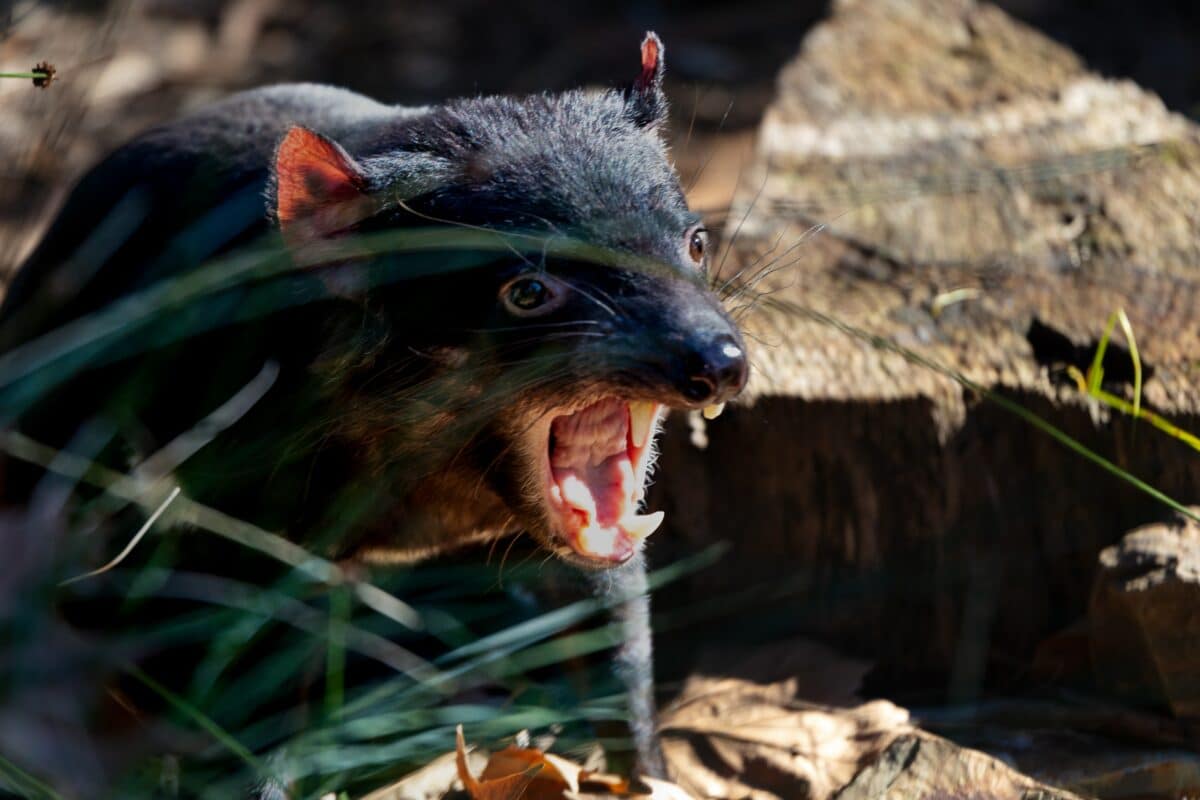
The aye-aye uses its long middle finger and acute sense of hearing to extract insects from trees, showcasing one of nature’s most specialized feeding habits. Their nocturnal tendencies help them avoid the heat and predators of the daylight hours.
2. Leopards Stealthy Night Predators

Leopards are part of the big cat family and are known for their nocturnal hunting skills. With exceptional stealth and strength, these solitary predators hunt at night, preying on small to medium-sized animals. These spotted felines are highly adaptive, enabling them to live in diverse environments across Africa and Asia.
1. Koalas Eucalyptus Loving Nocturnals

While koalas are not exclusively nocturnal, they are most active during the night when they feed on eucalyptus leaves. These marsupials spend much of their time sleeping in trees to conserve energy due to their low-calorie diet. Through their diet, they play a crucial role in managing the composition of eucalyptus forests.
Conclusion

The night is teeming with life, orchestrating a hidden world of interactions and survival. Nocturnal animals have developed specialized adaptations to thrive in darkness, from advanced senses to unique behaviors, each playing a critical role in their ecosystems. Understanding these creatures enriches our appreciation of nature’s complexity and the delicate balance captured in every noise and shadow after sundown.
Worried about unexpected vet bills?
Pet insurance can cover thousands in unexpected vet costs. Get a free quote from Lemonade in under 2 minutes.
Get My Free Quote →Sponsored · Opens Lemonade.com

As a little kid, I fell in love with nature, wildlife, and animals. Living in the USA, South Africa, Italy, China and Germany gave me the opportunity to discover the world's Wildlife. My favorite animals are Mountain Gorillas, Siberian Tigers, and Great White Sharks.
I'm a certified PADI Open Water Diver, went to Everest Base Camp and Trekked Gorillas in Uganda. I hold a Master of Science in Economics and Finance.
Please send any feedback to feedback@animalsaroundtheglobe.com
- 20 Incredible Comebacks Animals That Were Once Almost Extinct - June 8, 2026
- Conserving the Sumatran Rhino Asia Smallest Rhinoceros - June 8, 2026
- 21 Times Zoos and Sanctuaries Rescued Animals from Extinction - June 8, 2026
Leave a comment
You must be logged in to post a comment.