
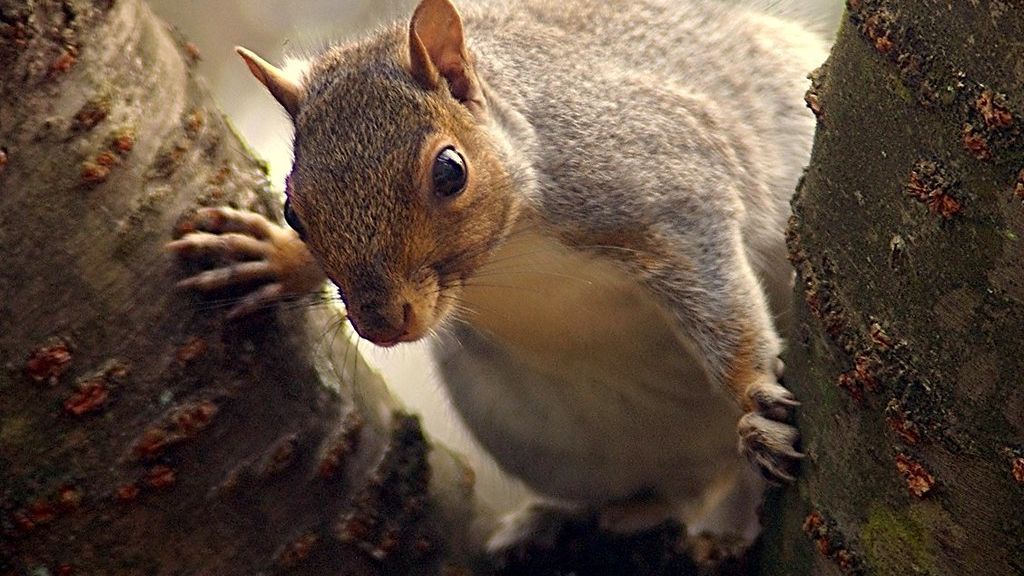
You spot one on the lawn or a low branch, body rigid, eyes fixed on you without a twitch. Minutes pass. The moment feels oddly deliberate, as if the small creature is taking your measure in a way that lingers after it finally darts away.
That extended gaze turns an ordinary encounter into something quietly intriguing. It prompts questions about what runs through a squirrel mind when it chooses stillness over flight.
The Freeze Response in Action
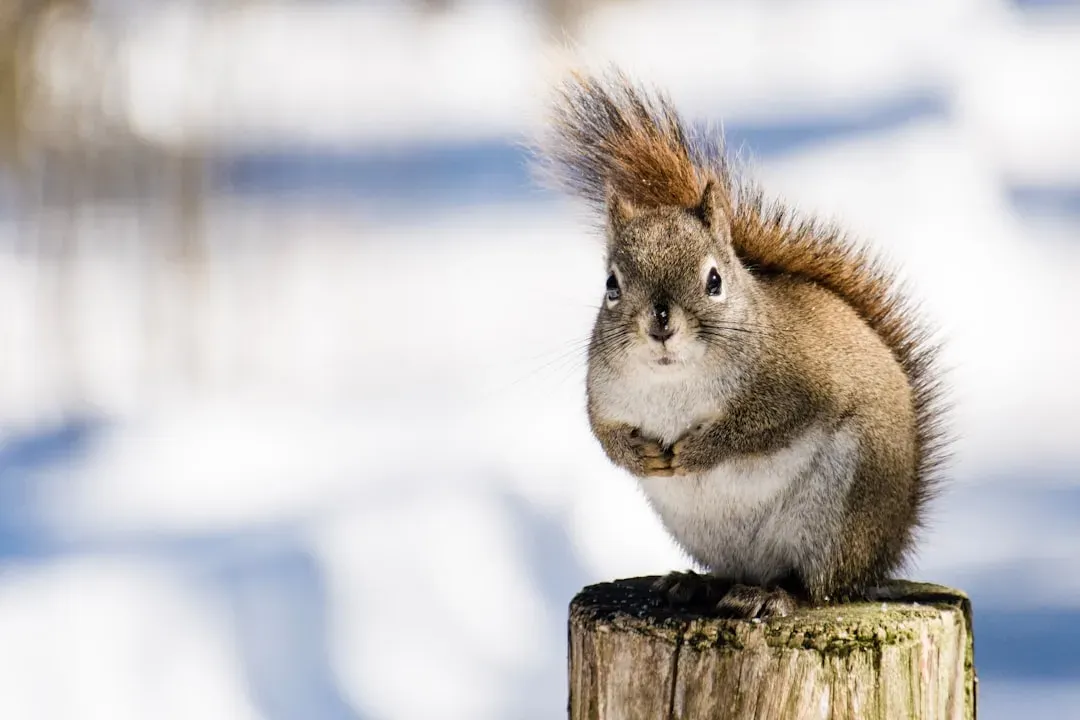
Squirrels rely on quick decisions when something unfamiliar enters their space. Freezing lets them gather visual information without drawing extra attention to themselves. Their sharp eyesight helps them track movement and shape from a safe distance.
This pause often lasts longer than people expect because the animal is processing details rather than reacting on instinct alone. A sudden shift in light or your posture can extend the moment further. Over time the behavior becomes a reliable survival tool in busy environments.
Curiosity Toward New Figures
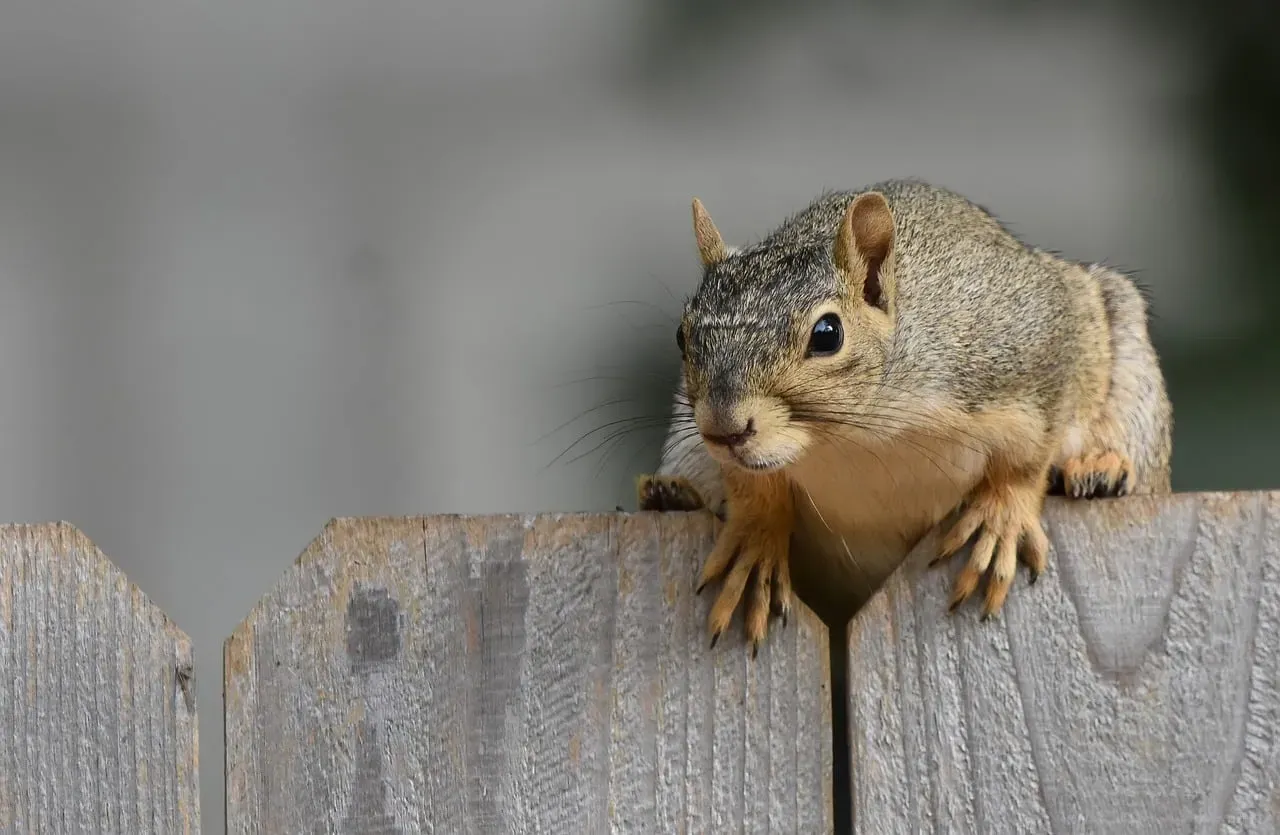
These rodents possess strong exploratory instincts that push them to study anything out of the ordinary. A human who stops and watches back creates a novel situation worth examining. The stare serves as a low risk way to learn more about potential changes in the area.
Young squirrels in particular show this trait more often as they build experience with their surroundings. Older ones may linger simply because past encounters proved harmless. The result is a quiet standoff that reveals their patient approach to the unknown.
Habituation in Shared Spaces
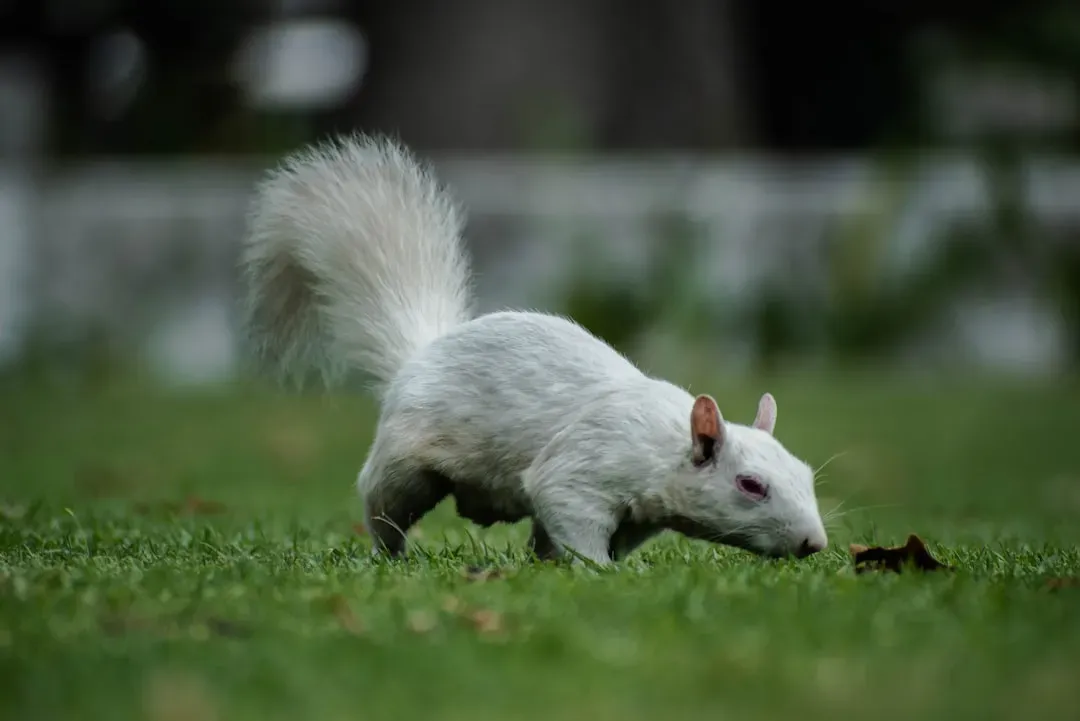
City and suburban squirrels grow accustomed to people moving through their territory every day. Regular exposure reduces the urge to flee at the first sign of movement. Instead they pause to confirm whether the person carries food or simply passes by.
This adjustment shows how wildlife adapts when natural and human worlds overlap closely. The stare becomes a quick check rather than a full alarm response. Over generations the pattern strengthens in parks and backyards where contact happens often.
Anticipating Possible Food Sources
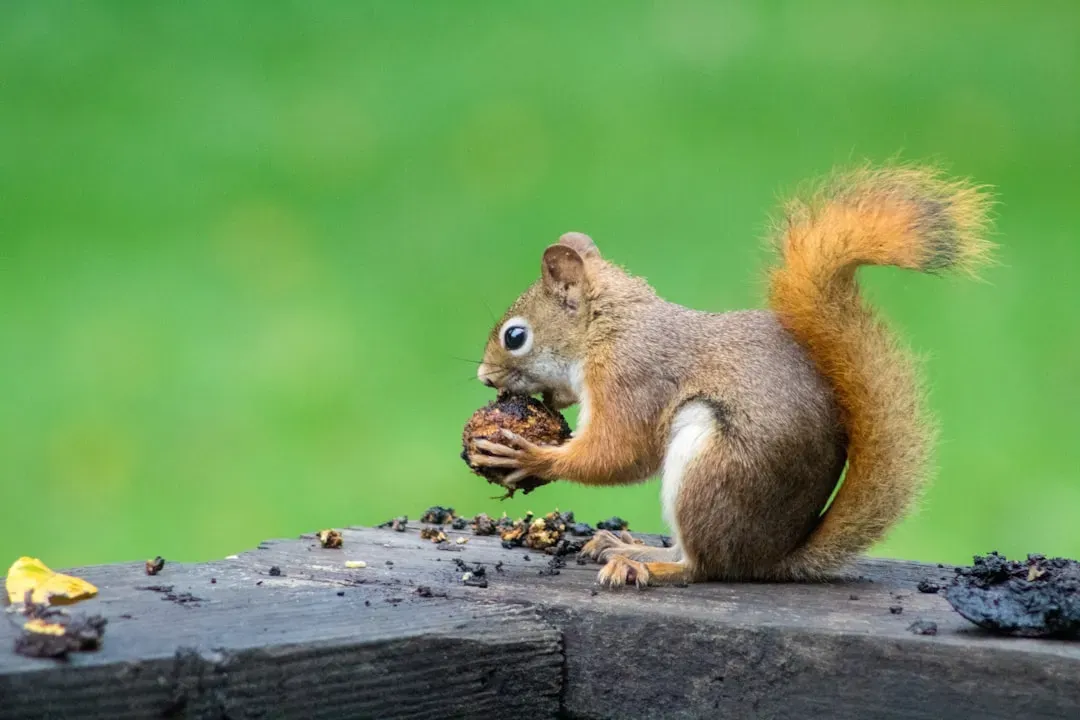
Many squirrels associate humans with easy meals from dropped snacks or deliberate handouts. When one appears they may hold still to see if anything edible follows. The extended look works as a silent request while they wait for a sign.
Even without prior feeding the animal might test the possibility based on scent or past patterns nearby. This calculated pause saves energy compared with constant searching. It also explains why the behavior repeats in the same locations.
Evaluating Territory Boundaries
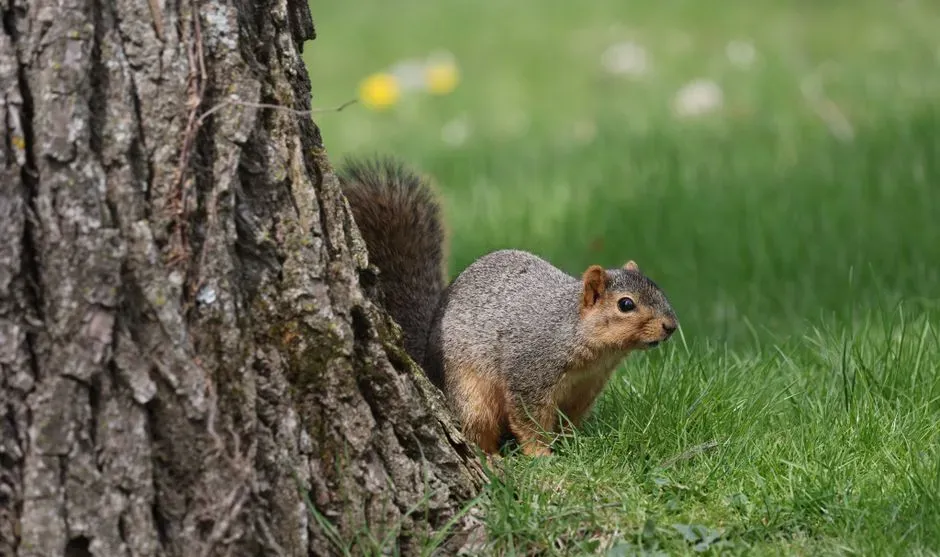
Squirrels maintain mental maps of their home ranges and notice when outsiders linger. A stationary human can register as a temporary intruder worth monitoring. The stare helps determine whether the presence threatens cached food or nesting spots.
By remaining still the squirrel avoids unnecessary chases while still gathering data. This measured response fits their overall strategy of conserving effort for real dangers. The behavior blends caution with efficiency in crowded settings.
Individual Differences at Play
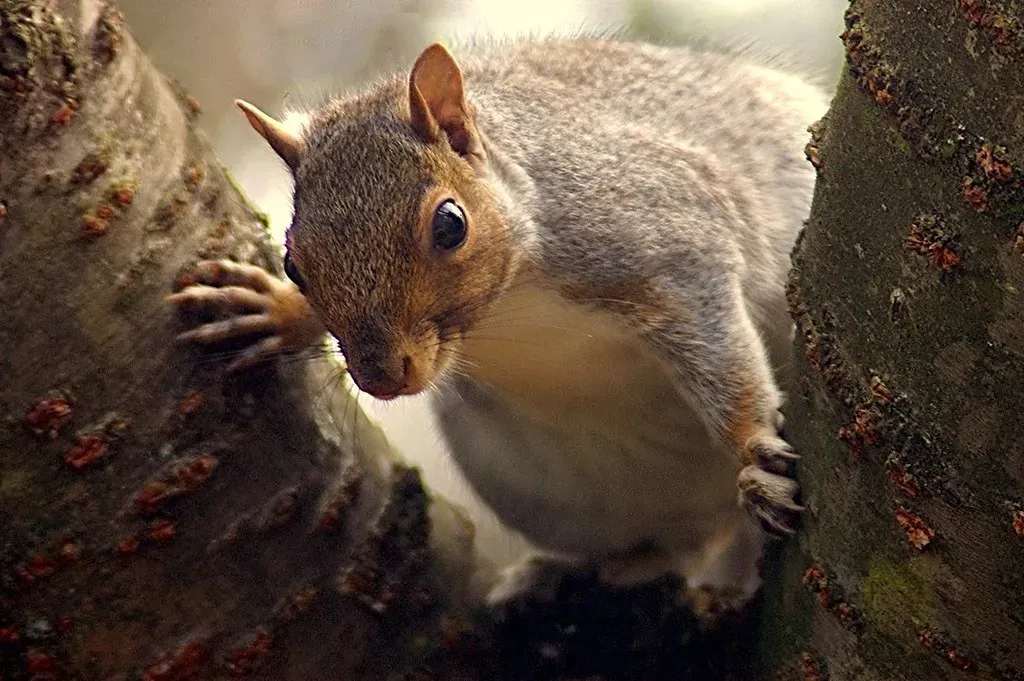
Not every squirrel reacts the same way to a staring contest with a person. Some appear bolder due to age, health, or previous experiences that built confidence. Others stay cautious and break eye contact sooner.
These variations remind observers that wildlife carries its own personalities shaped by daily life. A single prolonged look might reflect one animal unique history rather than a universal rule. Paying attention to context helps interpret each encounter more accurately.
Respecting the Quiet Exchange
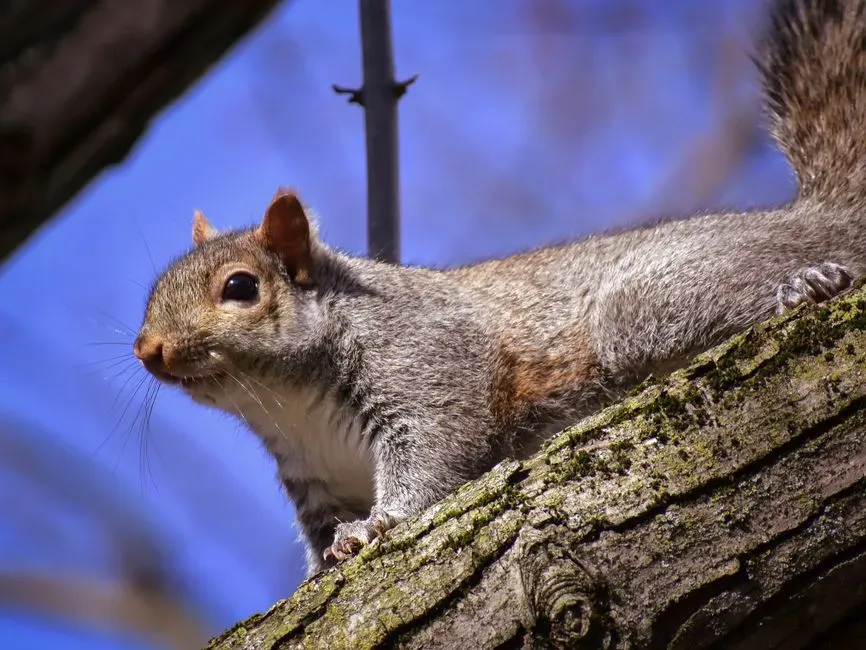
Watching a squirrel hold its gaze invites a moment of mutual awareness between species. It highlights how small creatures navigate a world full of larger beings without constant panic. The behavior encourages people to move gently and give space when possible.
Such pauses ultimately strengthen the chance for peaceful overlap in shared landscapes. They serve as gentle reminders that even brief connections carry layers worth noticing. In the end the stare leaves both parties a little more attuned to the rhythms around them.

- Which Zodiac Signs Need Cats the Most for Emotional Balance? - July 25, 2026
- Why Squirrels Dig Up Their Own Hidden Food - July 25, 2026
- What It Means When Butterflies Frequent Your Yard - July 25, 2026