


The bald eagle, America’s national bird and a symbol of freedom and strength, was once on the brink of extinction. Thanks to conservation efforts, these majestic raptors have made a remarkable comeback. Today, wildlife enthusiasts and casual observers alike can witness these magnificent birds soaring through the skies, building impressive nests, and hunting for prey across various locations in the United States. Whether you’re an avid birder or simply appreciate wildlife, observing bald eagles in their natural environment is a breathtaking experience that connects us to both nature and American heritage. Here are 15 premier destinations across the country where you can reliably spot bald eagles throughout the year or during specific seasons.
Alaska’s Chilkat Bald Eagle Preserve
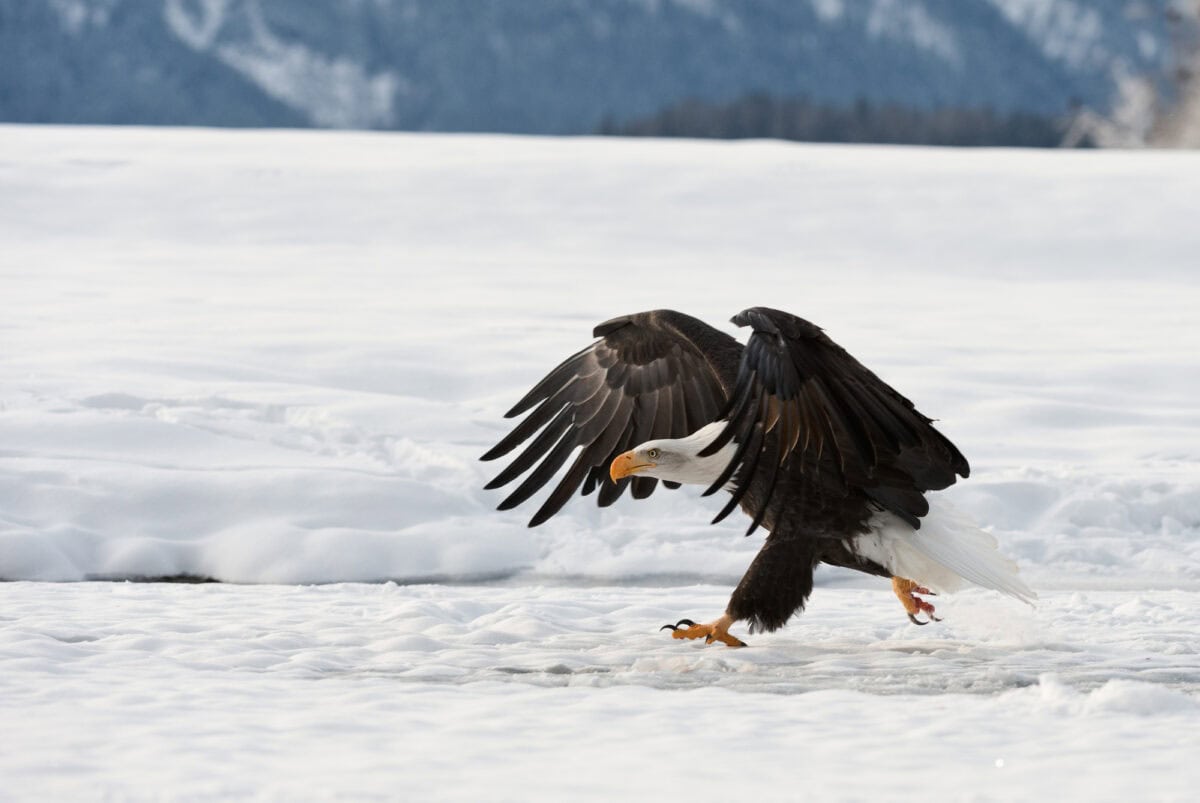
The Chilkat Bald Eagle Preserve near Haines, Alaska, offers perhaps the most spectacular eagle viewing opportunity in North America. Every fall, typically between October and February, thousands of bald eagles—as many as 3,500 at peak times—gather along the Chilkat River to feast on a late salmon run. The river’s unique conditions prevent it from freezing completely, creating an extended feeding season for eagles when food is scarce elsewhere. The Alaska Bald Eagle Festival in November celebrates this natural phenomenon with guided tours, photography workshops, and educational programs. Standing amid hundreds of eagles perched in cottonwood trees or watching them swoop down to catch salmon is an unforgettable wildlife experience that showcases nature’s abundance.
Mississippi River Along the Great River Road

The Upper Mississippi River National Wildlife and Fish Refuge stretches 261 miles from Minnesota to Illinois, providing critical habitat for one of the largest concentrations of wintering bald eagles in the lower 48 states. When northern waters freeze, eagles migrate to the Mississippi River where dam tailwaters create open water for fishing. Towns along the Great River Road, including Wabasha, Minnesota and LeClaire, Iowa, offer excellent viewing opportunities from December through March. The region hosts several eagle festivals and viewing events during winter months. Observation platforms and visitor centers along the route provide spotting scopes and guided experiences to help visitors identify eagles and learn about their behavior patterns while nesting and hunting along the mighty Mississippi.
Klamath Basin National Wildlife Refuges, California/Oregon
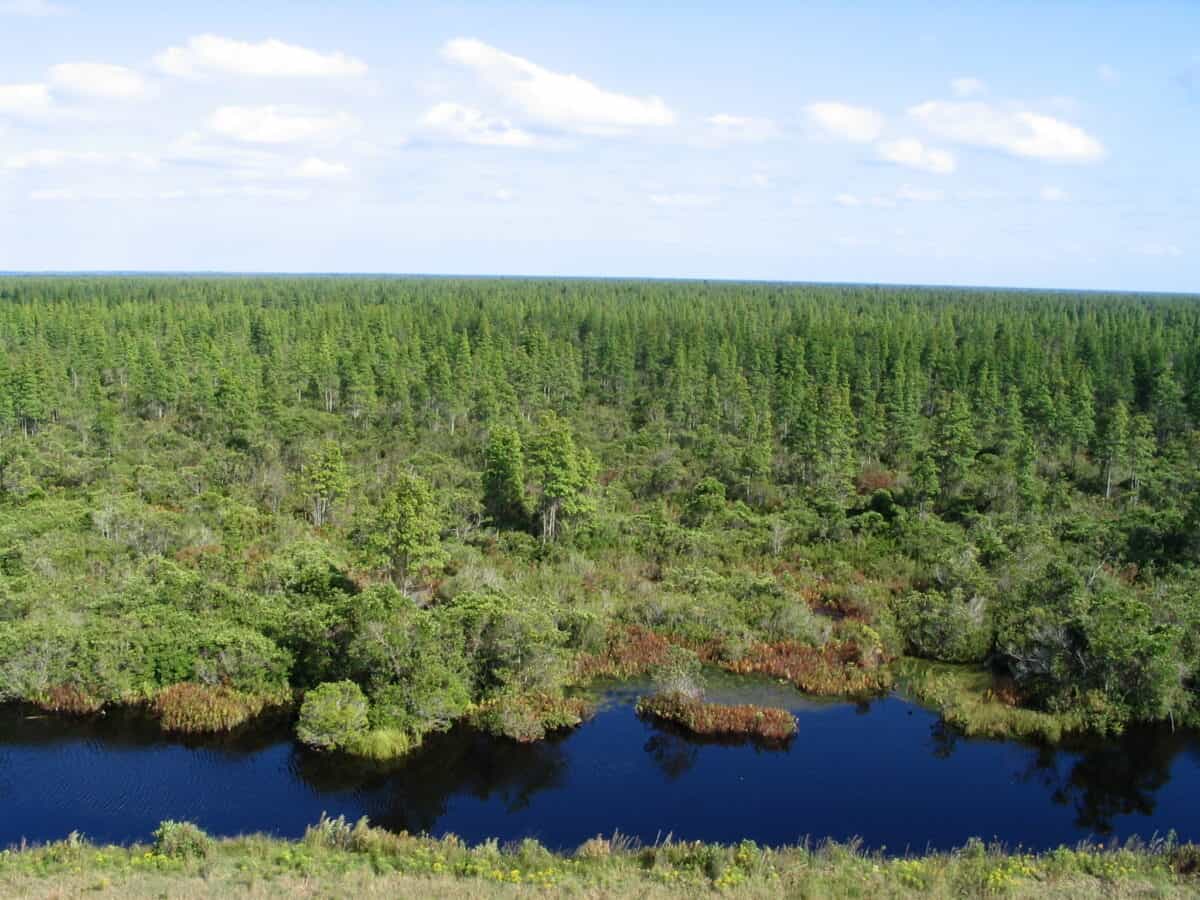
The six refuges comprising the Klamath Basin National Wildlife Refuge Complex along the California-Oregon border host one of the largest wintering populations of bald eagles in the contiguous United States. Between November and March, over 500 eagles gather here to feed on waterfowl in the shallow wetlands. The Basin’s combination of open water, abundant prey, and suitable roosting trees creates ideal eagle habitat. Dawn and dusk offer the best viewing opportunities as eagles fly from night roosts to feeding areas. The annual Winter Wings Festival in February celebrates this concentration with guided tours and photography sessions. The auto tour routes through Lower Klamath and Tule Lake Refuges provide accessible viewing points where visitors can watch eagles perched on fence posts or soaring above the landscape while hunting.
Blackwater National Wildlife Refuge, Maryland

Located on Maryland’s Eastern Shore, Blackwater National Wildlife Refuge serves as an important wintering ground for bald eagles from New England and Canada. With over 200 eagles present during winter months, it boasts one of the highest concentrations of bald eagles on the East Coast outside of Florida. The refuge’s mixture of freshwater ponds, brackish tidal wetlands, and mature forests creates diverse habitats supporting fish and waterfowl that eagles prey upon. The Wildlife Drive offers a 4-mile auto tour with multiple pull-offs for spotting eagles, while observation platforms provide elevated vantage points. Unlike some viewing areas that are primarily winter destinations, Blackwater maintains a significant year-round resident eagle population, with approximately 20 nesting pairs that remain active throughout all seasons, making it a reliable destination even in summer months.
Conowingo Dam, Maryland
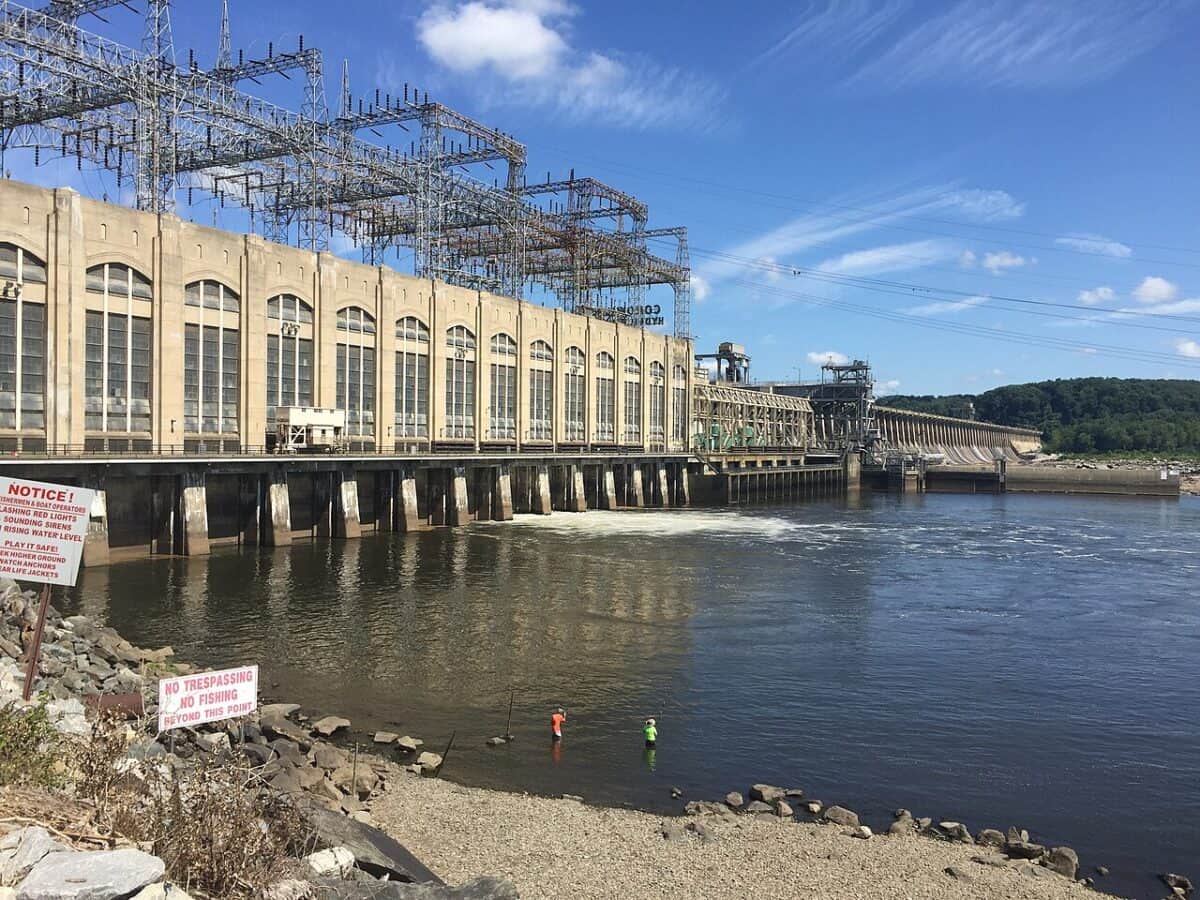
The Conowingo Dam on the Susquehanna River in northern Maryland has become legendary among wildlife photographers for its concentration of bald eagles. When the dam releases water, especially in late fall and winter, it stuns fish that become easy prey for the eagles. This phenomenon can attract over 100 eagles at once, creating spectacular hunting displays as eagles dive to snatch fish from the churning waters below the dam. The Fisherman’s Park area provides accessible viewing platforms where observers can watch eagles perform impressive aerial maneuvers, sometimes coming within 50 feet of viewers. The predictable nature of eagle activity here—often following scheduled water releases—makes it possible to time visits for optimal viewing. November through February typically offers the highest concentrations, though resident eagles can be seen year-round. The site’s accessibility from major East Coast population centers makes it a popular day trip destination.
Reelfoot Lake, Tennessee

Created by the New Madrid earthquakes of 1811-1812, Reelfoot Lake in northwest Tennessee provides perfect eagle habitat with its shallow waters, abundant fish, and cypress trees that make ideal perching and nesting sites. Winter brings 150-200 bald eagles to the lake, but a growing resident population means eagles can be seen year-round. The Reelfoot Lake State Park offers eagle-watching boat tours guided by naturalists who know the locations of active nests and favorite perching spots. January and February bring the annual Eagle Festival with specialized tours and educational programs. The combination of eagles, cypress swamps, and rich wildlife makes this a uniquely southern eagle-watching experience. Photographers particularly value the opportunities to capture eagles perched on the distinctive knees of cypress trees rising from the misty waters at dawn—a scene that feels distinctly like the Deep South.
Lake Coeur d’Alene, Idaho

Every winter, Lake Coeur d’Alene in northern Idaho hosts one of the largest kokanee salmon runs in the inland Northwest, attracting hundreds of bald eagles. From November through January, eagles gather at Wolf Lodge Bay to feed on spawning salmon, with numbers peaking around mid-December when 150-200 eagles may be present. The Bureau of Land Management maintains viewing platforms at Mineral Ridge, offering spectacular views of eagles perched in ponderosa pines or soaring above the lake. The contrast of dark eagles against snow-covered landscape creates dramatic viewing and photography opportunities. Regular eagle-watching cruises from the Coeur d’Alene Resort provide water-based observation opportunities, allowing visitors to see eagles from a different perspective as they swoop down to pluck fish from the lake’s surface. The combination of mountain scenery, pristine lake waters, and concentrated eagle activity makes this one of the most scenic eagle-watching destinations in the West.
Chassahowitzka National Wildlife Refuge, Florida
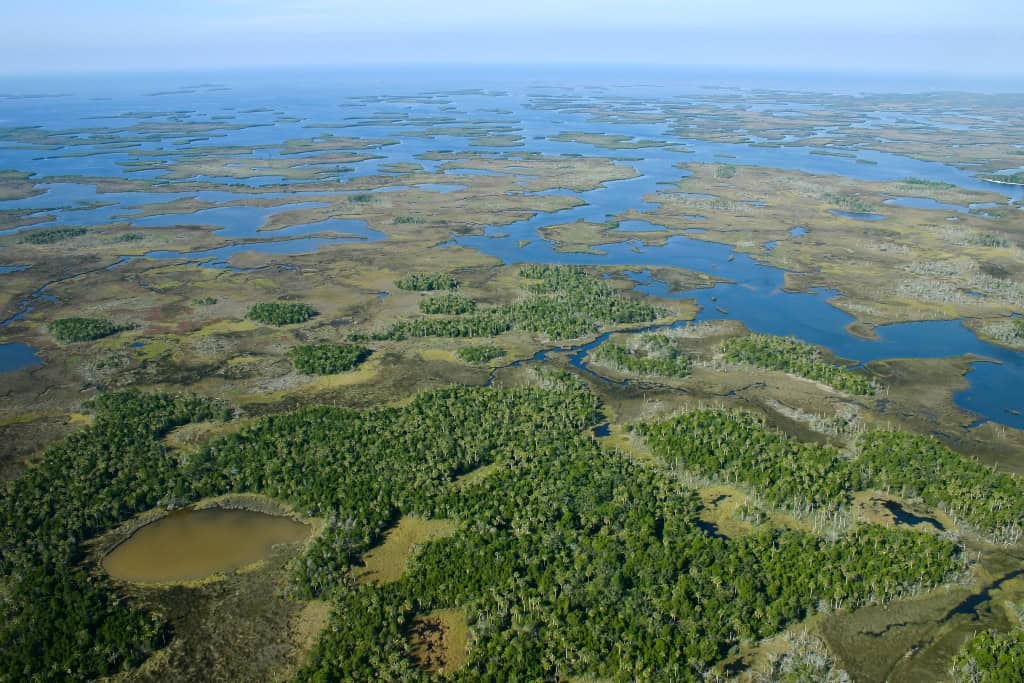
Florida’s Chassahowitzka National Wildlife Refuge on the Gulf Coast provides essential habitat for a substantial year-round population of bald eagles. Unlike northern locations that primarily offer winter viewing, Chassahowitzka’s nesting season from October through May gives visitors the opportunity to observe eagle courtship, nest-building, and chick-rearing behaviors. The refuge encompasses coastal marshes, tidal rivers, and hardwood swamps that provide perfect fishing grounds and nesting habitat. The best way to observe eagles here is by boat or kayak, as many nesting sites are located along waterways. Guided eco-tours can lead visitors to known nesting territories while maintaining appropriate distances to avoid disturbing the birds. The warm climate and rich coastal environment support not only eagles but also diverse wildlife including manatees, making this a multifaceted wildlife viewing destination that showcases Florida’s unique ecological character.
Skagit River Bald Eagle Interpretive Center, Washington
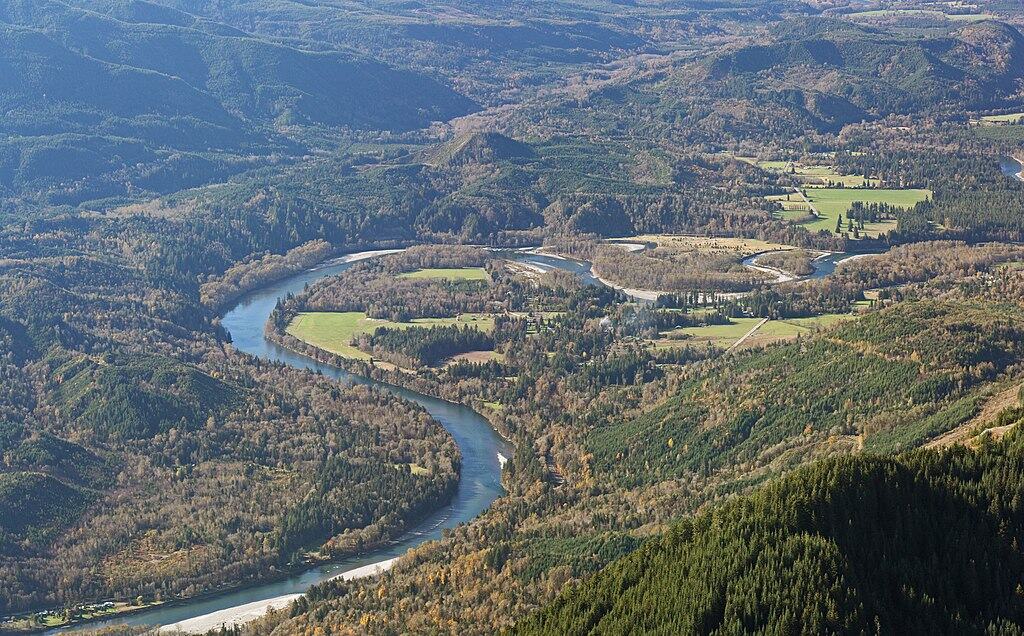
The Skagit River watershed in northwestern Washington hosts one of the largest concentrations of bald eagles in the continental United States. From December through February, hundreds of eagles gather to feed on spawning salmon, with peak numbers often exceeding 600 birds. The Skagit River Bald Eagle Interpretive Center in Rockport provides educational exhibits and guided walks led by naturalists who explain eagle behavior and ecology. Eagle-watching float trips down the Skagit River offer intimate views of eagles perched along the riverbanks or fishing in shallow riffles. The North Cascades mountains provide a dramatic backdrop for eagle watching, with the contrast of dark birds against snow-covered peaks creating striking visuals. Several designated viewing areas along State Route 20 allow for roadside observation without the need for hiking or boating, making this one of the more accessible premier eagle-watching destinations in the Pacific Northwest.
Loess Bluffs National Wildlife Refuge, Missouri

Formerly known as Squaw Creek National Wildlife Refuge, Loess Bluffs in northwest Missouri transforms into an eagle hotspot when winter arrives. The refuge’s wetlands and shallow pools attract massive congregations of snow geese and other waterfowl—sometimes over a million birds—which in turn draw bald eagles that prey on sick or injured waterfowl. December through February typically sees 50-100 eagles, though numbers can spike much higher during peak migration periods. The 10-mile auto tour route circles the wetlands with multiple observation platforms strategically placed for wildlife viewing. The refuge’s location along the Missouri River flyway makes it an important migratory stopover, concentrating birds in relatively small areas for optimal viewing. Eagle Days events in December offer spotting scopes, guided tours, and live raptor presentations. The dramatic sight of eagles swooping through clouds of rising snow geese makes this a particularly dynamic eagle-watching location where visitors can witness predator-prey interactions playing out in real time.
Starved Rock State Park, Illinois
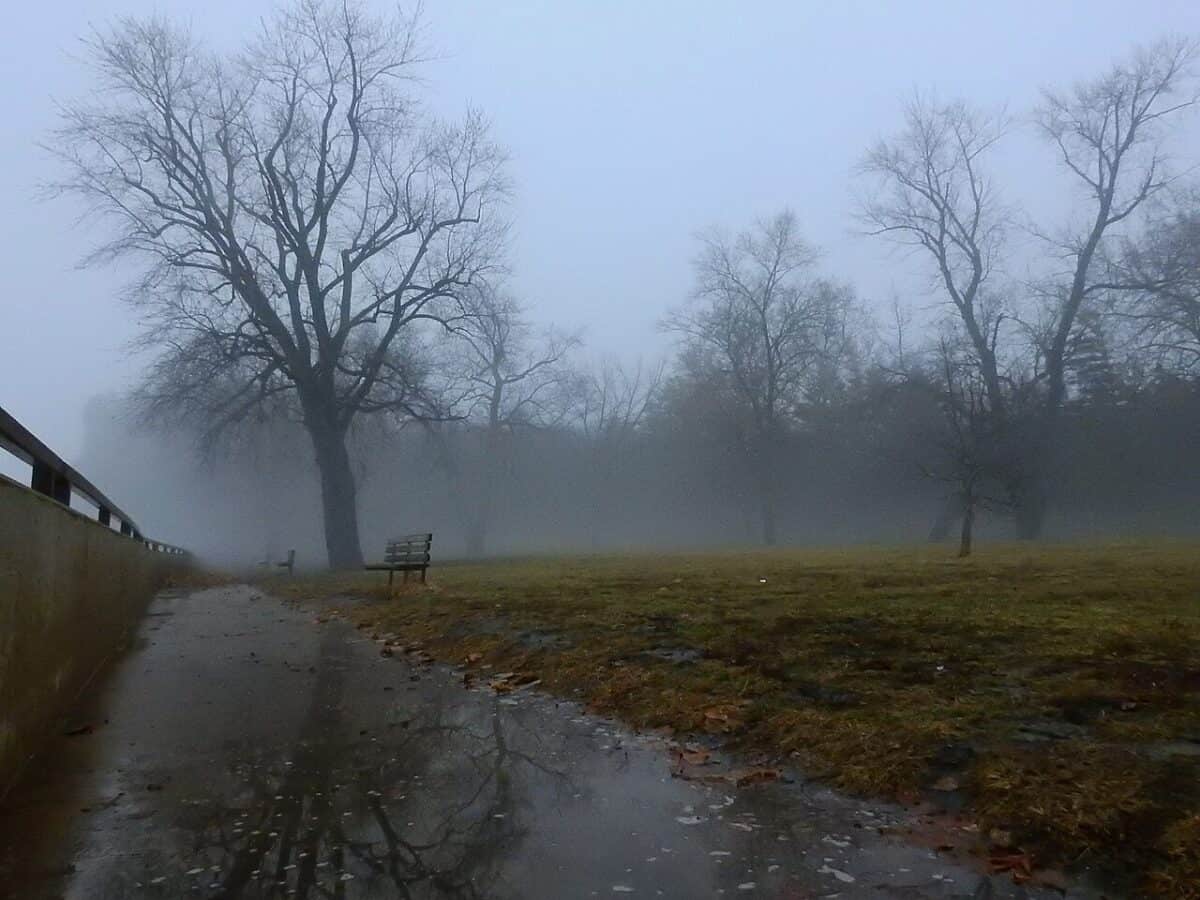
Each winter, the waters below Starved Rock Lock and Dam on the Illinois River remain open when surrounding areas freeze, creating a winter fishing ground that attracts 50-80 bald eagles. The park’s tall sandstone bluffs and mature trees provide perfect perching spots, while visitors can observe from well-maintained trails and overlooks. Weekend eagle watches from January through March include indoor presentations with live eagles and outdoor viewing with provided spotting scopes. The park’s dramatic canyons and bluffs create natural amphitheaters for viewing eagles soaring at eye level—a rare perspective that makes Starved Rock particularly appealing to photographers. The visitor center provides eagle tracking updates to help visitors maximize their chances of sightings. The concentration of eagles in a relatively compact area, combined with the park’s scenic beauty and well-developed facilities, makes Starved Rock one of the Midwest’s premier eagle-watching destinations, especially for those seeking winter wildlife experiences within driving distance of Chicago.
Brackendale Eagles Provincial Park, British Columbia (Honorable International Mention)
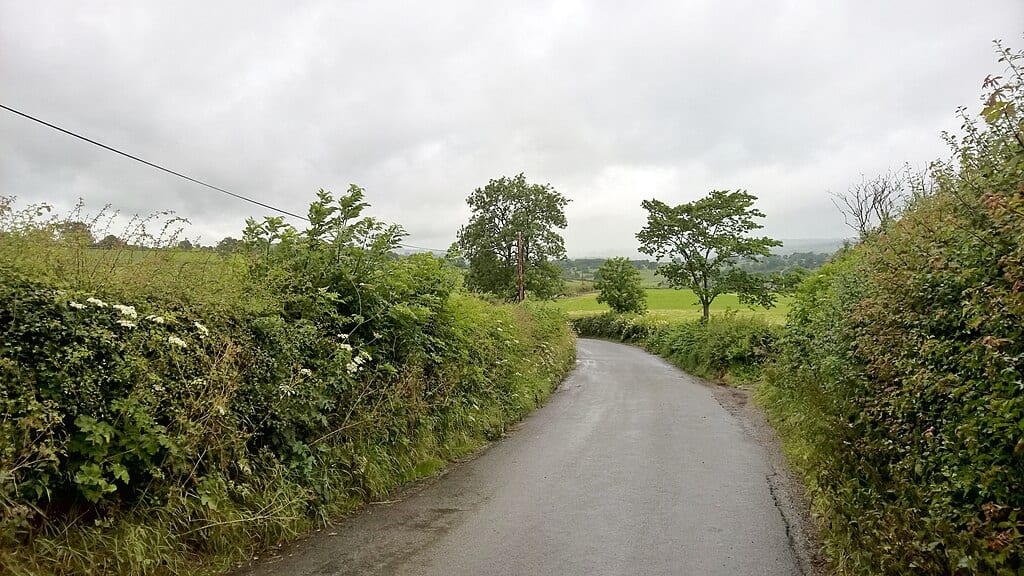
While technically just beyond the U.S. border in British Columbia, Canada, Brackendale Eagles Provincial Park deserves mention for North American eagle enthusiasts. This area along the Squamish River once held the world record for the highest concentration of bald eagles counted in a single day (3,769 in 1994). From November through February, hundreds of eagles gather to feed on salmon, with numbers typically peaking in January. Eagle Run viewing dike provides accessible observation points, while guided eagle float tours offer close-up viewing opportunities. The annual Brackendale Winter Eagle Festival and Count in January includes educational programs, art exhibits, and guided walks. The spectacular setting of eagles against the backdrop of snow-covered coastal mountains creates an iconic Pacific Northwest wildlife viewing experience. For Americans planning a bald eagle road trip, this location makes a natural extension to Washington State eagle viewing sites, creating a comprehensive Pacific Northwest eagle watching itinerary.
Mason Neck National Wildlife Refuge, Virginia

Established in 1969 as the first federal wildlife refuge specifically created to protect bald eagles, Mason Neck National Wildlife Refuge on the Potomac River continues its important conservation role today. Located just 18 miles from Washington, D.C., this refuge protects critical nesting, roosting and feeding habitat for eagles in the Chesapeake Bay watershed. The Great Marsh Trail and several observation platforms provide viewing opportunities of eagles fishing in Belmont Bay or perched in mature forest canopy. Unlike many eagle viewing sites that are primarily winter destinations, Mason Neck offers year-round eagle watching with opportunities to observe breeding behaviors in spring and summer. The refuge’s proximity to the nation’s capital makes it particularly significant as a place where visitors can connect with America’s national symbol just minutes from monuments honoring American history and democracy. The combination of tidal marshes, hardwood forests, and open water creates diverse habitats that support eagles throughout their life cycle.
Crab Orchard National Wildlife Refuge, Illinois
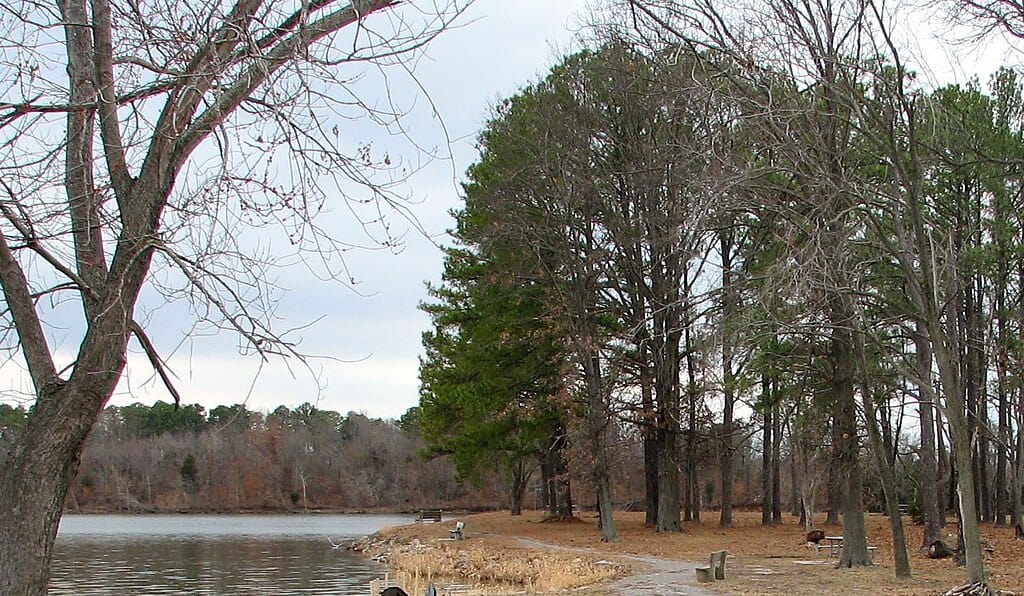
Southern Illinois may not be the first place that comes to mind for eagle watching, but Crab Orchard National Wildlife Refuge hosts an impressive winter concentration of 100+ bald eagles. The refuge’s three large lakes—Crab Orchard, Little Grassy, and Devils Kitchen—provide open water for fishing even in cold weather. The auto tour route offers accessible viewing, while the visitor center provides information on recent eagle sightings. Unlike more famous eagle destinations, Crab Orchard offers a relatively uncrowded eagle watching experience even during peak season. The refuge’s diverse habitats support not only eagles but also other winter wildlife, creating opportunities for comprehensive nature observation. Eagle tours and workshops offered in January and February provide guided viewing experiences with expert interpretation. The refuge’s location in the central Mississippi flyway makes it part of a critical migratory corridor that channels birds through the region, creating reliable viewing opportunities throughout the winter months.
Channel Islands National Park, California

The Channel Islands off the coast of Southern California represent a success story in bald eagle recovery. After being completely eliminated from the islands by DDT contamination, bald eagles have been successfully reintroduced through intensive conservation efforts. Today, visitors can observe eagles nesting on Santa Cruz, Santa Rosa, and Anacapa islands, with the entire recovery process documented through live-streaming nest cameras available online. Island boat tours provide opportunities to see eagles soaring along coastal cliffs or fishing in kelp forests. The unique island ecosystem creates distinctive hunting and nesting behaviors different from mainland populations. Beyond eagle watching, the islands offer opportunities to see other rare wildlife including island fox and Torrey pines. While requiring more planning than mainland destinations, the Channel Islands provide a unique perspective on eagle conservation success and the chance to see these birds in a Pacific island ecosystem that shaped distinctive behaviors in the local eagle population.
Conclusion: America’s Eagle Watching Legacy Conservation and Connection

The remarkable recovery of the bald eagle represents one of America’s greatest conservation success stories. From fewer than 500 nesting pairs in the 1960s to over 15,000 today, eagles have rebounded thanks to the ban on DDT, habitat protection, and decades of dedicated conservation work. These eagle viewing locations not only offer spectacular wildlife experiences but also connect visitors to this conservation legacy. Each sighting represents triumph over near-extinction and reminds us of our responsibility as stewards of wildlife. The seasonal movements of eagles across North America create opportunities to witness these magnificent birds throughout the year, from summer nesting activities to winter concentrations. Whether you’re watching eagles from a boardwalk in Florida, a mountain overlook in Washington, or a boat on the Mississippi, the experience fosters appreciation for both natural beauty and conservation success that ensures future generations will continue to see our national symbol soaring wild and free across America’s skies.

As a little kid, I fell in love with nature, wildlife, and animals. Living in the USA, South Africa, Italy, China and Germany gave me the opportunity to discover the world's Wildlife. My favorite animals are Mountain Gorillas, Siberian Tigers, and Great White Sharks.
I'm a certified PADI Open Water Diver, went to Everest Base Camp and Trekked Gorillas in Uganda. I hold a Master of Science in Economics and Finance.
Please send any feedback to feedback@animalsaroundtheglobe.com
- 13 Cat Breeds That Get Along with Dogs - July 20, 2026
- The 12 Largest Dog Breeds That Still Love to Cuddle - July 20, 2026
- 12 Pet Habits That Secretly Mean They Love You - July 20, 2026