

Most people picture the cost of a pet as the adoption fee and a bag of food. Over a decade or more, the real number is shaped by food, vet visits, grooming, housing, and the occasional surprise bill. For older adults living on a fixed income, those details matter a great deal.
The animals below aren’t ranked by price alone. They’re the kinds of pets that tend to suit calmer routines, smaller homes, and tighter budgets. Costs vary by region, individual health, and how you shop, so treat everything here as general guidance rather than a promise.
1. Adult Cats From a Shelter

🔥 Would you like to save this?
We'll email this post to you, so you can come back to it later!
An adult cat is one of the most practical companions for a senior. Cats use a litter box, don’t need walks, and tend to be content with quiet days at home. Adopting an adult also means you know the personality up front, which is harder to judge with a kitten.
Shelter adoption fees often include spaying or neutering, vaccines, and a microchip, which saves real money at the start. Ongoing costs are mostly food, litter, and routine checkups. Dental care and kidney issues can show up in older cats, so a small savings cushion is wise.
2. Senior Dogs of Small Size

🔥 Would you like to save this?
We'll email this post to you, so you can come back to it later!
Small, older dogs can be wonderful for seniors who still enjoy a daily stroll. They eat less than large breeds, and medication doses are usually lower too. Their calmer energy often matches a slower pace of life.
The tradeoff is that older dogs may come with dental disease or arthritis, so vet bills can arrive sooner. Many rescues discount adoption fees for seniors and for older dogs. Ask about a pet’s known health history before you commit.
3. Betta Fish
🔥 Would you like to save this?
We'll email this post to you, so you can come back to it later!
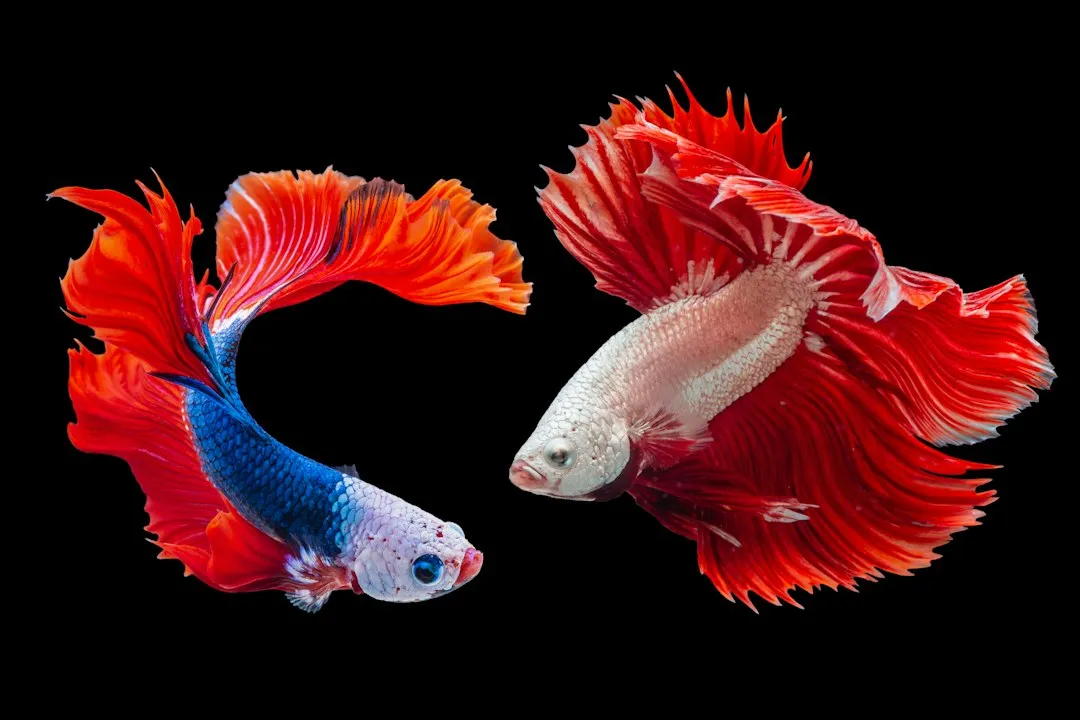
A betta is about as low maintenance as a pet with a personality gets. They live in a small tank, eat tiny portions, and need no walks or grooming. Watching one flare its fins at a mirror is oddly entertaining.
Start-up costs include a tank, a heater, a filter, and a lid, since bettas prefer warm water. After that, the monthly expense is small. Plan on a tank that’s larger than the tiny cups they’re often sold in, because better housing usually means fewer health problems.
4. Guppies and Other Hardy Freshwater Fish
🔥 Would you like to save this?
We'll email this post to you, so you can come back to it later!
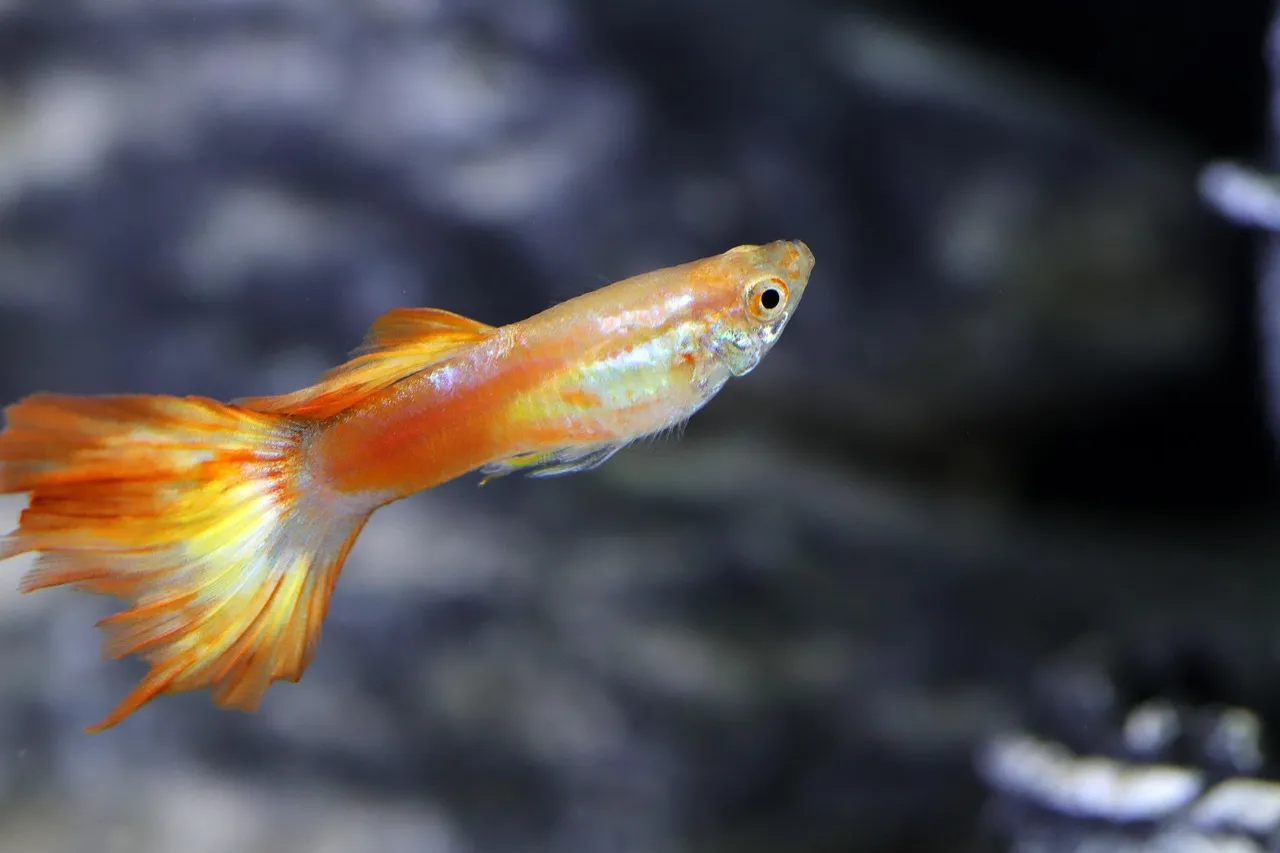
A small community tank of hardy fish brings movement and color to a room without much fuss. Guppies are a common beginner choice, and many hardy species handle small mistakes in water care. Fish are a calm presence for people who can’t manage a pet that needs physical handling.
Costs are front-loaded into the aquarium setup. Afterward, food, water conditioner, and some electricity make up most of the spending. Weekly partial water changes can involve lifting buckets, so check that the routine is manageable for you.
5. Parakeets (Budgerigars)

🔥 Would you like to save this?
We'll email this post to you, so you can come back to it later!
Parakeets are small, social, and often cheerful. They can learn to mimic sounds and bond with a regular caregiver, which makes them good company. They also eat modest amounts of seed, pellets, and fresh produce.
A properly sized cage is the main upfront cost, plus toys and perches. Many birds hide illness well, so an avian vet visit is worth budgeting for. Avian vets can be pricier and harder to find than general practices, which is worth checking before you buy.
6. Canaries and Finches

🔥 Would you like to save this?
We'll email this post to you, so you can come back to it later!
These birds are admired for song and appearance rather than cuddling. That makes them a fit for seniors who want gentle life in the house without a hands on pet. They’re generally content to be watched and listened to.
Cage space, clean water, and a steady diet keep costs low. Finches do best with company of their own kind, so expect to keep more than one. Daily cage cleaning is light work, though it does need to be consistent.
7. Guinea Pigs

🔥 Would you like to save this?
We'll email this post to you, so you can come back to it later!
Guinea pigs are gentle, vocal, and easy to hold, which many older adults enjoy. They need hay, fresh vegetables, and vitamin C, so food is simple but constant. They also do better in pairs, which is worth factoring into the budget.
Bedding is the recurring expense that surprises people, especially with a large cage. Their lifespan is often around five to seven years, which is a manageable commitment. Look for a vet who treats small exotic mammals before you need one.
8. Rabbits

🔥 Would you like to save this?
We'll email this post to you, so you can come back to it later!
Rabbits can be affectionate and quiet, and many learn litter habits. They’re a good match for someone who is home most of the day. Still, they aren’t the cheapest option over time, because hay, greens, and spacious housing add up.
Rabbits can live around ten years, and dental and digestive problems can be costly. Spaying or neutering is generally recommended by vets for health and behavior. Consider this a moderate cost pet rather than a bargain, and plan accordingly.
9. Hamsters

🔥 Would you like to save this?
We'll email this post to you, so you can come back to it later!
Hamsters are inexpensive to feed and need little space compared with most pets. They’re mostly active at night, which suits people who like a quiet daytime. Their small size means a modest setup, though the cage should still be roomy with a good wheel.
Their short lifespan, usually just a couple of years, keeps the total cost low. That also means saying goodbye sooner, which can be hard emotionally. They’re best for people who want something to watch rather than to cuddle.
10. Leopard Geckos

🔥 Would you like to save this?
We'll email this post to you, so you can come back to it later!
Leopard geckos are hardy, docile reptiles that can live for many years. They eat insects a few times a week, and they don’t need walks or daily handling. For the right person, they’re a surprisingly calm companion.
The setup includes a tank, a heat source, and hides, so initial costs aren’t trivial. After that, food and electricity are modest. Live insects aren’t for everyone, so be honest about whether you’re comfortable with them.
11. Hermit Crabs
🔥 Would you like to save this?
We'll email this post to you, so you can come back to it later!
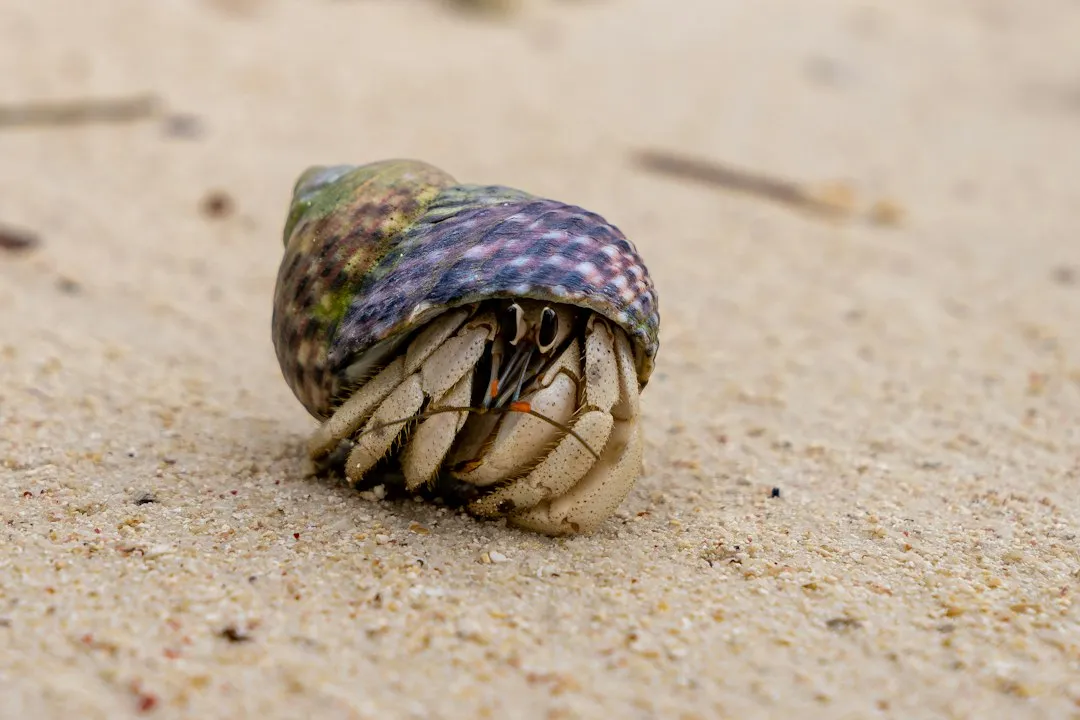
Hermit crabs are low cost and quiet, but their care is trickier than the stores suggest. They need warmth, humidity, deep substrate, and a supply of shells to swap into. Done properly, they can live for years.
Because they’re social, keeping a small group is better than one. The upfront habitat expense can be higher than you’d expect. They’re best for someone who enjoys observing and tinkering with a setup.
12. Ball Pythons and Other Calm Snakes

🔥 Would you like to save this?
We'll email this post to you, so you can come back to it later!
Some seniors enjoy a low demand reptile, and a calm snake eats only every week or two. There’s no barking, no shedding fur, and no daily exercise. The main costs are the enclosure, temperature control, and frozen rodents.
Ball pythons can live for several decades, which is a real consideration for any age. Think about who would care for the animal if your circumstances changed. It’s a long term commitment dressed up as a low maintenance pet.
13. Tortoises

🔥 Would you like to save this?
We'll email this post to you, so you can come back to it later!
Tortoises are slow, steady companions, and some species live a very long time. Their diet is mostly greens and weeds, so food costs stay low. Many people find their calm pace soothing.
The catch is housing and lifespan. They need proper lighting, space, and often outdoor access, and they can outlive their owners. If you’re drawn to one, make a plan for its future care before bringing it home.
14. Older Rescue Dogs of Calm Temperament

🔥 Would you like to save this?
We'll email this post to you, so you can come back to it later!
Some seniors want a dog but worry about puppy energy and training costs. A calm adult or older rescue skips the chewing phase and often arrives house trained. Many shelters run senior to senior programs with reduced fees.
Dog costs are still higher than most pets on this list, since food, vet care, and possible medications add up. Pet insurance or a dedicated savings account can soften big bills. Check the policy terms, as pre existing conditions are usually excluded.
15. Fostering Instead of Owning

🔥 Would you like to save this?
We'll email this post to you, so you can come back to it later!
Fostering isn’t a species, but it can be the cheapest and most flexible way to share your home with an animal. Many rescues cover food, supplies, and veterinary care for foster pets. That lets a senior enjoy companionship without the full lifetime financial responsibility.
Terms differ by organization, so ask what is covered and what happens if your health changes. It’s also a good trial run before adopting. For some people, it ends up being the perfect long term arrangement.
Final Thoughts

🔥 Would you like to save this?
We'll email this post to you, so you can come back to it later!
If I had to pick, I’d say an adult shelter cat is the best all around choice for many seniors. It balances companionship, modest costs, and low physical demand better than almost anything else here. Small fish and birds come next for people wanting something gentler still.
Cheap to buy doesn’t always mean cheap to keep, and a long lived pet needs a backup plan. Talk to a local vet before you decide, because they know what care actually costs where you live. The right pet is the one you can comfortably look after for its whole life.

- 7 Everyday Habits That Can Make Your Senior Dog Happier - November 5, 2026
- 10 Enigmatic Structures That Continue to Puzzle Scientists Today - November 5, 2026
- 10 Strange Ruins in the Americas That Challenge What We Know About Early History - November 5, 2026