

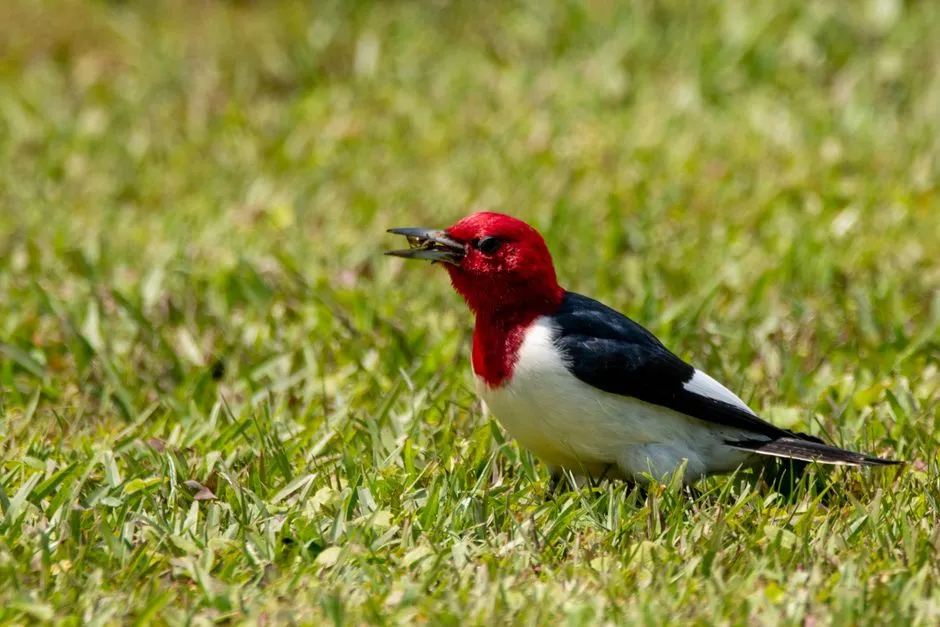
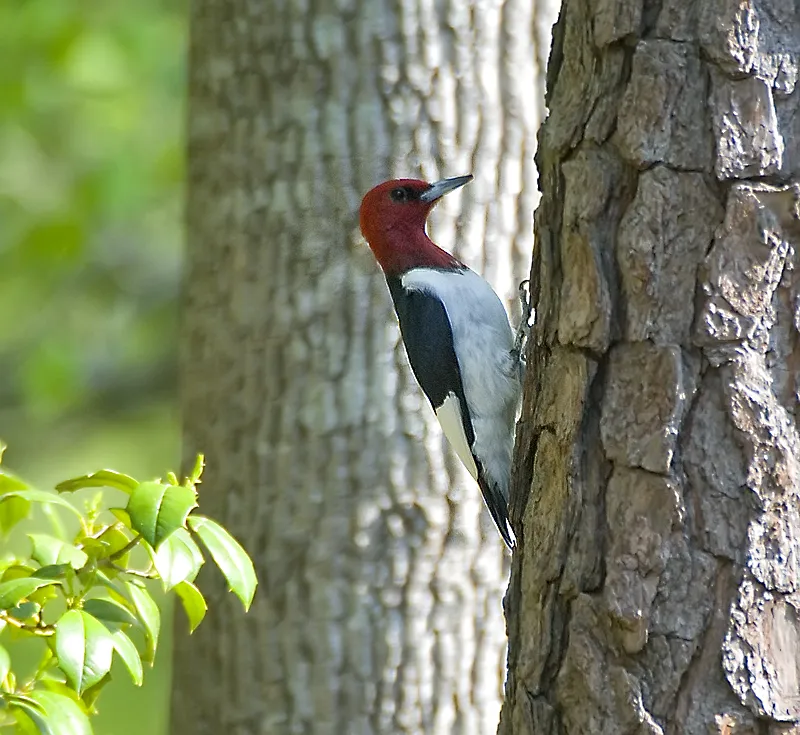
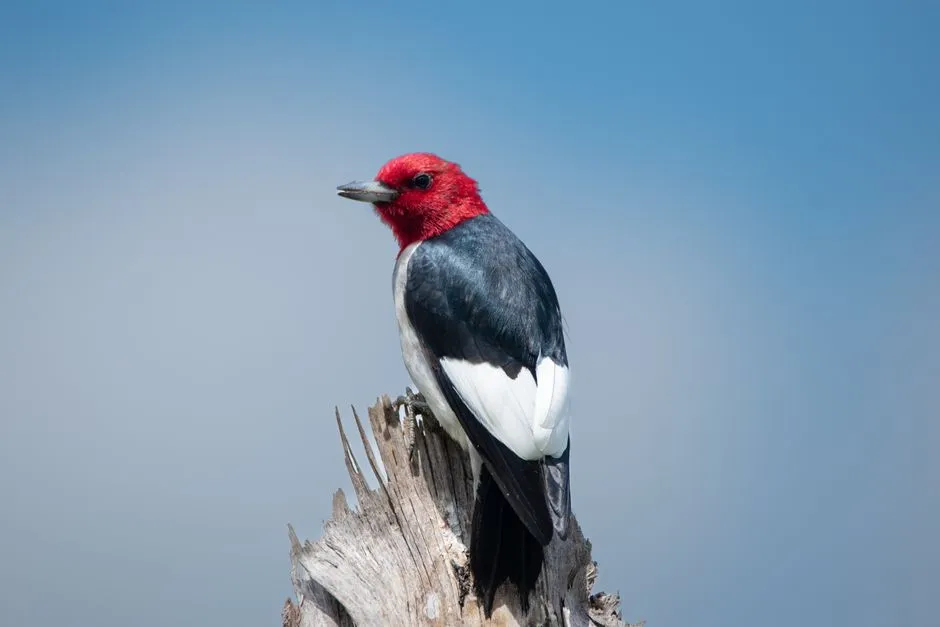
Spotting a red-headed woodpecker can stop people in their tracks. Its bold crimson crown against black and white feathers stands out sharply in the woods or along old fence lines. Folklore across different cultures has long attached meaning to such sightings, turning an ordinary bird encounter into something more layered.
These stories often blend observation of the bird’s habits with deeper ideas about help, warning, and change. They come mostly from Native American traditions, with some echoes in European tales. The details vary, yet a few themes keep surfacing whenever people talk about what the bird might signal.
Stories from Native American Traditions
🔥 Would you like to save this?
We'll email this post to you, so you can come back to it later!
Many Native American accounts treat woodpeckers as helpful or protective figures. The red-headed variety often appears in tales that explain its striking color or its role in aiding people. These narratives usually emphasize the bird’s willingness to assist rather than any random appearance.
One well-known account describes a woodpecker guiding a warrior to defeat a dangerous magician by pointing out the vulnerable spot on the enemy’s head. The bird receives its red crest as a reward, marking it forever as a friend to humans. Similar threads run through Cherokee stories that link the bird to acts of service and recognition.
Choctaw traditions cast certain woodpeckers, including red-headed ones, as guardian figures that alert villages to visitors or approaching trouble. Their calls or movements served as practical signals in daily life. Such roles grew from watching the birds’ alert behavior around settlements and forests.
The Legend Behind the Red Crest
🔥 Would you like to save this?
We'll email this post to you, so you can come back to it later!
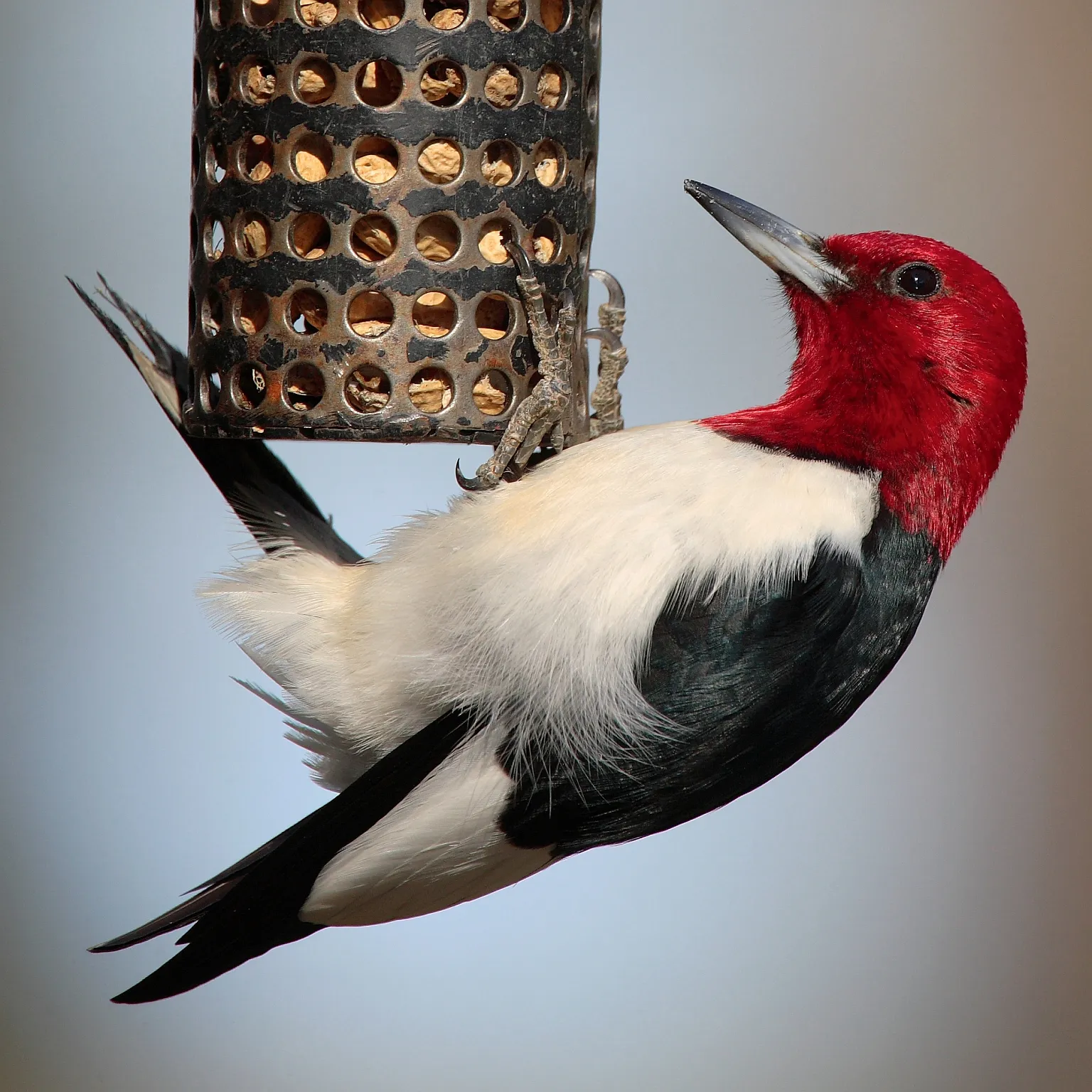
A classic explanation for the red head comes from older nature myths that portray the color as a badge of honor. In these accounts the bird earns its vivid marking through bravery or loyalty rather than inheriting it. The story underscores gratitude and the idea that small creatures can play big parts in human affairs.
The red hue also ties into broader associations with fire and vitality in some tribal lore. It suggests energy, courage, and the power to bring about change. People who encountered the bird might have seen its bright head as a reminder of those qualities during times of uncertainty.
Another tale turns the red head into a mark of shame after a selfish act, showing how the same feature can carry different moral weight depending on the storyteller. The bird hides its head in these versions, reflecting a lesson about kindness to strangers. Both types of story reveal how communities used the bird’s appearance to teach values.
Links to Warriors and Protection
🔥 Would you like to save this?
We'll email this post to you, so you can come back to it later!
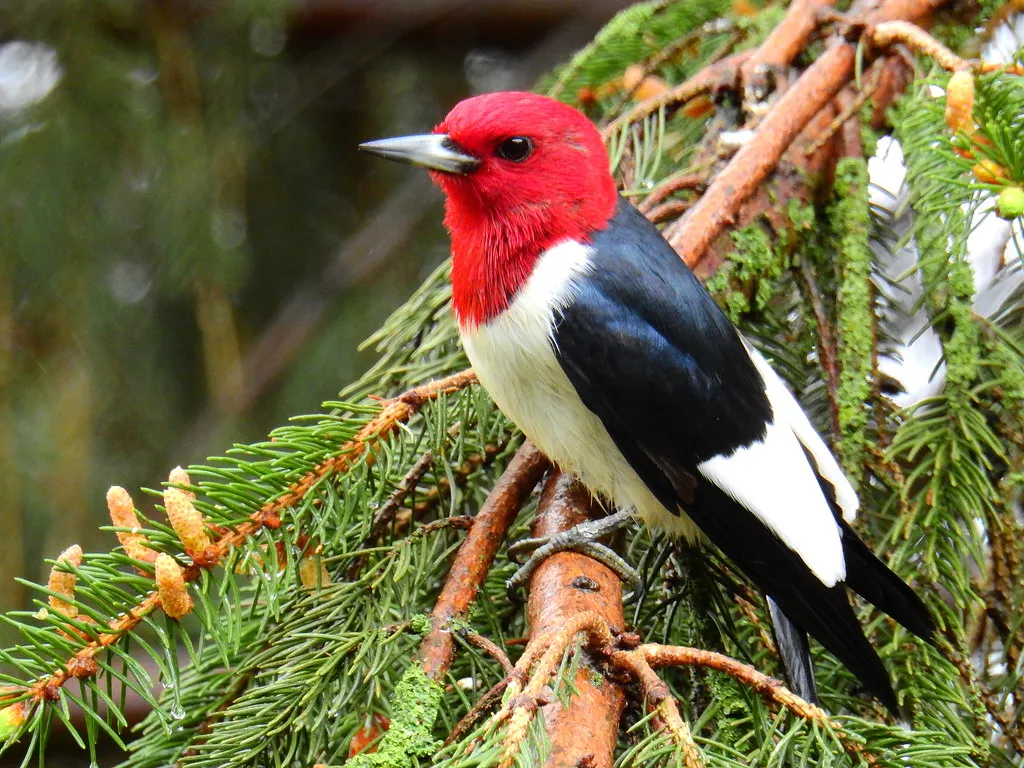
Some groups viewed the red-headed woodpecker as a war bird whose feathers offered strength in battle. Warriors incorporated the bright plumage into regalia or headdresses to draw on its perceived courage. The connection likely stemmed from the bird’s bold coloring and its persistent drumming that echoed thunder or conflict.
Protection themes appear when the bird is cast as a messenger or sentinel. Its habit of tapping on trees and scanning surroundings translated into ideas of vigilance and early warning. Sightings near homes or travel routes sometimes carried the sense that help or caution was nearby.
These warrior associations stayed grounded in practical observation of the bird’s territorial nature and loud calls. They did not claim supernatural powers so much as useful reminders of resilience during difficult periods. Over time the symbolism traveled with the stories across different regions.
European and Broader Cultural Views
🔥 Would you like to save this?
We'll email this post to you, so you can come back to it later!
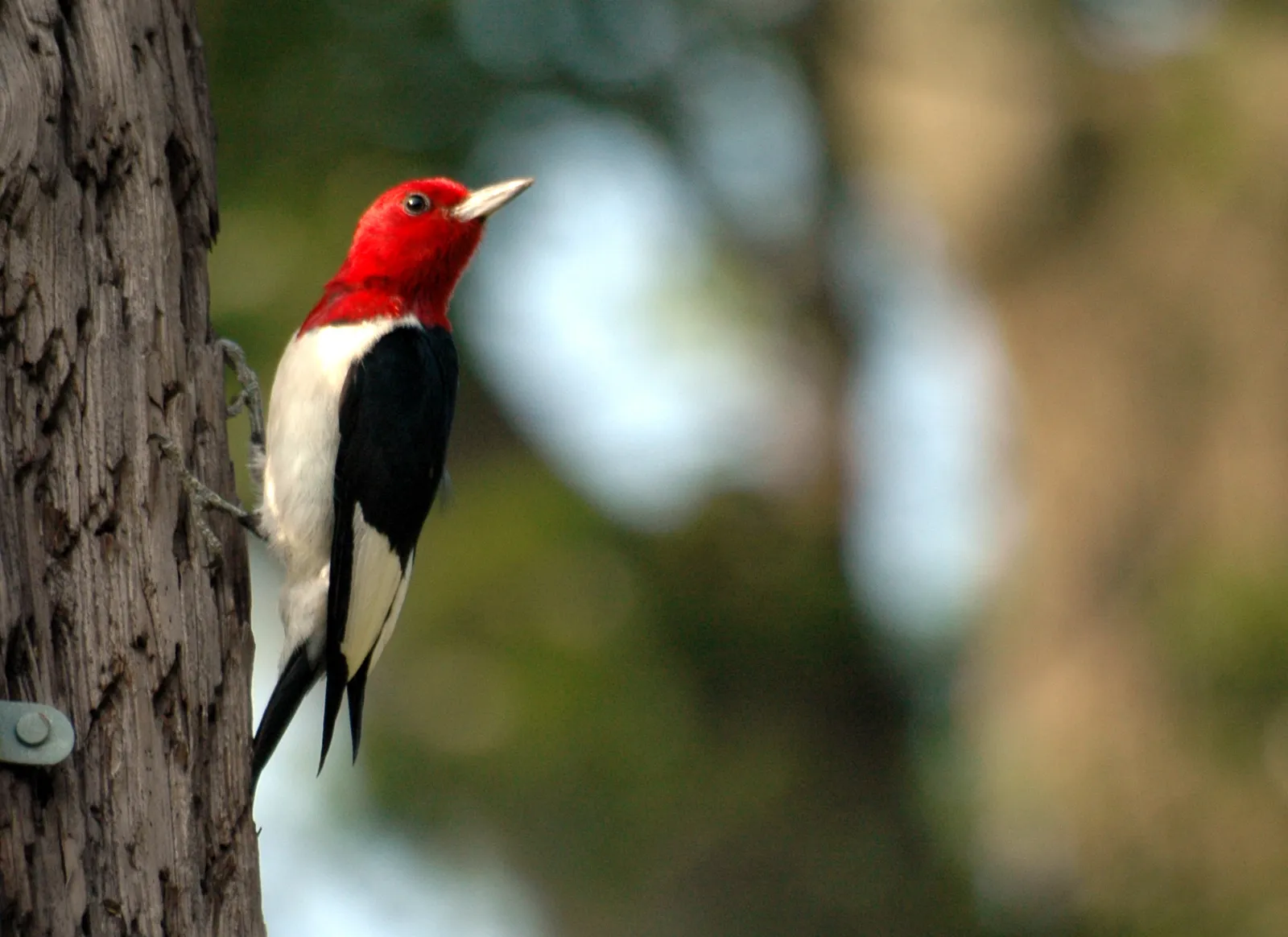
European folklore sometimes linked woodpeckers to prophecy or the ability to uncover hidden things. The tapping sound suggested messages from beyond ordinary sight, whether about buried items or future events. Red-headed examples picked up extra weight from the color’s ties to blood, fire, and intensity in older beliefs.
In certain Roman and Germanic traditions the bird connected to gods of war or thunder, reinforcing ideas of power and foresight. People watched its movements for omens, though specific records for the red-headed species remain thinner than general woodpecker lore. The striking appearance still invited interpretation wherever the bird appeared.
Celtic stories occasionally cast woodpeckers as revealers of secrets or guides through difficult terrain. The red head added a layer of vitality to these roles. Such views traveled with settlers and mixed with local observations in new lands.
Signs of Opportunity and Persistence
🔥 Would you like to save this?
We'll email this post to you, so you can come back to it later!
Folklore often highlights the woodpecker’s steady tapping as a model of persistence. Seeing one at work could suggest that repeated effort would eventually open doors or solve problems. The red head made the message more visible and memorable in these interpretations.
Prosperity or good fortune sometimes attached to sightings, especially when the bird seemed active near food sources or nesting sites. The idea grew from noticing how the bird’s industry supported its survival through changing seasons. Listeners took the encounter as encouragement to stay focused on their own goals.
Fertility and renewal themes surface in accounts that connect the bird to new growth after hardship. Its return to areas after fires or storms reinforced cycles of recovery. These meanings stayed tied to real patterns in the bird’s habitat use rather than abstract invention.
Regional Variations and Shared Threads

🔥 Would you like to save this?
We'll email this post to you, so you can come back to it later!
Different tribes and regions adapted the core stories to fit local landscapes and values. Some emphasized the bird’s role in bringing practical help, while others focused on moral lessons or seasonal signals. The red head remained the constant visual hook that made the tales stick.
Across accounts the bird rarely acts alone. It usually interacts with humans or other forces to deliver its message. This pattern reflects how storytellers observed the woodpecker’s social and alert behavior in the wild.
Shared elements like courage, warning, and reward appear even when details shift. They show how communities turned everyday wildlife into carriers of guidance without needing elaborate rituals. The consistency suggests the bird’s striking looks and habits invited similar reflections wherever it lived.
What These Stories Leave Behind
🔥 Would you like to save this?
We'll email this post to you, so you can come back to it later!
Folklore about the red-headed woodpecker ultimately points back to paying attention. The tales reward noticing small actions and their larger effects, whether in nature or daily choices. They encourage a grounded respect for the bird’s real presence rather than chasing dramatic omens.
Modern readers can appreciate how these narratives kept people connected to their surroundings. A sighting today still carries that quiet invitation to slow down and consider what persistence or timely help might look like in ordinary life. The stories endure because they mirror observable traits without overpromising.
In the end the red-headed woodpecker serves as a reminder that meaning often grows from close observation. Its folklore invites curiosity about the living world instead of quick conclusions. That steady pull toward awareness feels like the most lasting gift these accounts offer.

- 8 Fascinating Facts About Owls You Never Knew - November 5, 2026
- 10 Plants That Repel Mosquitoes in Texas - November 5, 2026
- What Egyptian God Are You According to Your Zodiac Sign - November 5, 2026