

The animal kingdom is filled with bizarre behaviors that continue to baffle even the most seasoned scientists. From mysterious mass deaths to inexplicable navigation abilities, these peculiar actions challenge our understanding of animal cognition and natural instincts. While researchers have made significant strides in understanding animal behavior, some phenomena remain tantalizingly unexplained despite decades of study. This article explores fifteen of the most perplexing animal behaviors that continue to confound the scientific community, offering a glimpse into the mysterious world of animal behavior that exists beyond our current understanding.
The Bizarre Mass Suicide of Whales and Dolphins

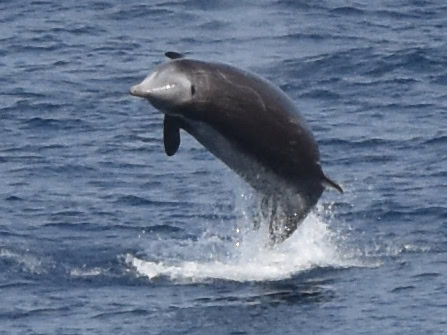
One of the most disturbing and mysterious phenomena in the animal kingdom is mass strandings of whales and dolphins. Although these intelligent marine mammals navigate vast oceans with precision, they occasionally beach themselves in groups of dozens or even hundreds. In 2016, 337 sei whales were found dead in a remote Chilean fjord in what scientists called one of the largest whale strandings ever recorded. Despite numerous theories—including underwater noise pollution, magnetic field disruptions, parasitic infections affecting navigation, or social bonds compelling healthy animals to follow sick pod members—no single explanation fully accounts for these tragic events. Some strandings occur in areas with peculiar geographic or oceanographic features, but others happen on seemingly ordinary coastlines, leaving researchers scrambling for explanations. While rescue efforts sometimes succeed in returning these animals to the ocean, many stranded cetaceans die, creating an enduring mystery that continues to trouble marine biologists worldwide.
The Perfect Hexagons of Honeybee Hives

Honeybees construct their combs with perfect hexagonal cells that maximize storage space while minimizing construction material—an architectural marvel that has fascinated mathematicians and biologists alike. The remarkable precision of these structures would challenge even human engineers equipped with measuring tools, yet bees accomplish this feat using only their bodies and mandibles as guides. While researchers understand that the hexagonal shape provides optimal efficiency, the exact mechanism by which thousands of individual bees coordinate to create such mathematical perfection remains elusive. Some theories suggest that the hexagons result naturally from the physical properties of wax as it cools, while others propose that bees follow complex genetic programming. However, neither explanation fully accounts for the consistent precision across widely varying environmental conditions. Perhaps most puzzlingly, even isolated bees raised without access to existing hives will begin constructing the same perfect hexagons when given the opportunity, suggesting an innate blueprint that science has yet to fully decode.
The Synchronized Death of Bamboo-Eating Lemurs
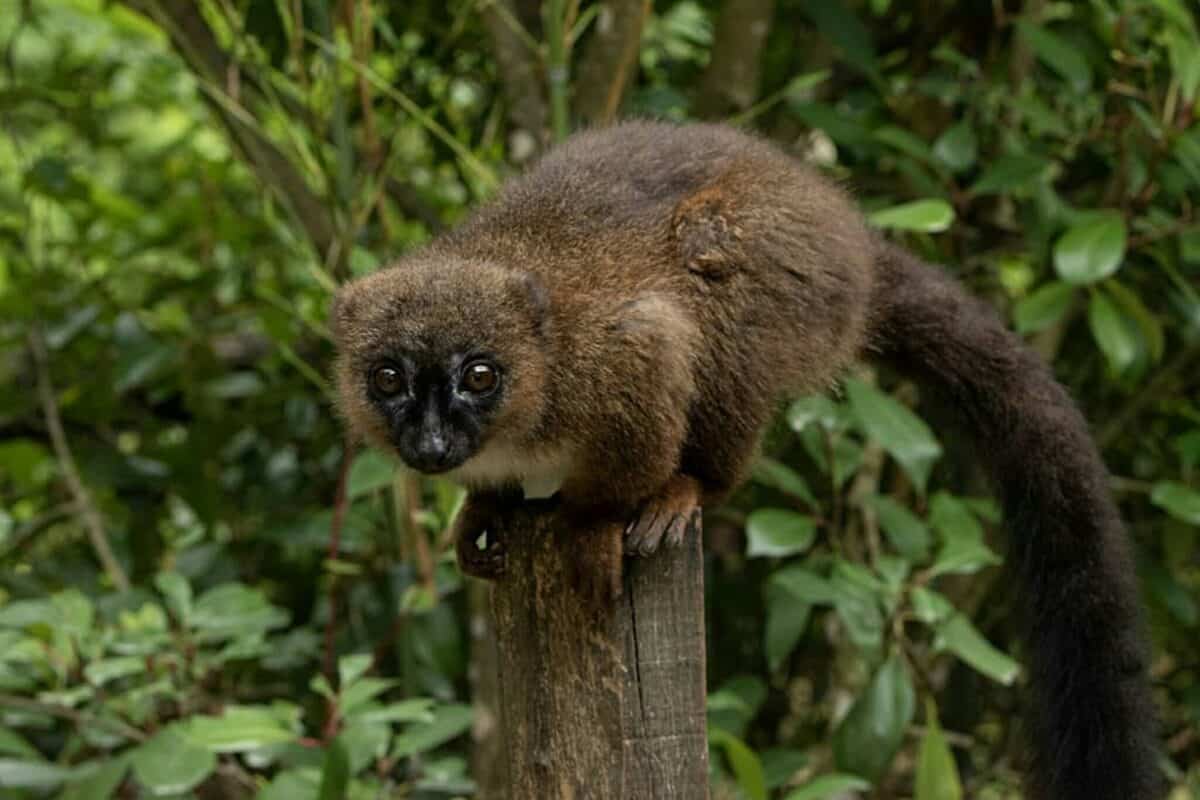
In the forests of Madagascar, the critically endangered greater bamboo lemur (Prolemur simus) faces a peculiar threat tied to its specialized diet. These primates feed almost exclusively on a species of woody bamboo that flowers, seeds, and dies in synchronized cycles occurring approximately every 45 years. When this mass bamboo death occurs across large regions simultaneously, bamboo lemur populations experience catastrophic food shortages. What perplexes scientists is that these lemurs show little adaptive behavior when faced with this predictable ecological crisis. Despite the urgency of starvation, many populations fail to migrate to areas with alternative bamboo species or adapt their diets significantly. Researchers have observed that even when alternative food sources exist within their range, many lemurs continue searching for their preferred bamboo species until dangerously weakened. This mysterious lack of behavioral plasticity contradicts the typical adaptive intelligence observed in other primates and raises questions about the cognitive constraints that might prevent these endangered animals from responding effectively to a predictable, if infrequent, environmental challenge.
Crows’ Elaborate Funeral Rituals
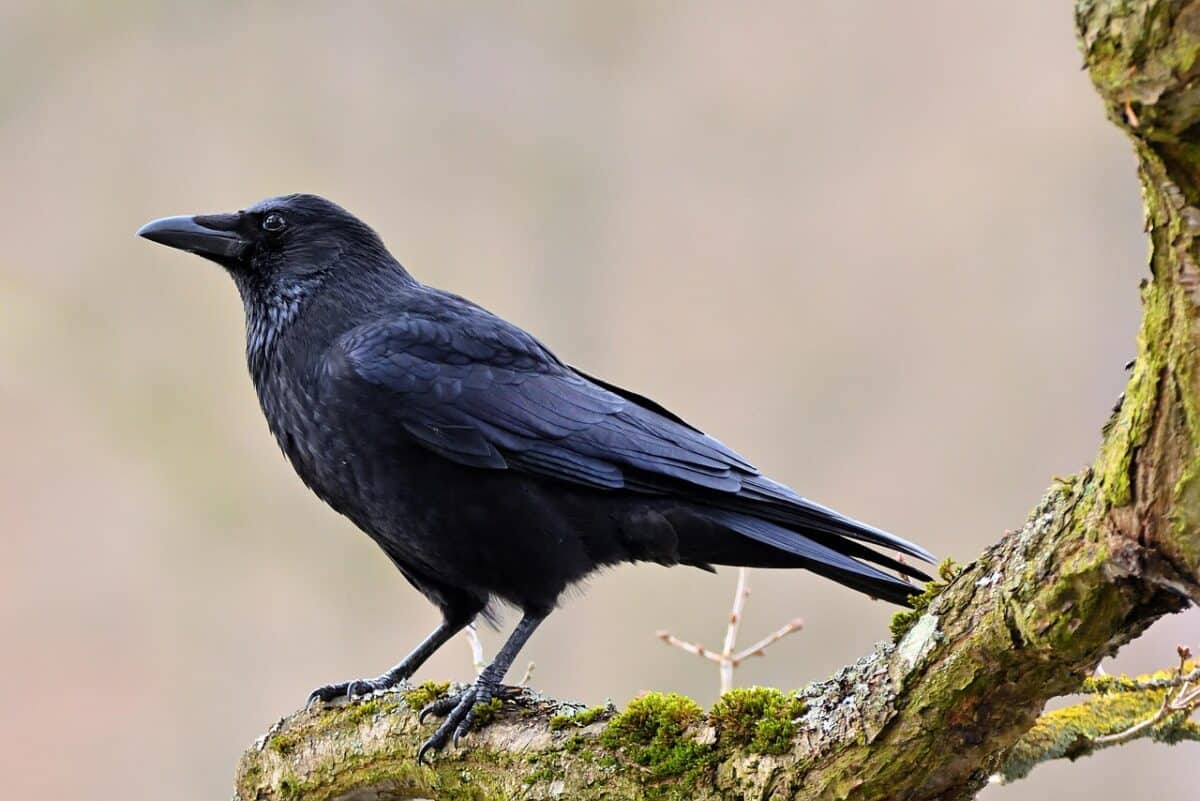
When a crow dies, other crows gather around the deceased in what appears to be a funeral-like ritual. These remarkably intelligent birds will call out to summon others, sometimes forming groups of up to 40 individuals around the corpse. They’ll investigate the dead bird, occasionally pecking at it, while maintaining an unusual silence compared to their typically vocal nature. Researchers at the University of Washington have documented these behaviors extensively, yet remain uncertain about their true purpose. Some scientists theorize these gatherings help crows identify potential dangers that killed their companion, essentially functioning as a form of threat assessment. Others suggest these rituals may serve social functions within crow communities, potentially reinforcing bonds or communicating important information about territories. What makes this behavior particularly mysterious is that similar rituals have been observed across different crow species worldwide, suggesting a deep evolutionary purpose that transcends simple curiosity. The behavior indicates a level of death awareness that challenges our understanding of avian cognition and raises profound questions about how non-human animals perceive mortality.
The Dancing Plague of Cattle

In pastures across the world, farmers occasionally witness a bizarre phenomenon where cattle suddenly begin running in perfect circles for hours on end. In 2021, a video from Russia went viral showing dozens of cows and sheep moving in a continuous circular pattern for nearly twelve hours without stopping. Similar incidents have been documented across continents, with animals maintaining these circular movements despite obstacles or attempts to disrupt the pattern. While some cases have been linked to listeriosis (a bacterial infection that can cause neurological symptoms), many others occur in perfectly healthy herds with no evidence of disease. Some scientists theorize these behaviors might result from extreme anxiety, perhaps triggered by environmental stressors undetectable to humans, while others propose they could represent a primitive defensive strategy gone haywire. Particularly puzzling is the synchronized nature of the movement, with dozens or even hundreds of animals maintaining perfect formation. Despite numerous investigations, researchers have failed to identify a universal cause for this strange behavior, which continues to mystify veterinarians and animal behaviorists alike.
The Inexplicable Migration of Christmas Island Crabs

Every year, approximately 50 million red crabs on Australia’s Christmas Island embark on a spectacular migration from the forest to the ocean to breed. What baffles scientists is the precise timing of this mass movement. The migration always occurs during the October-December wet season, but the exact day when millions of crabs simultaneously emerge from the forest seems determined by factors beyond simple rainfall patterns. Researchers have documented cases where crabs begin their journey before the first rains arrive, suggesting they may possess some unknown mechanism for predicting precipitation. Even more mysterious is how juvenile crabs, after spending weeks developing in ocean waters, find their way back to the exact inland forest locations their parents came from, despite never having been there before. While researchers have identified that the lunar cycle influences the timing of the crabs’ spawning once they reach the ocean, the triggers that initiate the synchronized land migration remain poorly understood. This remarkable natural phenomenon demonstrates coordination on a scale that defies current scientific explanation, suggesting complex environmental sensing abilities we have yet to comprehend.
The Spontaneous Combustion of Birds

Among the most bizarre and contentious animal mysteries are reports of birds apparently bursting into flames while in flight. Though exceedingly rare, these incidents have been documented by multiple eyewitnesses, including cases where birds near power lines suddenly ignite without direct contact with electrical infrastructure. In 2014, a California wildlife rescue center documented multiple cases of birds with burn injuries consistent with sudden, intense heat exposure but without evidence of direct electrical contact. Conventional scientific explanations suggest that birds might create electrical arcs when flying near high-voltage lines, especially in humid conditions. However, this fails to account for all reported cases, particularly those occurring away from obvious electrical sources. Some researchers have proposed that certain atmospheric conditions might create static electricity accumulation in bird feathers, while others suggest rare chemical reactions in feather oils could generate combustible compounds. The phenomenon remains largely unexplained because of its unpredictable nature and the inherent difficulty in studying events that cannot be ethically reproduced. While skepticism is warranted, the consistent nature of eyewitness accounts from different locations suggests some underlying phenomenon may be occurring that science has yet to properly document or explain.
Antarctic Fish with Antifreeze Blood
In the frigid waters surrounding Antarctica, several species of notothenioid fish survive in temperatures that would freeze the blood of most other vertebrates solid. These fish produce specialized glycoproteins that function as a biological antifreeze, preventing ice crystals from forming in their tissues—a remarkable adaptation to extreme conditions. What perplexes scientists, however, is that these fish seem to have completely lost the ability to adapt to warmer waters. When subjected to temperatures that most fish would find perfectly comfortable, these Antarctic specialists show severe stress responses and often die. The genetic mechanism that locked these species into their extreme cold specialization remains mysterious, particularly because it represents an evolutionary dead-end in a warming world. Even more puzzling is recent research revealing that ice crystals actually do form inside these fish during winter months, but somehow don’t cause the cellular damage typically associated with internal freezing. Scientists have yet to fully understand how these animals prevent these internal ice crystals from tearing apart their cells or how this unique adaptation evolved in the first place. As climate change threatens their frigid habitat, understanding this mysterious adaptation becomes increasingly urgent.
The Silent Disappearance of Honeybees

Colony Collapse Disorder (CCD) continues to baffle scientists more than fifteen years after it was first identified. This phenomenon occurs when the majority of worker bees in a colony mysteriously vanish, leaving behind the queen, food stores, and a few nurse bees to care for immature bees. What makes CCD particularly perplexing is that dead bees rarely appear near the affected hives—they simply disappear. Since 2006, some commercial beekeepers have reported losing 30-90% of their hives to this mysterious disorder. While researchers have identified multiple potential contributors, including pesticides, parasites, pathogens, and environmental stressors, no single factor fully explains the specific pattern of disappearance. Particularly mysterious is how colonies affected by CCD show a unique signature of simultaneous stressors that healthy colonies can withstand individually. Also puzzling is the observation that hive predators like wax moths and small hive beetles avoid colonizing abandoned CCD hives for weeks after collapse—suggesting something unknown might be deterring these opportunistic invaders. Despite intensive research efforts and the critical importance of honeybees to global food security, scientists still cannot fully explain why bees continue to vanish in this distinctive pattern.
The Navigational Superpowers of Sea Turtles
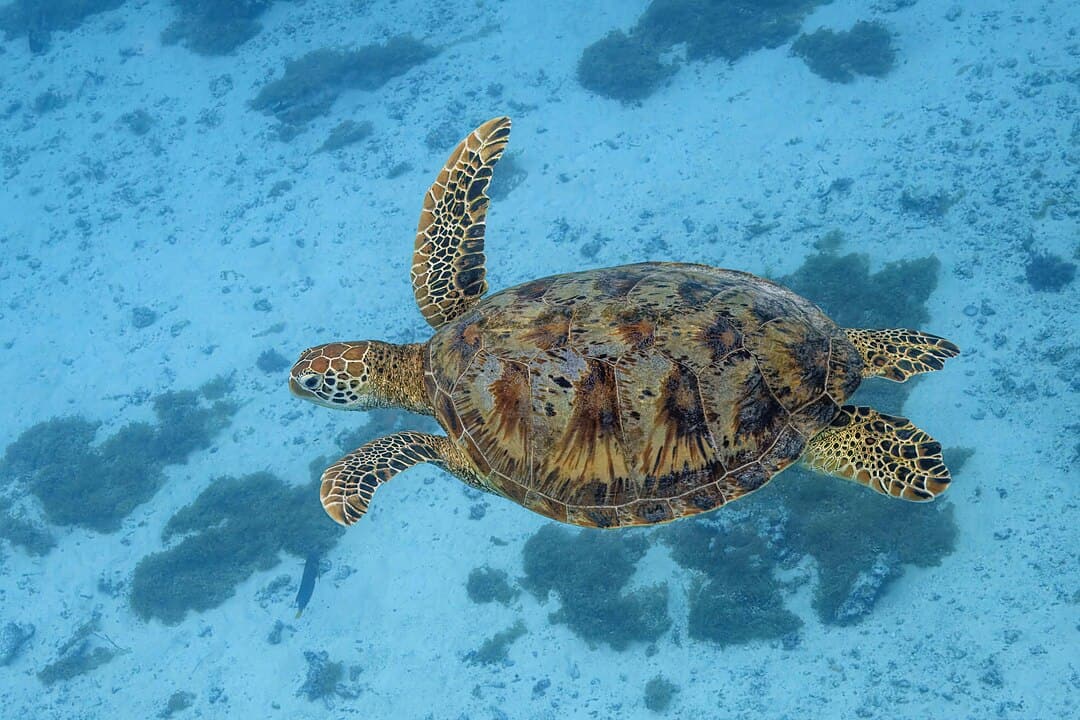
Sea turtles perform one of nature’s most impressive feats of navigation when females return to nest on the exact beach where they were born, sometimes after traveling thousands of miles through featureless ocean waters. Loggerhead turtles hatched on Florida’s east coast swim across the entire Atlantic Ocean to feed near Africa before returning years later to the precise stretch of coastline where they emerged as hatchlings. While researchers have established that turtles can detect Earth’s magnetic field, this ability alone doesn’t explain the extraordinary precision of their navigation. The geomagnetic field changes over time, creating discrepancies between what a turtle memorized as a hatchling and what exists when it returns decades later. Additionally, many nesting beaches share nearly identical magnetic signatures with locations hundreds of miles away, yet turtles rarely make navigational errors. Particularly baffling is how turtles distinguish between magnetically similar beaches that should appear identical to their navigational sense. Some researchers propose that turtles must use additional, currently unknown sensory mechanisms or environmental cues, possibly including the detection of unique chemical signatures from their natal beaches carried by ocean currents. Despite decades of research, the complete explanation for this remarkable precision remains elusive.
The Mysterious Mass Die-Offs of Starfish

Beginning in 2013, sea stars along the Pacific coast of North America began dying in unprecedented numbers from a condition called Sea Star Wasting Syndrome (SSWS). Afflicted starfish develop lesions and literally begin to melt, with their arms detaching and their bodies dissolving into white goo, sometimes within just 24 hours of showing symptoms. While researchers identified a densovirus associated with many cases, this pathogen doesn’t explain the sudden timing, geographic scope, or species selectivity of the outbreak. Most puzzling is that this virus appears to have been present in starfish populations for decades before suddenly becoming deadly. Environmental testing revealed no consistent toxins or pollutants across affected areas, and while warming ocean temperatures seemed to exacerbate symptoms, they don’t fully explain the syndrome’s emergence. Particularly mysterious is why some starfish species and populations were devastated while others remained relatively unaffected despite exposure to the same conditions. Since the initial outbreak, some regions have seen starfish populations begin to recover, while others remain decimated, creating an inconsistent pattern that defies simple explanation. This ongoing ecological mystery has significant implications for intertidal ecosystems where starfish serve as keystone predators.
The Collective Intelligence of Slime Molds

Despite lacking a brain, nervous system, or centralized organization, slime molds display problem-solving abilities that have left scientists questioning the nature of intelligence itself. The yellow slime mold Physarum polycephalum—technically not an animal but a single-celled organism containing multiple nuclei—can solve mazes, create efficient networks that rival human-engineered systems, and even “remember” environmental conditions it has previously encountered. In laboratory experiments, this organism has recreated the efficient design of Tokyo’s rail system when food sources were placed in patterns mimicking major cities. It can also anticipate regular events based on previously experienced patterns—a form of rudimentary learning that was thought impossible for brainless organisms. What baffles researchers is how an organism without neural networks can exhibit such sophisticated behaviors. Some scientists speculate that slime molds may use chemical oscillations throughout their structure to process information in a distributed manner, effectively turning their entire body into a rudimentary computational device. However, the exact mechanisms enabling these apparent decision-making processes remain largely unexplained, challenging our understanding of what constitutes cognition and raising profound questions about alternative forms of biological intelligence that might exist beyond neural systems.
The Synchronized Flashing of Fireflies

In certain parts of Southeast Asia and the Great Smoky Mountains of Tennessee, fireflies gather by the thousands and flash their bioluminescent lights in perfect synchrony, creating spectacular displays where entire forests pulse with rhythmic light. This phenomenon, most famous in species like Photinus carolinus in North America and Pteroptyx malaccae in Malaysia, defies simple explanation. While scientists understand the biochemical process that creates the light, the mechanism by which thousands of individual insects coordinate their flashing without a conductor remains mysterious. What makes this behavior particularly puzzling is that it emerges spontaneously from decentralized interactions among individuals with limited sensory capabilities. Some researchers have proposed mathematical models suggesting that fireflies achieve synchronization through a process similar to coupled oscillators, where each insect slightly adjusts its timing based on its neighbors’ flashes. However, these models don’t fully explain how the synchronization develops so rapidly or maintains such precision across large distances where fireflies cannot possibly see each other. Even more mysterious are observations that different firefly congregations can develop slightly different flash rhythms despite being the same species, suggesting cultural or regional variations in a behavior supposedly driven by pure instinct. This spectacular natural phenomenon represents one of nature’s most beautiful unsolved puzzles.
The Paranormal Sensing Abilities of Animals Before Disasters

Across cultures and throughout history, people have reported animals exhibiting unusual behavior shortly before earthquakes, tsunamis, and other natural disasters. Before the 2004 Indian Ocean tsunami, witnesses described elephants trumpeting and running for higher ground, flamingos abandoning low-lying breeding sites, and dogs refusing to go outdoors—all before any humanly perceptible signs of the approaching disaster. Similar accounts emerged prior to the 2011 earthquake in Japan, where zoo animals became highly agitated hours before the tremors began. While such anecdotes are numerous, establishing scientific verification has proven challenging. Some researchers propose that animals may detect subtle environmental changes imperceptible to humans, such as electromagnetic field fluctuations, ground tilting, or infrasound waves that precede seismic events. However, controlled studies have yielded inconsistent results, and no specific sensory mechanism has been definitively identified. Particularly mysterious is the wide range of species that supposedly demonstrate these predictive behaviors, from mammals to birds to insects, suggesting either multiple independent sensing mechanisms or some fundamental environmental signal that crosses species boundaries. Despite significant research interest, including monitoring programs in earthquake-prone regions of China and Japan, this potential early-warning system embedded in animal behavior remains largely unexplained by conventional science.
The Mathematical Precision of Spider Webs

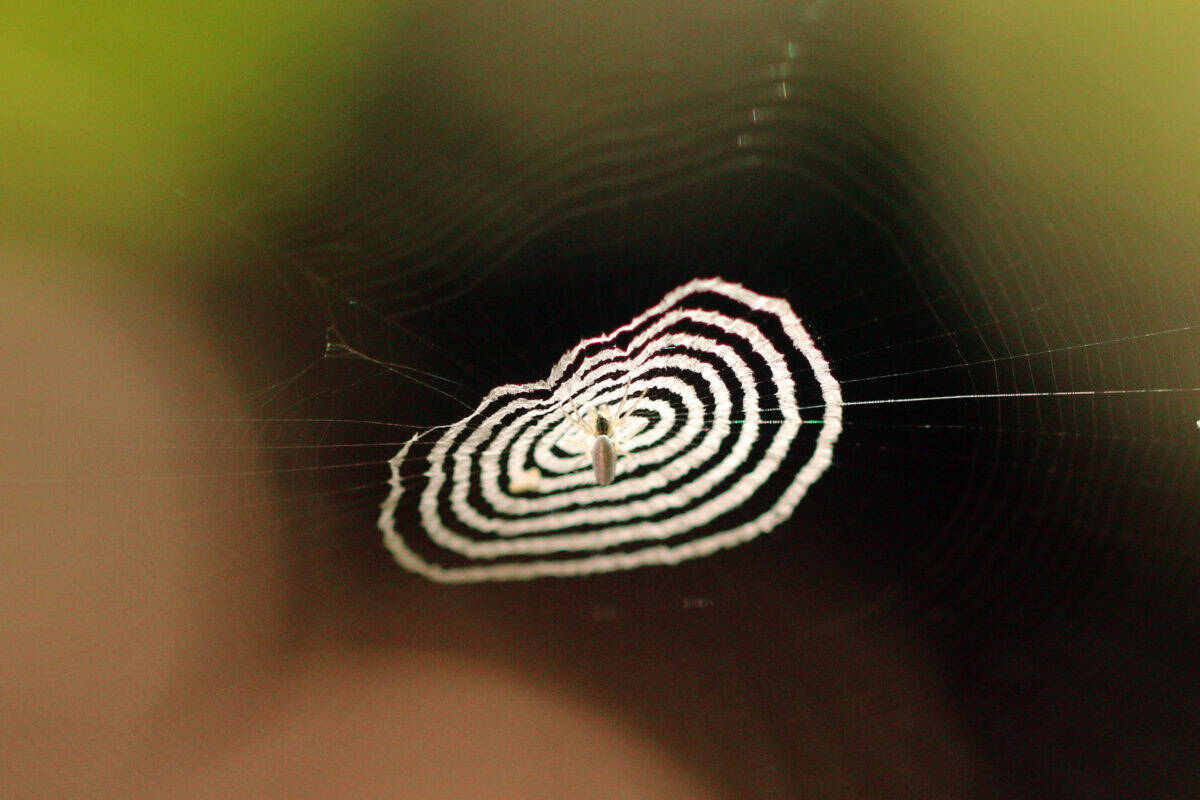
Garden spiders create astonishingly complex webs with near-perfect geometric patterns, despite having brains smaller than a pinhead and no formal understanding of mathematics or engineering principles. The orb webs of species like Araneus diadematus feature precisely calculated angles between support strands and spacing between the sticky spiral threads that optimize both structural stability and prey-catching efficiency. What puzzles researchers is that spiders
Conclusion
From sea turtles navigating thousands of miles with uncanny precision to slime molds solving mazes without a brain, the animal kingdom is filled with behaviors that continue to defy scientific understanding. While many of these mysteries may one day be unraveled through advancements in technology and research, they currently remind us how much we have yet to learn about the cognitive, sensory, and evolutionary capabilities of non-human life. These strange and often beautiful phenomena not only challenge our scientific frameworks but also deepen our appreciation for the complexity of the natural world. Until we find the answers, they remain captivating reminders that nature still holds many secrets.

As a little kid, I fell in love with nature, wildlife, and animals. Living in the USA, South Africa, Italy, China and Germany gave me the opportunity to discover the world's Wildlife. My favorite animals are Mountain Gorillas, Siberian Tigers, and Great White Sharks.
I'm a certified PADI Open Water Diver, went to Everest Base Camp and Trekked Gorillas in Uganda. I hold a Master of Science in Economics and Finance.
Please send any feedback to feedback@animalsaroundtheglobe.com
- Top 12 Most Intelligent Animals on Earth - August 10, 2026
- 13 Animals That Thrive Near Volcanoes - August 10, 2026
- 10 Cat Habits That Confuse Even Veterinarians - August 10, 2026