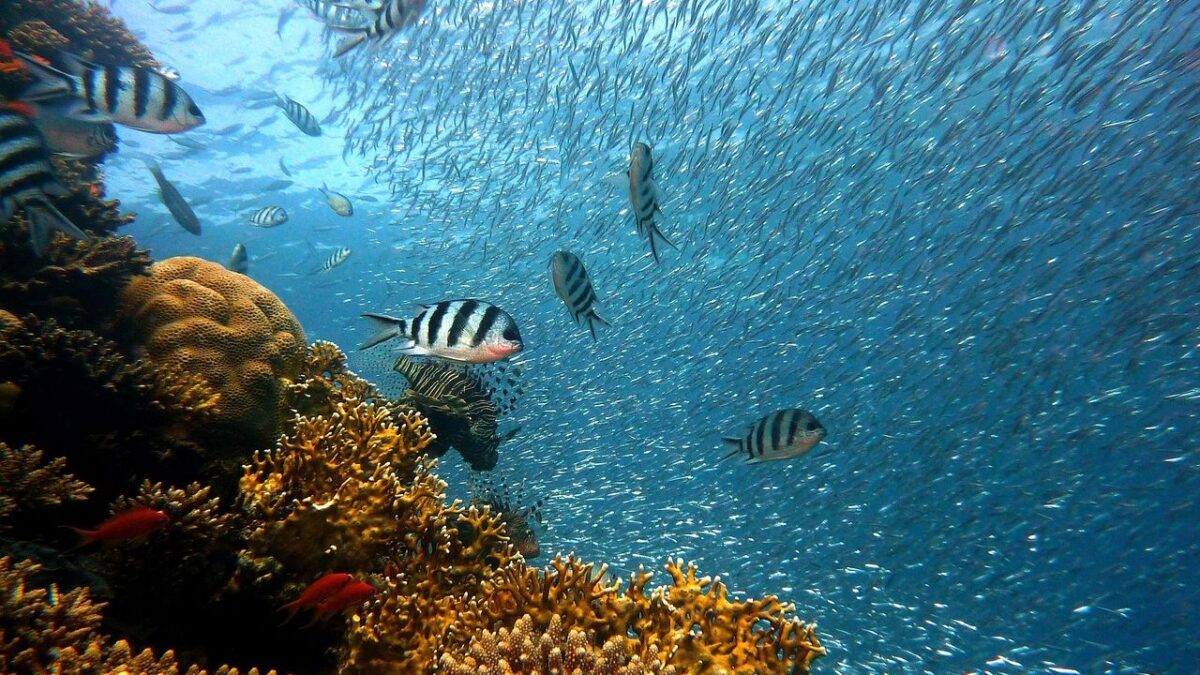
Ocean Science Says Some Coral Reefs Can Be Seen From Space-feature image/Pixabay
Imagine gazing down from space and spotting vibrant coral reefs sprawling beneath the ocean’s surface. It’s not just a fantasy; some of Earth’s coral formations are so vast and luminous that they are visible from orbit. This remarkable visibility underscores the immense scale and significance of these marine ecosystems.
The Great Barrier Reef: A Colossal Marine Marvel
The Great Barrier Reef: A Colossal Marine Marvel (Image Credits: Unsplash)
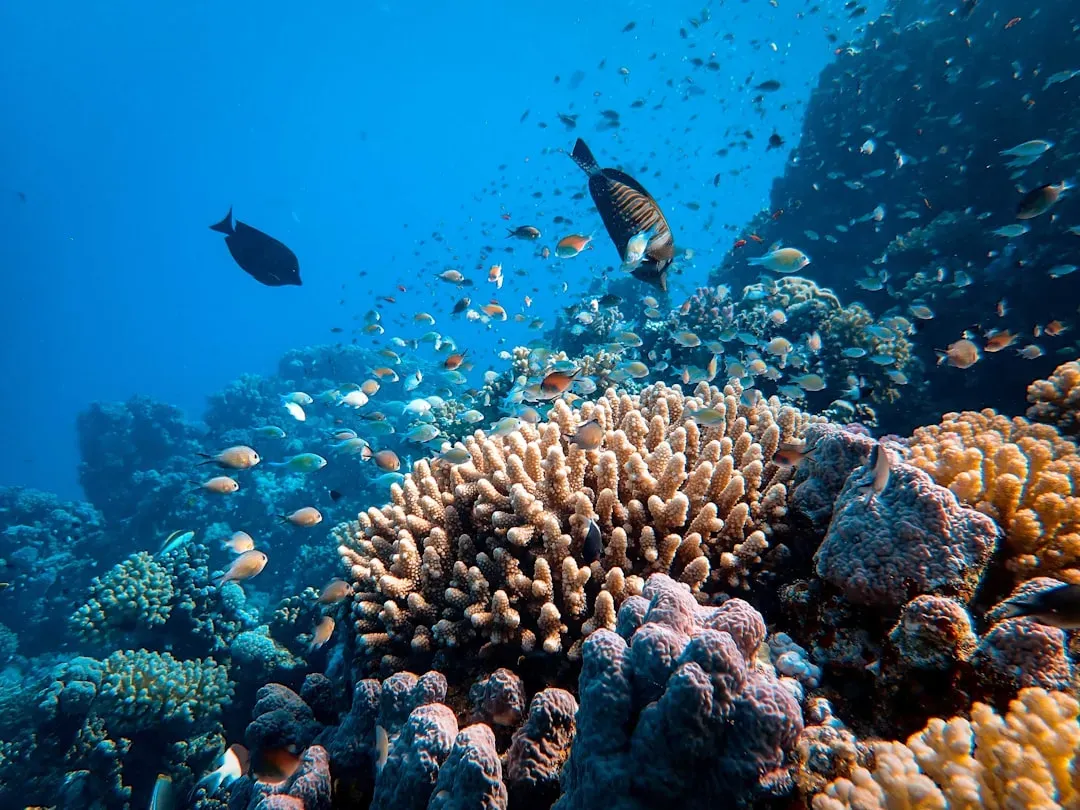
Stretching over 2,300 kilometers along Australia’s northeastern coast, the Great Barrier Reef is the largest coral reef system on the planet. Comprising approximately 3,000 individual reefs and 900 islands, it covers an area of about 344,400 square kilometers. This massive structure is so extensive that astronauts aboard the International Space Station can easily identify it from space. The reef’s sheer size and vibrant colors make it a standout feature against the deep blue of the surrounding ocean.
Beyond its impressive scale, the Great Barrier Reef is a biodiversity hotspot, hosting over 1,500 species of tropical fish, 400 types of coral, and numerous other marine organisms. Its visibility from space not only highlights its grandeur but also serves as a stark reminder of its vulnerability to climate change and human activities. Monitoring this natural wonder from orbit provides valuable insights into its health and the broader impacts of environmental changes.
Solomon Islands’ Mega Coral: A Gigantic Discovery
Solomon Islands’ Mega Coral: A Gigantic Discovery (Image Credits: Pixabay)
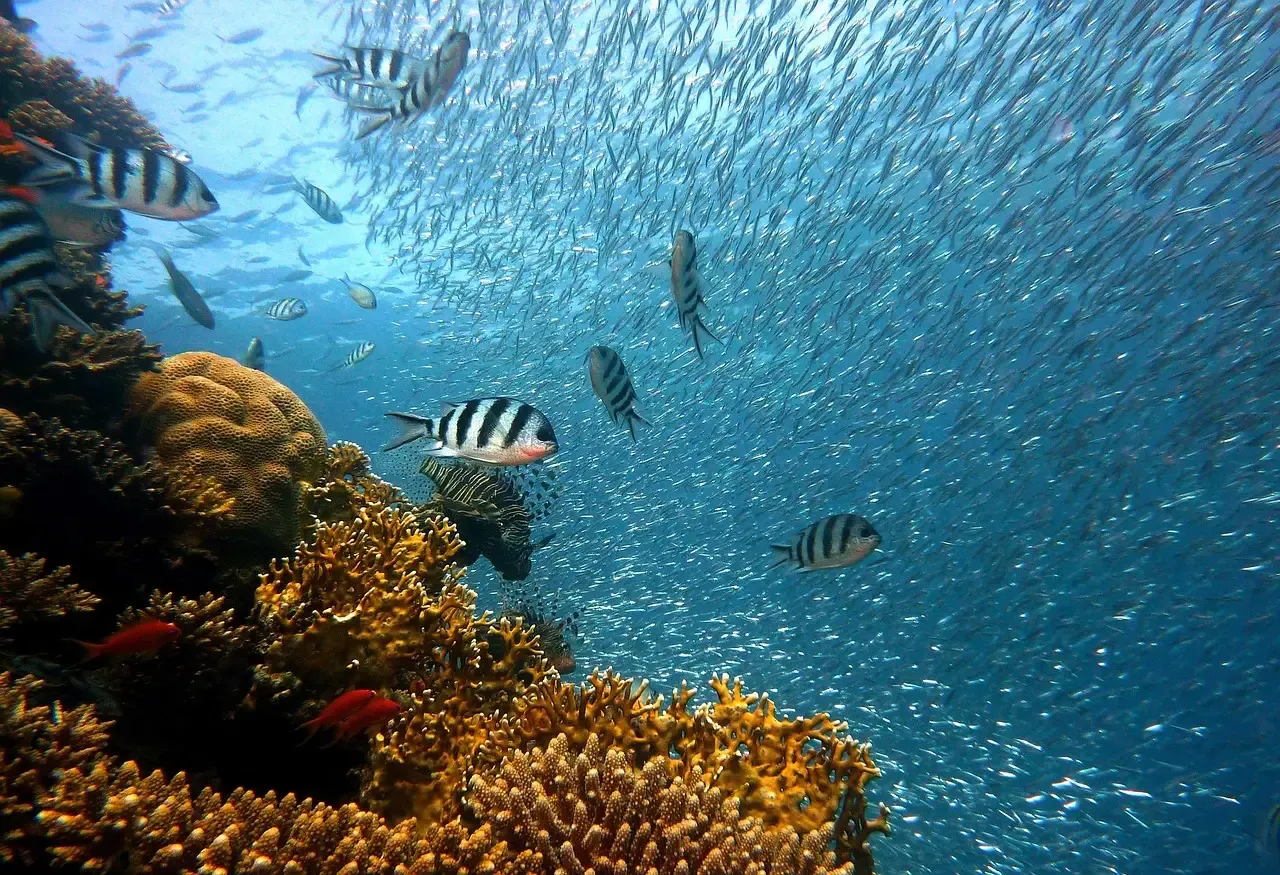
In 2024, scientists made a groundbreaking discovery in the Solomon Islands – a colossal coral structure measuring 105 feet in length and 111 feet in width. Estimated to be around 300 years old, this “mega coral” is so large that it can be seen from space. Initially mistaken for a shipwreck, this massive formation underscores the incredible growth potential of coral colonies under favorable conditions.
This discovery is particularly significant given the current threats facing coral reefs worldwide. The resilience of such a massive coral structure offers hope and valuable data for conservation efforts. Studying this mega coral can provide insights into the longevity and adaptability of coral species, informing strategies to protect these vital ecosystems.
Belize’s Lighthouse Reef: A Natural Wonder from Above
Belize’s Lighthouse Reef: A Natural Wonder from Above (Image Credits: Unsplash)
Lighthouse Reef in Belize is another coral formation that captures attention from space. This atoll, approximately 26 miles long, is renowned for the Great Blue Hole – a massive underwater sinkhole that appears as a dark circle amidst the lighter blues of the surrounding waters. The contrast is so striking that it resembles a whale with a “blowhole” when viewed from orbit.
The visibility of Lighthouse Reef from space highlights the unique geological features of coral atolls and their significance in marine biodiversity. The Great Blue Hole, in particular, attracts divers and scientists alike, offering a glimpse into ancient geological processes and the evolution of marine ecosystems.
Rowley Shoals: Australia’s Hidden Gems
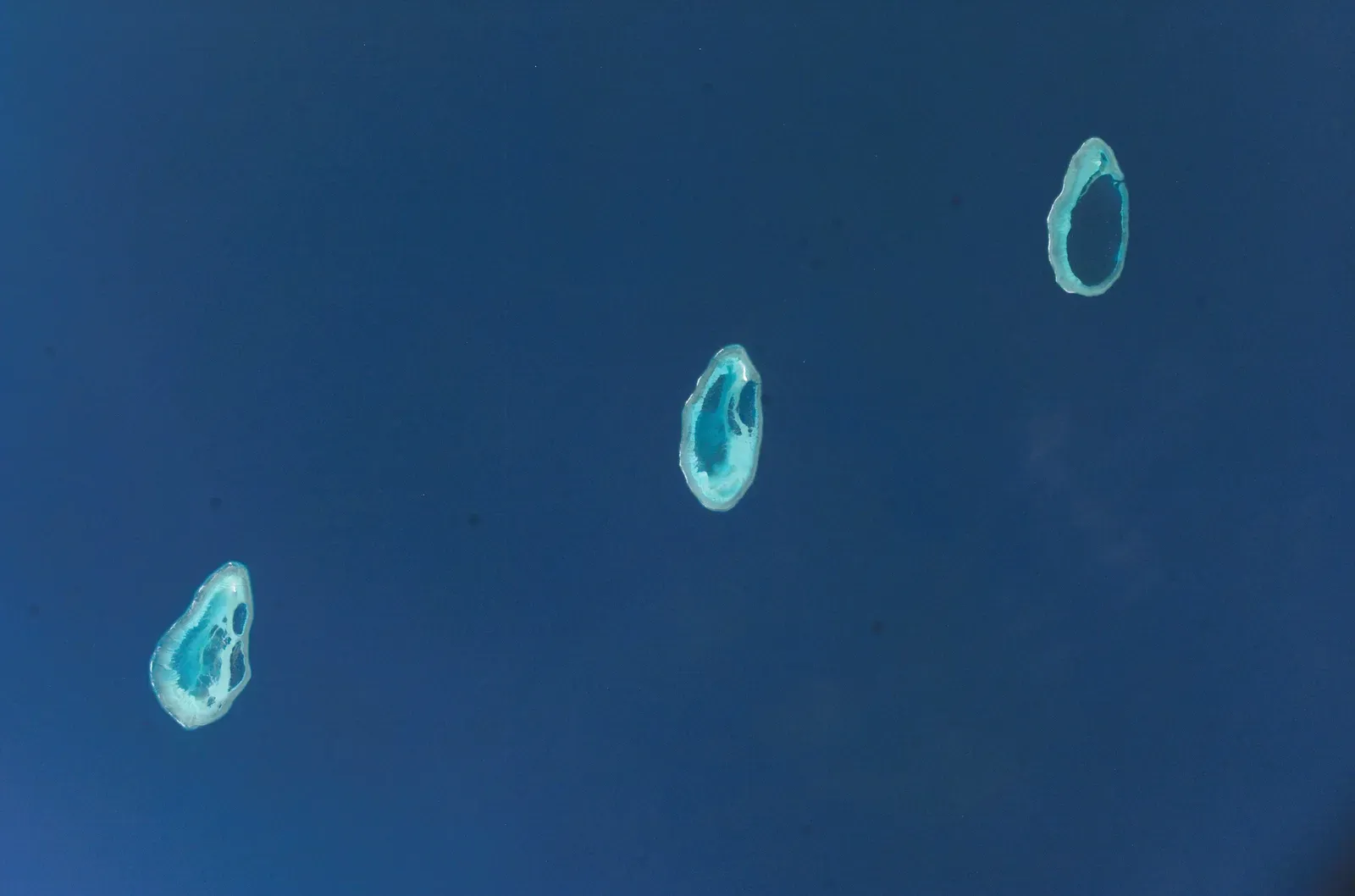
Rowley Shoals: Australia’s Hidden Gems (By NASA-JSC, Public domain)
Off the northwest coast of Australia lie the Rowley Shoals, a trio of uninhabited atolls that form a near-perfect line spanning approximately 60 miles. These formations are remnants of an ancient coral reef system and are visible from space due to their distinct shapes and the clear waters surrounding them. Each atoll covers about 30 square miles, with only two featuring sandy cays above sea level.
The Rowley Shoals serve as a testament to the dynamic nature of coral reef formation and the geological history of our planet. Their visibility from orbit allows for remote monitoring, aiding in the conservation of these pristine environments and the diverse marine life they support.
Advancements in Satellite Monitoring of Coral Reefs
Advancements in Satellite Monitoring of Coral Reefs (Image Credits: Pexels)
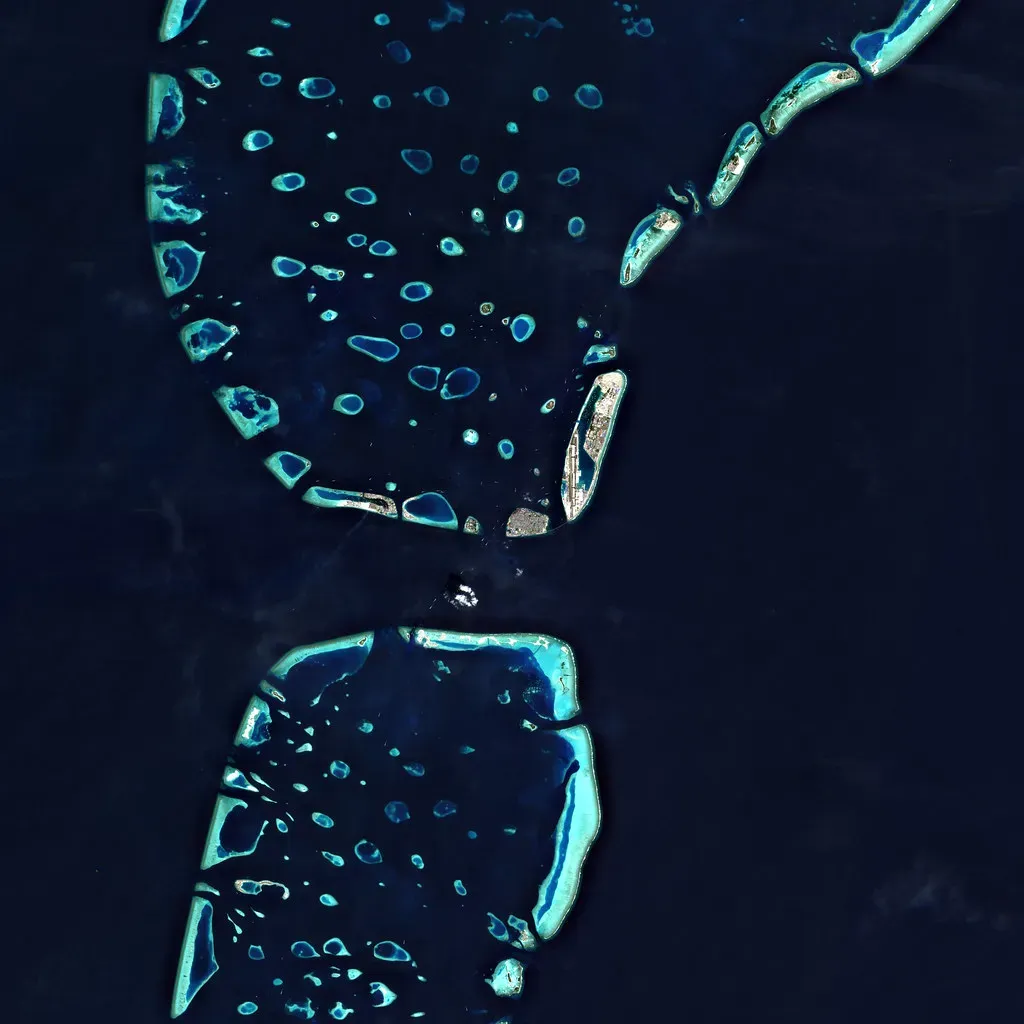
The ability to observe coral reefs from space has revolutionized marine science. Satellites equipped with advanced imaging technologies can monitor reef health, track changes over time, and detect events like coral bleaching. For instance, NASA’s Landsat satellites have been instrumental in mapping reefs globally, providing data that was previously unattainable due to the remote and expansive nature of these ecosystems.
These technological advancements enable scientists to conduct large-scale assessments of reef conditions, identify areas at risk, and implement timely conservation measures. The integration of satellite data with on-the-ground research offers a comprehensive approach to understanding and protecting coral reefs.
The Role of Coral Reefs in Earth’s Ecosystem
The Role of Coral Reefs in Earth’s Ecosystem (europeanspaceagency, Flickr, CC BY-SA 2.0)
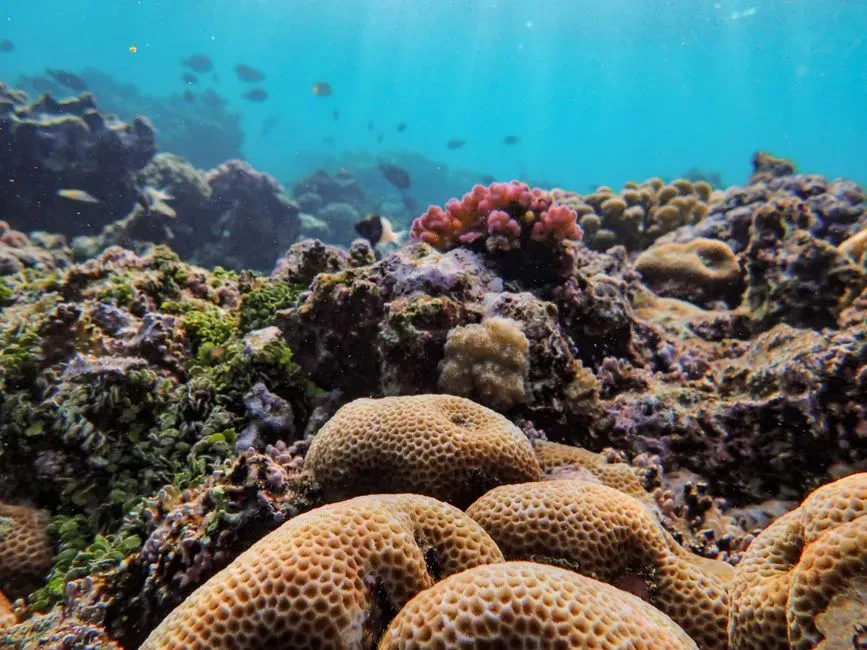
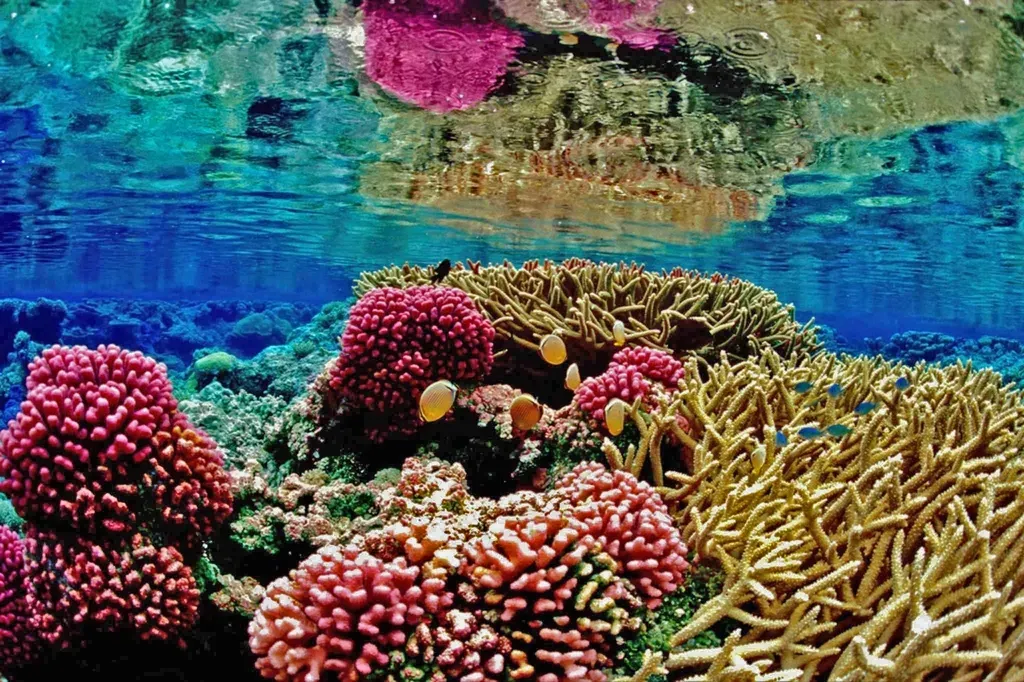
Coral reefs are often referred to as the “rainforests of the sea” due to their incredible biodiversity. They provide habitat and shelter for countless marine species, support fisheries that millions of people rely on, and protect coastlines from erosion and storm surges. Their visibility from space is a testament to their vastness and ecological importance.
However, these vital ecosystems are under threat from climate change, pollution, and overfishing. The ability to monitor reefs from space offers a powerful tool in the fight to preserve them, allowing for early detection of stressors and the implementation of conservation strategies to mitigate damage.
Conclusion: A Call to Action for Coral Conservation
Conclusion: A Call to Action for Coral Conservation (Image Credits: Rawpixel)
The fact that some coral reefs are visible from space is both awe-inspiring and sobering. It highlights their immense scale and the critical role they play in our planet’s health. Yet, this visibility also serves as a stark reminder of their vulnerability. As we continue to witness the impacts of climate change and human activity on these ecosystems, the need for concerted conservation efforts becomes increasingly urgent. By leveraging satellite technology and global collaboration, we can work towards preserving these underwater treasures for future generations.
Isn’t it remarkable that these underwater ecosystems are so vast and vibrant that they can be seen from space?
Did you find this helpful? Share it with a friend who’d love it too!
Gargi is an MA in History and a B.Ed graduate from India, with a deep passion for animals and wildlife awareness. As an article writer and editor at Animals Around The Globe, she combines her love for storytelling with her dedication to educating readers about animals, conservation, and responsible pet care. A devoted dog lover, Gargi enjoys creating engaging and informative content that inspires compassion and awareness toward the natural world.