
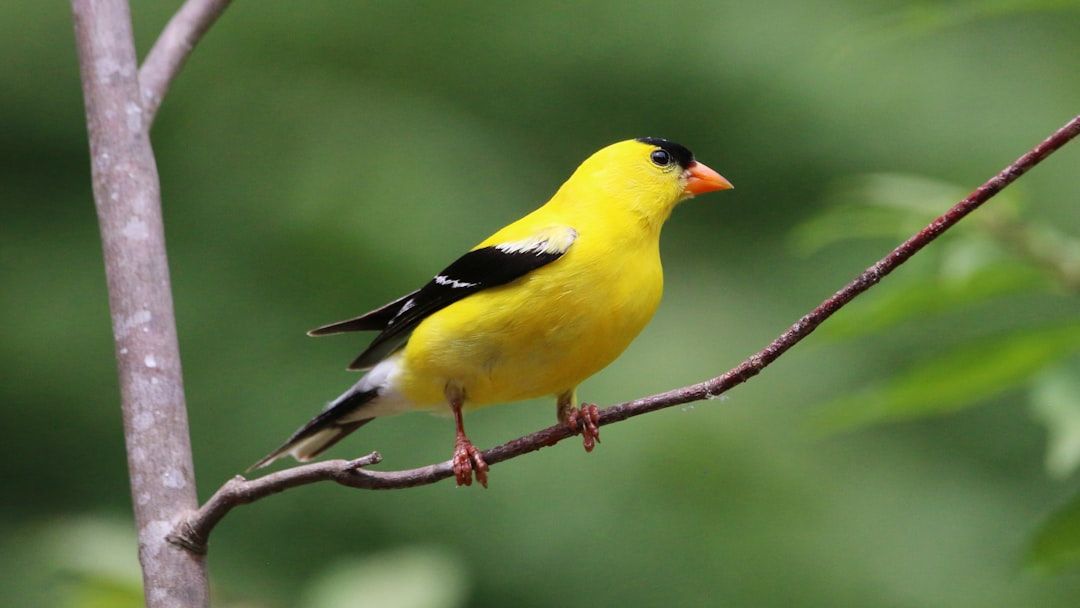
Most people assume tossing out a basic bird feeder filled with generic seed is enough to pull in goldfinches. It isn’t. These bright, electric-yellow birds are far pickier than they look, and they will quietly abandon a yard that misses even small details – sometimes never returning at all.
What separates the gardeners who see the same flock return every single season isn’t luck or a special secret product. It’s a collection of specific, connected habits that mimic what goldfinches evolved to need. Some of these will genuinely surprise you – especially the ones that look like doing less work, not more.
#15 – Refresh Nyjer Seed Every Few Weeks to Avoid Mold
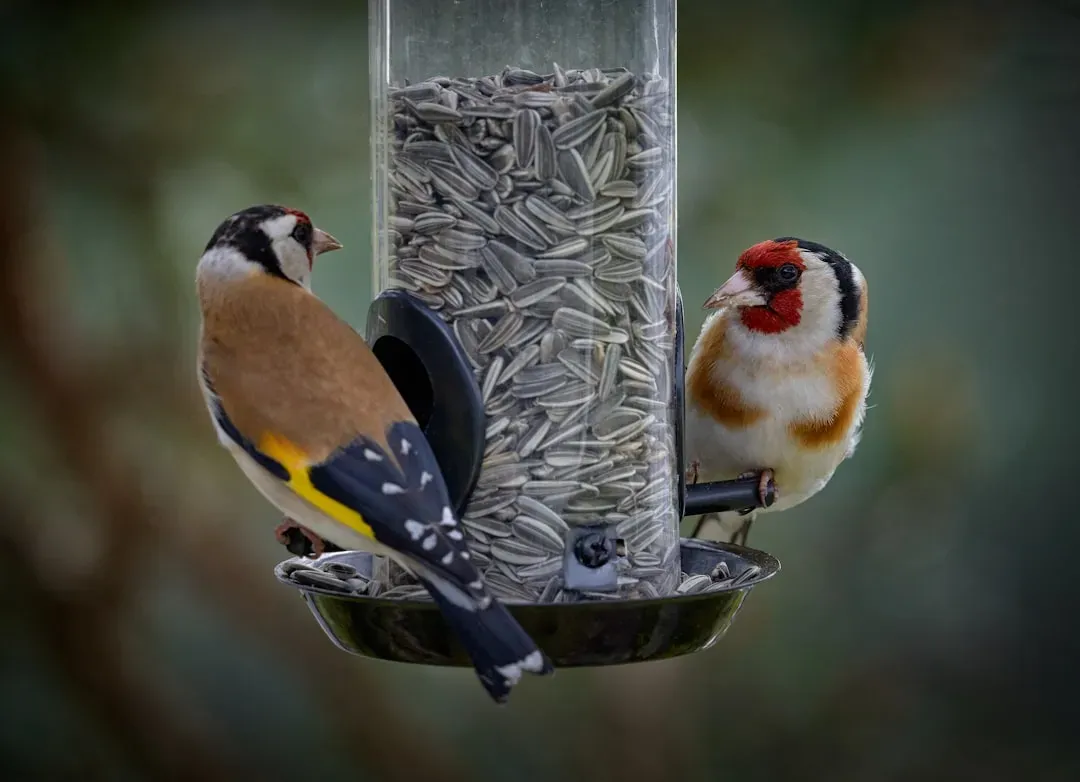
Experienced gardeners never let Nyjer seed sit untouched for long stretches, and for good reason: goldfinches can detect stale or moldy seed almost immediately and will stop visiting a feeder entirely rather than eat it. These birds aren’t being dramatic – old Nyjer loses its oil content and nutritional value quickly, especially in humid conditions, making it genuinely unappealing.
Veteran backyard birders replace uneaten Nyjer every three to four weeks, regardless of whether the feeder looks empty. They also stick to tube or mesh-style feeders specifically because those designs limit how much rain and humidity reach the seed. The single most surprising detail is that goldfinches will ignore an entire feeder if even a small portion near the bottom has gone rancid – fresh seed on top doesn’t cancel out the problem below.
Fast Facts
- Nyjer stored properly in a sealed container stays fresh for roughly 6 to 12 months – but once in a feeder, humidity can spoil it within days.
- Fresh Nyjer smells nutty and leaves a faint oil mark when pinched; stale seed looks dusty and smells flat or musty.
- Replace feeder seed every 3 to 4 weeks even if the tube isn’t empty – consumption rate doesn’t equal freshness.
- In July and August, fill smaller amounts and top up more often rather than packing a full tube for the week.
- Sock feeders work well in dry weather; switch to tube feeders with weather guards during humid or rainy periods to protect seed longer.
#14 – Grow Coneflowers and Leave the Seed Heads Standing All Winter
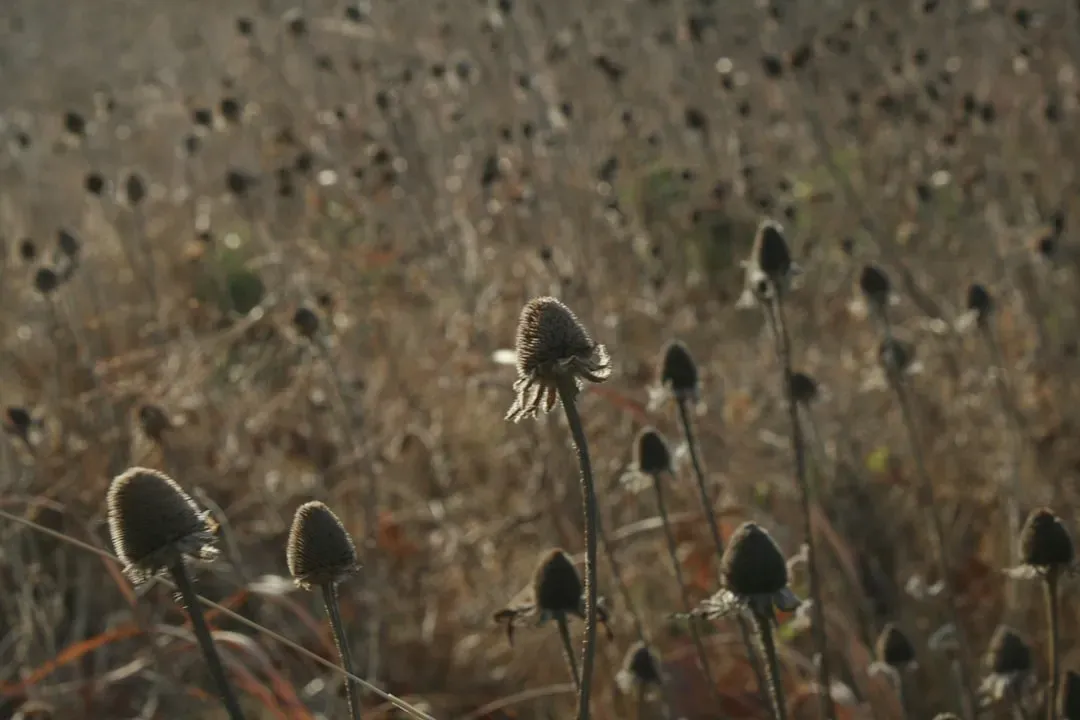
Coneflowers are one of the top native plants goldfinches target once the blooms fade in late summer, and gardeners who cut everything back in fall are leaving a free food source in the compost pile. The spiky, textured seed heads that remain after the petals drop are exactly what goldfinches cling to through late autumn and into the coldest months, extracting seeds at their own pace.
Beyond the obvious food value, those same spent seed heads provide fluffy material that nesting pairs harvest in spring when building their remarkably intricate, cup-shaped nests. A stand of coneflowers left standing essentially works double duty – feeding birds through winter and supporting breeding season months later. It’s one of the highest-return, lowest-effort moves in the goldfinch gardener’s toolkit.
#13 – Add Black Oil Sunflower to a Second Feeder Nearby
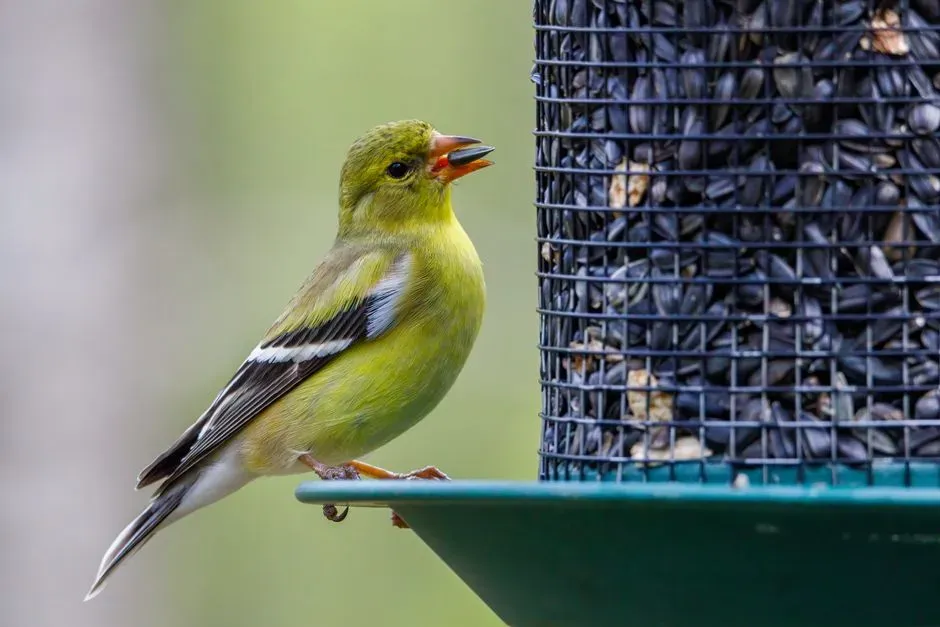
Goldfinches favor black oil sunflower seed almost as much as Nyjer, but most backyard setups force them to compete for space at a single feeder where larger, more aggressive species dominate. Smart gardeners hang a dedicated sunflower feeder close to the Nyjer station, giving goldfinches a genuine choice without the stress of fighting for position.
The detail that makes the biggest difference here is offering sunflower hearts or chips – pre-hulled seed – rather than whole seeds. No shells mean no mess accumulating on the ground below, no wasted energy from birds dropping what they can’t crack, and a cleaner feeding station overall. Keeping both feeders filled consistently is what locks in repeat visits; goldfinches quickly learn which yards are reliable and which ones run out.
#12 – Install a Sock-Style or Mesh Finch Feeder
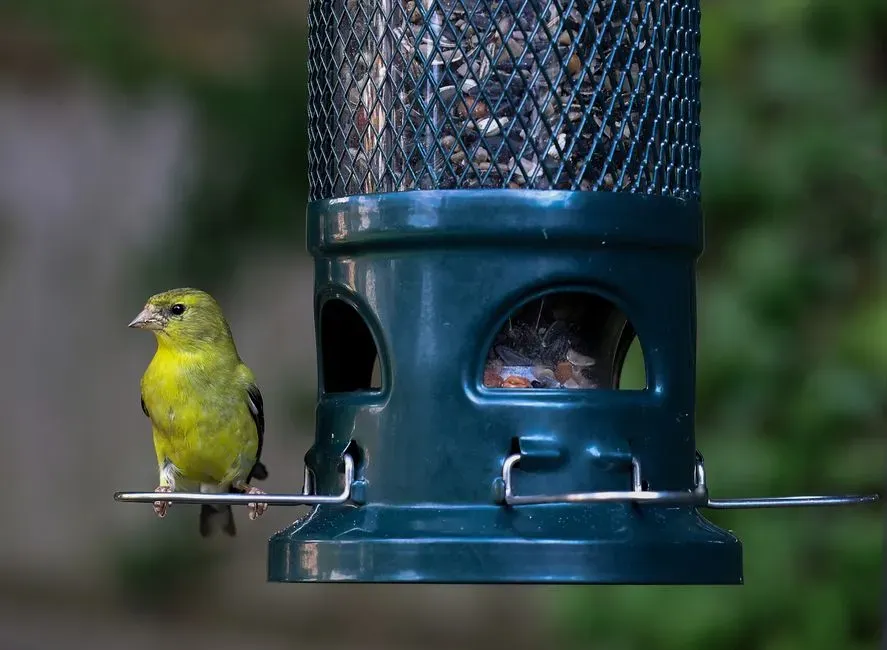
Specialized sock feeders and fine-mesh tube feeders hold Nyjer perfectly while letting goldfinches cling in the natural, acrobatic way they prefer. These birds are built for exactly this – they’ll hang upside down without hesitation, working tiny seeds through small openings that larger birds simply can’t use. That design detail alone dramatically reduces competition at the feeder.
Experienced gardeners test different feeder styles when first attracting a local flock, because regional populations sometimes show preferences that aren’t obvious from general advice. What works in the Pacific Northwest may not immediately catch on in the Southeast. One consistent finding, though: generic open platform feeders almost never hold goldfinches for long. The birds feel too exposed and move on.
Quick Compare
- Sock feeders: Offer many cling points at once; ideal in dry weather but prone to mold when wet – replace or clean frequently.
- Tube feeders with small ports: Better moisture protection, easier to deep-clean, and longer-lasting; best choice in humid climates.
- Open platform feeders: Rarely hold goldfinches – too exposed, and large birds dominate the space immediately.
- Mesh globe feeders: Allow 360-degree clinging access; excellent for groups but require vigilant cleaning to prevent buildup.
#11 – Plant a Mix of Asters and Goldenrod for Extended Seed Season
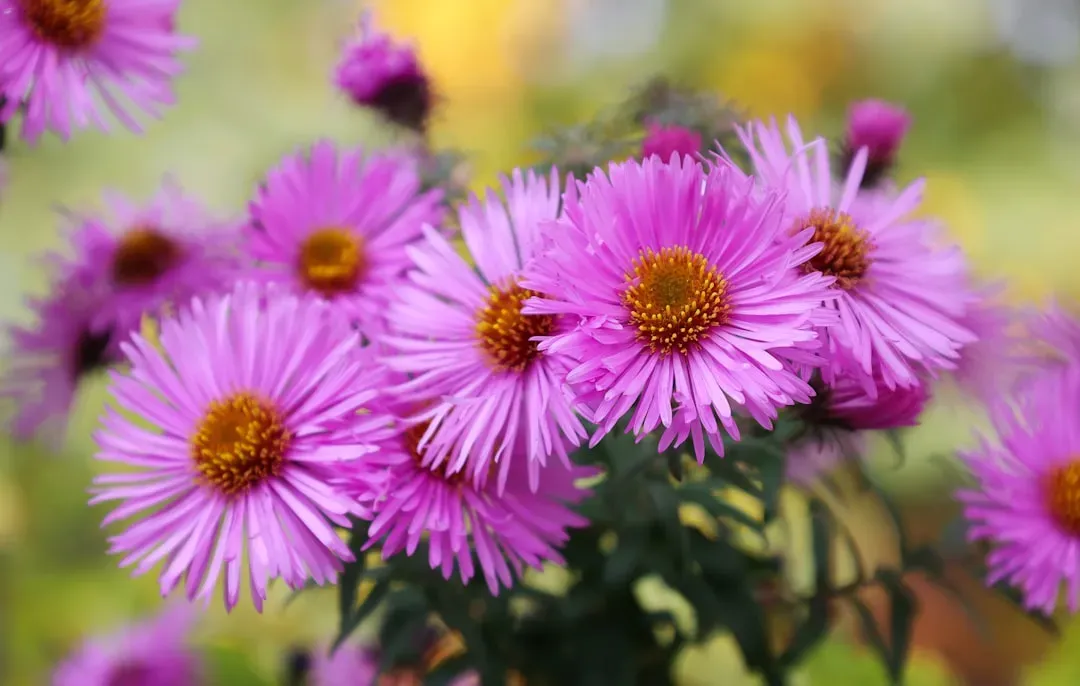
Asters and goldenrod extend the natural seed season well after sunflowers finish, bridging the gap between late summer abundance and the lean weeks of early winter. Experienced gardeners plant several varieties that bloom at staggered times, creating a rolling wave of seed production rather than one concentrated burst followed by nothing.
The critical mistake to avoid is choosing hybrid cultivars bred purely for showier flowers – those often produce little to no viable seed, which is the whole point for goldfinches. Native species deliver the small, oil-rich seeds these birds need most. A less-celebrated bonus: both plants also draw the small insects that goldfinches occasionally eat during breeding season, when they need protein to feed their young.
#10 – Provide a Shallow Birdbath with Moving Water
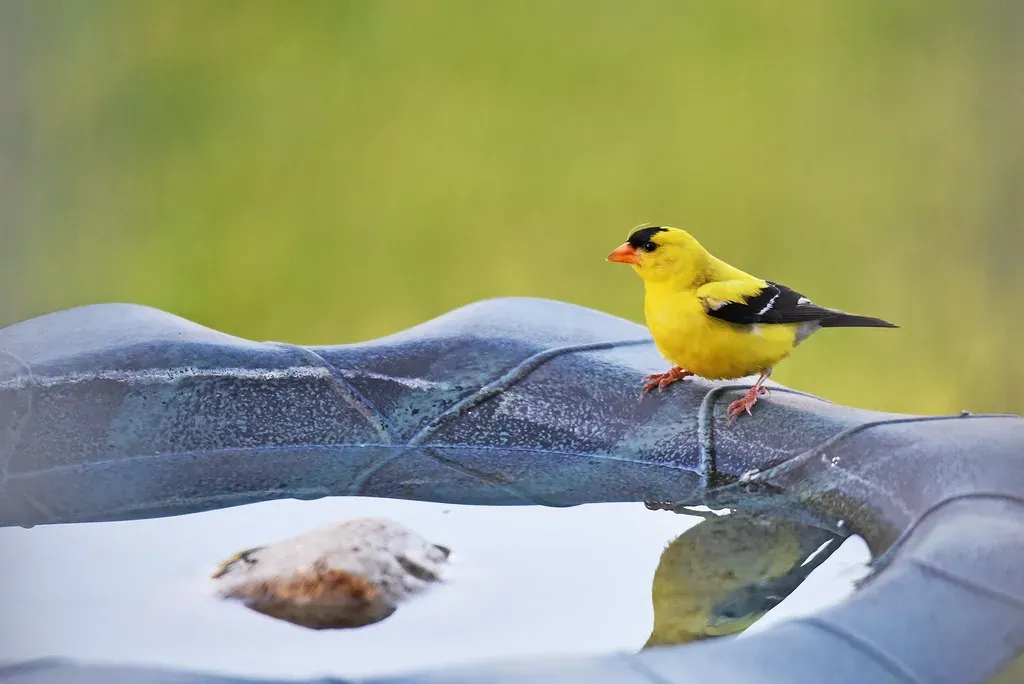
A seed-heavy diet leaves goldfinches genuinely thirsty, and they drink and bathe far more frequently than most casual observers realize. Gardeners who add a shallow birdbath or small fountain near their feeders see a measurable jump in traffic – not just from goldfinches but from the widened variety of birds that water reliably draws.
The specifics matter more than the setup itself. The water needs to stay shallow – no deeper than about two inches at the center – so small birds feel safe rather than trapped. Drippers and solar-powered fountains are particularly effective because the sound and movement of water carries, attracting birds from a distance. Changing the water every couple of days and scrubbing the basin weekly keeps it from becoming a health hazard. The gardeners with the most consistent goldfinch presence treat water as a year-round commitment, not just a summer addition.
At a Glance
- Keep water depth at 1 to 2 inches – shallow enough that small birds can stand comfortably and aren’t at risk of becoming submerged.
- Moving water (drippers, fountains, or water wigglers) carries sound further, drawing birds that can’t even see the bath yet.
- Position the birdbath near shrubs or low branches so goldfinches can perch and preen safely after bathing.
- In freezing climates, a heated birdbath or daily water rotation keeps a liquid source available through the coldest months.
- Disinfect the basin with a 1-to-9 bleach-to-water solution monthly, rinse thoroughly, and allow it to fully air-dry before refilling.
#9 – Skip All Pesticides and Herbicides in the Garden
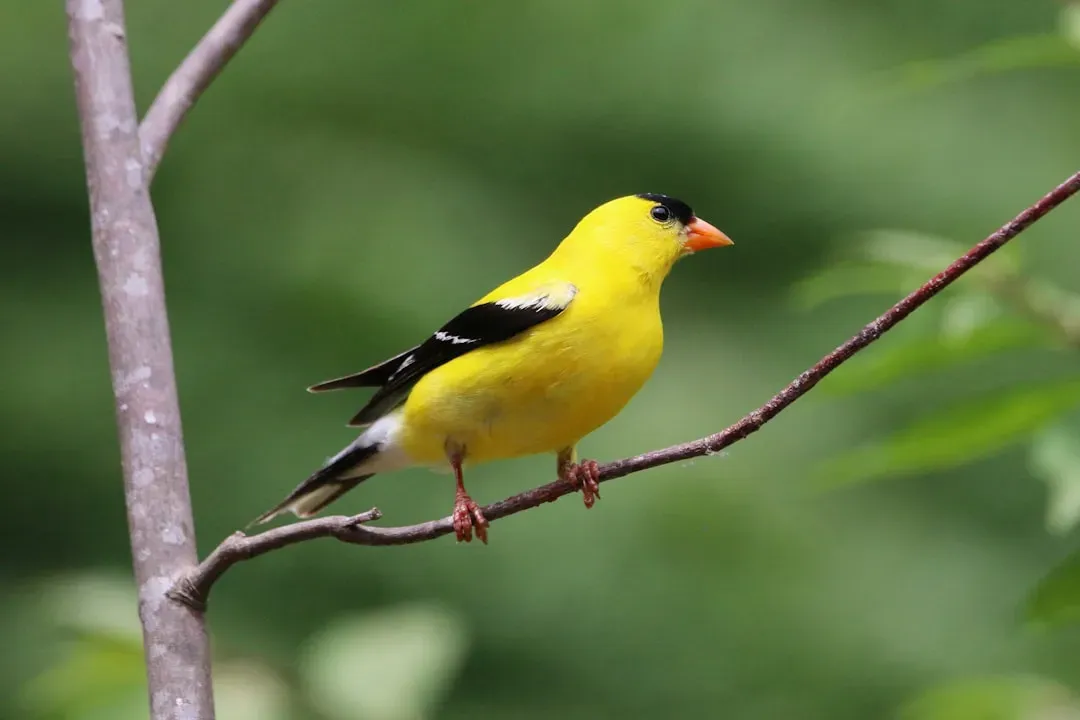
Chemical use doesn’t just kill target pests – it systematically strips away the insects and seeds that goldfinches depend on to survive. Seasoned gardeners who have given up pesticides and herbicides often describe it as one of the single biggest turning points in their backyard bird activity. The entire food web shifts when the chemicals come out.
Hand-weeding, companion planting, and accepting some “damage” to leaves and stems replaces the spray schedule. Many of the plants commonly treated as weeds – lamb’s quarters, thistle, dandelion – are exactly what goldfinches evolved foraging on for thousands of years. A garden that looks slightly imperfect by suburban standards is often one that’s genuinely thriving from a bird’s perspective. The biggest mistake beginners make is spraying for a tidy appearance and then puzzling over why the birds disappeared.
#8 – Include Birch, Alder, or Elm Trees for Buds and Early-Season Food
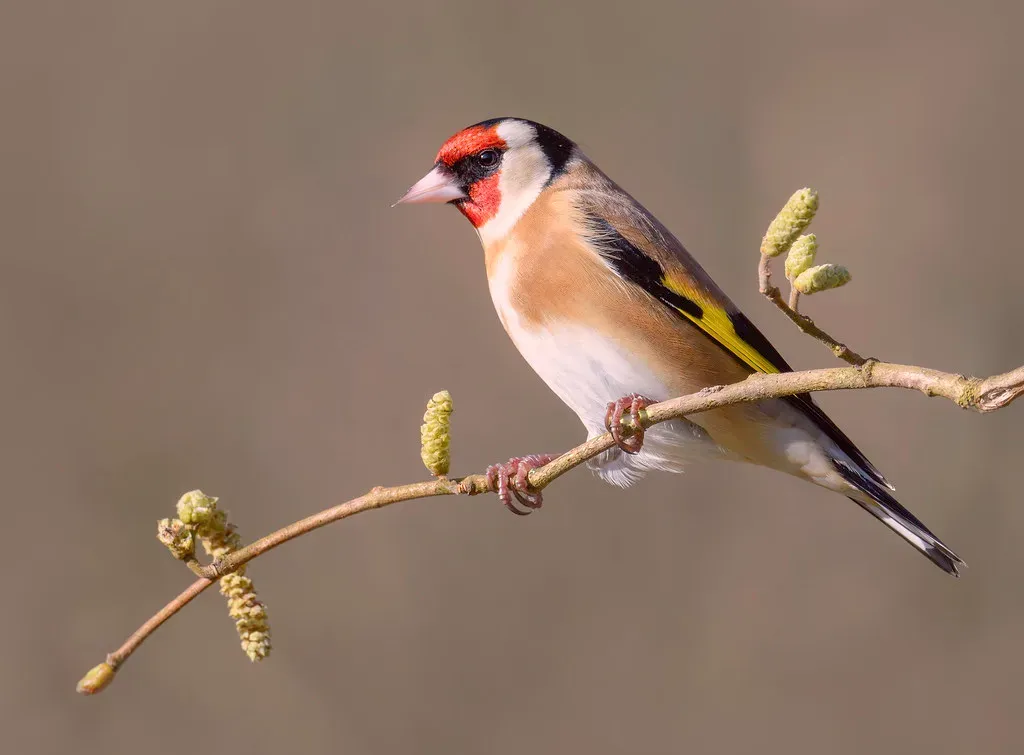
These trees provide something most feeders simply cannot: early-season food when seeds are still scarce in late winter and early spring. Goldfinches work the young buds and catkins of birch, alder, and elm when almost nothing else is available, bridging the hungry gap between winter and the first fresh seed crops. Gardeners who already have these trees on their property protect the younger branches specifically because of this.
Those without the space for a full tree aren’t completely out of luck – smaller native shrubs with similar early-season offerings can serve part of the same function. Beyond food value, these woody plants give goldfinches elevated perching spots where they can survey the yard before committing to a feeder, and quick escape cover when a hawk passes over. Few casual observers realize how important that tree canopy becomes during the two or three leanest months of the year.
#7 – Leave Some Grasses and Weedy Areas Untouched
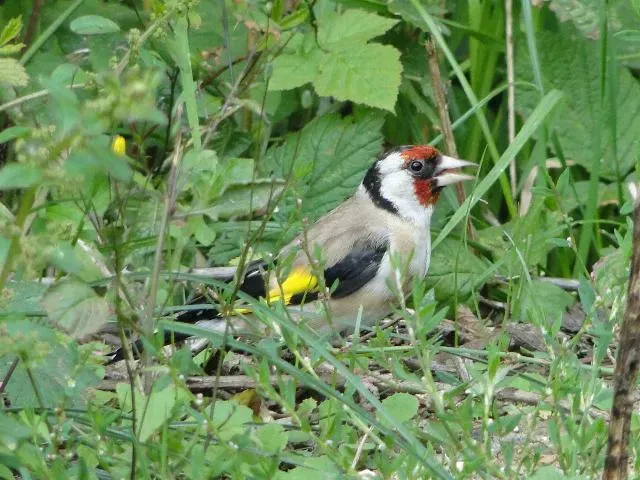
This one cuts against almost every instinct the average homeowner has about a “well-kept” yard – but experienced goldfinch gardeners lean into it deliberately. Goldfinches forage heavily on grass seeds and the seeds of plants most people yank out on sight: thistle, mullein, lamb’s quarters, pigweed. A perfectly manicured lawn with zero weedy edges is, from a goldfinch’s point of view, a food desert.
The practical approach is designating a corner, a back border, or a strip along a fence line for natural growth and mowing it only once or twice a season. This creates a year-round foraging patch that costs nothing to maintain once it’s established. The contrarian payoff is real: the messier that corner looks to neighbors, the more productive it is for the birds. Experienced gardeners stop apologizing for it.
#6 – Offer Nesting Materials Like Thistle Down and Plant Fibers
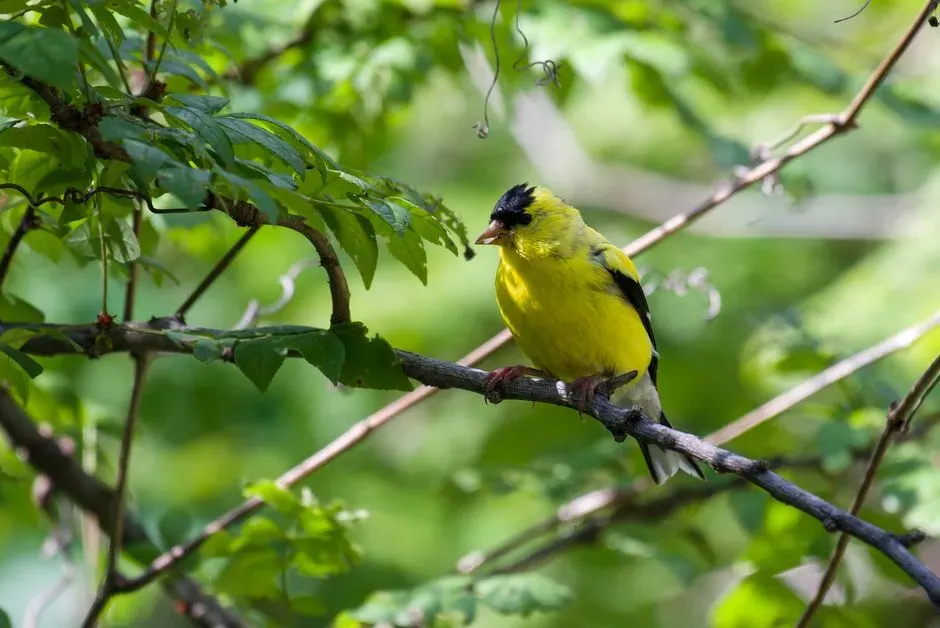
Goldfinches build some of the most tightly woven, compact nests of any North American songbird – and they construct them almost entirely from plant down and fine fibers. The soft, fluffy material from spent thistles, milkweed pods, and coneflower heads is exactly what nesting pairs collect in late spring and early summer when they’re ready to breed.
Gardeners who leave garden debris in place through spring – rather than cleaning everything up in April – give resident pairs the raw materials they need without requiring them to forage far from the yard. Some gardeners hang small bundles of natural fibers from shrub branches as a supplemental offering. The result is that breeding pairs treat the yard as a complete habitat rather than just a feeding stop, which dramatically increases the chance they’ll nest nearby and return with their young later in the summer.
Worth Knowing
- American Goldfinches are among the latest nesters in North America – breeding season typically begins in July or August, timed to coincide with peak seed abundance.
- The female builds the nest alone, weaving a compact cup roughly 3 inches across and lining it with thistle down and plant fibers; the process takes about 6 days.
- She lays 4 to 6 pale blue eggs and incubates them for approximately two weeks while her mate brings food.
- Goldfinches do not use nest boxes – they prefer shrubs or small trees in fairly open settings, several feet off the ground.
- Leaving fluffy seed heads from milkweed, coneflowers, and cattails standing through spring gives nesting pairs ready access to their preferred lining material.
#5 – Position Feeders Near Dense Shrubs for Safety
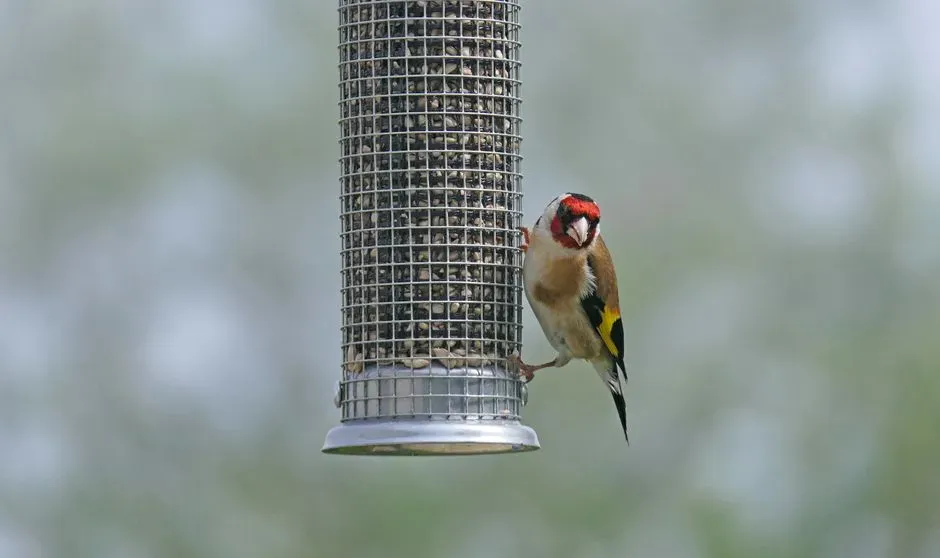
Goldfinches will not linger in the open. No matter how good the seed is, a feeder hanging in the middle of an exposed lawn will see only brief, nervous visits – birds grabbing a seed and immediately departing rather than settling in to feed comfortably. The physical placement of feeders matters as much as what’s inside them.
Experienced gardeners hang feeders within a few feet of dense shrubs, small trees, or layered plantings that give birds an immediate escape route if a predator appears. That sense of safety is what transforms a feeder from a quick stop into a daily destination. Planting in varied heights – low ground cover, mid-height shrubs, and taller canopy – creates the layered structure that goldfinches find most inviting. Placement is often the quiet variable that determines whether a feeder succeeds or sits mostly empty for months.
#4 – Rotate Multiple Feeder Locations Throughout the Year
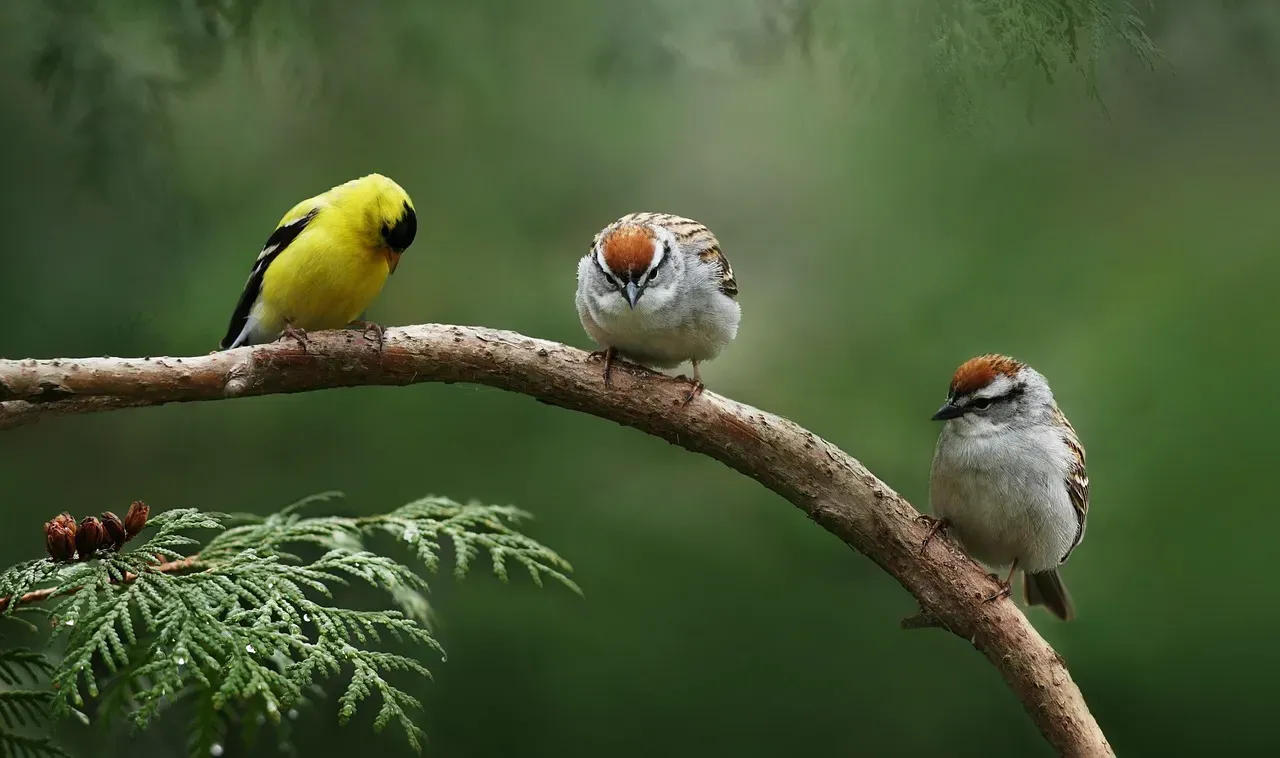
Goldfinches naturally shift their feeding locations with the seasons, following seed availability and adjusting based on predator pressure in familiar spots. A flock that visits one location heavily in fall may entirely avoid it by midwinter – not because the food changed, but because the birds did. Gardeners who leave everything static often interpret this as failure when it’s actually just predictable seasonal behavior.
The response is to move or add feeders as patterns shift, watching where the birds are spending time and adjusting accordingly. Some experienced gardeners keep two or three feeders up simultaneously in different areas of the yard, rotating which ones stay filled based on where activity concentrates. This flexibility mirrors what the birds are already doing naturally and is one of the more underappreciated reasons why some yards retain flocks through the full year while neighboring yards see them only briefly.
#3 – Grow Sunflowers Specifically for Seed Production
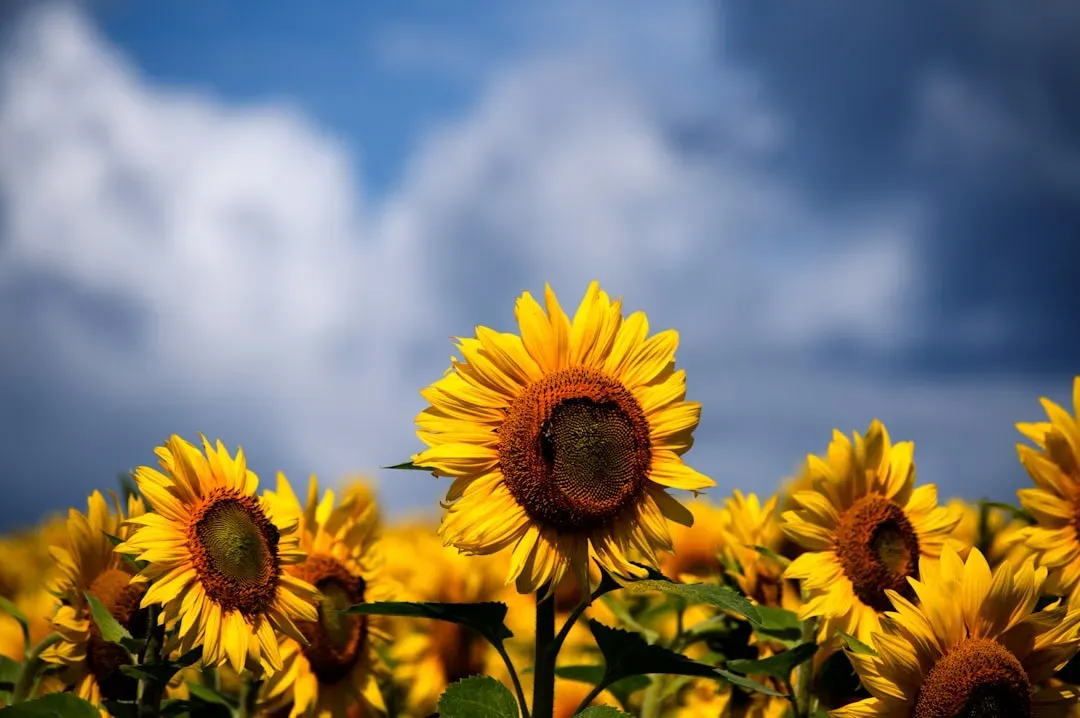
A patch of sunflowers planted for the birds looks different from one planted for the garden’s aesthetic. Experienced gardeners choose varieties known for producing abundant, moderately-sized seeds – not the giant, showy heads bred for cut flowers or decorative displays, which often produce comparatively few seeds. They plant in groups rather than isolated specimens, maximizing the quantity of seed available in one patch.
The key is letting some plants go to seed naturally each year rather than deadheading or cutting them down at the end of summer. Left standing, a sunflower patch becomes a self-sustaining food source that attracts flocks daily in late summer – sometimes dozens of goldfinches at once, clinging to the heads and working through seeds at a visible, satisfying pace. Saving and replanting seed from the best producers each year gradually builds a more productive patch over time.
#2 – Maintain Clean Feeders to Prevent Disease Spread
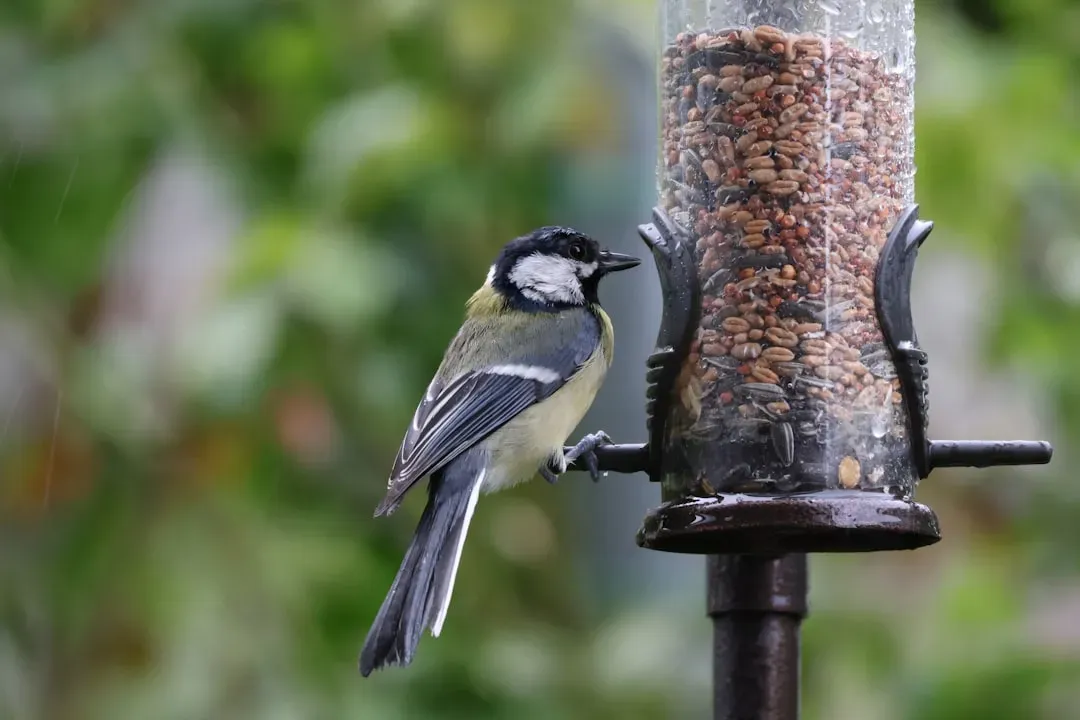
Dirty feeders aren’t just unappealing – they’re genuinely dangerous. Salmonellosis and other bacterial diseases spread rapidly at contaminated feeding stations, and goldfinch populations can take significant local hits from a single outbreak at a neglected feeder. The birds that survive often abandon the area entirely, associating the location with sickness in ways that are difficult to reverse.
Seasoned gardeners clean all feeders at least once a month using a mild bleach solution – roughly one part bleach to nine parts water – scrubbing ports, perches, and reservoir surfaces thoroughly before rinsing and allowing everything to dry completely before refilling. When a sick bird is spotted near a feeder, they take it down immediately for a thorough cleaning and leave it empty for several days. This single habit, more than almost any other, is what keeps a healthy flock coming back reliably rather than disappearing without explanation.
Why It Stands Out
- Salmonellosis is transmitted through droppings and saliva at crowded feeders – American Goldfinches are among the species confirmed vulnerable to outbreaks.
- Clean with warm soapy water first, then disinfect with a 9-to-1 water-to-bleach solution; rinse completely and let the feeder air-dry before refilling.
- A sick bird near a feeder looks lethargic, sits fluffed up, and is unusually easy to approach – remove and clean all feeders immediately if you spot these signs.
- Many experienced birders keep a duplicate feeder ready so one can be cleaned while the other stays in service – no gap in the food supply for healthy visitors.
- Rake seed hulls and droppings from the ground beneath feeders regularly; bacteria build up there just as fast as inside the feeder itself.
#1 – Build a Diversified Native Plant Landscape with Layered Habitat
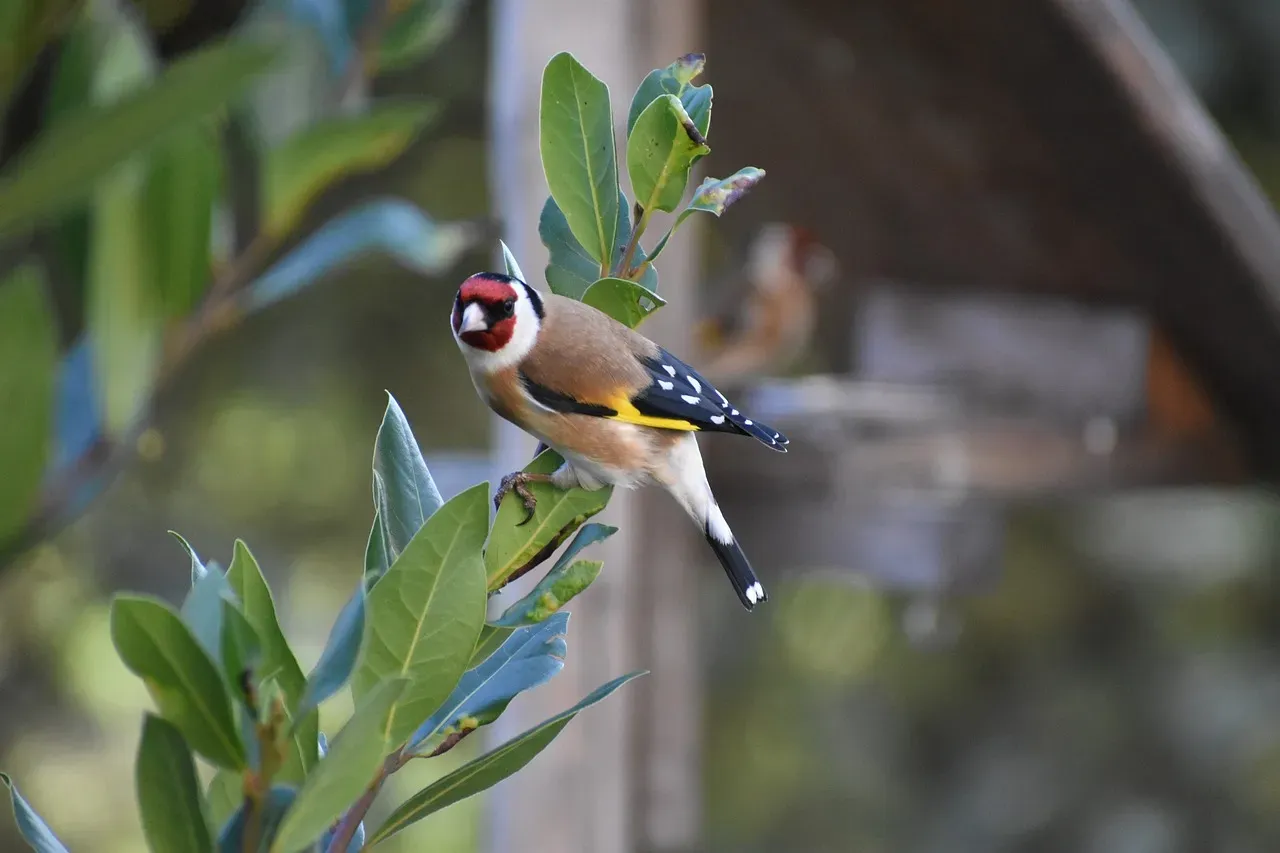
Every individual strategy on this list works better when it’s part of a connected, layered habitat rather than a standalone feature dropped into an otherwise barren yard. The gardeners who see the same goldfinch families return year after year – sometimes for a decade or more – aren’t running a feeder operation. They’ve built an environment that supports these birds through every phase of the annual cycle: feeding in winter, nesting in spring, raising young in summer, and storing energy for fall migration.
That means native trees for early buds and shelter, mid-height native shrubs for cover and insect habitat, seed-rich perennials left standing through winter, chemical-free soil that supports a living food web, and reliable water year-round. The plants chosen are native to the region, suited to the local soil and rainfall, and selected with seed production – not just appearance – as a primary criterion. The result is a yard that essentially manages itself once established, drawing the same birds back with the reliability of a migration instinct, because in a real sense, that’s exactly what’s happening.
The nation that destroys its soil destroys itself.
Franklin D. Roosevelt
The Bottom Line
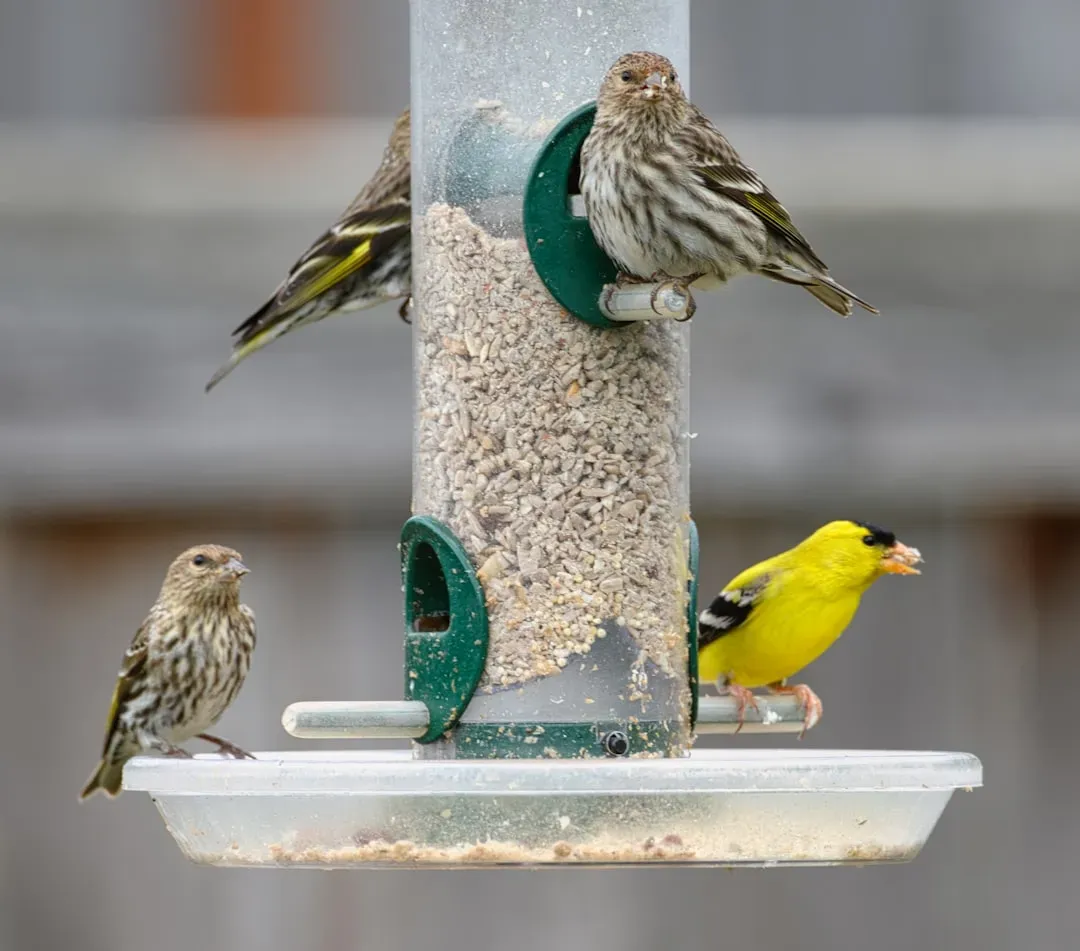
Experienced gardeners keep goldfinches coming back not through any single trick, but through a web of consistent, connected decisions: fresh specialized seed, native plants left standing through winter, reliable water, safe feeder placement, and a chemical-free yard that lets the full food web function. None of these steps are complicated. Most of them actually involve doing less – less cutting back, less spraying, less obsessive tidying.
The birds reward consistency and habitat depth in ways that a single feeder simply cannot replicate. Build the right environment and the goldfinches don’t just visit – they settle in, raise young nearby, and return the following season like clockwork. Start with two or three of these habits and add more each year. The flock that shows up will tell you when you’ve got it right.

- 10 Remarkable Facts About the African Cheetah: The Lightning of the Grasslands - July 29, 2026
- 10 Most Heroic Horses in History - July 29, 2026
- Why You Should Never Play Dead When Attacked by a Black Bear - July 29, 2026