


Sharks have dominated the oceans for over 450 million years, evolving into one of nature’s most efficient predators. While often misunderstood and unfairly vilified in popular culture, these remarkable creatures represent the pinnacle of evolutionary refinement. Their bodies are masterpieces of natural engineering, honed through countless generations to create the ultimate hunting machines. From their hydrodynamic bodies to their extraordinary senses, sharks possess a remarkable array of adaptations that have secured their place as apex predators in marine ecosystems worldwide. Let’s explore the 15 remarkable features that make sharks the perfect ocean predators.
15. Hydrodynamic Body Design

Sharks possess an incredibly streamlined body shape that minimizes drag and maximizes efficiency when moving through water. Their fusiform (torpedo-shaped) body tapers at both ends, allowing water to flow smoothly around them as they swim. This hydrodynamic design enables sharks to cruise through water with minimal energy expenditure while still maintaining the ability to burst into high speeds when hunting. The great white shark, for example, can reach speeds of up to 35 mph (56 km/h) during hunting lunges, while the shortfin mako—the fastest shark species—can swim at an astonishing 45 mph (72 km/h). This perfect balance of efficiency and power makes their body design one of nature’s greatest engineering feats.
14. Highly Sensitive Electroreception

Perhaps the most remarkable of sharks’ sensory adaptations is their ability to detect electrical fields—a sense humans don’t possess. Located on their snouts are specialized organs called ampullae of Lorenzini, which appear as small pores filled with a jelly-like substance. These remarkable structures can detect electrical fields as weak as half a billionth of a volt. This extraordinary sensitivity allows sharks to detect the minute electrical impulses generated by a prey animal’s muscle contractions and heartbeat, even when the prey is hidden under sand or murky water. This sense is so acute that sharks can find prey buried completely in sediment and can navigate using Earth’s magnetic field during long migrations. For predators that often hunt in low visibility conditions, electroreception provides a crucial advantage that few other animals possess.
13. Perpetual Tooth Replacement

One of sharks’ most famous features is their impressive dental arrangement. Unlike humans who get just two sets of teeth in a lifetime, sharks continually produce new teeth throughout their lives. Their teeth are arranged in multiple rows, with new teeth developing in the back of the mouth and gradually moving forward as older teeth fall out. Depending on the species, a shark might go through thousands of teeth in its lifetime—some sharks lose and replace a tooth every 8-10 days. The great white shark, for instance, can have up to 300 teeth at once, arranged in seven rows. This constant renewal ensures sharks always have sharp, functional teeth for capturing and processing prey, eliminating the vulnerability that worn or damaged teeth would otherwise create for a predator so dependent on its bite.
12. Superior Olfactory Capabilities
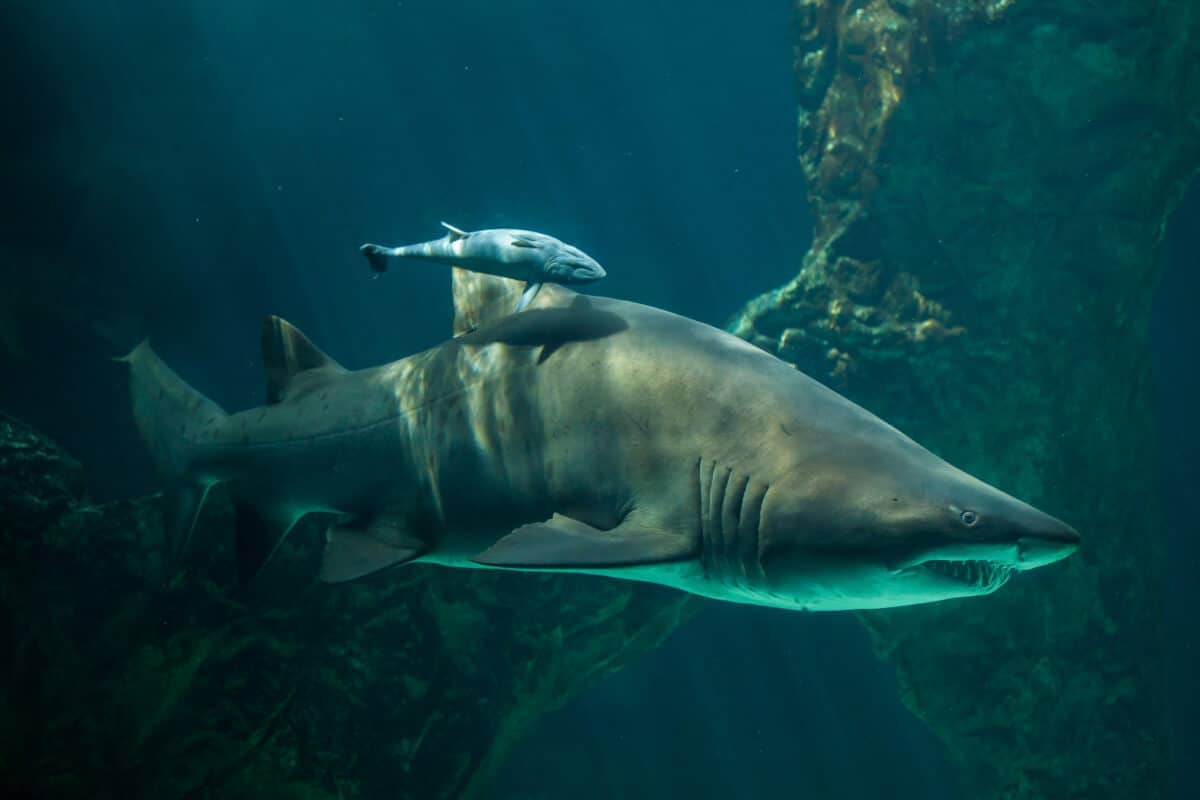
A shark’s sense of smell is legendary and for good reason. Their nostrils, located on the underside of their snout, serve only for smelling (not breathing). The internal structure of these olfactory organs contains folded tissue that maximizes the surface area available for detecting scent molecules. Some shark species can detect a single drop of blood in an Olympic-sized swimming pool, or sense prey from up to a quarter-mile away. Bull sharks can detect one part blood in one million parts of water. This extraordinary sensitivity allows them to track wounded prey over vast distances and locate food sources far beyond visual range. Combined with their ability to determine which direction a scent is coming from (by timing the difference between when a smell reaches each nostril), this remarkable sense makes sharks incredibly efficient hunters even in the vastness of the ocean.
11. Powerful Sensory Lateral Line

Running along both sides of a shark’s body is a specialized sensory system called the lateral line. This system consists of fluid-filled canals that open to the environment through a series of pores. Pressure-sensitive cells within these canals can detect the subtle water movements created by other animals swimming nearby. Essentially functioning as a form of “touch at a distance,” the lateral line allows sharks to detect vibrations and pressure changes in the surrounding water. This sensory ability enables them to locate prey, avoid obstacles, and navigate in complete darkness or murky conditions. The lateral line is so sensitive that sharks can detect the irregular swimming patterns of injured fish or the movements of potential prey hiding under sediment, giving them a significant advantage when hunting in complex underwater environments.
10. Exceptional Vision Adapted for Hunting

Contrary to popular belief, sharks have excellent vision that’s specifically adapted for their predatory lifestyle. Most shark species possess large eyes equipped with a reflective layer called the tapetum lucidum, which enhances vision in low-light conditions by reflecting light back through the retina a second time. This adaptation allows sharks to hunt effectively at dawn, dusk, and in deeper waters where light is limited. Some species, like the great white shark, have color vision comparable to that of humans. Additionally, sharks have specialized cells in their eyes that are particularly sensitive to movement, helping them detect prey even in murky water. Their visual field is nearly 360 degrees, with only a small blind spot directly behind the head, making it nearly impossible for prey to approach undetected. This combination of features creates a visual system perfectly suited for an apex predator.
9. Efficient Respiratory System

Sharks possess one of the most efficient respiratory systems in the ocean, perfectly adapted to their predatory lifestyle. Most sharks must swim continuously to breathe through a process called ram ventilation, where water flows into their mouths and over their gills as they move forward. Their 5-7 gill slits on each side extract oxygen with remarkable efficiency, with some species able to remove up to 80% of the oxygen from the water that passes over their gills—far more efficient than human lungs, which extract only about 25% of the oxygen from the air we breathe. This highly efficient system ensures sharks have the oxygen supply needed to fuel their muscles during high-energy hunting activities. Some species, like nurse sharks, have evolved the ability to actively pump water over their gills, allowing them to rest on the seafloor while still breathing—a useful adaptation for ambush predators.
8. Cartilaginous Skeleton for Speed and Agility

Unlike most vertebrates that have skeletons made of bone, sharks possess skeletons composed entirely of cartilage—the same flexible material found in human ears and noses. This cartilaginous skeleton offers several predatory advantages. First, cartilage is significantly lighter than bone, reducing the shark’s overall body weight and allowing for greater speed and agility in the water. Second, cartilage provides more flexibility, enabling sharks to make tighter turns when pursuing prey. This flexibility is particularly important for species like the thresher shark, which uses its extraordinarily long tail to whip and stun schools of fish. Additionally, a cartilaginous skeleton reduces the risk of bone fractures during powerful hunting maneuvers. This unique skeletal structure represents a perfect evolutionary compromise between strength and mobility, making sharks more efficient hunters in the dynamic underwater environment.
7. Powerful Jaw Mechanics
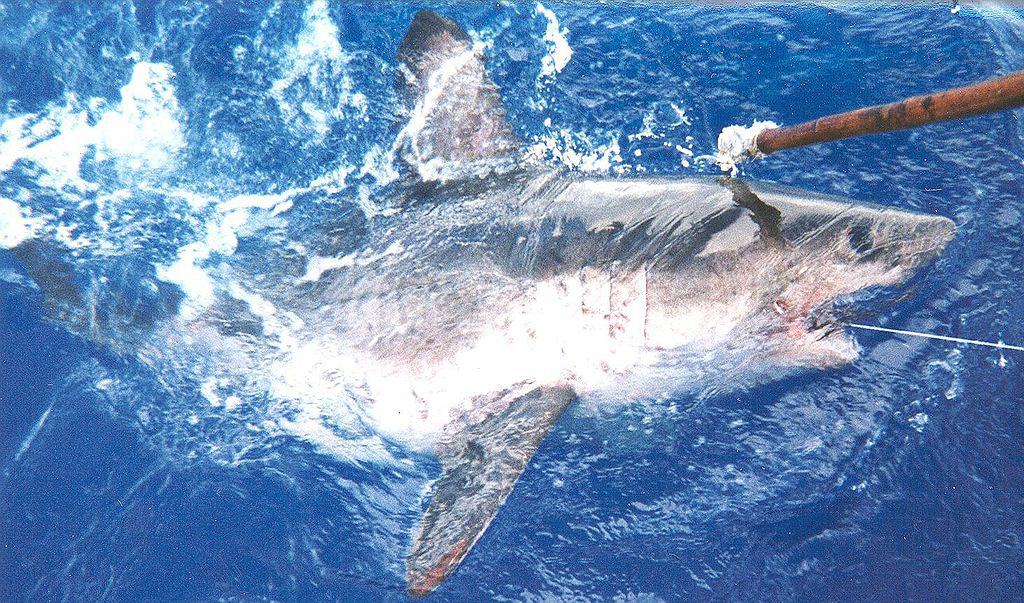
A shark’s bite force is among the most powerful in the animal kingdom, perfectly designed for their role as apex predators. Their jaws are not fused to their skulls as in most vertebrates, but instead are attached by ligaments and cartilage. This unique arrangement allows their mouths to protrude forward when attacking prey, effectively extending their reach. The bull shark exerts a bite force of up to 1,300 pounds per square inch (PSI), while larger species like the great white can deliver over 4,000 PSI—strong enough to crush a seal’s bones or bite through a sea turtle’s shell. For comparison, the average human bite force is only about 162 PSI. This tremendous power, combined with their serrated teeth that work like steak knives, allows sharks to take on prey much larger than themselves and to cut through tough hide, blubber, and even turtle shells with relative ease.
6. Thermoregulation Abilities

Certain shark species, including the great white, mako, and thresher sharks, possess a remarkable adaptation called regional endothermy, allowing them to maintain parts of their bodies at temperatures higher than the surrounding water. This partial warm-bloodedness is achieved through a specialized circulatory system called the rete mirabile (meaning “wonderful net”), where heat generated by powerful swimming muscles is retained rather than lost to the environment. By keeping their vital organs, brain, and swimming muscles warmer than the surrounding water, these sharks enjoy enhanced neural processing, faster muscle contractions, and greater overall power and speed. The great white shark can maintain its stomach temperature up to 25°F (14°C) above the ambient water temperature, enabling it to hunt effectively in colder waters and increasing its digestive efficiency. This thermoregulatory advantage gives these shark species significant hunting benefits over their cold-blooded prey and extends their range into cooler waters that would otherwise be inhospitable.
5. Camouflage Through Countershading
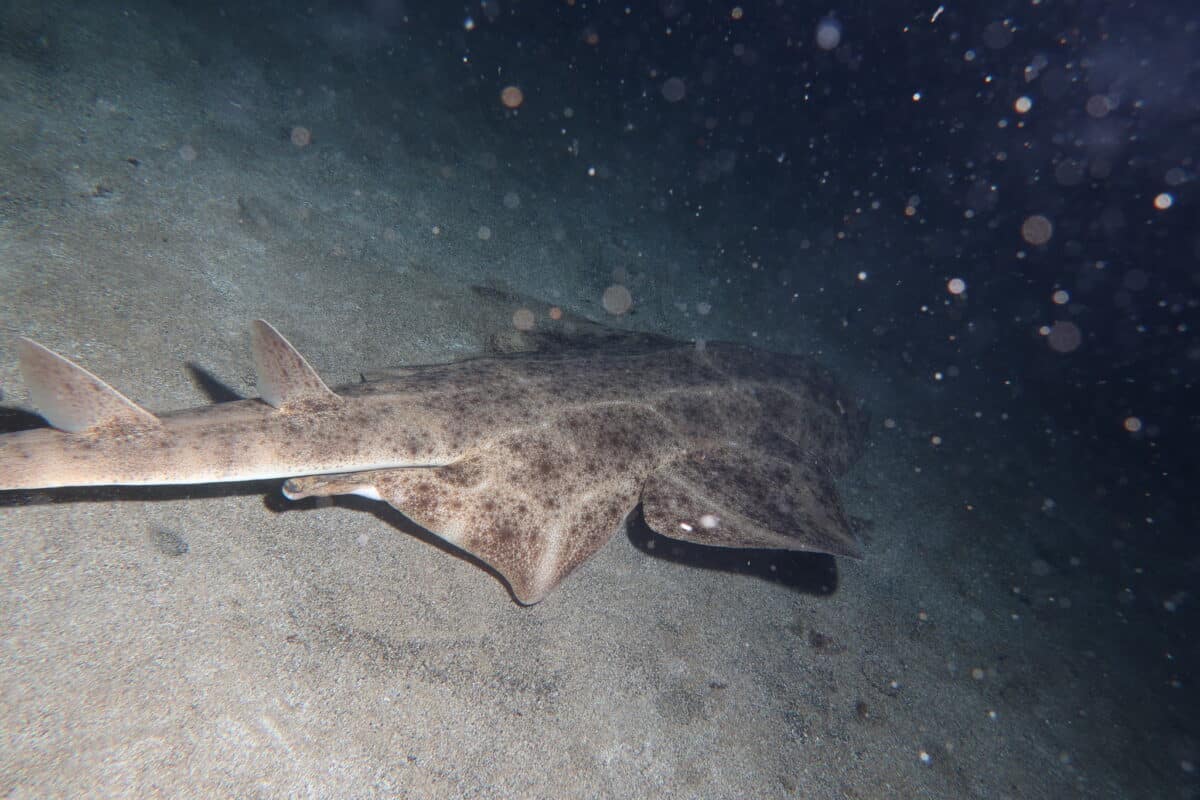
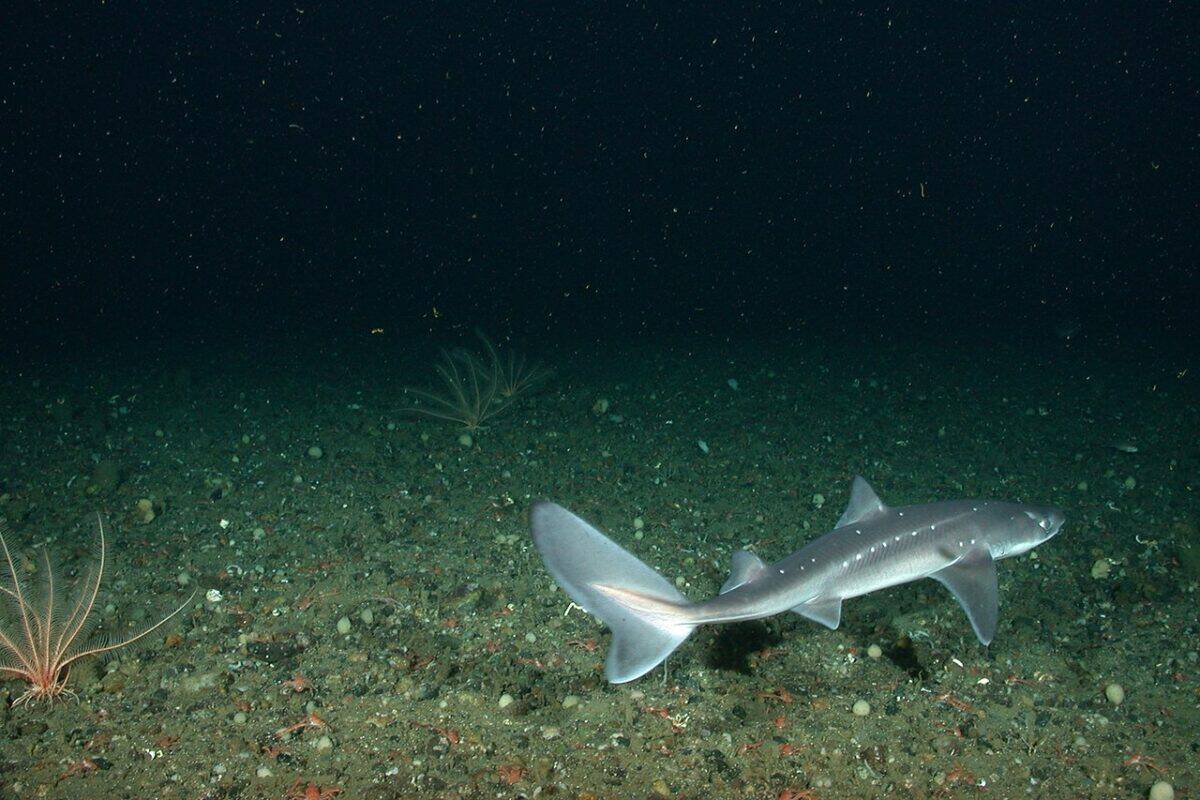
Sharks employ a clever form of natural camouflage called countershading that helps them remain hidden from prey and potential threats. Most sharks have a dark dorsal (upper) surface and a light ventral (lower) surface. When viewed from above, their dark backs blend with the depths of the ocean; when viewed from below, their light bellies match the sunlight filtering down from the surface. This two-tone coloration effectively breaks up their silhouette, making them less visible to prey swimming above or below them. Some species take this camouflage further—the blue shark has an intensely blue upper body that perfectly matches the open ocean, while tiger sharks have vertical stripes that break up their outline when lurking in seagrass. The wobbegong sharks of Australia have taken camouflage to an extreme, with elaborate skin flaps and patterns that make them nearly invisible against the seafloor. This natural camouflage allows sharks to approach prey undetected, a crucial advantage for ambush predators.
4. Diverse Hunting Strategies
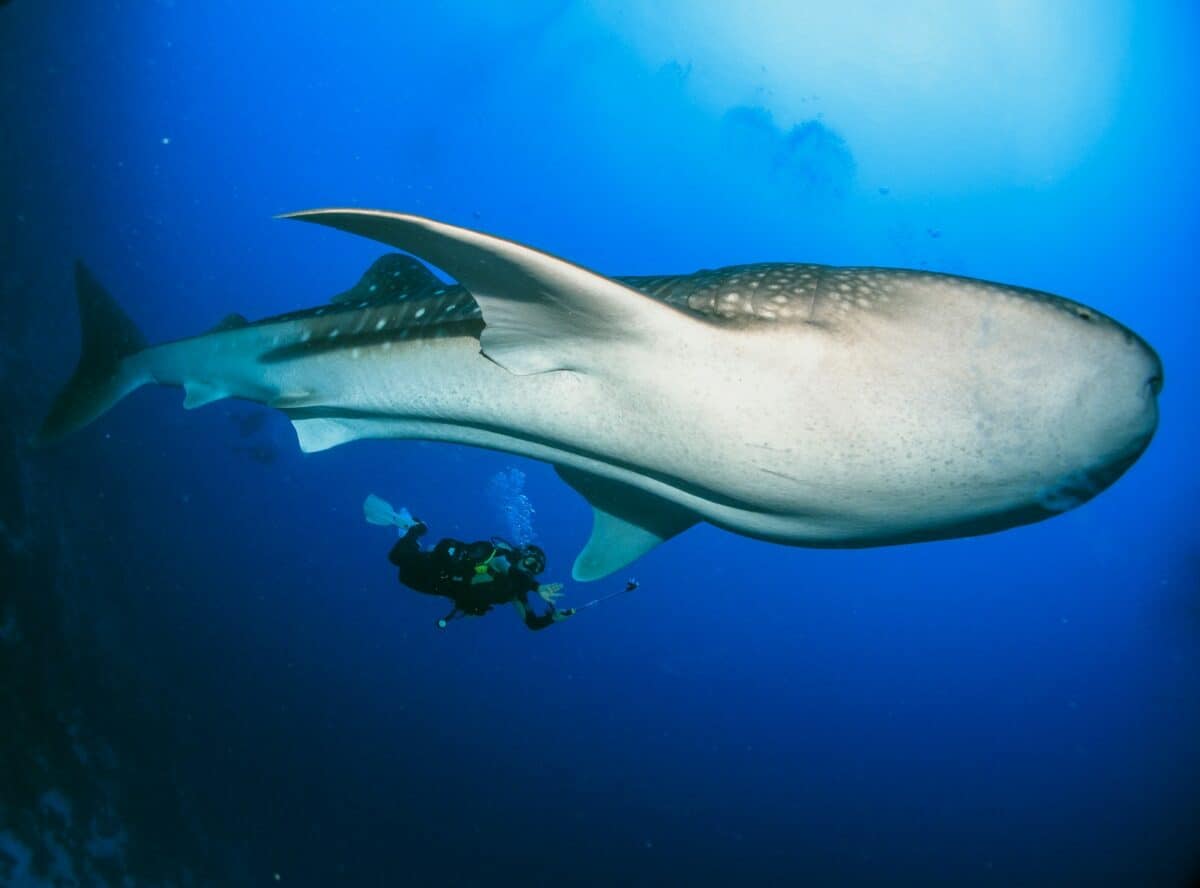
Sharks have evolved a remarkable diversity of hunting strategies, each perfectly suited to their ecological niche and prey preferences. The great white shark employs a powerful ambush technique, accelerating from below to strike seals at the surface with such force that they sometimes breach completely out of the water. Thresher sharks use their elongated tail fins like whips to stun schooling fish before consuming them. Hammerheads sweep their uniquely shaped heads across the seafloor to detect the electrical signals of stingrays hiding in the sand. Filter-feeding whale sharks swim with their massive mouths open, using modified gill rakers to strain plankton and small fish from the water. Some species, like the cookiecutter shark, have evolved a parasitic feeding strategy, using their specialized jaws to extract circular plugs of flesh from larger marine animals. This diversity of hunting approaches demonstrates sharks’ evolutionary versatility and their ability to exploit virtually every feeding opportunity in the ocean ecosystem.
3. Highly Developed Brain and Intelligence

Contrary to their undeserved reputation as mindless eating machines, sharks possess relatively large, complex brains and demonstrate surprising intelligence. Their brain-to-body mass ratio is comparable to that of birds and some mammals, far higher than most fish. Studies have shown that sharks can learn tasks through classical conditioning and observation, remember experiences for long periods, and exhibit curiosity about novel objects in their environment. Great white sharks have been observed using strategic hunting techniques that suggest problem-solving abilities, while lemon sharks have demonstrated social learning—the ability to learn by watching other sharks. Some species, including great whites, appear to have individual personalities and complex social hierarchies. Researchers have documented sharks performing coordinated group hunting, suggesting communication and cooperation. This cognitive sophistication enhances their effectiveness as predators, allowing them to adapt their hunting strategies to different situations and learn from past experiences.
2. Dermal Denticles for Reduced Drag

Shark skin is covered with tiny tooth-like structures called dermal denticles (or placoid scales), which serve multiple functions that enhance their predatory capabilities. These microscopic structures point backward along the body and create tiny vortices in the water as the shark swims, reducing drag by up to 8% and turbulence by up to 65%. This remarkable natural adaptation allows sharks to swim faster while using less energy—a significant advantage when pursuing prey. The denticles also provide protection against parasites and abrasion from rough surfaces. So effective is this design that engineers have created synthetic shark skin for competitive swimwear and boat hulls to improve speed and efficiency. Additionally, the rough texture of these denticles helps sharks grip prey more effectively during feeding. This evolutionary innovation provides sharks with a hydrodynamic advantage that few other marine creatures possess, contributing significantly to their success as ocean predators.
1. Exceptional Stamina and Cruising Efficiency

Many shark species possess remarkable endurance that allows them to patrol vast hunting territories with minimal energy expenditure. Their streamlined bodies and efficient swimming motion, which primarily uses the powerful tail fin with minimal movement of the rest of the body, conserves energy during long-distance swimming. Great white sharks are known to undertake migrations spanning thousands of miles, with one documented individual traveling over 12,400 miles (20,000 kilometers) from Australia to South Africa and back in less than nine months. The salmon shark can maintain a cruising speed of 7-8 mph for extended periods, allowing it to track migrating salmon schools across vast distances. Whale sharks regularly travel between feeding grounds separated by hundreds of miles of open ocean. This combination of efficiency and stamina enables sharks to follow prey migrations, exploit seasonal food sources, and patrol extensive territories—essential capabilities for apex predators operating in the ocean’s vast expanses.
Conclusion: The Perfect Evolutionary Success Story
Sharks represent one of evolution’s most remarkable success stories, with a design so effective it has remained largely unchanged for hundreds of millions of years. Their perfect combination of sensory capabilities, physical adaptations, and hunting strategies has allowed them to survive mass extinction events that wiped out countless other species. As apex predators, sharks play a crucial role in maintaining healthy ocean ecosystems by regulating prey populations and removing sick or weak individuals. Despite their fearsome reputation, these magnificent creatures deserve our respect and protection, as their declining numbers threaten the balance of marine environments worldwide. The next time you think of sharks, consider not just their impressive teeth, but the extraordinary collection of adaptations that make them the perfect ocean predators—living masterpieces of evolutionary engineering.

As a little kid, I fell in love with nature, wildlife, and animals. Living in the USA, South Africa, Italy, China and Germany gave me the opportunity to discover the world's Wildlife. My favorite animals are Mountain Gorillas, Siberian Tigers, and Great White Sharks.
I'm a certified PADI Open Water Diver, went to Everest Base Camp and Trekked Gorillas in Uganda. I hold a Master of Science in Economics and Finance.
Please send any feedback to feedback@animalsaroundtheglobe.com
- 10 Most Unique Reptiles You will See in the US - July 21, 2026
- 3 Dangerous Invasive Species the USA Must Eradicate - July 21, 2026
- 10 Things That Calm Cats And 4 That Make Them Nervous - July 21, 2026