
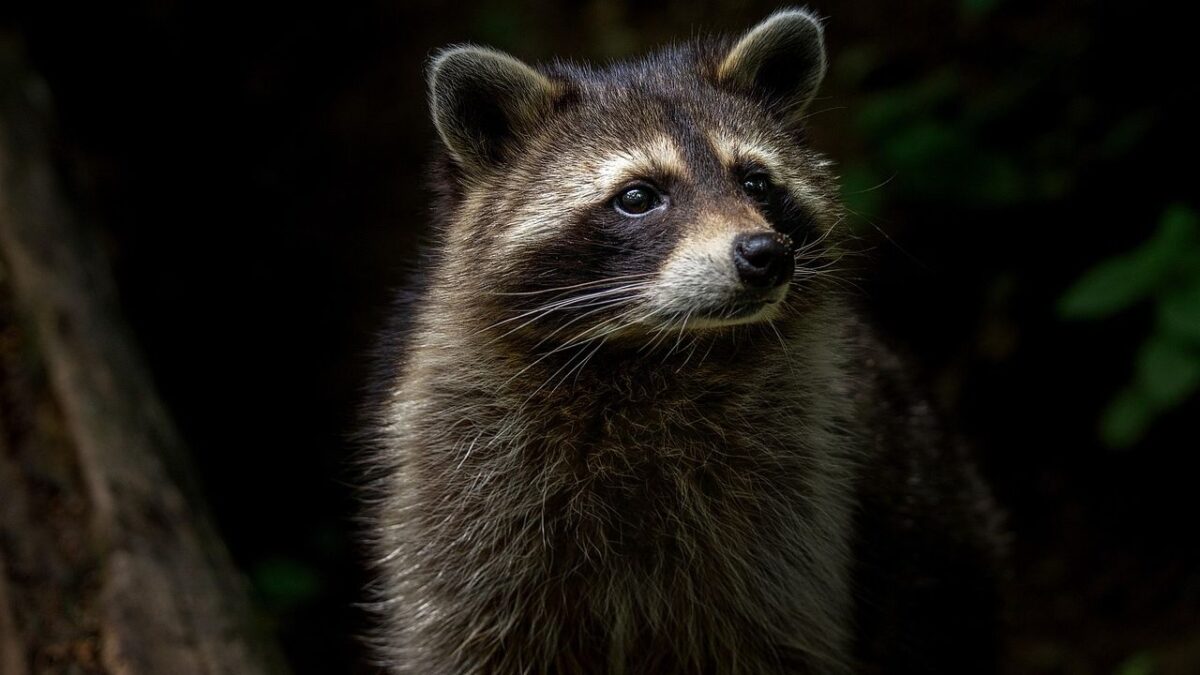
1. Their Brains Are Packed With Primate-Level Neurons
Working with neuroscientist Suzana Herculano-Houzel, research at the University of Richmond has found that raccoons pack an astonishing number of neurons, an amount comparable to primates, into their brains. That alone is worth sitting with for a moment. A masked animal that raids compost bins is carrying around brain architecture that rivals creatures we associate with advanced cognition.
Researchers also found that raccoons possess specialized fast-conducting brain cells known as von Economo neurons, which are also found in humans, other great apes, and a few additional large-brained mammals. These are cells long considered markers of higher cognition, and finding them in raccoons was, to put it mildly, unexpected.
Brain studies from Vanderbilt and other institutions suggest that raccoons have a number of cortical neurons comparable to small primates. Reviews in psychology and behavior journals typically show raccoons outperforming cats and dogs on problem-solving and flexibility tasks, with long-term memory comparable to that of small primates. For a species so routinely dismissed as a nuisance, the neuroscience paints a very different picture.
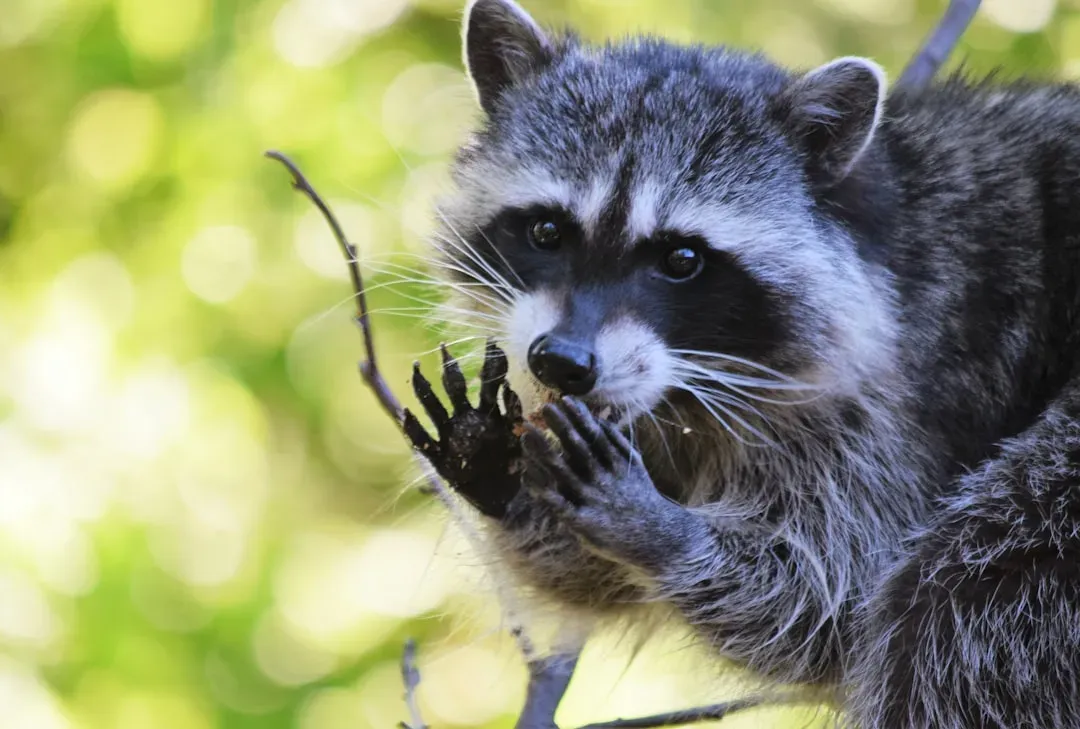
2. Their Paws Function Like a Second Set of Eyes
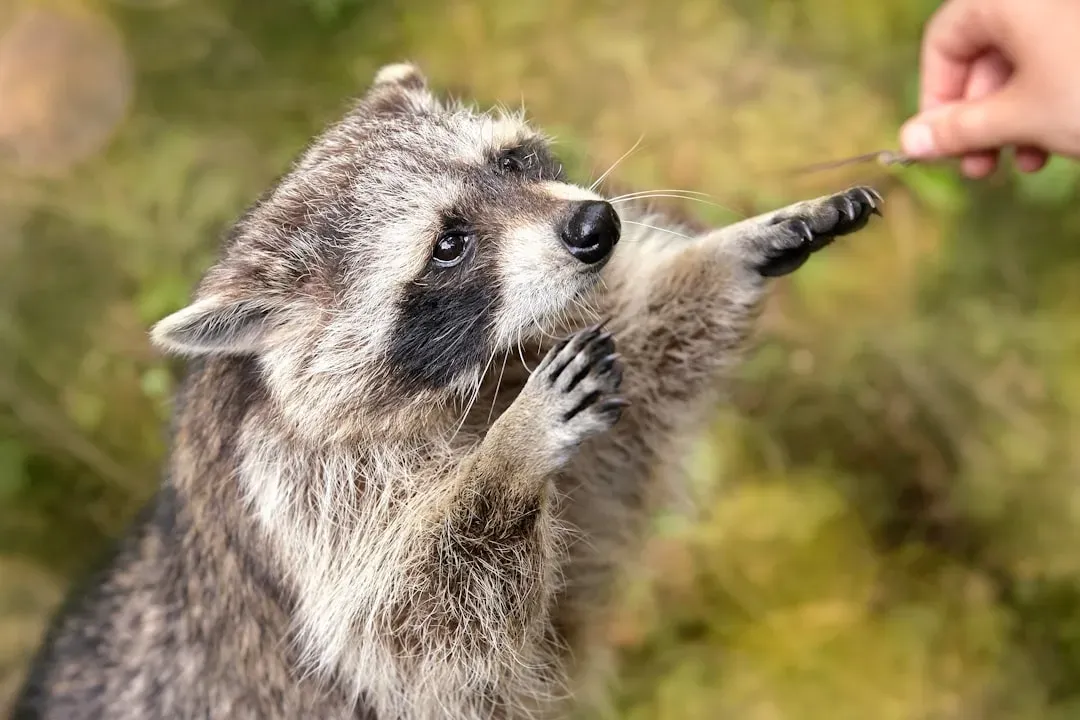
Raccoon forepaws contain approximately 200,000 nerve endings per square inch, allowing raccoons to “feel” for food in dark or murky environments without relying on sight, making their sense of touch more developed than their vision. The bare palms of their paws maximize this sensitivity, enabling them to detect textures, vibrations, and even temperature changes.
The pads on a raccoon’s forepaws possess four to five times more mechanoreceptor cells than most other mammals, comparable to human hands. This allows them to process tactile information with extreme precision. Approximately two-thirds of the sensory perception area in a raccoon’s cerebral cortex is dedicated to interpreting these tactile impulses, a higher proportion than in any other studied animal.
Raccoons also possess stiff hairs called vibrissae, similar to whiskers, at the tips of each front toe above the claw. These vibrissae enable raccoons to identify objects without direct contact, useful in low-light conditions or murky water. In practical terms, a raccoon sorting through debris in complete darkness is getting richer sensory data from its paws than most animals get from their eyes.
3. They Can Pick Locks in Fewer Than 10 Tries
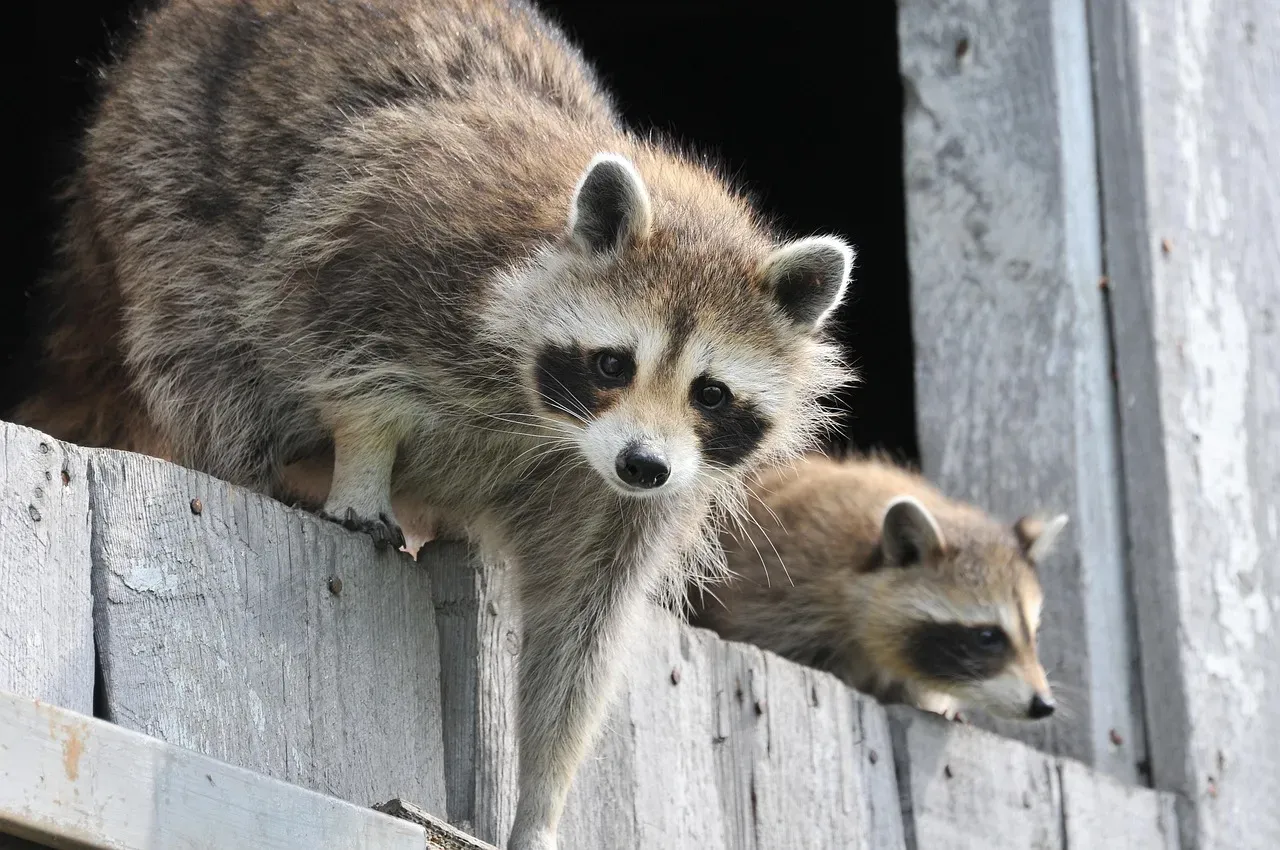
Between 1905 and 1915, researchers sought to unravel the mysteries of raccoon cognition. Long before machine learning algorithms captured imaginations, puzzle-box methodology was the tool for measuring animal intelligence. Using these puzzle boxes, raccoons distinguished themselves by displaying problem-solving skills which far outclassed those of domestic pets, such as cats and dogs.
In one experiment, raccoons were consistently able to learn how to pick a complex lock in fewer than 10 attempts. That’s not a fluke of instinct or hunger-driven luck. Davis’ findings revealed these critters as adept learners who used trial and error to solve problems. It didn’t take long for them to figure out how to unlock latches to access food. Their rate of progress mirrored those typically seen in higher animals and even humans.
More recent studies have deployed multi-compartment puzzle boxes with various latch types, such as turning knobs, pulling wires, or manipulating horizontal bars. In these tests, raccoons successfully solved novel extractive foraging tasks, demonstrating flexibility in their techniques. When presented with a multi-solution box, successful individuals quickly learned to solve multiple distinct latch types, often within just a few trials. The stubborn brilliance of that is genuinely impressive.
4. Their Memory Can Last for Three Years or More
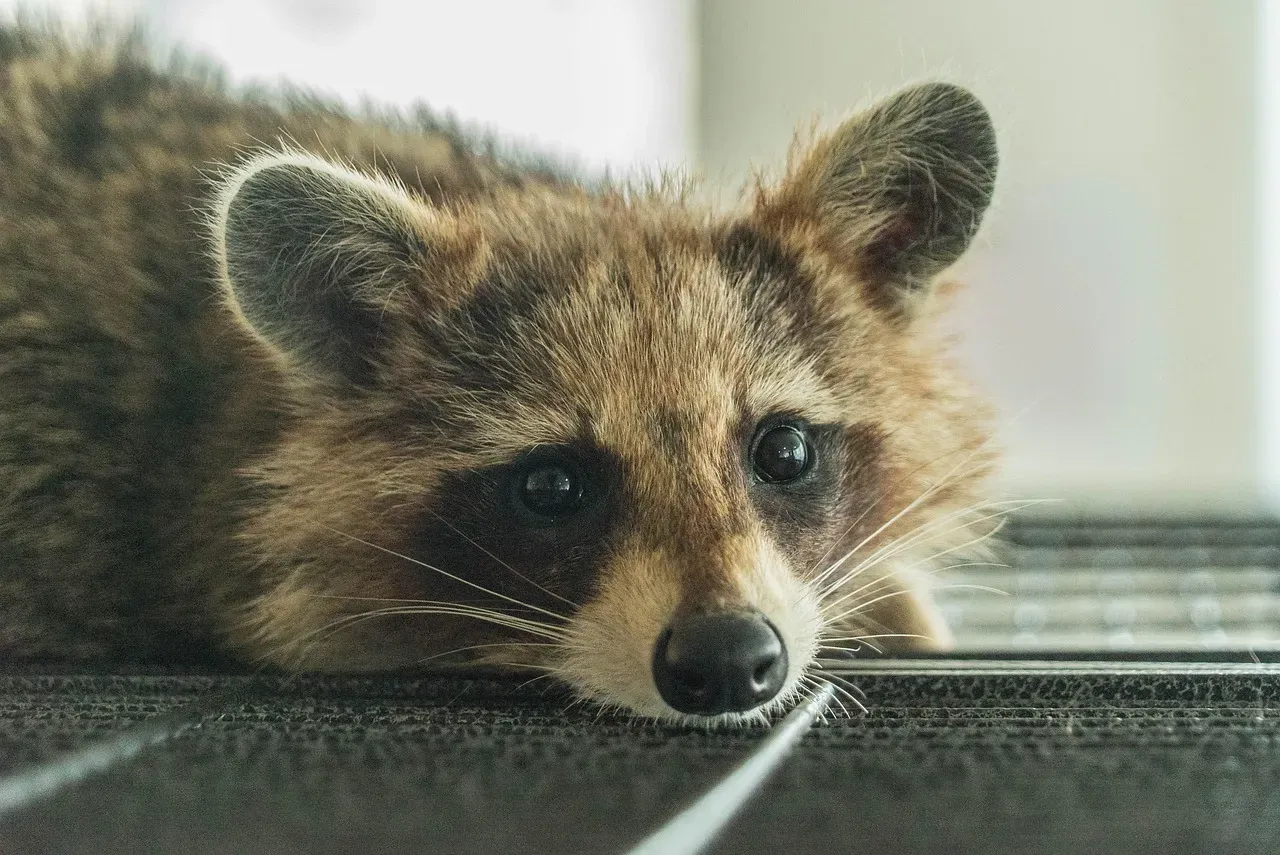
Raccoons are capable of remembering solutions to problems they’ve solved in the past for at least three years, demonstrating that they have an incredibly good memory. This isn’t just the kind of short-term recall that helps an animal survive a single season. It’s the kind of durable, long-form retention that changes how a species operates across its lifetime.
Raccoons demonstrate remarkable long-term memory, retaining solutions to complex tasks over significant periods. Studies show that once a raccoon learns how to manipulate a specific lock or latch, it can recall that solution for months, and sometimes for at least three years. This extended retention means a solution learned through trial-and-error quickly becomes a permanent part of the animal’s behavioral repertoire.
This robust memory is advantageous for an omnivore that relies on diverse and unpredictable food sources. If a raccoon successfully opens a complex food container once, it does not need to relearn the sequence of actions later. One wild raccoon tested with a single-solution puzzle box demonstrated retention of the latch-opening technique across two consecutive years. The raccoon that beat your trash can last summer almost certainly still remembers exactly how it did it.
5. They “Wash” Food to Read It, Not to Clean It

A commonly observed behavior is their apparent “washing” of food, which led to their scientific name, Procyon lotor, meaning “washer.” This action is not for hygiene but tactile exploration. Raccoons wet objects to enhance paw sensitivity, gathering more information about an item’s texture before consumption. That’s a detail that reframes the whole behavior completely.
The common assumption used to be that raccoons washed their food for sanitary reasons. Further study has debunked that because they are more inclined to wash meat than plants and don’t tend to clean earthworms from food before eating. Instead, washing food improves their ability to feel the food, which makes it easier for raccoons to determine if something is edible.
Researchers have found that raccoons’ forepaws are even more sensitive when wet. Moistening their paws helps them better identify objects in their hand as being food or not. They will actually make the same gestures even if water is not available. It’s a sensory ritual, not a sanitation one, and it speaks to just how touch-driven their experience of the world actually is.
6. Urban Raccoons Are Getting Smarter Through Natural Selection
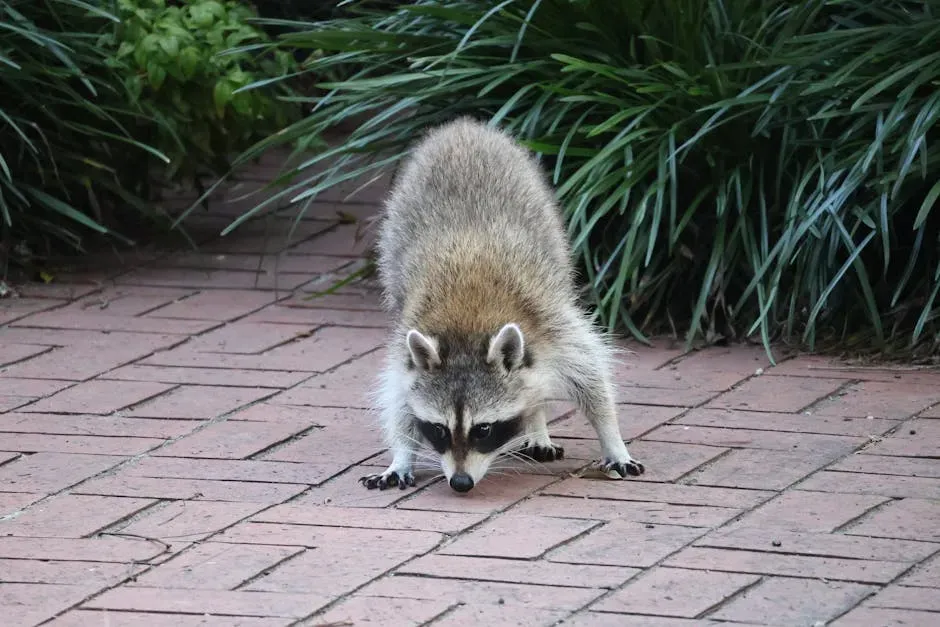
Some scientists have suggested that our modern cities and suburbs are “training grounds” for raccoons to increase in intelligence. Unintelligent raccoons die off, whereas smart raccoons reproduce in great numbers, as they have access to near-unlimited food supplies and shelter. Cities, without intending to, are essentially running a decades-long cognitive selection experiment.
Studies comparing the fluid intelligence of urban raccoons versus those from rural areas showed that urban raccoons were more eager to approach new problems and more adept at finding solutions. The pressures of city life, traffic, locked bins, unfamiliar obstacles, and human interference, are filtering for faster thinking animals generation by generation.
Whether it’s dodging cars or outsmarting trash can locks, raccoons face a daily gauntlet that sharpens their problem-solving skills to a fine point. This capacity for learning in novel situations demonstrates that raccoon intelligence is evolving to meet their needs in changing environments. That’s not just adaptation. That’s something closer to cognitive evolution playing out in real time.
7. They Learn by Watching Each Other
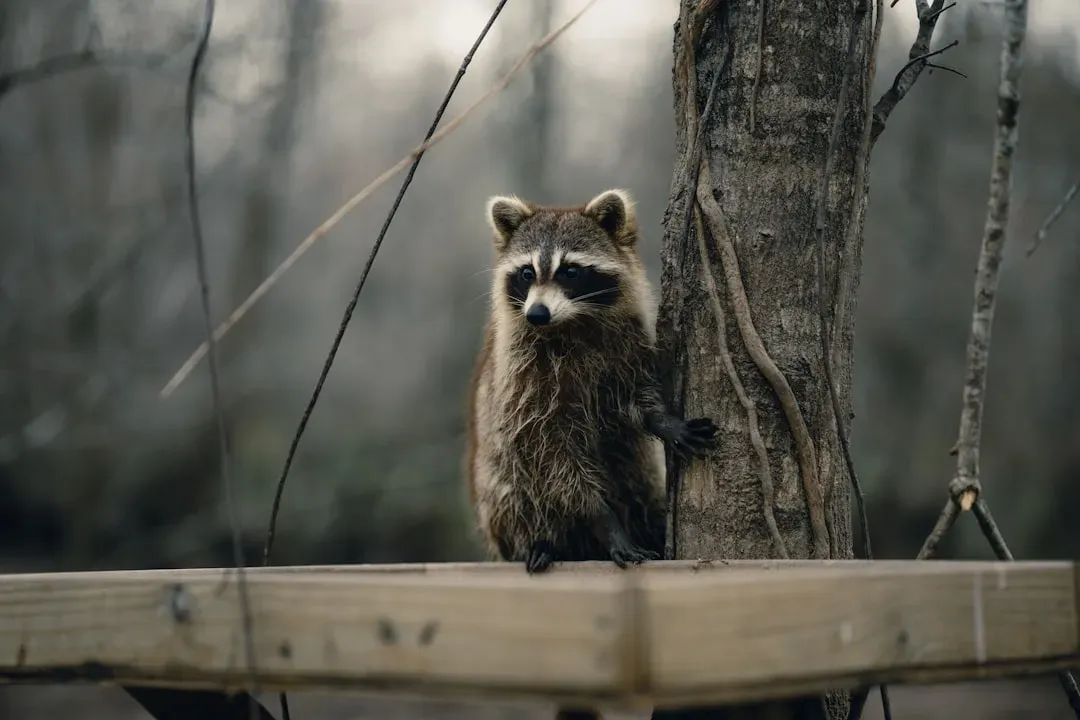
Raccoons are not only smart as individuals but also possess a high degree of social intelligence. They live in loose family groups and often share information about food sources, dangers, and safe resting places. This social learning allows raccoons to benefit from the experiences of others, enhancing their ability to solve problems and adapt to new situations.
For example, if one raccoon discovers how to open a particular type of container, others in the group can learn by observing. This ability to learn from each other means that once a raccoon has figured out how to access your garbage or attic, others may soon follow suit. It’s a knowledge transfer system that works without language, without instruction, and without anything we’d typically call teaching.
Cole’s raccoons could, in certain instances, learn how to solve a puzzle box simply by being “put through” the solution by the experimenter. They did not simply rely upon the muscular associations built through trial-and-error learning, as was the case with Thorndike’s cats. The implication is significant: raccoons can integrate observed information and apply it independently, which is a much higher cognitive bar than simple conditioning.
8. They Think Outside the Box, Literally
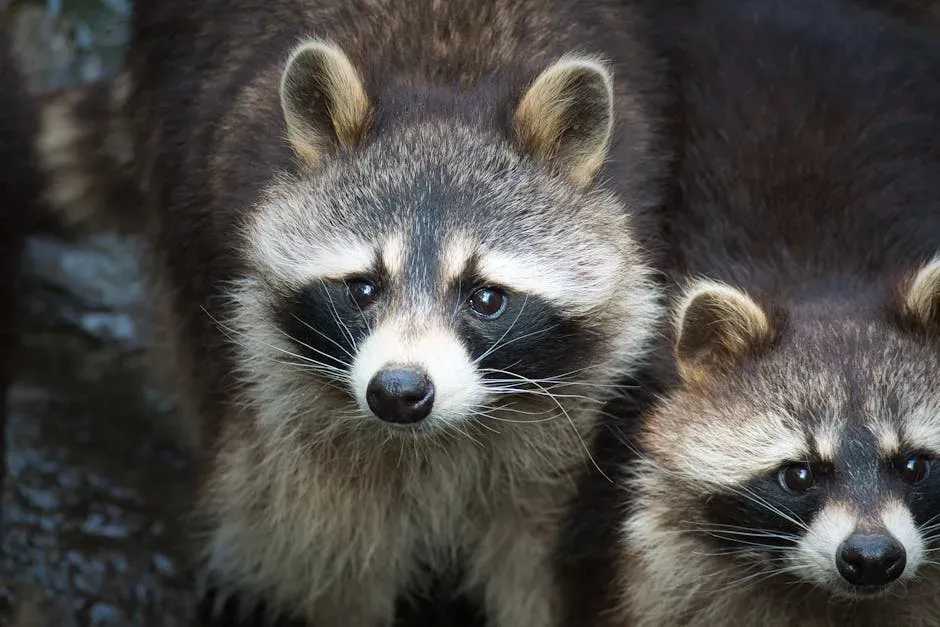
A common test known as the “Aesop test” involves floating food, marshmallows in the case of raccoons, in a water-filled container but with the water level too low for them to reach. Researchers then add stones to raise the water level and watch to see if the animal understands and replicates the action. Not only did raccoons grasp and use that method to get the marshmallows, but they also tried a more straightforward method: they pushed over the container, spilling out its contents, including the marshmallows, which is a solution that other animals did not try.
That improvised solution reveals something genuinely interesting about how raccoons process problems. They don’t just replicate what they observe. They are extremely curious and persistent creatures, leading to them having a high degree of adaptability and creativity. When a known approach seems slow or uncertain, raccoons explore alternatives in real time.
In controlled experiments, raccoons have been shown to figure out how to open latches, turn knobs, and even untie knots to get to food. Their nimble paws function almost like human hands, allowing them to manipulate objects with skill. That combination of physical capability and flexible problem-solving is precisely what makes them so effective at defeating whatever barriers humans put in their way.
9. Their Brain Wiring Explains Both Genius and Recklessness
In apes, von Economo neurons appear in both the insula, a part of the brain important for processing internal body states, and the anterior cingulate, which plays a key role in emotional regulation. In raccoons, these neurons are present only in the insula and not in the anterior cingulate. This neural arrangement may help explain the species’ striking combination of clever problem-solving and rapid decision-making during exploration, frequently leading to risky behaviors that can have unfortunate consequences.
These findings raise the possibility that raccoon neuroscience could offer useful insights into the neural foundations of impulse control and distracted attention. So the same wiring that makes a raccoon brilliant at cracking open a latch also makes it willing to dash across a four-lane road for a discarded sandwich. Genius and recklessness, it turns out, may share the same neurological address.
In collaboration with ecologist Sara Benson-Abram’s research team, researchers also found that raccoons with more sophisticated cognitive abilities had more neural cells in the hippocampus, reinforcing the idea that their learning and memory capacities map onto similar brain systems as those in people. The parallels to human cognition keep emerging in ways that researchers clearly didn’t anticipate when they first started studying these animals seriously.
10. They’ve Conquered Almost Every Habitat on Earth
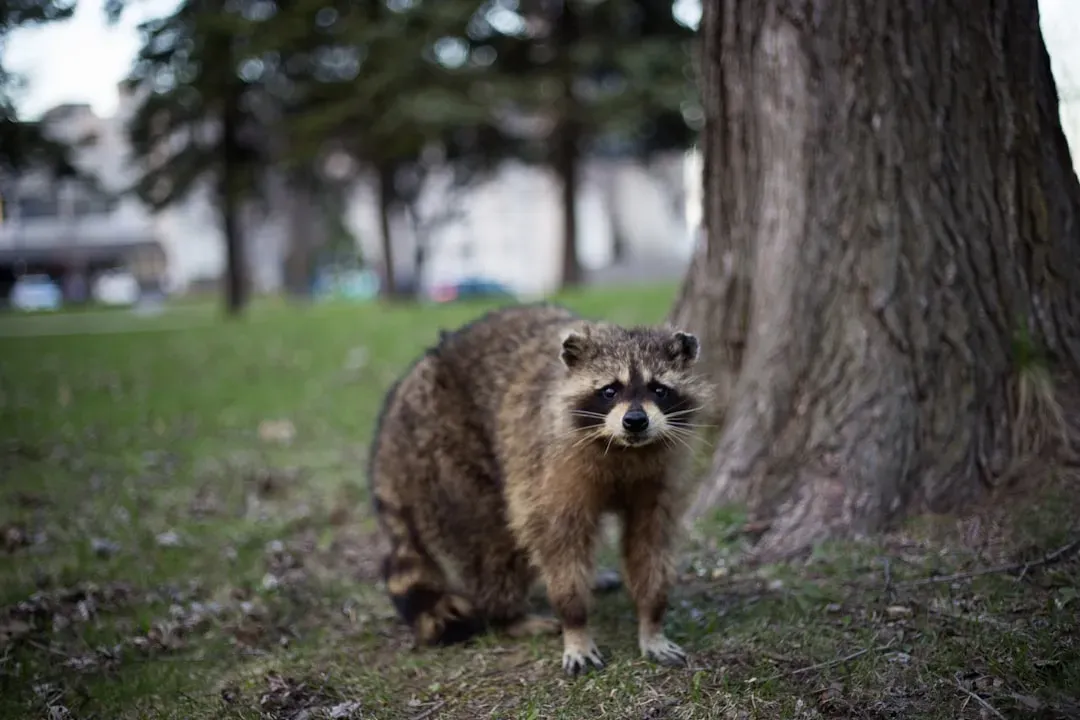
Raccoons are usually nocturnal and omnivorous, eating roughly 40 percent invertebrates, 33 percent plants, and 27 percent vertebrates. The original habitats of the raccoon are deciduous and mixed forests. Still, due to their adaptability, they have extended their range to mountainous areas, coastal marshes, and urban areas, where some homeowners consider them to be pests.
As a result of escapes and deliberate introductions in the mid-20th century, raccoons are now also distributed across central Europe, the Caucasus, and Japan. In Europe, the raccoon has been included on the list of Invasive Alien Species of Union Concern since 2016. For a species native to North American forests, that kind of global footprint is a testament to just how flexibly raccoons can operate in any environment they encounter.
Since the 1950s, raccoons have been present in metropolitan areas like Washington, D.C., Chicago, Toronto, and New York City. Since the 1960s, Kassel has hosted Europe’s first and densest urban raccoon population, with about 50 to 150 animals per square kilometer, a figure comparable to those of urban habitats in North America. They didn’t just survive the human world. They moved in, learned the layout, and set up shop permanently.
Why the Backyard Genius Deserves More Respect
There’s an honest case to be made that raccoons are among the most underestimated animals sharing space with us. They’ve been branded as pests for so long that the science keeps arriving as a kind of quiet shock. Primate-level neuron density. Three-year memory. Tactile sensitivity that outpaces every comparable mammal. Social learning. Creative problem-solving. Adaptation driven by natural selection in real time. That’s not a pest profile. That’s a cognitive portrait.
What makes raccoons genuinely fascinating isn’t just the tricks or the test results. It’s that their intelligence has developed in direct response to us, to our cities, our locks, our deterrents, and our habits. We’ve been their greatest cognitive challenge, and they’ve been rising to meet it for generations. Whether that unsettles you or impresses you says something about how you think about intelligence itself.
The raccoon at the edge of your yard isn’t just looking for a meal. It’s reading the environment, weighing options, and drawing on a memory that almost certainly includes your backyard specifically. Maybe the most reasonable response isn’t frustration. It’s a grudging, well-earned respect.
