

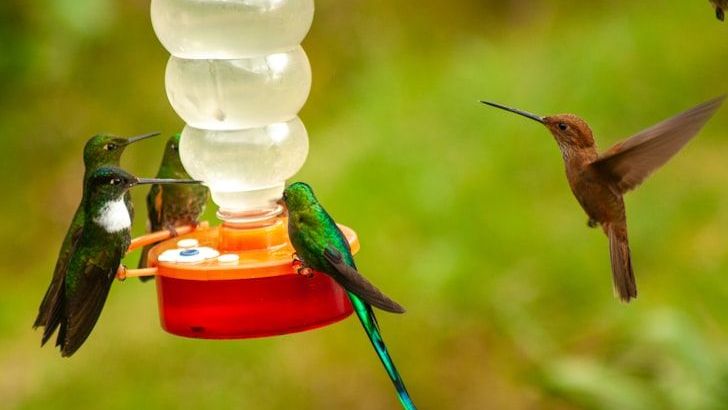
Picture this: you’re sipping your morning coffee when suddenly a tiny emerald blur hovers just inches from your window. Your heart skips a beat as you realize you’ve just witnessed one of nature’s most magical creatures – a hummingbird. These incredible birds have captured the hearts of millions of nature lovers worldwide, leading many to create backyard sanctuaries designed specifically for their enjoyment. But what if I told you that some of the most well-intentioned efforts to help these tiny acrobats might actually be causing them harm?
Veterinarians who specialize in wild bird care have witnessed countless mistakes that could have been easily avoided. The following fifteen practices are among the most concerning issues that birding specialists encounter when treating injured or sick hummingbirds. Each mistake represents a learning opportunity that could save countless tiny lives while still allowing you to enjoy these remarkable visitors in your garden. Treat these as hummingbird tips if you want your garden to be a hummingbird paradise.
#15 Adding Red Food Coloring to Your Nectar
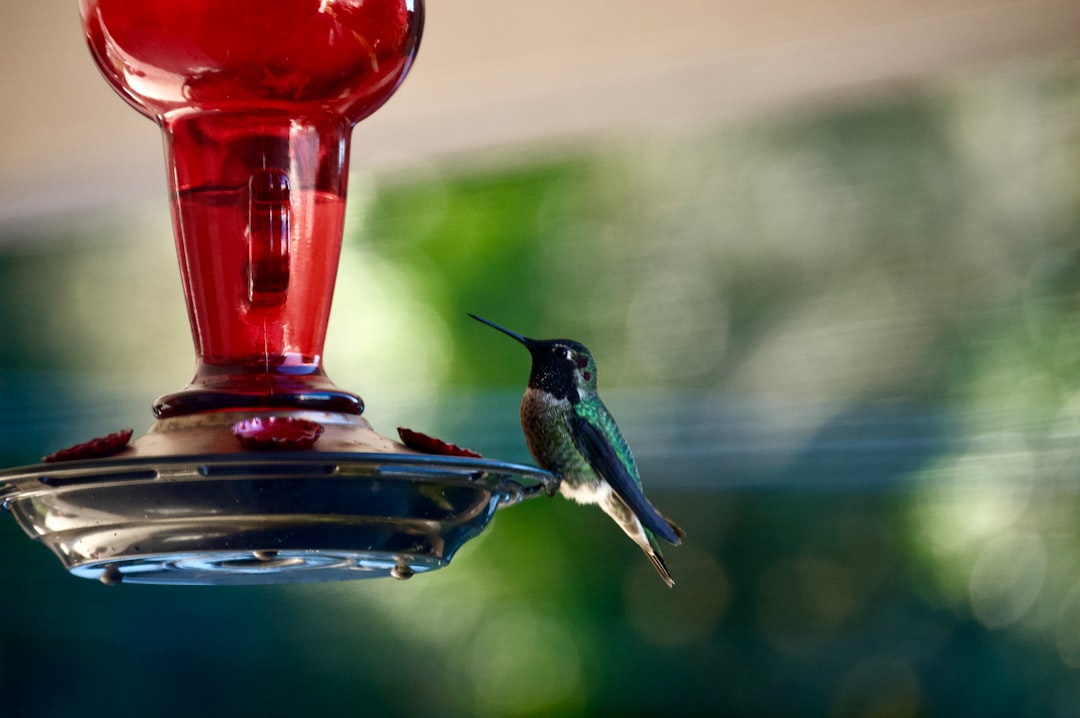
Another rookie mistake that can hurt your hummingbirds is using food dye to attract them. Food coloring may seem harmless, but it’s linked to health issues for all sorts of animals. Recent medical research suggests common food dye can cause inflammatory bowel issues in animals and humans, among other things. Wildlife rehabilitators consistently report seeing weakened hummingbirds with concerning symptoms.
The Cornell Lab of Ornithology recommends avoiding red dye as a precautionary measure, noting that while there’s no definitive research proving harm, it’s unnecessary since red feeders attract hummingbirds without needing red nectar. Think about it this way: would you constantly drink bright red water? The artificial dye that makes sugar water look appealing to humans can actually be toxic to these delicate creatures whose bodies process substances very differently than ours.
#14 Using Honey Instead of White Sugar
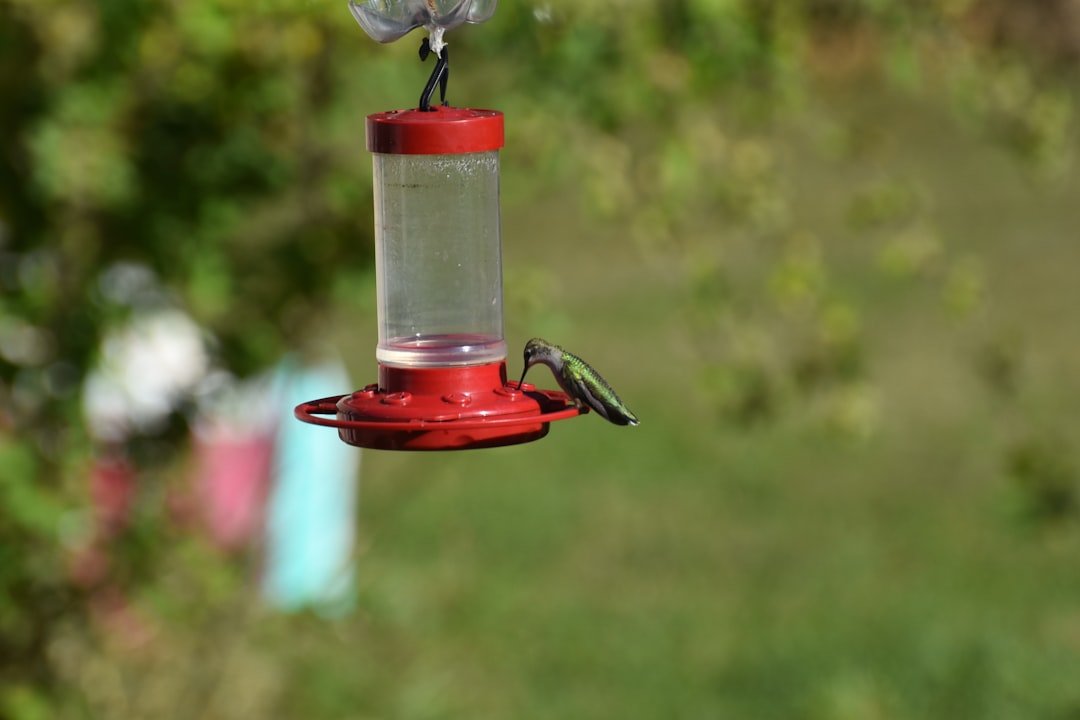
Honey has natural antimicrobial properties, but when it’s diluted with water, it spoils quickly and can promote the growth of harmful bacteria and fungi. If hummingbirds consume fermented food, they may become intoxicated or even die. There are other reasons to avoid honey, too: it can attract other insects, is sticky enough to clog up your feeder, and it doesn’t provide hummingbirds with the right balance of nutrients.
Honey’s sticky consistency is especially dangerous to hummingbirds as it can act like a glue if it gets caught on their tongues and potentially weld their bills shut. Likewise, honey gums up feeders and attracts insects that can cause harm to hummingbirds. Honey also has a high level of natural sugar causing it to rapidly ferment alcohol. If a hummingbird consumes this toxic liquid, it could become sick or die. Imagine trying to feed with your mouth essentially glued shut – it’s a terrifying prospect for any creature that needs to eat every few minutes to survive.
#13 Choosing Brown Sugar Over White Sugar
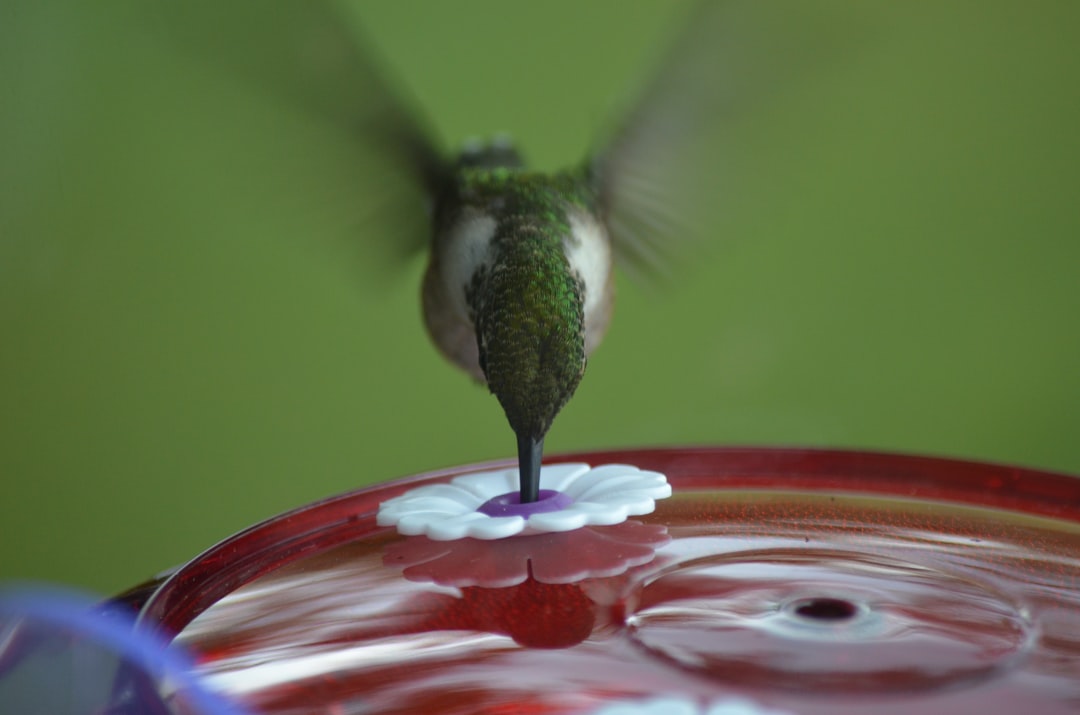
Brown sugar is made by adding molasses to white sugar, and molasses has a high iron content. While iron is good for humans and even birds in tiny amounts, it can be toxic to hummingbirds in larger amounts. Brown sugar, and other sweeteners with high iron content, can cause health issues and even death in hummingbirds. This is particularly concerning because many people assume brown sugar is more “natural” and therefore better for wildlife.
These may not have been sufficiently purified to remove trace amounts of molasses. As we know, molasses is rich in iron; this is helpful to humans but is a toxin to hummingbirds in all but the tiniest, tightly monitored amounts. What seems like a minor ingredient difference can actually be the distinction between providing life-sustaining nutrition and delivering a slow-acting poison to these tiny visitors.
#12 Neglecting Proper Feeder Cleaning
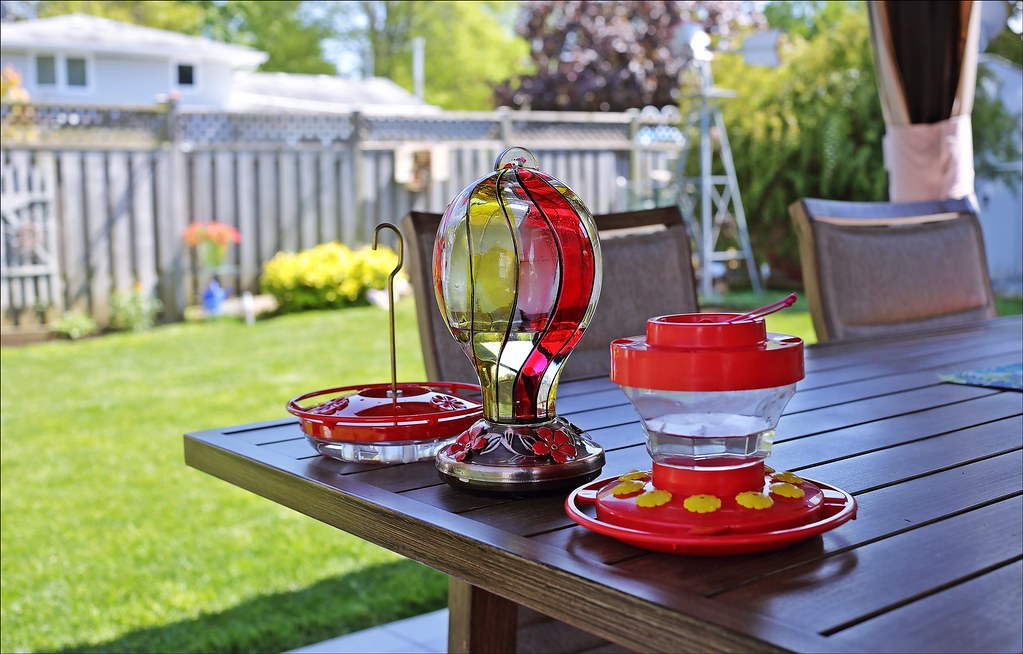
Hummingbird feeders are a little bit of work. They must be cleaned every time you change the sugar water. If you see mold, or if the solution is slimy, you are not changing and cleaning often enough. Think of it like this: every time a hummingbird drinks, they leave trace amounts of saliva in the feeder, just like when your dog drinks from a water bowl.
This is true with feeders. Multiple birds use the feeders and each time they drink, they leave a little of their saliva in it. Add heat from the sun, and in a few days, you have a container of sugar water that is growing bacteria and fungus. Feeders often attract unusually large numbers of hummingbirds to one area – this can be a joy to watch, but also means any fungus or bacteria in the feeder will affect many birds. These infections can cause their tongues to swell and often result in death, a sad outcome for birds and bird lovers.
#11 Placing Feeders Too Close to Windows
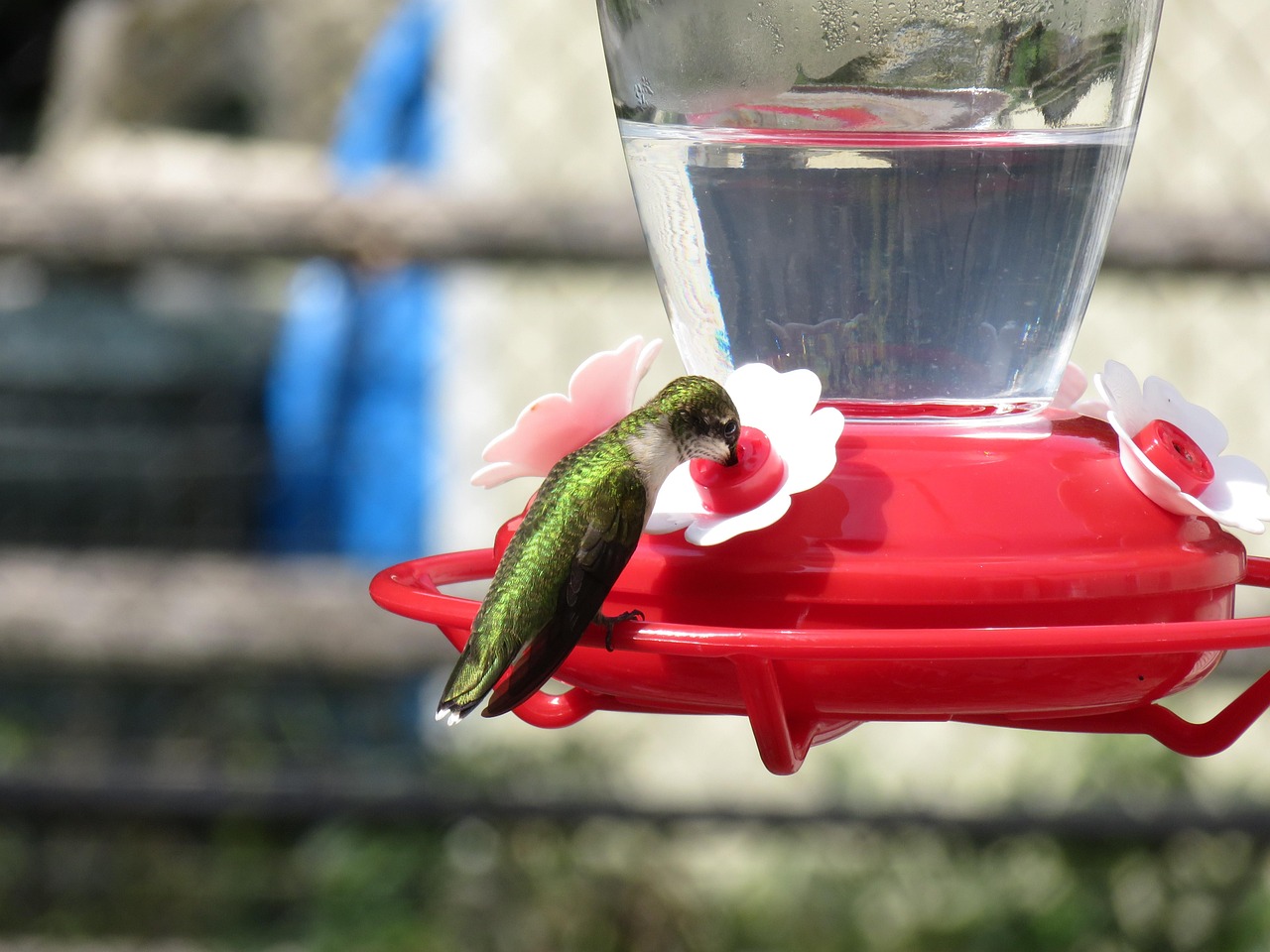
If you put your hummingbird feeder too close to a window, your feathered visitors could crash into the glass. Birds can’t always see windows very well, and territorial birds may attack their own reflection. Window collisions are one of the leading causes of hummingbird injuries and deaths.
However, be aware that window collisions are one of the major killers of hummingbirds, so place feeders either within 3 feet of windows or more than 30 feet away to prevent dangerous collisions. Feeders that attach to windows are dangerous for hummingbirds. It may be fun for you to be that close, but if another dominant bird attacks, a younger bird may strike your window, trying to get away. The convenience of window-mounted feeders simply isn’t worth the risk to these precious creatures.
#10 Leaving Feeders Out During Freezing Weather
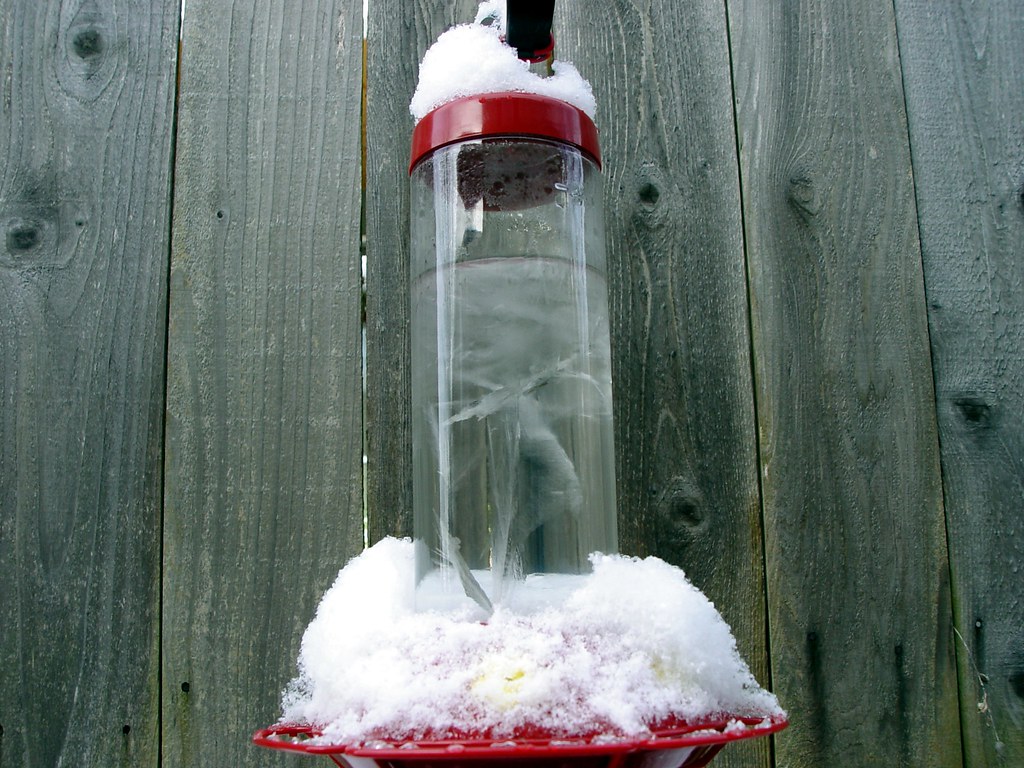
Metal feeders can become moist and cold, leading to rust that can ruin your purchase. Even worse, birds may eat this rust and become sick. Your sugar water can freeze over, leaving disappointed and hungry hummingbirds. Your feeder can also develop icicles, potentially weighing it down and making it fall. Winter feeding requires extra vigilance and commitment.
The problem with this, as Zach Hutchinson explains, is if the temperature drops, the nectar can freeze and become inaccessible to hummingbirds. Feeders that are left empty or left to freeze can also lead to starvation for the birds that have come to rely on them. If you’ve committed to winter feeding, you need to be prepared to bring feeders in during the coldest nights and put them back out first thing in the morning.
#9 Using Only One Feeder
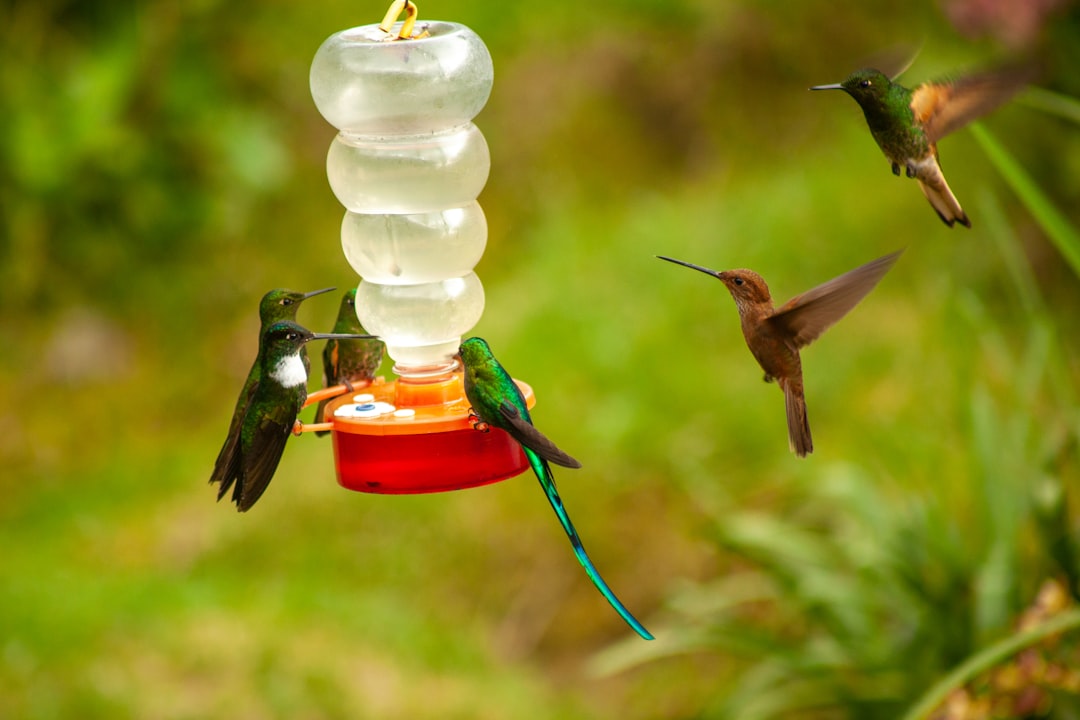
If you’re only setting out one sugar water feeder, a single bully hummingbird might wind up hogging the whole thing. Then, the rest of the hungry hummers in your backyard will have to look elsewhere. By setting out multiple feeders, you make it trickier for that aggressive hummingbird to “defend” both food sources…and the others will thank you! Hummingbirds are notoriously territorial, and dominant individuals can easily monopolize a single feeding station.
Having too many feeders in a small area can lead to aggressive territorial behavior. Space your feeders at least 10-15 feet apart and consider placing them where they’re not visible from one another. This helps reduce competition and allows more birds to feed peacefully. Think of it like having multiple water fountains in a school hallway – everyone gets a turn without the stress of waiting in a long line.
#8 Applying Vaseline or Sticky Substances to Deter Ants
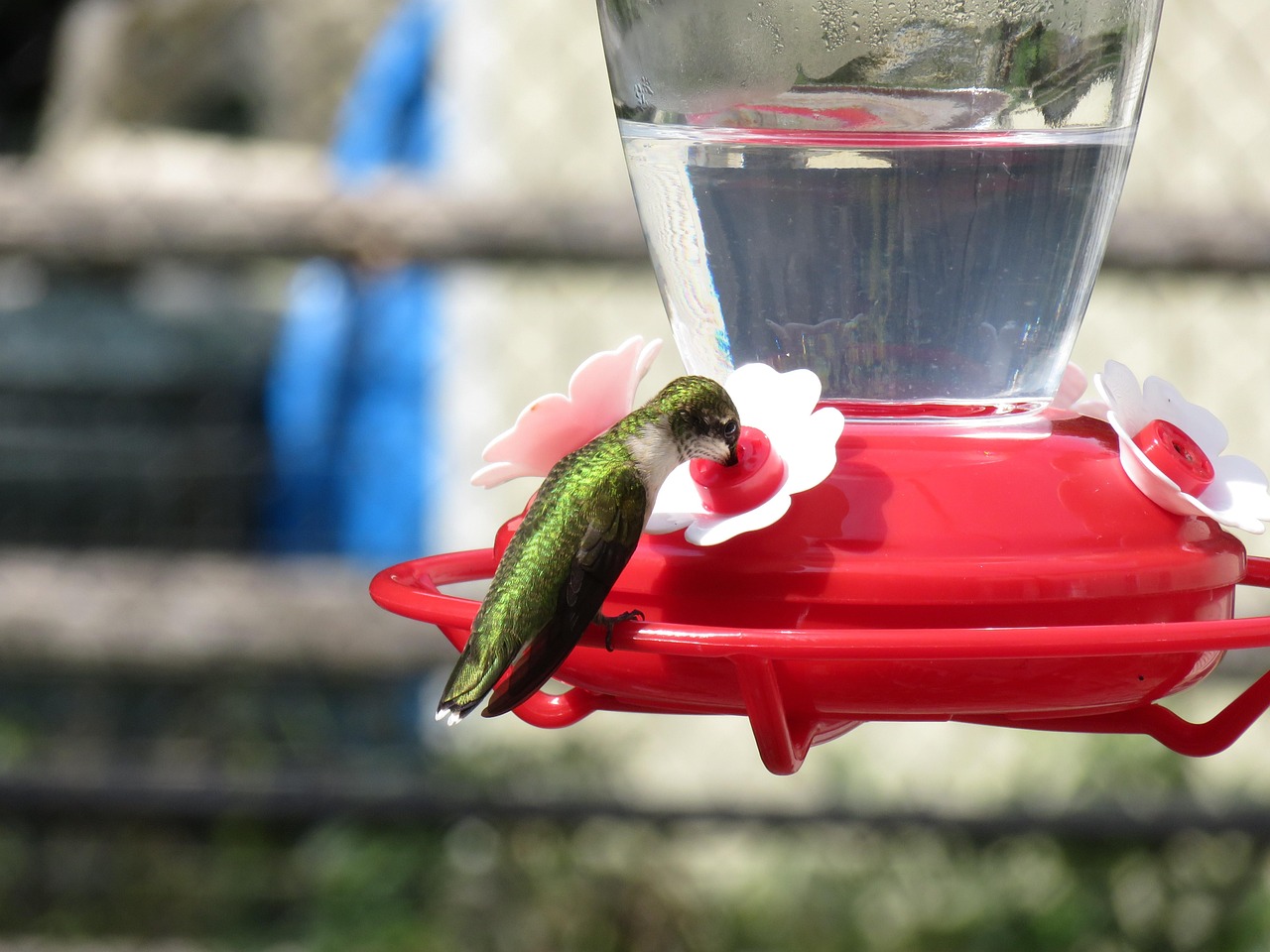
Putting Vaseline on a feeder to discourage ants. Any substance that can cause decreased feather quality should not be used. While the intention is good – nobody wants ants crawling all over their hummingbird feeder – petroleum-based products can seriously damage a hummingbird’s delicate feathers.
When hummingbirds accidentally brush against these substances, their feathers lose their insulating and waterproofing properties. This can be devastating for birds that need to maintain precise body temperature and aerodynamic efficiency for survival. Instead, use proper ant moats filled with water, which create a natural barrier without risking harm to the birds themselves.
#7 Taking Photos Too Close to Nests
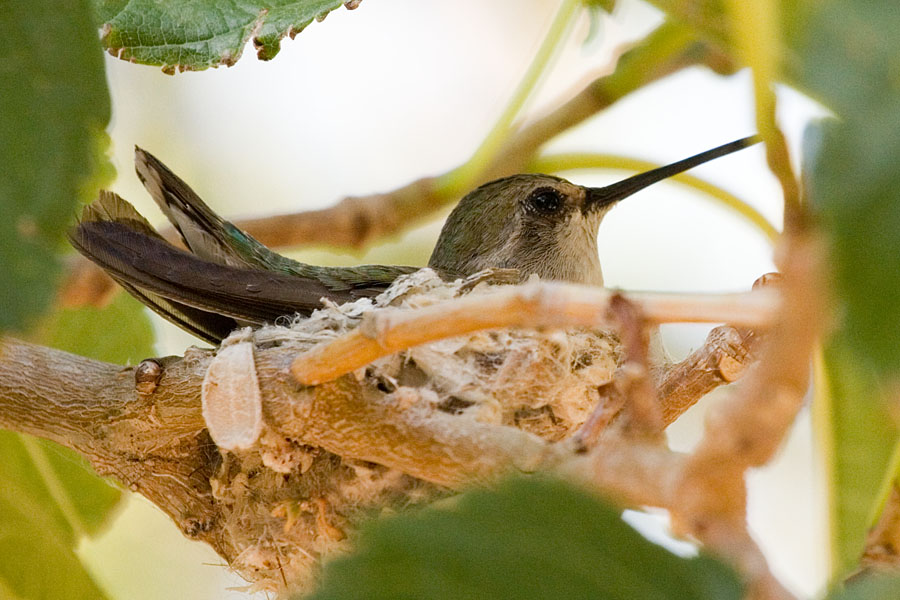
Taking pictures of a nest or using a flash while photographing hummingbirds. Some folks like to take pictures of a mom on a nest. Or of the nest when she is away finding food. She is trying to be stealthy and not attract predators. Humans who keep going over to where she has hidden her eggs/babies, attract unwanted attention. That perfect Instagram shot isn’t worth risking the lives of baby hummingbirds.
Crows are smart, so are squirrels. They both eat baby birds. Please do not give away the location of her nest. Better to only take pictures using a telephoto lens. Mother hummingbirds have evolved elaborate strategies to keep their nests hidden from predators, and human activity can undo millions of years of evolutionary adaptation in a matter of minutes.
#6 Attempting DIY Hummingbird Rehabilitation
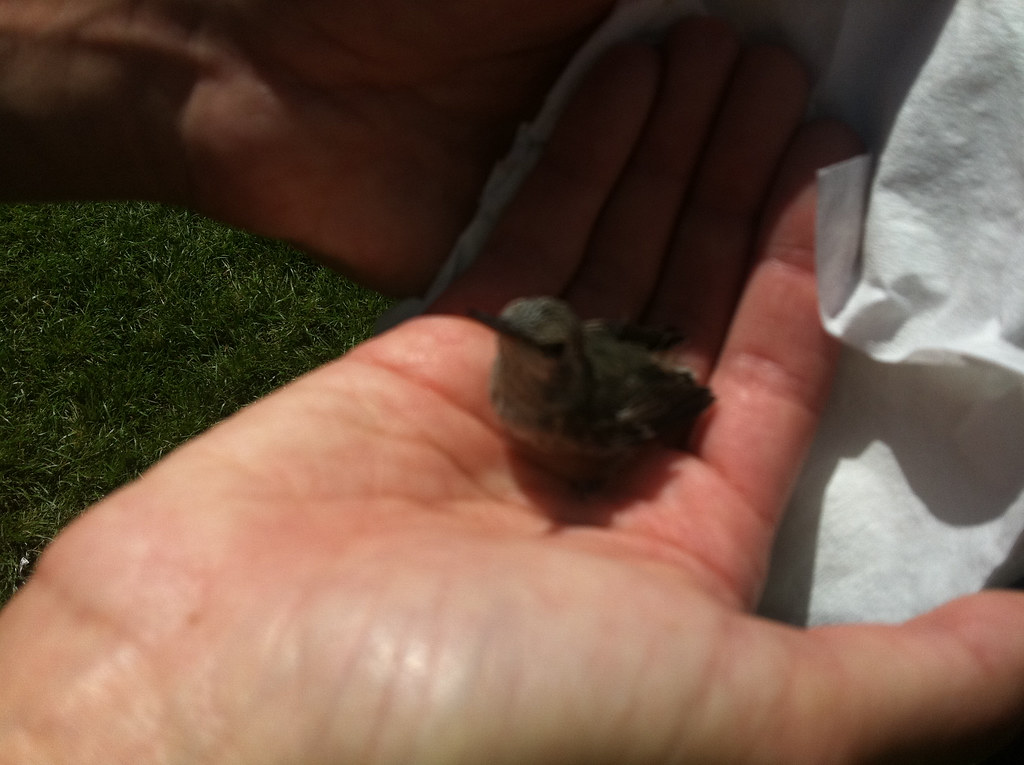
There is so much bad information on the internet. That is why I’m doing this website. It’s been reviewed by other rehabbers to be sure of accuracy. If you watch You Tube videos and research random sites you will find a lot of misinformation that will kill hummingbirds. Social media is full of well-meaning advice that can actually be deadly for injured hummingbirds.
Not all hummingbirds will survive. Very few will make it through any sort of trauma, accident, or disease. Don’t fret if a hummingbird you are trying to save does not survive, as rescue efforts are extremely difficult at best. Even very seasoned hummingbird rehabilitation specialists will agree that hummingbirds are one of the most difficult birds to save in times of crisis. Often, by helping, humans can accidentally hurt the tiny and fragile birds. Hummingbird care and first aid is difficult at best and should be only done by a trained rehabilitator, such as a wildlife expert or veterinarian trained in hummingbird care.
#5 Changing Feeder Locations Frequently
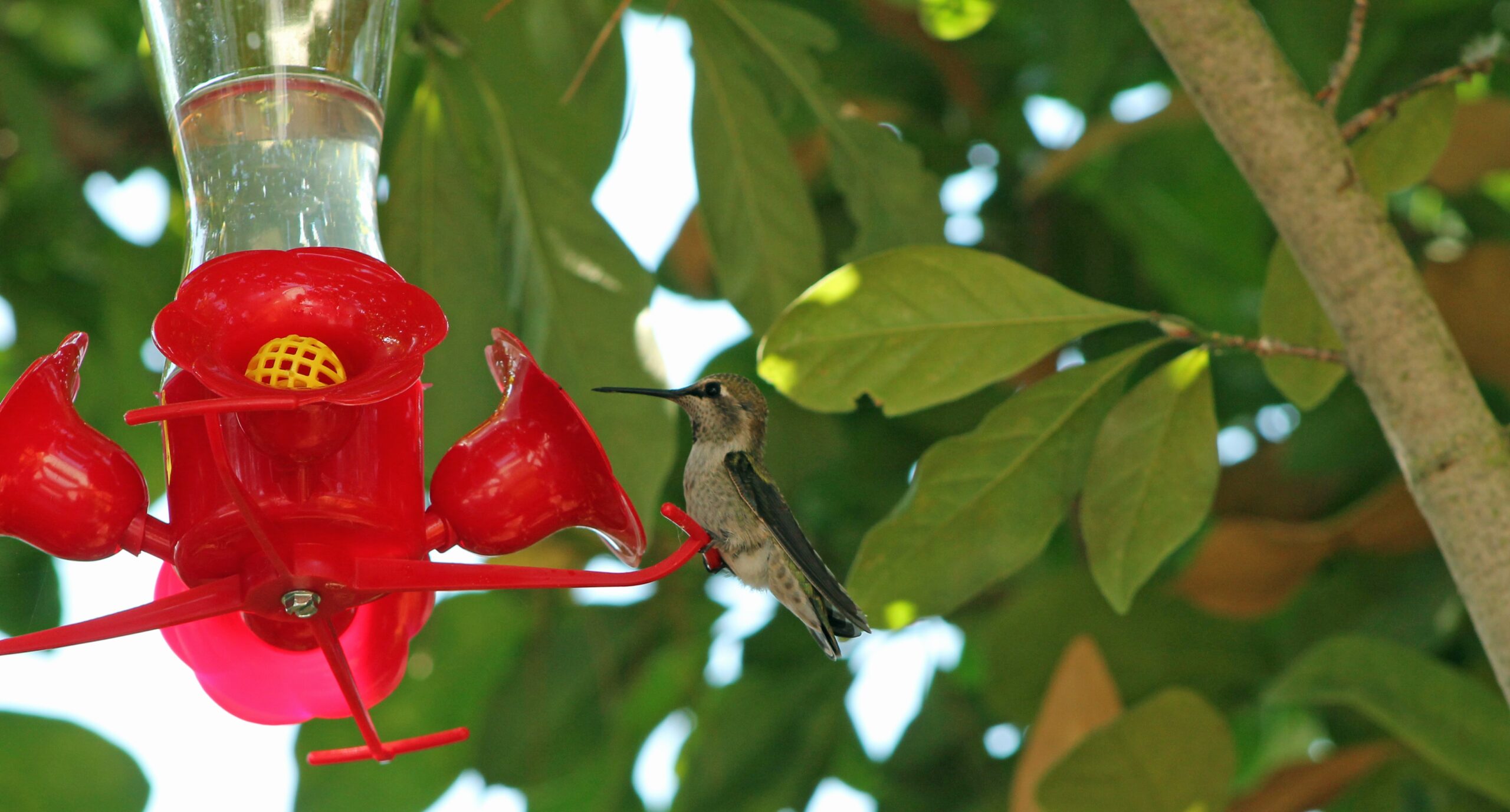
Hummingbirds have excellent memories and will return to reliable food sources. When feeders go empty, especially during migration periods, you risk losing your regular visitors. These high-metabolism birds need constant energy sources, and an empty feeder could force them to seek food elsewhere, potentially disrupting their migration patterns. Consistency is absolutely crucial for these creatures whose survival depends on knowing exactly where to find their next meal.
Remember, consistency is key. Hummingbirds will learn to depend on your feeders, especially during migration periods. By avoiding these common mistakes, you’ll create a safe haven that supports these amazing birds throughout their annual cycle. Moving feeders around your garden might seem harmless, but imagine if your favorite restaurant kept changing locations without telling you – you’d probably find somewhere else to eat!
#4 Trimming Trees During Nesting Season
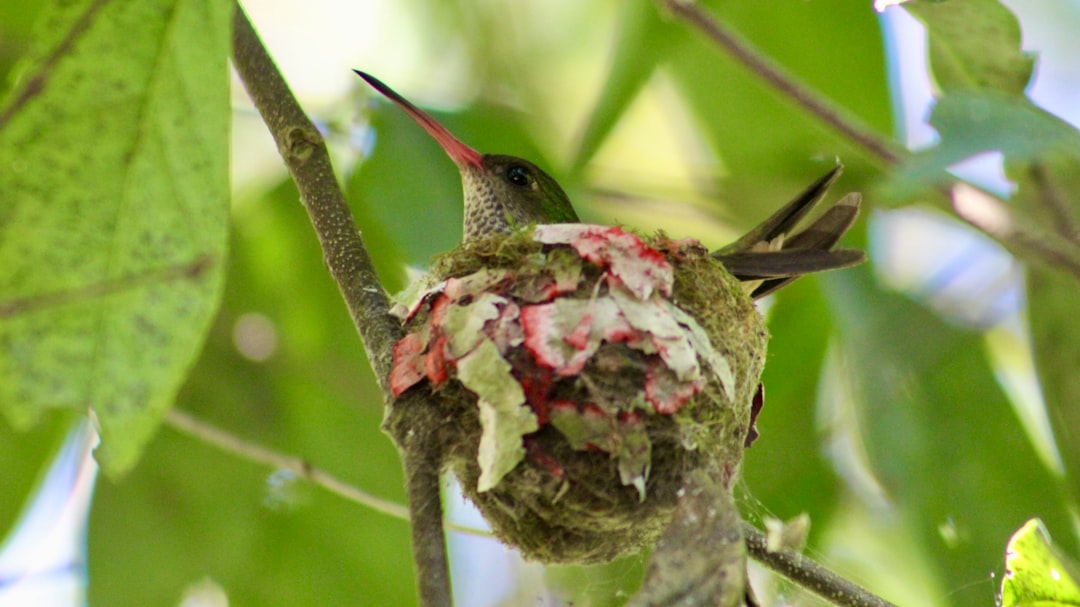
Hummingbirds typically start nesting in April or May (though as early as February in warmer climates) and the last of the young usually fledge by August. The best time to trim trees and bushes in October and November. If you must trim, look carefully for nests. If you are trimming and a hummingbird starts buzzing and dive-bombing you, this is probably the mother trying to get you to stop. Pay attention to her and stop. That aggressive behavior isn’t random – it’s a desperate mother trying to protect her babies.
Hummingbird nests are incredibly small and well-camouflaged, often looking like nothing more than a small knot on a branch. Unlike larger bird nests that are obvious and easy to spot, hummingbird nests require careful inspection to locate. The destruction of even one nest can mean the loss of the next generation, making timing your yard work absolutely critical for conservation efforts.
#3 Using Cheap, Poorly Designed Feeders
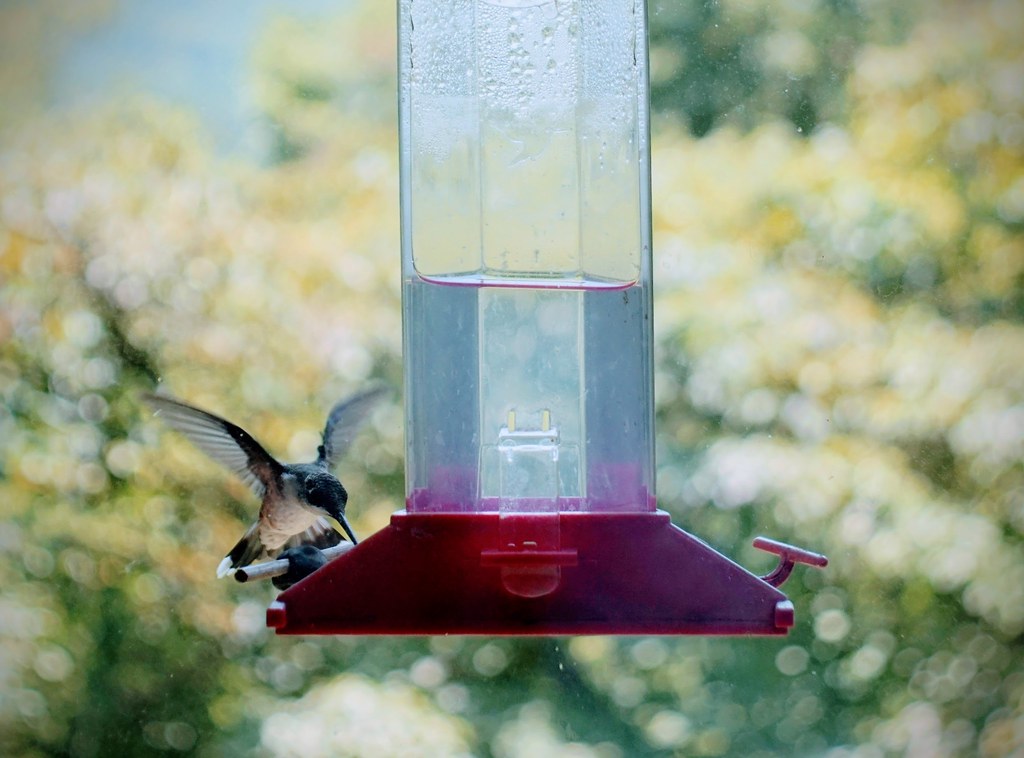
Buying cheap feeders. The best feeders are ones that are easily cleaned, have a built in ant moat, and have a perch. There should be only one perch and it should be 3/4″ from the feeder hole. Ones with very close perches cause the long beak of the bird to sometimes get stuck in the port and they can’t get away. A trapped hummingbird is essentially a death sentence, as these birds can quickly exhaust themselves trying to escape.
Quality feeders are designed with hummingbird anatomy in mind, accounting for their long beaks, small size, and feeding behavior. Cheap feeders often have design flaws that can injure birds or make cleaning impossible, creating bacterial breeding grounds. Investing in a well-made feeder isn’t just about aesthetics – it’s about hummingbird safety and health.
#2 Believing You’re “Rescuing” Fledgling Hummingbirds
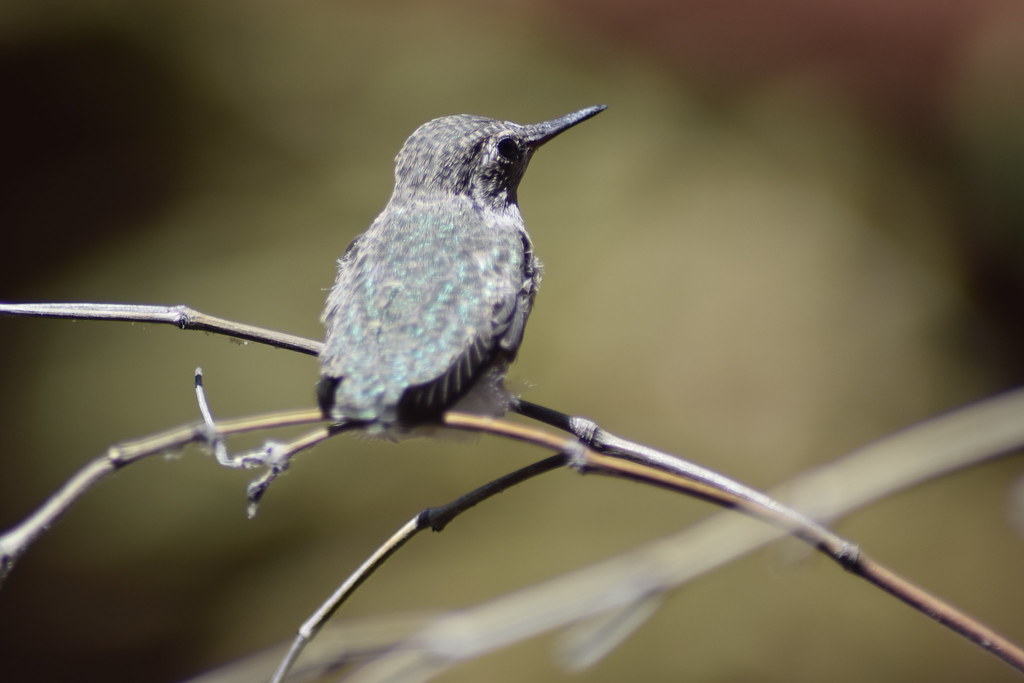
Whatever was near their nest when they jumped (fledged). They are easy to catch and have no fear of humans, or dogs, or cats. Kind hearted folks see a baby hummingbird in any of these places and think they “fell” out of their nest, so they try to re-nest them, or take them in and feed them. (or take it to work with them, or lock it in a room and then go to work, or keep it and feed it the wrong food, which eventually leads to it’s death). The appropriate action is to PUT IT BACK. The mother is there looking for it, waiting to feed it, defend it, and train it.
They need to learn to recognize which flowers contain nectar to give them energy, how to catch bugs, work on strengthening their flight muscles, where to sleep, etc. Mom teaches them these things. Releasing a fledgling without training is a death sentence. They will fly a little ways, then perch and cry, and cry, and cry for their mom, until they die. The heartbreaking reality is that human intervention, no matter how well-intentioned, often separates babies from mothers who are actively caring for them.
#1 Failing to Provide Fresh Water Sources
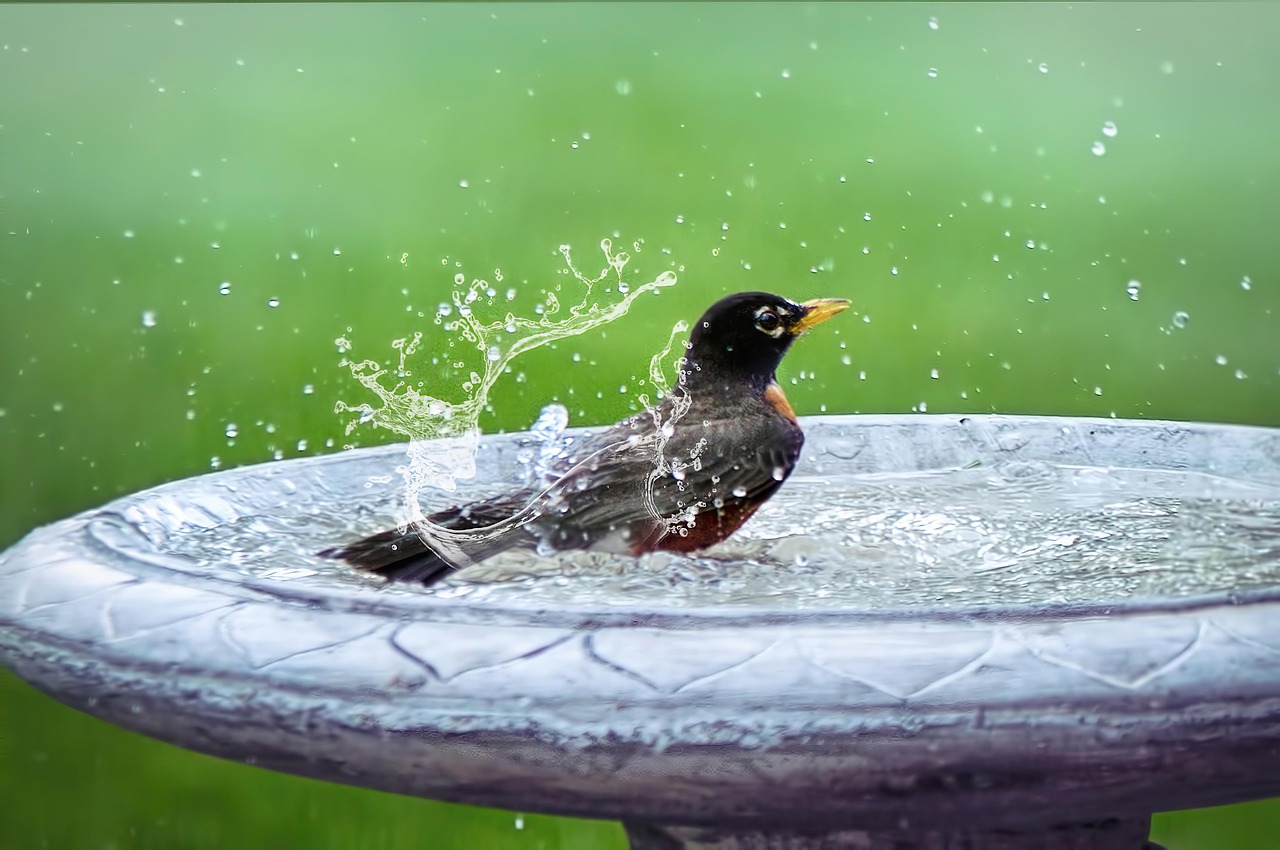
Hummingbirds need more than just nectar – they love to bathe and play in moving water. A misting device or a shallow fountain with moving water can attract these birds and provide them with necessary bathing opportunities. The sound of moving water also helps attract passing hummingbirds to your yard. Many people focus exclusively on nectar feeders while completely overlooking this essential need.
Another thing that birds really really need, especially in summer, is water. Plain old H2O. So if you hang a hummingbird feeder on a hot day, think about skipping the sugar and just adding water. Dehydration can be a greater threat than starvation for many birds. Clean water for drinking and bathing is just as important as nectar for maintaining healthy hummingbird populations in your garden.
Conclusion
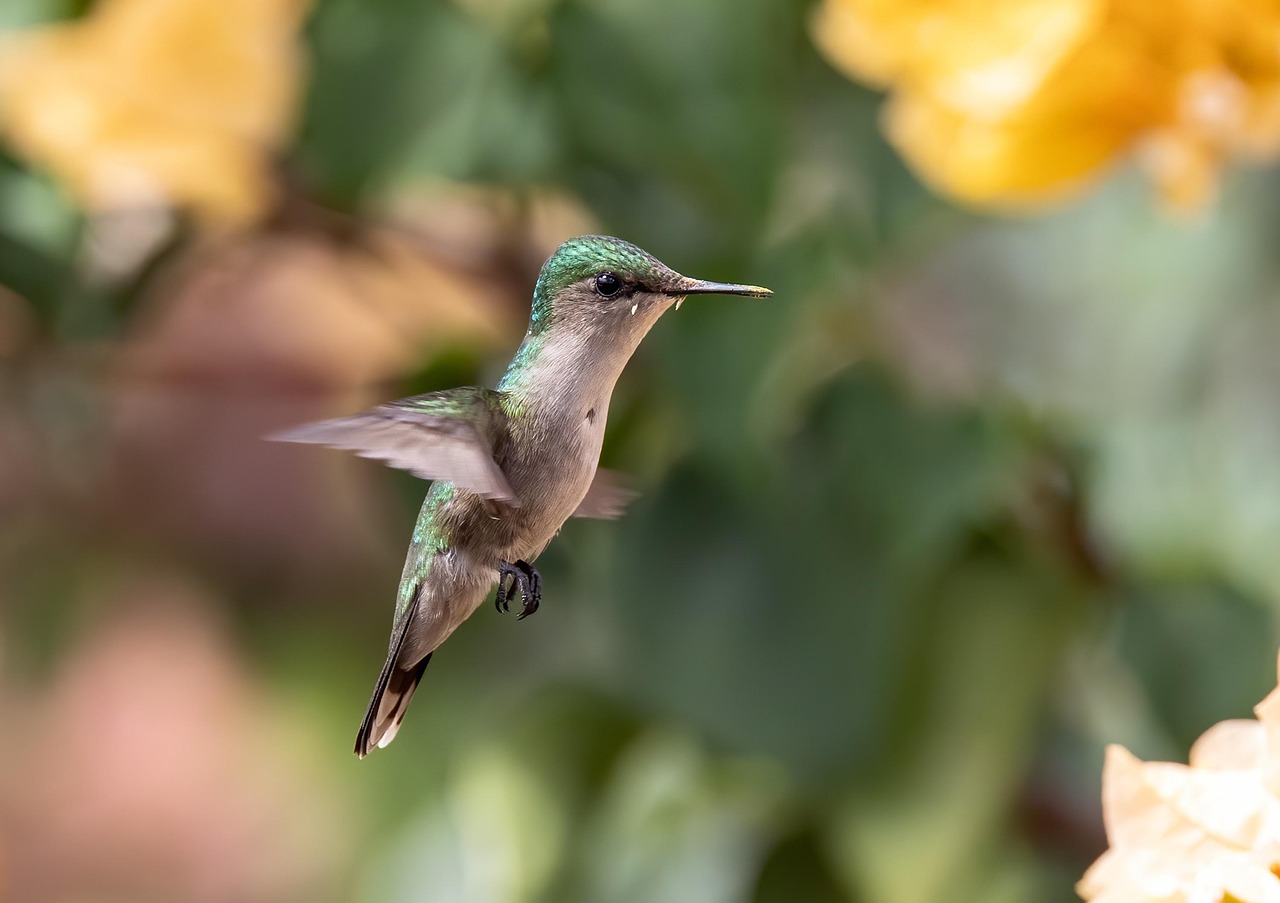
Creating a hummingbird-friendly garden is one of life’s most rewarding experiences, but it comes with real responsibilities. These tiny creatures depend on us to make informed decisions that prioritize their health and safety over our own convenience or aesthetic preferences. The difference between helping and harming these magical birds often comes down to small details that might seem insignificant but can have life-or-death consequences.
The good news is that avoiding these common mistakes doesn’t require expertise or expensive equipment – just awareness and commitment. To do the most good and the least harm, offer plants, avoid pesticides (which have been found to accumulate in the bodies of hummingbirds), avoid trimming trees and bushes during nesting season, and follow these tips if using feeders: Mix one part white table sugar to four parts water. Place feeders far from windows to prevent bird strikes. Clean weekly and more often when temperatures rise.
Remember, the ultimate goal isn’t just to attract hummingbirds to your yard – it’s to create a safe haven that supports their long-term survival and well-being. When you see that first tiny visitor hovering at your properly maintained feeder, you’ll know you’ve made choices that truly honor these remarkable creatures. After all, isn’t knowing you’re helping rather than harming worth far more than any fleeting moment of entertainment?

As a little kid, I fell in love with nature, wildlife, and animals. Living in the USA, South Africa, Italy, China and Germany gave me the opportunity to discover the world's Wildlife. My favorite animals are Mountain Gorillas, Siberian Tigers, and Great White Sharks.
I'm a certified PADI Open Water Diver, went to Everest Base Camp and Trekked Gorillas in Uganda. I hold a Master of Science in Economics and Finance.
Please send any feedback to feedback@animalsaroundtheglobe.com
- 13 Cat Breeds That Get Along with Dogs - July 20, 2026
- The 12 Largest Dog Breeds That Still Love to Cuddle - July 20, 2026
- 12 Pet Habits That Secretly Mean They Love You - July 20, 2026