

There’s a common assumption that older dogs are simply meant to slow down. They sleep more, walk a little shorter, and seem less interested in the game of fetch they once loved. While some of that is natural aging, a surprising amount of the slowdown comes down to nutrition, specifically what’s missing from a standard diet.
While a balanced diet goes a long way in supporting overall health, aging dogs often have special needs that a standard diet may not fully address. The right combination of targeted nutrients can shift things dramatically, restoring stamina, mental clarity, and that spark that makes a dog feel like themselves again. Here are the 15 nutrients that genuinely make the difference.
1. High-Quality Protein for Muscle Maintenance
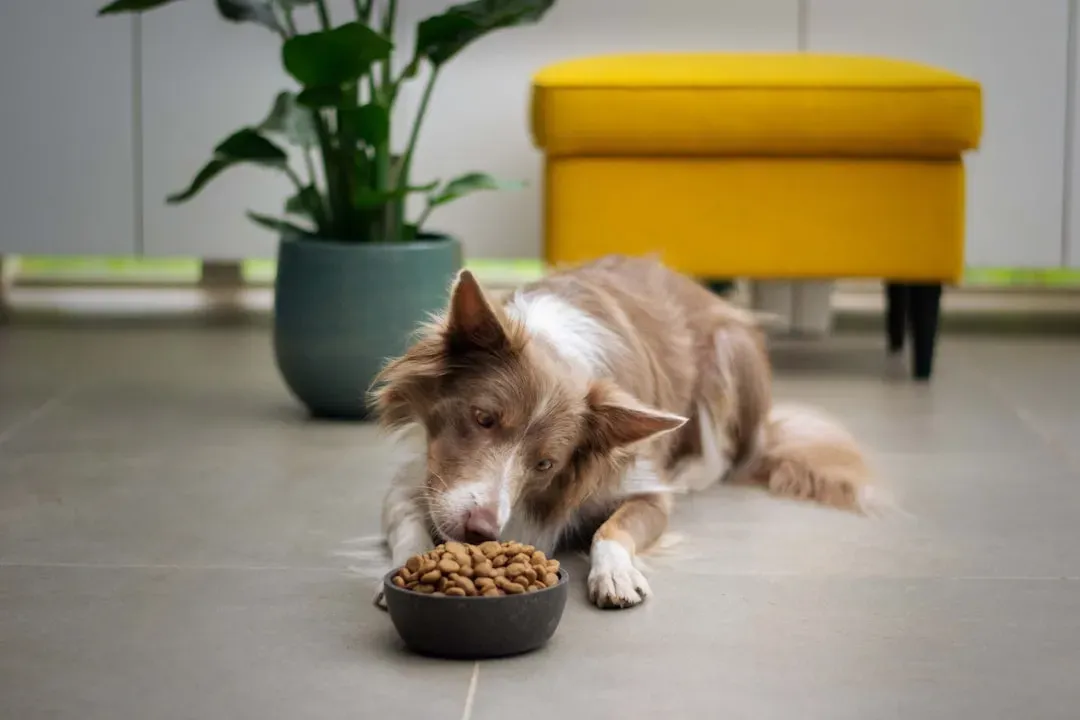
Muscle loss is one of the quieter consequences of aging in dogs, and it drains energy faster than most owners realize. When muscles weaken, movement becomes harder and fatigue sets in sooner.
FEDIAF suggests increasing dietary protein, when not medically contraindicated, to support lean body mass, because older dogs have increased protein turnover, necessitating the need for more protein.
Senior dogs, contrary to standard advice, actually require higher ratios of protein to retain muscle mass as they get older. Protein is rich in essential amino acids, vitamins, and minerals that contribute towards healthy muscles, optimal organ function, and balanced immunity.
Chicken, turkey, salmon, beef, lamb, eggs, and organ meats like heart, liver, and kidney all provide amino acids needed for muscle maintenance. Prioritizing digestible, high-quality sources makes a real difference at this life stage.
2. Omega-3 Fatty Acids (EPA and DHA)

If there is one supplement with the strongest evidence base for senior dogs, it is omega-3 fatty acids, specifically EPA and DHA derived from fish oil or algal oil. EPA and DHA have well-documented anti-inflammatory properties, supporting joint health, brain function, healthy skin, heart health, and kidney function.
Long-chain polyunsaturated omega-3 fatty acids like EPA and DHA are great for older dogs with arthritis or cognition problems. These fatty acids are derived from fish oil, or shellfish such as green-lipped mussels. The addition of omega-3 to the diet may help reduce inflammation in joints and can also promote cell membrane health.
Less joint pain means more willingness to move. More movement means more energy. It’s a straightforward chain of effect that makes omega-3s indispensable in a senior dog’s diet.
3. Medium-Chain Triglycerides (MCT Oil)
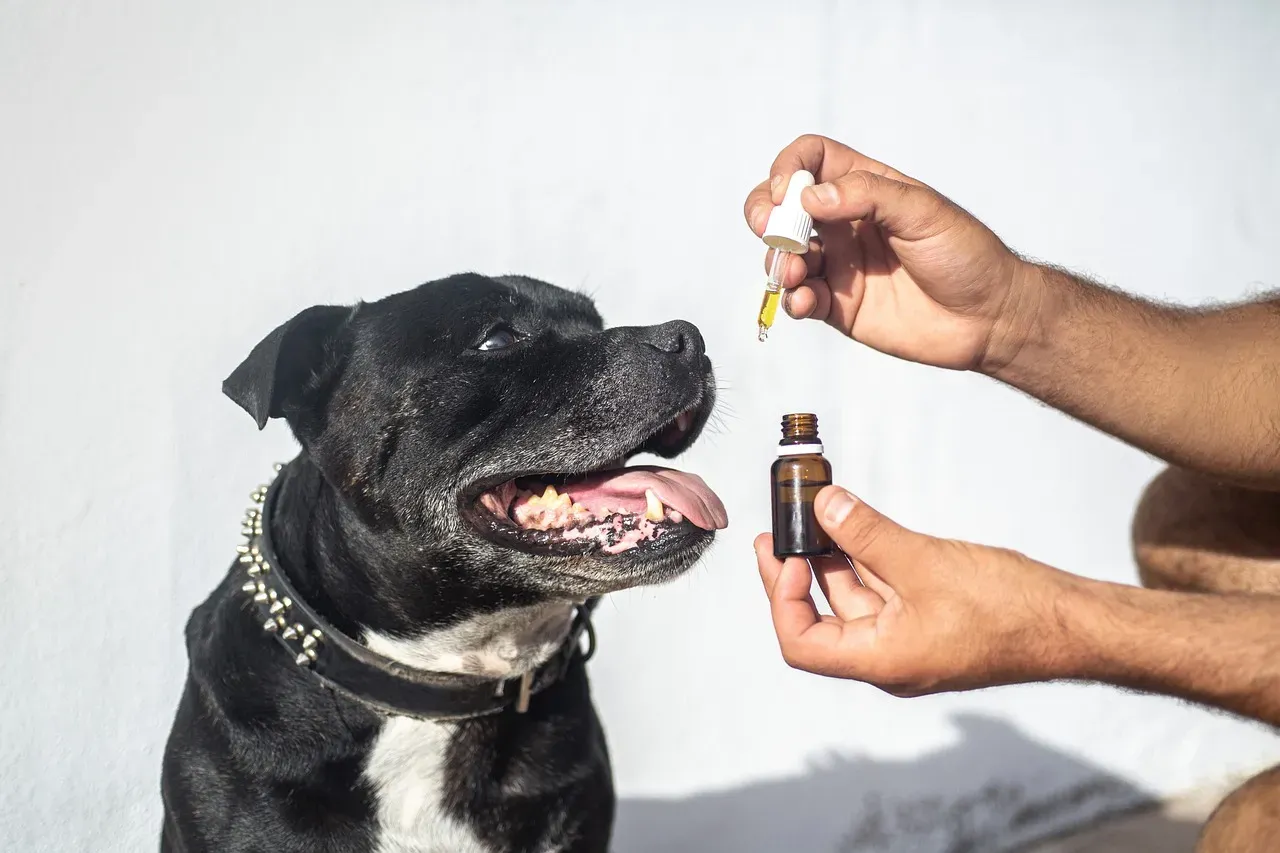
A notable breakthrough in senior dog nutrition is the use of medium-chain triglyceride oils (MCT oils) to support cognitive health. Starting at around age seven, a dog’s brain begins to lose its ability to use glucose as its primary energy source, which can adversely affect memory, learning, awareness, and decision-making. MCT oils provide the brain with an alternative energy source, and studies have shown diets containing these ingredients can help improve an older dog’s cognitive functioning.
Caprylic acid is converted to ketones after being absorbed from the digestive tract, and these ketones cross the blood-brain barrier, making them readily available as a quick energy source for the brain. This is vital for senior dogs, who have trouble breaking down glucose as they age.
Capric acid also provides dogs with extra energy by working at the cellular level to support the production of mitochondria, the powerhouse of the cell, meaning more mitochondria equal more power for the aging dog’s brain.
4. B Vitamins for Energy Metabolism

The B vitamins, including B1 (thiamine), B6, and B12, support energy production and nervous system function. These are crucial for maintaining alertness and activity levels in aging dogs.
Thoughtful supplementation, such as B vitamins for energy and brain health or omega-3s for inflammation, can help older pets maintain their vitality and comfort well into their golden years.
Beyond boosting energy, B vitamins help with red blood cell formation, proper digestion, and even coat quality. This makes them one of the most broadly useful nutrients in a senior dog’s toolkit, supporting everything from the inside out.
5. Glucosamine for Joint Mobility

A dog that hurts moves less. A dog that moves less loses fitness. Glucosamine breaks that cycle by protecting the cushioning between joints. Glucosamine maintains cartilage health, alleviates osteoarthritis symptoms, and supports joint mobility, and it is widely recommended by veterinary professionals for older dogs experiencing stiffness or reduced mobility.
Glucosamine, chondroitin, and green-lipped mussel may help protect cartilage in the joints. If your dog is already suffering from osteoarthritis, adding a joint supplement with these ingredients could help them return to normal functioning. Joint supplements are often used as an early intervention and throughout the progression of arthritis because they are safe for long-term use in most patients.
6. Chondroitin Sulfate
Chondroitin works as glucosamine’s close partner in joint health. Where glucosamine supports the rebuilding of cartilage, chondroitin helps prevent its breakdown, essentially protecting what’s already there.
Green-lipped mussel contains a treasure trove of essential nutrients for animals, including glycosaminoglycans such as chondroitin sulfate and glucosamine, which are vital for joint health.
Supplements combining glucosamine, chondroitin, MSM, and turmeric support joint function, reduce inflammation, and improve mobility. Improved mobility translates almost directly into improved daily energy, since a comfortable dog is an active dog.
7. Vitamin E as an Antioxidant Powerhouse

Vitamin E is a powerful antioxidant that helps protect a dog’s cells from damage caused by free radicals. In senior dogs, cellular stress accumulates over years and contributes to fatigue, organ decline, and immune weakness.
Antioxidants are another critically important supplement. Scientific studies have shown that, when combined with behavioral enrichment, antioxidants can improve memory and cognitive function in senior dogs.
Vitamins A, C, and E together offer important antioxidant benefits to protect against damage from free radicals and support the immune system. Vitamin E specifically supports skin health and immune response, two areas that visibly decline when it’s deficient.
8. Vitamin C for Immune Resilience

Dogs can produce some Vitamin C on their own, but this capacity diminishes noticeably with age. Supplementing it becomes increasingly worthwhile as a dog enters their senior years.
As an antioxidant, vitamin C can help support immune health and cellular repair, which is why this nutrient is typically found in senior dog vitamins aimed at longevity and wellness.
Supplements such as vitamins C and E can be added to a dog’s food, or fruits and vegetables high in antioxidant content can be used as training treats or snacks. Berries like blueberries, raspberries, and blackberries are near the top of the list of antioxidant-rich foods, and all will add beneficial prebiotic fibers as well.
9. Taurine for Heart and Cardiovascular Function
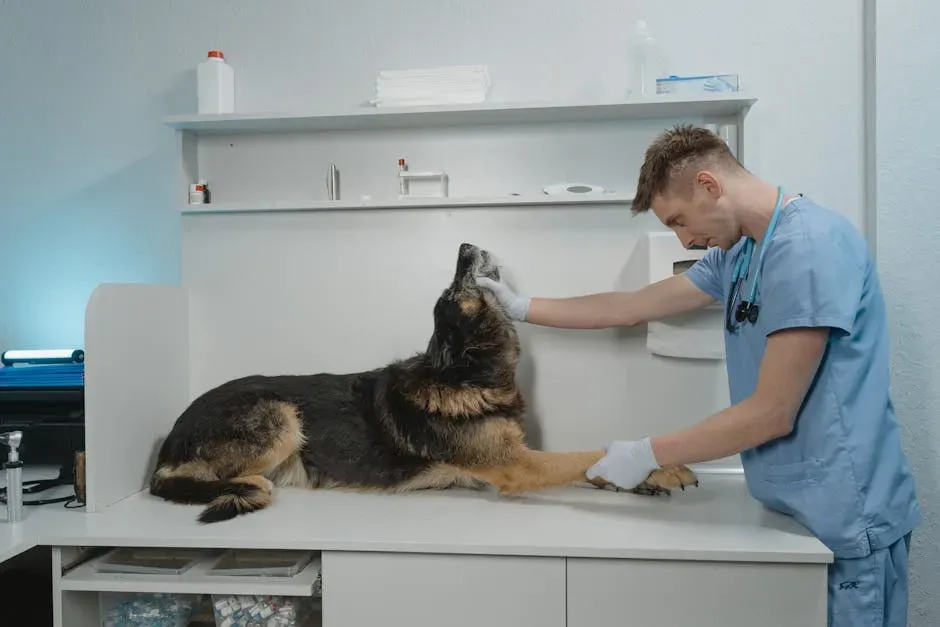
Heart health and energy levels are closely linked. When the cardiovascular system struggles, oxygen delivery to muscles drops, and fatigue follows. Taurine is one of the key nutrients that keeps that system running smoothly in older dogs.
Taurine is an essential amino acid that is vital to everyday health, especially the heart and cardiovascular functions.
Extra-strength senior formulas are made with additional nutrients, including essential amino acids and taurine, for an even more robust multivitamin profile. For larger breeds and giant breeds especially, cardiac support through targeted nutrients like taurine becomes a genuine priority as they age.
10. Probiotics and Digestive Enzymes

Nutrients are only as good as the gut’s ability to absorb them. Senior dogs frequently develop digestive inefficiencies that reduce how much they actually benefit from even a well-formulated diet.
Many senior dogs experience digestive issues, including bloating, diarrhea, and constipation. Supplements containing probiotics, digestive enzymes, and prebiotics support gut health and nutrient absorption.
Probiotics work to balance gut bacteria, help restore intestinal lining, and are vital to healthy immune function. Beneficial bacteria within the gut contributes to effective digestion and a healthy gut environment that is intrinsically linked to the body’s other systems.
Beyond probiotics, digestive enzymes can help senior dogs whose pancreatic enzyme production has declined with age. Better digestion means better nutrient uptake from every single meal.
11. Zinc and Essential Minerals

Trace minerals tend to get overlooked in conversations about senior dog nutrition, yet they quietly influence nearly every biological process in the body.
Minerals including calcium, phosphorus, iron, and zinc all help to support bone structure, muscle and nerve function, thyroid function, skin health and structure, and the production of red blood cells.
Senior-specific multivitamins typically include B-complex vitamins for energy and metabolism, vitamins A, D, E, and K at appropriate levels, and essential minerals like zinc, selenium, and manganese. These trace elements support thyroid regulation, which in turn governs how efficiently the body converts food into usable energy.
12. Vitamin D3 for Bone and Muscle Support

Vitamin D3 plays a quietly foundational role in a senior dog’s ability to stay strong, mobile, and active. Without adequate levels, bone density drops and muscle weakness sets in gradually.
Vitamin D3 helps the body to absorb, retain, and use calcium, which supports strong, healthy bones.
Vitamins and minerals support energy metabolism, organ function, immune health, and overall vitality. Essential vitamins for senior dogs include A, D, E, and the B vitamins including B1, B6, B12, niacin, and riboflavin. D3 sits at the intersection of bone integrity and muscle performance, making it a non-negotiable part of a senior-specific diet.
13. Green-Lipped Mussel
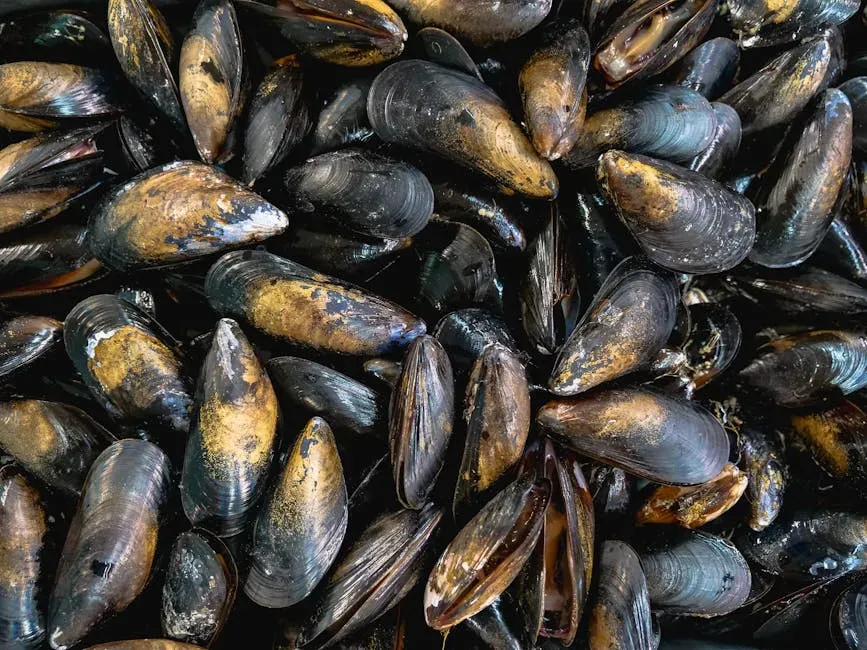
This New Zealand shellfish deserves its own category. It delivers a uniquely broad spectrum of nutrients in a single natural source, making it a standout addition to any senior dog’s regimen.
Green-lipped mussel contains fatty acids including EPA, DHA, and ETA, which support brain, heart, joint, skin, and immune system health. Its potent anti-inflammatory properties come from EPA, DHA, and ETA together. Eicosatetraenoic acid (ETA) blocks a different inflammatory pathway in dogs than EPA or DHA, giving green-lipped mussels a distinct advantage over many other fish oil-based supplements.
Green-lipped mussels deliver balanced nutrients including glucosamine, chondroitin, and EPA and DHA for joint comfort and anti-inflammation. Few single ingredients come close to matching that combination.
14. Biotin and Methionine for Cellular Energy and Brain Health

These two nutrients often fly under the radar in senior dog discussions, yet both are closely tied to daily energy and cognitive function.
Biotin and methionine perform many functions in the body, supporting cognitive function and brain health, healthy energy levels, and balanced behavior.
B vitamins including folic acid, biotin, and niacin support mood, memory, and cellular health in dogs. Methionine also plays a role in liver detoxification, which becomes increasingly important as the liver’s workload grows with age. A dog whose cellular machinery runs cleanly simply has more energy to give.
15. Vitamin A for Vision, Immunity, and Skin
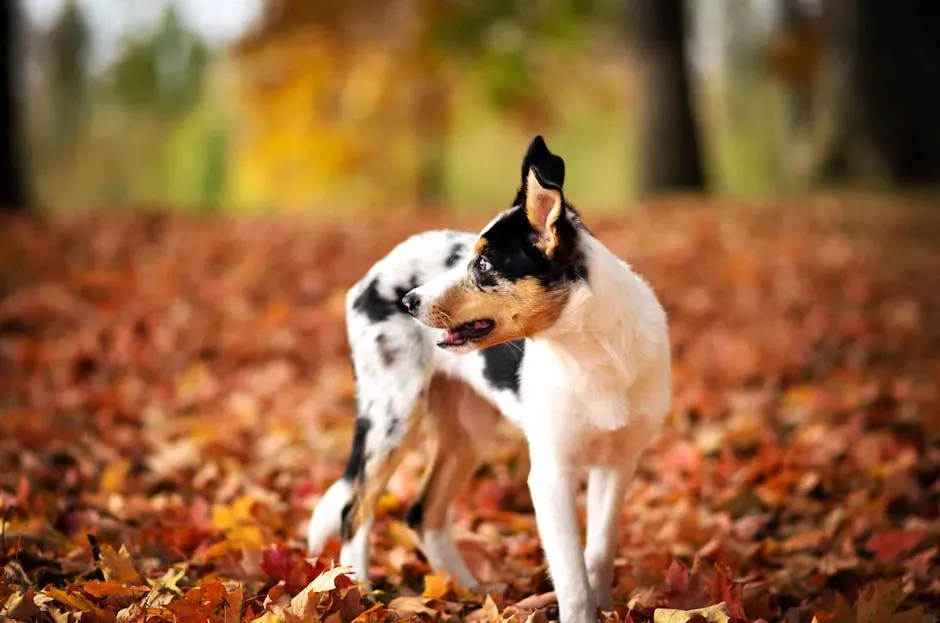
Vitamin A is one of the foundational vitamins in any senior dog’s diet, touching everything from eyesight to immune defense to coat condition.
Vitamin A plays a role in maintaining healthy vision, skin, and coat, and also supports immune function, which naturally declines as dogs age. While most dog foods contain this essential vitamin, it may be worth supplementing in older dogs who need extra support.
Vitamins A, C, and E offer important antioxidant benefits to protect against damage from free radicals and support the immune system. A well-functioning immune system conserves energy by not having to work overtime against minor threats, which means more of that energy is available for movement, play, and daily vitality.
Putting It All Together: A Smarter Approach to Senior Dog Nutrition
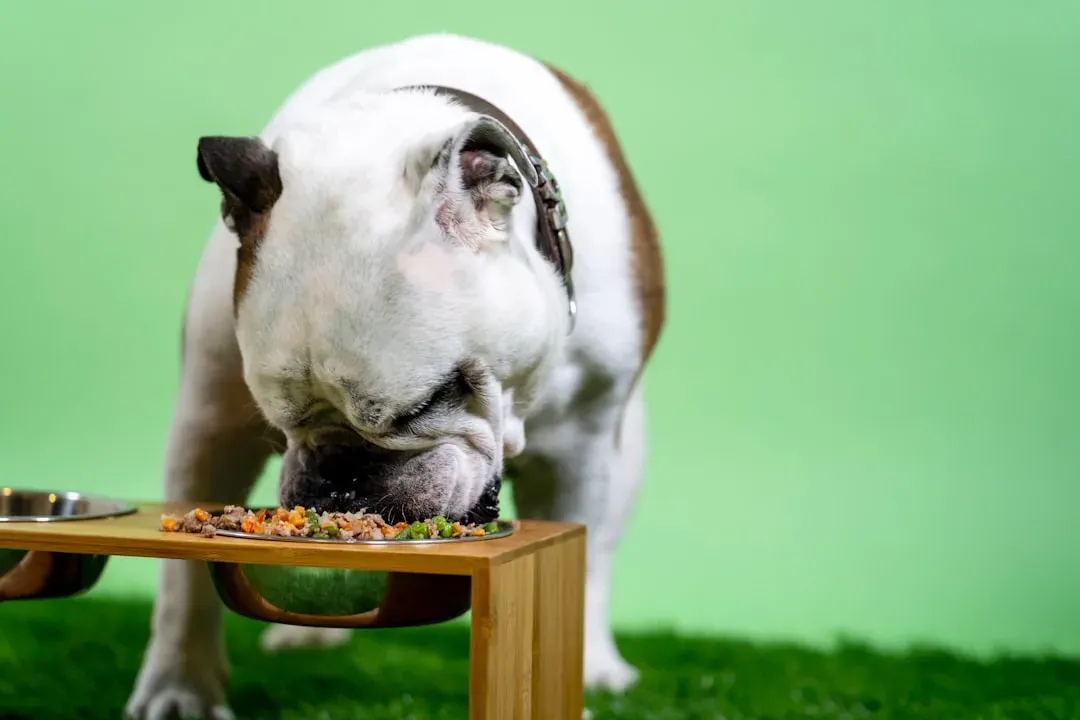
No single nutrient transforms a senior dog overnight. The real shift happens when several of these work together, each addressing a different gap that a generic standard diet tends to leave open.
Nutrition plays a significant role in helping senior dogs stay active, comfortable, and healthy. Senior dogs need adjusted nutrition to support slower metabolism, healthy weight, digestion, and vital organ function.
Through thoughtful supplementation, senior dogs can enjoy better joint function, sharper cognition, stronger immunity, and enhanced vitality. The key word there is thoughtful. More is not always better, and supplements may help with joint health, cognition, digestion, and more, but should be used cautiously and with veterinary guidance.
Getting a few targeted nutrients right can genuinely change what an older dog’s day looks like. Less stiffness in the morning. More interest in a walk. Better sleep. A brighter look in the eye. That’s not a small thing. For the dogs who give so much over a lifetime, it’s precisely the kind of return worth making.
