
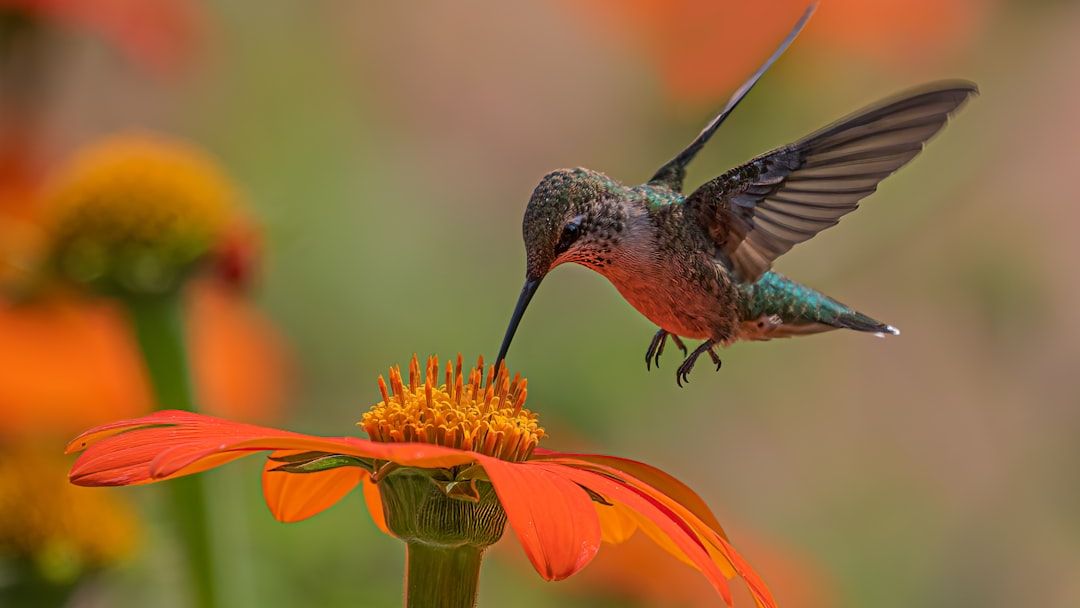
You put up the red feeder. You planted petunias. You waited. And they came once, maybe twice, then disappeared like you’d imagined the whole thing. Here’s what nobody tells you: hummingbirds aren’t being picky just to frustrate you. They’re running one of the most demanding metabolisms in the animal kingdom – hearts beating over 1,200 times a minute, wings blurring at up to 80 beats per second – and most backyard gardens are quietly failing them in a dozen small ways at once.
What actually keeps them coming back has almost nothing to do with the obvious stuff. It’s the weird, specific, easy-to-overlook details that separate a garden they visit from one they live in. Some of these cost nothing. Some take five minutes. And a few will genuinely surprise you – because they surprised the people who figured them out first. Let’s get into it.
#1 – A Tiny Hummingbird Swing Near Prime Nectar
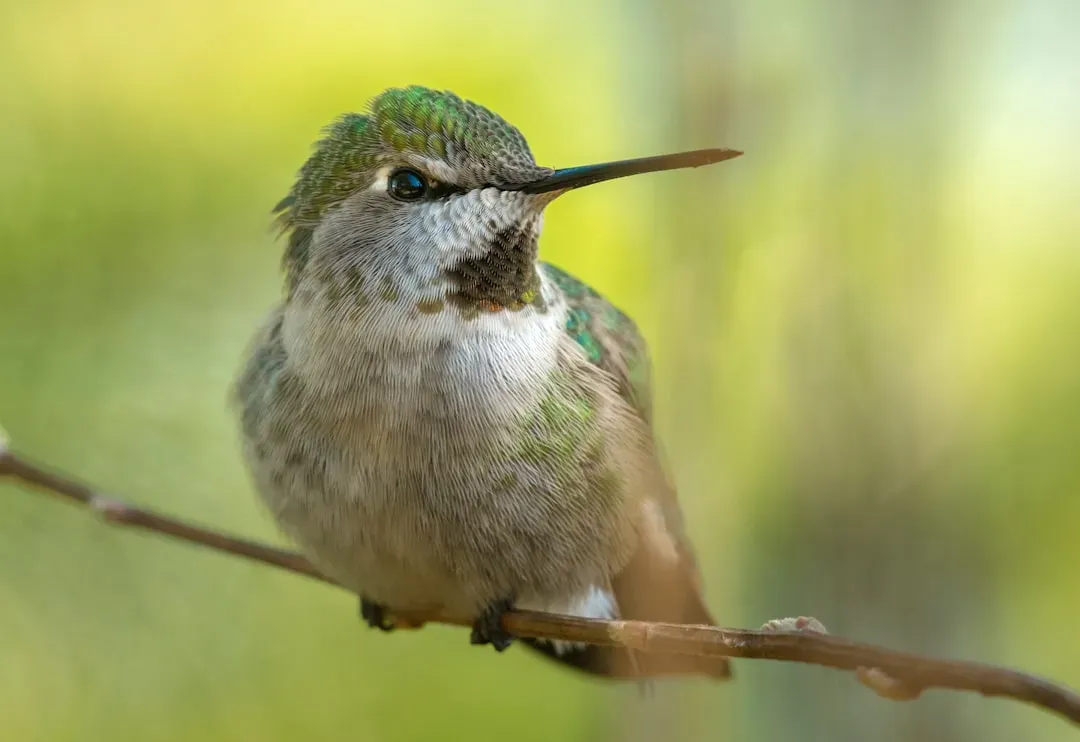
This single item consistently turns occasional fly-bys into daily regulars, and almost nobody thinks to add it. Hang a small, lightweight swing or thin wooden perch just a few inches from your best feeder or densest flower cluster. The bird claims it as a personal lookout tower, hovering back to that exact spot between feeding runs like a tiny, iridescent landlord surveying its territory.
The reason it works so well is behavioral, not decorative. Hummingbirds are fiercely territorial and need a secure elevated rest point to monitor their food source – without one, they feed and flee, never fully settling. Give them that anchor point and suddenly your garden isn’t just a stop on the route. It’s home base. Pair it with even a handful of the other items on this list and you’ve built something most gardeners spend years accidentally stumbling toward.
Fast Facts
- Hummingbirds visit food sources dozens or even hundreds of times per day to maintain energy levels.
- They actively perch and rest between feeding bouts to conserve energy – hovering is expensive.
- A dedicated perch within inches of a feeder turns a drive-through visit into an all-day stay.
- Territorial males will defend a prime swing-and-feeder combo from rivals for an entire season.
#2 – No Pesticides So Insects Remain Available
Most people think of hummingbirds as nectar drinkers. They are – but they’re also hunters. Every single day, they need to catch tiny insects and spiders to get the protein and fat their diet absolutely cannot survive without. Nectar is jet fuel. Insects are the engine parts. Skip one and the whole machine breaks down, especially for breeding females and growing chicks.
The moment you spray insecticides anywhere near your nectar plants, you’ve quietly removed half their food supply. They can sense the difference, and they move on to yards that haven’t. Swap in native plants and they’ll attract exactly the right small insects naturally – gnats, aphids, tiny flies – without any effort on your part. A garden that feels slightly wild in the corners is, to a hummingbird, a garden that actually feeds them.
#3 – A Continuous Bloom Schedule Across Every Season
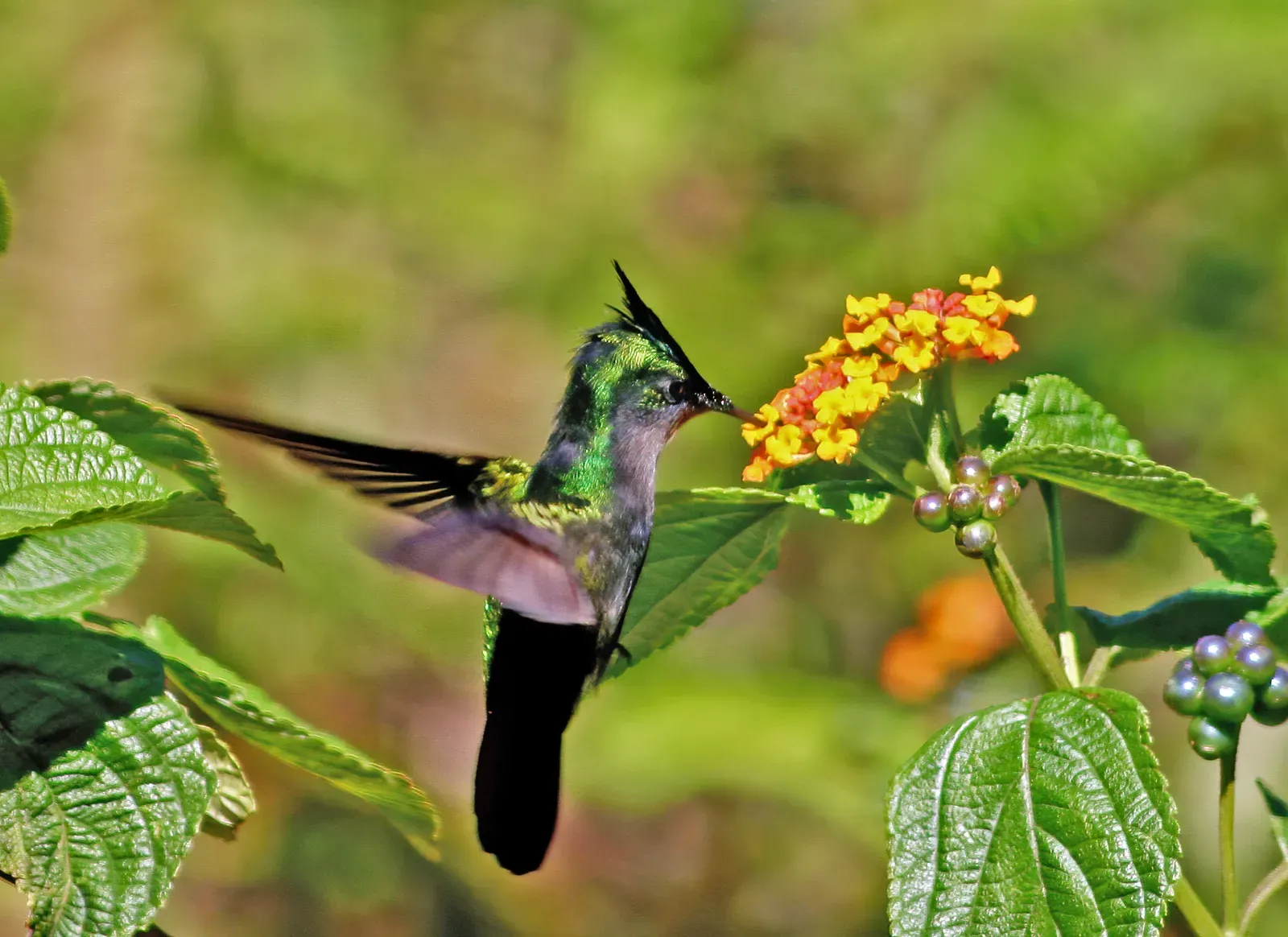
A gap in flowers isn’t an inconvenience to a hummingbird – it’s an eviction notice. When the blooms run out, even birds that have spent weeks claiming your yard as territory will vanish within days. The fix isn’t planting more of the same thing. It’s intentional staggering: early columbine in spring, bee balm and salvia through summer, then late-season jewelweed and cardinal flower carrying them into fall migration.
The overlap matters more than the total number of plants. You want the next wave coming in before the current one fades. A simple notebook or phone calendar tracking your plants’ peak bloom windows costs nothing and completely changes how your garden functions across the year. Territorial birds that might otherwise drift away mid-season stay put when they know the food doesn’t stop. They remember. They come back next year too.
Quick Compare: Native Nectar Plants by Season
- Early Spring: Columbine, Wild Blue Phlox – first food for returning migrants
- Late Spring–Summer: Bee Balm, Cardinal Flower, Salvia – peak territorial season
- Late Summer–Fall: Jewelweed, Trumpet Honeysuckle – critical migration fuel
- Bonus: Native varieties consistently carry more nectar volume than garden hybrids
#4 – Firecracker Plants and Cuphea in Pots
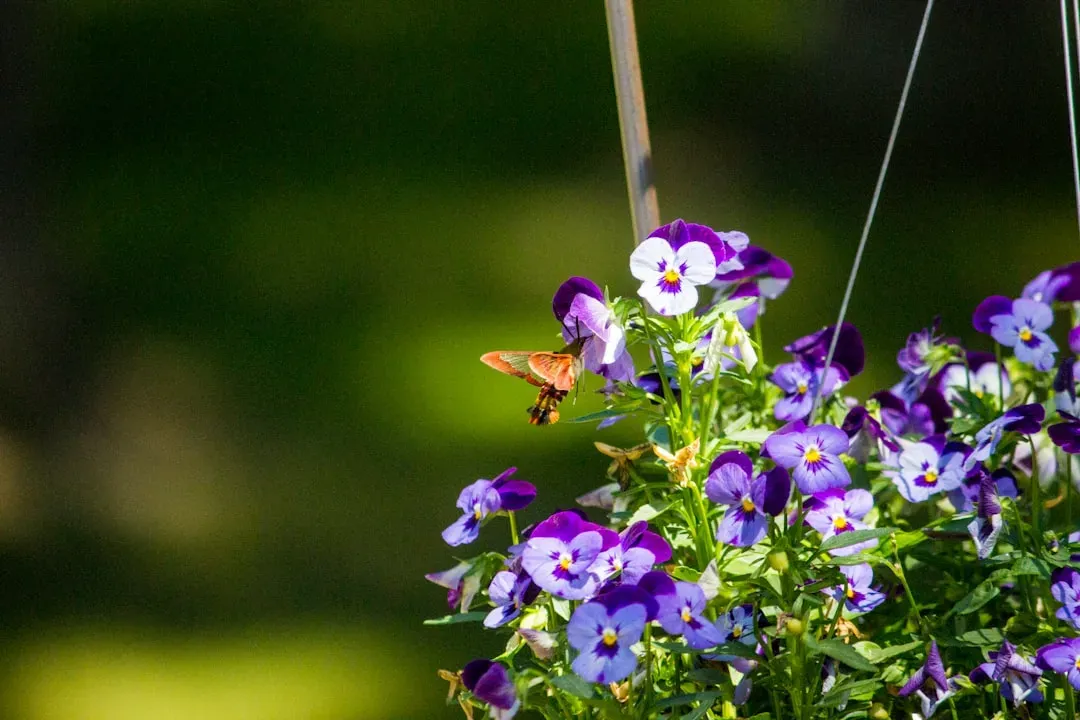
Not everyone has sprawling garden beds, and you genuinely don’t need them. Firecracker plant and Cuphea – sometimes called cigar plant – are compact, container-friendly annuals that produce dense clusters of small tubular flowers all season long. They’re practically engineered for hummingbird feeding, and they’ll bring birds hovering within arm’s reach of a patio chair or apartment balcony railing.
The portability is an underrated advantage. You can chase the optimal sun exposure as the season shifts, move them closer to a feeder to create a concentrated feeding zone, or cluster several pots together to mimic the dense flower patches these birds prefer in the wild. They bloom nonstop with minimal care, they’re widely available, and watching a hummingbird work through a pot of Cuphea from three feet away is the kind of thing that turns casual interest into a full-blown obsession.
#5 – Shade Over Feeders to Slow Nectar Spoilage
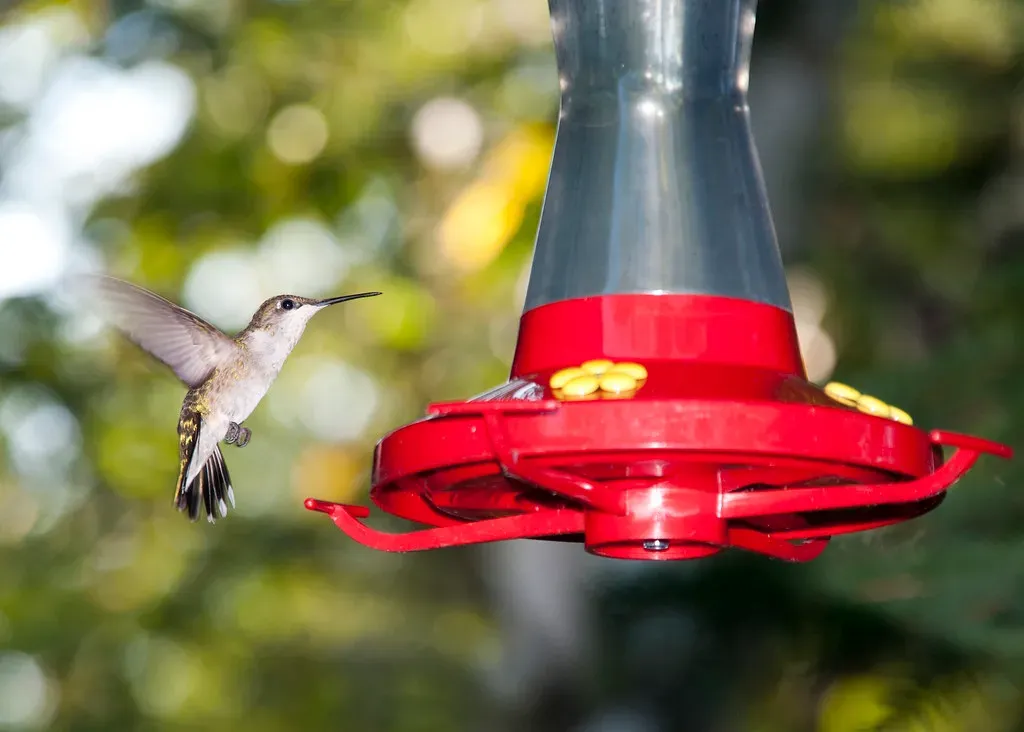
On a hot summer afternoon, a feeder in direct sun can turn from fresh nectar to a fermenting, potentially harmful syrup in just a few hours. Hummingbirds can detect the difference and will avoid a spoiled feeder instinctively – which means you’ve put in the work of filling it and gotten nothing in return. Worse, if a desperate bird drinks bad nectar, it can cause real harm.
The solution is almost embarrassingly simple: morning sun, afternoon shade. A spot that catches early light but sits under a tree canopy or roof overhang by midday keeps the solution fresh dramatically longer, cuts your refill frequency in half, and keeps birds returning confidently instead of approaching cautiously and leaving. It’s one of those adjustments that costs nothing to make and quietly fixes a problem most people don’t even realize they have.
#6 – Leave Some “Messy” Twigs and Spider Webs
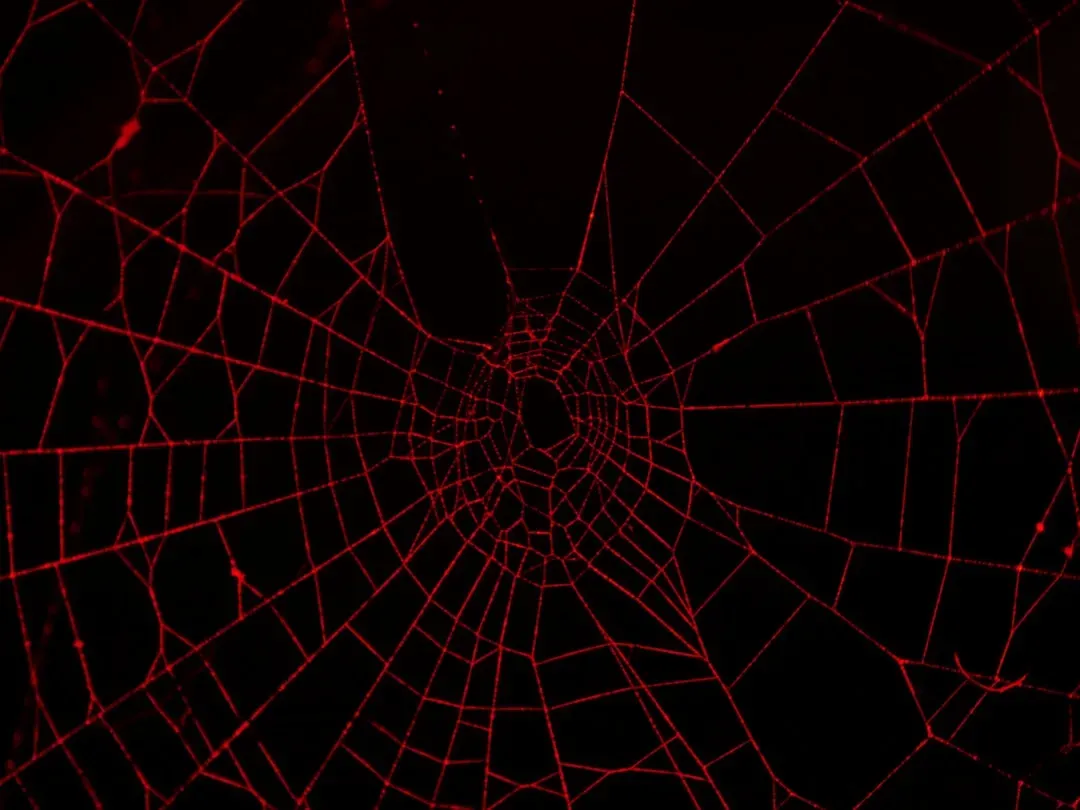
The immaculately pruned garden looks beautiful to humans and like a wasteland to a nesting hummingbird. These birds build some of the most remarkable nests in the animal world – walnut-sized cups, roughly 1.5 inches across, held together almost entirely with spider silk that stretches as the chicks grow. Without accessible webs and soft plant material nearby, females building nests simply look elsewhere.
Let a few dead twigs remain on shrubs through spring. Resist the urge to clear every cobweb from sheltered corners. Allow a patch of the yard to stay genuinely a little wild. You’re not being lazy – you’re providing nesting infrastructure. The protein angle matters here too: those same webs and messy corners harbor the tiny insects that supplement nectar. A slightly unkempt garden isn’t a failure of effort. For a hummingbird, it’s the mark of a place worth staying.
Worth Knowing: The Hummingbird Nest
- Average nest diameter: about 1.5 inches – roughly the size of a walnut.
- Built entirely by the female; takes 5–10 days and hundreds of trips for materials.
- Spider silk is the primary binding agent – it stretches to accommodate growing chicks.
- Nests are camouflaged with lichen on the outside, making them nearly invisible from a few feet away.
- Each nest holds just 2 eggs, each roughly the size of a pea.
#7 – Shallow Bee Baths With Landing Stones
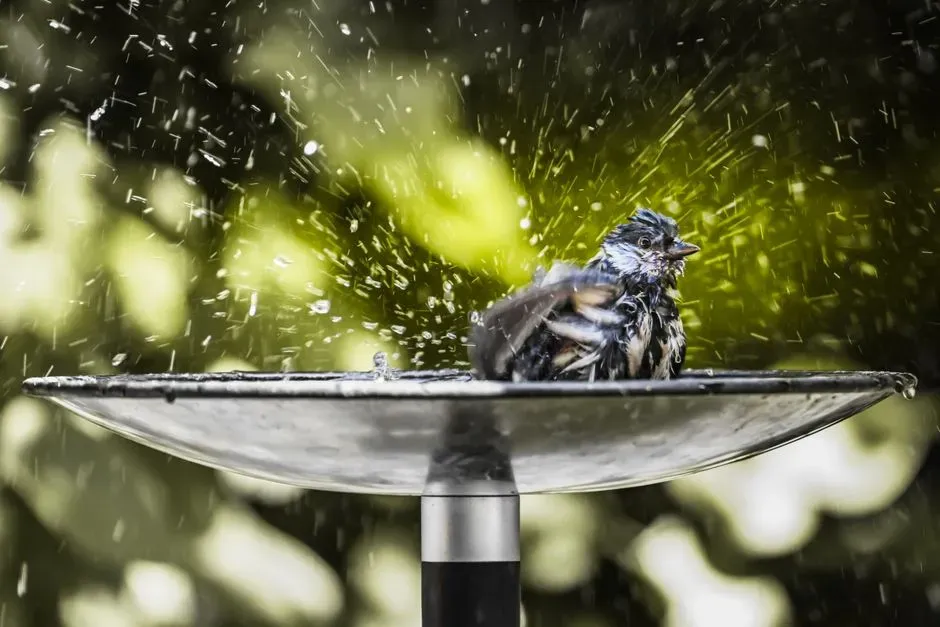
A standard deep birdbath is almost useless to a hummingbird. They can’t safely stand in water that covers their feet, and the hard slippery edges give them nothing to grip. But fill a shallow saucer – even a repurposed plant tray – with just a centimeter or two of clean water and drop in a handful of small river stones or glass beads for landing spots, and suddenly you’ve built something they’ll visit multiple times a day.
Position it near your flowers rather than isolated in the open, refresh the water daily so it stays clean, and if you can combine it with a mister running nearby, you’ve created an irresistible bathing station. Hummingbirds are fastidious about feather condition – clean, well-maintained plumage directly affects flight efficiency, which for a bird living at this metabolic intensity is a survival issue, not a vanity one. Give them a safe place to bathe and they treat your garden like a full-service resort.
#8 – Clusters of Native Tubular Flowers Instead of Scattered Singles
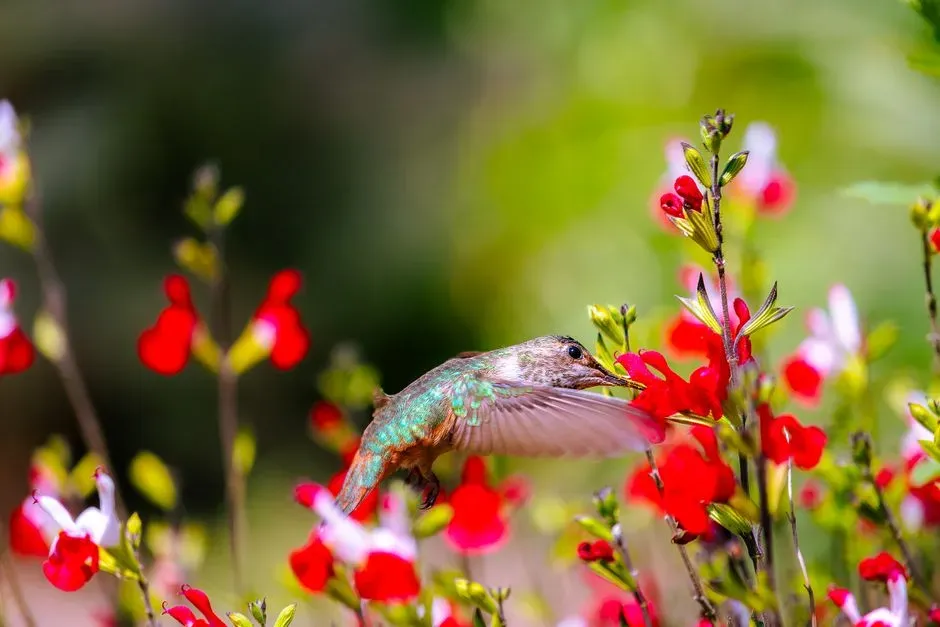
A single bee balm plant tucked between hostas and ornamental grasses might as well be invisible from a hummingbird’s perspective. These birds hunt by efficiency – they learn feeding routes and defend patches worth defending. A solitary flower doesn’t register as a territory worth the energy. A dense drift of the same species absolutely does, and birds will fight each other for access to it.
Group bee balm, salvia, cardinal flower, and trumpet honeysuckle in generous clusters of the same species rather than scattered single plants. Native varieties consistently outperform garden hybrids for nectar volume – hybridization often prioritizes appearance over the chemical reward that makes a flower worth revisiting. Stagger the clusters so something is always peaking, and you’ll watch hummingbirds develop reliable feeding routes through your yard that they stick to all season.
#9 – The Exact 1:4 Sugar-to-Water Ratio, No Honey Ever
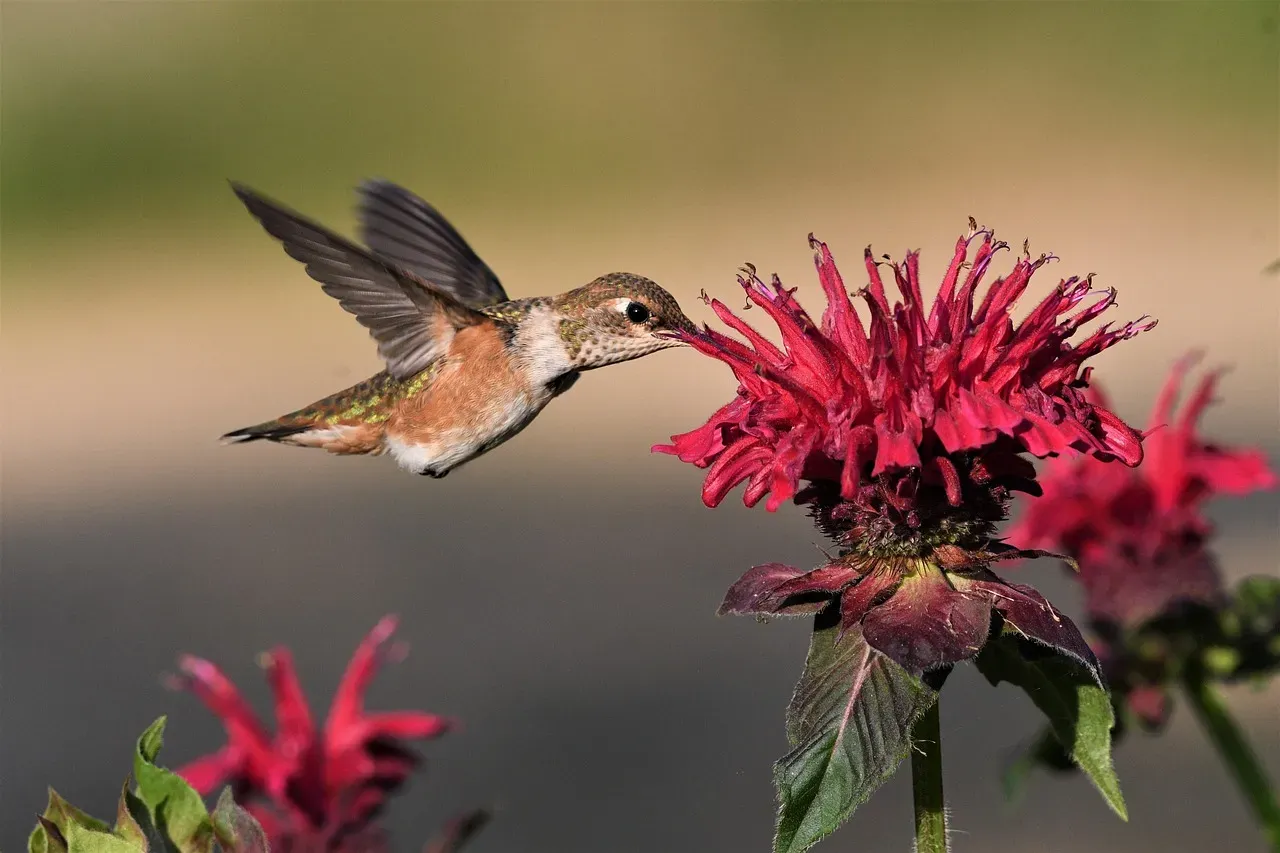
This is the one area where getting it wrong doesn’t just reduce visits – it can genuinely hurt the birds. The correct ratio is one part plain white granulated sugar to four parts water, briefly boiled to dissolve and kill mold spores, then cooled before filling the feeder. That’s it. The simplicity is the point. Honey ferments rapidly and can cause a fatal fungal infection in hummingbirds’ tongues. Brown sugar contains compounds their systems can’t process well. Red dye is unnecessary and potentially harmful.
The 1:4 ratio matters because it closely mirrors the natural sugar concentration in the tubular flowers these birds evolved to feed on. Go stronger and you create a solution that’s actually harder for them to process efficiently – and more likely to attract bees and wasps that will crowd birds out. Go weaker and you’re not delivering the caloric payoff that makes a feeder worth returning to. Change the solution every two to three days in summer heat – every day if your feeder sits in sun. A clean feeder with correct nectar beats an elaborate setup with wrong ratios every single time.
At a Glance: Nectar Do’s and Don’ts
- Use: Plain white granulated sugar + water at a 1:4 ratio
- Never use: Honey – bacteria and fungus thrive in diluted honey and can be fatal
- Never use: Red dye or artificial additives – unnecessary and potentially harmful
- Avoid: Brown sugar or organic raw sugar – contains compounds hummingbirds can’t process well
- Replace every: 2–3 days in warm weather; daily if feeder is in direct sun
- Bonus: At 1:4, birds may visit 10–12 times per hour vs. 3–4 times with stronger solutions
#10 – Scarlet Runner Beans and Cypress Vine on Trellises
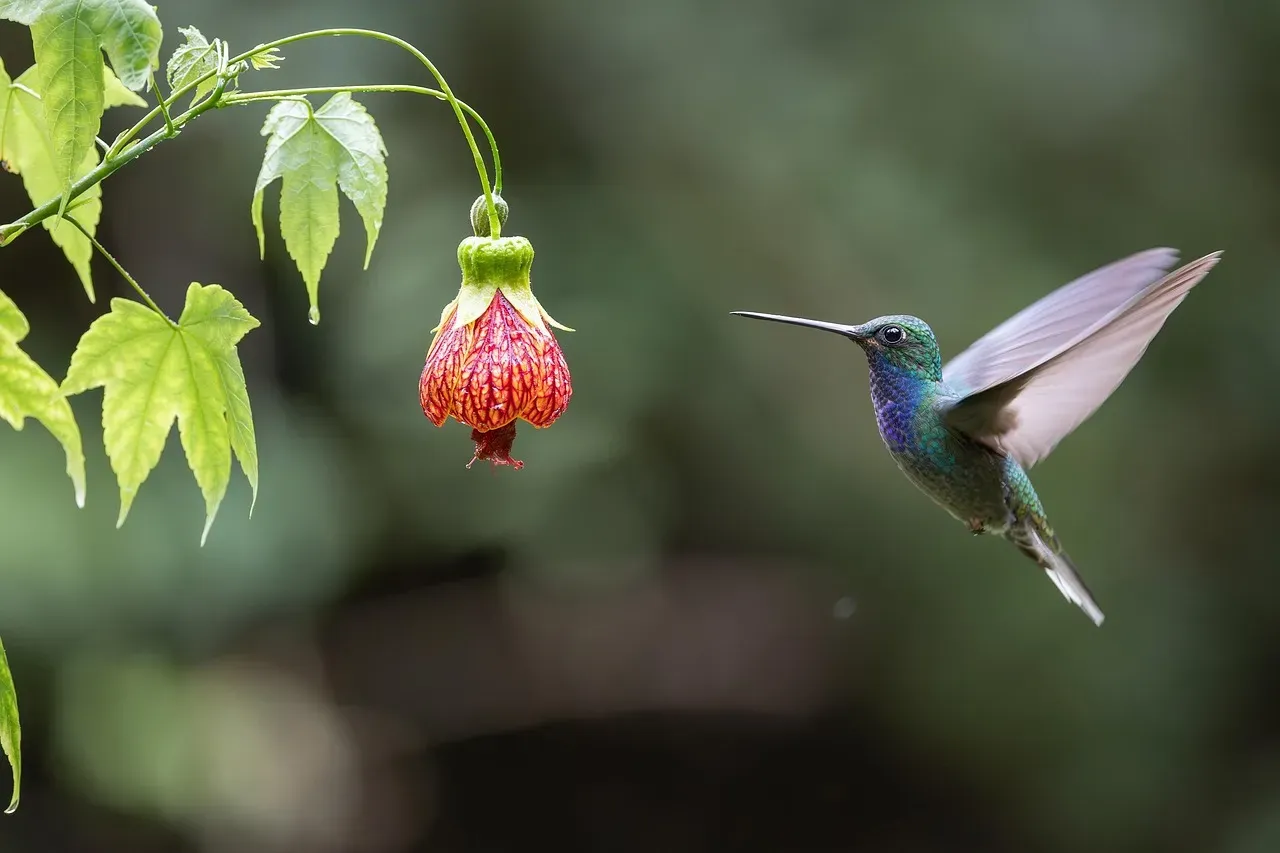
Most hummingbird gardens are horizontal – flower beds, potted plants, feeders at eye level. But these birds move vertically too, and a garden that gives them interesting structure at multiple heights keeps them engaged and moving through the space rather than sipping and leaving. Scarlet runner beans and cypress vine both grow aggressively fast from direct-sown seed and produce exactly the kind of small red tubular flowers hummingbirds are genetically predisposed to investigate.
Train them up a simple trellis near your seating area and you create what regular observers call a “hummingbird highway” – a vertical feeding corridor that birds work their way up and down repeatedly. Deadhead spent flowers regularly and both vines bloom continuously from early summer until frost. The added bonus is structural: they provide natural perching and sheltered spots between the trellis wires, covering the rest, bathing, and territorial surveillance needs all at once.
#11 – Jewelweed for Its Unusually High Nectar Concentration
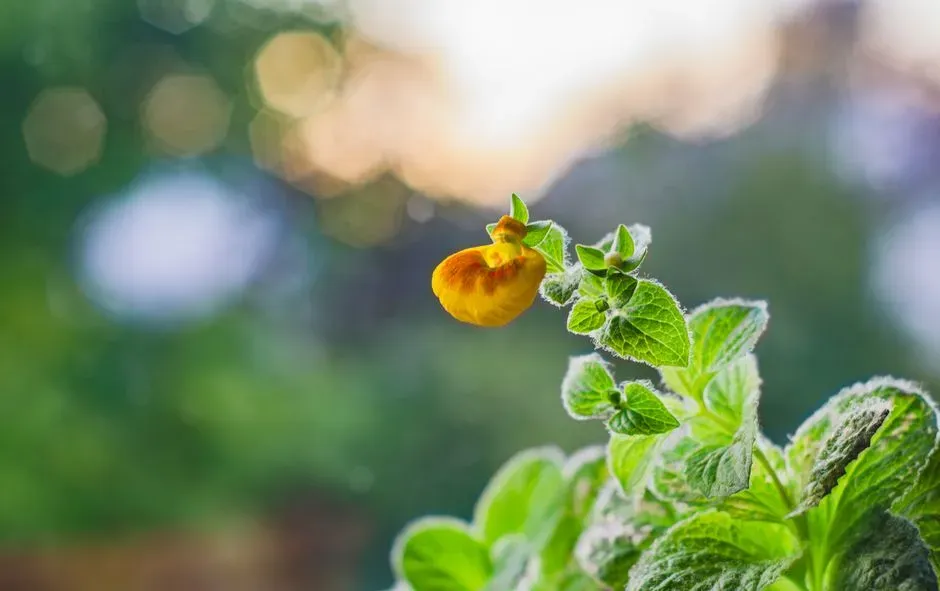
While most gardeners are reaching for the flashiest annuals at the garden center, serious hummingbird observers quietly let jewelweed naturalize in the moist, partly shaded corners most other plants ignore. This native annual isn’t much to look at from a distance – but its orange-spotted trumpet flowers contain nectar reported at up to 43 percent sugar, dramatically richer than the 20–33 percent found in many cultivated alternatives. To a hummingbird fueling up for fall migration, this is the equivalent of premium versus regular.
Jewelweed peaks in late summer through early fall, which is precisely when migrating birds are packing on energy reserves for the journey south. Some researchers have noted that the peak of the ruby-throated hummingbird’s southbound migration actually coincides with jewelweed’s bloom period – and that birds near an active jewelweed patch will noticeably reduce their use of nearby feeders. Let it self-seed freely, skip the pesticides, and within a season or two you’ll have a self-sustaining patch that requires almost no maintenance and draws birds with an intensity your showy garden center annuals simply can’t match.
“Hummingbirds learn where Jewelweed populations are, and they incorporate these locations into their migration routes and teach them to their young.”
Loudoun Wildlife Conservancy
#12 – Dedicated Perches Positioned Right Next to Feeders
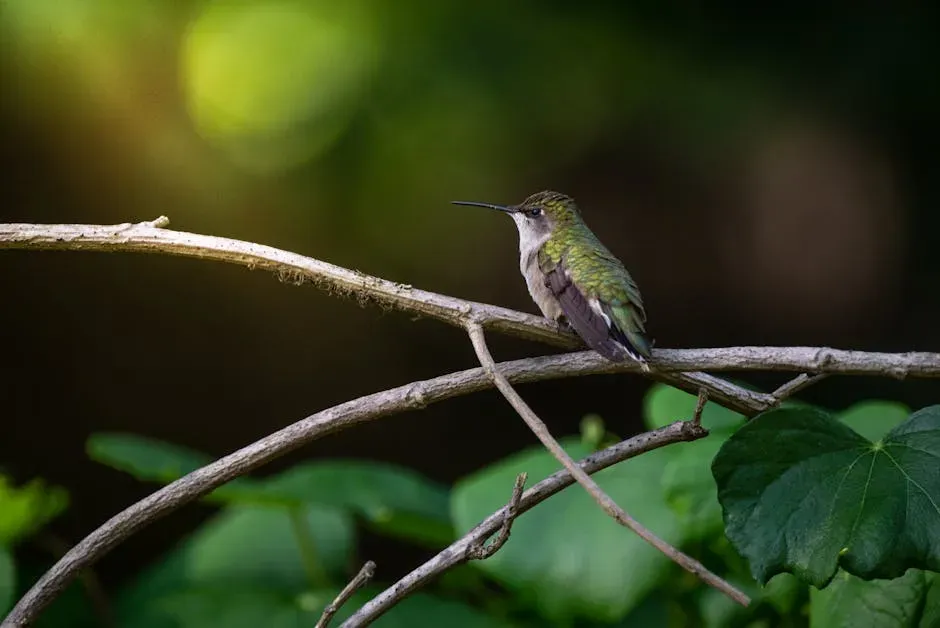
There’s a misconception that hummingbirds hover constantly – that the perpetual wing motion is their natural state. It isn’t. Hovering burns extraordinary amounts of energy, and given the choice, these birds rest between feeding bouts as often as possible. When a garden offers no convenient perch within a few feet of the food source, many birds will feed quickly and leave rather than waste energy hovering while they wait for a feeder port to open.
A thin dowel, a small natural branch, or even a purpose-built hummingbird swing positioned just inches from the feeder changes the entire dynamic. The bird settles, claims the spot, defends it from rivals, and returns to it repeatedly throughout the day. Native shrubs with slender branching twigs work beautifully and do double duty as natural habitat. Without this one element, you can do everything else right and still watch birds treat your yard as a drive-through rather than a destination.
#13 – A Fine-Mist Hose Attachment for Bathing
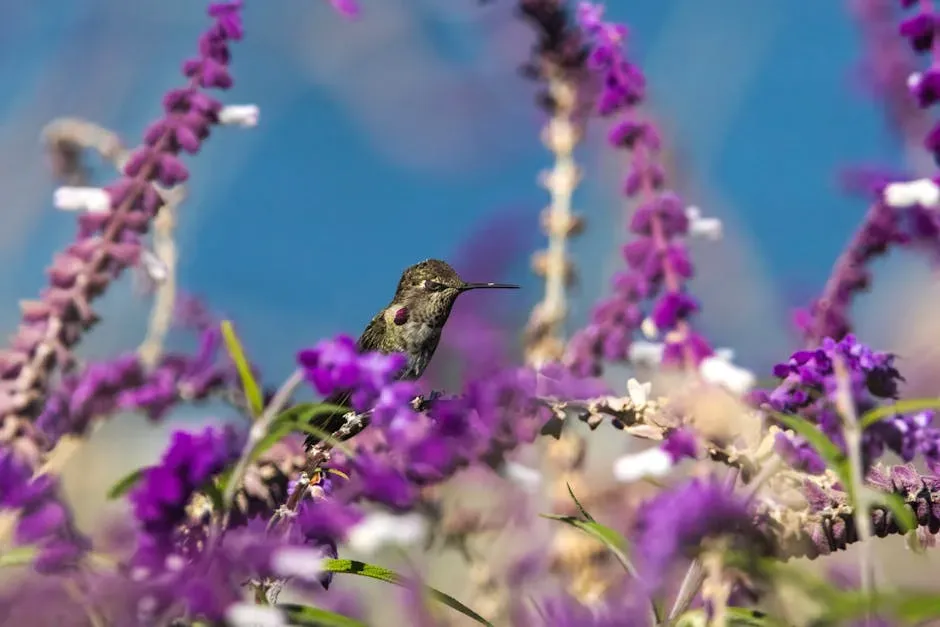
Still water and hummingbirds have an awkward relationship. A traditional birdbath, however carefully designed, is usually either too deep, too still, or both. What hummingbirds actually seek out in the wild are the fine mists near waterfalls, the spray off moving stream rocks, the light drizzle clinging to leaves after rain. They dart through it, hover in it, and rub against wet foliage to clean their feathers – behavior that looks chaotic and joyful in equal measure.
A simple mister attachment on your garden hose, run on low near a shrub or feeder, replicates this perfectly. The fine droplets hang in the air long enough for hovering birds to fly through repeatedly. Position it in partial shade so it doesn’t evaporate instantly on hot days, and run it during the cooler morning hours when hummingbirds are most active. Add this one element and you’ll see a category of behavior from these birds that most backyard watchers never get to witness up close.
Why It Stands Out: Misting vs. Traditional Birdbaths
- Standard birdbaths are too deep and slippery for safe hummingbird use.
- Fine mist replicates the natural spray of waterfalls and rain-soaked foliage they seek in the wild.
- Birds will fly through a mist repeatedly – a behavior rarely seen at still-water baths.
- Run misters during cool morning hours when hummingbirds are most active for best results.
- Clean feather condition directly affects flight efficiency – for this bird, bathing is survival.
#14 – Bright Magenta Nail Polish on Faded Feeder Parts
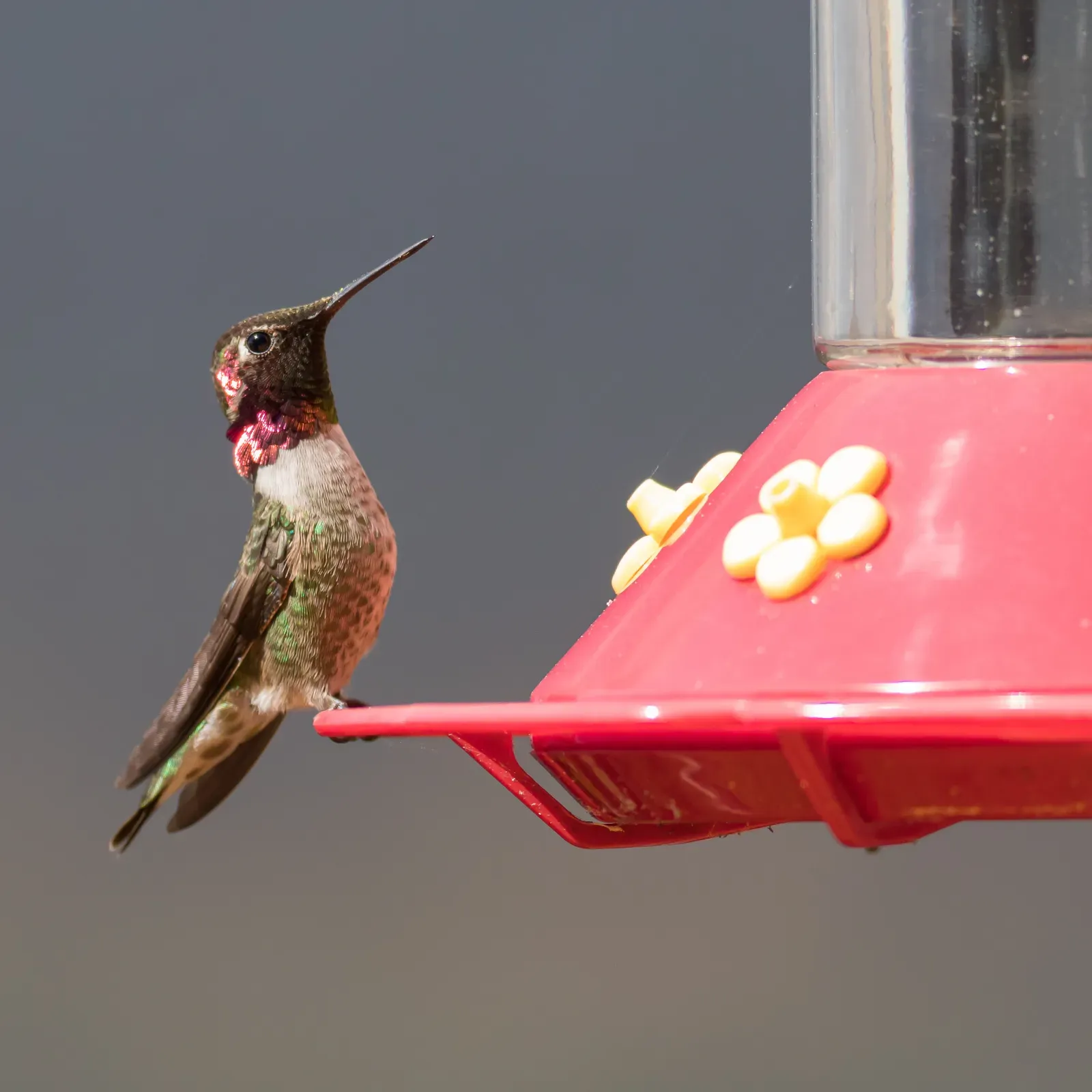
Plastic feeders are convenient, but they fade. That vivid red that caught your eye at the store gradually washes out to a dull pink-orange under UV exposure, and a faded feeder is a feeder that stops signaling effectively. Hummingbirds identify feeding sites partly by color intensity – a washed-out port blends into the visual background instead of standing out as a reliable resource worth investigating.
The fix is genuinely this simple: a coat of bright magenta nail polish on the feeding ports, flower inserts, or any faded red plastic component. Let it cure completely before you refill – ventilation helps. The color revives the visual signal without any chemical risk once dry, costs almost nothing, and will extend the working life of a feeder for another full season. Long-time feeders who’ve adopted this habit report a noticeable uptick in visits after refreshing color on feeders that had been quietly underperforming. Sometimes the smallest details are doing the most invisible work.
#15 – Orange Surveyor’s Tape Hung High to Lure Migrants
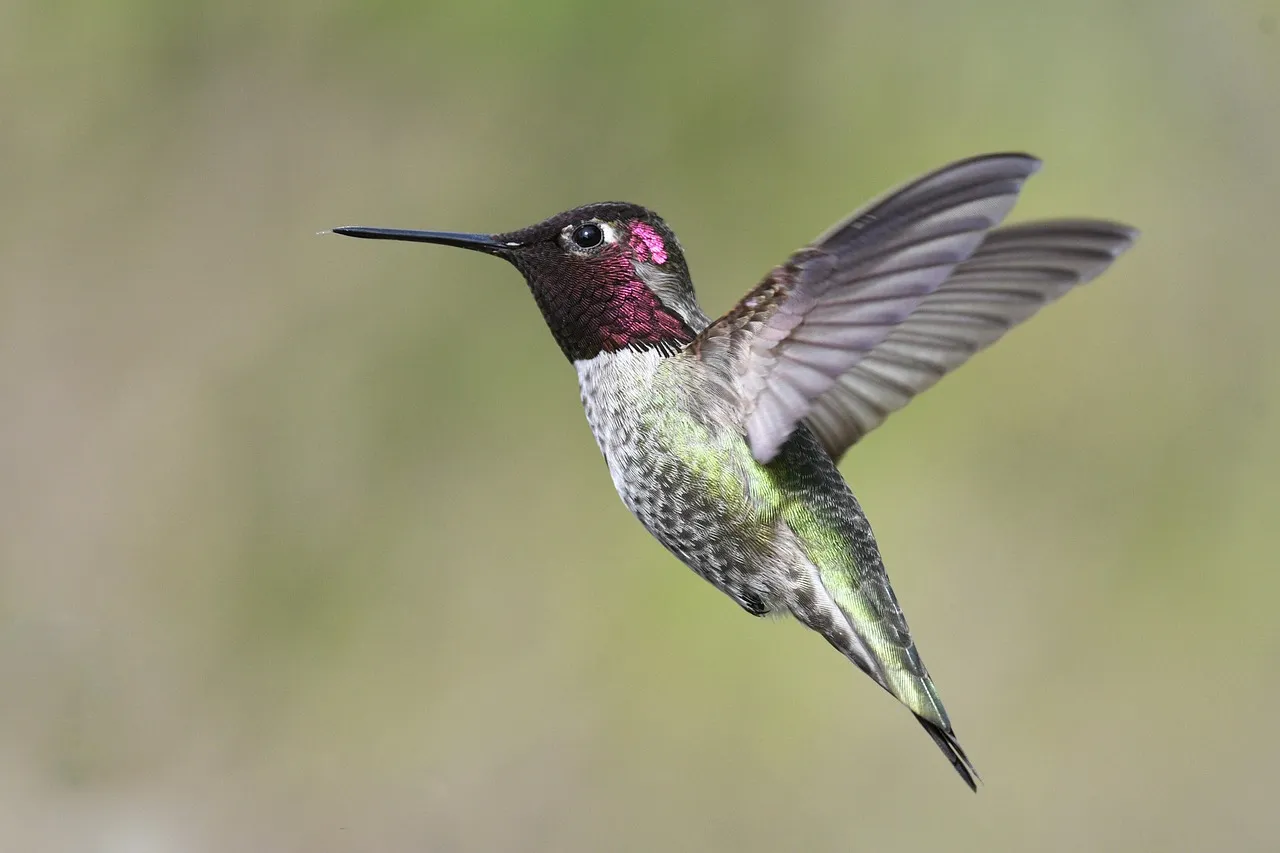
Here’s the one that sounds too simple to be real and then works immediately. During spring and fall migration, hummingbirds are moving fast through unfamiliar territory, scanning from altitude for anything that signals food. Bright orange and red register as high-priority visual targets from surprising distances. Tie foot-long strips of bright orange surveyor’s tape – the cheap plastic flagging sold at any hardware store – to branches, railings, or fence posts near your garden.
The fluttering movement combined with the high-visibility color acts like a landing beacon, pulling migrating birds down from the sky for a closer look. Once they’re close enough to find nectar, many of them stay. This trick works especially well in early spring before your flowers are fully established, when the feeder alone might not have enough visual presence to catch a passing bird’s attention. It costs pennies, takes two minutes, and the contrast between how absurdly low-tech it is and how well it works is, honestly, a little humbling.
Here’s the honest conclusion: most hummingbird advice is watered down to the point of being useless – put up a feeder, plant some red flowers, wait. What this list reflects is the reality that these birds are extraordinarily specific in what they need, and they reward specificity in return. Get the nectar ratio right, eliminate pesticides, give them perches and misting water and native plants with real nectar density, and something shifts. They stop being occasional visitors and start being residents. They bring their young. They show up in the same spots every morning like they own the place – because, in a very real sense, you’ve made it theirs. That’s not luck. That’s a garden that was actually built for them.

- 6 US States With the Most Wild Turkey - July 29, 2026
- The World’s Deepest Oceans Harbor Creatures with Unbelievable Survival Skills - July 29, 2026
- 12 Dog Breeds That Stay Healthy Well Into Old Age - July 29, 2026