


Communication is the cornerstone of social behavior across the animal kingdom. While humans rely on spoken language, many wild animals use intricate vocalizations to convey messages, establish alliances, and even evade predators. These animals exhibit fascinating sound-based communication strategies that are key to their survival. Let’s dive into the world of 15 wild animals with the most complex sound systems.
Dolphins The Acrobatic Talkers of the Sea
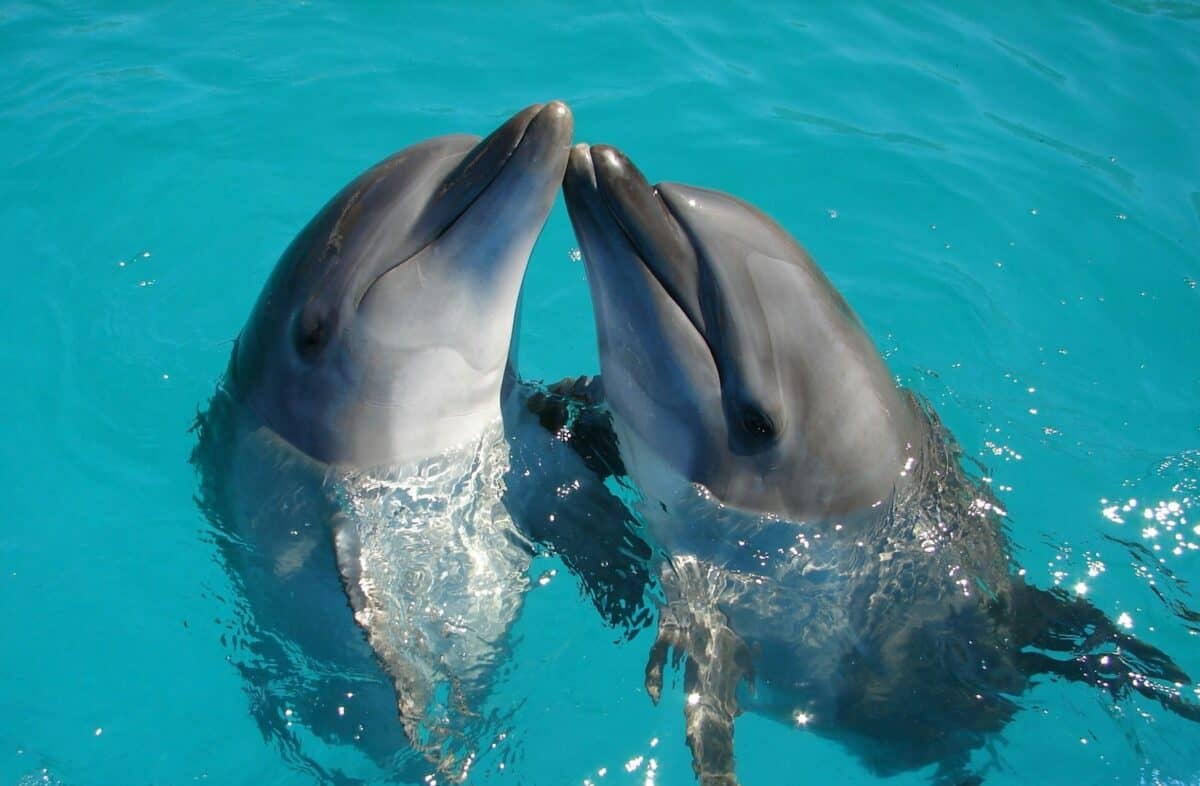
Dolphins are renowned for their intelligence and sociable nature, marked by a sophisticated system of clicks, whistles, and body language. Each dolphin has a unique signature whistle that functions as a name, allowing them to identify and call to each other. These marine mammals utilize echolocation—a series of rapid clicks—to navigate the ocean depths and hunt for prey. The complexity of their vocal expressions provides insight into their social structures and problem-solving abilities.
Humpback Whales The Composers of the Ocean

Humpback whales are famous for their hauntingly beautiful songs, which can last for hours and travel vast distances across the sea. These compositions are not mere communication but also function in mating rituals, helping males attract females. Scientists believe each population of humpbacks shares a common song that evolves—a testament to their capacity for learning and cultural exchange.
Elephants The Grounded Giants with a Hidden Voice

Elephants communicate using a combination of vocal sounds, body language, and more intriguingly, infrasound. These low-frequency rumbles can travel through the ground over several kilometers, allowing elephants to maintain contact with distant herd members. Infrasound helps these majestic creatures share information about migration routes, threats, and opportunities in their often vast and resource-scarce habitats.
Prairie Dogs The Complex Sentries of the Grasslands
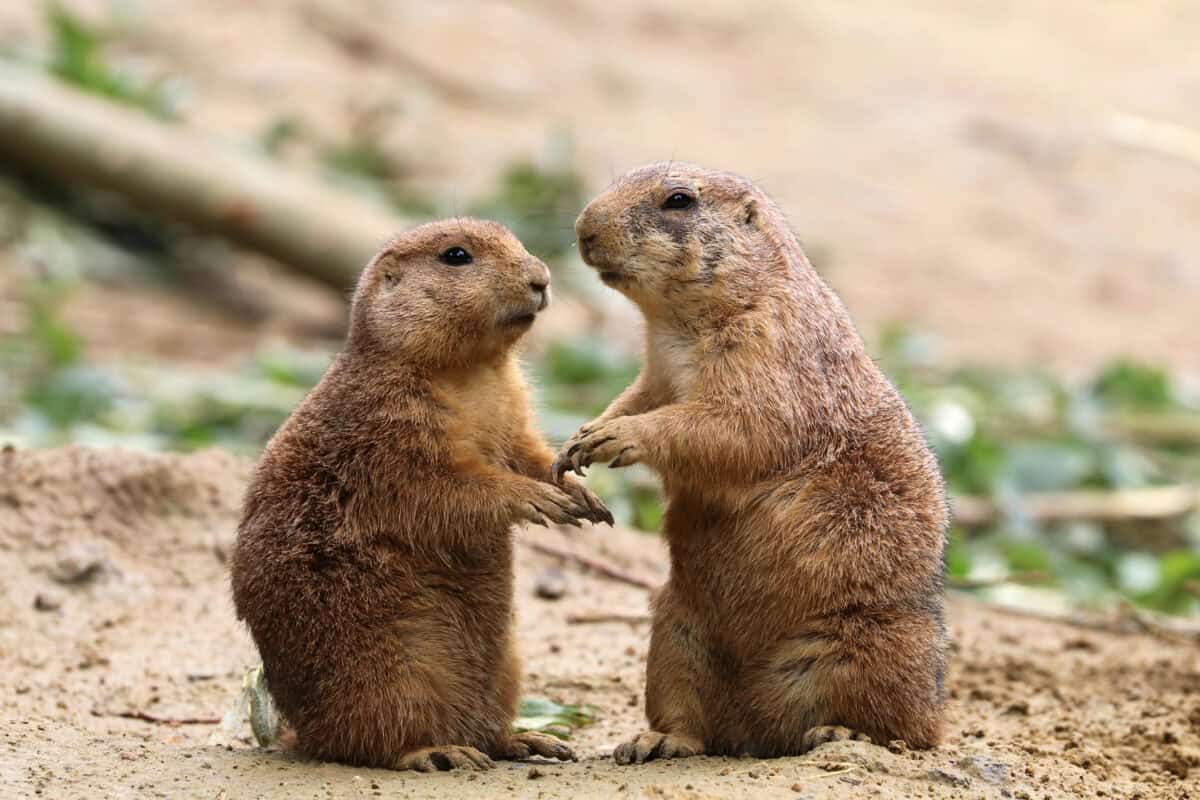
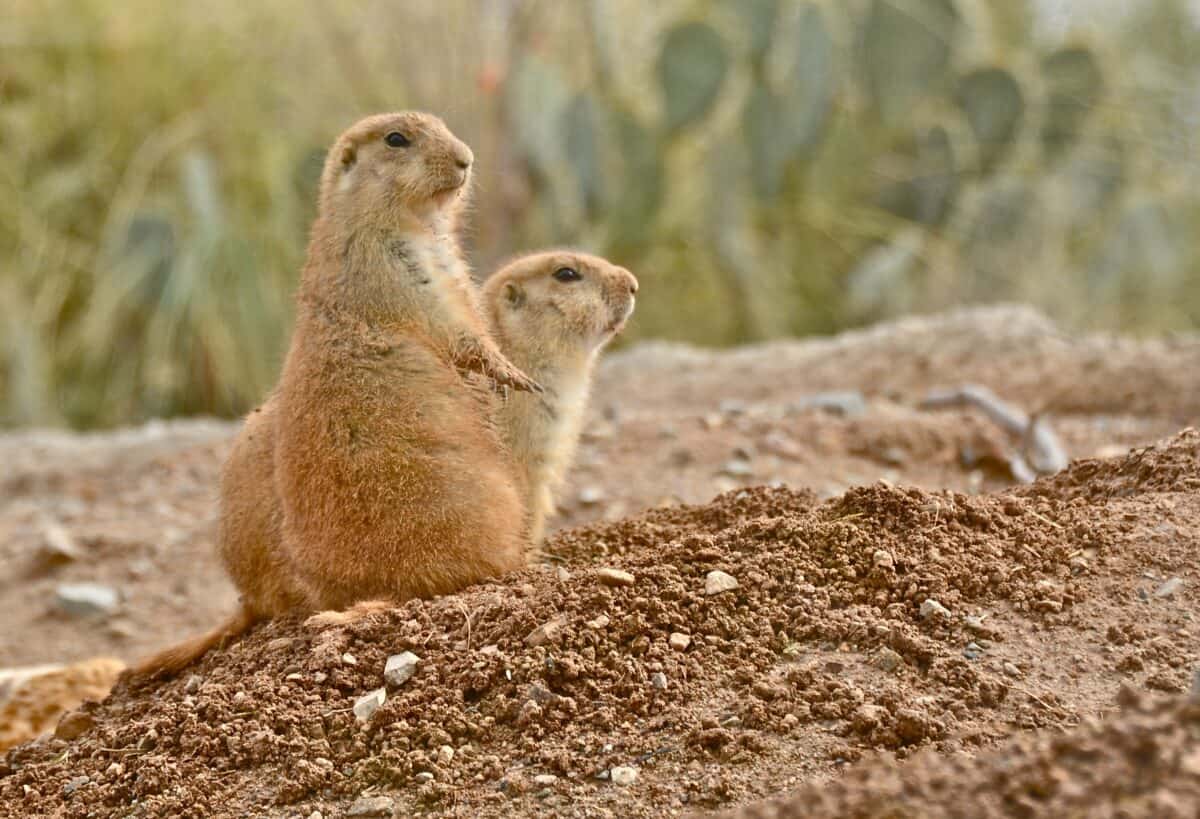
Prairie dogs, small burrowing mammals found in North America, have a surprisingly rich communication system. Their calls consist of various chirps and barks that convey detailed information about predators, including size, shape, and speed. Recent studies suggest that their vocalizations resemble a vocabulary-like structure, potentially qualifying them as one of the most linguistically advanced non-primate species.
Songbirds The Melodic Maestros

Songbirds, such as the nightingale or the mockingbird, possess an impressive vocal range, allowing them to produce complex melodies. Each species has a repertoire of songs used for mating calls, territorial claims, and social interaction. Some songbirds can even mimic sounds from their environment, including the calls of other species and even human-produced noises.
Chimpanzees The Vocal Primates
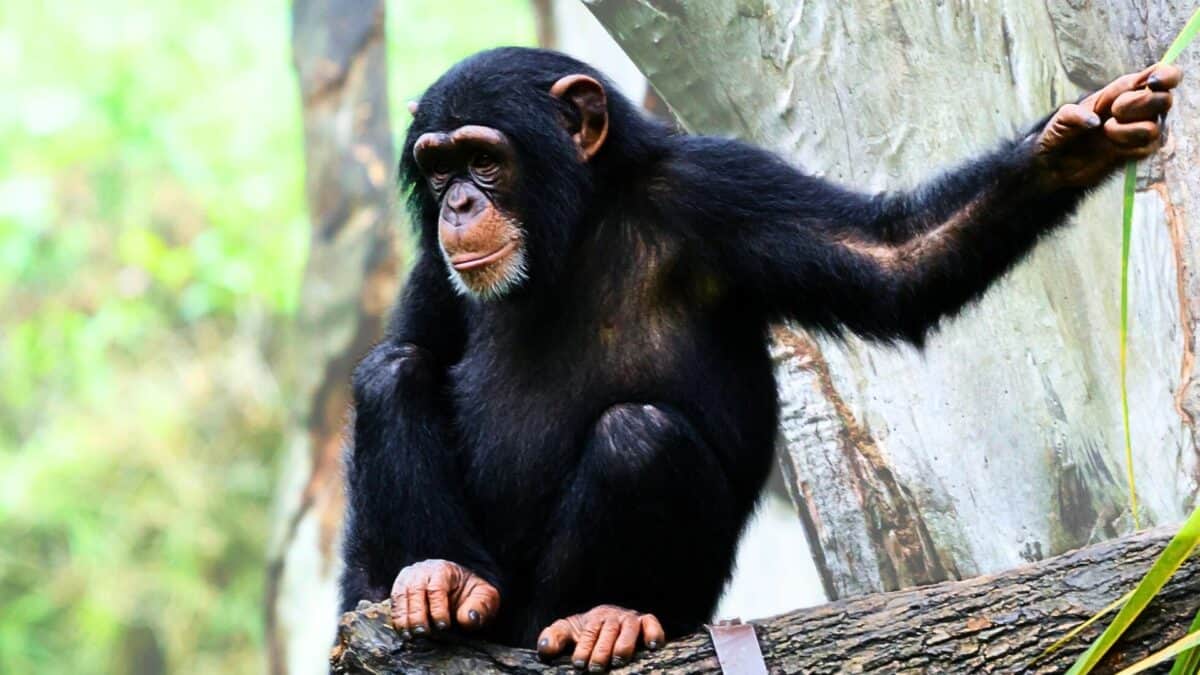
Chimpanzees use a diverse array of vocalizations, including hoots, screams, and grunts, alongside gestures and facial expressions, to communicate with one another. These sounds are integral to establishing social hierarchies, coordinating group activities, and warning others of danger. Researchers have found that chimps have a “vocabulary” of distinct calls, exhibiting what can be thought of as elements of proto-language.
Bats The Nocturnal Navigators

Bats are adept echolocators, using high-frequency sound waves to navigate and hunt in complete darkness. Apart from echolocation, bats also produce a variety of social calls that vary by species. These calls can help with mate attraction, mother-offspring communication, and territorial disputes. Their echolocation and social calls make bats one of the most acoustically sophisticated mammals.
Frogs The Crooning Amphibians

Frogs and toads utilize a myriad of vocalizations, particularly during the breeding season. Males croak to attract females, and each species has its distinct call to prevent interbreeding. These vocalizations can be surprisingly complex, with some species using unique sounds that only close kin can recognize, potentially assisting in avoiding inbreeding.
Orcas The Social Whales

Orcas, or killer whales, employ a sophisticated vocal communication system consisting of whistles, clicks, and pulsed calls. Each orca pod has its vocal dialect, potentially serving as an acoustic signature to reinforce group identity and cohesion. This vocal diversity implies a strong cultural aspect to orca communication, resembling human-like cultural traditions.
Beluga Whales: The Canaries of the Sea

Often referred to as the sea canary for their extensive vocal range, beluga whales produce chirps, whistles, and clicks to communicate. Belugas have been observed altering their sounds when interacting with different groups, suggesting they might possess a form of vocal learning typical of complex communicators. They use their vocal abilities to maintain group cohesion and navigate the often turbid waters of their Arctic habitat.
Wolves The Harmonious Predators

Wolves are highly social animals that use a repertoire of howls, barks, and whines to communicate. Howling helps maintain pack cohesion over large distances, with unique calls identifying individuals and their immediate goals, such as rallying before a hunt. The nuanced vocal communication among wolves is crucial for their intricate social structures and cooperative hunting strategies.
Gibbons The Singing Apes
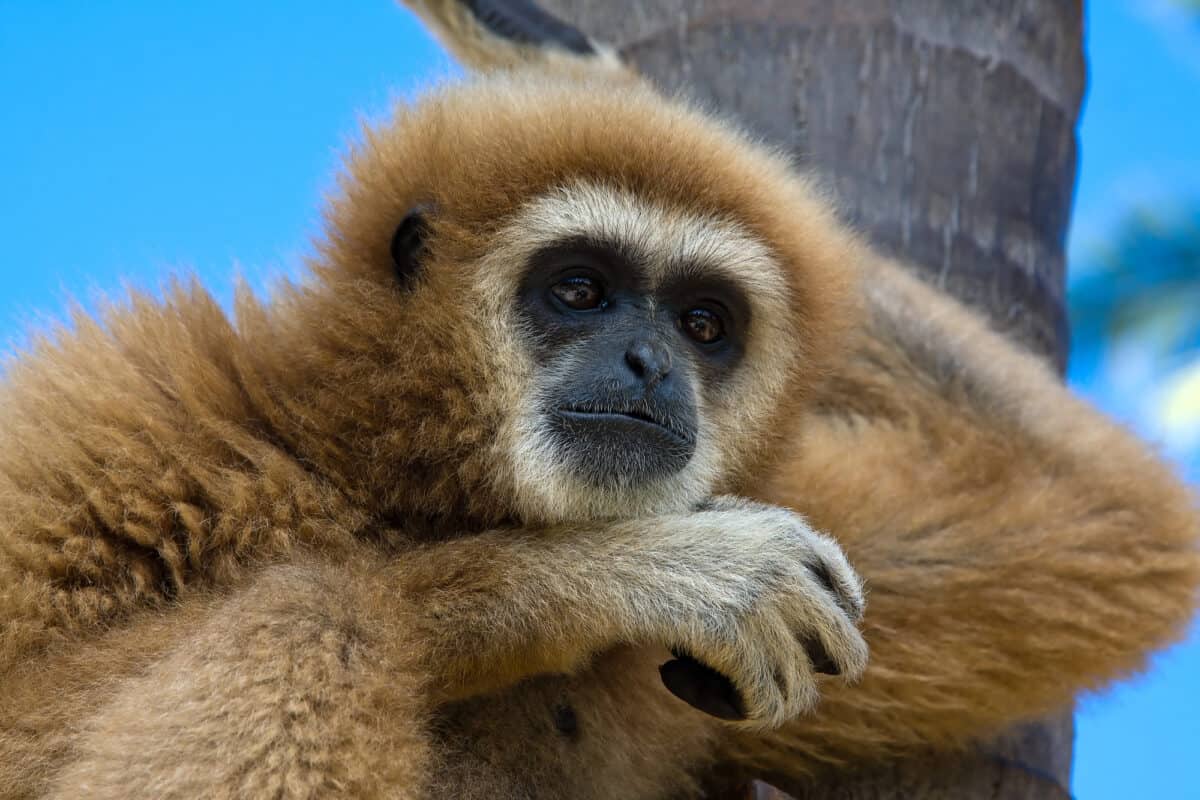
Gibbons are known for their elaborate, song-like calls that bolster pair bonds and defend territory. These apes engage in duetting, where mated pairs synchronize their vocal patterns to broadcast their union and territorial presence. Their vocalizations are so intricate that they have been likened to operatic arias, demonstrating a highly developed communication system crucial to their monogamous lifestyle.
Babblers The Couchance Communicators
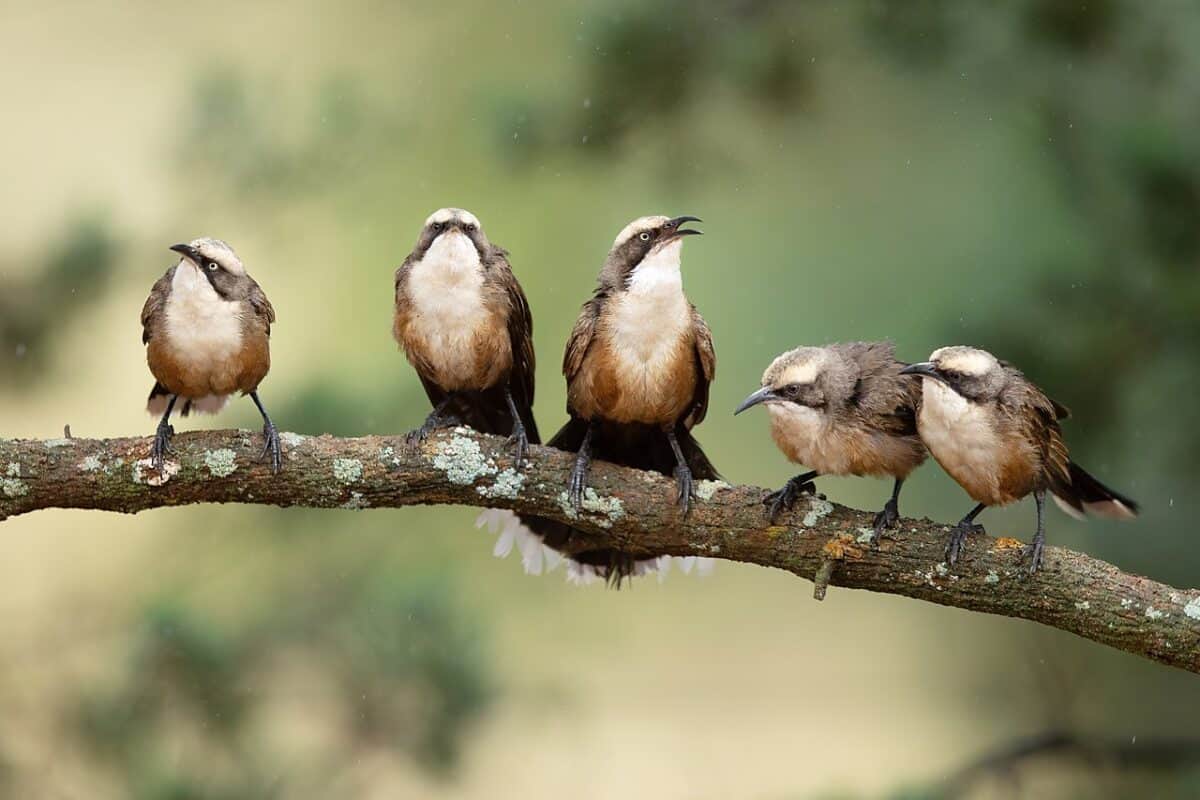
Babblers, small and social birds found in diverse habitats, use a varied collection of calls and songs to maintain group cohesion and upon detecting threats. What sets babblers apart is their ability to string together different vocalizations into sequences, effectively creating ‘sentences’ to convey complex messages. This capacity has made babblers a subject of interest in understanding avian communication diversity.
Conclusion:
In conclusion, the realm of animal communication is richly diverse and endlessly fascinating. These 15 wild animals, with their complex sound systems, highlight the intricate and varied ways in which species interact with their environment and each other. As we learn more about these communication methods, we uncover not only the richness of the natural world but also gain deeper insights into the evolution of communication, shedding light on our origins and connections within the tapestry of life.

As a little kid, I fell in love with nature, wildlife, and animals. Living in the USA, South Africa, Italy, China and Germany gave me the opportunity to discover the world's Wildlife. My favorite animals are Mountain Gorillas, Siberian Tigers, and Great White Sharks.
I'm a certified PADI Open Water Diver, went to Everest Base Camp and Trekked Gorillas in Uganda. I hold a Master of Science in Economics and Finance.
Please send any feedback to feedback@animalsaroundtheglobe.com
- 13 Cat Breeds That Get Along with Dogs - July 20, 2026
- The 12 Largest Dog Breeds That Still Love to Cuddle - July 20, 2026
- 12 Pet Habits That Secretly Mean They Love You - July 20, 2026