

Most people picture a wagging tail when they think about devoted animal companionship. It’s the image we’ve grown up with – a dog waiting at the door, tail going wild, eyes fixed on its person. Dogs have earned that reputation honestly. Still, that picture quietly overshadows a wide range of other animals capable of forming attachments that are just as deep, just as particular, and in some cases, even more exclusive.
Animals all have different personalities and tendencies, just like humans do. Certain types of animals make better pets than others, while some form stronger bonds with humans more quickly. What surprises many families is that the creatures most likely to choose one person and stay devoted to them aren’t always the ones found at every pet store. Vets who work with exotic and non-traditional species say they encounter these quiet, profound connections regularly – and most households have never once considered them.
#1 – Parrot
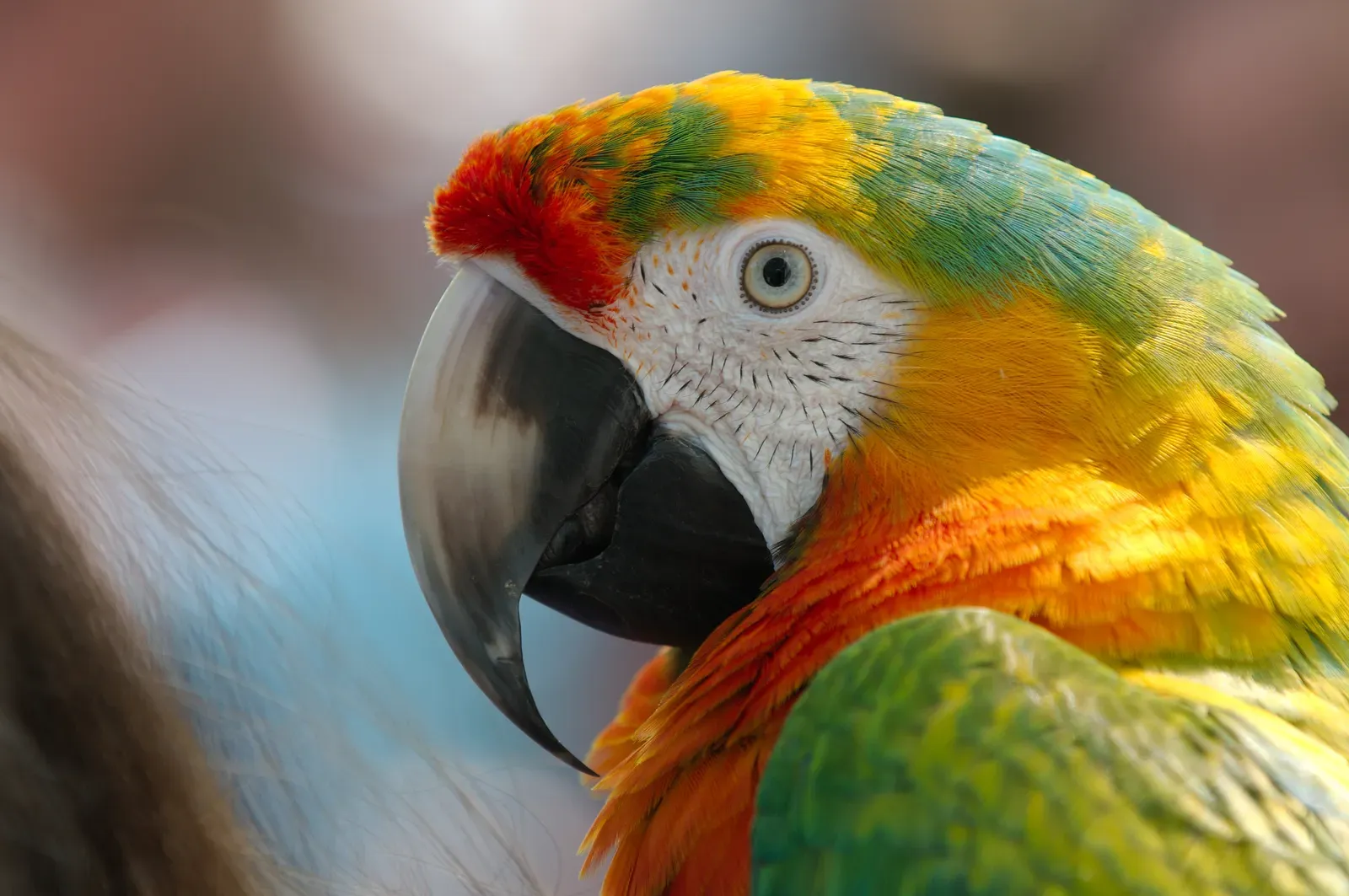
Parrots are some of the most deeply-bonding pets, forming lifelong attachments to their owners. They can be quite needy, craving your company and attention much like another human would. This isn’t casual sociability. It’s an intensity that vets and bird behaviorists consistently describe as one of the most human-like attachment styles seen in any pet species.
Since parrot owners often have only one bird, their commitment to them is extremely important, as parrots bond deeply with their owners. Parrots generally only make good pets if one starts with a young bird, as it will grow very attached to their owner – they have a hard time bonding with someone new later in life. If you decide to get a parrot, you will likely become their whole world for their ridiculously long lifespan. That kind of singular devotion is remarkable – and not to be entered into lightly.
#2 – Rabbit
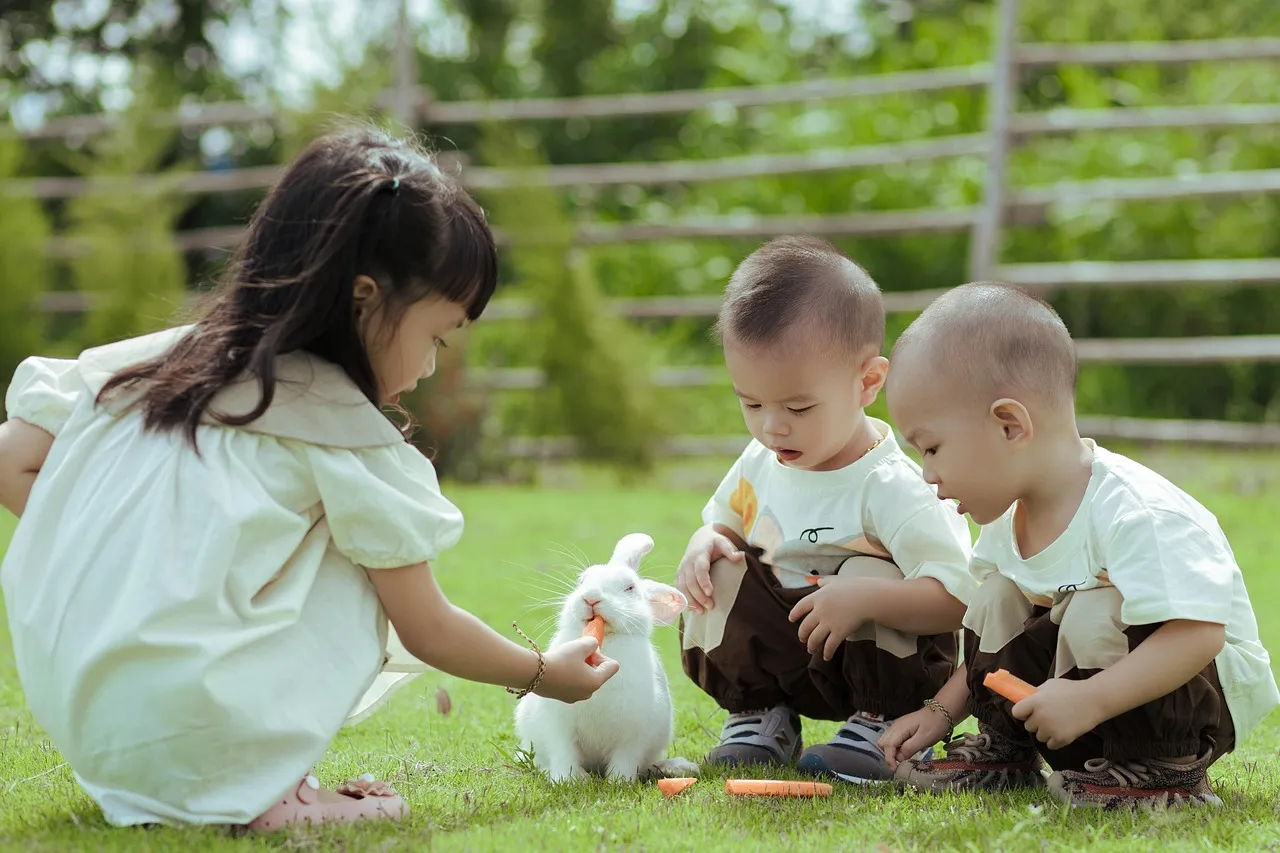
Bunnies aren’t just cute, they are really affectionate once they trust you. They love to follow their people around like little shadows. They bond deeply and like to show affection in very subtle ways, so make sure you pick up on the cues they are giving you. The bond builds quietly, and that’s partly why it catches owners off guard when it finally arrives.
Rabbits have long been cherished family pets and remain a popular choice. They form strong bonds with their owners and enjoy human company immensely. Each rabbit has its own unique personality, ranging from shy to outgoing. Rabbits have a lifespan of around 8 to 12 years, so adopting one is a long-term commitment. That duration matters – the bond deepens considerably over time with consistent care and patience.
#3 – Ferret
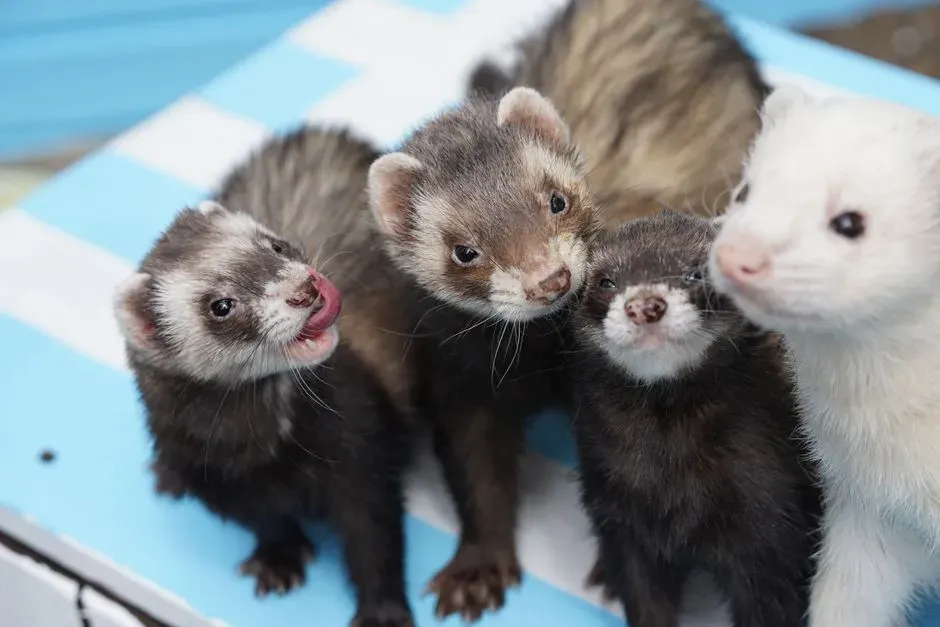
Ferrets make great family pets as they bond strongly with their owners. They are playful and affectionate like dogs and independent like cats, making them a perfect companion for some people. That dual nature is part of their appeal – they’ll tumble around energetically and then, just as readily, curl up against the person they trust most.
Bonded ferrets often perform their signature “war dance,” a comical series of hops and sideways movements, specifically to engage with their favorite people. Despite their independent nature, many ferrets prefer sleeping curled against their humans, showing vulnerability that contradicts their otherwise adventurous personalities. The contrast between their wild energy and their quiet affection is genuinely endearing to owners who understand it.
#4 – Guinea Pig
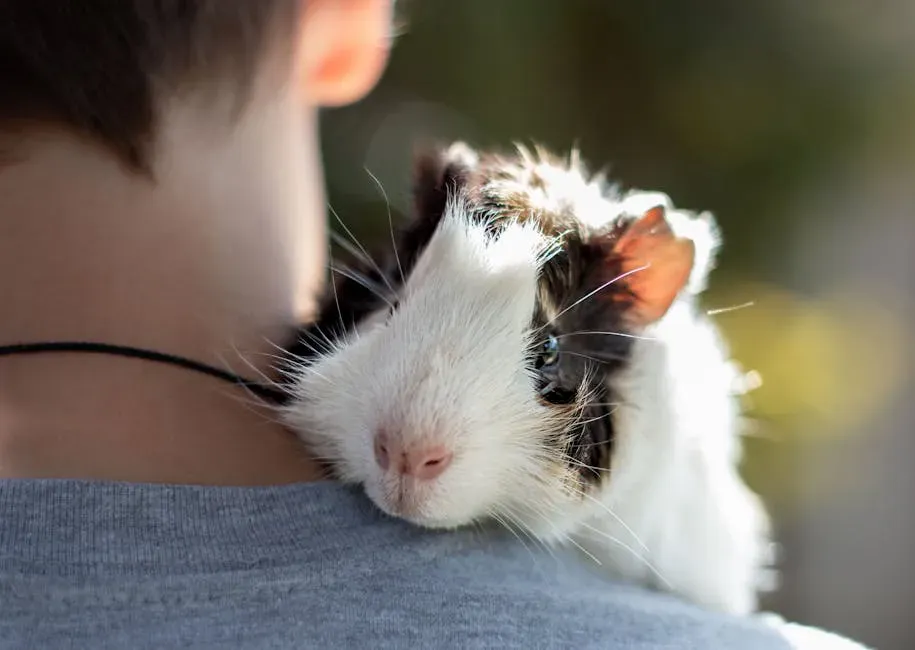
Guinea pigs can form strong social bonds and quickly learn to recognize their owners. They respond to voices and routines and will even get excited when they hear food being prepared. That responsiveness to routine and voice is a strong indicator of genuine attachment rather than simple conditioned behavior.
Guinea pigs are charming, sociable rodents full of personality that can entertain their owners for hours. They are relatively easy to care for, making them excellent first companions, especially for children. Gentle handling and daily interaction are key to building trust and happiness. Guinea pigs thrive when kept in pairs or small groups, and they communicate through purring, squeaking, and other endearing sounds, often making mealtime a joyful event. Over time, their connection to their primary caregiver becomes noticeably distinct from how they interact with strangers.
#5 – Horse
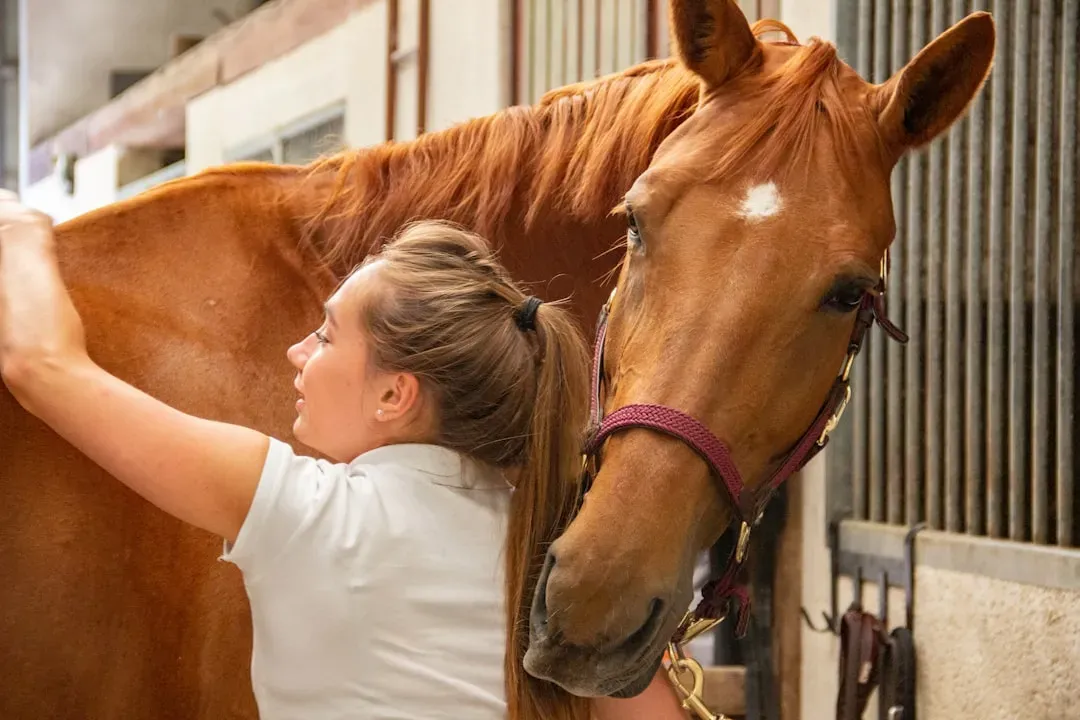
Horses, as prey animals, possess a cautious nature, making the trust they place in humans significant. This trust is cultivated through consistent interaction, mutual understanding, and respectful handling. Their sensitivity allows them to perceive subtle human emotions and body language, often mirroring these states. When a horse chooses to let you in, that decision carries genuine weight.
Friendships between humans and domesticated horses are often observed and occur when the horse is willing to allow the person into its flight distance and personal space through friendly interactions such as grooming, scratching and rubbing. Horses are social animals and once a person is accepted into their personal space, they become a part of their social system. Horses are second only to dogs in their historical tie to humans, with many horses only responding to a specific rider.
#6 – Rat
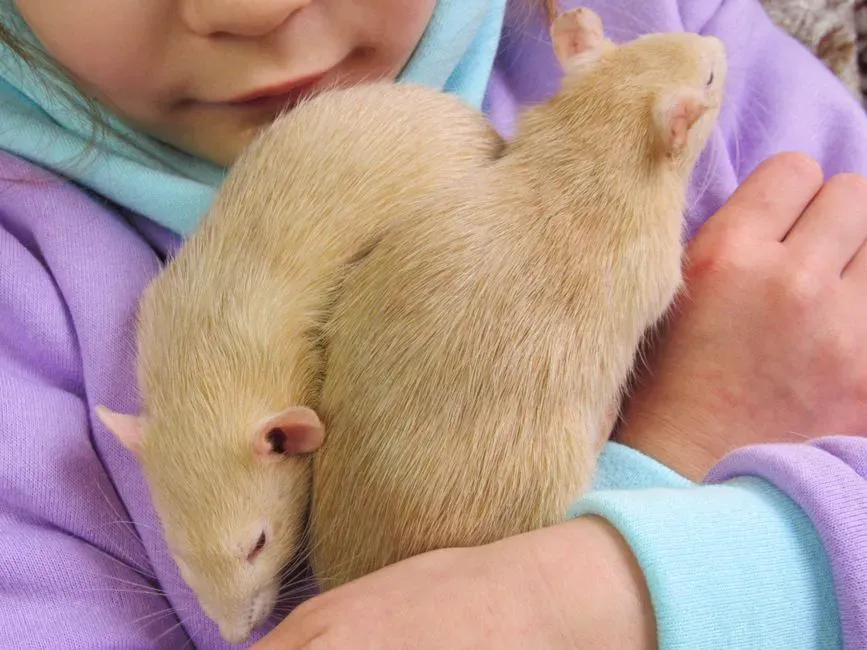
Rats are highly intelligent, fastidious about self-grooming, and are incredibly affectionate, social animals who bond well with their human owners. This surprises people constantly. The reputation gap between what rats actually are and what most people assume them to be is enormous, and it’s one of the reasons vets consider them an overlooked gem in the pet world.
Despite common misconceptions, rats are highly intelligent, affectionate, and clean pets. They enjoy human companionship and can bond closely with their owners, happily riding on shoulders or solving puzzles for treats. Rats are very intelligent and can be taught tricks such as fetching small balls, jumping hurdles, weaving through poles, and even untying shoe laces. Their cognitive engagement with their person is part of what makes the bond feel genuinely reciprocal.
#7 – Cockatiel
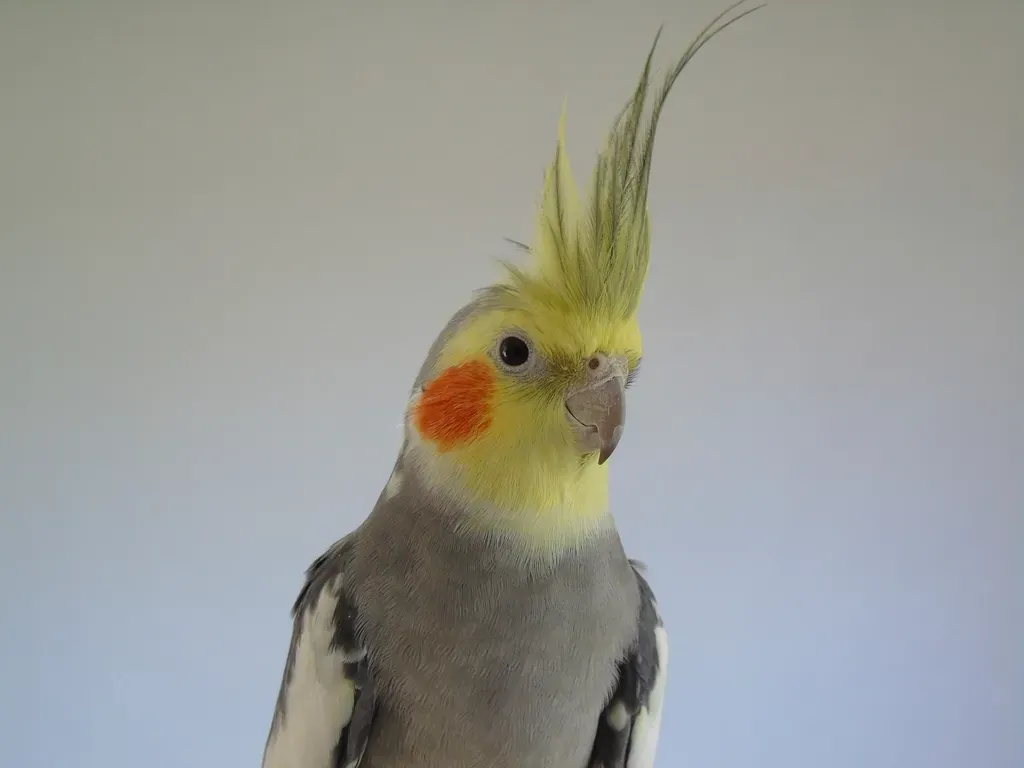
Cockatiels are delightful, playful birds known for their charming personalities and ability to mimic sounds, including speech and music. They bond strongly with their owners and can live for more than 20 years with proper care, so welcoming a cockatiel means long-term responsibility. Suitable for older children and adults, cockatiels require daily interaction and mental stimulation to stay happy and calm.
A cockatiel forms a connection with its primary caregiver through feeding and interaction, learning to identify the owner’s appearance, voice, and scent. The amount of time a cockatiel spends with its owner and the quality of their interaction significantly influence the bond they develop. Consistency is also key in building a strong bond. These birds often become deeply distressed if their primary person is absent for extended periods, which tells you a lot about how attached they actually become.
#8 – Pig (Mini or Domestic)
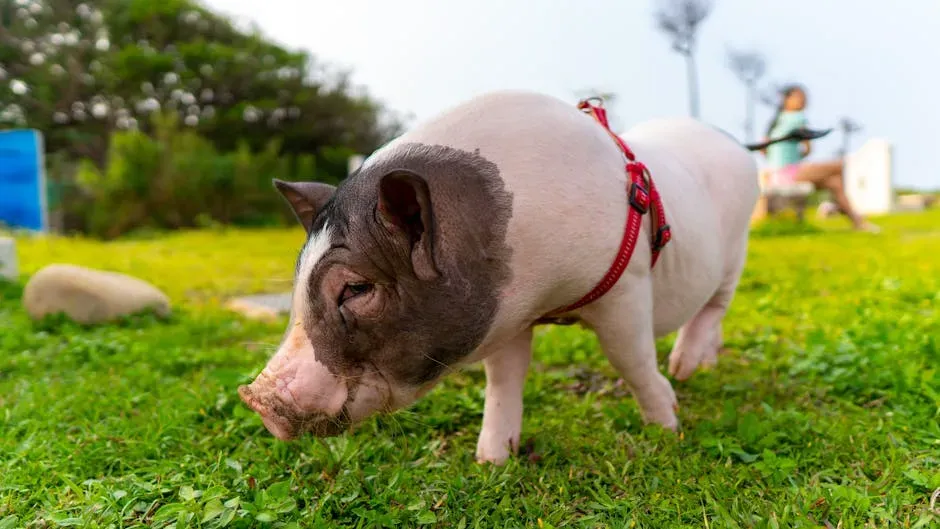
Contrary to their muddy reputation, pigs are fastidiously clean animals with cognitive abilities surpassing dogs. Their capacity for emotional connection runs deep, recognizing their caretakers by sight, sound, and even smell. A bonded pig might greet you with happy grunts or flop over for belly rubs when they see you approaching. These intelligent animals can learn complex routines and commands, often following their humans around the property like a devoted canine companion would.
Some pig owners walk them like a dog and keep them on a harness. Pigs are naturally highly social and respond well to touch. Miniature pigs are surprisingly intelligent and affectionate, and they can be house-trained and learn tricks like dogs. The key thing to know ahead of time is that a bonded pig will treat its chosen person with a loyalty that genuinely rivals any canine.
#9 – Sugar Glider
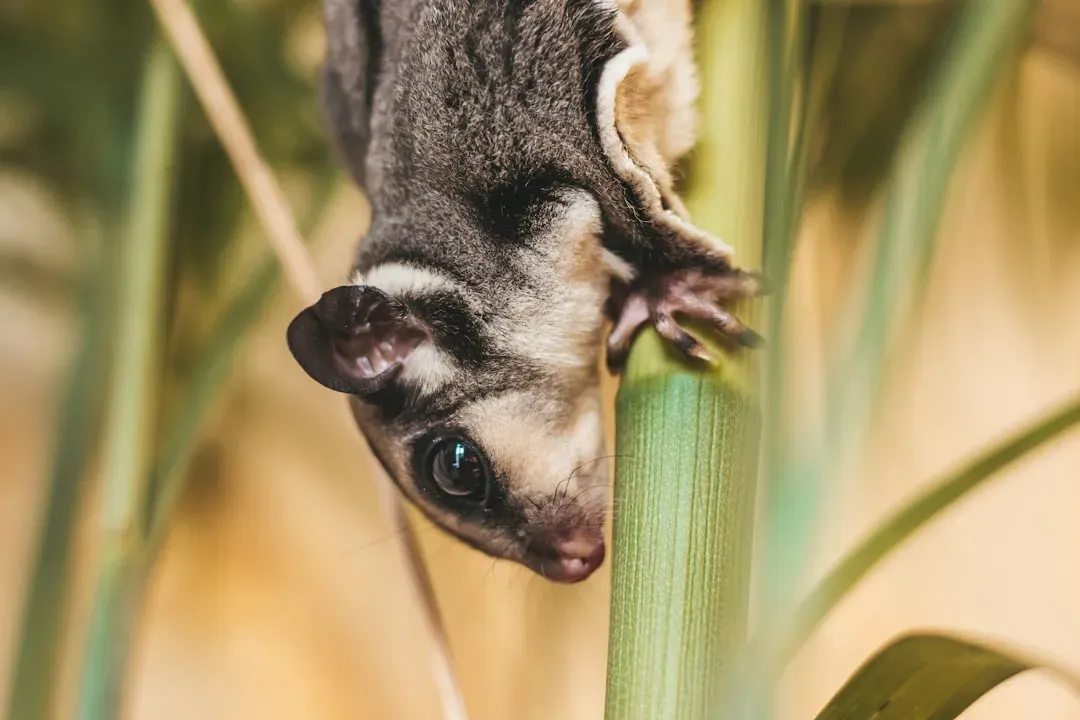
Sugar gliders are active, curious, intelligent, and social. They can form strong bonds with their owners if given regular attention, with at least 2 hours of interactive contact per day recommended. That level of daily investment is what separates casual ownership from a real relationship – and the gliders respond to it profoundly.
Sugar gliders’ social nature allows them to bond with entire families. However, they will naturally form the strongest attachment to the person who cares for them the most. When they do get attached to someone, the sadness and distress they experience upon separation or rehoming can be profound. For that reason, vets highly recommend against acquiring gliders unless you are completely certain that you will commit to caring for them throughout their entire lives.
#10 – Goat
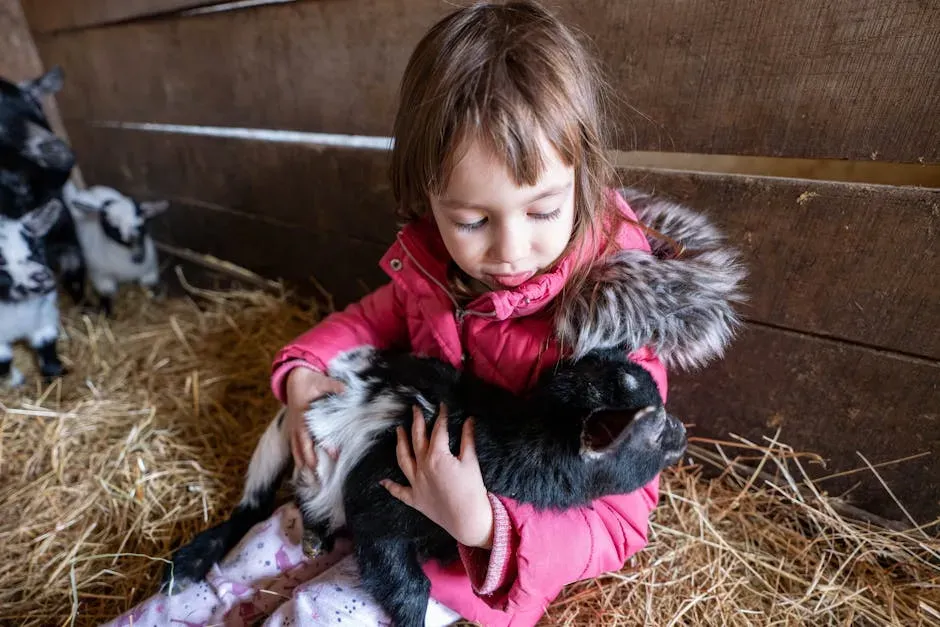
Goats aren’t just farm animals, they’re social and love human interaction. Many goats just love to be petted, scratched, and even snuggle in laps if they are small enough. Compact breeds kept as companion animals – particularly Nigerian Dwarfs and Pygmy goats – consistently surprise their owners with how people-oriented and emotionally expressive they turn out to be.
A bonded goat might lean against you for scratches or follow you around the property like a furry shadow. Their expressive faces and vocalizations create a unique language between goat and caretaker, forming relationships that blur the line between working animal and beloved pet. Once that bond is formed with one person in particular, goats have a way of making it plainly obvious who their favorite is.
#11 – Chinchilla
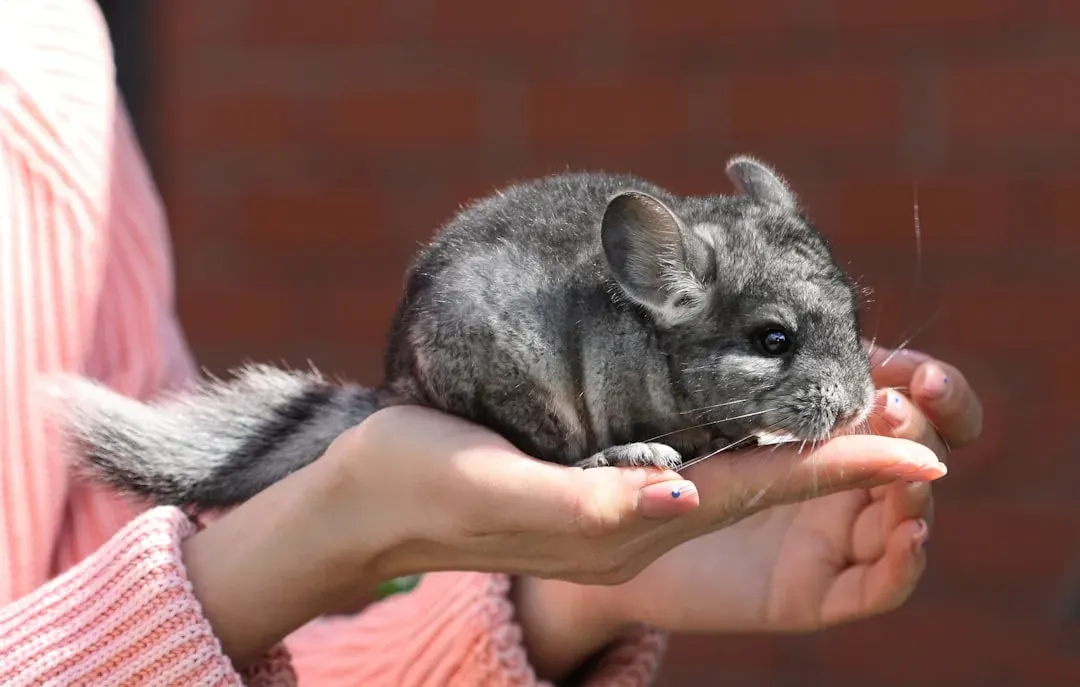
Chinchillas are a great choice as pets as they are small, quiet, and fairly clean. If you gently handle them from a young age, they can form a close bond with you. The key phrase there is “from a young age” – the window for bonding deeply is real, and early, consistent handling makes a substantial difference in the connection that develops.
Originating from the Andes Mountains, these nocturnal creatures enjoy gentle handling and require patience to build trust. Once a bond is established, chinchillas can become affectionate companions, enjoying playtime and cuddles. They communicate their moods with various sounds, adding personality to their interactions. For patient owners willing to move at the animal’s pace, the payoff is a quietly devoted companion unlike almost anything else.
#12 – Budgerigar (Budgie)
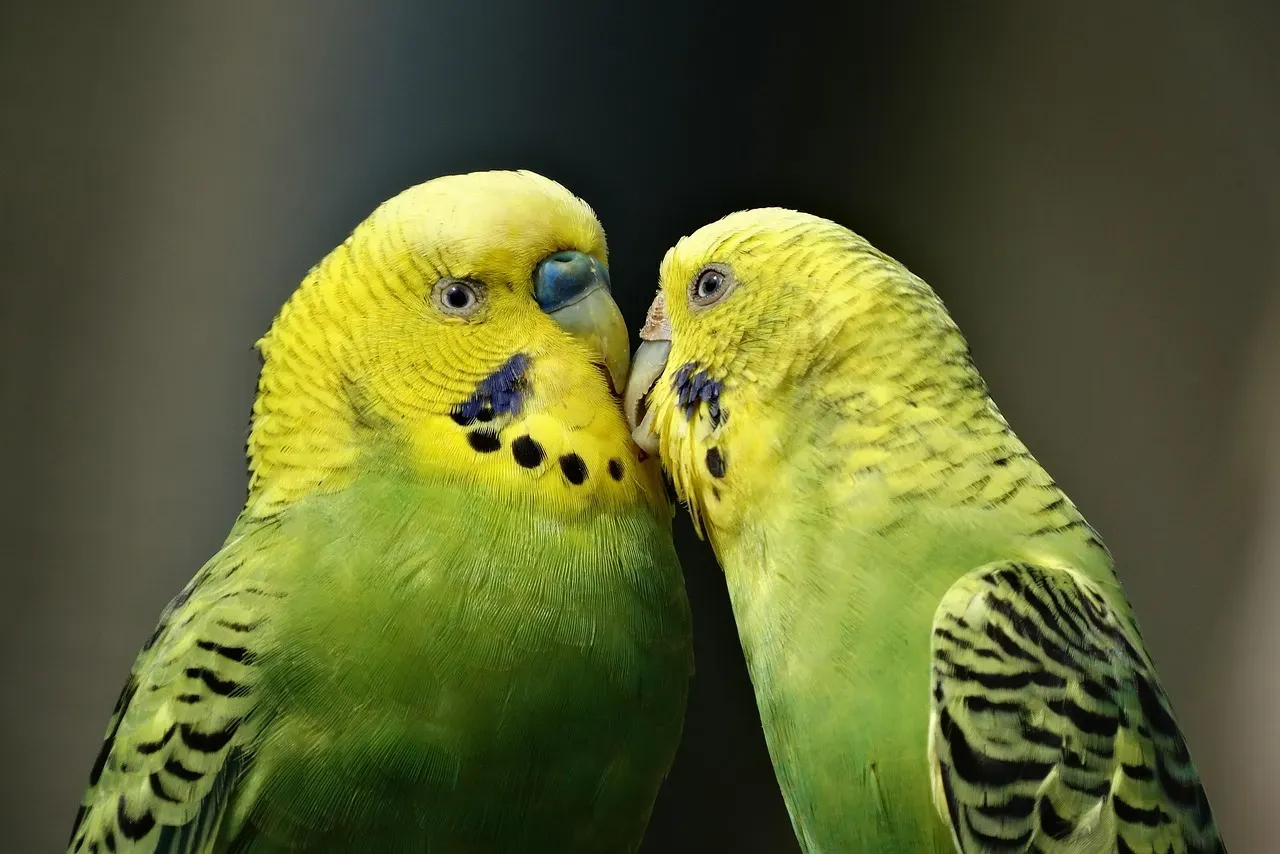
Budgerigars, usually called budgies for short, are a species of parakeet hailing from Australia. These colorful, pint-sized parakeets are known to be extremely intelligent, playful, and affectionate, bonding closely with their owners. Happy budgies love to sing with a blend of chirps and warbles. Like other parrots and parakeets, some budgies can even learn how to talk.
On average, budgies live to be 10 to 20 years old, and they form intense, lifelong emotional attachments with their owners. That longevity combined with their capacity for deep attachment means a budgie isn’t a small, casual commitment – it’s a relationship that will evolve and deepen over many years, just like the bond between a person and their dog.
#13 – Capybara
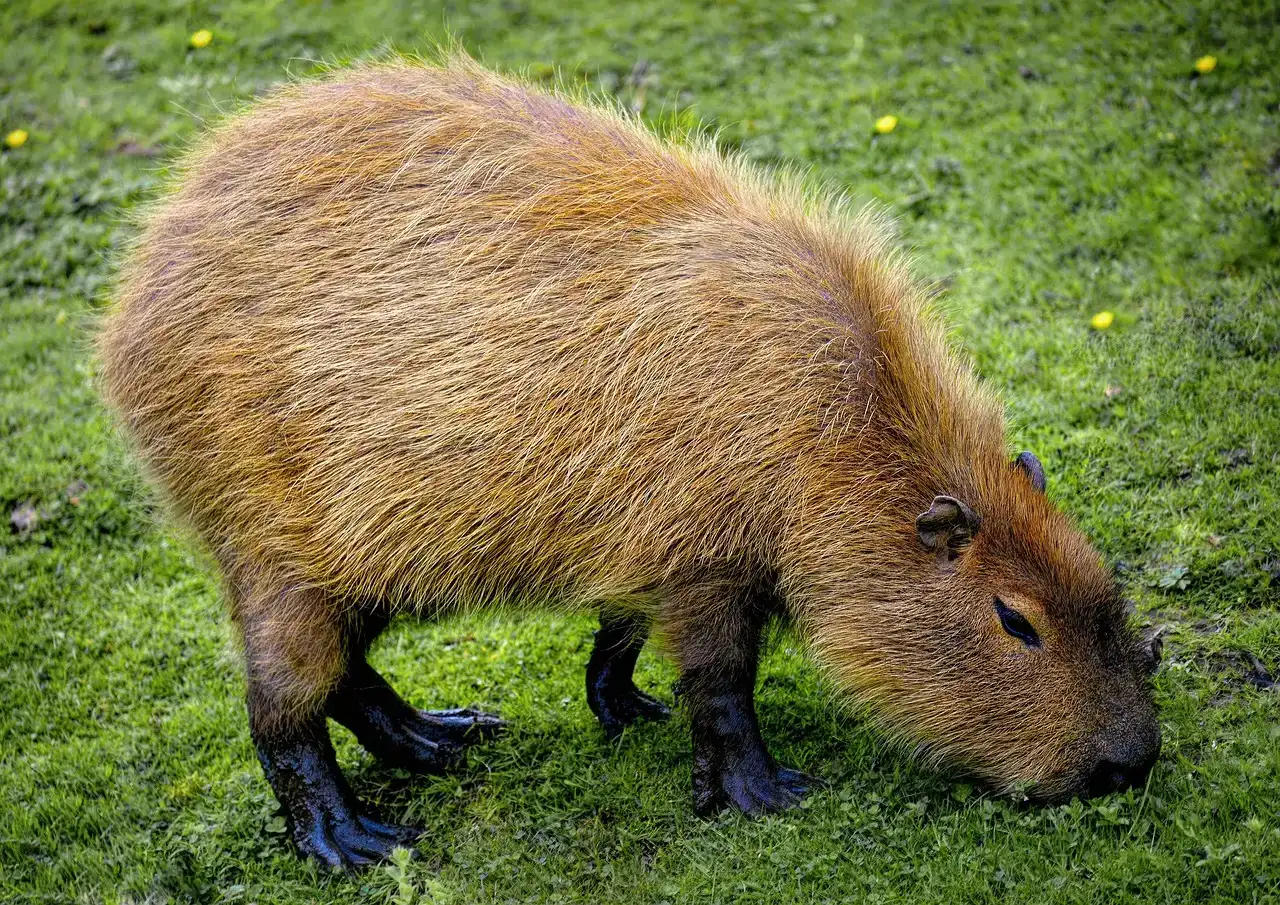
With their laid-back demeanor, capybaras are the world’s largest rodents and surprisingly loyal companions. Often found in South American wetlands, these gentle giants thrive on social interactions, not just with their own kind but with humans too. Their calm nature makes them a perfect match for families, and they enjoy being part of the daily activities. Many people find joy in their playful antics and peaceful presence.
Capybaras are semi-aquatic and love a good swim, often bonding over water play with their human friends. They’re legal in some states and require significant space and specialized care, so they’re far from a beginner’s choice. Still, those who invest in that care report a surprisingly tender, emotionally responsive animal that forms clear preferences for the people in its life.
#14 – Chicken
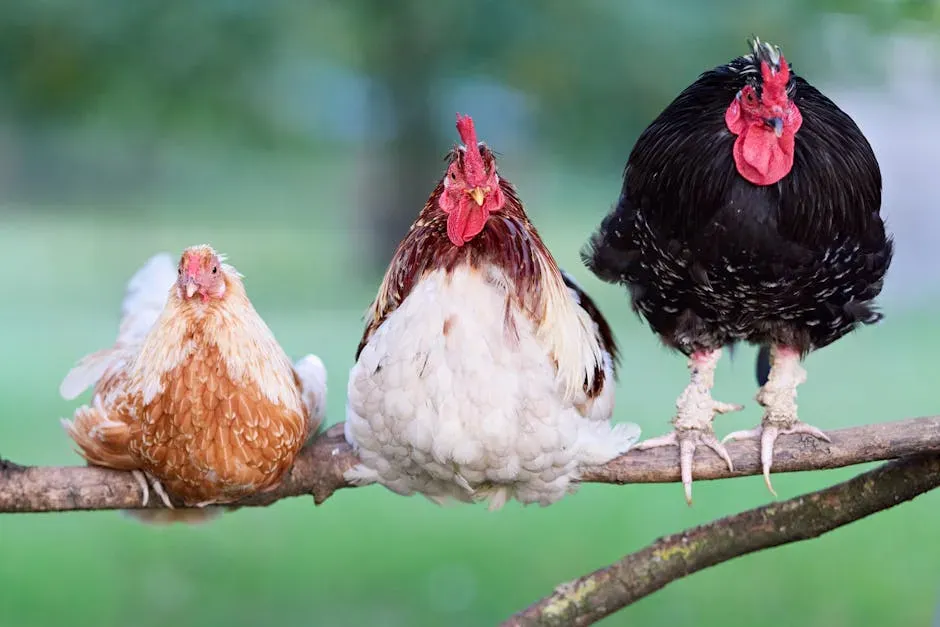
While they might not be popular pets, chickens are actually incredibly intelligent and affectionate. In fact, some will even follow their owners or cuddle on their lap. Chickens don’t bond in the same way a dog or cat does, but they recognize and grow comfortable with their owner. That recognition is more nuanced than most people give them credit for.
If you were to look deeply into a chicken’s eyes, you might feel a connection, because these animals are way smarter, more emotional, and cognitively complex than we give them credit for. Backyard chicken keepers who spend time with their flocks regularly report individual birds that return to them consistently, seek physical closeness, and become noticeably anxious when their person isn’t present – a behavioral pattern that speaks to genuine attachment.
#15 – Leopard Gecko
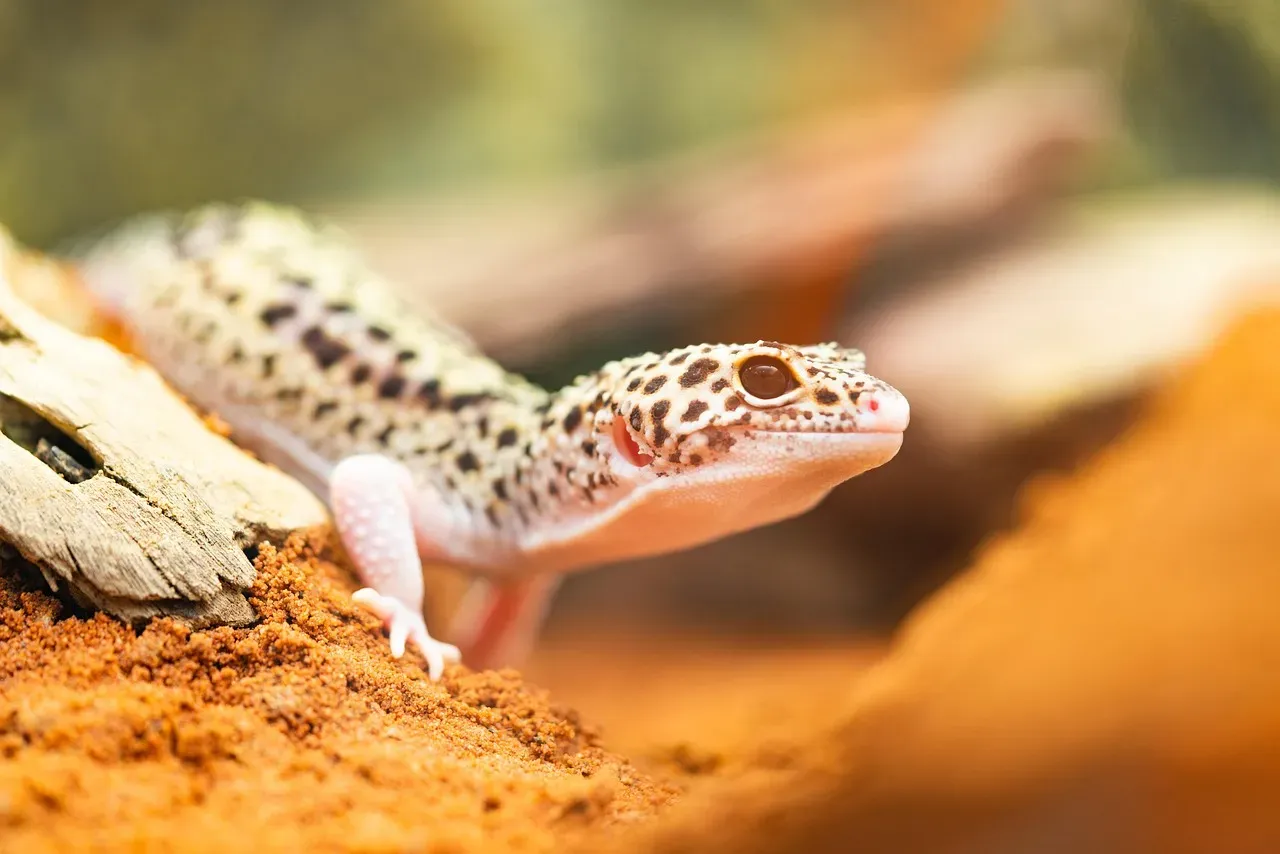
Geckos don’t wag tails or show affection in obvious ways, but they do show it in their own way. With gentle handling and consistency, many geckos grow comfortable by climbing onto hands and calmly hanging out with their person. It’s subtle affection, but it’s very rewarding to the right kind of owner.
Leopard geckos are one of the most popular pets among lizard owners because of their friendly nature and beautiful spotted patterns. They are easily fed and usually enjoy being handled and socializing with their human owners over other lizards. Their bond expresses itself through tolerance, calm presence, and a gradual, unmistakable preference for the one person who handles them consistently and with care.
#16 – Miniature Donkey
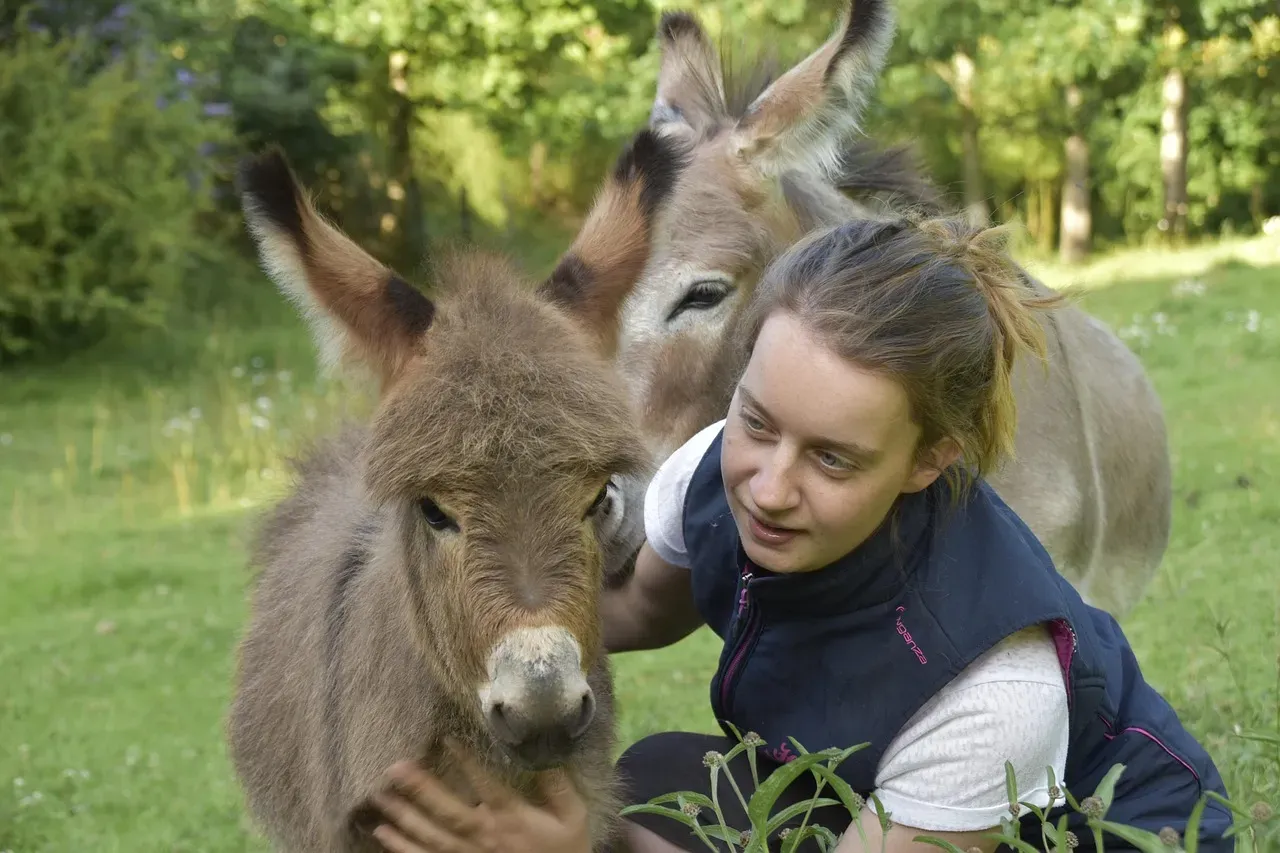
Miniature donkeys are more commonly kept as companion animals than most people realize, and vets who work with small livestock have observed their bonding capacity firsthand. Research shows that horses have a strong capacity to recognize human emotions and positive and negative facial expressions, and they are particularly sensitive to anxiety and stress. Donkeys, as close relatives of horses, share many of these same emotional sensitivities, often directing that attentiveness toward a single primary caregiver.
Like horses, donkeys are prey animals whose instinct is to be wary of unfamiliar humans. When they choose to trust someone, that trust is earned and deliberate. Owners of miniature donkeys frequently describe an animal that follows them closely, vocalizes when they leave, and settles visibly when they return – a behavioral profile that maps closely onto what we recognize as attachment. The bond, once formed, tends to be steady and quiet, without much fanfare – which somehow makes it feel even more genuine.
What This Really Means for Families

The animals on this list don’t make headlines the way dogs do. They don’t star in films or feature in greeting cards. Animals all have different personalities and tendencies, just like humans do, and certain types of animals form stronger bonds with humans more quickly than others. The capacity for that kind of deep, one-person attachment exists across far more species than most households have ever thought to explore.
Building trust is essential for bonding with any pet, but it can be especially challenging with non-traditional pets. These animals may have different needs and behaviors than more common pets, so it’s important to approach the process with patience and consistency. Exotic pets may take longer to adjust to their new environment and owner. That patience, though, is precisely where the most meaningful bonds tend to form.
The dog will always be the benchmark. That’s fair – thousands of years of co-evolution earned that status. What’s worth considering, though, is that devotion isn’t a trait dogs hold exclusive rights to. Across species, in forms that range from a parrot memorizing your voice to a goat leaning quietly against your leg, the same fundamental thing is happening. An animal is choosing you. That choice, regardless of the species making it, deserves to be taken seriously.

- 6 Exotic Bird Species You Can Spot in U.S. National Parks - July 19, 2026
- 11 Iconic American Birds Facing New Challenges and How You Can Help - July 19, 2026
- 10 Friendliest Animals in the World - July 19, 2026