
Walk into any shelter and you’ll hear the same thing from staff who’ve been doing this for years: dogs never actually hide their past. They just tell it in a language most people never learned to read.
A tail wag isn’t always happiness. A dog that never pulls on the leash isn’t always well-trained. Some of the behaviors adopters post on Facebook as “so cute” or “so good” are actually the exact signals shelter workers watch for with quiet concern. Here are 16 of them – and what staff say each one is really trying to tell you.
#1 – Flinching at Fast Movements
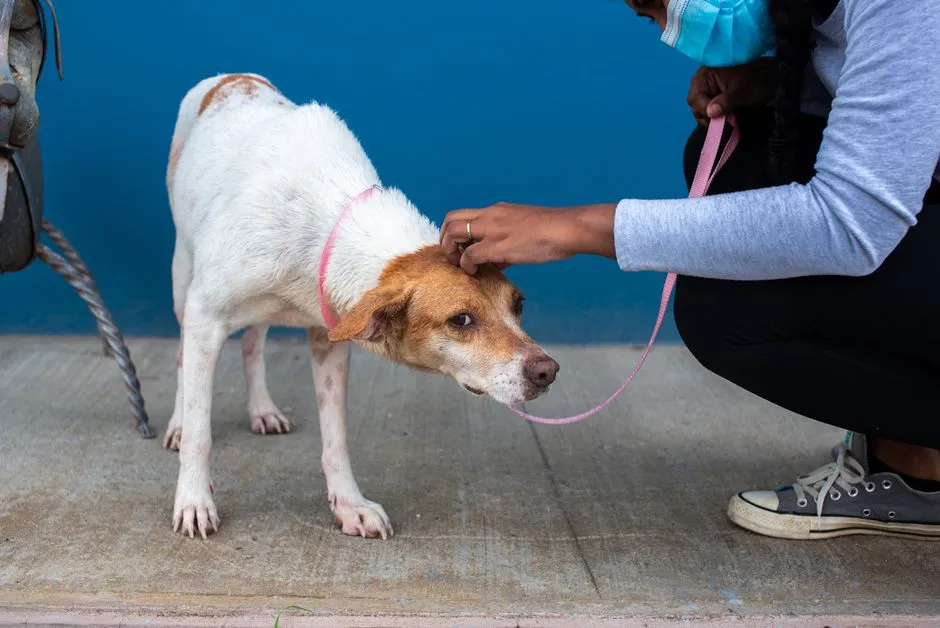
Shelter workers quietly agree on this one: a dog that flinches hard at any quick movement has probably learned that human hands can hurt. When someone reaches to pet them, they duck, blink, or freeze like they’re bracing for impact. That’s not shyness. That’s a body that has already decided pain is coming.
Staff see it most when a person waves a hand near the dog’s head, shrugs off a jacket too fast, or sets something down with a thud. Social media loves to blame this on “bad breeding,” but workers say you rarely see a full-body flinch like that without some history of rough handling behind it. It usually softens with time, slow movements, and a lot of proof that nothing bad is coming this time.
#2 – Cowering From Men but Not Women
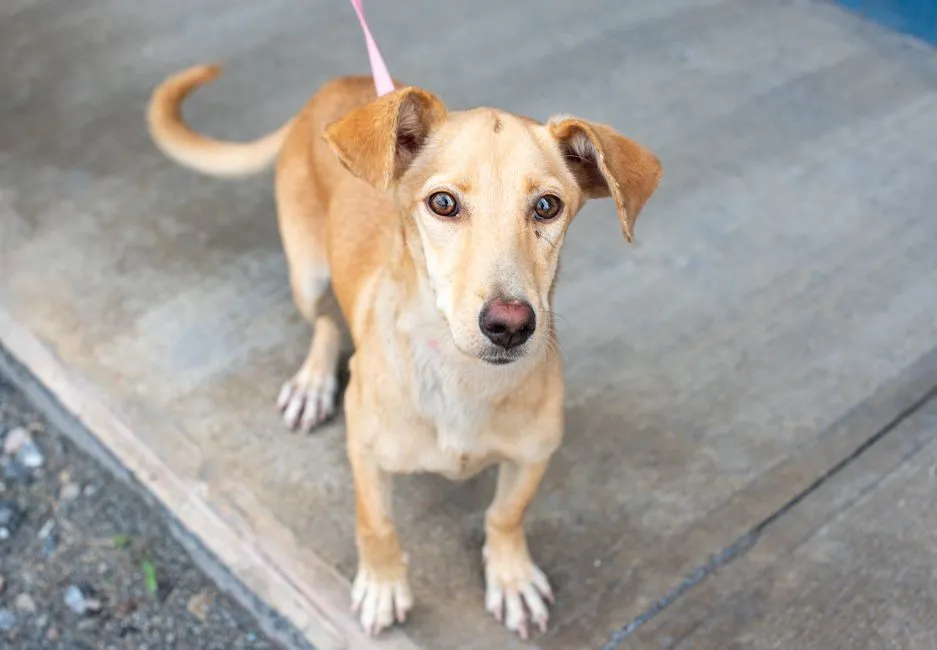
One of the most telling patterns workers see is a dog that’s relaxed around women but shrinks, hides, or growls the second a man walks into the room. It’s not random, and it’s not coincidence. Intake stories, over and over, later confirm the same thing: the main source of “discipline” in that dog’s old home was male.
You’ll catch it happening right in the doorway. A woman walks by – nothing. A man appears, and suddenly the dog won’t take a treat, won’t make eye contact, and starts backing toward the furniture. People like to call this “overprotective of women,” but shelter behavior teams read it differently. To them, it’s a dog that learned to survive around one gender and never trusted the other.
#3 – Freezing Completely When Touched
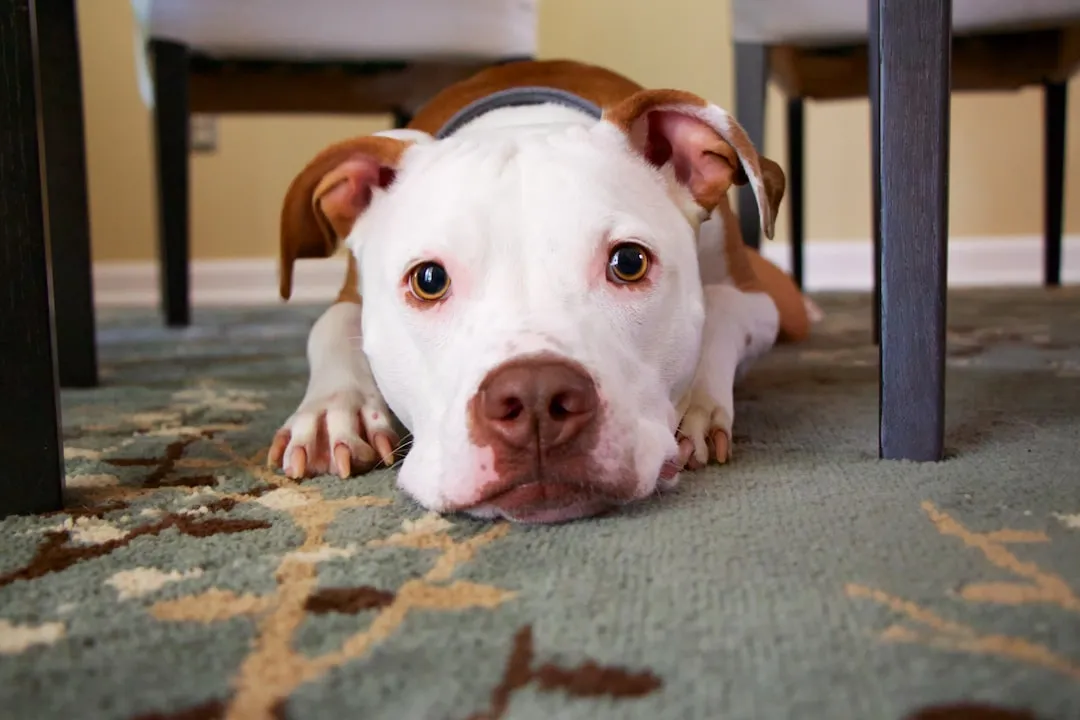
Most new dogs either lean in, back away, or sniff around out of curiosity. The ones that actually worry staff the most are the dogs that go statue-still the moment you touch them. No wag, no flinch, no movement at all – just a total shutdown.
That “I’m not here” response is common in dogs who never got a say in how they were handled – dragged by the collar, pinned down, forced into crates, punished for pulling away. Professionals call it learned helplessness: the dog has figured out that fighting back only makes things worse, so it simply stops trying. Adopters sometimes mistake this for being “chill.” In reality, it’s often a dog whose body has stopped feeling like its own.
Fast Facts
- Shutdown behavior often looks calm on the surface but signals the opposite of comfort.
- Common triggers include collar grabs, being pinned, and forced crating or confinement.
- Recovery typically requires letting the dog choose to approach, not the other way around.
- Progress is usually slow and shows up as small things first – a sniff, a blink, a shift in weight.
#4 – Guarding Food Like It’s the Last Meal
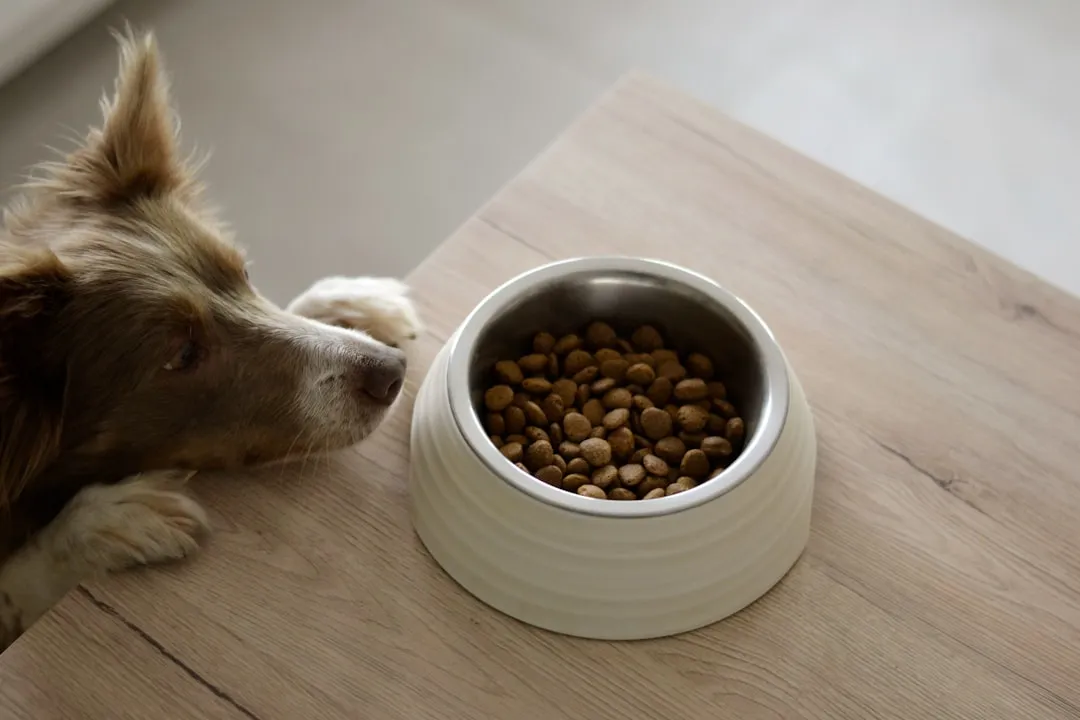
A dog’s relationship with its food bowl is one of the loudest clues to where it’s been. Workers pay close attention to dogs that snarl, stiffen, or hunch low the second a person or another dog gets near their food. It’s not “dominance” – and honestly, that label is how a lot of well-meaning people end up bitten.
When a dog eats like there’s a thirty-second timer running – gulping, barely breathing, eyes darting between bites – it’s usually a dog that never trusted the next meal to actually show up. Maybe it competed with littermates for scraps. Maybe food got taken away mid-bite. Dogs who grow up believing another meal is guaranteed simply don’t eat like every bowl is a war they might lose.
#5 – Over-the-Top Submissive Urination
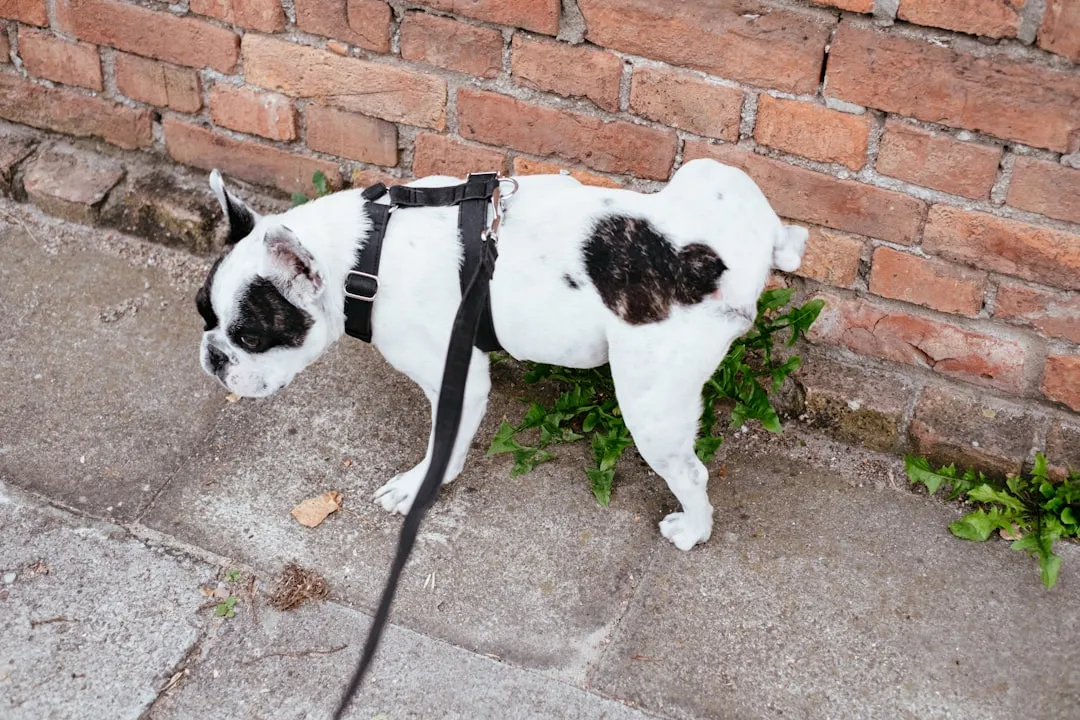
Here’s a behavior almost everyone mislabels as a potty-training problem: a dog that pees the moment someone leans over it, pets it, or even just raises their voice slightly. Shelter staff see this and immediately think less about house-training and more about history.
Think about what has to happen for a dog to wire “human getting closer” to “danger” so deeply that its bladder just gives out. It’s rarely one big incident – more often it’s constant yelling, grabbing, or being punished for things that were never really the dog’s fault. Well-meaning adopters try to correct this behavior, which almost always backfires. The actual fix is quieter than people expect: soft voices, zero punishment, and rebuilding trust one boring, uneventful interaction at a time.
#6 – Terrified of Everyday Household Sounds
Workers notice fast when a dog panics at ordinary sounds – a broom scraping the floor, a belt coming off, a metal bowl clanking down. Some dogs are naturally sound-sensitive, sure. But when it’s the same specific objects every single time, it stops looking like a quirk and starts looking like evidence.
A dog might bolt to the back of the kennel the second a vacuum turns on, or flatten completely at the jingle of a leash clip. People chalk this up to “rescue dog drama,” but staff know better – when very specific objects trigger a full fear response, those exact items were often part of past punishment. It’s a strange, heartbreaking twist: the tools we use to clean our homes can end up being the things a dog remembers as weapons.
#7 – Hyper-Vigilant Scanning in New Rooms

Some dogs walk into a new space and casually sniff around. Others walk in and immediately go into surveillance mode – eyes darting, ears swiveling, body tense, constantly checking every exit. Shelter workers see this in dogs that spent a long time managing chaos: loud households, competing dogs, or humans who were simply unpredictable.
These dogs often won’t lie down right away. They hover half-standing, ready to move at the first strange noise, spinning to locate any sound before it even finishes. Dogs raised in calm, stable homes generally don’t act like they’re on patrol around the clock. “Always alert” isn’t a personality trait here – it’s a nervous system that never got permission to relax.
#8 – Clinging to One Person and Ignoring Everyone Else
People love calling this “choosing their person,” but shelter workers see something more complicated. When a dog locks onto one staff member and anxiously avoids everyone else, it often points to a very narrow social history – maybe one kind person surrounded by people who were indifferent or outright rough.
You can see it in the body language: total relaxation with one person, then stiffening or hiding the moment someone else offers the exact same affection. It feels flattering, but it isn’t healthy. Good rescues will deliberately rotate in multiple gentle handlers, slowly proving to the dog that safety isn’t just tied to one set of hands.
#9 – Shockingly Good Leash Manners, With Dead Eyes
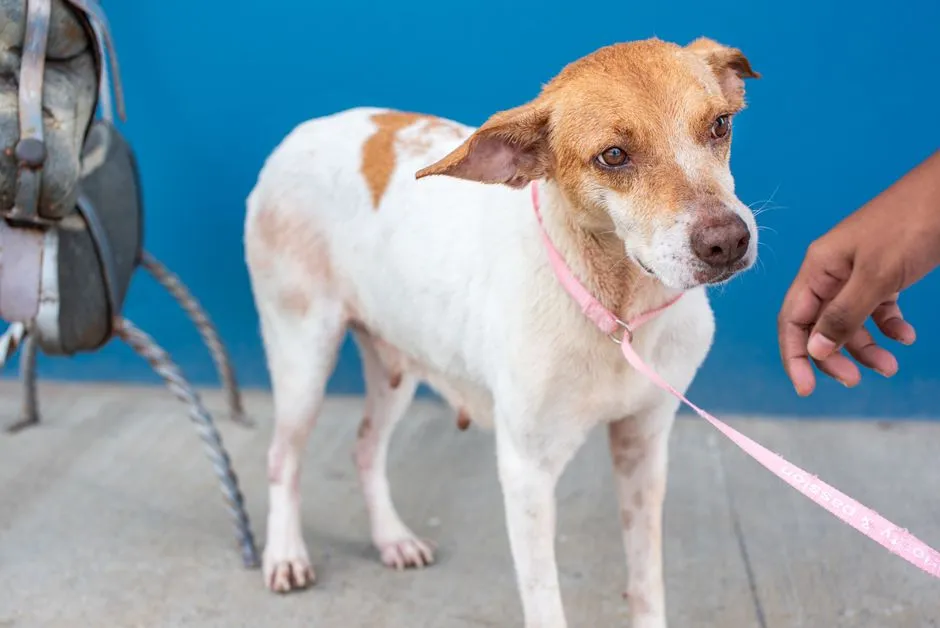
This one causes actual arguments among dog people. Many assume a dog that heels perfectly, never pulls, and never stops to sniff must have had great training. Shelter staff are more skeptical, especially when that dog looks shut down – no wag, no curiosity, just marching in a tight little zone beside the handler’s leg.
That’s not calm. That’s pressure. Reward-based training tends to produce dogs that check in occasionally, then happily go explore when they’re allowed to. The ones that move like tiny robots were often trained with heavy corrections, choke chains, or e-collars turned up too high. “Perfect” walking paired with zero curiosity can be a sign the dog learned that walking is about avoiding pain, not enjoying the world – an uncomfortable truth, but one rescuers see constantly.
Quick Compare
- Reward-based dog: loose body, occasional sniffing, checks in with handler, tail moves naturally.
- Fear-trained dog: rigid posture, no sniffing, fixed gaze forward, tail low or motionless.
- Reward-based dog: curious about new sights and sounds during the walk.
- Fear-trained dog: treats the entire walk as a task to survive, not explore.
#10 – Over-Apologizing After the Smallest Mistake
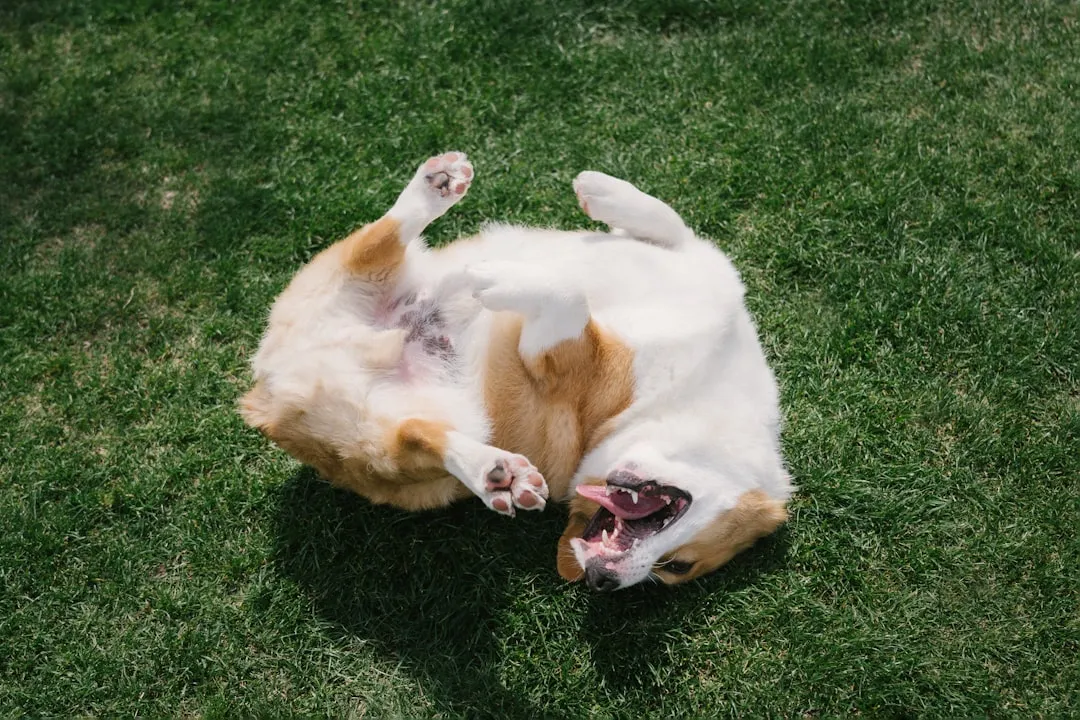
Watch what a dog does right after it knocks something over or jumps up out of excitement. The ones that immediately flop onto their backs, squint their eyes, and crawl low to the ground aren’t just being “polite.” They’re begging not to get hurt. Shelter workers call this over-apologizing, and it usually shows up in dogs that were punished harshly for tiny, ordinary mistakes.
You can watch them almost pre-punish themselves – a human sighs, or just raises an eyebrow, and the dog instantly goes belly-up, sometimes even leaking a little urine. Confident dogs might look briefly guilty, but they don’t fall apart like that. When a dog reacts like it just witnessed a crime over a spilled trash can, the punishment in its last home was almost certainly way out of proportion – and that history doesn’t disappear just because the address changed.
#11 – Obsessive Crate Behavior in Either Direction
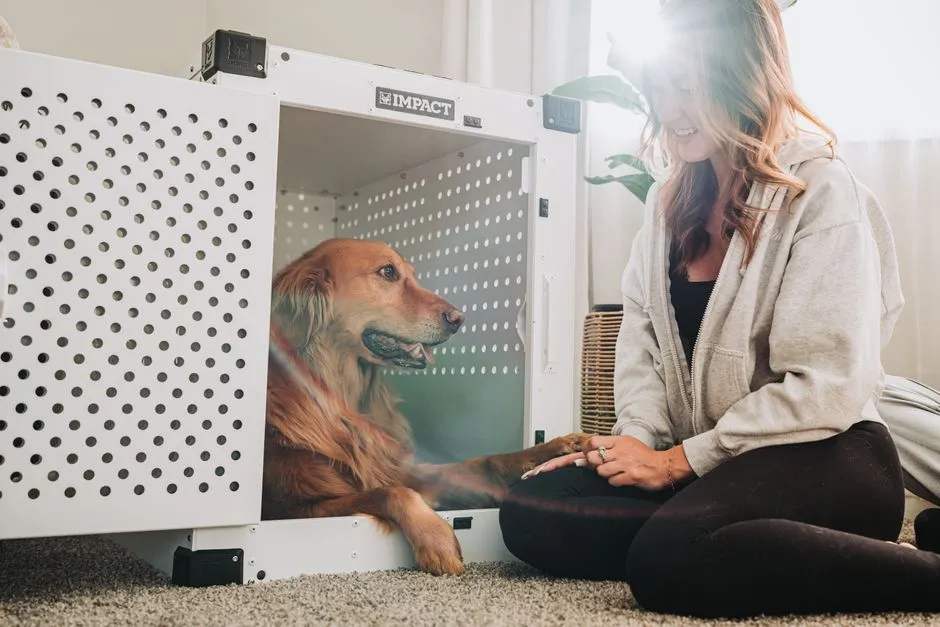
Crates tell their own quiet story. A dog that races into any crate it sees and refuses to come back out, curling into the farthest corner, may have spent most of its life confined – backyard breeding setups, hoarding situations, garages. The crate becomes the only space that ever felt safe, even as it’s also a symbol of isolation.
On the flip side, dogs that panic, chew at the bars, or split their gums trying to escape were likely locked away for long stretches with no real breaks. Shelter workers don’t see crates as inherently good or bad – they watch the intensity of the reaction. A healthy, crate-trained dog moves in and out without drama. It’s the extremes, in either direction, that tell you something happened.
#12 – Not Knowing How to Play at All
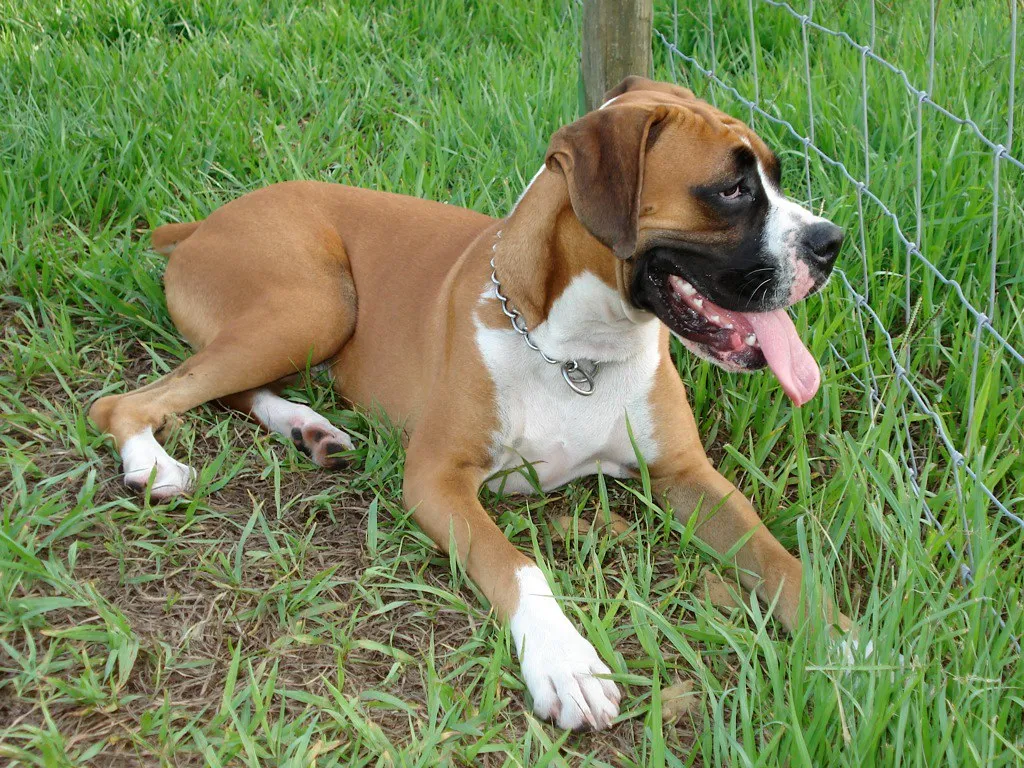
People assume every dog just instinctively knows how to chase a ball or tug a toy. Shelter workers see a very different reality: countless dogs that stare blankly at toys, freeze when other dogs start playing, or simply walk away from any invitation to have fun. Often these are dogs from backyard chains, puppy mills, or homes where they were treated like alarm systems instead of family.
Play is a luxury behavior, and dogs who spent their lives just trying to get through the day never got the chance to practice it. You toss a ball and they flinch. You offer a squeaky toy and they sniff it, confused, then walk off. The hopeful part is that with patient people and a playful dog friend, some of these dogs discover play for the first time at five, six, even ten years old – and staff describe it as watching a dog get its childhood back, decades late.
#13 – Extreme Reactivity at Doors and Gates
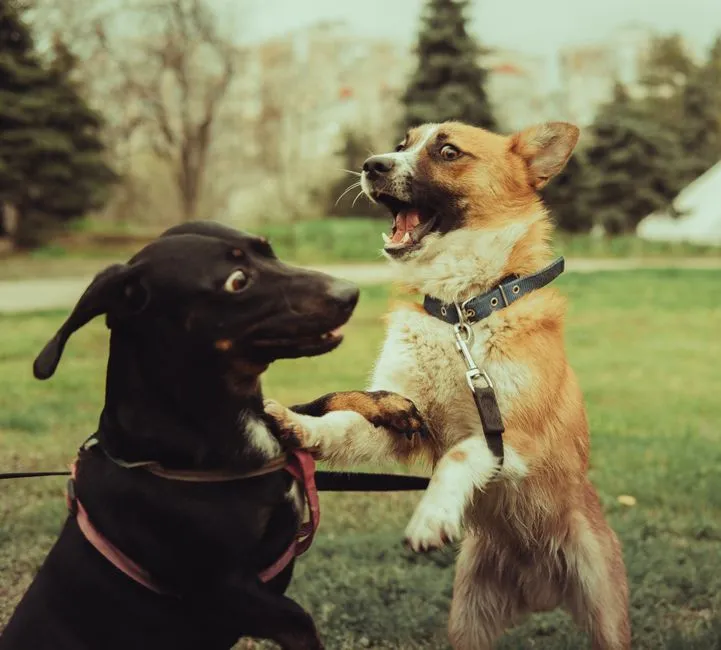
Shelter workers watch thresholds closely, because dogs that lunge, bark, or panic at doors and gates often learned that those exact spots are where bad things happen – being dragged outside, confronted by another dog, or shoved into a yard and forgotten. They’ll rush the door, retreat, block it, or spin in tight anxious circles as someone approaches.
This isn’t just excitement about going outside. Watch the body: tight muscles, wide eyes, a tail that’s either high and twitchy or fully tucked. Many of these dogs also had their entire world shrunk down to a door-to-yard routine, with no real walks and no variety. When a doorway gets treated like a battleground, it usually reflects years of high-stress transitions tied to that one specific spot – and training can rewrite it, but only once you understand what you’re actually up against.
#14 – Startled by Gentle Praise or a Soft Touch
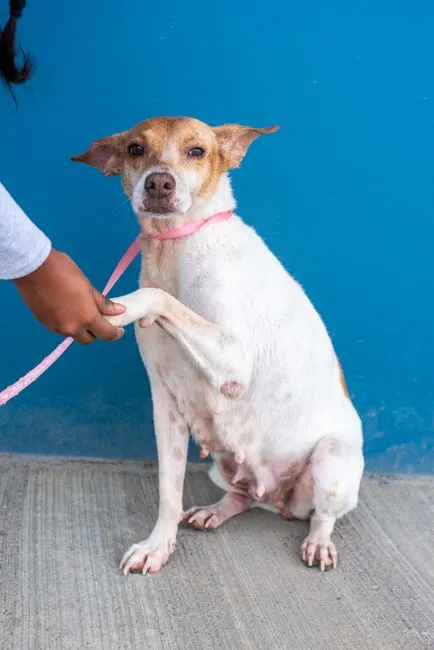
You’d assume praise is universally welcome. Yet some shelter dogs jump, flinch, or even growl the moment they’re suddenly praised or touched kindly, especially if someone leans in close. That mismatch – kindness going in, fear coming out – often points to a home where affection and anger got tangled together. The same hands that petted them were sometimes the hands that hit them.
Staff notice these dogs relax when left alone, then tense the instant someone gets warm and emotional. It’s like they’re waiting for the mood to flip. Building trust here has less to do with big, gushing affection and more to do with quiet, steady, non-swingy energy – stability, not intensity, is what eventually convinces them this chapter is different.
Worth Knowing
- Consistent, low-key energy tends to rebuild trust faster than enthusiastic affection.
- Sudden tone changes – even excited ones – can read as unpredictable to a wary dog.
- Letting the dog initiate contact usually works better than reaching toward it first.
- Progress often shows up as tolerance before it ever looks like enjoyment.
#15 – Panicking When Left Alone, Beyond Just Missing You

Plenty of people dismiss separation anxiety as a dog simply being “too attached.” But shelter workers know the most severe cases – dogs screaming, tearing through doors, self-injuring, drooling in puddles within minutes of being left – usually come from real instability. Multiple abandonments. Long stretches of isolation. Being surrendered late in life after years in the same home.
These dogs aren’t just sad when you leave. They’re terrified that alone means gone for good, because in their experience, humans have vanished before and never come back. Extreme separation behavior is often less about love and more about trauma. That doesn’t make the dog “broken” – but writing it off as basic “velcro dog” behavior ignores the very real history sitting underneath it.
#16 – Eerie Calm in the Middle of Total Chaos
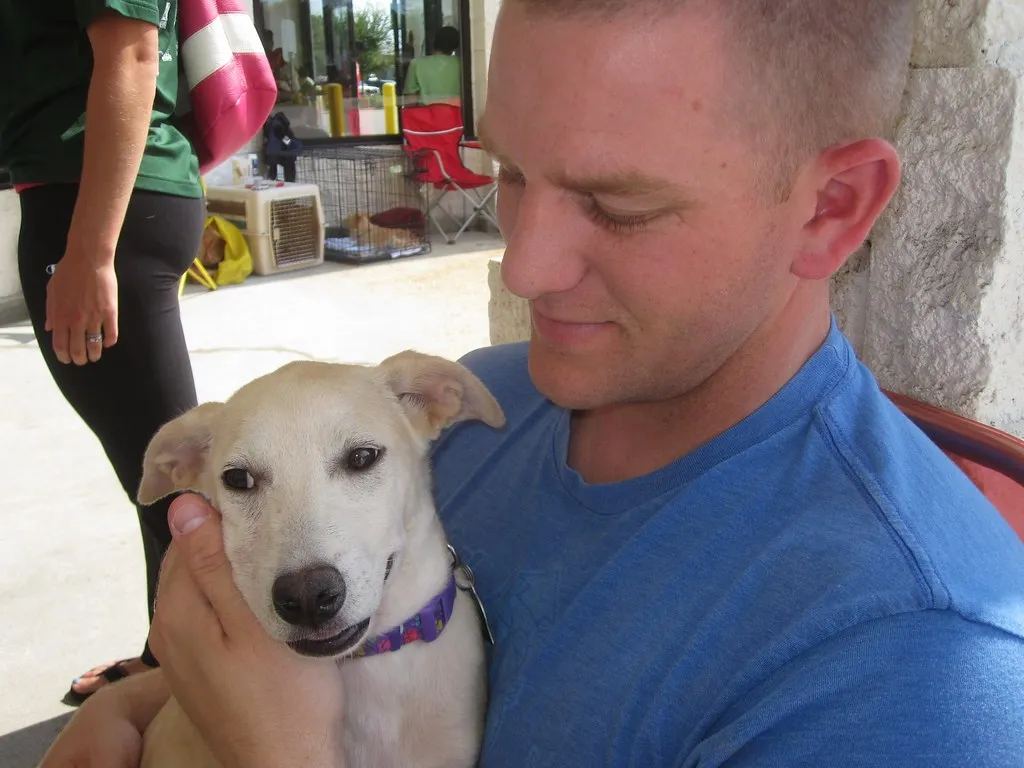
Here’s the one that genuinely surprises people: some of the calmest, most “well-behaved” dogs in a loud, chaotic shelter are actually the ones carrying the roughest pasts. Sirens outside, barking down the row, doors slamming – and the dog just lies there, barely reacting. At first glance, it looks bombproof.
Shelter workers look twice. A dog that’s unbothered by nonstop stress usually isn’t “chill” – it’s used to it. These are often dogs from homes with constant shouting, overcrowding, or a life lived outside near traffic, fireworks, machinery. Their nervous system simply normalized chaos a long time ago. That’s not resilience – that’s adaptation. Ironically, the dog everyone assumes “can handle anything” may be the one who has never once known what real quiet safety feels like.
The Bottom Line
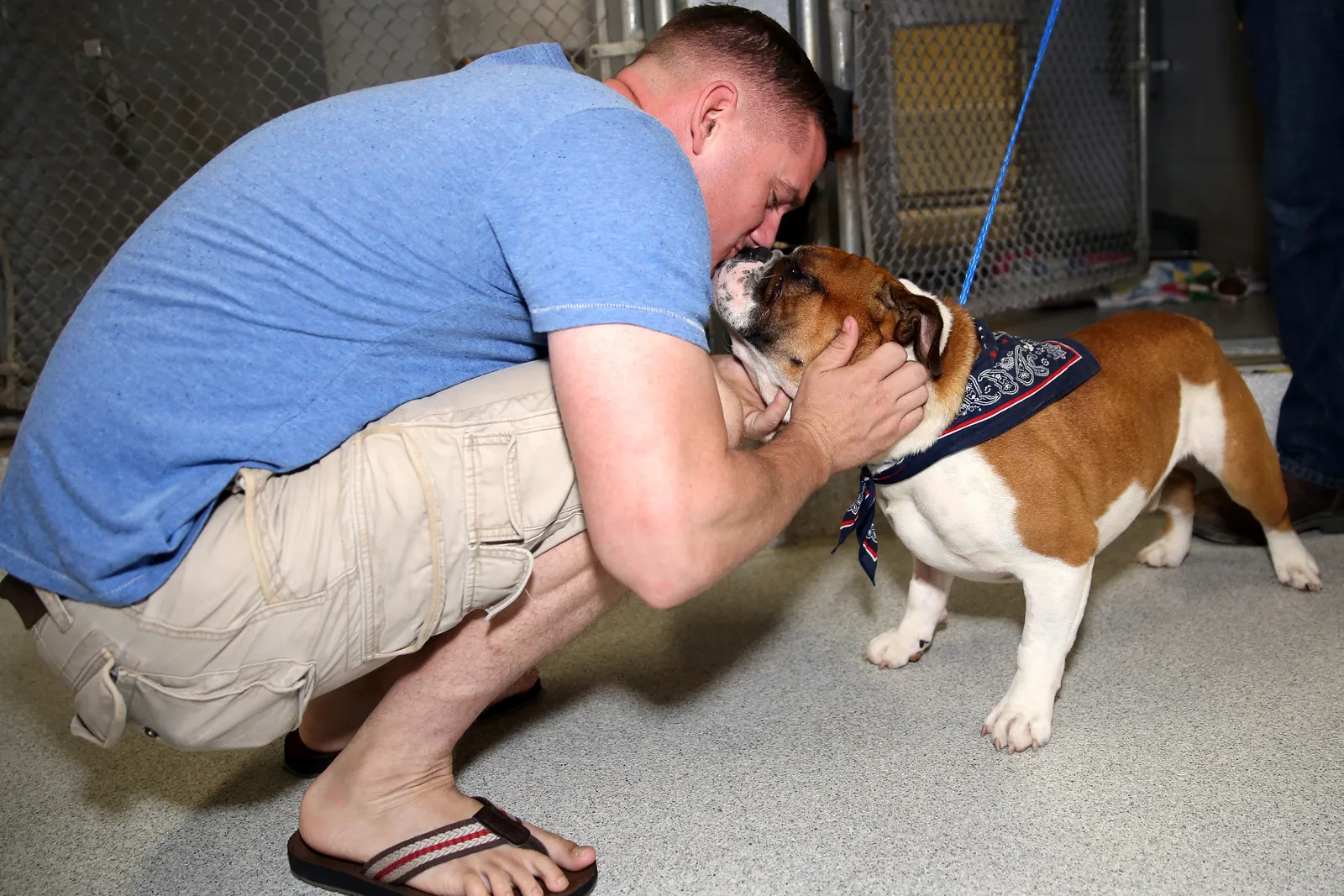
Shelter workers don’t have crystal balls, but they have patterns – and those patterns are brutally consistent. Flinches, freezes, food panic, over-apologizing, and eerily perfect obedience rarely come from a kind, boring, stable home. At the same time, not every quirk is a trauma response; some dogs are just naturally wired a little tighter than others.
The real mistake is treating behavior as random, or worse, calling it “cute” when it’s actually a survival strategy a dog built out of necessity. A lot of what gets praised online as “good training” or “loyalty” is, underneath it, a dog trying desperately not to get hurt again. If you bring one of these dogs home, your job was never to erase the story that came before you. It’s to prove, slowly and boringly and consistently, that the next chapter reads differently.
Which behavior on this list hit you the hardest – and what has your own rescue dog quietly told you about where it came from?

- 16 Behaviours Shelter Workers Say Reveal Everything About How a Dog Was Treated Before - August 13, 2026
- 10 Ancient Ruins Hidden Deep Inside Dangerous Landscapes - August 12, 2026
- 15 Dog Breeds That Are Surprisingly Good with Cats (and 5 to Avoid) - August 12, 2026