


The animal kingdom is filled with fascinating reproductive strategies that have evolved over millions of years. Among these, some of the most intriguing are the breeding behaviors that occur strictly on an annual basis. These once-yearly reproductive events are often synchronized with specific environmental conditions, celestial events, or seasonal changes that provide optimal conditions for the survival of offspring. From the spectacular coral spawning events in tropical oceans to the dramatic rutting displays of deer in northern forests, these annual breeding behaviors represent nature’s remarkable adaptations to ensure successful reproduction in challenging environments. This article explores 16 remarkable examples of breeding behaviors that happen just once per year, highlighting the incredible diversity of reproductive strategies that have evolved in animals across the globe.
16. Mass Coral Spawning on the Great Barrier Reef
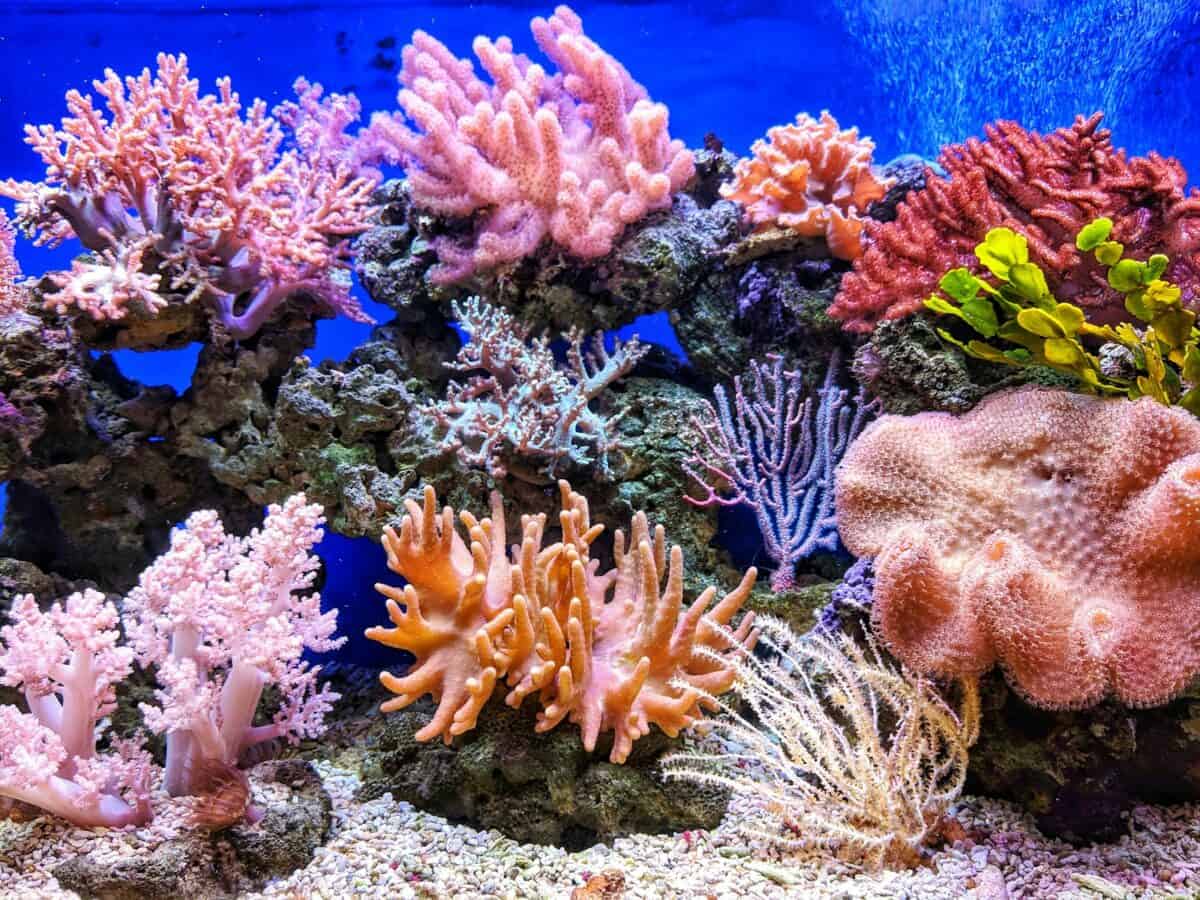
One of the most spectacular synchronized breeding events on Earth occurs on the Great Barrier Reef in Australia. Once a year, typically after the full moon in late spring or early summer (October to December in the Southern Hemisphere), countless coral polyps release their eggs and sperm simultaneously into the ocean. This mass spawning event involves multiple coral species and resembles an underwater snowstorm as billions of colorful gametes rise toward the surface. The timing is incredibly precise, coordinated by lunar cycles, water temperature, and day length. Scientists believe this synchronization maximizes reproductive success by overwhelming predators that would otherwise consume the eggs and sperm. The narrow timing window—often just 30-60 minutes on a specific night—makes this annual event one of nature’s most remarkable reproductive strategies.
15. Emperor Penguin’s Winter Breeding Cycle

Emperor penguins (Aptenodytes forsteri) engage in perhaps the most grueling annual breeding ritual of any bird species. These Antarctic residents begin their breeding cycle in March or April as winter approaches. Males and females travel up to 75 miles across the ice to reach breeding colonies. After mating, the female lays a single egg and then returns to the sea to feed, leaving the male to incubate the egg balanced on his feet in temperatures that can plummet to -40°F with howling winds. For about two months, the males huddle together to conserve warmth while fasting completely. When females return in July, they take over care of the newly hatched chicks while males, having lost up to 45% of their body weight, make their urgent journey to the sea to feed. This precisely timed annual cycle ensures chicks will be independent by summer when food is most abundant.
14. Red-Sided Garter Snake Mating Balls
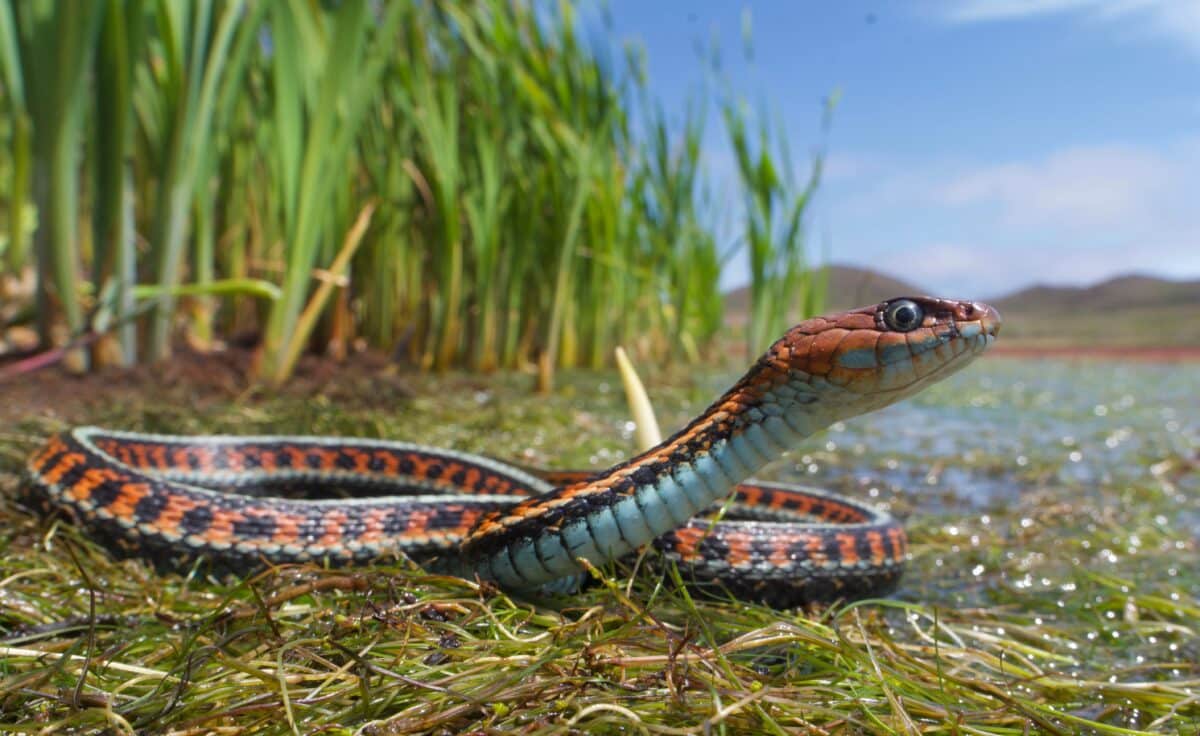
In the limestone sinkholes of Manitoba, Canada, one of the most unusual mating behaviors in the reptile world unfolds each spring. As temperatures warm in late April to early May, thousands of red-sided garter snakes (Thamnophis sirtalis parietalis) emerge from their communal hibernation dens where they’ve spent the winter. The males emerge first and wait for females, who upon appearing are immediately surrounded by dozens or even hundreds of males, forming writhing “mating balls” as the males compete to mate with a single female. This spectacular annual event represents the largest concentration of snakes anywhere in the world, with some dens hosting over 50,000 individuals. The brief mating period lasts only about two weeks before the snakes disperse to their summer feeding grounds, not to return until the following year’s breeding season.
13. Palolo Worm Lunar Spawning
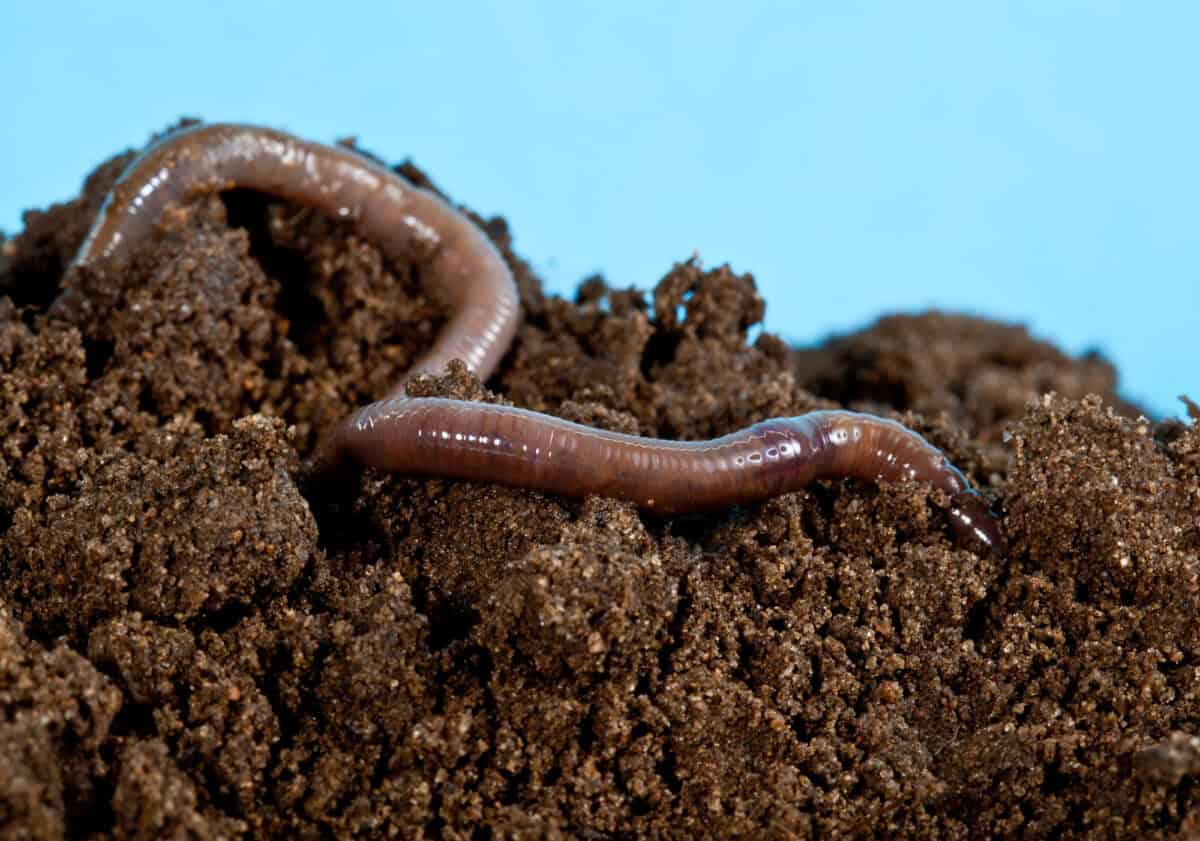
The palolo worm (Palola viridis) of the South Pacific demonstrates one of the most precisely timed annual breeding events known to science. These marine worms live in coral reefs throughout the year, but during the last quarter moon of October or November, something remarkable happens. The posterior portion of the worm, packed with reproductive cells, detaches from the body and swims to the surface in massive numbers. This synchronized event occurs in such abundance that the ocean surface can appear thick with wriggling worm segments. Local island communities have traditionally harvested these nutritious reproductive segments as a delicacy. The timing is so precise that it can be predicted to the day and hour. After releasing their gametes, the reproductive segments die while the head portion remains in the reef to regenerate and repeat the process the following year.
12. Antler Shedding and Regrowth in Deer
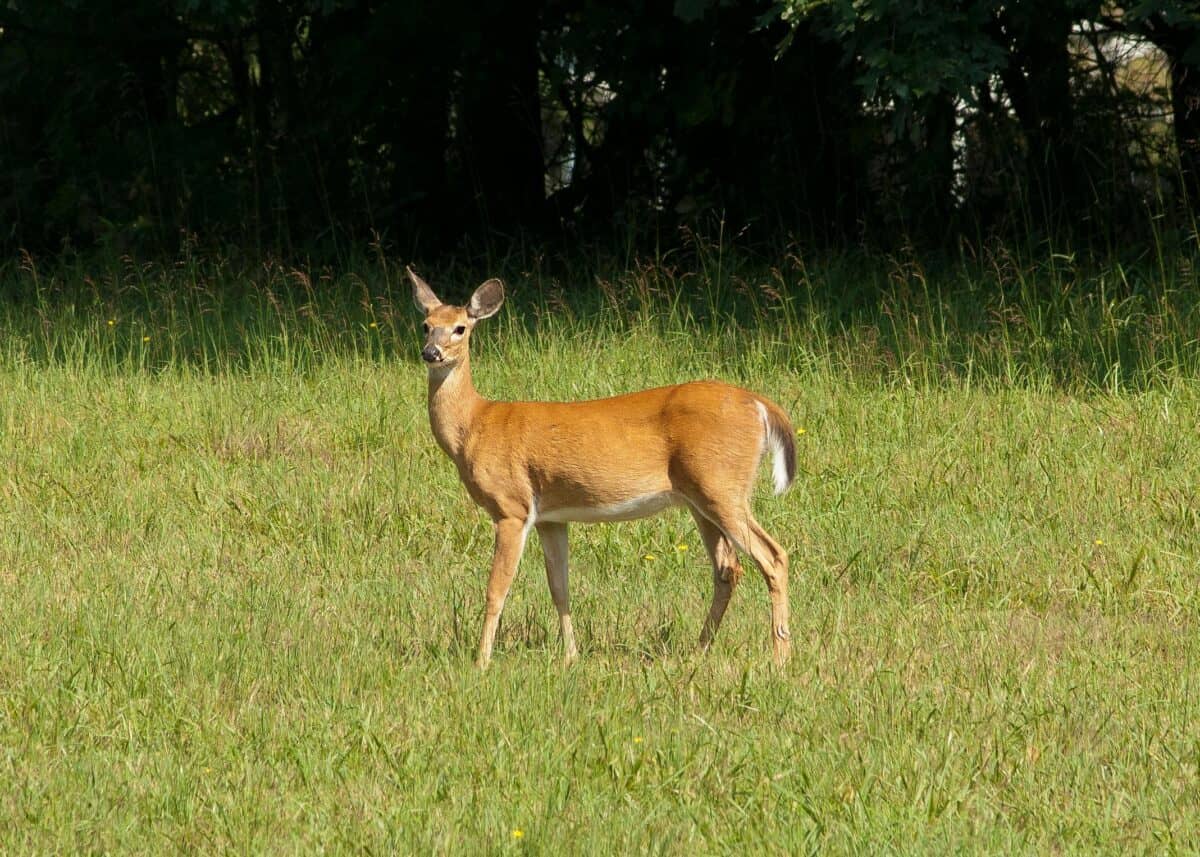
Male deer species undergo a remarkable annual cycle of growing and shedding antlers that’s directly tied to their breeding season. Unlike horns, which are permanent, antlers are the only mammalian appendages that completely regenerate each year. For species like the white-tailed deer (Odocoileus virginianus), the cycle begins in spring when increasing daylight triggers testosterone production, initiating antler growth. Throughout summer, the antlers grow covered in velvet, a blood-rich skin that provides nutrients. As breeding season (rut) approaches in fall, testosterone levels peak, causing the velvet to dry and be rubbed off. The polished antlers are then used in male-to-male competition for breeding rights. After the breeding season, testosterone levels drop dramatically, weakening the connection between antlers and skull until they shed in winter. This energy-intensive annual process can produce antlers growing up to an inch per day, making them one of the fastest-growing tissues in the animal kingdom.
11. Christmas Island Red Crab Migration

Each year during the wet season (typically October to December), approximately 50 million red crabs (Gecarcoidea natalis) on Christmas Island in the Indian Ocean embark on a spectacular migration from the forest to the sea. This mass movement is triggered by the onset of the rainy season and the phase of the moon. The adult crabs must reach the ocean to breed and release their eggs precisely when high tide occurs during the last quarter of the moon. Male crabs arrive at beaches first, dig burrows, and are joined later by females. After mating, females produce eggs which they carry in brood pouches for about two weeks before releasing them into the sea during a precise nocturnal high tide. The timing must be exact—releasing eggs at the wrong tide could wash the larvae too far out to sea. This annual breeding migration is so massive that roads are closed and special crab crossings have been constructed to protect the crabs during their journey.
10. Firefly Synchronized Flashing

In the Great Smoky Mountains of Tennessee and a few other locations around the world, fireflies of the species Photinus carolinus perform one of nature’s most magical light shows. For a brief two-week period in late May to mid-June, thousands of male fireflies flash in perfect synchrony, creating waves of light that sweep through the forest. This synchronized flashing is a mating display that occurs just once annually. Males flash in unison to help females of their species identify potential mates among the numerous firefly species active during summer nights. The phenomenon begins around 9:30 PM and lasts for a few hours each night during the brief mating season. Scientists believe the synchronization may have evolved to create a more powerful, attention-grabbing display for females. The precisely timed annual nature of this event has made it a popular ecotourism attraction, with viewing areas in the Great Smoky Mountains National Park requiring reservations months in advance.
9. Horseshoe Crab Spawning During Spring Tides
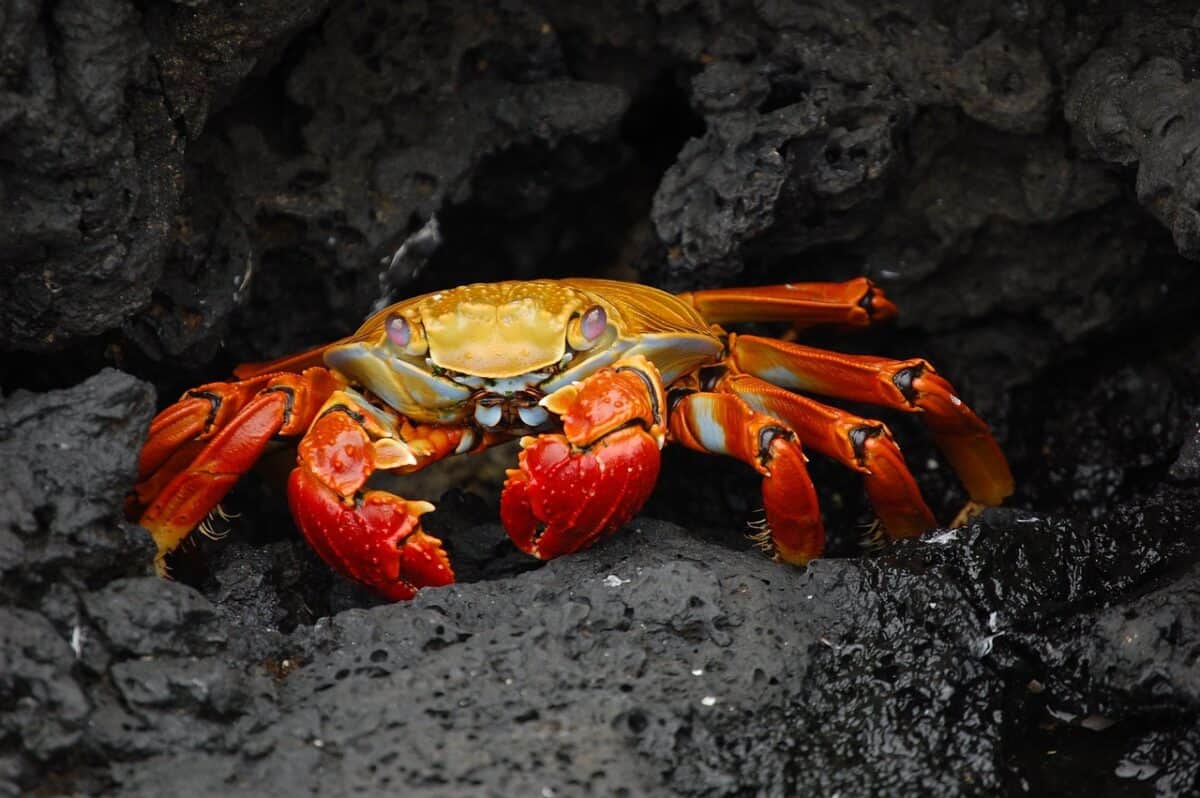
Horseshoe crabs (Limulus polyphemus), living fossils that have remained largely unchanged for 450 million years, engage in a remarkable mass spawning event that coincides with spring high tides during full and new moons in May and June along the Atlantic coast of North America. Thousands of these ancient arthropods emerge from deeper waters to mate on sandy beaches, with females laying up to 100,000 eggs in nests dug in the sand while males fertilize them externally. The timing is crucial, as the highest spring tides allow the crabs to reach the uppermost parts of beaches where their eggs will be safe from daily wave action. This annual spawning coincides perfectly with the migration of shorebirds like the red knot, which time their journey to feast on horseshoe crab eggs, highlighting the ecological importance of this synchronized annual breeding event. The precise nature of this spawning, occurring primarily during nighttime high tides during specific moon phases, demonstrates how celestial and tidal cycles govern reproduction in these prehistoric creatures.
8. Bamboo Synchronized Flowering and Seeding
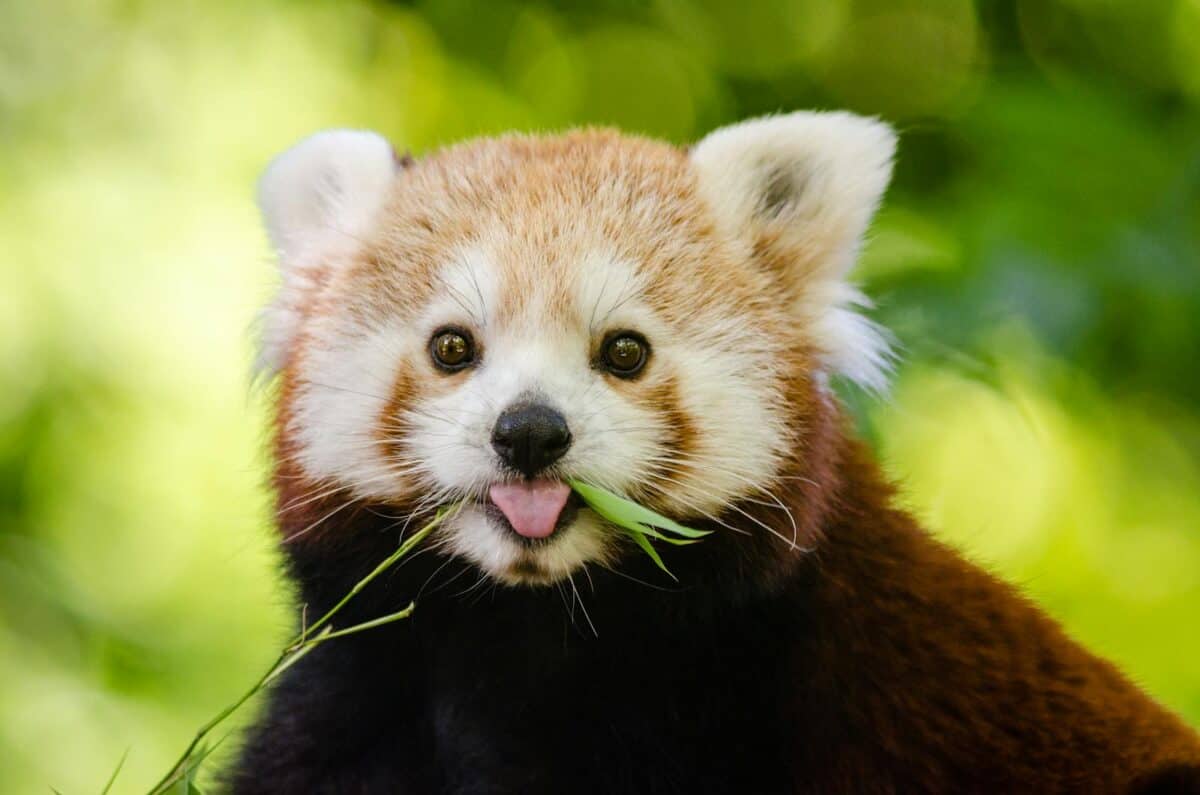
While not animals, bamboo species exhibit one of the most extraordinary reproductive behaviors in the natural world, with some species flowering just once in 60-120 years. All plants of a particular species, regardless of geographic location, flower simultaneously and then die. For example, the Melocanna bamboo forests of northeast India and Bangladesh flower approximately every 48 years, producing massive quantities of fruit-like seeds that trigger ecological cascades. This synchronous seeding event, known as “masting,” leads to an abundance of food that temporarily boosts rodent populations, sometimes resulting in “rat floods” that can affect human food security. The Phyllostachys bambusoides (Japanese timber bamboo) holds the record for the longest flowering cycle at 130 years. While not annual like other examples in this article, these exceptionally rare reproductive events represent an extreme version of synchronized breeding that evolved to overwhelm seed predators through sheer abundance, ensuring some seeds survive to germinate.
7. Elephant Seal Beach Harems

Northern elephant seals (Mirounga angustirostris) engage in a dramatic annual breeding season on beaches along the Pacific coast from central California to Baja Mexico. In December, massive males weighing up to 4,500 pounds arrive at breeding beaches and engage in spectacular battles for territory, rearing up and slamming their weight against rivals. The victorious “beach masters” establish harems that can include up to 50 females. When females arrive in January, they give birth to pups conceived the previous year, nurse them for about a month, and then mate again before returning to sea. The breeding season is characterized by extreme sexual dimorphism and polygyny, with just a small percentage of dominant males siring most offspring. Males fast entirely during the 3-month breeding season, losing up to a third of their body weight while defending territories. This highly compressed annual breeding period evolved to take advantage of favorable beach conditions and to synchronize pup development with seasonal food availability in the Pacific Ocean.
6. Cicada Periodical Emergence

While most cicada species emerge annually, periodical cicadas (Magicicada spp.) display one of the most mathematically precise breeding cycles in the animal kingdom. These insects spend either 13 or 17 years developing underground before emerging en masse to breed. When soil temperatures reach approximately 64°F in late spring, billions of cicadas emerge simultaneously across their range. Their synchronous emergence is a predator-satiation strategy—so many cicadas appear at once that predators can consume only a small percentage, ensuring most survive to reproduce. After mating, females cut slits in tree branches to deposit eggs. The adults live just a few weeks before dying, and when the eggs hatch, the nymphs drop to the ground and burrow into the soil to begin the cycle again. Remarkably, different broods of periodical cicadas emerge in different years and regions, with distinct 17 and 13-year cycles. While not technically annual, these periodic emergences represent one of nature’s most precise biological clocks, with each brood maintaining a specific schedule over thousands of years.
5. Sea Turtle Arribada Nesting

Olive ridley sea turtles (Lepidochelys olivacea) demonstrate one of the most dramatic synchronized nesting events in the reptile world. In a phenomenon known as “arribada” (Spanish for arrival), thousands of female turtles come ashore simultaneously on specific beaches to nest, primarily in Costa Rica, India, and Mexico. These mass nesting events typically occur monthly during the breeding season, but each female participates only once per year, laying approximately 100 eggs in a nest she digs in the sand. The arribadas typically last 3-5 days and are thought to be triggered by weather conditions, lunar cycles, and possibly chemical signals released by the turtles themselves. This synchronization evolved as a predator-swamping strategy—so many eggs and hatchlings appear at once that predators can consume only a small percentage. Interestingly, only certain olive ridley populations display arribada behavior, while others nest individually like most sea turtle species. The largest arribadas can feature over 100,000 turtles nesting on a single beach over a few days, making it one of nature’s most impressive mass breeding events.
4. Prairie Chicken Lekking Displays

Greater prairie chickens (Tympanuchus cupido) engage in one of North America’s most theatrical mating displays each spring. Males gather at traditional display grounds called “leks,” where they perform elaborate courtship rituals to attract females. The males inflate bright orange air sacs on their necks, raise specialized feathers called pinnae above their heads, stamp their feet rapidly, and emit booming calls that can be heard up to a mile away. This annual breeding display begins in March and continues through May, with the most intense activity occurring around sunrise. Males defend small territories within the lek, with dominant central positions being most attractive to females. The breeding system is highly skewed, with just a few dominant males securing most of the mating opportunities. After mating, females leave to nest and raise young entirely on their own. The prairie chicken’s annual lek displays represent a fascinating example of sexual selection driving the evolution of elaborate courtship behaviors. Unfortunately, habitat loss has severely reduced prairie chicken populations, making their spectacular breeding displays increasingly rare to witness.
3. Salmon Spawning Runs

Pacific salmon species (Oncorhynchus spp.) undertake one of the most physically demanding breeding migrations of any animal. Born in freshwater streams, young salmon migrate to the ocean where they spend 1-7 years growing to maturity before returning to their natal streams to spawn. This annual return occurs with remarkable precision, with each species having evolved specific timing that coincides with optimal stream conditions for their eggs. Sockeye salmon typically spawn in late summer and fall, while king salmon may begin their runs earlier. Using their acute sense of smell, salmon navigate back to the exact streams where they were born, sometimes traveling thousands of miles and fighting against powerful currents. As they enter freshwater, their bodies undergo dramatic transformations—males develop hooked jaws and humped backs, while both sexes change color. After spawning, all Pacific salmon species die, their decaying bodies providing crucial nutrients to the stream ecosystems where their offspring will develop. This semelparous breeding strategy—reproducing once and then dying—represents an extreme form of parental investment that has evolved to maximize reproductive success in challenging environments.
2. Cuttlefish Male Mimicry During Mating Season
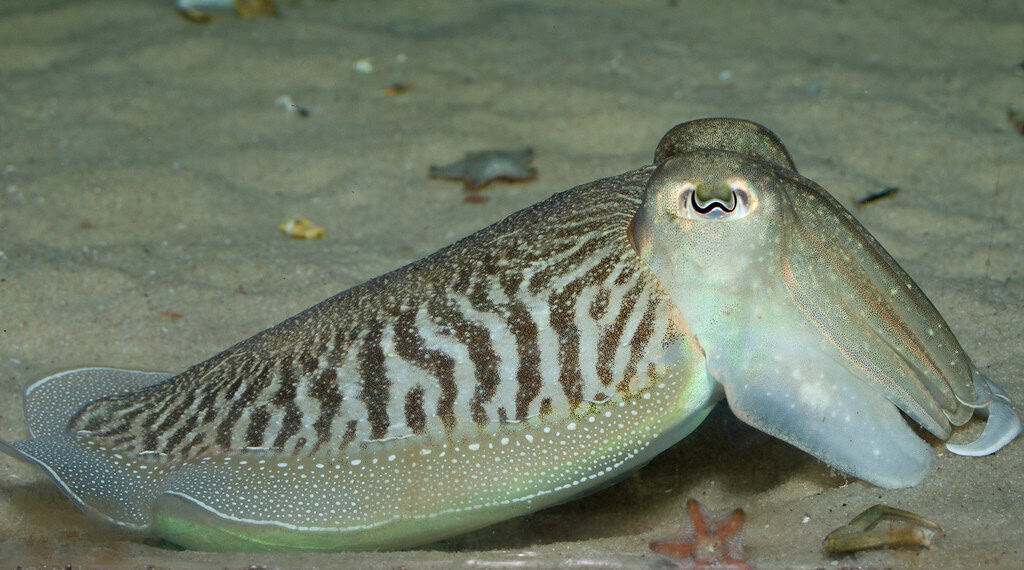
Male giant Australian cuttlefish (Sepia apama) display one of the most sophisticated deception strategies in the animal kingdom during their annual breeding aggregation in South Australia’s Spencer Gulf. Each winter (May to August), thousands of these color-changing cephalopods gather in shallow waters to mate. Large males guard females and engage in dramatic displays, rapidly shifting colors and patterns to impress potential mates and intimidate rivals. However, smaller males have evolved a remarkable strategy—they can disguise themselves as females by adopting female coloration and hiding their extra mating arms. These “sneaker males” can then approach a guarded female right under the dominant male’s watch and mate with her. Some males can even display different disguises on different sides of their body, showing female patterns to the guarding male while displaying courtship signals to the female on the other side. This annual breeding aggregation is the only known gathering of this magnitude for cuttlefish anywhere in the world, and the deceptive mating strategies have evolved specifically to maximize reproductive opportunities during this brief annual window.
1. Puffin Beak Color Transformation

Atlantic puffins (Fratercula arctica) undergo a dramatic physical transformation that coincides precisely with their annual breeding season. During winter months at sea, puffins have relatively dull gray beaks. However, as breeding season approaches in spring, their beaks transform into the iconic bright orange, yellow and blue triangular bills that have earned them the nickname “sea parrots.” This transformation involves the growth of colorful horny plates that enlarge the bill and enhance its brilliant coloration. After the breeding season ends in late summer, these plates are shed, and the bill returns to its smaller, duller winter appearance. This annual change is believed to function as a sexual signal, with brighter bills potentially indicating.
Conclusion:

The incredible diversity of once-a-year breeding behaviors showcased in this article underscores the intricate ways animals have adapted their reproductive strategies to align with environmental, celestial, and ecological cues. Whether it’s fireflies lighting up a forest in unison, millions of red crabs migrating to the sea, or corals timing their spawning with the full moon, these annual events are the product of finely tuned evolutionary processes. Many of these behaviors not only ensure the survival of offspring but also highlight the interconnectedness of life—from lunar cycles to predator-prey dynamics. As habitats face increasing pressure from climate change and human activity, understanding and preserving these synchronized breeding events becomes all the more critical. These moments, brief and often spectacular, remind us of nature’s precision, resilience, and the extraordinary lengths to which life will go to ensure its continuity.

As a little kid, I fell in love with nature, wildlife, and animals. Living in the USA, South Africa, Italy, China and Germany gave me the opportunity to discover the world's Wildlife. My favorite animals are Mountain Gorillas, Siberian Tigers, and Great White Sharks.
I'm a certified PADI Open Water Diver, went to Everest Base Camp and Trekked Gorillas in Uganda. I hold a Master of Science in Economics and Finance.
Please send any feedback to feedback@animalsaroundtheglobe.com
- 12 Animals That Look Like Monsters - July 17, 2026
- 13 Animals With Record-Breaking Speed or Strength - July 17, 2026
- The Most Camouflaged Creature Lurking in Pacific Waters - July 17, 2026