

The animal kingdom is filled with heartwarming examples of sibling bonds that mirror our own human relationships. From playful wrestling matches to cuddling during naptime, animal siblings demonstrate the universal nature of family connections. These relationships not only provide companionship but also serve important developmental functions, helping young animals learn social skills and survival techniques. In this article, we’ll explore 18 of the most adorable animal sibling relationships that showcase the beauty of these natural bonds. Each example highlights how different species express familial love in ways that are both species-specific and universally recognizable.
16. Lion Cubs Royal Siblings
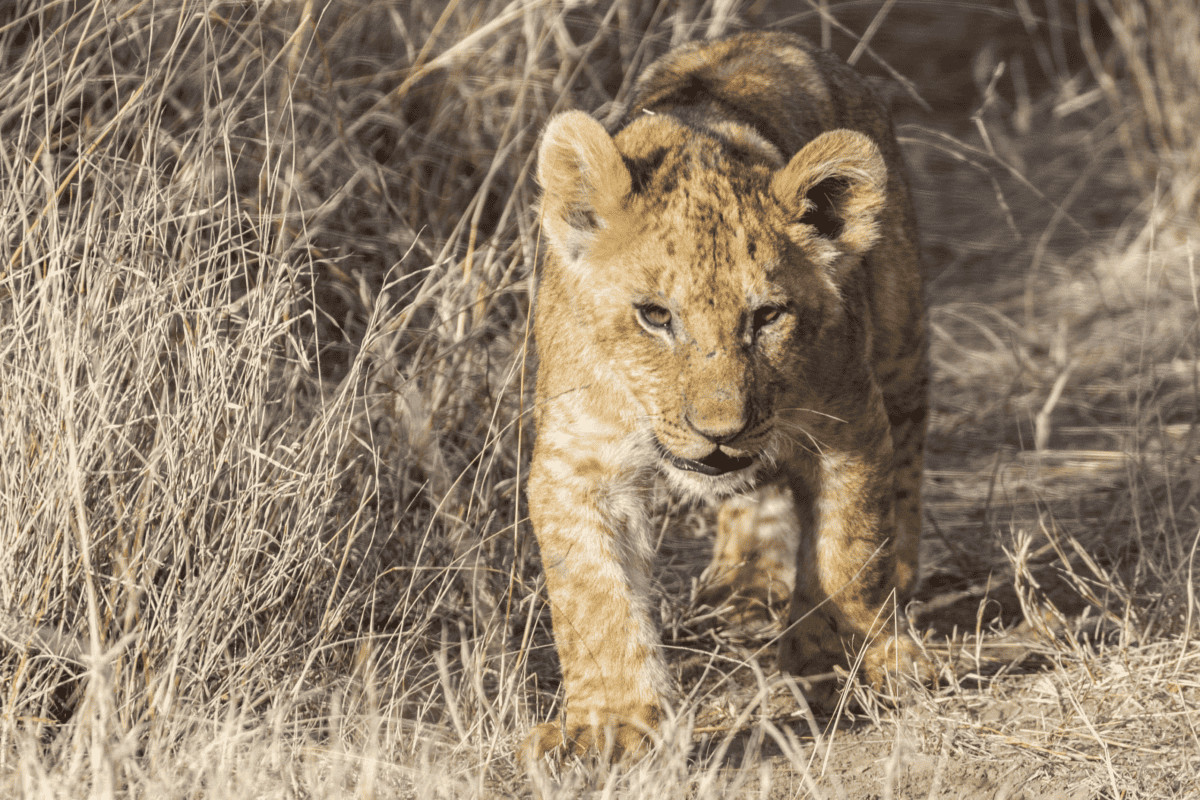
Lion cubs represent one of nature’s most charming examples of sibling relationships. Born in litters of two to four, these future kings and queens of the savanna develop strong bonds during their early months. Cubs engage in constant play-fighting, which appears adorable to human observers but serves the crucial purpose of developing hunting skills and establishing pride hierarchies. Their golden fur and oversized paws make their playful antics especially endearing. Research shows that these sibling relationships help the cubs develop the social cohesion necessary for successful pride living as adults. Unlike many animal species, lion siblings often maintain their relationships into adulthood, particularly among females who typically remain in their birth pride throughout their lives.
15. Elephant Calves Gentle Giants in Training
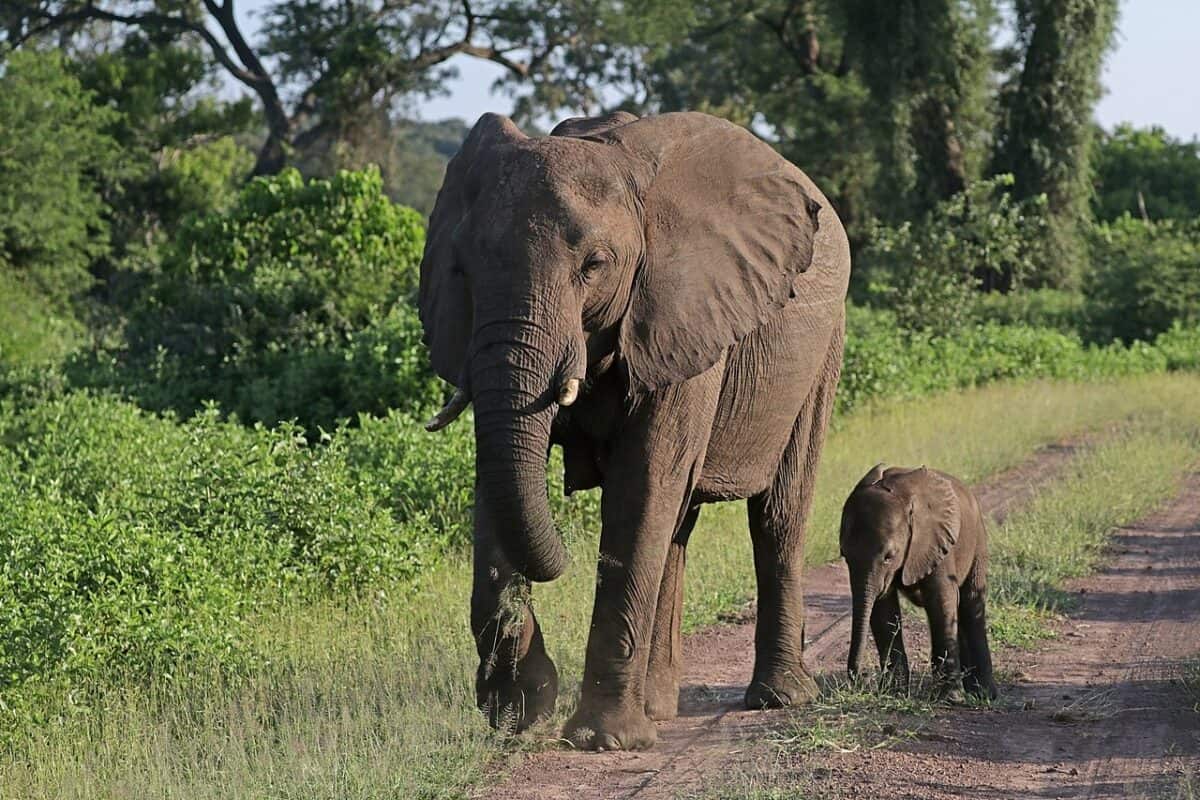
Elephant calves form some of the most touching sibling relationships in the animal world. These gentle giants are born into multi-generational herds where older siblings often take on babysitting responsibilities for younger calves. Elephant siblings can be seen intertwining their trunks in a gesture that resembles human hand-holding, splashing together in watering holes, or protectively huddling around younger family members. These relationships are particularly important in elephant development, as elephants have some of the longest childhood learning periods in the animal kingdom, lasting up to 10 years. Zoologists have documented cases where older elephant siblings teach younger ones essential skills like using tools, finding water, and navigating migration routes, demonstrating the educational component of these adorable sibling interactions.
14. Wolf Pups The Pack Starts Here

Wolf pups exemplify the concept of sibling cooperation from their earliest days. Born in litters of four to seven, these future pack members engage in adorable rough-and-tumble play that builds both physical strength and pack hierarchies. Wolf siblings demonstrate remarkable coordination, often working together even during play. They can be observed practicing hunting techniques, with one pup distracting while others “ambush” from behind. Their distinctive high-pitched howls when separated from siblings pull at the heartstrings of even seasoned wildlife observers. Wolf researchers have found that the intensity of sibling bonds in puppyhood strongly correlates with effective pack cooperation in adulthood. These fluffy bundles of energy, with their oversized paws and playful demeanor, lay the foundation for the sophisticated social structure that will later define their adult pack life.
13. Otter Pups Water Babies

Otter siblings create some of the most visually delightful family scenes in nature. Born in litters of two to three, river otter pups stay with their mother and siblings for up to a year. These water-loving siblings can be observed holding paws while sleeping to avoid drifting apart—a behavior that continues even among adult siblings. Young otters learn swimming skills together, often sliding down muddy banks in a row like children on a playground slide. Their apparent joy in each other’s company makes them particularly endearing to wildlife photographers and nature enthusiasts. Research indicates that otter siblings develop hunting techniques through play, teaching each other how to catch slippery fish and crack open shellfish. Their sleek, wet fur and perpetually surprised-looking expressions add to the charm of these aquatic sibling groups.
12. Penguin Chicks Huddle Buddies
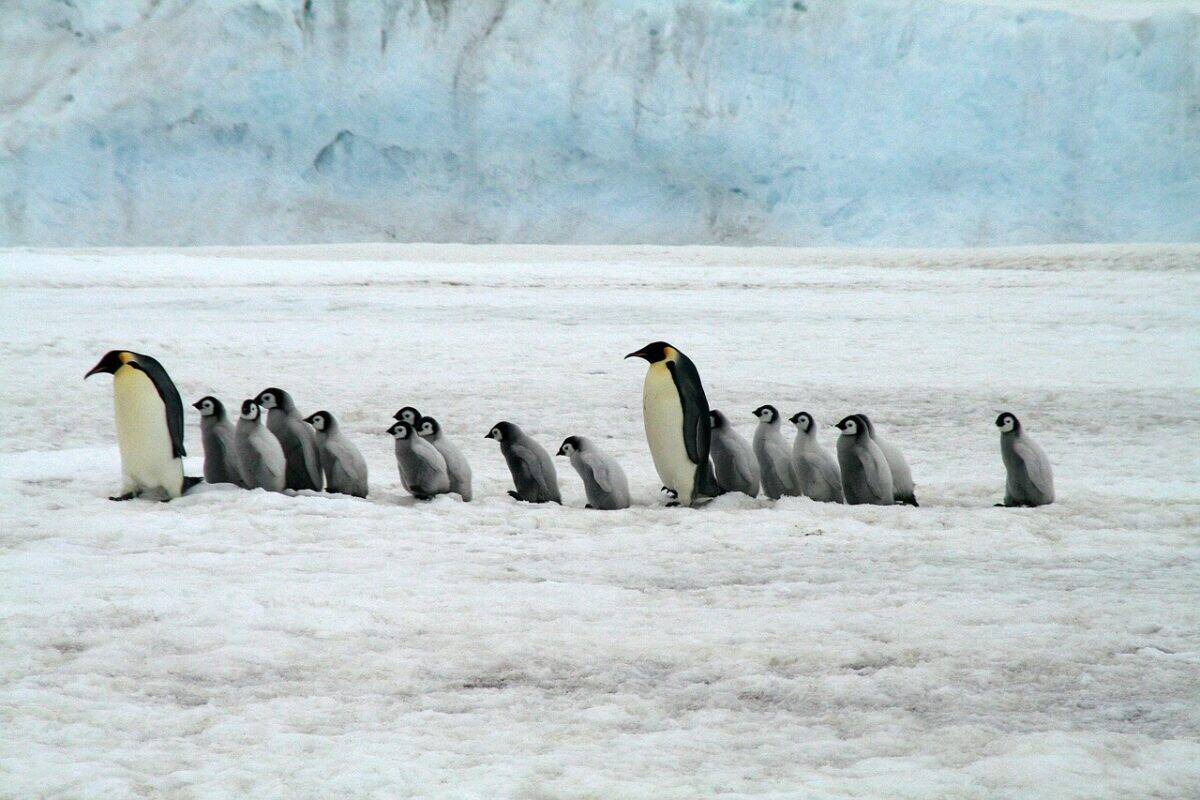
Penguin siblings represent a particularly heartwarming example of cooperation in harsh environments. Though most penguin species typically lay just two eggs, these siblings form intense bonds critical to their survival. Emperor penguin chicks can be observed huddling together for warmth in the brutal Antarctic conditions while their parents hunt. The fluffy gray down of penguin chicks makes these huddles especially adorable to human observers. Researchers have documented how penguin siblings take turns being in the warmer middle or colder outside of these huddles, showing an innate sense of fairness. Their awkward waddling and falling over each other creates comical scenes that mask the serious business of survival. In species like Gentoo penguins, siblings have been observed sharing food and protecting each other from predatory birds, demonstrating that these cute interactions serve vital survival functions.
11. Red Fox Kits Playful Tricksters

Red fox kits exemplify the perfect balance between adorable appearance and playful behavior. Born in litters of four to five, these russet-colored siblings emerge from their dens at about four weeks of age and immediately begin a non-stop play schedule. Fox kits are known for their boundless energy, engaging in elaborate chase games, pouncing practices, and tug-of-war contests with found objects. Their oversized ears and bright, curious eyes make even their most serious attempts at “hunting” each other undeniably cute. Wildlife biologists have noted that fox siblings develop specialized roles during play that often continue into adulthood hunting partnerships. Their play involves complex rules and boundaries that teach vital social skills. Perhaps most endearing is their tendency to pile together for naps after exhausting play sessions, creating a montage of orange-red fur and peaceful expressions that wildlife photographers find irresistible.
10. Polar Bear Cubs Arctic Playmates
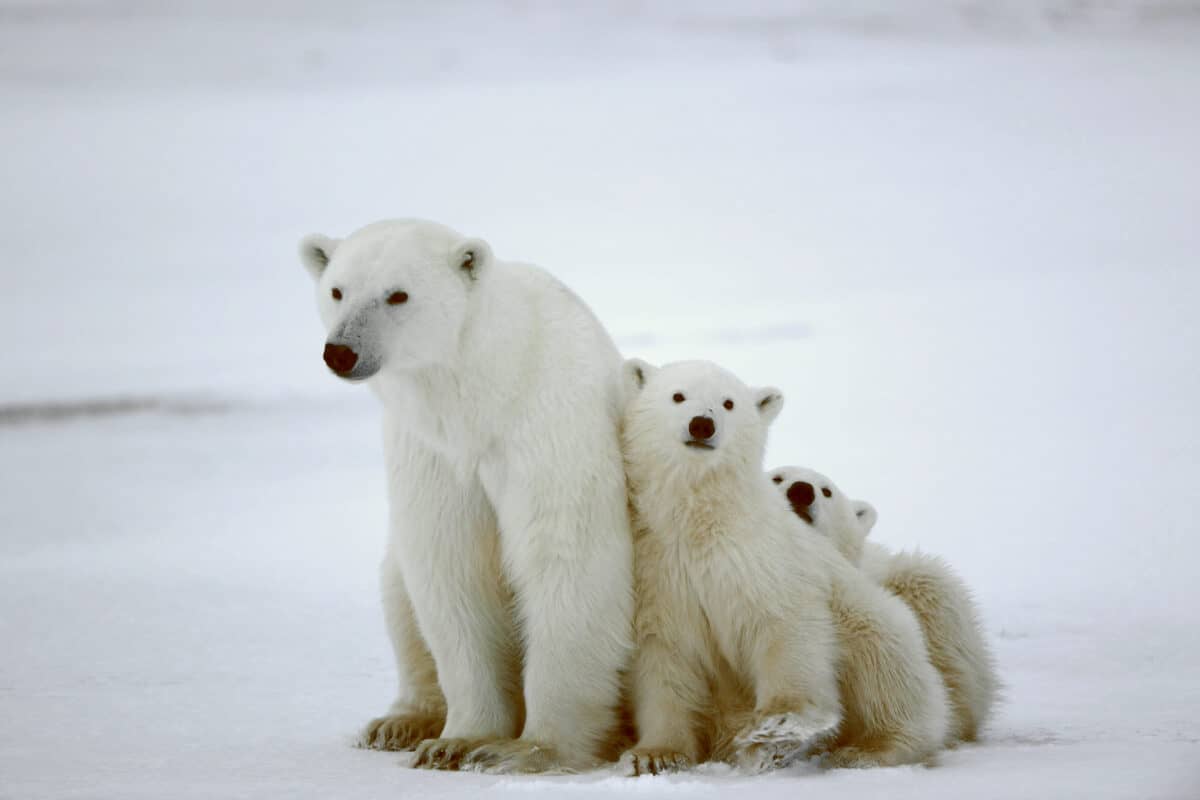
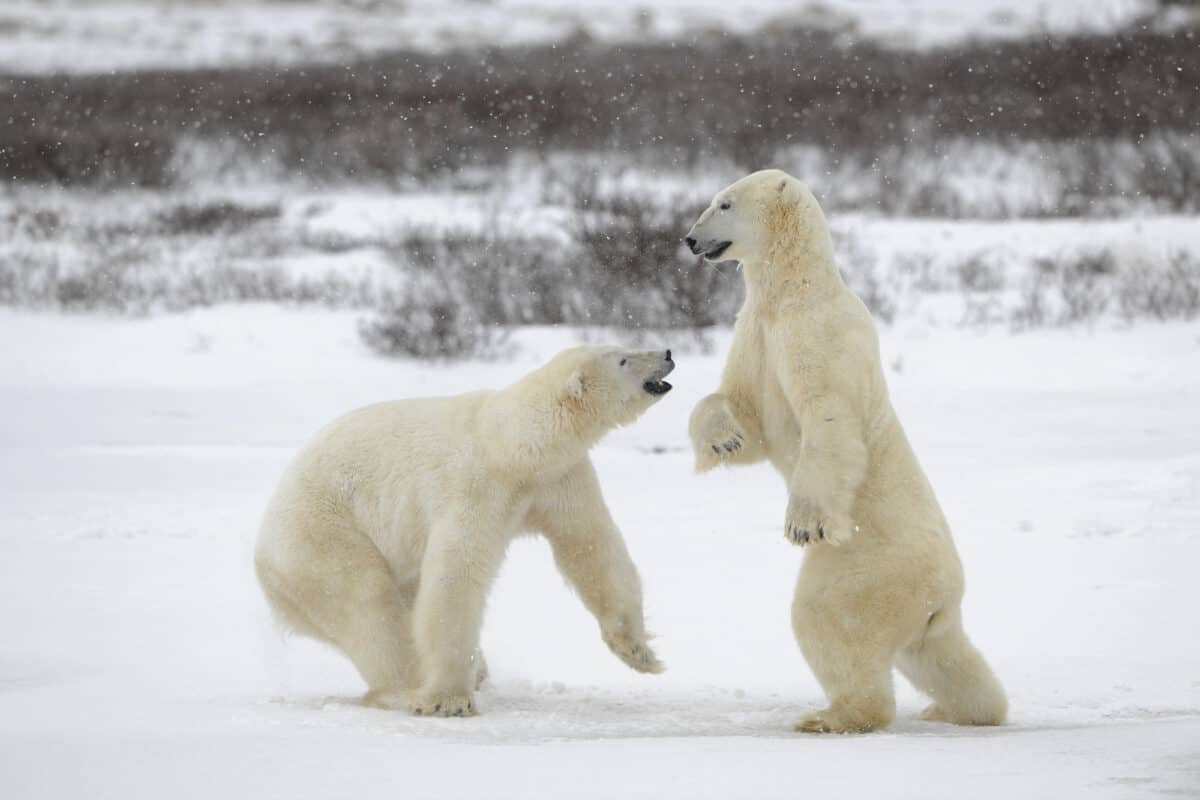
Polar bear siblings create some of the most striking sibling imagery in the animal kingdom. Typically born as twins, these pure white cubs emerge from their birth den after several months and begin exploring their icy world together. Their play is particularly energetic, with wrestling matches that send snow flying and sliding activities that utilize the Arctic landscape as a natural playground. Despite their cute appearance, these play sessions build crucial muscle strength and hunting skills. Researchers have observed that polar bear siblings maintain their bonds for up to two years, unusually long for bear species, likely due to the challenging environment they inhabit. Their stark white fur against the snow and their seemingly permanent “smiles” make polar bear siblings particularly photogenic. Conservation photographers often capture these playful moments to highlight the threatened status of these magnificent animals and their fragile ecosystem.
9. Meerkat Pups Desert Sentinels in Training
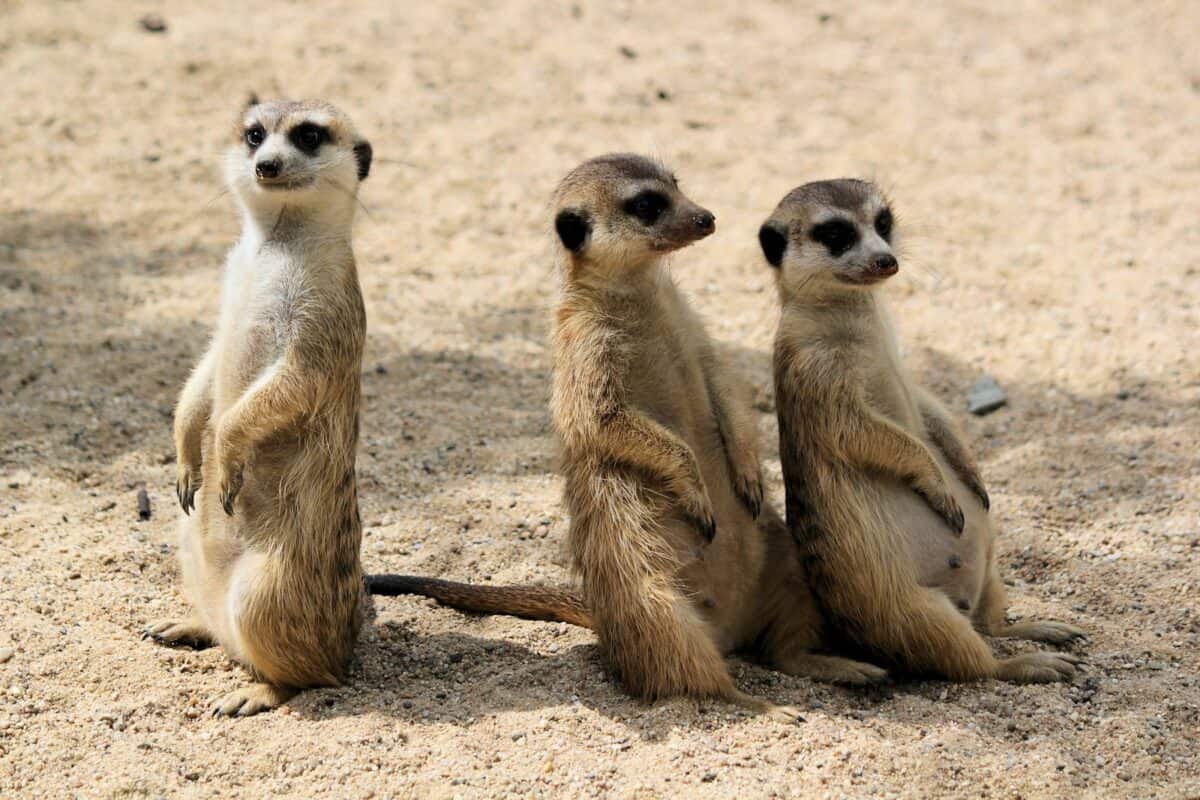
Meerkat siblings offer some of the most charming examples of coordinated family behavior. Born in litters of three to seven, these desert-dwelling siblings begin learning their complex social roles almost immediately. Meerkat pups can be observed practicing the iconic standing sentry position together, often toppling over due to their undeveloped balance. Their large eyes and tiny size (weighing just ounces at birth) create an almost cartoon-like cuteness. Researchers have documented how older siblings take turns babysitting younger litters, demonstrating the multi-generational nature of meerkat family bonds. Particularly endearing is their habit of huddling together at night for warmth, creating a pile of sandy-colored fur with their distinctive dark eye markings just visible. Meerkat siblings also engage in teaching behaviors, with older siblings bringing younger ones injured prey to practice hunting skills—a behavior rare in the animal world and indicative of their advanced social structure.
8. Raccoon Kits Masked Mischief Makers

Raccoon siblings epitomize mischievous charm with their distinctive masked faces and dexterous paws. Born in litters of three to seven, raccoon kits stay with their mother and siblings for about a year, creating plenty of opportunities for adorable interactions. These siblings can be observed washing food together in streams, a behavior that appears coordinated but actually stems from their individual instinct to enhance tactile sensation. Their apparent curiosity leads to comical situations as groups of siblings investigate new objects, often clambering over each other for a better view. Wildlife rehabilitation experts note that orphaned raccoon siblings show remarkable attachment to each other, sleeping in intertwined piles and exhibiting distress when separated. Their ringed tails and black “bandit” masks give them a consistently cute appearance even when engaged in less-than-cute behaviors like raiding garbage cans. Researchers have found that raccoon siblings often maintain loose associations even after leaving their mother, occasionally denning together during harsh weather.
7. Giraffe Calves Towering Playmates

While giraffes typically have single births, occasionally twins are born, creating one of the most visually striking sibling pairs in the animal kingdom. More commonly, giraffe calves from different mothers but the same herd form strong peer relationships that function much like sibling bonds. These towering youngsters, standing six feet tall at birth, engage in gentle neck wrestling matches that develop muscles needed for adult competition. Their gangly legs and spotted coats make even their most coordinated movements appear endearingly awkward. Researchers have observed “crèches” of giraffe calves watched over by a single adult female, allowing the young giraffes to develop peer relationships while mothers forage. Particularly heart-warming are observations of young giraffes resting their long necks across each other’s bodies during rest periods, creating geometric patterns of spotted necks that wildlife photographers find captivating. These relationships help young giraffes develop the social skills necessary for herd living while providing the protection of numbers against predators.
6. Sea Otter Pups Floating Families
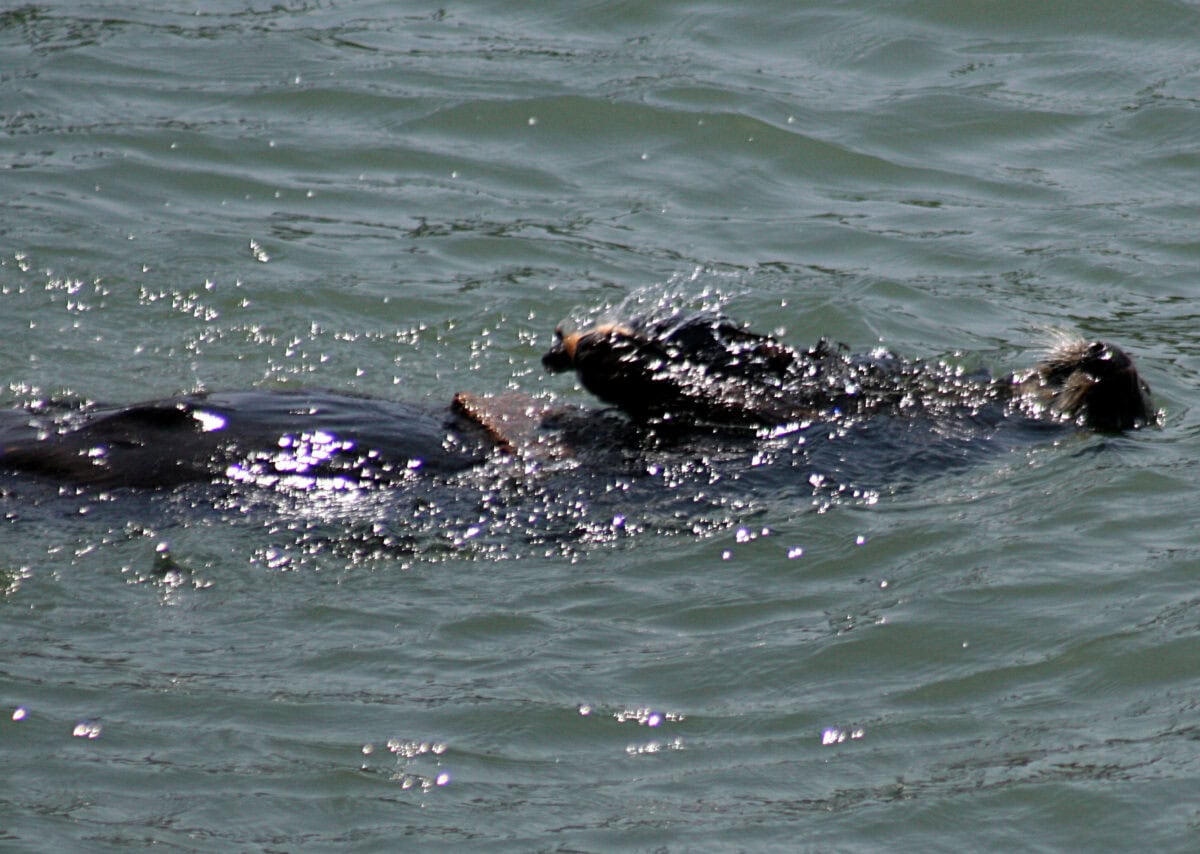
Sea otter siblings create some of the most photogenic family portraits in the marine world. Although sea otters typically have single births, mothers with pups often gather in groups called rafts, allowing pups to interact like siblings. These fluffy marine mammals can be observed floating on their backs while holding paws, preventing them from drifting apart while sleeping. Their dense fur (the thickest of any animal with up to one million hairs per square inch) gives them a perpetually fluffy appearance even when wet. Marine biologists have documented sea otter mothers teaching multiple pups simultaneously how to crack shellfish using stones as tools, creating adoptive sibling relationships. The contrast between their tiny size as pups and the vast ocean they inhabit makes their close-knit family groups particularly endearing. Their expressive faces and tendency to carry favorite rocks in armpit pouches add to their charm. Conservation efforts often highlight these adorable family dynamics to raise awareness about threats to sea otter populations.
5. Koala Joeys Eucalyptus Enthusiasts
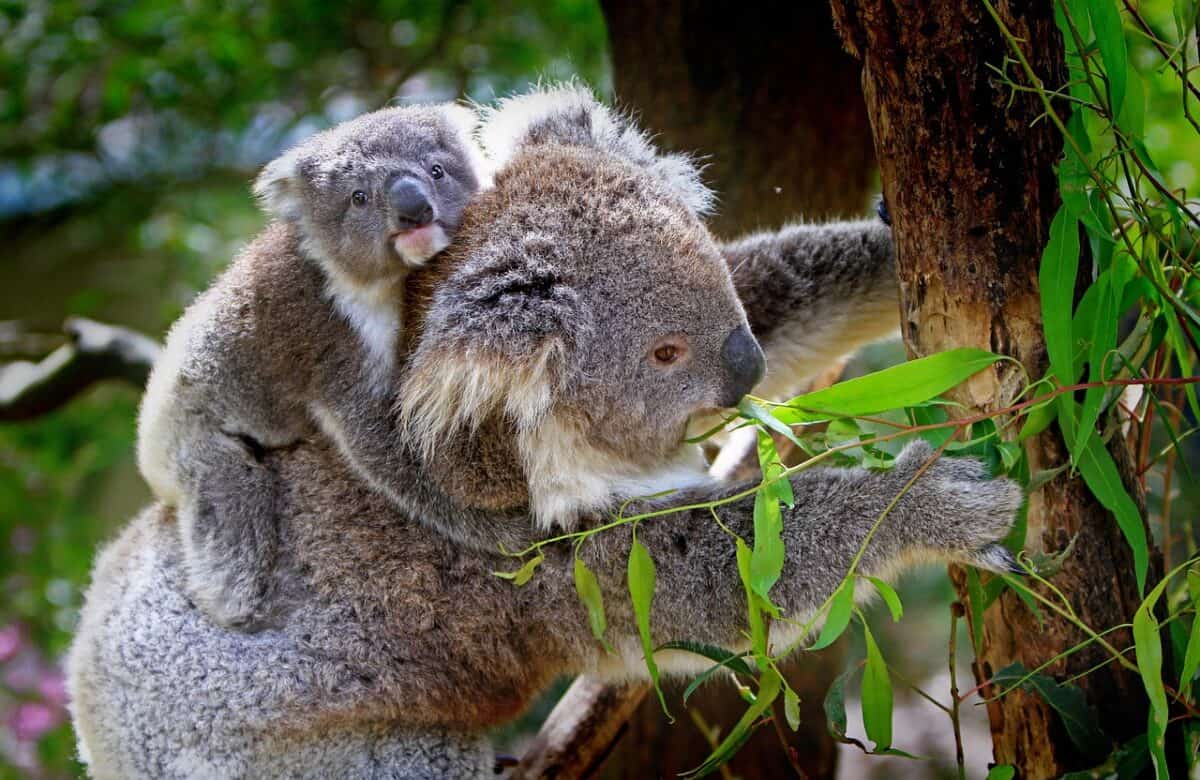
While koalas typically raise one joey at a time, occasionally twins are born, creating one of the most adorable sibling pairs possible. More commonly, joeys of similar ages develop sibling-like relationships when their mothers share overlapping territories. These fuzzy marsupials, with their round ears and button noses, create heart-melting images when clinging to the same eucalyptus branch or huddled together during rest periods. Australian wildlife researchers have observed that young koalas learn eucalyptus leaf selection from watching both their mothers and their peers, creating important learning relationships. Their slow movements and seemingly perpetual sleepiness make any interaction between young koalas appear to happen in charming slow motion. Particularly endearing are rare photographs capturing two joeys peering out from the same mother’s pouch, their tiny faces framed by the pouch opening. Conservation programs often use images of koala siblings to highlight habitat preservation efforts for these specialized eaters whose native eucalyptus forests face continued threats.
4. Cheetah Cubs Spotted Speedsters
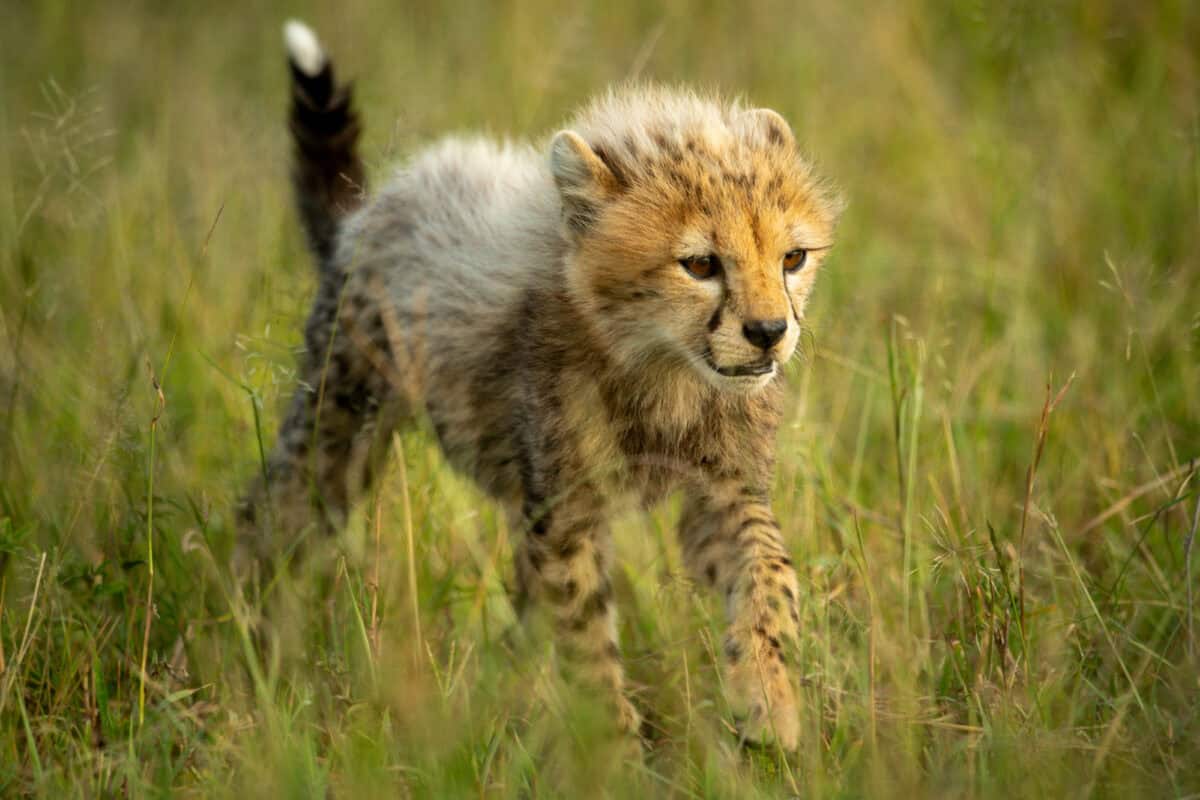
Cheetah siblings represent one of nature’s most striking examples of coordinated development. Born in litters of three to five, these spotted cubs stay with their mother for up to two years, creating long-lasting sibling bonds. Cheetah cubs can be observed engaging in synchronized play that mimics hunting behavior, often all pouncing on the same target simultaneously. Their distinctive black “tear marks” running from eye to mouth give them a perpetually expressive appearance. Wildlife conservationists have documented how cheetah siblings often stay together for several months after leaving their mother, forming bachelor groups that increase hunting success and protection. The contrast between their fluffy, gray-colored “mohawk” mane as cubs (which disappears in adulthood) and their sophisticated spotted pattern creates an appearance that’s simultaneously adorable and wild. Particularly heart-warming are observations of cheetah siblings grooming each other, taking turns cleaning hard-to-reach spots in a display of cooperative care.
3. Opossum Joeys Pocket-Sized Siblings
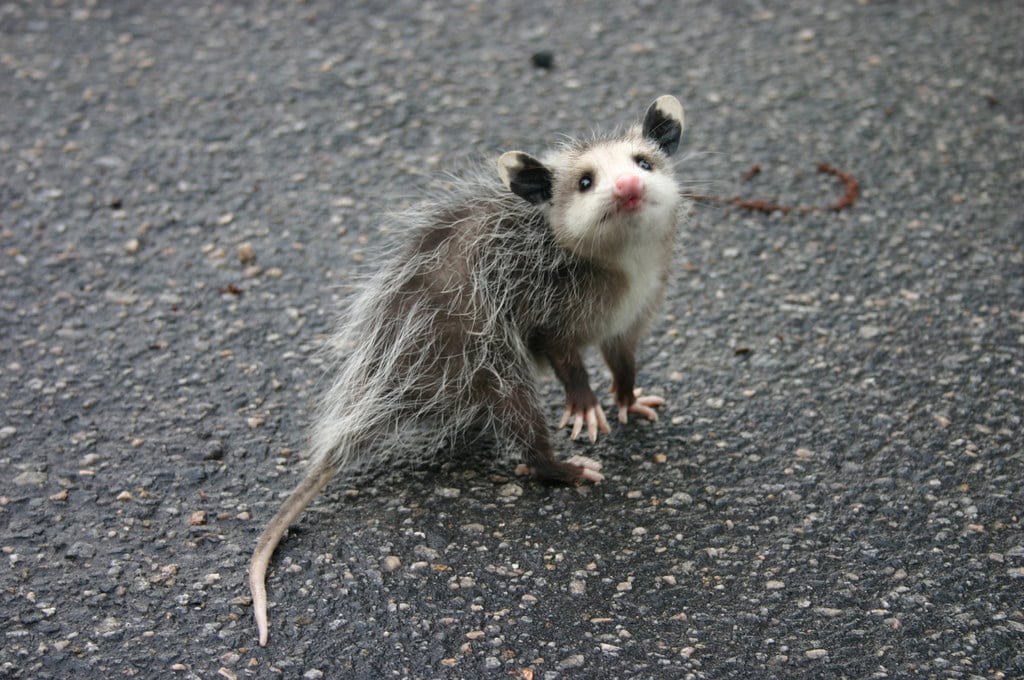
Opossum siblings present one of the animal kingdom’s most extreme examples of sibling quantities. With litters averaging 8-9 joeys but sometimes reaching 20 or more, these marsupials create adorable images when clinging to their mother’s back or peering out from her pouch. Young opossums can be observed practicing their famous “playing dead” defensive posture together, sometimes dramatically flopping over in synchronization when startled. Their tiny size, pointed snouts, and hairless tails give them a distinctive appearance that many find endearingly unusual. Wildlife rehabilitators note that orphaned opossum siblings show strong attachment, sleeping in piles and exhibiting distress when separated. Particularly charming are photographs capturing the moment when multiple joeys first emerge from the pouch, their pink noses and bright eyes creating a crown of curious faces around their mother. These misunderstood marsupials actually provide valuable ecosystem services through tick consumption and scavenging, making their adorable family dynamics an important conservation education tool.
2. Flamingo Chicks Gray Goslings to Pink Adults
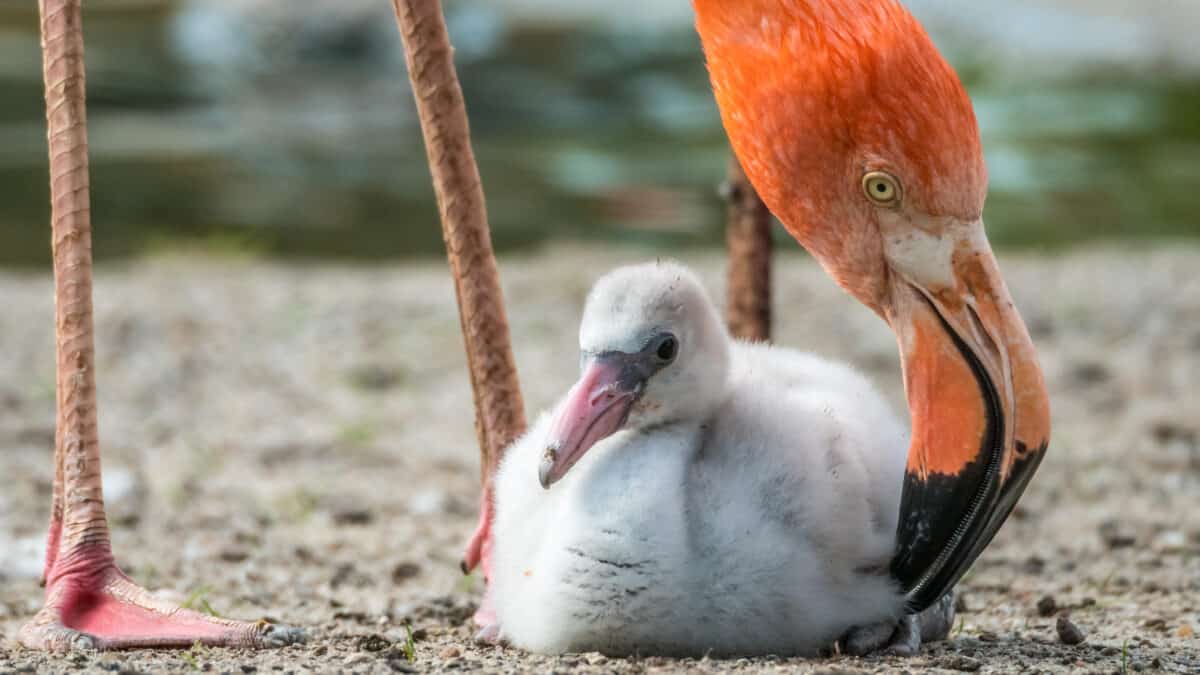
Flamingo siblings create some of the most unexpected cute moments in the bird world. Born with fluffy gray down (rather than their parents’ iconic pink), flamingo chicks gather in large crèches that function as sibling groups regardless of biological parentage. These social birds can be observed practicing their distinctive standing-on-one-leg posture together, often with comical results as they topple over. Marine biologists have documented how flamingo “siblings” in these crèches learn feeding techniques from each other, practicing the complex head-upside-down filtering method that characterizes flamingo feeding. The contrast between their gray juvenile plumage and the vibrant pink adults creates charming family portraits during feeding times when parents return to the crèche. Particularly endearing are observations of young flamingos huddling together during cool nights, creating gray piles of fluffy down amid the otherwise pink landscape of the flamingo colony. The gradual transformation from gray chick to pink adult occurs as siblings develop together, creating a shared developmental journey.
1. Bat Pups Upside-Down Nurseries
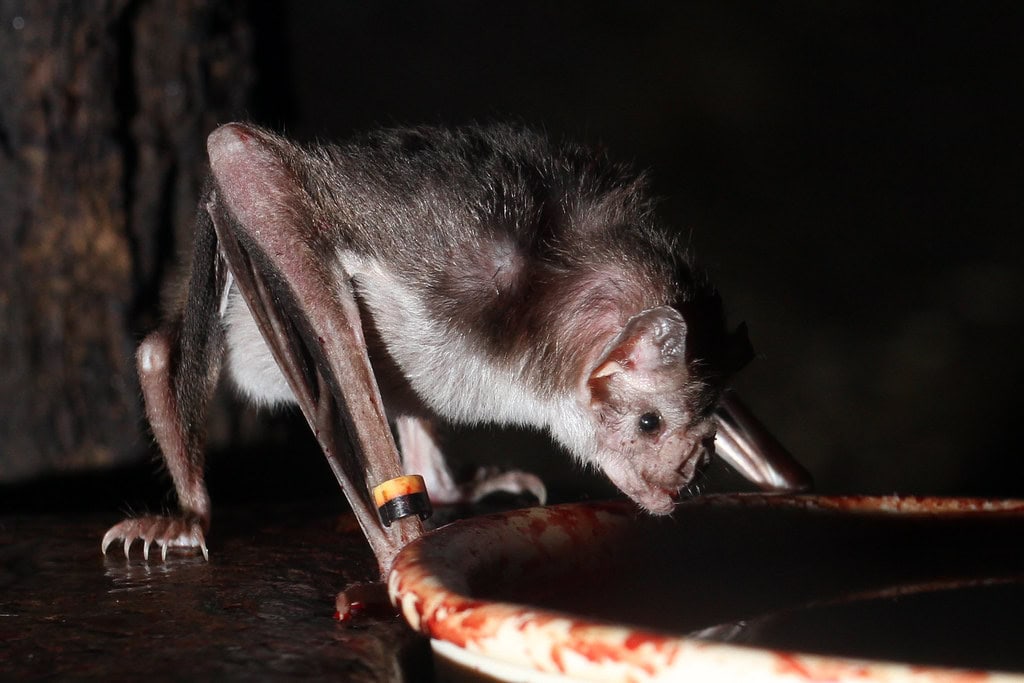
Bat siblings create some of the most unusual yet endearing family portraits in the mammal world. Most bat species give birth to single pups, but these youngsters are raised in nursery colonies where they interact like siblings. Bat pups can be observed clinging together in clusters while their mothers hunt, creating furry conglomerations of tiny bodies and oversized ears. Their large eyes (in many species) and button noses contrast with their adult parents’ more distinctive facial features. Bat researchers have documented how pups recognize their mothers’ unique calls among thousands of similar bats, but also how they develop social relationships with other pups during mother’s absence. Particularly charming are observations of pups grooming each other while waiting for their mothers to return from feeding. The contrast between their perceived spookiness in popular culture and their actual puppy-like faces and behaviors makes bat siblings especially important for conservation education efforts, helping dispel myths about these beneficial insect-consumers and pollinators.
Conclusion
From the icy tundras to the sun-drenched savannas, sibling relationships in the animal kingdom reveal a tender, often overlooked side of wildlife. These bonds go far beyond simple cuteness—they serve as foundations for learning, cooperation, and survival. Whether it’s otters holding paws, lion cubs perfecting their pounce, or meerkats taking turns as babysitters, these interactions reflect the universality of family ties across species. Observing animal siblings reminds us that love, play, and loyalty are not uniquely human traits—they’re woven into the fabric of life on Earth. These 18 adorable pairs and groups show us that no matter the species, growing up together makes the journey a little warmer, a little safer, and a whole lot cuter.

As a little kid, I fell in love with nature, wildlife, and animals. Living in the USA, South Africa, Italy, China and Germany gave me the opportunity to discover the world's Wildlife. My favorite animals are Mountain Gorillas, Siberian Tigers, and Great White Sharks.
I'm a certified PADI Open Water Diver, went to Everest Base Camp and Trekked Gorillas in Uganda. I hold a Master of Science in Economics and Finance.
Please send any feedback to feedback@animalsaroundtheglobe.com
- The 13 Most Energetic Dog Breeds for Active Owners - July 18, 2026
- 10 Prehistoric Insects That Were the Size of Birds - July 18, 2026
- 20 Unbelievable Dinosaur Discoveries That Completely Rewrite History - July 18, 2026