
There’s a phone call that experienced obedience coaches dread. An owner on the other end, voice full of hope and wallet wide open, describes their dog’s behavior. The coach listens, asks a few pointed questions about the breed, and then, very politely, declines. Not because they can’t use the money. Because they’ve been down that particular road before, and they know exactly where it ends.
Professional trainers consistently emphasize that prospective owners should understand breed-specific traits and needs before acquiring a dog. Mismatches, such as pairing a high-drive dog with a sedentary lifestyle, are seen as some of the most common sources of frustration and behavioral issues. What nobody tells you upfront is that some of those mismatches run so deep that even the most skilled coaches find themselves quietly referring clients elsewhere. These are the breeds that show up on those unspoken lists – not because they’re bad dogs, but because their instincts, independence, and sheer force of personality push the limits of what structured obedience training can realistically achieve.
#1. Afghan Hound
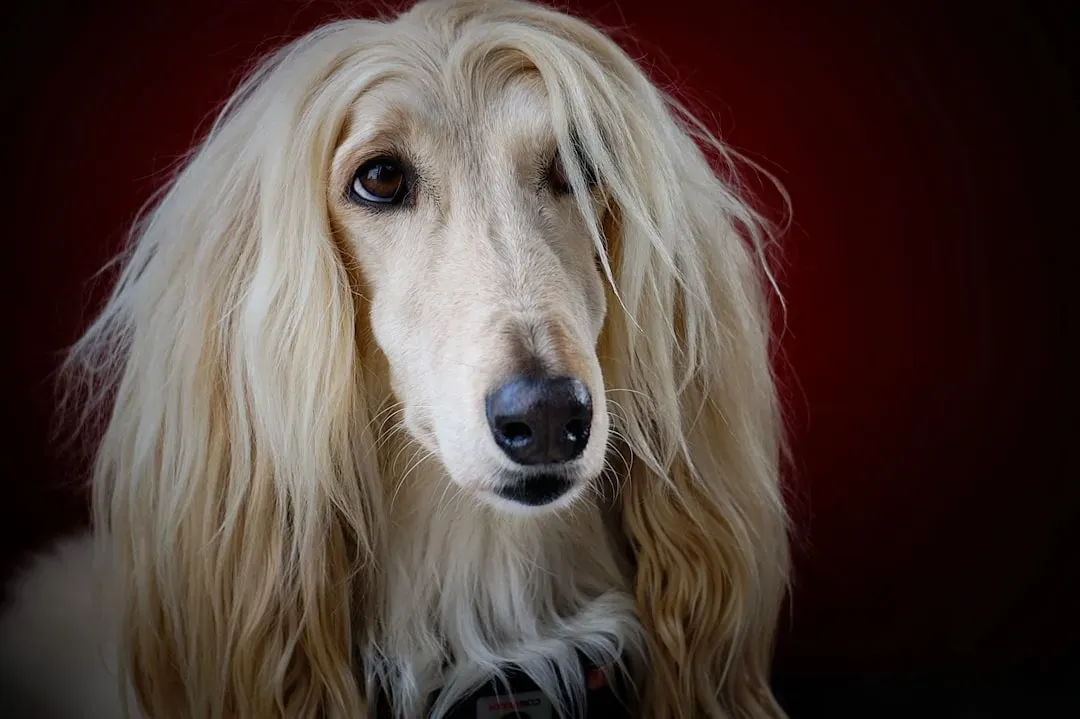
The Afghan Hound is breathtaking to look at, and it knows it. Their noble appearance often conceals a mischievous and fiercely independent spirit, making them one of the most challenging breeds to train. Afghan Hounds are highly intelligent but tend to think for themselves, often displaying selective hearing when given commands. They prefer doing things on their own terms, much like a cat, and will often ignore instructions if they aren’t in the mood.
Psychologist Stanley Coren’s research concluded that the striking Afghan Hound needs at least 80 repetitions to understand a new command, which may stem mainly from the fact that it is one of the most stubborn breeds, notorious for ignoring its owners’ commands. Afghan Hounds are hunting dogs from the sighthound family, a group that hunts primarily through speed and keen vision rather than scent, which means learning commands may never have been part of their genetic or evolutionary design. For an obedience coach running group classes and chasing results, that’s a tough proposition.
#2. Siberian Husky
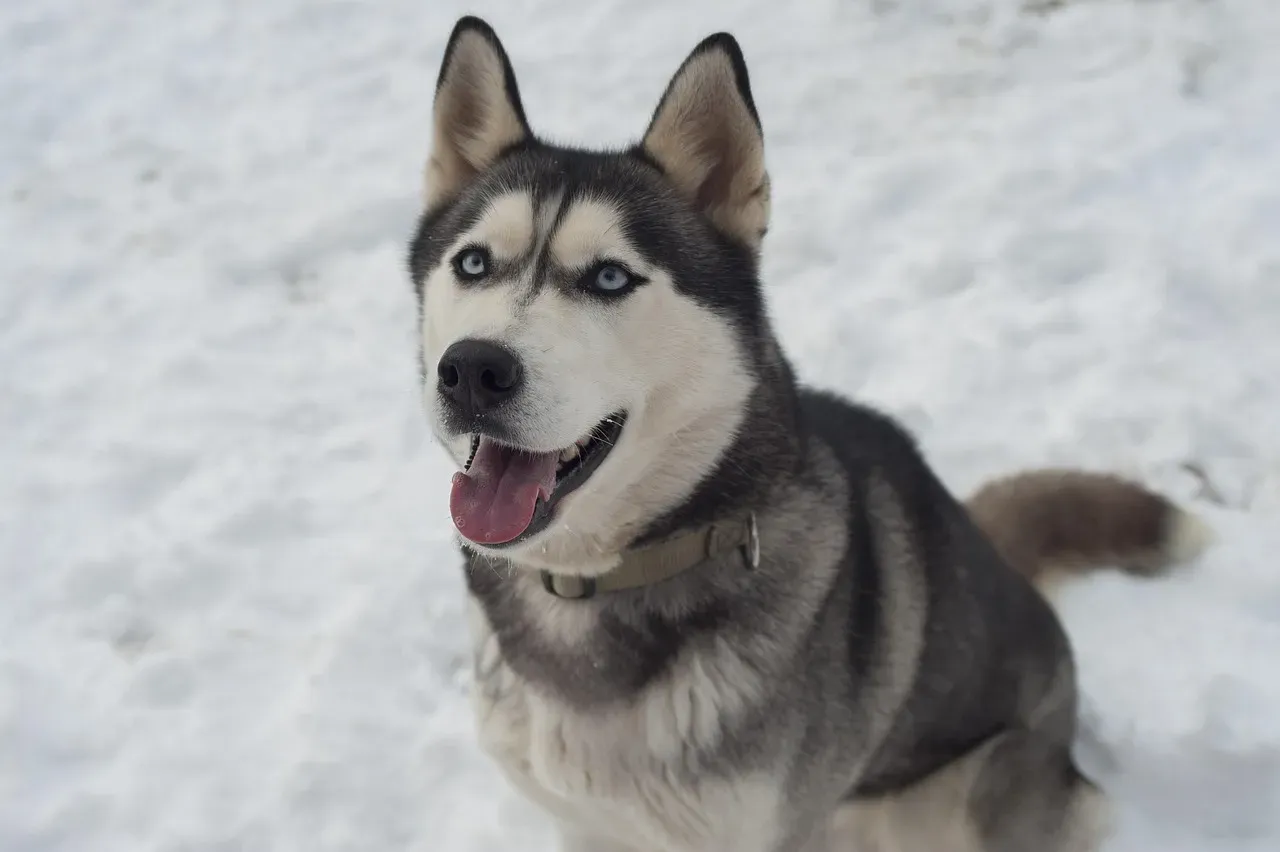
Siberian Huskies were originally bred to run for miles on end in frozen tundra, and their souls are still born to run. Without enough exercise, they will quickly become destructive. They were bred to be independent, as this ensured a mushing group of Huskies would ignore commands if the terrain was deemed unsafe. That survival-based independence is coded into them at a very fundamental level.
Huskies are famous for their stubborn behavior. Bred to pull sleds in harsh climates, they’re independent thinkers who love to run and explore. They often ignore commands, especially if off-leash. Coaches who take on Huskies frequently find the dog cheerfully disregards everything taught in session the moment it steps outside the training facility. The breed’s idea of cooperation is situational at best.
#3. Chow Chow
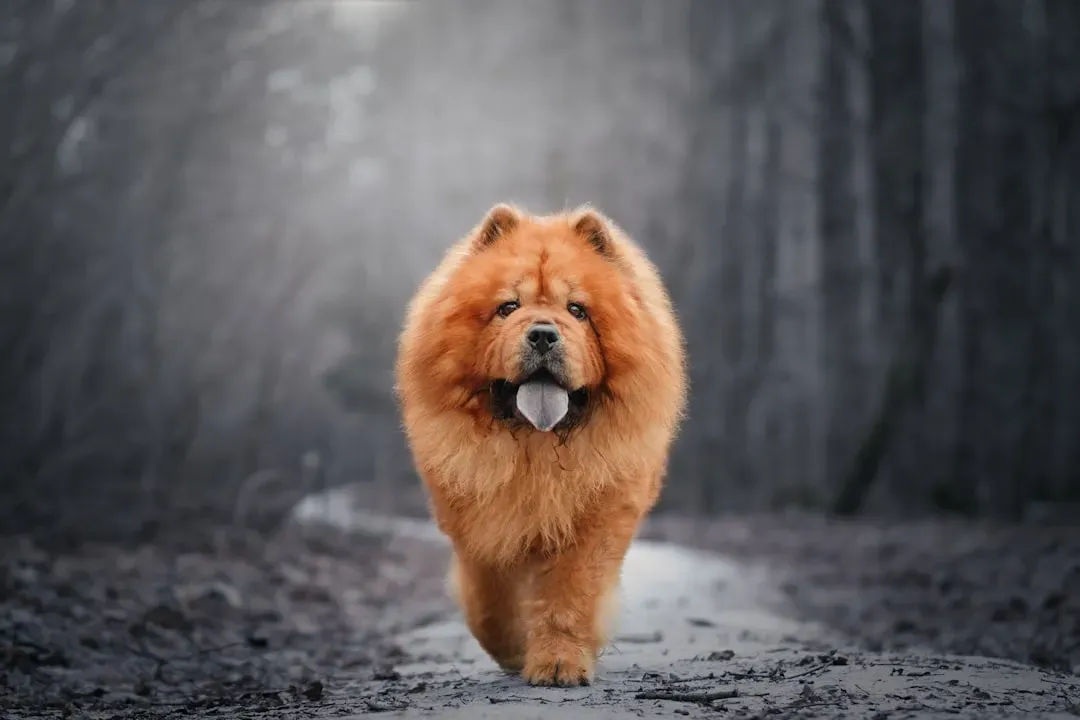
Chow Chows have a reputation for being strong-willed and aloof. They can be wary of strangers and may require extensive socialization. That aloofness isn’t shyness, though. It’s a settled, ancient confidence that has little interest in performing for humans, especially humans the dog hasn’t decided to trust yet.
Chow Chows tend to be possessive of their owners and indifferent to strangers. They also require frequent grooming due to their thick coat. Chows can be very self-willed and obstinate, and they require an owner willing to develop a strong relationship with them through training and socialization. Many coaches report that Chow Chows will comply selectively – responding to one person and completely stonewalling everyone else. For a professional working across multiple sessions with different handlers, that’s a serious structural problem.
#4. Basenji
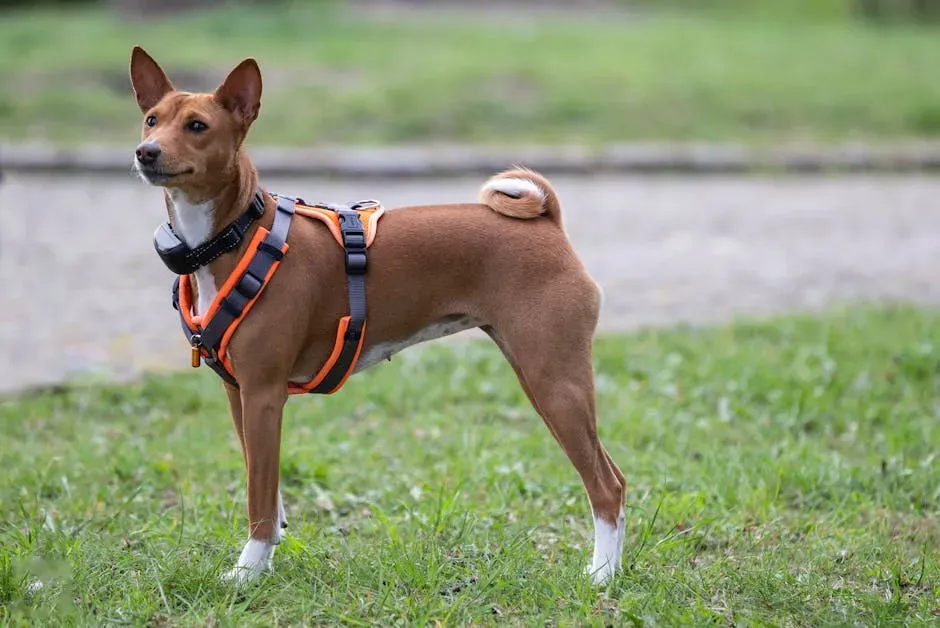
Also called the “African Barkless Dog,” the Basenji is a sleek, small hound with ancient roots tracing back to Central Africa. With a cat-like demeanor and a great sense of independence, the Basenji is a stubborn dog breed with a self-sufficient nature and is also intelligent – the key reason behind its non-obedience to commands or training attempts.
The Basenji is a hunting breed that relies on its instincts and doesn’t really find a convincing point to follow commands. Primitive breeds like this are less eager to please – they think for themselves and don’t always seek human approval. They have strong survival instincts and assess situations on their own rather than following commands blindly. An obedience coach working against thousands of years of autonomous decision-making has a very steep hill to climb.
#5. Akita
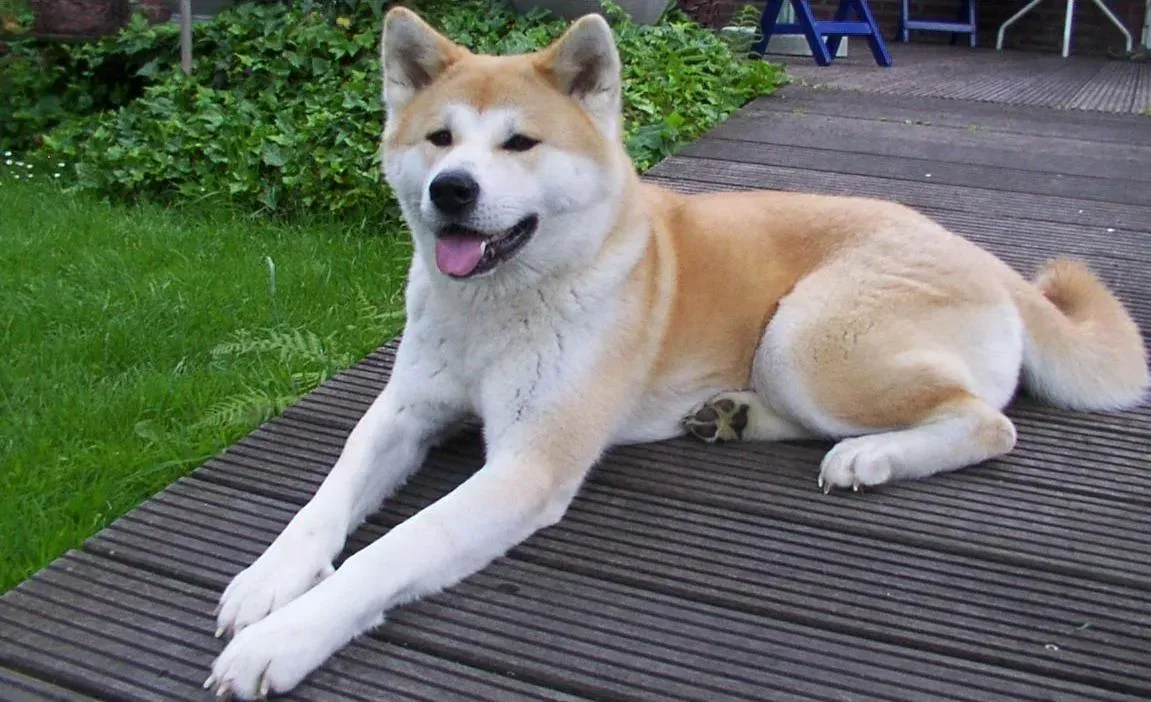
Akitas are the largest of the Japanese breeds and were originally bred for dog fighting and eventually as bear hunting dogs. They can be quite aloof and undemonstrative, and training them can be quite a challenge. They have been known to make excellent assistance and companion dogs and are very intelligent. The intelligence, unfortunately, cuts both ways.
Males tend to be dog aggressive by nature. Akitas are beautiful, strong-willed dogs that are best homed with experienced dog owners, or owners willing to go the distance to obedience train them and keep them out of inter-dog aggression situations. The combination of large size, selective responsiveness, and potential dog aggression makes group obedience classes particularly fraught. Most professional coaches encounter situations with Akitas that no amount of payment makes worthwhile.
#6. Tibetan Mastiff
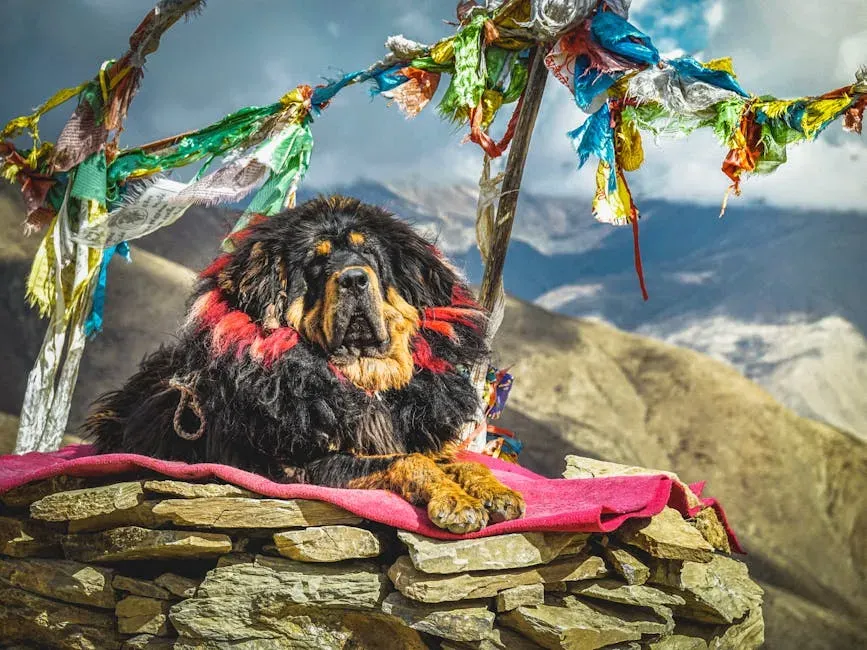
Tibetan Mastiffs typically don’t respond well to traditional obedience training. They’re a highly intelligent breed, but are stubborn and don’t tend to repeat what they already know. Tibetan Mastiffs aren’t particularly food-driven either, making treats a less reliable training tool. Take away treats and the usual reward pathways, and the toolkit of most obedience coaches suddenly looks rather thin.
A Tibetan Mastiff is ultimately more likely to follow its own instincts over anything else. Prospective owners should note that TMs are “notorious” for giving an exemplary performance in a training class, but then ignoring all commands at home. That gap between class behavior and real-world behavior is deeply frustrating for coaches trying to demonstrate measurable progress to paying clients. The TM essentially games the training environment and then proceeds on its own terms.
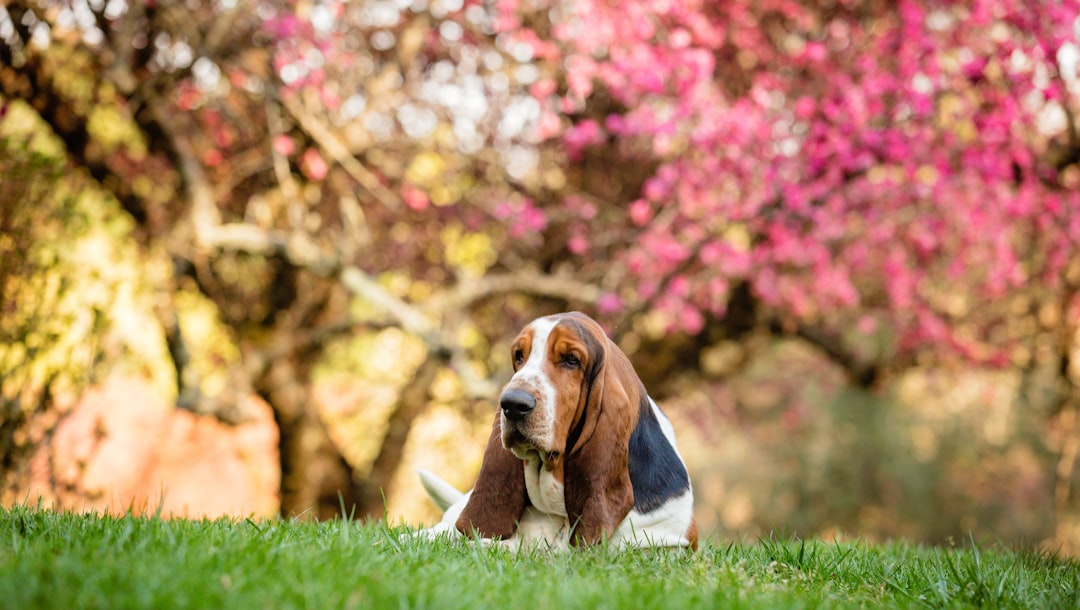
#7. Basset Hound
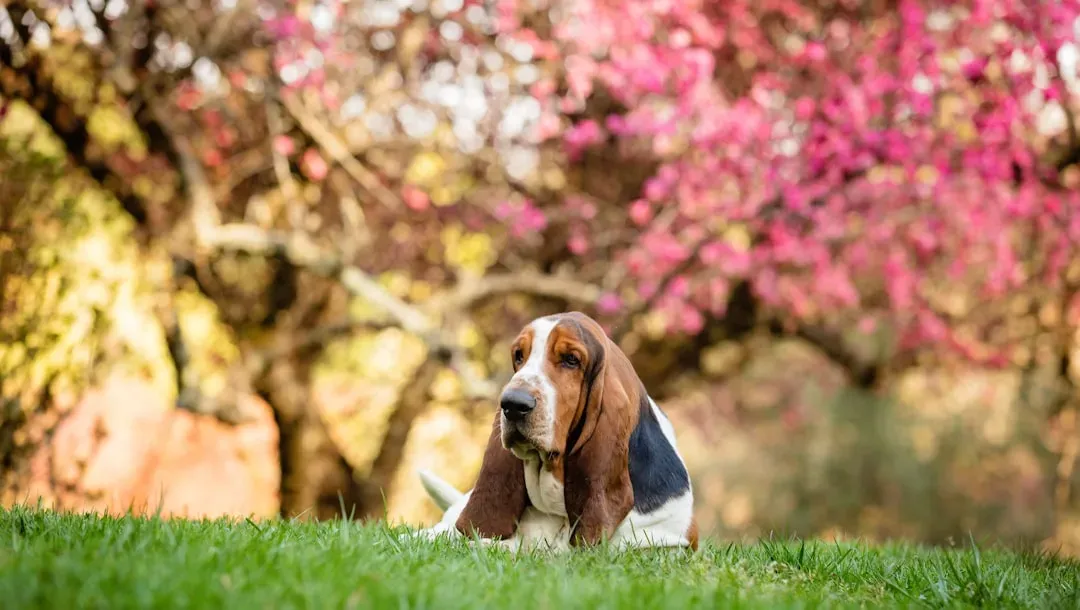
Also known as the “Hush Puppy dog,” the Basset Hound is a French breed celebrated for its droopy eyes, low-slung frame, and long velvety ears. Despite their charmingly lazy appearance, these dogs possess remarkable stamina and strength. However, when it comes to training, Basset Hounds can test even the most patient owners. Their independent streak, combined with a nose that seems to have a mind of its own, often leads them astray during obedience sessions.
Basset Hounds can be stubborn and, like their scent hound cousins the Bloodhound and Beagle, they struggle to ignore surrounding smells long enough to stay focused on learning. Anyone raising a Basset Hound and hoping for high obedience should understand it is a lifelong process for the dog. That last point is the one coaches quietly repeat to each other. A lifelong process isn’t something a six-week obedience program was designed to solve.
#8. Beagle
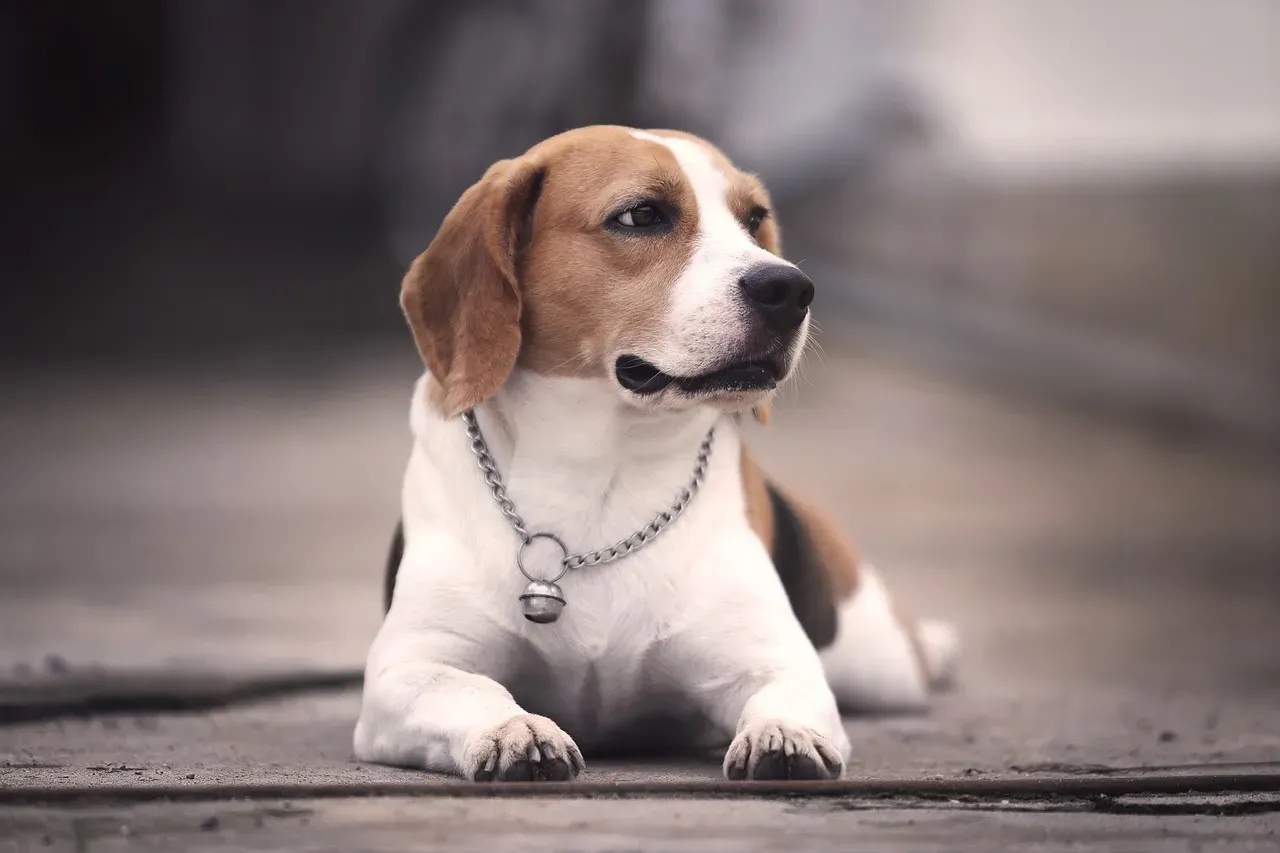
Though affectionate and gentle, Beagles are often guided more by their noses than by their owners’ voices, which can make obedience training a serious test of patience. Their remarkable olfactory skills, second only to the Bloodhound, give them an instinctive urge to follow trails wherever they lead. Once they’ve caught a scent, they may ignore commands altogether, displaying what many describe as “selective hearing.”
Most Beagles have high amounts of energy, which is why they are hard to train. They are independent and take longer to get used to commands, but with consistent training and a lot of patience, training a Beagle is certainly achievable. The problem coaches run into is that owners who pay for a structured program expect structured results. With Beagles, the scent drive doesn’t pause for the training schedule, and coaches have learned not to overpromise on timelines.
#9. Dachshund

Originally bred for hunting, Dachshunds are strong-willed and persistent. That same tenacity, once prized for tracking badgers, often becomes a major challenge during obedience training. If not properly stimulated, Dachshunds can develop bad habits, particularly excessive barking, one of their hardest traits to manage.
The short Dachshund is well-known for its lively and independent attitude, as well as its intelligence, hunting ability, and stubbornness. They like to do things their own way, and owners are likely to find their Dachshund digging holes, chewing on shoes, or chasing other pets on a daily basis. Boredom is the Dachshund’s worst enemy. Without enough activity or attention, they can become destructive and stubborn. Trainers often note that the Dachshund’s small body gives owners a false sense of security about just how much of a behavioral handful the breed can genuinely be.
#10. Shiba Inu
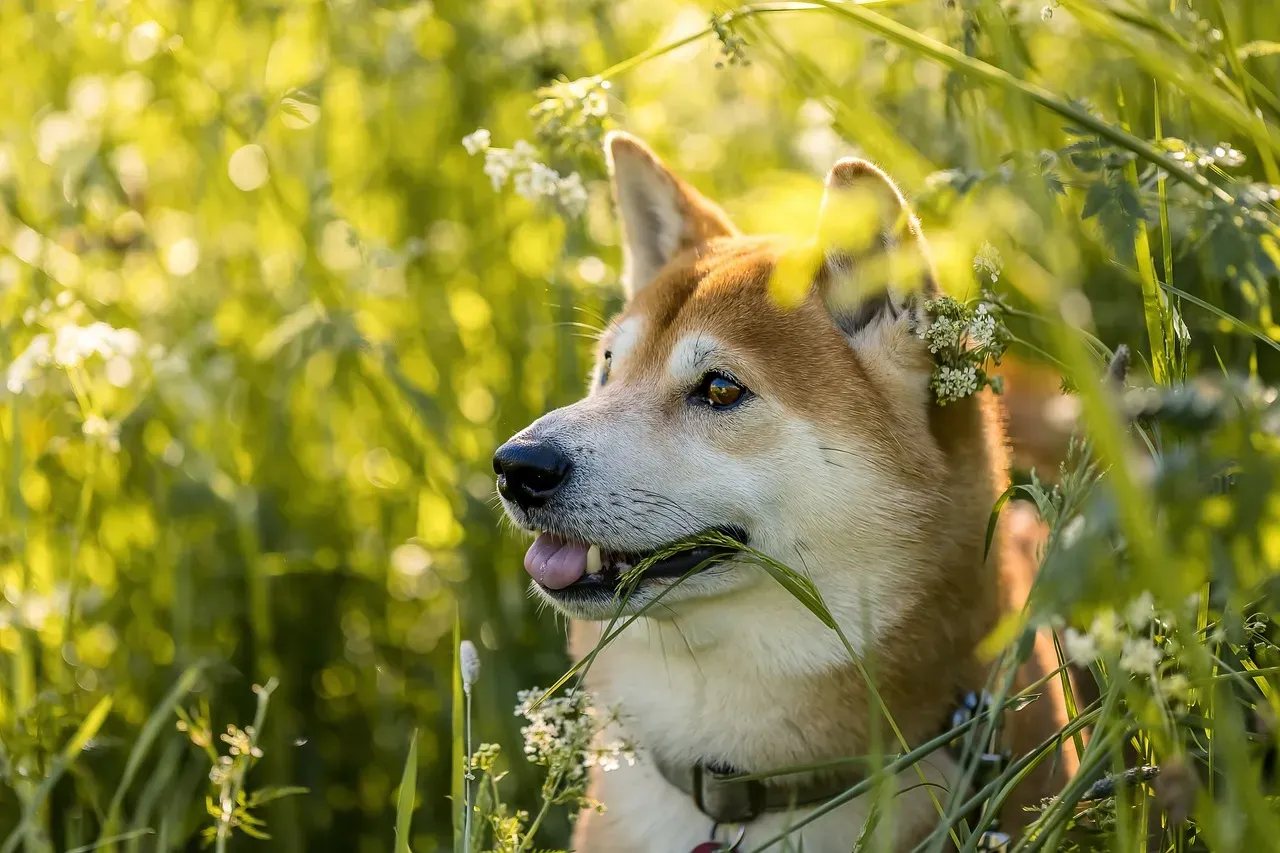
The Shiba Inu is a small, alert, and agile dog characterized by a fox-like appearance and confident personality. Shiba Inus are known to be one of the hardest breeds to train. Their confidence isn’t the bouncy, eager-to-please kind that makes training sessions productive. It’s a composed, self-contained assurance that has very little need for human validation.
Primitive breeds like the Shiba Inu have retained their ancestral traits, meaning they still behave and react much like their wild ancestors. Unlike many companion breeds that were bred for obedience and domestication, they rely on instincts, independence, and strong-willed decision-making. Obedience coaches working with Shibas frequently describe sessions that go perfectly, followed by sessions where the dog simply refuses to engage. The inconsistency alone is what wears professionals down over time.
#11. Bull Terrier
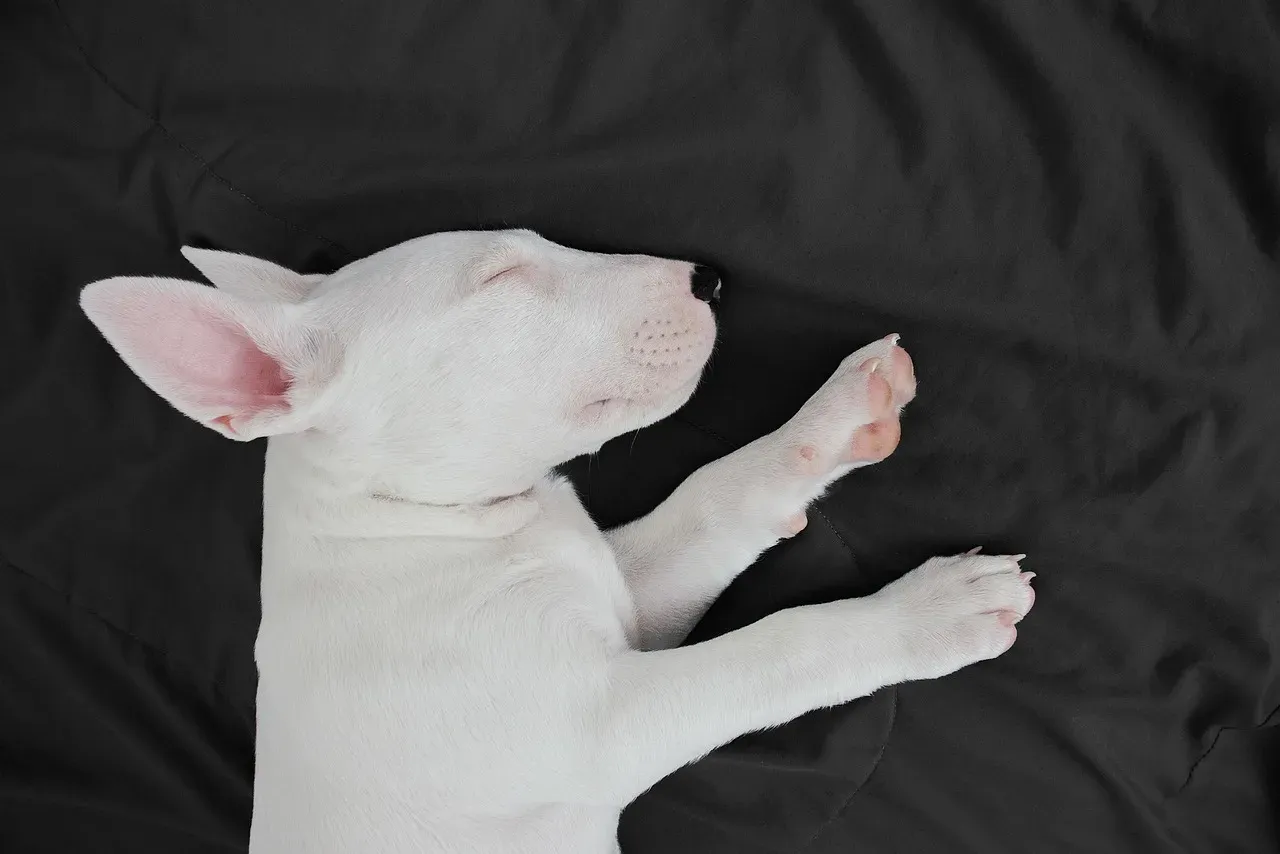
Bull Terriers are known for their strong personalities and determination. They can be stubborn and willful, requiring firm and consistent training. Positive reinforcement methods, such as using rewards and praise, are crucial. Early socialization and obedience training are essential to mold their behavior positively.
Not to be confused with the American Pit Bull Terrier, Bull Terriers are robust, big-boned terriers who move with a jaunty stride suggesting agility and power. The breed’s hallmark is a long, egg-shaped head with erect and pointed ears, and small, triangular eyes. They can be one of the hardest dogs to train. The issue coaches describe isn’t aggression, exactly. It’s that Bull Terriers have an almost theatrical level of self-direction that can derail even the most carefully structured session.
#12. Jack Russell Terrier
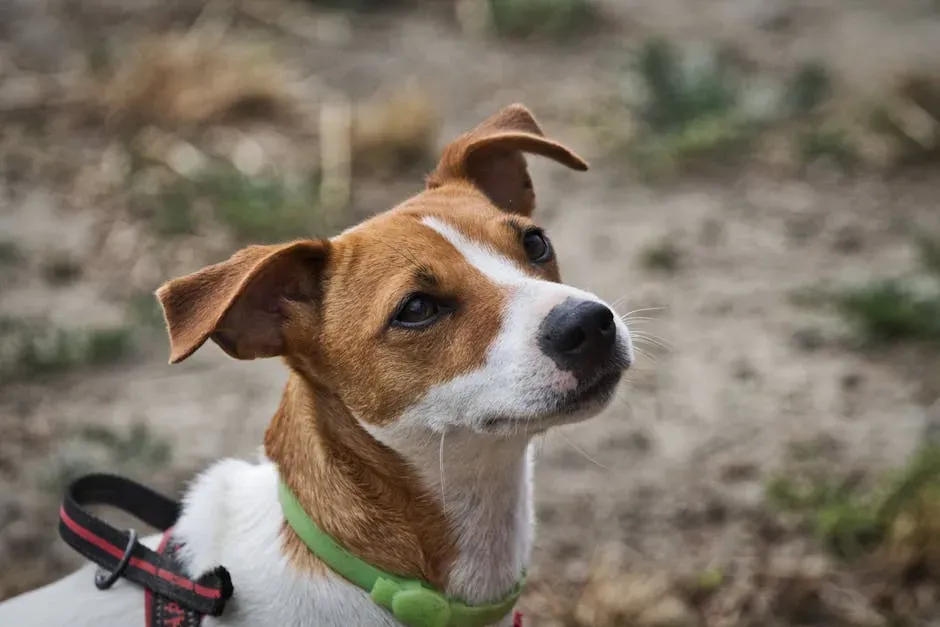
Jack Russell Terriers are lively, intelligent, and highly energetic dogs. They possess a strong prey drive and may exhibit stubborn tendencies. Consistent, patient training methods that utilize reinforcement and mental stimulation are essential. The energy alone is remarkable. In a training context, a Jack Russell that isn’t immediately and completely engaged will find something else to be engaged with – usually something disruptive.
The Jack Russell Terrier was bred to hunt small prey like foxes, so it’s no surprise they often act like they’re on their own mission. Stubborn pups like these do best with structured routines and plenty of exercise. Terrier breeds like the Jack Russell can be energetic, feisty, and prone to assertiveness. They may exhibit a strong prey drive and be more inclined to dig or bark. Their high energy levels and determination require regular exercise and mental stimulation. That’s a lot of prerequisites before a basic “sit” even registers as worth doing.
#13. Bloodhound
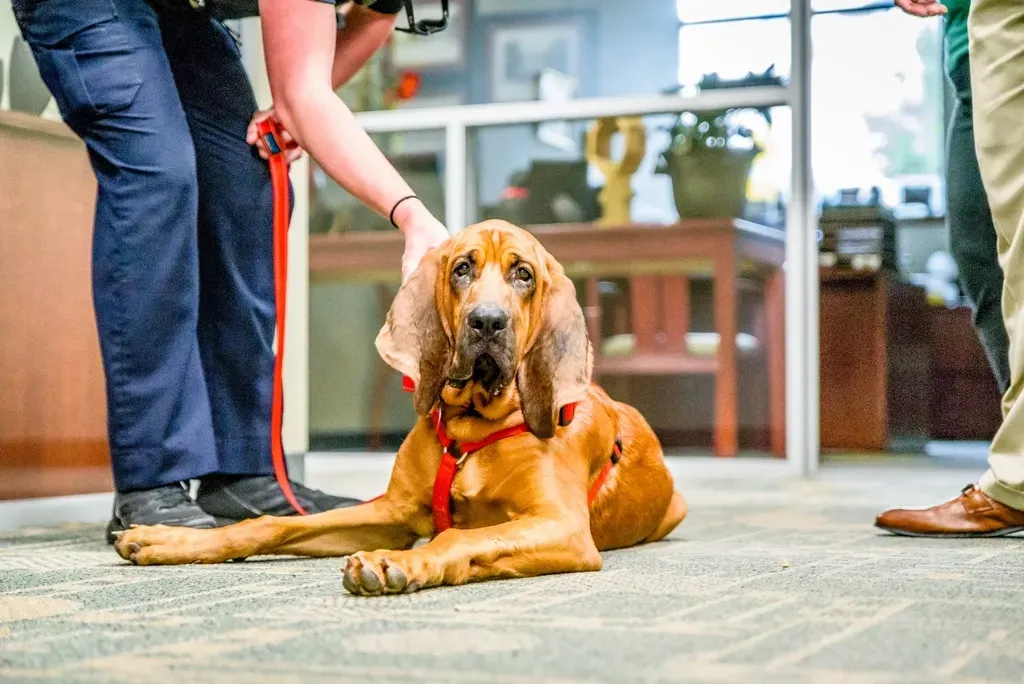
Similar to Beagles, Bloodhounds are hunting dogs renowned for their exceptional sense of smell. They are law enforcement’s go-to choice to locate fugitives and find missing individuals. However, their instincts and self-reliance can pose a challenge during training. Bloodhounds are stubborn and easily sidetracked, making standard training techniques less effective.
Bloodhounds are hard to train because they are distracted by smells near and far. They are gentle, easygoing dogs with strong persistence in following scent trails. Because of their powerful instinct to track, obedience training can be difficult for inexperienced handlers. The Bloodhound’s nose essentially functions as a separate operating system running in the background at all times. When it picks up an interesting signal, the dog’s external compliance shuts down entirely.
#14. Chinese Shar-Pei
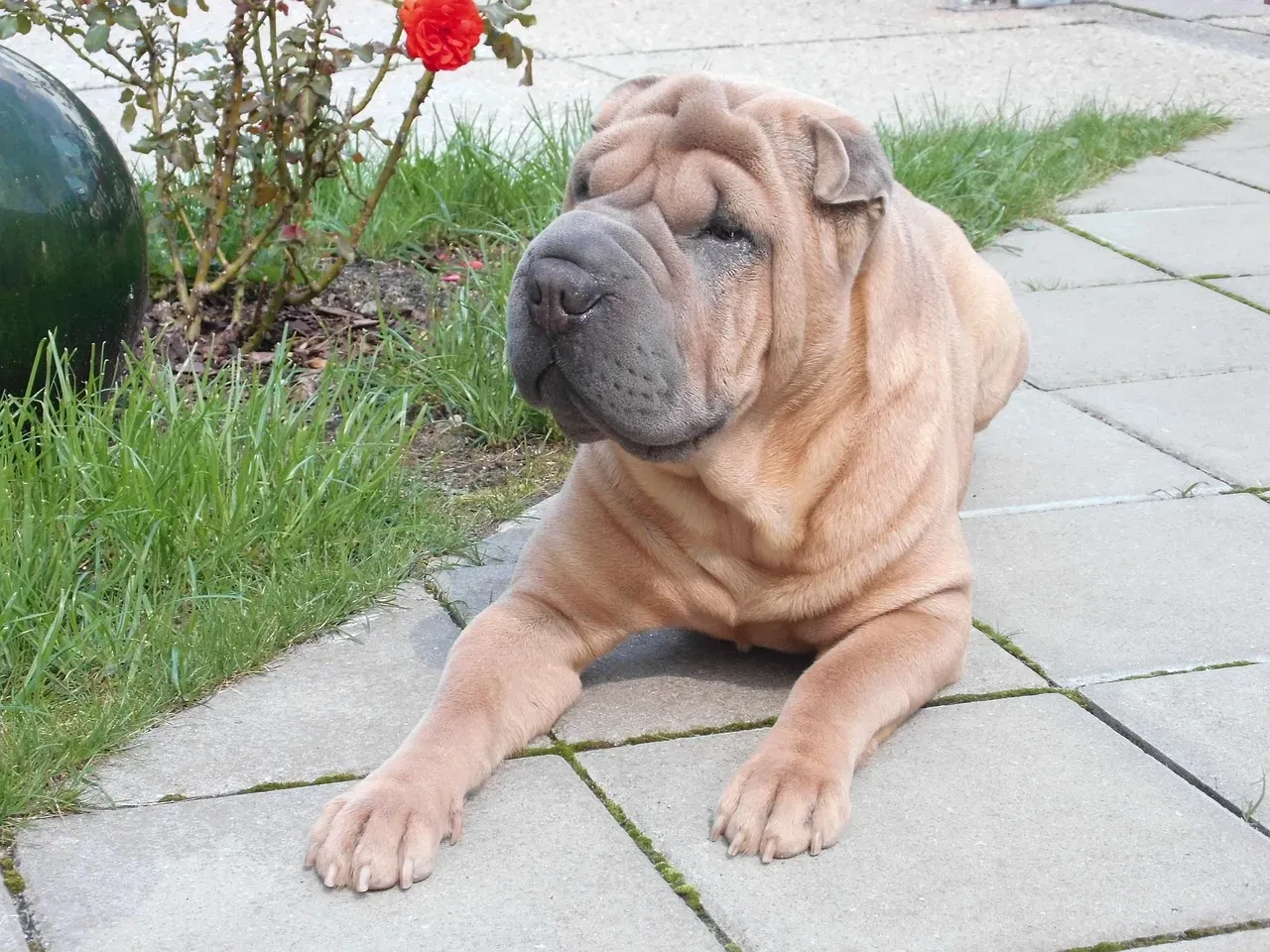
The Shar-Pei is instantly recognizable by its wrinkled skin and equally distinctive temperament. This ancient Chinese breed is known for being protective, loyal, and at times, downright difficult to train. Chinese Shar-Peis have serious cuddle potential, but their unique personality might not be the best fit for every family. These independent pups can be a bit aloof with strangers and territorial over their loved ones. For families who understand and respect their boundaries, Shar-Peis can be incredibly loyal and devoted. They just require a confident, experienced owner who can establish themselves as the pack leader.
The issue professional coaches encounter with Shar-Peis isn’t just their stubborn streak. Without proper socialization and training early on, independent dogs like these may become aggressive around others, or try to make their own household rules. When that protective instinct goes unmanaged, the liability in a group training setting becomes real enough that coaches choose not to take the risk at all.
#15. Borzoi
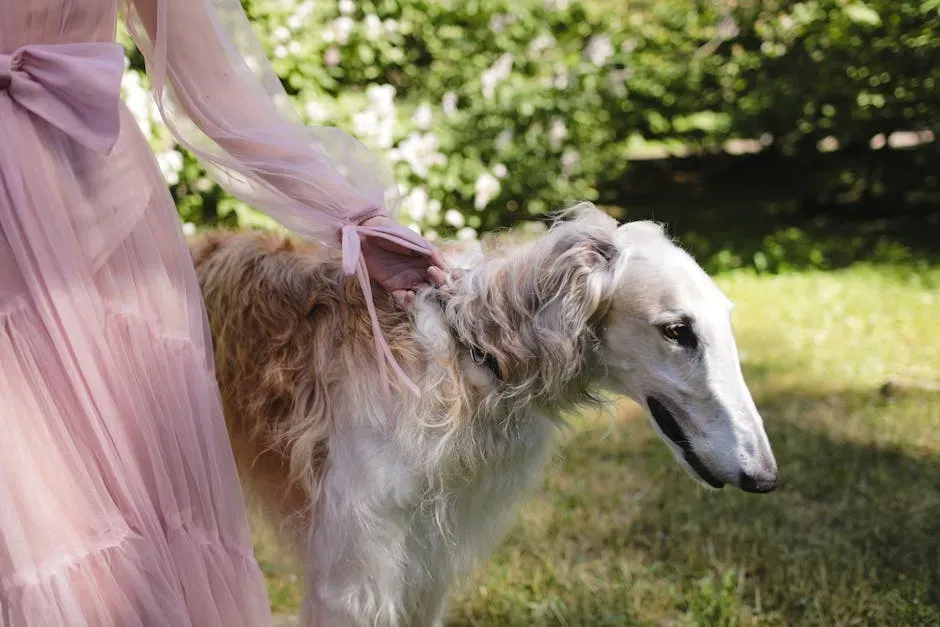
Borzois can also be stubborn, which makes training difficult and requires patience. They do best with frequent, short training sessions rather than long lessons. They enjoy chase games where their sighthound abilities shine. The last part is telling. Borzois excel at what they were bred for, and what they were bred for has nothing to do with following commands in a training ring.
These free-spirited thinkers often test boundaries, ignore recall cues, or challenge authority, turning obedience lessons into patience-testing adventures. Yet beneath their stubborn exterior lies sharp intelligence, strong instincts, and an independent drive shaped by their original purpose. With Borzois, that original purpose was sighthound coursing across open terrain, making independent split-second decisions at high speed. Asking the breed to defer to a human’s pace and commands runs directly against its grain.
#16. Neapolitan Mastiff
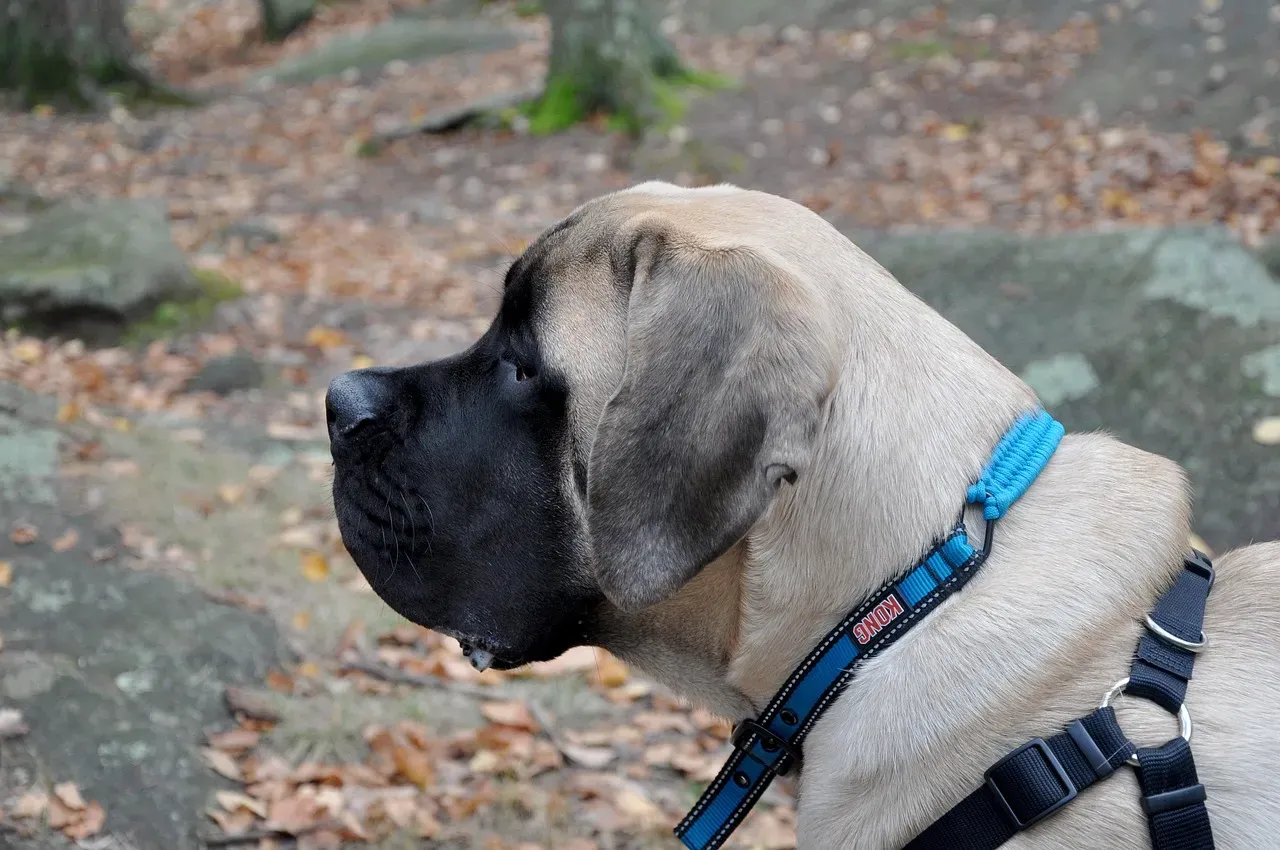
Several breeds of mastiffs, including the Neapolitan Mastiff, were bred for the purposes of guarding, hunting, and dog fighting. They tend to be quite intelligent, but very independent and stubborn, and very protective of their human owners. These are dogs for very experienced dog owners and can be animal aggressive and wary of human strangers. For a standard obedience class setting, those protective instincts create immediate complications.
Many mastiff owners know their dogs will eventually do what is asked, but it takes time. That can explain their reputation as lacking intelligence. It isn’t lacking intelligence at all. A Neapolitan Mastiff is fully capable of understanding what’s being asked. Whether it chooses to comply, and on what timeline, is an entirely separate negotiation. Professional coaches working with paying clients under time constraints find that dynamic nearly impossible to manage at scale.
A Final Thought Worth Sitting With
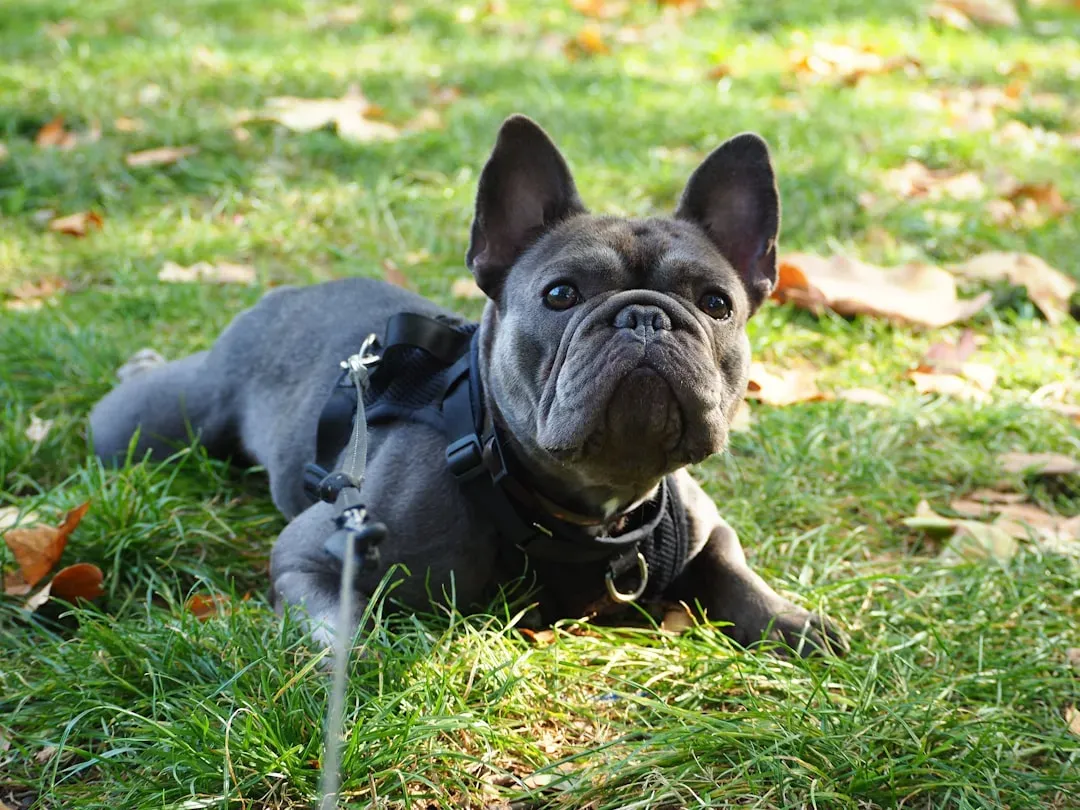
Here’s the honest truth that obedience coaches tend to say only among themselves: the breeds on this list aren’t broken. These free-spirited thinkers often test boundaries, ignore recall cues, or challenge authority, but beneath their stubborn exterior lies sharp intelligence, strong instincts, and an independent drive shaped by their original purpose. They’re not defective. They’re extraordinarily well-designed for jobs that no longer exist in most people’s living rooms.
The real conversation isn’t about whether these dogs can be trained at all. Studies indicate that up to 40 percent of dog owners cite behavioral concerns as reasons for surrendering a dog, and behavior-related challenges can carry disproportionate welfare consequences. That statistic matters. Choosing a breed without understanding its nature doesn’t just inconvenience a trainer. It can set a dog up for a life of confusion, frustration, and ultimately, rehoming.
The coaches who quietly decline aren’t giving up on these dogs. They’re being honest about the gap between what a structured obedience program promises and what these particular animals were built to deliver. That kind of honesty, however uncomfortable, is exactly what more owners needed to hear before they brought the puppy home.
