


There’s something undeniably magical about wildlife encounters. Whether it’s a deer cautiously approaching in a national park, a squirrel eagerly watching from a tree branch, or a dolphin swimming near a boat, these moments create lasting memories. Many people feel an instinctive desire to extend these encounters by offering food, especially when animals appear tame or hungry. The outstretched hand offering bread to ducks or tossing french fries to seagulls has become a common sight in parks and beaches worldwide. But beneath this seemingly innocent gesture lies a web of serious consequences—for the animals, ecosystems, and even human safety. This article explores why, despite our best intentions, feeding wildlife is a practice we should universally avoid.
The Natural Balance Disrupted

Wild animals have evolved over thousands of years to find, consume, and digest specific foods in their natural habitats. Their digestive systems, hunting strategies, and nutritional requirements are finely tuned to their environments. When humans introduce unnatural food sources, this delicate balance is disrupted. Wildlife biologists have documented that animals who regularly consume human food often suffer from nutritional deficiencies, as items like bread, chips, and processed foods lack the nutrients wild animals need. According to a study published in the Journal of Wildlife Management, urban geese fed bread by park visitors showed significantly lower protein intake than their naturally foraging counterparts, leading to weakened immune systems and impaired reproduction.
Dependency Leads to Danger
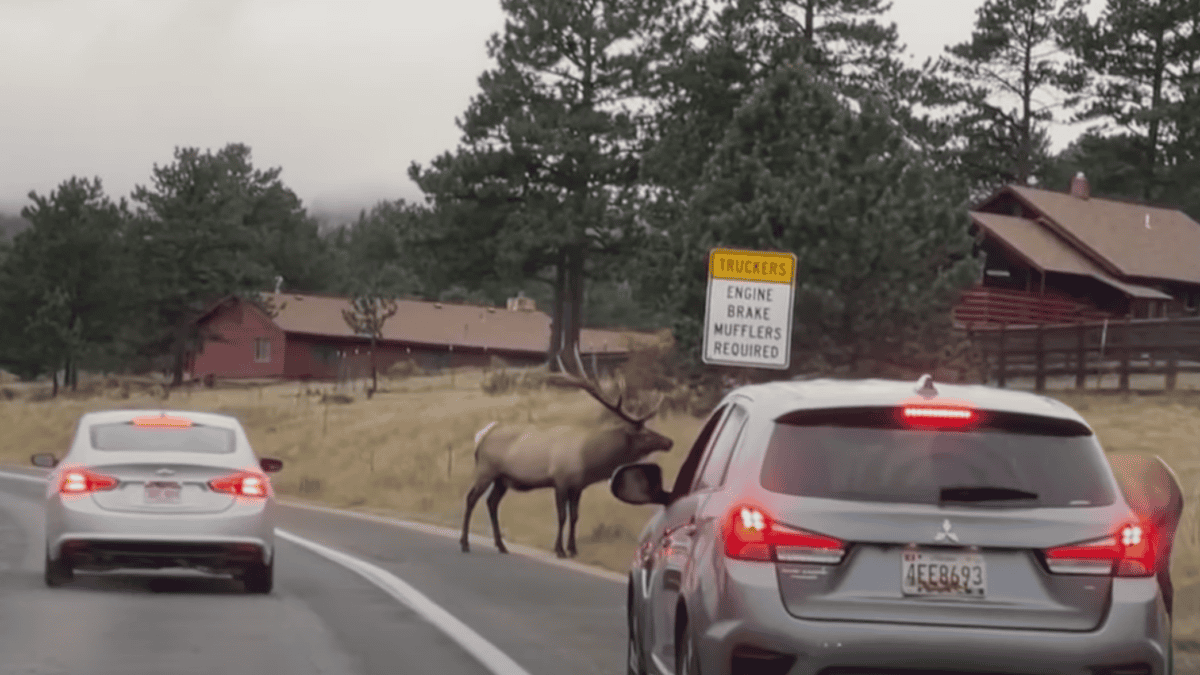
Perhaps the most insidious effect of wildlife feeding is the dependency it creates. Animals are remarkably adaptable and quickly learn to associate humans with easy meals. This learned behavior can be passed down through generations, permanently altering natural behaviors. In Yellowstone National Park, where feeding wildlife is strictly prohibited, rangers still battle the consequences of past feeding practices, with some elk populations continuing to approach vehicles and campgrounds seeking handouts. Wildlife experts emphasize that this dependency removes essential survival skills from animal populations. When food sources inevitably change—whether through seasonal human visitation patterns or policy changes—animals that have become dependent may struggle to feed themselves, potentially leading to starvation during crucial times like winter or migration periods.
Human Safety at Risk
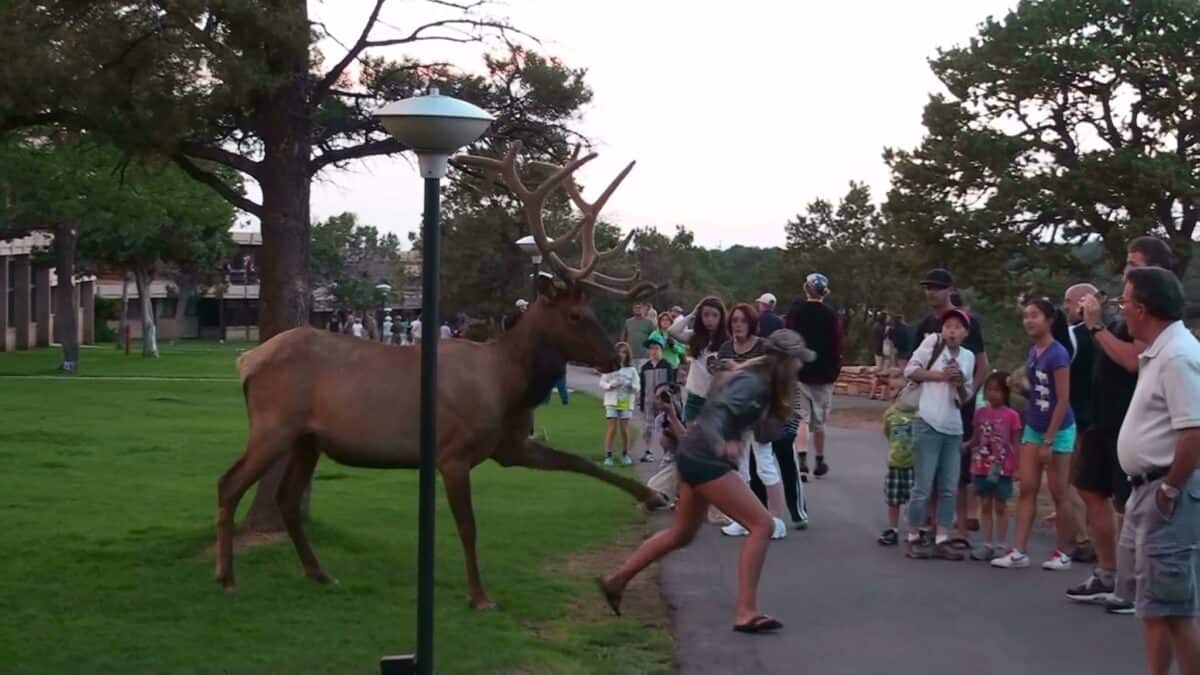
The phrase “a fed bear is a dead bear” encapsulates a tragic reality in wildlife management. Animals habituated to human food often become bolder in their approaches, leading to potentially dangerous encounters. According to statistics from the National Park Service, wildlife-related injuries have increased in areas where feeding is common, with black bears responsible for property damage exceeding $1 million annually in North American parks and communities. The pattern is consistent: feeding leads to habituation, habituation leads to conflict, and conflict often ends with the animal being euthanized for public safety. In Florida alone, dozens of alligators are removed yearly from residential areas after losing their natural wariness of humans due to feeding. The risk extends beyond predators—seemingly harmless deer have caused serious injuries to humans who approached them in parks where feeding had made them lose their natural caution.
Ecological Ripple Effects
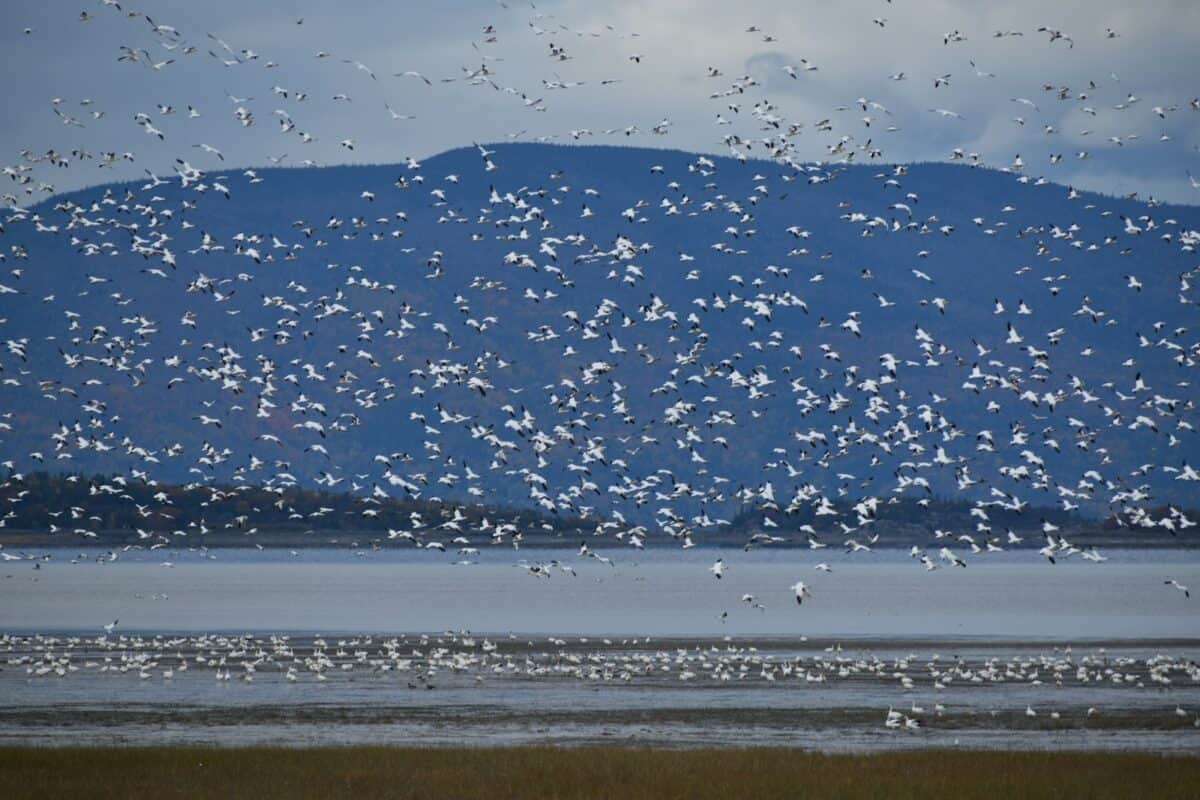
The impact of feeding extends far beyond individual animals. Artificial food sources can create population imbalances, allowing certain species to thrive beyond their ecosystem’s natural carrying capacity. In urban parks where waterfowl are regularly fed, bird populations can become unnaturally dense, leading to increased disease transmission, habitat degradation, and water quality issues from excessive waste. Research published in Ecological Applications demonstrated that areas with high rates of wildlife feeding showed altered species compositions, with opportunistic species outcompeting specialists. These changes cascade through food webs, potentially affecting everything from insect populations to soil composition. A striking example comes from coastal communities, where artificial feeding has altered seabird migration patterns, affecting both marine and terrestrial ecosystems thousands of miles apart.
Disease Transmission Concerns
The concentration of animals around feeding sites creates ideal conditions for disease transmission. When wildlife gathers in unnaturally high densities to access human-provided food, pathogens spread more easily between individuals. The Wildlife Society has documented outbreaks of diseases like chronic wasting disease in deer populations and avian pox in songbirds directly linked to feeding stations. Additionally, these gathering points create opportunities for interspecies disease transmission that wouldn’t occur naturally. The risk extends to humans as well—zoonotic diseases (those that can jump from animals to people) find more transmission opportunities when wildlife and humans interact closely during feeding. The COVID-19 pandemic has heightened awareness of zoonotic disease risks, with public health experts emphasizing the importance of maintaining appropriate boundaries with wildlife to reduce disease spillover events.
The Problem with “People Food”
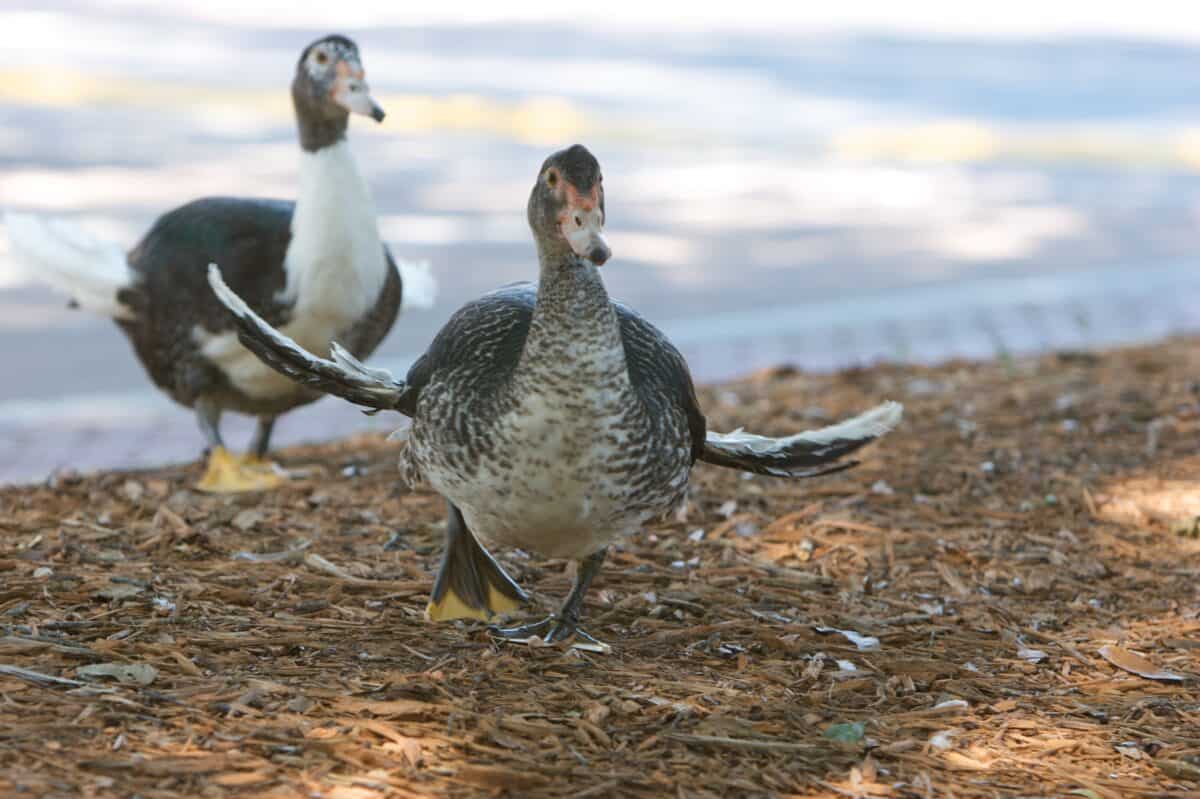
Human food is often nutritionally inappropriate for wildlife, containing ingredients that animals cannot properly digest. Bread, a common offering to ducks and other waterfowl, provides minimal nutritional value while filling birds’ stomachs, preventing them from seeking out more nutritious natural foods. This can lead to a condition called “angel wing” in waterfowl, where wing feathers twist outward, permanently preventing flight. Similarly, chocolate and caffeine are toxic to many mammals, while high-salt foods can cause electrolyte imbalances in animals not adapted to such diets. Research from the Cornell University College of Veterinary Medicine has documented cases of metabolic bone disease in squirrels and rabbits frequently fed by humans, as well as dental disease in deer given sugary foods. These conditions cause suffering and reduced lifespans in affected animals.
The Myth of Helping Animals Through Winter

A common justification for feeding wildlife is the belief that animals need human assistance to survive harsh winters or food scarcity. While this concern comes from a compassionate place, wildlife biologists emphasize that it misunderstands natural processes. Wild animals have evolved numerous adaptations to survive seasonal changes, including migration, hibernation, food caching, and metabolic adjustments. Studies tracking wildlife populations through winters found that natural mortality, while sometimes difficult to witness, maintains healthy population dynamics and genetic strength. When artificial feeding disrupts these patterns, it can lead to overpopulation followed by mass starvation when feeding stops or resources become inadequate. Conservation organizations like the National Wildlife Federation stress that the most effective way to help wildlife through challenging seasons is habitat preservation and restoration—not direct feeding.
Legal Consequences of Feeding Wildlife

Beyond the ecological and safety concerns, feeding wildlife is illegal in many jurisdictions. National parks, state forests, and wildlife management areas throughout North America and Europe have implemented strict no-feeding policies, with fines ranging from hundreds to thousands of dollars for violations. These laws aren’t arbitrary but based on decades of wildlife management research demonstrating the harmful effects of feeding. In areas with large predators, penalties can be particularly severe—in parts of Alaska, feeding bears can result in fines exceeding $10,000. Even feeding smaller animals like squirrels and birds is prohibited in many protected areas. The legal landscape reflects a growing scientific consensus that, despite good intentions, wildlife feeding causes far more harm than good.
The Special Case of Bird Feeders

Bird feeding represents a somewhat unique case in wildlife feeding discussions. Unlike opportunistic feeding of wild mammals, responsible bird feeding using appropriate foods in properly maintained feeders can sometimes benefit certain bird species, particularly during extreme weather events. However, even bird feeding requires careful consideration. The Cornell Lab of Ornithology recommends specific practices to minimize negative impacts: using species-appropriate seeds, regularly cleaning feeders to prevent disease spread, placing feeders to reduce window collisions, and maintaining feeding once started through winter months. Some regions still discourage or prohibit bird feeding, particularly in areas with bear populations where feeders can attract unwanted visitors. Urban bird feeding, while popular, should be approached with an understanding of local ecology and regulations.
Ethical Wildlife Viewing Practices

Fortunately, we can enjoy meaningful wildlife encounters without the harmful effects of feeding. Wildlife management experts advocate for ethical viewing practices that maintain appropriate distances and respect natural behaviors. The National Park Service promotes the “Rule of Thumb”—if you can cover an animal with your extended thumb, you’re at a safe distance. Using binoculars or telephoto lenses allows for intimate observations without intrusion. Many conservation organizations have developed wildlife watching ethics guidelines, emphasizing patience, quietness, and minimal disturbance. These approaches provide more authentic and educational experiences than artificial feeding scenarios, allowing observers to witness natural behaviors rather than food-seeking responses. Certified wildlife guides and naturalists can enhance these experiences by sharing knowledge about animal ecology and behavior patterns.
Addressing Injured or Orphaned Wildlife
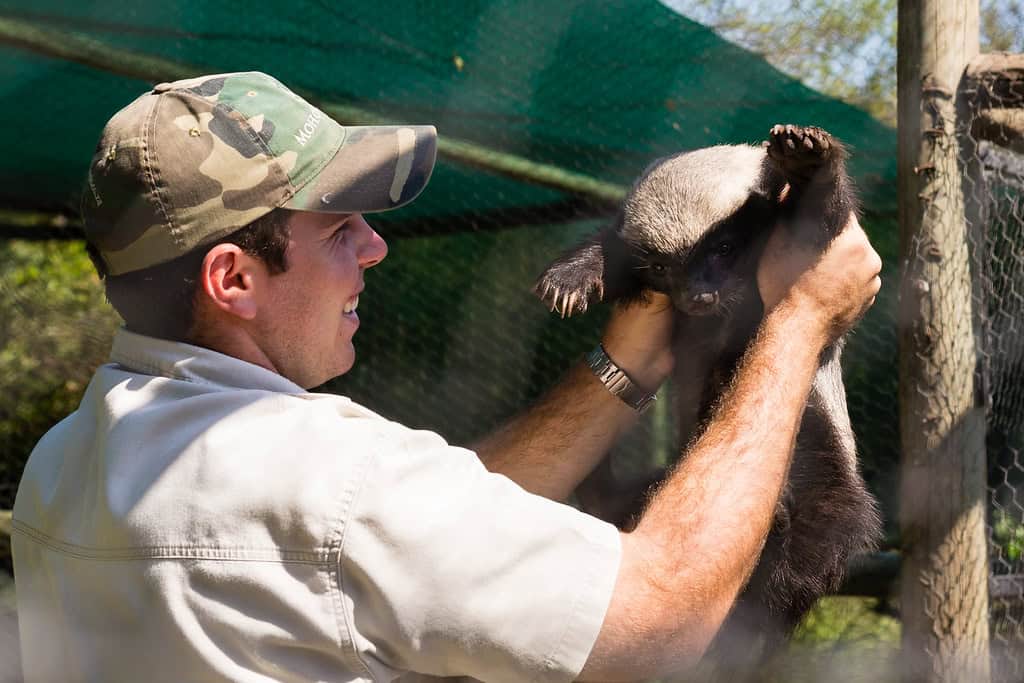
Occasionally, people encounter wildlife that appears injured or abandoned, prompting a desire to help through feeding. Wildlife rehabilitation experts strongly advise against this well-intentioned response. Incorrect feeding can worsen an animal’s condition or create dependency that prevents successful release. In most cases, apparent orphans are actually being monitored by parents nearby, who may be deterred by human presence. If you encounter wildlife that seems to need assistance, the appropriate action is contacting local wildlife authorities or licensed rehabilitators who have the training and permits to provide proper care. These professionals can assess whether intervention is necessary and provide appropriate diet and medical treatment. According to the International Wildlife Rehabilitation Council, more than 75% of seemingly abandoned baby mammals don’t actually need human intervention.
Positive Alternatives to Feeding
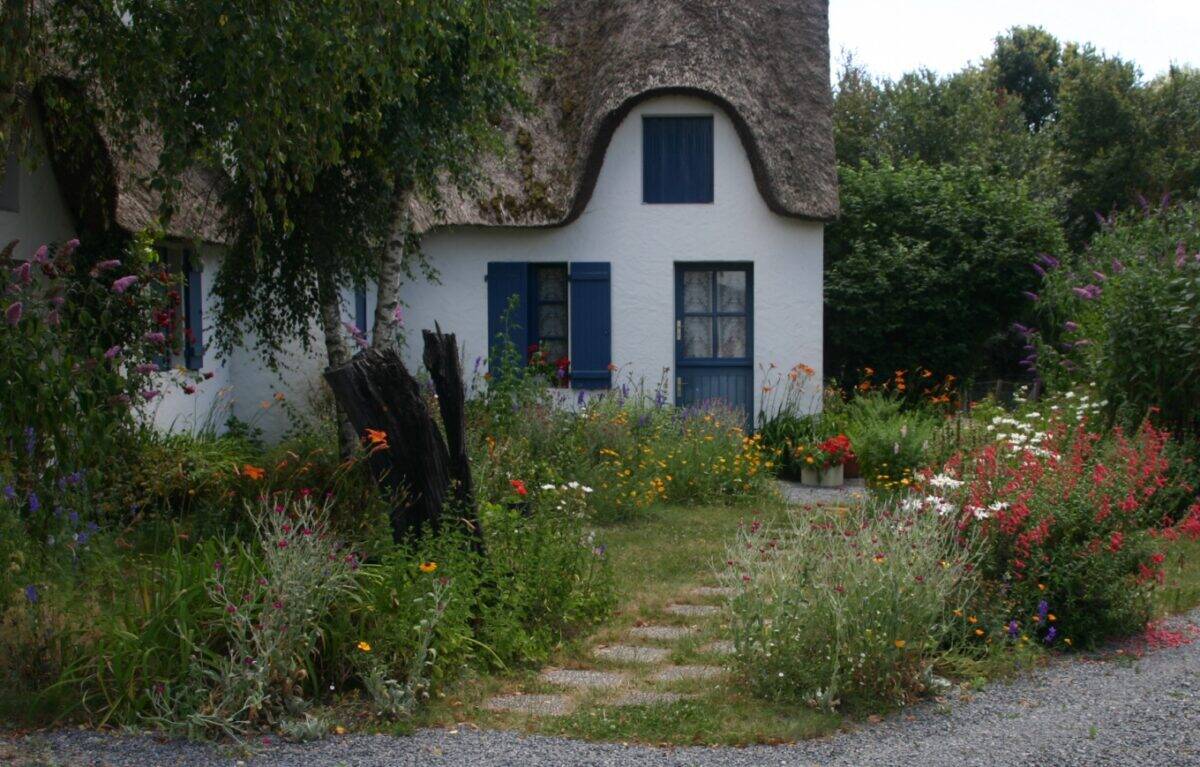
For those passionate about supporting wildlife, numerous constructive alternatives to feeding exist. Habitat conservation and restoration represent the most impactful approaches—planting native species in gardens, participating in community conservation projects, or supporting land preservation initiatives all provide sustainable benefits to wildlife populations. Creating wildlife-friendly spaces by reducing pesticide use, providing water sources, and maintaining diverse plant structures helps animals thrive naturally. Citizen science programs like eBird, NestWatch, and wildlife monitoring projects allow animal enthusiasts to contribute to conservation while enjoying wildlife observation. Educational outreach, particularly teaching children about respectful wildlife interaction, helps foster a conservation ethic in future generations. Financial support for wildlife rehabilitation centers and conservation organizations allows these groups to address wildlife challenges professionally.
The decision to feed or not feed wildlife may seem small in the moment—a handful of bread tossed to eager ducks, a granola bar shared with a curious squirrel—but the cumulative effect of these interactions shapes the future of wild species and their ecosystems. When we resist the immediate gratification of attracting wildlife with food, we make a choice that honors the wildness and dignity of animals that have evolved to thrive without human intervention. Wildlife biologists, conservation organizations, and animal welfare advocates share a rare consensus on this issue: true respect for wildlife means allowing them to remain wild. By understanding the complex consequences of feeding and choosing more responsible ways to connect with nature, we participate in a broader ethic of environmental stewardship that preserves wildlife encounters for generations to come. Our restraint today ensures that the deer at the forest edge, the fox crossing the meadow, and the eagle soaring overhead remain truly wild—not dependent on humans, but free to live according to their nature.

- The Threats Tigers Face Today—From Poaching to Habitat Loss - July 29, 2026
- The Most Chill Animals Taking Over the Internet: Meet the Capybara Kings - July 29, 2026
- Prairie Dogs and Bison: Wildlife of the Tallgrass Prairie - July 29, 2026