
Vets see a lot. Over the course of a single week, they stitch up wounds, deliver hard news to families, manage chronic pain in aging animals, and quietly talk a desperate owner through a bill that’s climbed past what they can afford. They rarely say it publicly, but behind closed doors many veterinary professionals carry a quiet list of breeds they’d hesitate to recommend to anyone they care about.
This isn’t about lovability. Many of the dogs on this list are genuinely wonderful animals. It’s about the science of selective breeding, the concentration of genetic disease, and the cold reality that owning certain breeds can mean years of expensive interventions, difficult decisions, and watching an animal suffer from problems that were essentially engineered into it before it was even born. Genetics play a central role in determining a pet’s susceptibility to certain diseases, and over generations, selective breeding for traits like coat color, size, or facial shape has also concentrated genes associated with health conditions. Here’s what your vet wishes you knew before you swiped your card at a breeder.
#1 English Bulldog

Few breeds carry as heavy a health burden as the English Bulldog. That adorably smushy nose is terrible for their health, making them prone to all sorts of respiratory issues, and they’re also likely to suffer from obesity, hip dysplasia, and skin allergies. The flat face that makes them look perpetually grumpy is actually a structural disaster for the animal living behind it.
Flat-faced breeds like Bulldogs often face airway challenges due to their shortened skull structure, and many develop Brachycephalic Obstructive Airway Syndrome, which causes noisy breathing, snoring, and intolerance to heat or exercise. Female brachycephalic dogs also face birthing difficulties due to their anatomy, where large puppy heads and narrow birth canals make delivery risky. Most English Bulldog litters are delivered by C-section, which adds cost and risk from the very start of their lives.
#2 French Bulldog
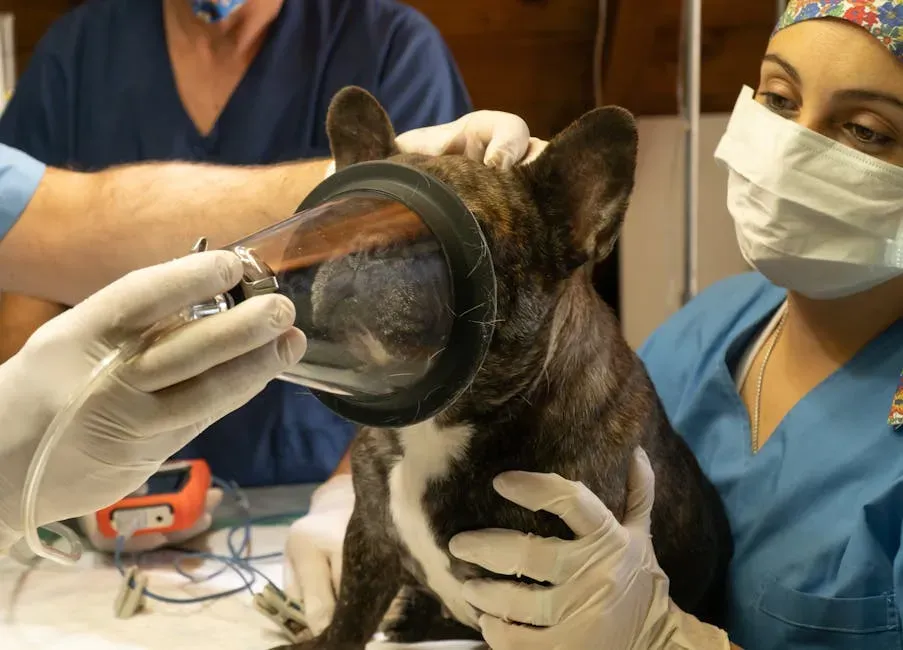
The French Bulldog has become one of the most purchased dogs in the world, which makes the health conversation even more urgent. In 1985, only 318 French Bulldogs were registered with the AKC, making it the 94th most popular breed. By 2022, around 108,000 were registered, and that year, for the first time ever, the French Bulldog became the most popular U.S. dog breed. That popularity surge has happened almost entirely because of how they look, not how they live.
French Bulldogs at rescue facilities struggle to breathe and snort loudly, particularly on hot days, requiring extra fans just to get through summer weather. Frenchies are prone to breathing problems and do poorly in hot or humid weather, a concern echoed by the American Kennel Club itself. Spine deformities and skin allergies pile onto the respiratory concerns, meaning a Frenchie owner should realistically expect a lifetime of elevated vet bills.
#3 Cavalier King Charles Spaniel

The Cavalier is one of the most heartbreaking cases in veterinary medicine because it’s so clearly beloved and so consistently unwell. Mitral valve disease is 20 times more prevalent in Cavaliers than in other breeds and is their leading cause of death. It occurs when the valve regulating the left ventricle of the heart fails, causing oxygen-rich blood to leak back into the heart. This isn’t a rare outlier issue. It’s the norm for the breed.
More than half of all Cavaliers develop mitral valve disease by age five, most show signs by age ten, and most Cavaliers die less than two years after the onset of heart failure. On top of that, by the age of six years, the majority of Cavalier King Charles Spaniels will be affected by syringomyelia, making them the poster dog for the condition. Syringomyelia causes painful fluid-filled cavities within the spinal cord, and there is currently no cure.
#4 Dachshund

The Dachshund’s signature silhouette, that long body balanced on very short legs, is charming on a greeting card and genuinely problematic in real life. Due to their physical shape, they are very prone to a spinal condition known as Intervertebral Disc Disease, which in extreme cases can cause paralysis, and treatment often involves expensive specialist surgery and many weeks of physiotherapy and rehabilitation. Owners frequently don’t realize the risk until their dog suddenly can’t walk.
Their iconic shape puts a ton of stress on their spine, and they’re one of the breeds most likely to develop IVDD, a painful and sometimes paralyzing back problem. Dachshunds are also prone to dental problems due to their small mouths and crowded teeth, and they may be susceptible to eye problems like progressive retinal atrophy and cataracts. Managing a Dachshund’s health long-term requires constant vigilance about activities, weight, and early warning signs.
#5 Chinese Shar-Pei

The Shar-Pei may be one of the most medically complex breeds a person can own. The most common specific disorders diagnosed in Shar-Pei were in-turned eyelids at nearly eighteen percent, ear infection at over sixteen percent, and skin infection. The average lifespan of the Shar-Pei is only about 7.28 years, and the most common causes of death are cancer, kidney disorders, and behavioural disorders. That’s a sobering combination of figures for any prospective owner.
Approximately 23 percent of Shar-Peis have a genetic mutation that increases the amount of hyaluronic acid in their skin, and when this acid escapes into their bloodstream, their immune system triggers a fever. This can occur as often as every few weeks and often leads to kidney or liver failure. Although medication can help curb the effects of Shar-Pei fever, there is no cure, and many dogs who suffer from it die young. The Shar-Pei is not suited for the first-time dog owner, and the breed is not one to adopt lightly, requiring an extra time commitment and even extra veterinary expenses.
#6 Boxer

Boxers are enthusiastic, loyal dogs with personalities that fill a room. The trouble is that their health picture is among the most worrying of any breed. Eye issues such as non-healing corneal ulcers can lead to frequent trips to the vet, but bigger issues like being prone to multiple types of cancer and heart conditions like dilated cardiomyopathy can be life-limiting in the breed. These aren’t minor inconveniences. They’re serious, recurring medical events.
Boxers are prone to cancer including brain, skin, and bone cancer, and studies have found that a striking proportion of this breed died from cancer. Cancer tends to develop earlier in Boxers than in most other breeds, which means owners frequently face difficult end-of-life decisions before their dog has even reached old age by typical standards. The emotional and financial weight of that reality is something vets understand all too well.
#7 Great Dane

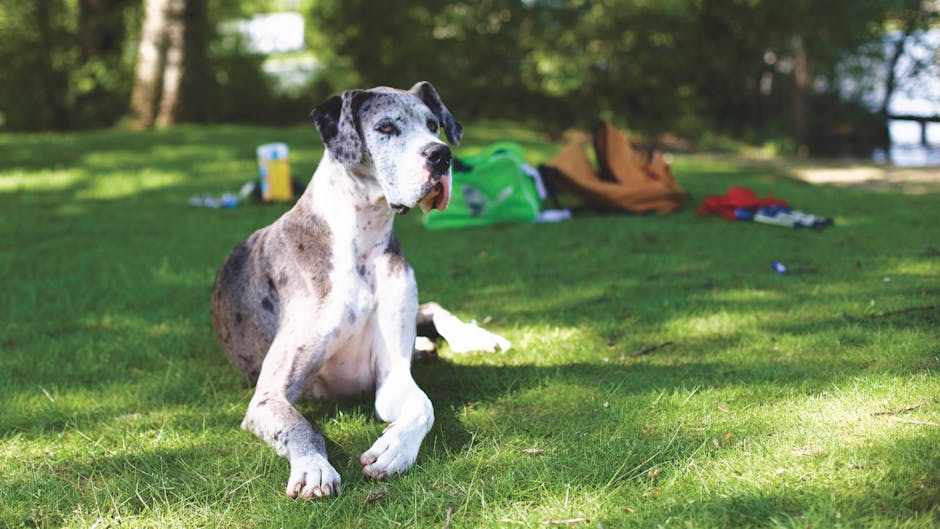
Great Danes are gentle, affectionate, and staggeringly large. That size is exactly what makes them such a medical concern. Great Danes only live between eight to ten years because of their many health issues. Their tall and lanky bodies make them iconic and easily recognizable, but older Great Danes struggle to support their larger bodies, causing them several serious health problems. Owners often describe falling deeply in love with the breed, only to face heartbreak on a shortened timeline.
Great Danes are at high risk for dilated cardiomyopathy, an enlarged heart condition, and bloat, which requires emergency care, and they also tend to have shorter lifespans than smaller breeds. GDV, the life-threatening stomach twist associated with bloat, is most common in Great Danes, along with Weimaraners, St. Bernards, Irish Setters, and Gordon Setters. Bloat can kill within hours if not treated surgically, making it one of the most terrifying emergencies in small animal veterinary medicine.
#8 Bernese Mountain Dog

Bernese Mountain Dogs are beautiful, calm-natured family dogs, but their health trajectory is something vets find deeply concerning. These big pups are very nearly the perfect pet, if it weren’t for their ridiculously short lifespans. Due to generations of inbreeding, cancer runs rampant in their genes, and many Berners can only expect to live six to eight years as a result. Families who fall in love with this breed often find themselves grieving a dog in what feels like the middle of its life.
Bernese Mountain Dogs have a higher incidence of certain cancers including histiocytic sarcoma, which can significantly impact their lifespan. They may also develop dilated cardiomyopathy, a condition that affects the heart’s ability to pump blood effectively. Hip dysplasia is common in the breed and can lead to joint pain and reduced mobility, particularly as they age, and they are also at risk for life-threatening gastric dilatation-volvulus, where the stomach twists and requires immediate emergency care.
#9 German Shepherd
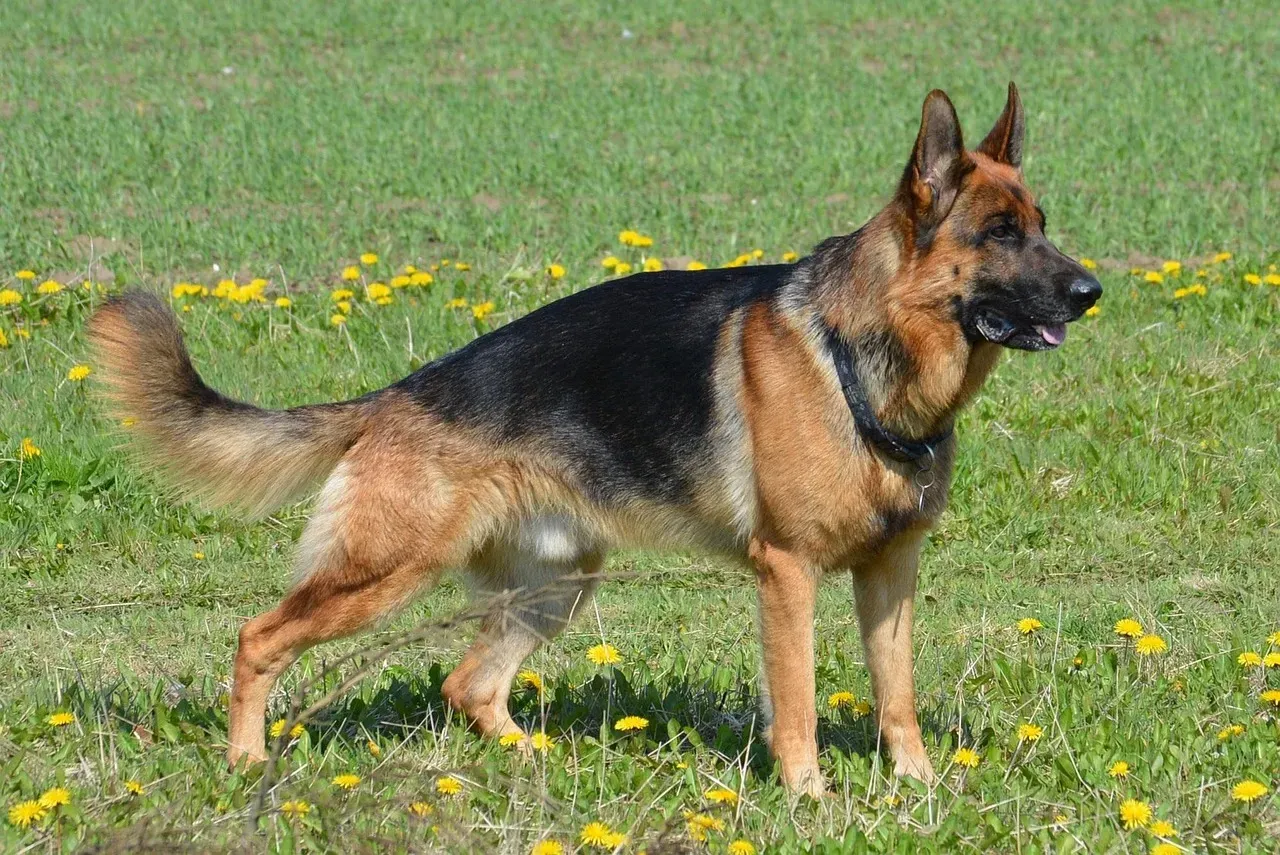
German Shepherds are working-dog royalty, and their intelligence is second to none. They’re also one of the most commonly treated breeds in veterinary clinics worldwide. German Shepherds may be subject to various health issues including hip dysplasia, elbow dysplasia, hemophilia, bloat, degenerative disc disease, diabetes, and cataracts. That’s a list that touches virtually every major body system the dog has.
The dog equivalent of Lou Gehrig’s disease, degenerative myelopathy is a progressive degenerative disorder of the spinal cord in German Shepherds, where the nerves that control the hind limbs are the first to degenerate, causing back muscle wasting and gait abnormalities. Golden Retrievers and German Shepherds are also prone to hemangiosarcoma, an aggressive cancer of the blood vessels. With so many potential issues stacking up over time, long-term ownership of a German Shepherd demands both financial preparedness and emotional resilience.
#10 Pug

Pugs are one of those breeds where the very features people find most appealing are the root cause of the most suffering. They face health risks including BOAS, eye ulcers, spinal deformities, and obesity, because that adorable short nose comes at a cost of poor airflow and vulnerable eyes, and Pugs need to be kept cool and away from overexertion. Their squashed faces leave them functionally compromised in ways that affect every ordinary moment of their lives.
Researchers theorize that the so-called brachy boom may be driven by humans’ gravitation toward dogs with baby-like features such as large foreheads, big eyes, and small noses. Their infantile appearance triggers a desire to nurture them, and behaviors related to breathing difficulties such as snorting and drifting to sleep while sitting up can be seen as endearing. The problem is that what reads as cute is actually a symptom of a dog that can’t breathe properly. Vets see this disconnect constantly.
#11 Rottweiler

Rottweilers are powerful, loyal dogs with a devoted following, and they can be excellent companions in the right home. Health-wise, though, the breed carries real burdens. Rottweilers are prone to several orthopedic and cardiac health issues, with hip and elbow dysplasia fairly common in the breed, often leading to joint pain and reduced mobility as they age. They are also at risk for osteochondritis dissecans, a condition where abnormal cartilage development can cause joint discomfort and lameness, especially in growing puppies.
Another serious concern in Rottweilers is dilated cardiomyopathy, a heart disease that weakens the heart muscle and affects its ability to pump blood efficiently. Giant breeds and Rottweilers often develop osteosarcoma, an aggressive bone cancer. Bone cancer in large-breed dogs tends to be fast-moving, expensive to treat, and difficult to catch early, which is why it features so heavily in conversations vets have with their own families when discussing which breeds to avoid.
#12 Cocker Spaniel

Cocker Spaniels look like they belong in a painting, and their gentle temperament makes them easy to love. Their medical history makes them harder to recommend without reservation. Cocker Spaniels can have a serious array of health problems including glaucoma, patellar luxation, and chronic hepatitis. Intervertebral disc disease is also a common health issue in Cocker Spaniels, and they are among the dog breeds predisposed to developing dilated cardiomyopathy.
Their long, floppy ears make them especially susceptible to ear infections, which can become chronic if not regularly cleaned and monitored. Cocker Spaniels are also prone to skin allergies that may cause itching, redness, and irritation. Additionally, they can develop progressive retinal atrophy, a degenerative disease that can lead to vision loss. Managing a Cocker Spaniel well means committing to a fairly intensive routine of ear cleaning, grooming, and regular veterinary monitoring throughout the dog’s entire life.
#13 Labrador Retriever

Labradors are the quintessential family dog, and many vets genuinely love them. They still show up on this list because of one issue that’s almost universal in the breed as it ages. It is rare for older Labradors not to need treatment for osteoarthritis, and with many treatment options now available, pet owners who want to do everything for their beloved pet can spend a lot of time and money at the vet with their elderly Labrador. It’s not a dramatic surprise health crisis. It’s a slow, steady accumulation of costs.
Labs are generally sturdy dogs, but their love of food puts them at risk for obesity, which can lead to joint problems, diabetes, and heart disease. They’re also prone to ear infections due to their floppy ears, and some lines may be predisposed to progressive retinal atrophy, a condition that affects vision. The most common genetic health risks among tested Labrador Retrievers include Stargardt Disease and Exercise-Induced Collapse. Forewarned is forearmed with this breed.
#14 Dalmatian

Dalmatians became a cultural icon, and that cultural moment drove demand that outpaced responsible breeding for decades. The health consequences are well-documented. Dalmatians are a distinctive and energetic breed prone to breed-specific health concerns, including bladder stones that develop due to a genetic tendency to process uric acid differently, making proper hydration and diet especially important. Deafness is also relatively common in Dalmatians, with some dogs being born completely or partially deaf.
Deafness in Dalmatians is linked to the same genes responsible for their iconic coat pattern, which makes it particularly difficult to breed away from. Owners who don’t screen for this before bringing a puppy home can find themselves managing a dog whose behavioral quirks turn out to be hearing-related rather than temperament-based. Responsible breeding can reduce the incidence of some breed-related health conditions, but eliminating them entirely is difficult. With Dalmatians, that difficulty is especially pronounced.
#15 Shih Tzu

Shih Tzus are compact, affectionate, and seemingly maintenance-free to the uninitiated. The reality tends to be quite different. Due to their small mouths and crowded teeth, periodontal disease is common and can lead to pain, infection, and tooth loss if not properly managed. Anal gland impaction is another issue seen in the breed. Shih Tzus are also prone to luxating patellas, a condition where the kneecap slips out of place, leading to lameness or difficulty walking.
As a brachycephalic breed, Shih Tzus may also suffer from brachycephalic airway syndrome, which can cause breathing difficulties, especially in hot or humid weather. Legislation being considered in Europe would ban the breeding of dogs and cats with exaggerated or excessive traits that lead to significant health risks. The Shih Tzu, with its flat face and compact skull, fits squarely into the category of breeds that welfare experts and veterinary professionals are increasingly concerned about.
#16 Doberman Pinscher

Dobermans are among the most striking and athletic breeds in existence, and their loyal character makes them fiercely devoted companions. Their cardiac vulnerability, however, is something vets consistently bring up when the breed comes into the conversation. Dobermans are prone to dilated cardiomyopathy, a serious heart condition that weakens the pumping ability of the heart muscle. What makes this especially difficult is that DCM in Dobermans often progresses silently, with dogs appearing healthy right up until a sudden cardiac event.
Dobermans often suffer from cancer, gastric torsion, hip dysplasia, hepatitis, and more, and they are also among the breeds with a predisposition to developing dilated cardiomyopathy. Doberman Pinschers also appear on the list of breeds most likely to develop IVDD, the painful and sometimes paralyzing intervertebral disc disease. A Doberman is a high-reward companion in so many ways, but the combination of cardiac fragility and other breed-specific conditions means ownership comes with a commitment to regular cardiac monitoring that many buyers simply aren’t prepared for.
A Final Word

None of this is meant to shame owners who love one of these breeds. Many veterinary professionals own them themselves, eyes open, hearts fully committed. You will just be far more likely to be on first-name terms with your vet, and knowing what problems a breed is likely to face before getting one is genuinely valuable information for pet owners.
It is undeniable that limited genetic diversity, extreme conformation, and breed-related diseases are still major issues in many breeds, and some breeders remain reluctant to prioritize health over appearance or commercial gain. The breeds on this list aren’t inherently bad. They’re the product of human choices made over generations, and they deserve both honesty and care in equal measure.
The most useful thing anyone can do before buying a puppy is to sit down with a vet before the purchase, not after. That conversation, uncomfortable as it might feel, can shape years of decisions in ways that make life better for everyone involved, including the dog.

- 14 Signs the Backyard Birds That Left Your Yard Are Quietly Coming Back - July 21, 2026
- 12 Cat Breeds Vets Refuse To Recommend to First Time Owners - July 21, 2026
- 6 US States With the Most Alligators - July 21, 2026