

Arabian Horse
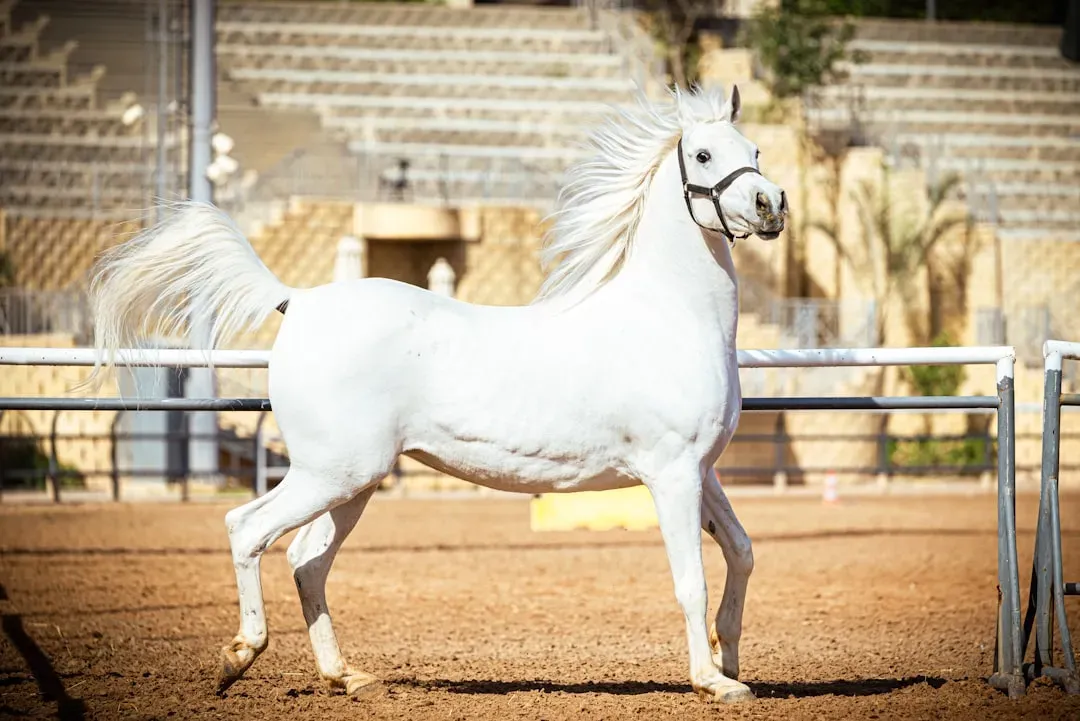
Arabians bring an intense sensitivity and quick intelligence that rewards experienced riders who know how to channel that energy. Their compact build and endurance heritage make them responsive to the slightest cue, which can overwhelm someone still learning to communicate clearly with a horse. First-timers often find the breed’s alertness translates into spookiness around new sights or sounds.
Many owners report that Arabians thrive with consistent, nuanced handling developed over years. Without that foundation, small misunderstandings can escalate into bigger behavioral issues. The breed’s natural curiosity also means they notice everything, leaving little room for a novice to relax and focus on fundamentals.
Thoroughbred

Thoroughbreds carry a racing background that leaves many with a strong forward drive and quick reactions. Retired track horses in particular retain that urge to move out at the slightest signal, which feels overwhelming when a rider is still mastering balance and steering. Their long legs and lean frame add to the sense of power that beginners struggle to manage.
Seasoned handlers appreciate the breed’s athleticism once they have the tools to direct it safely. For someone new to horses, though, the combination of speed potential and sensitivity often leads to situations where the horse takes over. Proper retraining takes time and expertise that most first-timers simply do not yet possess.
Mustang
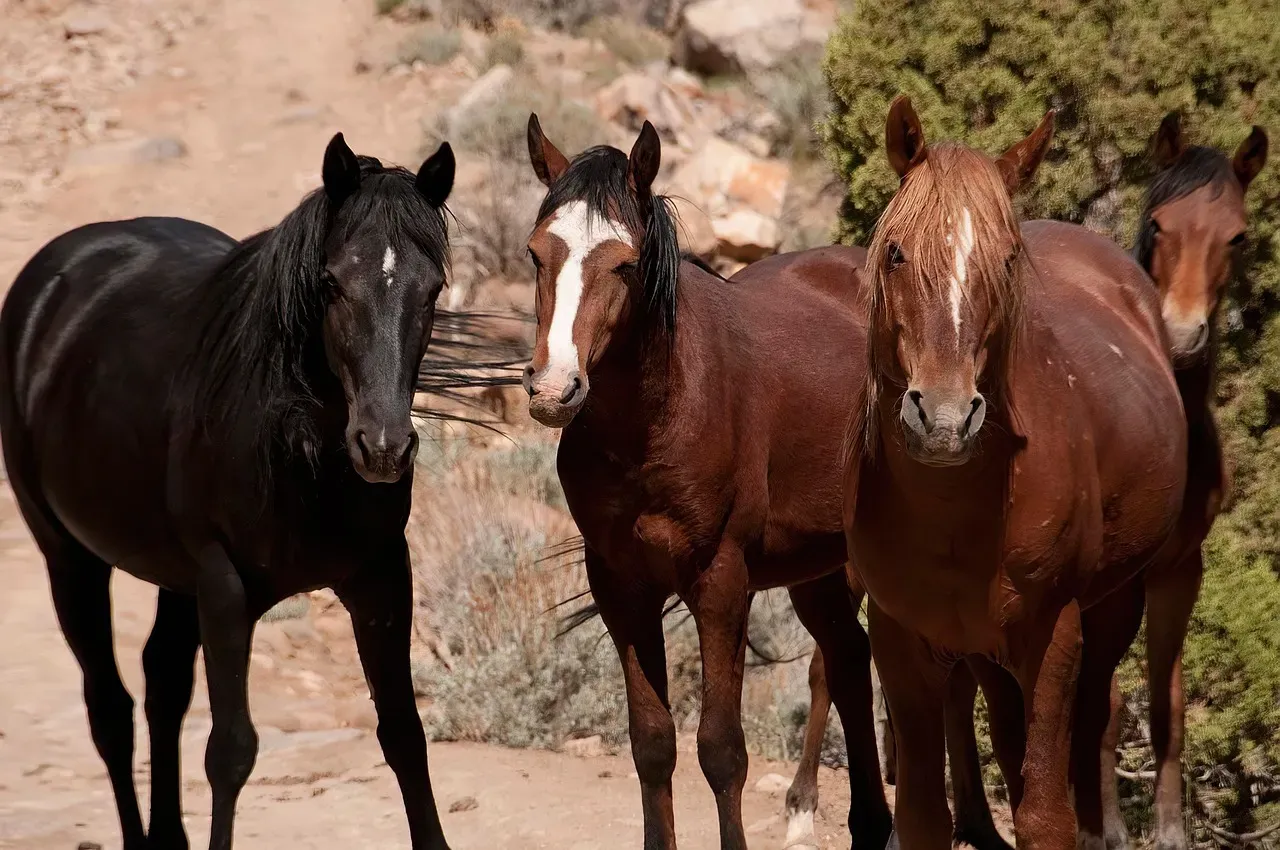
Mustangs arrive with a wild heritage that shapes their independent streak and strong survival instincts. Even those gentled through adoption programs retain a wariness that requires patient, skilled groundwork to overcome. Beginners frequently underestimate how much daily consistency these horses need to build trust.
Their intelligence helps them learn quickly, yet that same trait lets them test boundaries in ways that surprise inexperienced owners. Many equestrians note that mustangs respond best to handlers who already understand herd dynamics and pressure-release techniques. Starting with one can turn basic care into a constant negotiation rather than a steady partnership.
Akhal-Teke

Akhal-Tekes stand out for their metallic sheen and lean, athletic conformation suited to endurance work. Their high energy and strong will demand a rider who can provide clear direction without hesitation. Newcomers often find the breed’s alertness keeps them on edge during routine activities.
Experienced riders value the loyalty that develops with time and respect. For first-timers, however, the combination of speed, sensitivity, and occasional stubbornness creates challenges that compound quickly. The breed rewards precision that comes only after years of practice.
Andalusian
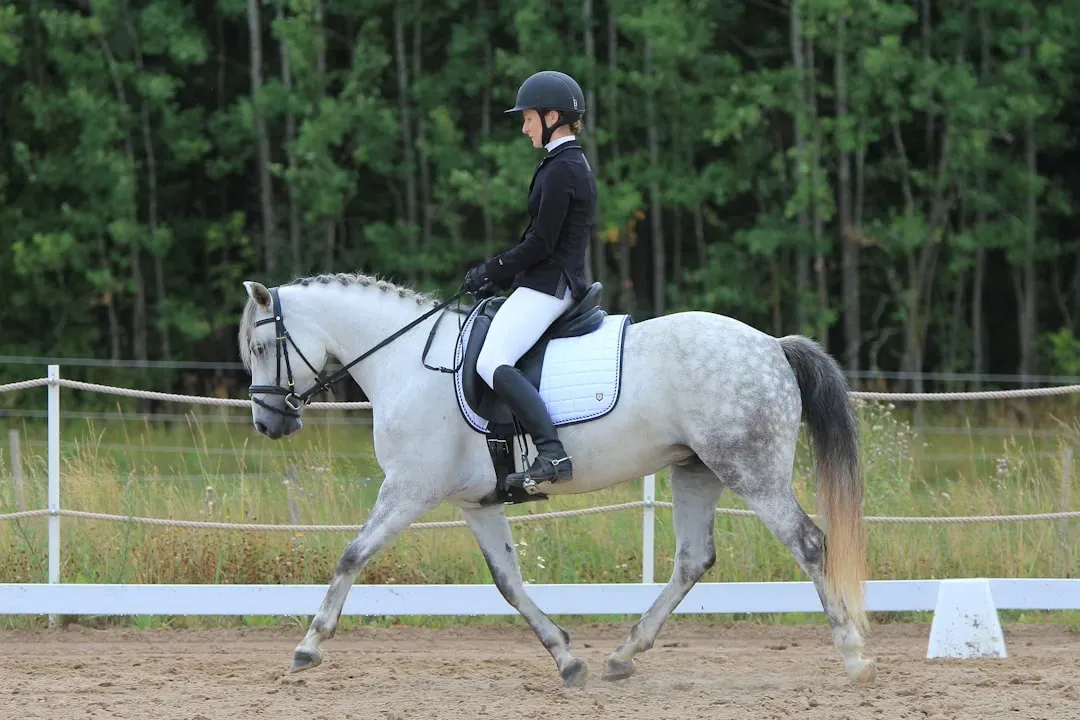
Andalusians possess a proud carriage and powerful build developed for classical dressage and performance. Their natural collection and expressive movement require a rider who already understands how to sit balanced and give subtle aids. Beginners can feel out of sync with the horse’s natural rhythm from the first ride.
The breed’s intelligence pairs with a desire to please, yet that eagerness needs experienced guidance to avoid confusion. Many handlers observe that Andalusians excel once a solid foundation exists. Without it, the horse’s strength and presence can feel intimidating rather than supportive.
Hanoverian
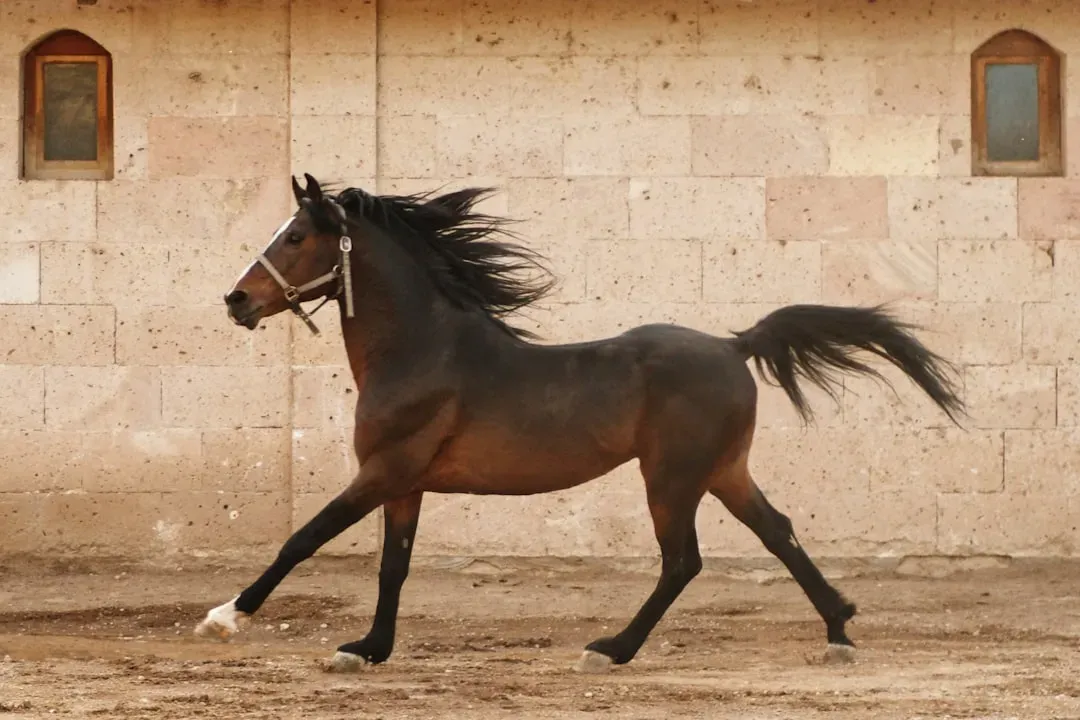
Hanoverians represent warmblood breeding focused on dressage and jumping excellence. Their size and scope come with a forward-thinking mindset that expects an active partner in the saddle. First-timers often discover that the breed’s power outpaces their current ability to influence direction or pace.
Seasoned equestrians enjoy the breed’s trainability and scope for advanced work. For novices, the athletic demands and occasional hot temperament create a steep learning curve. The horse benefits most from someone who already knows how to shape its considerable energy.
Shire
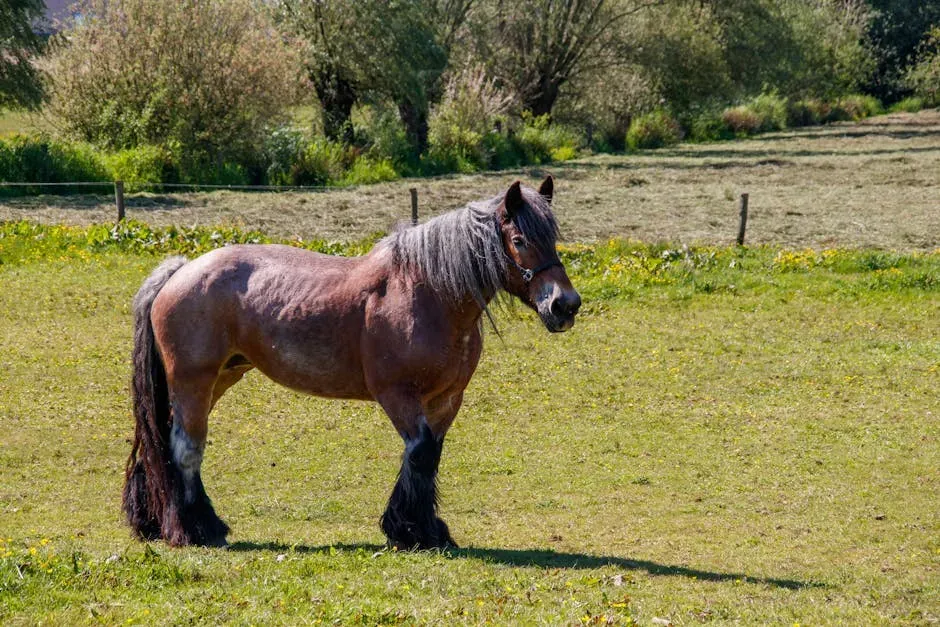
Shires tower over most other breeds with their massive frames and gentle yet imposing presence. Their sheer size makes mounting, grooming, and basic handling physically demanding for anyone still developing strength and technique. Beginners frequently feel dwarfed by the logistics of daily care.
The breed’s calm nature helps in many situations, but the weight and reach required to manage one safely still call for practiced hands. Experienced owners note that even quiet Shires need confident leadership around their feet and in harness work. That confidence takes time most new riders have not yet built.
Percheron
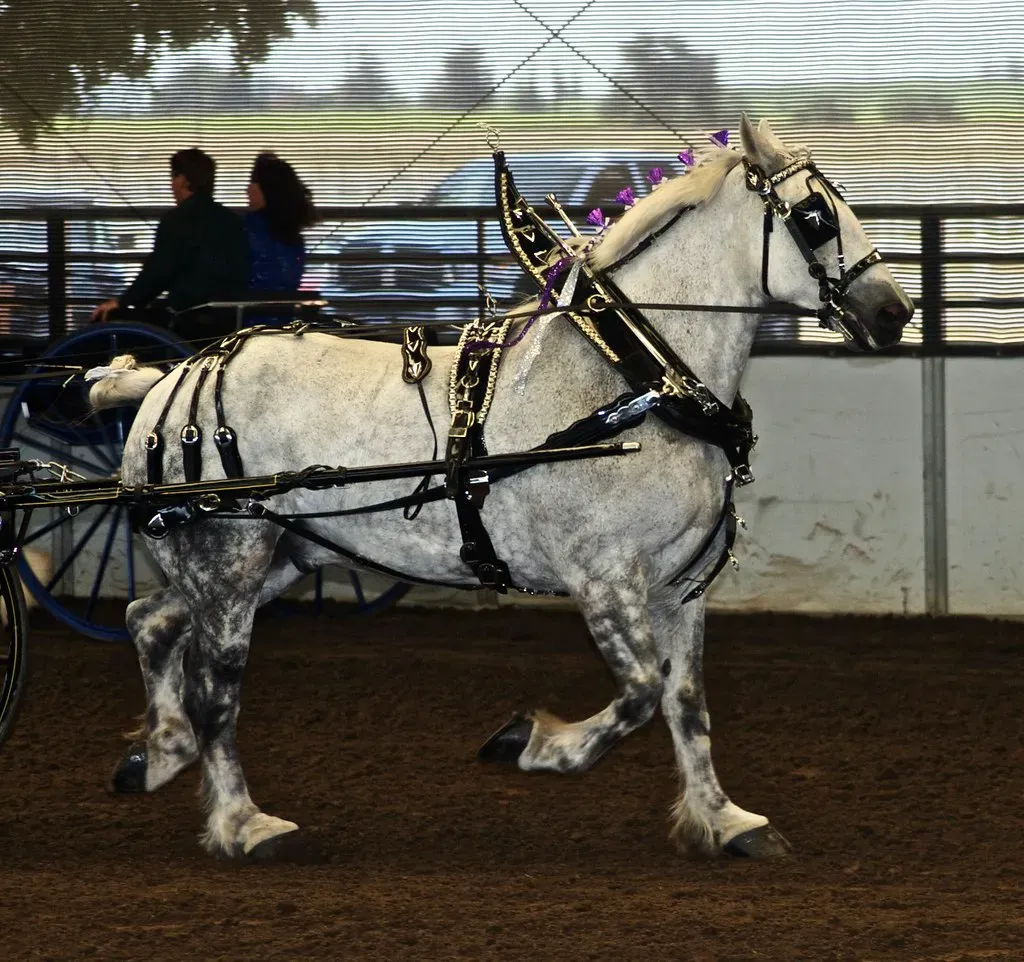
Percherons combine draft strength with a relatively active temperament compared to some other heavy breeds. Their height and muscle mass create practical hurdles in fitting tack, leading, and riding that go beyond simple size. First-timers can find the physical effort of routine tasks exhausting before they even reach the saddle.
Handlers with experience appreciate the breed’s willingness once trust is established. For beginners, the combination of power and the need for precise cues around such a large animal often leads to hesitation or inconsistent signals. The learning process benefits from starting smaller and building up.
Clydesdale
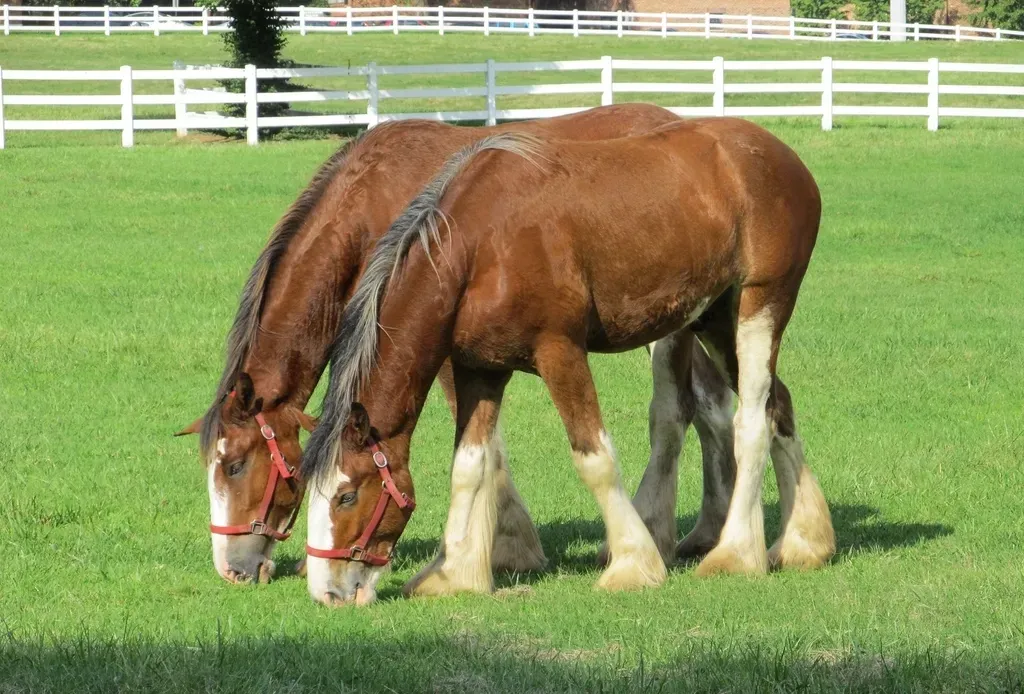
Clydesdales bring feathered legs and a striking presence that draws attention at every event. Their substantial build requires specialized equipment and careful attention to leg care that adds layers of responsibility. New owners quickly realize that everyday tasks take longer and demand more physical coordination.
The breed’s generally steady disposition offers some reassurance, yet the scale of everything from haltering to trailering still challenges developing skills. Experienced equestrians emphasize that confidence around large horses grows through repeated successful interactions. Starting elsewhere allows that confidence to form without added pressure.
Friesian
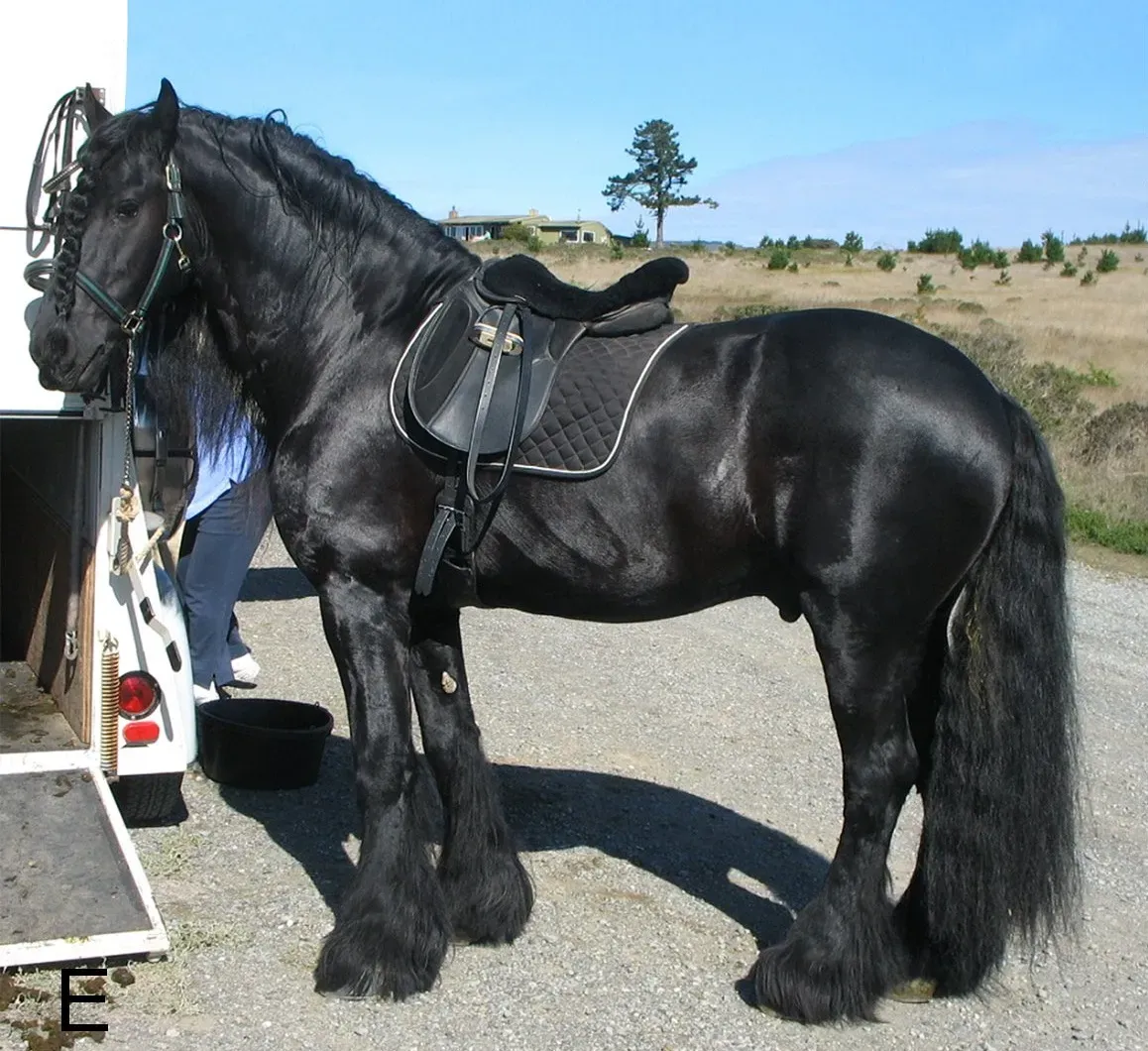
Friesians captivate with their long manes, feathered hooves, and dramatic movement. Their expressive gaits and strong build suit performance work, but they also require a rider who can maintain position through elevation and collection. Beginners often struggle to stay with the horse’s natural bounce and power.
Many owners value the breed’s loyalty and show presence once training progresses. For first-timers, the combination of size, energy, and the need for refined aids creates hurdles that slow basic progress. The horse responds best to someone already comfortable directing its considerable presence.
Tennessee Walking Horse
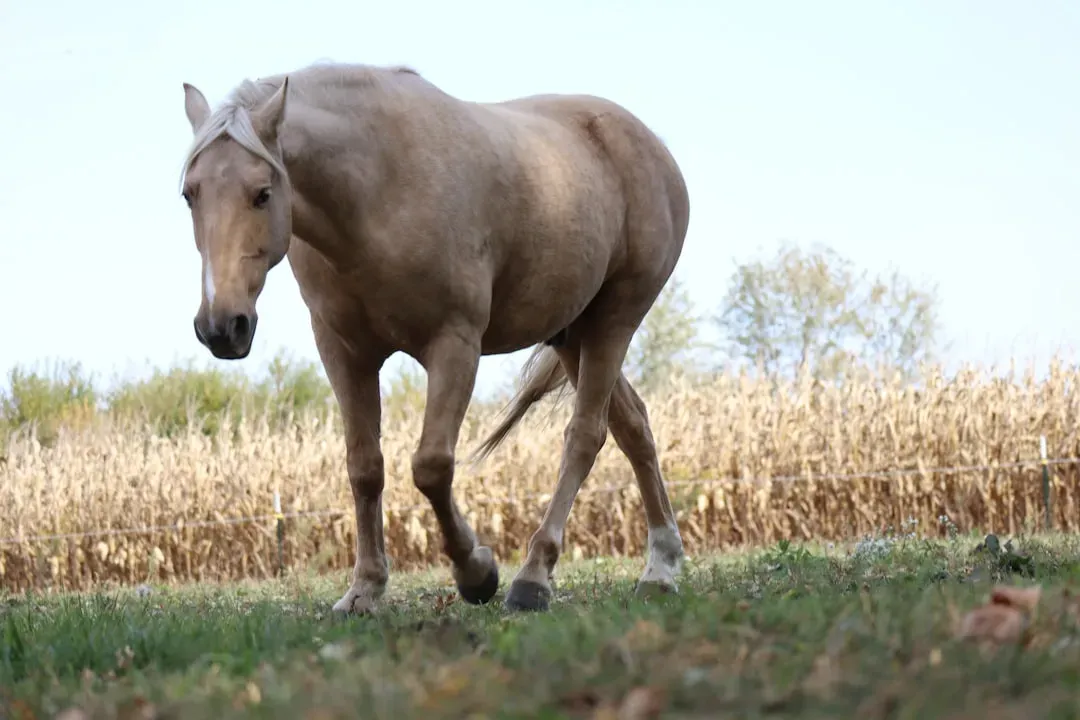
Tennessee Walking Horses offer a smooth running walk that feels comfortable once mastered. The specific gait and head nod require timing and balance that differ from standard walk-trot-canter work. New riders frequently find themselves fighting the motion instead of flowing with it.
The breed’s gentle nature appeals to many, yet the specialized training needed to maintain the gait properly adds complexity. Experienced handlers note that inconsistent cues can lead to pacing or other issues that frustrate progress. Starting with a breed that uses more familiar gaits allows fundamentals to solidify first.
Missouri Fox Trotter
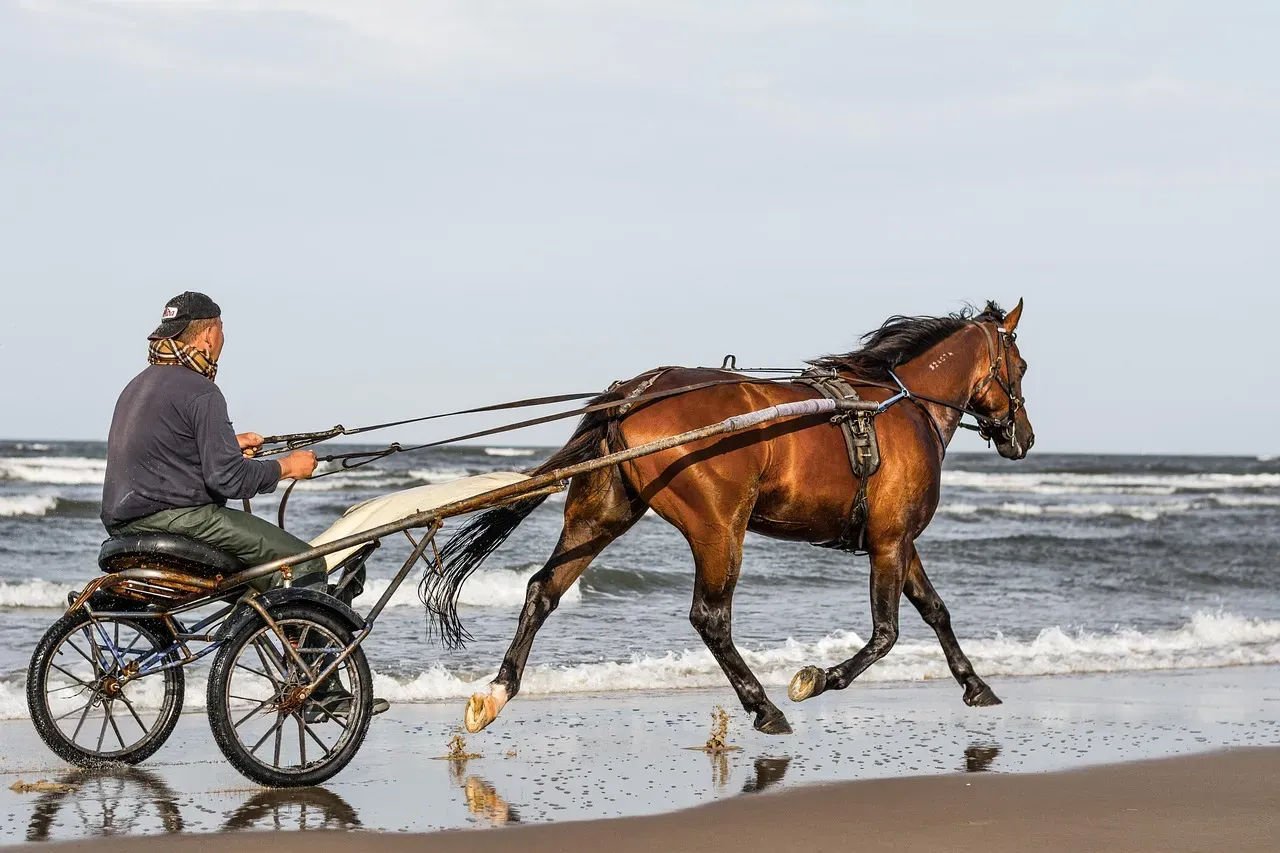
Missouri Fox Trotters deliver a distinctive broken gait prized for trail comfort. That same unique movement demands a rider who can sit relaxed and follow the horse’s rhythm without tension. Beginners often tense up, which disrupts the gait and creates a less pleasant ride for both.
The breed’s sure-footedness and calm temperament make it popular among trail enthusiasts. For novices, however, the need to learn a new way of moving in the saddle competes with basic balance and steering skills. Many equestrians recommend mastering standard gaits before adding specialized ones.
Paso Fino
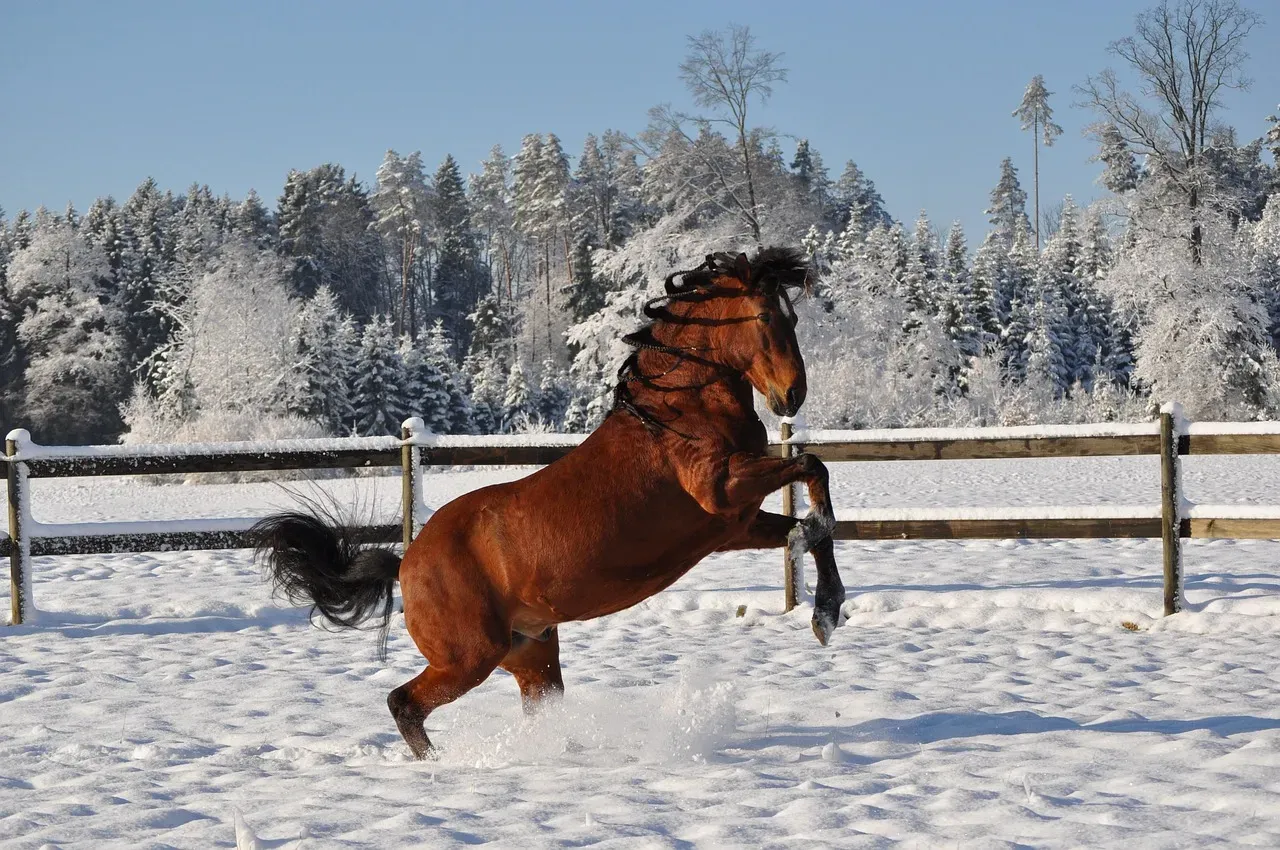
Paso Finos perform a rapid, smooth lateral gait that covers ground efficiently. The quick footfall and upright carriage require precise timing and an independent seat that most beginners have not yet developed. Riders new to the breed often feel bounced or off-balance during the gait.
Owners praise the horse’s endurance and willing attitude in the right hands. For first-timers, the specialized movement and the breed’s sensitivity to subtle shifts in weight create an extra layer of challenge. Building core riding skills on more straightforward mounts pays dividends later.
American Saddlebred
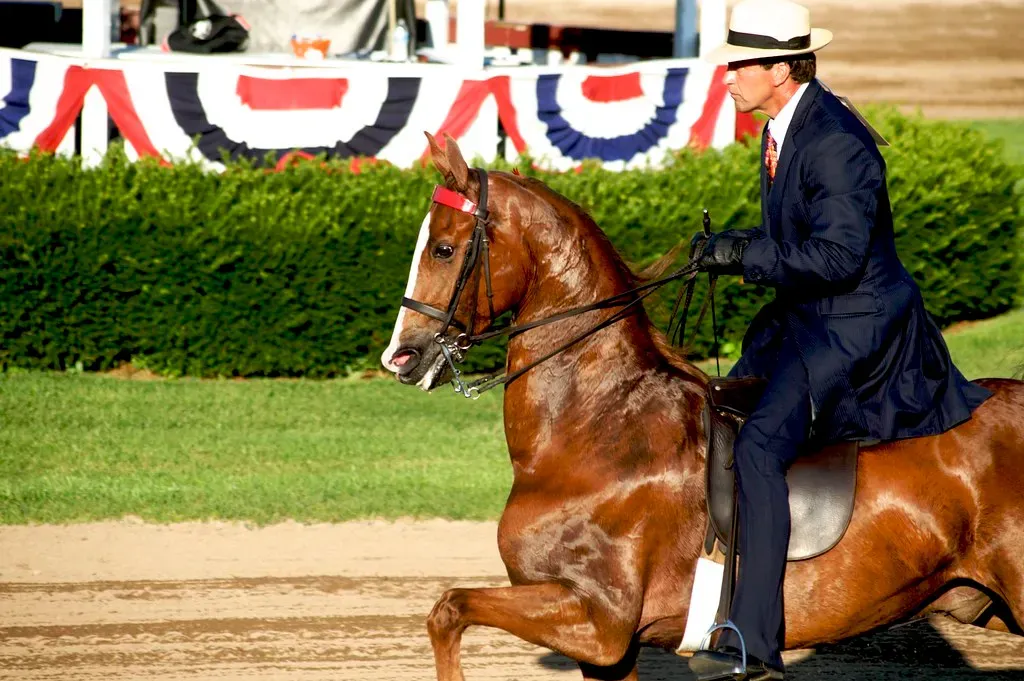
American Saddlebreds excel in the show ring with animated trots and high action. Their expressive movement and alert temperament reward riders who can support and direct that energy with finesse. Newcomers frequently find the horse’s natural animation difficult to sit without interfering.
The breed’s intelligence and versatility shine under experienced guidance. For beginners, the combination of forward drive and the need for refined leg and seat aids often leads to mixed signals. Starting with calmer, less animated breeds helps establish clear communication first.
Dutch Warmblood
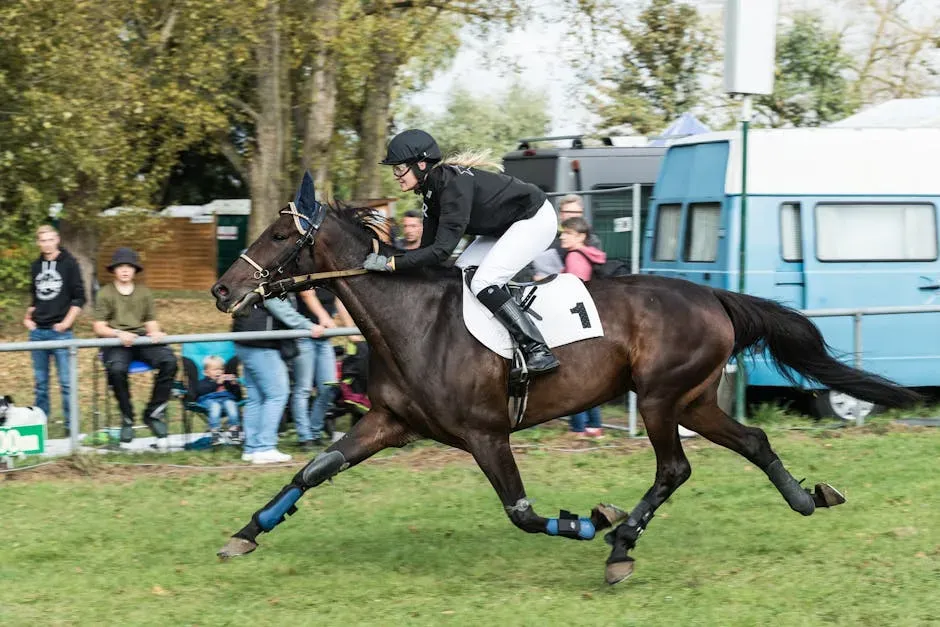
Dutch Warmbloods represent modern sport horse breeding aimed at dressage and jumping. Their scope, power, and quick learning ability suit riders who already possess a solid foundation. First-timers can feel the horse’s athleticism outpace their ability to influence it effectively.
Experienced equestrians enjoy the breed’s trainability and competitive edge. For novices, the size, sensitivity, and expectations of precise riding create a demanding partnership from day one. The horse benefits most when paired with someone ready to meet its capabilities.
Lipizzaner
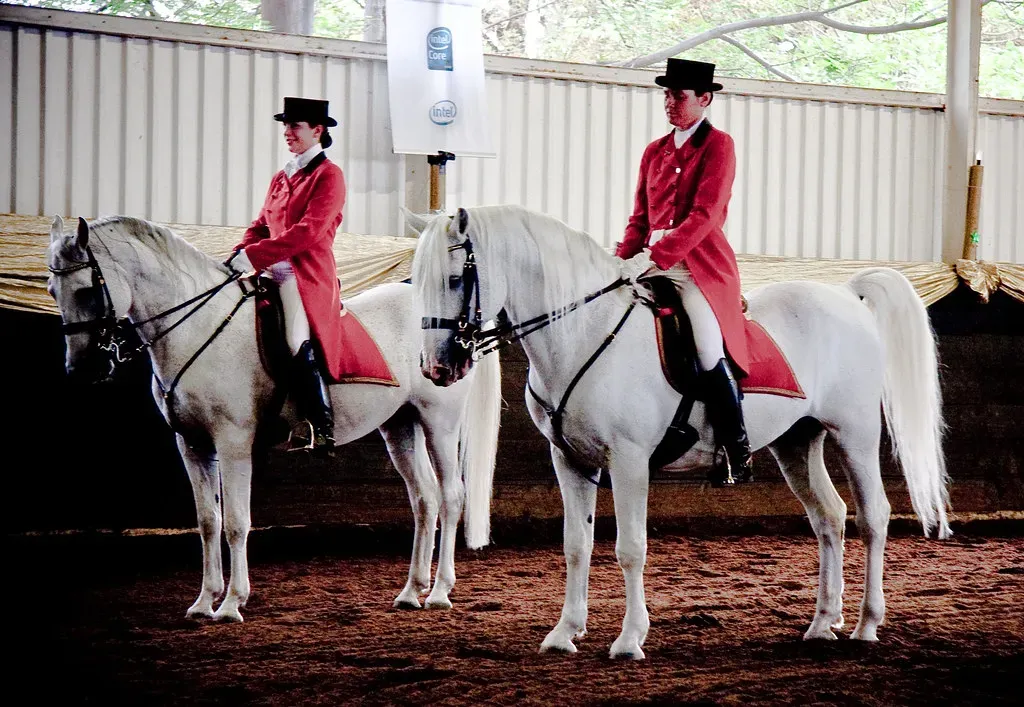
Lipizzaners carry a heritage of classical dressage that includes airs above the ground in advanced training. Their strength, collection, and proud bearing require a rider who understands how to develop and maintain self-carriage. Beginners often lack the balance and timing needed to work harmoniously with these traits.
The breed’s intelligence and longevity make it rewarding for dedicated handlers. For first-timers, the combination of power and the specialized knowledge required to unlock its potential adds unnecessary complexity. Many equestrians suggest gaining experience elsewhere before considering one.
Australian Brumby
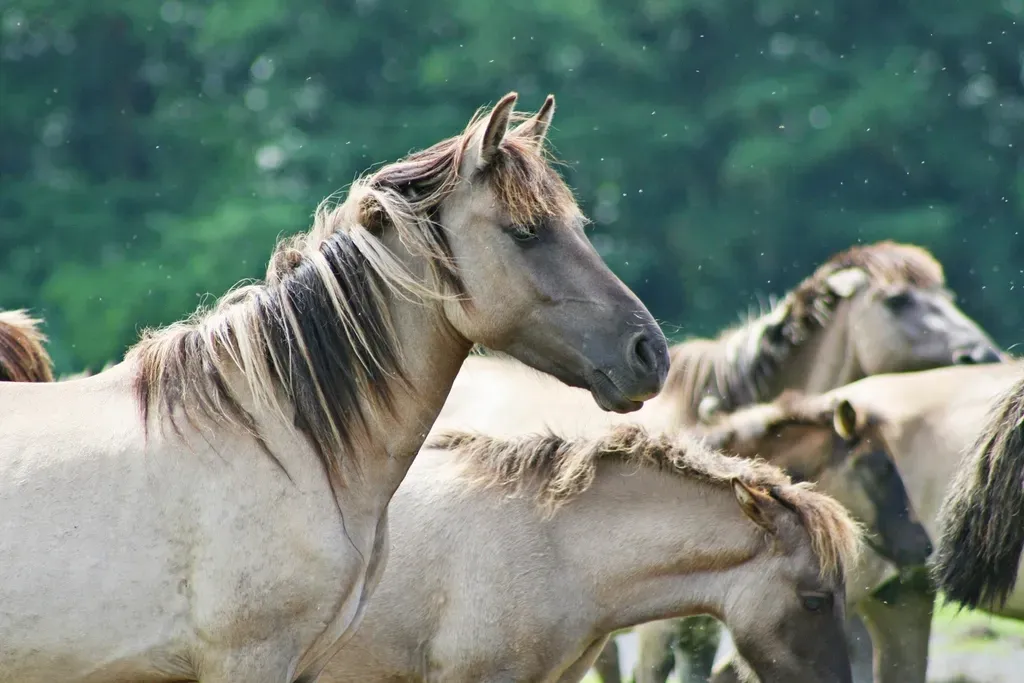
Australian Brumbies descend from feral stock that shapes their resourcefulness and independent nature. Even after gentling, many retain a wariness and strong flight response that demands consistent, confident handling. Beginners frequently underestimate the groundwork needed to establish reliable partnership.
Their adaptability helps them thrive in varied environments once trust is built. For new owners, the combination of wild instincts and the need for patient desensitization often leads to slower progress than expected. Starting with domestically bred horses allows basic skills to develop without added variables. Experienced riders consistently emphasize that the right first horse builds confidence and enjoyment rather than testing limits. Choosing a breed known for steadier temperaments and more forgiving natures lets newcomers focus on learning the fundamentals that last a lifetime. In the end, patience with the process pays off far more than chasing an impressive pedigree from the start.
