
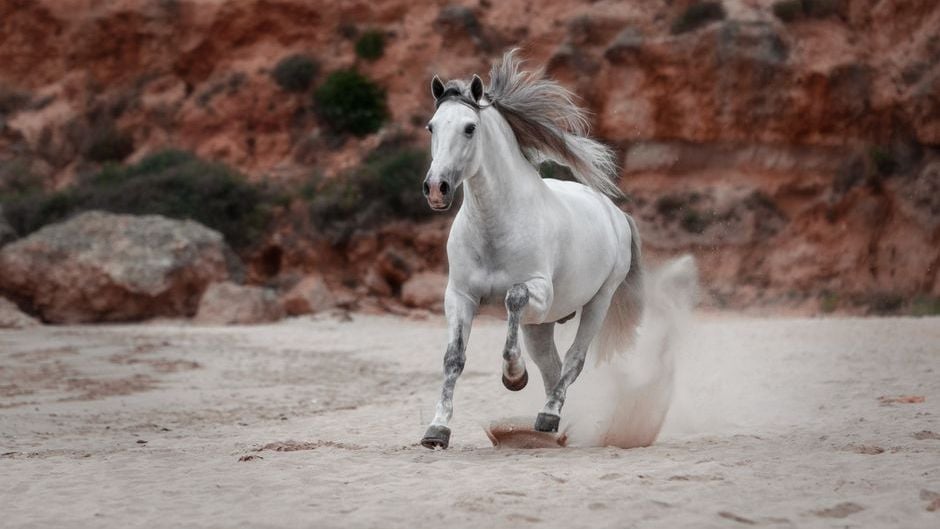
Every year, thousands of first-time horse owners fall in love with a breed based on a photo, a reputation, or a romanticized idea of what owning that horse will feel like. And every year, vets quietly watch those same owners struggle, overspend, and sometimes get hurt. The truth is uncomfortable: some of the most breathtaking, most famous, most coveted breeds in the world are also the ones most likely to break a beginner’s spirit – and occasionally their bones.
This isn’t about scaring anyone away from horses. It’s about what veterinarians are actually saying in exam rooms and at stable visits, when no one is trying to sell you anything. From explosive ex-racehorses to gentle giants with hidden health time bombs, the breeds on this list all share one thing in common: they come with layers of complexity that experienced riders handle easily and beginners almost never see coming. Start reading and you’ll understand why vets wince when a first-timer walks in saying they just bought one of these.
#1 – Thoroughbred

The Thoroughbred is arguably the most misunderstood breed in the beginner market. They’re everywhere, they’re often cheap to acquire as ex-racehorses, and they look stunning – which is exactly why so many novices end up with one before they’re ready. What looks like calm alertness in the paddock can transform into explosive, forward-charging energy the moment a rider with inconsistent hands climbs aboard. Vets consistently flag their hot-blooded reactivity, the kind that turns a rustling plastic bag into a full bolt, not because the horse is mean, but because everything in its wiring is tuned to speed and survival instinct.
Beyond temperament, the physical baggage alone is a minefield. Many ex-racehorses carry layered injuries from their track careers that require ongoing management most beginners don’t even know to look for during a pre-purchase exam. As equine specialist Gillian Higgins notes, “ex racehorses often suffer with puffy joints, kissing spine and sacroiliac ligament dysfunction” – and Thoroughbreds are naturally more predisposed to kissing spines than cold-blooded breeds due to the smaller spaces between their spinal processes. Their high metabolism punishes feeding mistakes fast, and colic risk spikes with even minor routine changes. Some settle beautifully with patient, skilled retraining. But “some” is not a beginner’s safety net.
Fast Facts
- Kentucky Equine Research estimates roughly 15% of horses have some bone abnormality that could result in a chip – a rate that skews higher in horses pushed hard at the track.
- A significant number of ex-racehorses leave racing with a recent injury or the history of one, requiring a full vet check before any retraining begins.
- Thoroughbreds trained for speed develop pronounced muscular asymmetry from running in one direction – a subtle imbalance that takes months of skilled work to correct.
- High-starch conditioning feeds commonly given to new OTTBs can increase nervousness and reactivity – a trap beginners fall into almost immediately.
#2 – Arabian
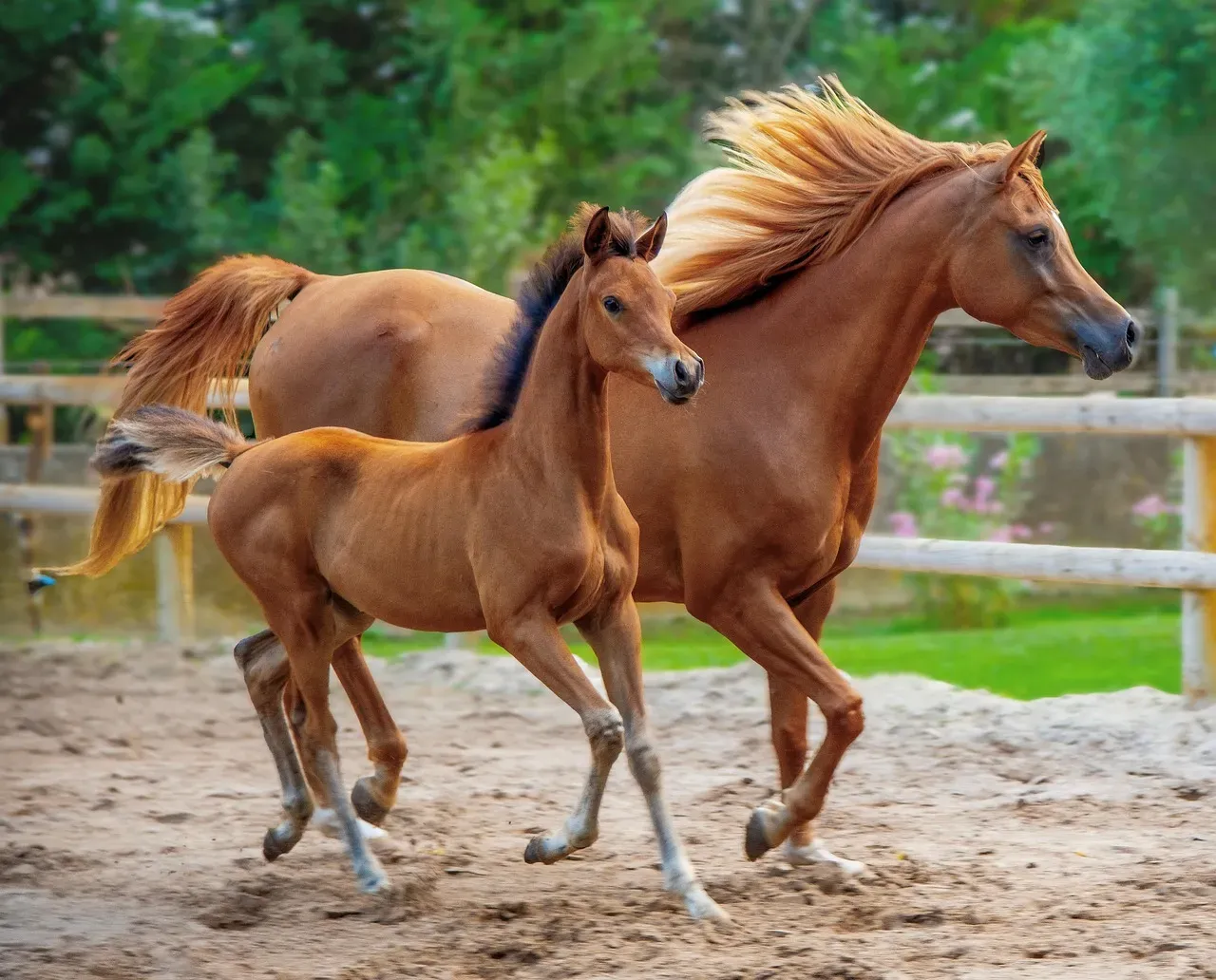
Arabians have been romanticized for centuries, and it’s not hard to see why – arched necks, dished faces, and a fire in their eyes that feels almost mythological. But that fire is exactly what makes them one of the most consistently difficult breeds for beginners. Their intelligence is real, but in the wrong hands it reads as defiance. They anticipate commands before a novice can give them, react to microsignals most beginners don’t even know they’re sending, and can spiral into anxiety in environments that a calmer breed would ignore entirely.
Vets also point to diet sensitivity and genetic risk as recurring issues with Arabians in beginner care. Arabians are prone to equine metabolic syndrome (EMS), where the body cannot process insulin properly, creating a direct elevated risk of laminitis – a painful, potentially career-ending hoof condition that takes months to treat correctly. Beyond metabolism, Arabians carry a documented genetic burden that beginners rarely ask about at purchase: conditions including SCID, cerebellar abiotrophy (CA), lavender foal syndrome (LFS), and occipitoatlantoaxial malformation (OAAM) are all identified in the breed. The SCID mutation alone is estimated to appear in 1 to 8% of Arabians depending on the country of origin – and affected foals do not survive past six months of life. A beginner who doesn’t know to ask the right questions can inherit a medical situation they’re completely unprepared for.
Worth Knowing
- SCID is a fatal autosomal recessive disorder – two carrier parents produce a 25% chance of an affected foal with zero immune function.
- Arabians with EMS cannot process insulin properly, making even lush spring grass a laminitis trigger without careful management.
- Four distinct heritable genetic conditions (SCID, CA, LFS, OAAM) are formally identified in the breed – genetic testing exists for all of them.
- Their long history of endurance performance means they are built to go and go and go – far beyond what a beginner can safely direct or manage.
#3 – Friesian
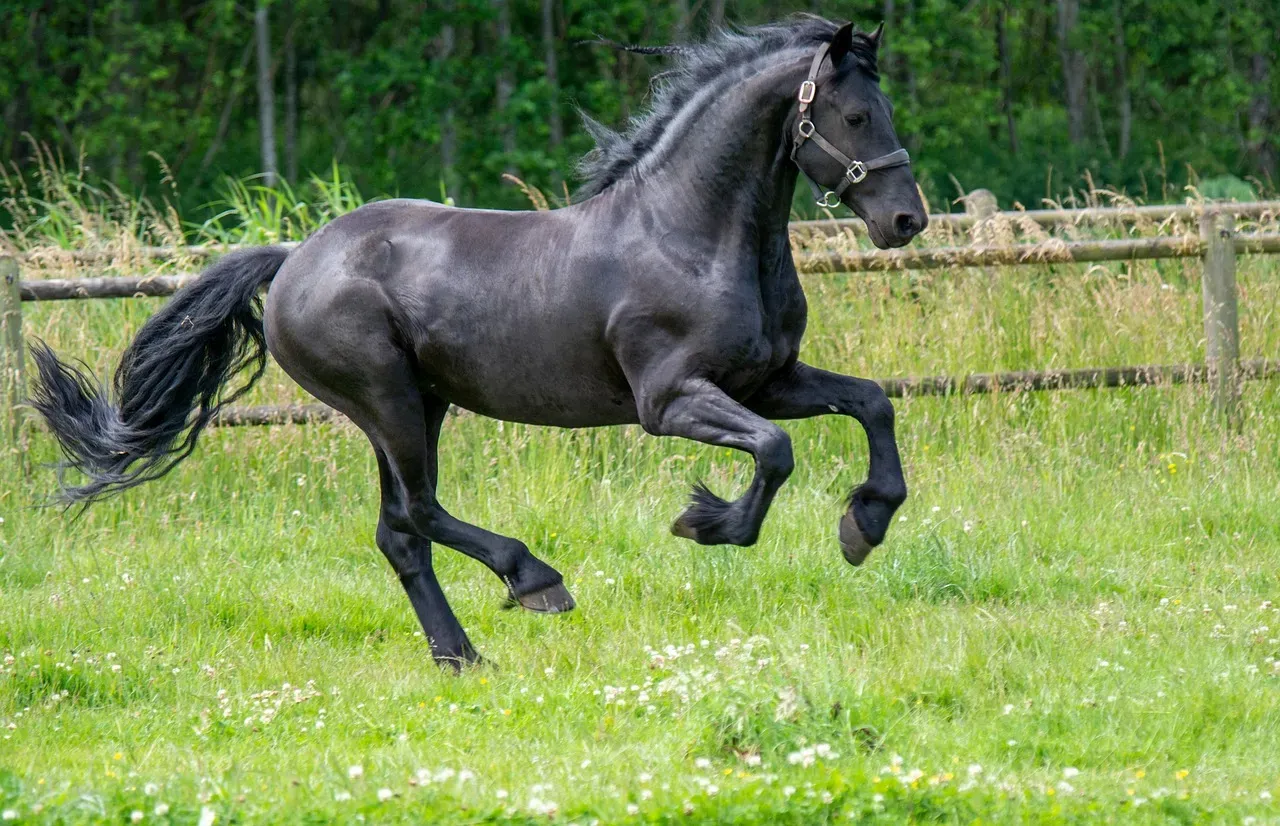
Few breeds stop traffic the way a Friesian does. The flowing black mane, the feathered hooves, the slow-motion power of that elevated trot – they look like something out of a fantasy film, and that visual magnetism pulls in first-time buyers hard. What the photos never show is the daily labor hiding underneath all that beauty. The thick feathering on their lower legs traps moisture against the skin, creating a near-perfect environment for chronic skin conditions like scratches and pastern dermatitis that require daily inspection and treatment. Skip a few days and a manageable irritation becomes an infected, painful mess.
The health concerns go far deeper than skin. Research confirms that the Friesian breed carries a high inbreeding coefficient and is genetically predisposed to a number of serious conditions, including dwarfism, immune-mediated disorders, megaesophagus, aortic rupture, and orthopedic disorders – all tied directly to the consequences of a narrow gene pool. The aortic rupture risk alone is sobering: the prevalence is estimated at approximately 2% within the Friesian breed, which is dramatically higher than the rate seen in warmbloods. What makes it especially dangerous is that Friesian aortic ruptures can develop as a chronic, low-grade condition that owners overlook entirely – until the horse collapses during exercise. The average Friesian lifespan is shorter than most other breeds, with some living only around 16 years. A beginner buying a Friesian for its looks is also buying into a health management challenge that can arrive without warning.
At a Glance: Friesian Health Red Flags
- Aortic rupture: Estimated ~2% breed prevalence – far above warmblood norms – and often goes undetected until it is fatal.
- Megaesophagus & hydrocephalus: Recessive gene disorders linked directly to the breed’s high inbreeding rate.
- Tendon & ligament laxity: Abnormal collagen formation creates looser connective tissue breed-wide, raising injury risk.
- Feather maintenance: Daily cleaning and drying required – skipping even a few days opens the door to chronic skin infections.
- Shorter lifespan: Some individuals average only around 16 years, well below many other breeds.
#4 – Mustang
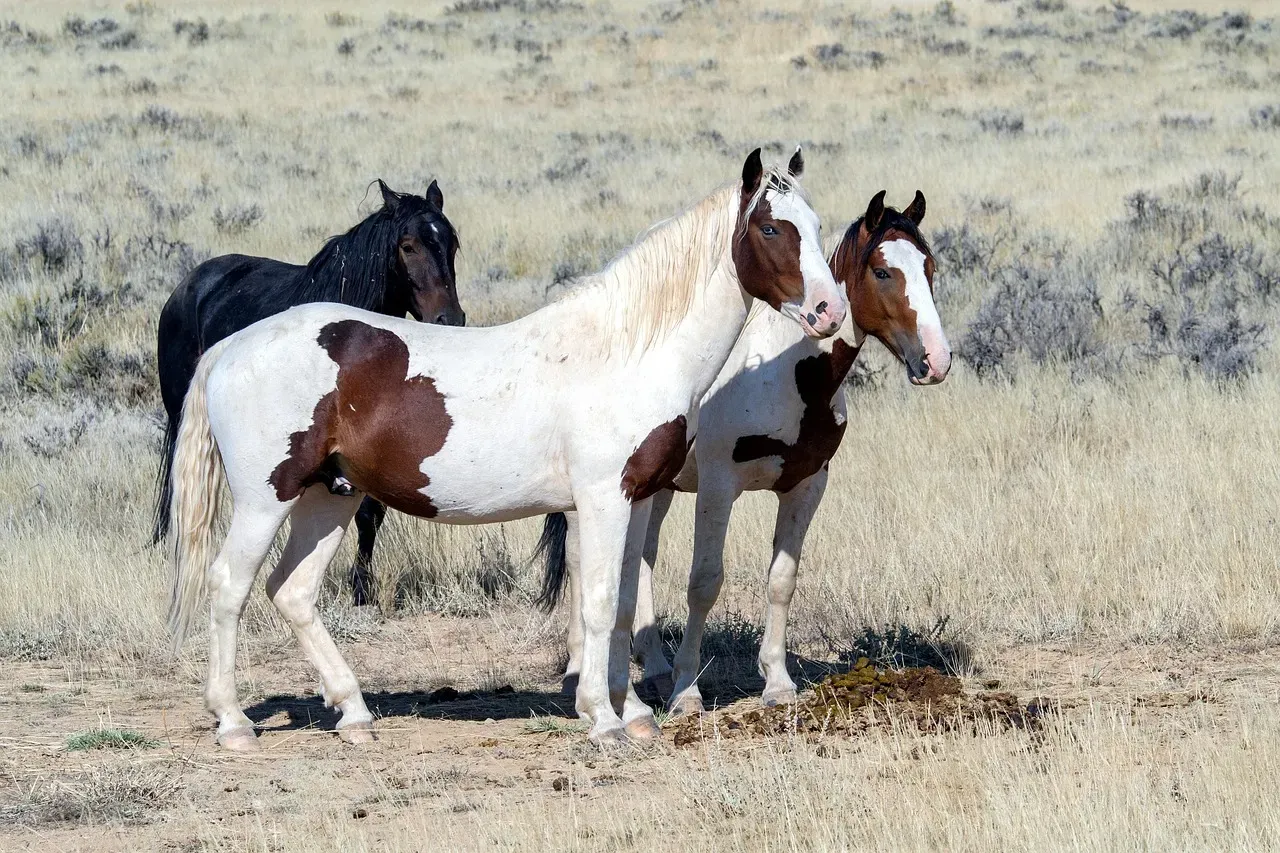
The Mustang adoption story is one of the most emotionally compelling in horse ownership – the wild horse gentled by patience and partnership, the ultimate bond built from scratch. And it does happen. But vets and experienced trainers will tell you plainly that it requires a level of skill, time, and emotional discipline that genuine beginners almost never possess when they first arrive at a Bureau of Land Management facility, heart already sold. Wild-caught Mustangs carry survival instincts that don’t switch off because the landscape changed. The wariness, the herd-bound panic, the evasion – these aren’t training problems. They’re deeply wired behavioral patterns that take months of professional groundwork to redirect.
The scale of the challenge becomes clear when you look at the numbers. As of 2024, more than 60,000 Mustangs remain in BLM holding facilities – a direct reflection of how difficult long-term private placement actually is. The BLM itself acknowledges that taming wild horses can be daunting to the average potential adopter, and trained animals are significantly more likely to find permanent homes than untrained ones. Most novices can’t afford a professional trainer long enough to get through the initial gentling process – which even under ideal conditions requires 100 days of consistent, expert daily work just to establish basic trust. Attempting it alone creates dangerous situations for both horse and human, and the gap between the dream of adopting a Mustang and the daily reality of owning one is rarely acknowledged at the moment of adoption.
#5 – Andalusian

The Andalusian carries itself like royalty, and that presence is part of the problem. Beginners see that elevated, collected movement and assume the horse is naturally smooth and manageable. In reality, the Andalusian’s Iberian heritage produces an athletic, forward-thinking horse built for the advanced demands of classical dressage and collection work – not trail riding or casual Western pleasure. Their power is real, their energy is real, and without a rider with correct balance and timing, that energy has nowhere productive to go.
Vets working with performance Andalusians note elevated rates of joint stress in lines bred specifically for exaggerated collection, and some bloodlines carry increased reactivity that only a confident, consistent handler can channel safely. The physical presence of the breed also catches beginners off guard during basic handling – leading, grooming, and groundwork feel entirely different with a horse that is both large and opinionated. Most beginner lessons simply don’t prepare riders for an animal this responsive to subtle body language.
#6 – Akhal-Teke
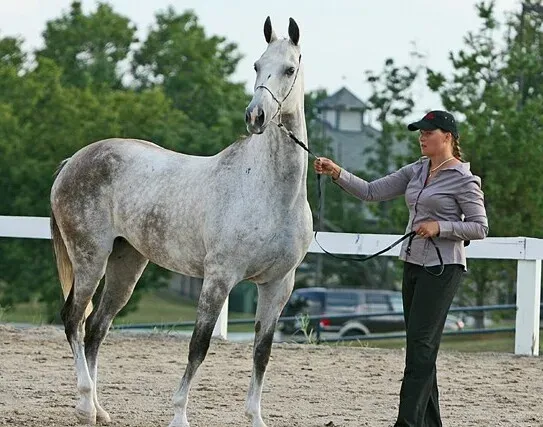
The Akhal-Teke might be the most visually striking horse on this list – that metallic, almost iridescent coat is genuinely unlike anything else in the horse world. It also might be the least forgiving breed for anyone without significant experience. Vets describe them as intensely alert, with a hypersensitivity to their environment that makes even routine situations feel high-stakes. Tack fit matters enormously because their thin skin registers pressure and discomfort that other breeds would simply tolerate. Weather changes, new environments, inconsistent handling – all of it registers loudly in an Akhal-Teke’s nervous system.
Their metabolism adds another layer of difficulty. Standard feeding programs designed for typical light breeds don’t map cleanly onto the Akhal-Teke’s unique nutritional needs, and getting it wrong shows up quickly in coat condition, energy levels, and behavior. Limited availability in North America means most individuals come with sparse handling histories – buyers are often working with a horse that hasn’t been socialized broadly, on top of all the breed’s inherent sensitivity. Even experienced riders describe needing a significant adjustment period. For a beginner, the learning curve is nearly vertical.
Quick Compare: High-Sensitivity Breeds vs. Beginner Tolerance
- Akhal-Teke: Thin skin, sparse North American population, unique metabolic needs – almost no margin for handling errors.
- Thoroughbred: Hot-blooded reactivity with broad availability – more beginner exposure but still high risk.
- Arabian: Intelligent and anticipatory – reads novice mistakes faster than the rider knows they’ve made them.
- Andalusian: Powerful and opinionated – forward energy with nowhere to go under an unbalanced rider.
#7 – Hanoverian
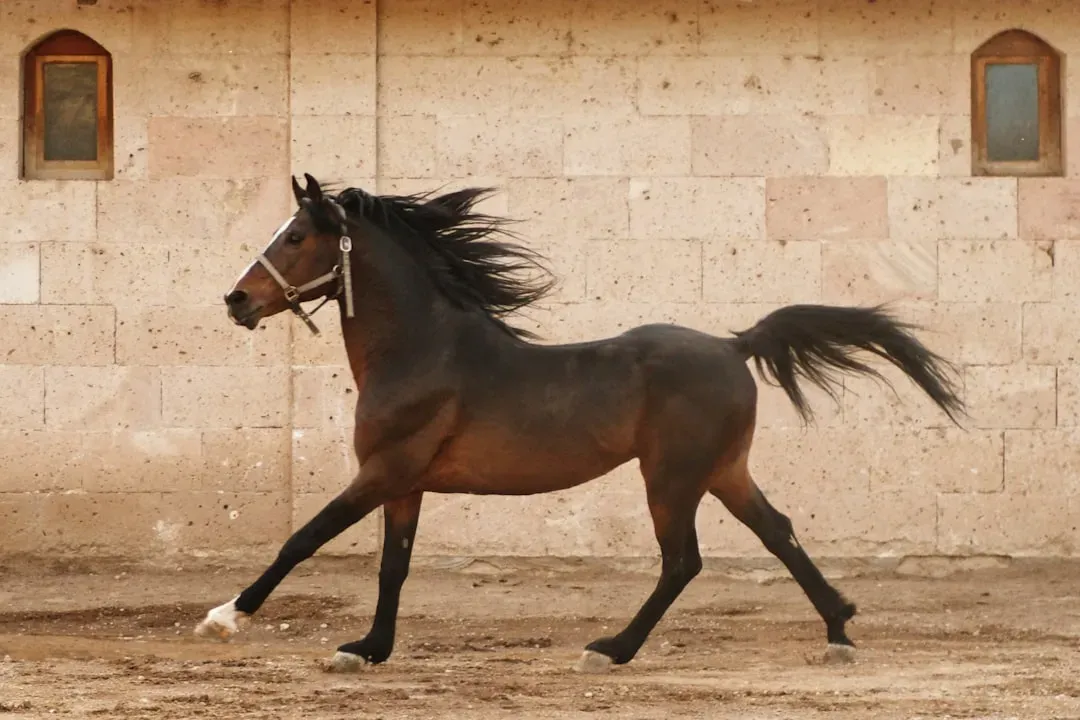
The Hanoverian is the gold standard of sport horse breeding – powerful, scopey, elegant, and bred to excel at the highest levels of jumping and dressage. That’s also exactly why a beginner has no business starting on one. Decades of selective breeding for performance have produced horses with forward energy and physical strength that suits an Olympic-level rider and overwhelms a novice. The size alone is humbling. Add inconsistent aids from a beginner still learning rhythm and contact, and the result is a horse that quickly learns it can override its rider.
Vets flag developmental orthopedic disease (DOD) as a recurring concern in young Hanoverians – a category of growth-related joint and bone conditions that require early detection and careful management during the first years of the horse’s life. A beginner who purchases a young Hanoverian thinking they’ll “grow together” is taking on a medical monitoring responsibility they’re often not equipped to handle. Daily conditioning requirements, structured turnout schedules, and the sheer physical stamina needed to ride this breed correctly push most first-time owners to their limits fast.
#8 – Clydesdale
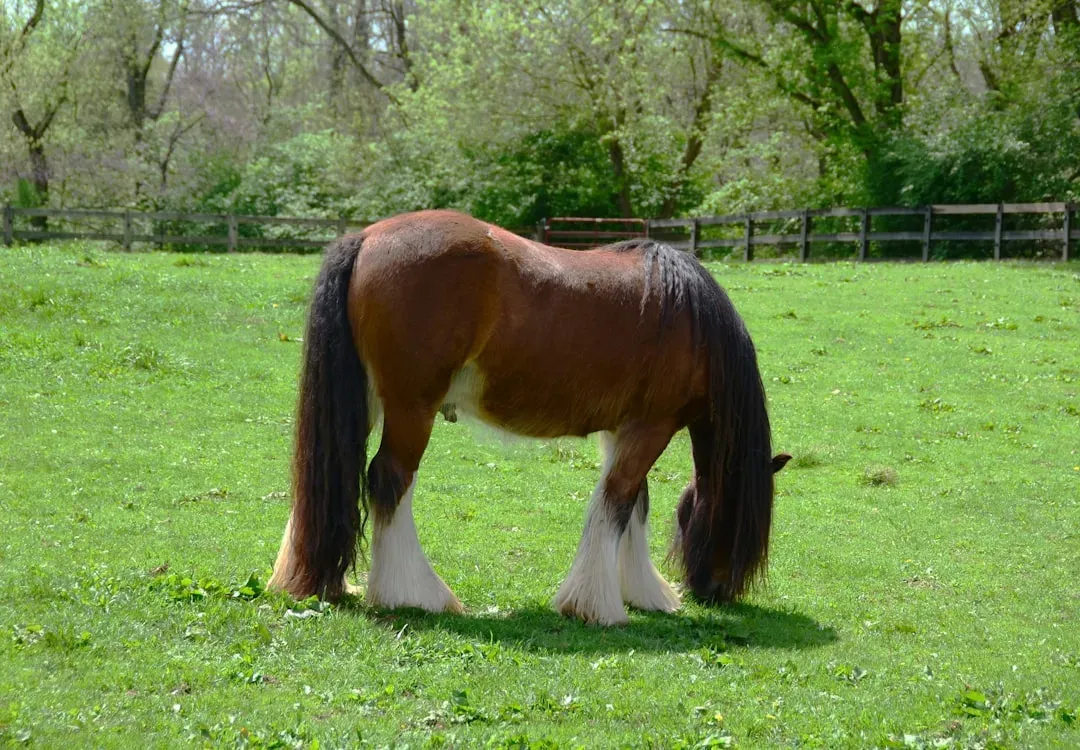
Clydesdales have perhaps the most misleading reputation of any breed on this list. The “gentle giant” image is so pervasive that beginners assume size equals safety – that a slow-moving, massive horse is inherently easier to handle than a quicker, lighter one. Vets shake their heads at this logic. A 2,000-pound horse that decides it doesn’t want to move, or that gets startled, or that simply leans into a handler who isn’t strong enough to hold their ground, creates a physically dangerous situation that has nothing to do with malice and everything to do with physics.
The maintenance demands are relentless. That gorgeous feathering requires daily cleaning and drying to prevent the chronic skin conditions draft breeds are already prone to. Hoof care is complicated by the sheer scale of the feet and the weight they support, and finding a farrier both qualified and equipped for a horse this large isn’t always straightforward in rural areas. Feeding a Clydesdale correctly – enough to maintain condition without triggering metabolic issues – requires nutritional precision that trips up experienced owners, let alone beginners. The gap between what this breed looks like and what it actually demands to keep healthy is vast.
“Don’t run them to the end when there’s nothing left of them.”
Laurie Lane, Executive Director, ReRun Inc. (on the real cost of acquiring horses without understanding their physical history)
#9 – Gypsy Vanner
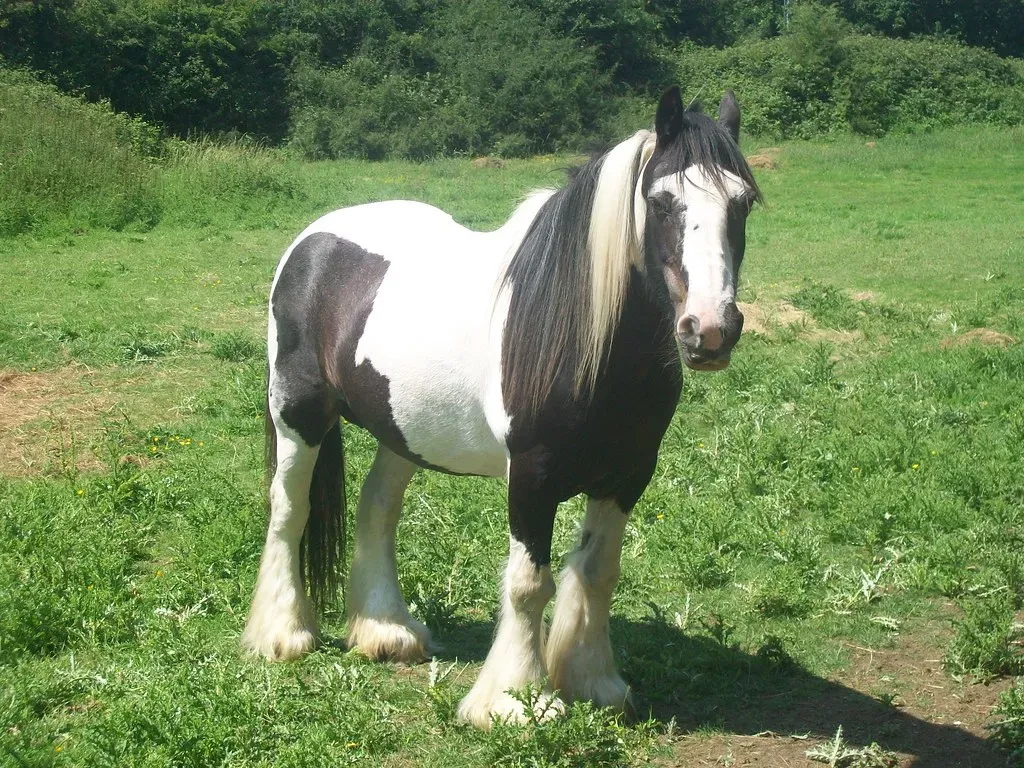
Gypsy Vanners have exploded in popularity over the past decade, largely driven by social media photos that make them look like living fairy tales – thick, silky manes cascading to the ground, feathered hooves mid-stride, every image seemingly designed to make someone fall immediately in love and immediately open their wallet. The reality underneath all that beauty is a maintenance schedule that would exhaust a professional groomer. Vets see repeated cases of pastern dermatitis, rain rot, and hoof abscesses directly tied to feathering that wasn’t cleaned or dried properly, and these aren’t minor inconveniences – they’re painful, recurring conditions that require consistent, skilled attention.
The temperament picture is more complicated than the breed’s warm reputation suggests. The Gypsy Vanner’s draft-pony mix can produce genuinely variable personalities, and aggressive overbreeding for color and coat in recent years has introduced health inconsistency that experienced breeders openly acknowledge. Some lines are patient and tolerant as advertised. Others are stubborn in ways that genuinely challenge experienced handlers. A beginner choosing a Gypsy Vanner almost entirely on appearance – which is how most of them are sold – is making a very expensive, potentially frustrating gamble.
#10 – Tennessee Walking Horse
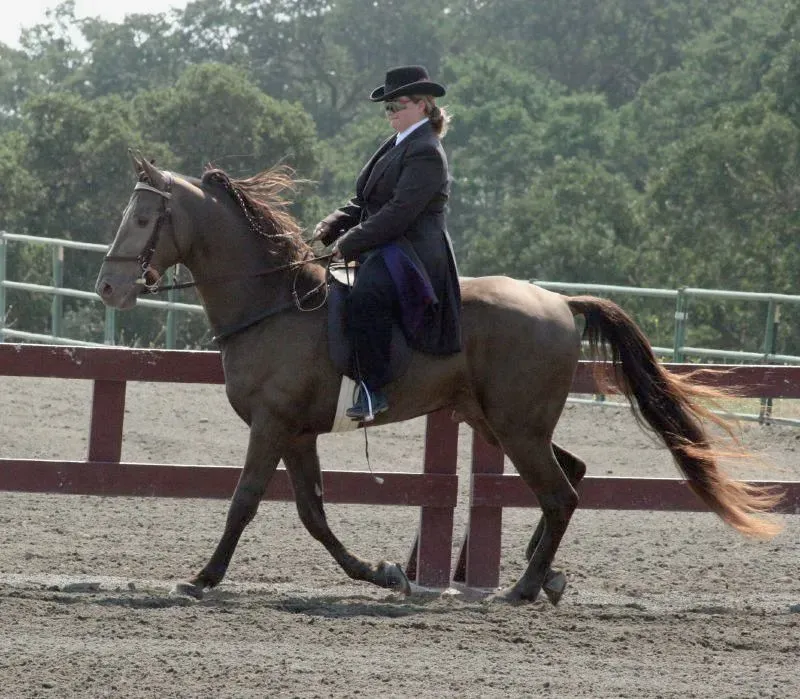
The Tennessee Walking Horse is often pitched to beginners as the perfect solution – smooth, comfortable, naturally gaited, easy on the joints of older or physically limited riders. And in the right individual, from the right lines, with the right background, that can be true. The problem is that gaited riding is its own skill set that standard English or Western beginner lessons simply don’t cover. The running walk that makes this breed famous requires precise, timed riding to sustain correctly. Beginners who don’t know the cues end up fighting the gait, creating tension in the horse and frustration in themselves, turning what should be a smooth experience into a choppy, confusing one for both parties.
Vets also point to deeper issues within certain Tennessee Walker bloodlines. The show world’s long obsession with the exaggerated “big lick” gait has left some lines with conformational and movement patterns that increase navicular stress over time. Even horses far removed from the show circuit can carry training baggage – resistance, bracing, sensitivity to leg contact – that traces back to those practices. A beginner with no framework for recognizing or addressing that baggage can inadvertently reinforce bad habits for months before anyone explains what’s actually happening.
Why It Stands Out (For the Wrong Reasons)
- Gaited riding requires a completely separate set of skills that most beginner lesson programs never teach.
- “Big lick” show breeding has left lasting conformational and movement issues in some lines – even pleasure horses far from the show pen.
- Training baggage from harsh show practices can surface as resistance and sensitivity that baffles a novice handler for months.
- The breed’s smooth marketing as a “beginner-friendly” option means buyers rarely receive honest guidance before purchase.
#11 – Standardbred
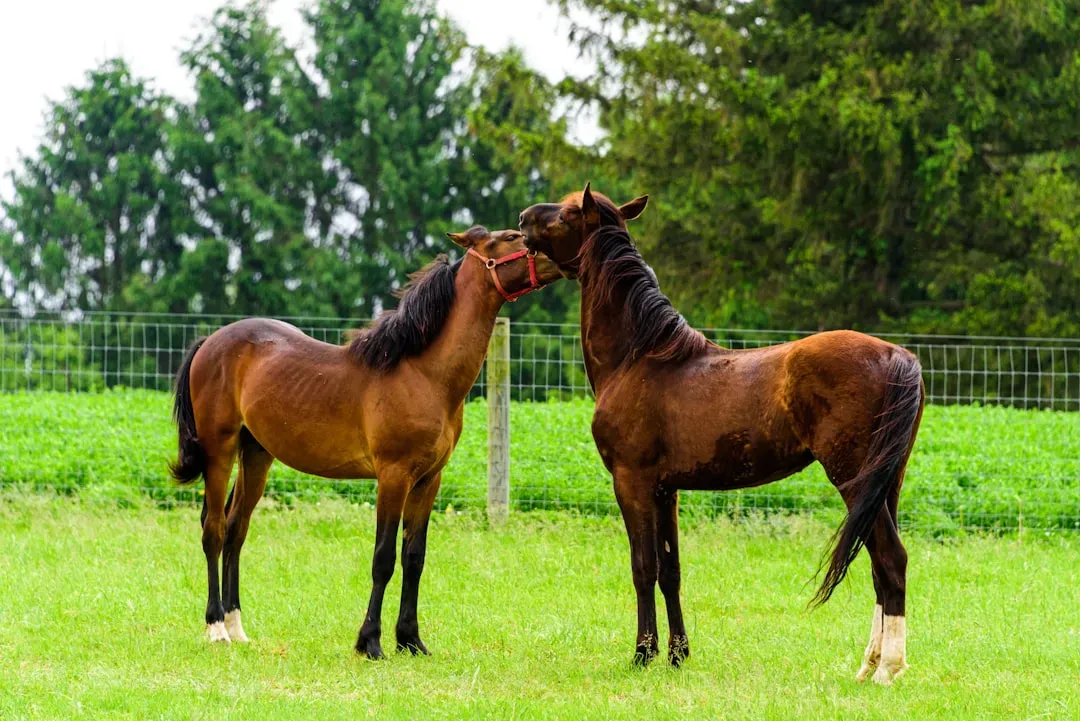
Standardbreds are among the most durable, hardworking horses alive, and their reputation as “safe” off-track horses leads a lot of beginners straight to them. The price is right, the build looks solid, and rescue advocates rightly point out that these horses deserve second careers. What those advocates sometimes gloss over is how foreign the Standardbred’s entire learned existence feels to a pleasure rider. These horses spent their careers either trotting or pacing at speed, in a harness, on a track. The concept of a relaxed trail walk, a soft contact on a loose rein, a rider sitting quietly in a saddle – none of that is in their vocabulary when they leave the track.
Vets highlight the transition challenge honestly: Standardbreds are creatures of habit with a powerful work ethic, and without structured, consistent exercise, that energy turns into boredom, anxiety, and behavioral issues. Their natural trot or pace can be genuinely difficult for beginners to sit, and the canter – a gait many never developed on the track – can take months of patient retraining to establish reliably. The bones and tendons are tough, but the mental adjustment required is significant, and it needs a rider experienced enough to guide it correctly.
#12 – Appaloosa
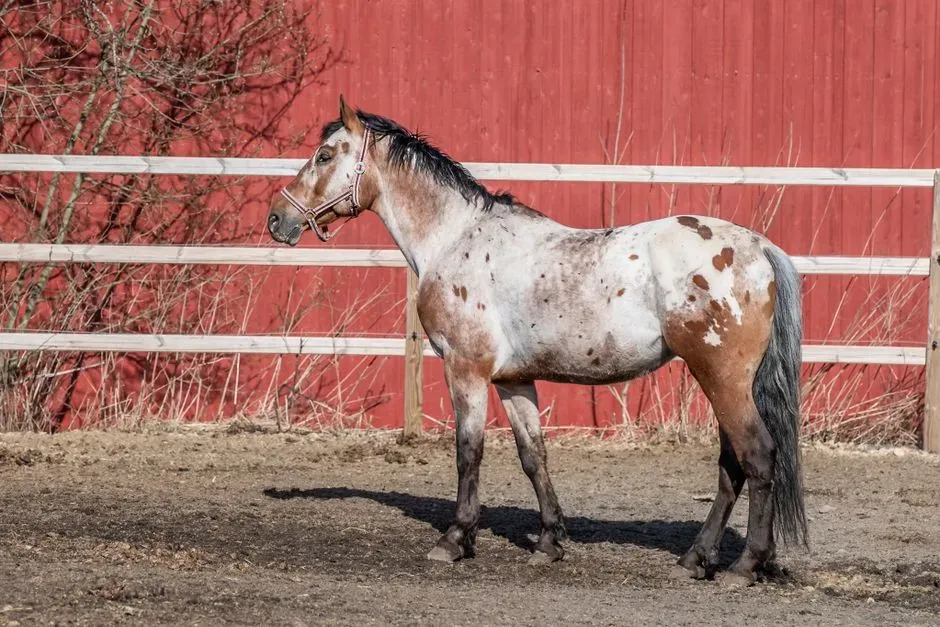
Appaloosas are eye-catching, historically significant, and widely available at every price point – a combination that consistently draws in first-time buyers who weren’t necessarily planning to own a horse until they saw one. The spotted coat pattern triggers something primal in people. What doesn’t show up in the photos is the breed’s alarming predisposition to equine recurrent uveitis (ERU), the leading cause of blindness in horses worldwide. Appaloosas are approximately 8 times more likely to develop ERU than other breeds – and four times more likely to go blind as a result. In fact, 25% of all horses diagnosed with ERU are Appaloosas. Left unmonitored or mismanaged, ERU can lead to partial or total blindness, and there is currently no cure.
Temperament adds another variable. Appaloosas have a well-earned reputation for intelligence that cuts both ways – the same quick mind that makes them trainable also makes them creative about evasion when the handling isn’t consistent or clear. Some lines carry what longtime breed handlers describe as “appy attitude” – an independent streak that isn’t mean but refuses to be pushed around by uncertain riders. Treatment costs for ERU alone commonly range from $1,000 to $5,000 per case, a financial reality most beginners have no idea they’re signing up for when they fall for those spots. None of these challenges are insurmountable with experience, but stacked together, they create a management picture that deserves far more respect than the average impulse purchase affords.
Fast Facts: Appaloosa & ERU
- Appaloosas are 8x more likely to develop equine recurrent uveitis (ERU) than other breeds studied.
- ERU is the leading cause of blindness in horses worldwide – affecting up to 25% of all U.S. horses.
- More than 60% of ERU-affected horses cannot return to their previous level of work.
- Diagnostic and treatment costs per ERU case commonly reach $1,000–$5,000.
- There is no cure – management is lifelong and requires vigilant veterinary monitoring.
#13 – Lusitano

The Lusitano shares its ancient roots with the Andalusian but carries an even stronger sense of self-direction that vets and trainers consistently flag as problematic for beginners. These horses were bred for bullfighting and haute école work – situations demanding instant, precise responses to subtle cues from highly skilled riders. That history created an animal that is extraordinarily sensitive to the aids and extraordinarily quick to react when those aids are unclear or contradictory. A tentative beginner who doesn’t know what they’re asking for will receive resistance, evasion, or frustration from a Lusitano, not because the horse is difficult by nature but because it’s operating at a frequency most novices can’t tune into.
Availability compounds the problem. Lusitanos are relatively rare outside of Portugal, Brazil, and specialized breeding programs, which means fewer proven beginner-safe examples exist in most markets. When a breed is rare, the selection of “safe” individuals is small, breeders tend to prioritize performance potential over amateur suitability, and first-time buyers have fewer knowledgeable mentors to turn to locally. The combination of advanced training expectations, rare availability, and significant physical presence makes the Lusitano one of the least forgiving choices a beginner could make.
#14 – Hackney
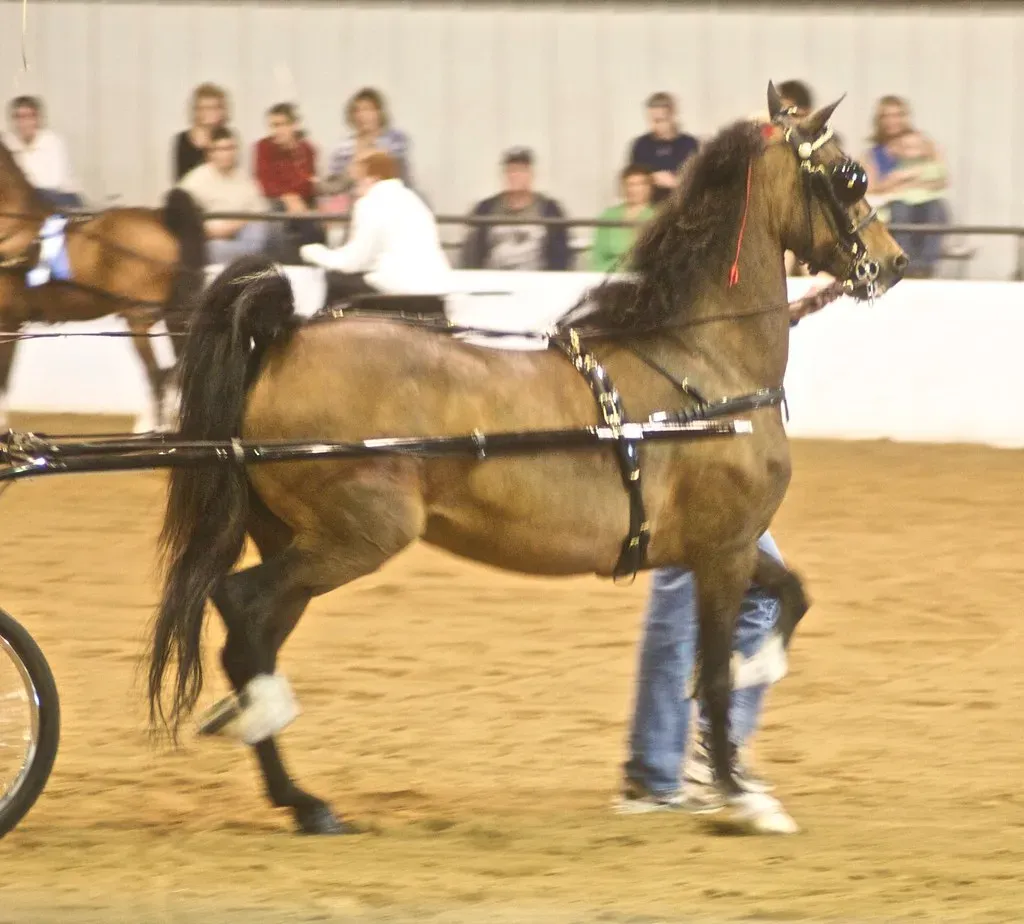
The Hackney horse is a showpiece – that extravagant, knee-snapping trot was bred over generations for maximum visual impact in the show ring. Outside of that context, the same traits that make a Hackney spectacular to watch make it genuinely difficult to manage for someone without a clear plan and advanced riding skills. Their energy levels are high, their need for consistent, skilled work is constant, and without both they develop behavioral problems born of frustration and boredom. Vets see this cycle repeatedly: a beginner falls for the action and the drama, brings the horse home, and within months is dealing with a horse that has invented its own outlets for all that pent-up drive.
The physical demands of their movement create their own risks. The exaggerated high-stepping action that defines the breed puts repetitive stress on joints and tendons that, without correct conditioning and footing management, leads to strain injuries far more quickly than in a horse with a more natural gait pattern. Carriage heritage means Hackneys are accustomed to very specific cues and handling approaches – ones that beginner lessons don’t teach and that most novices stumble over for months before understanding the disconnect. This is a breed for someone with a plan, a trainer, and an arena. Not a paddock and good intentions.
#15 – Cleveland Bay
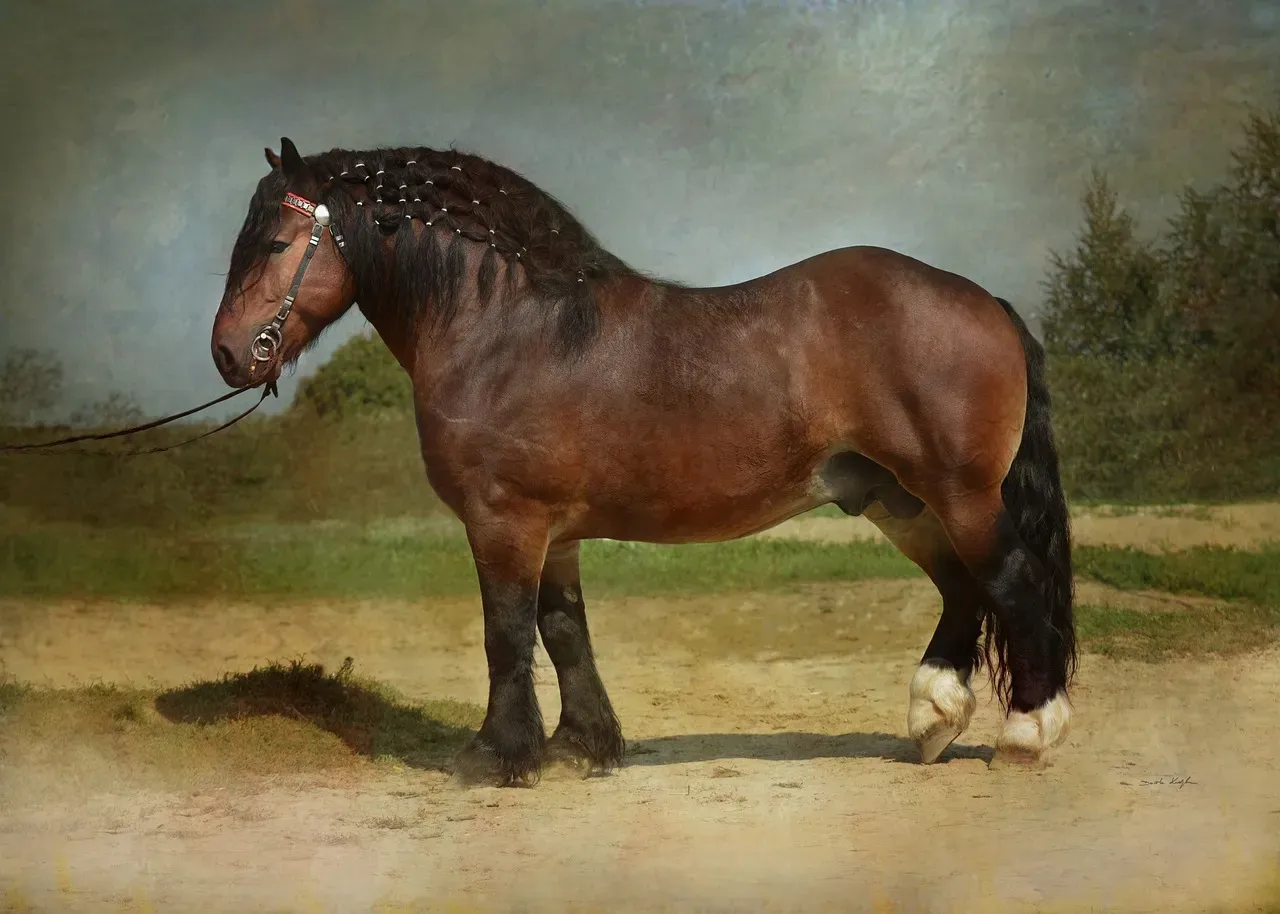
The Cleveland Bay is one of Britain’s oldest native breeds and one of the world’s most critically endangered horse populations. That rarity alone should give beginners pause, because it means every genetic problem embedded in the breed’s narrow gene pool gets amplified across every individual in it. Vets now routinely flag the Cleveland Bay’s extremely low genetic diversity – among the lowest measured in any domestic horse breed – as a foundation-level health concern. Hereditary soundness issues and compromised fertility show up at rates that reflect generations of tight inbreeding within a tiny population. These aren’t unpredictable accidents; they’re patterns.
The Cleveland Bay’s calm, sensible temperament is real, and in isolation it would make a reasonable case for beginner suitability. But temperament is only one dimension of horse ownership. When you combine genetic fragility with the near-total absence of experienced breed mentors in most markets, the limited availability of Cleveland Bay-specific veterinary knowledge outside specialist circles, and the moral weight of owning one of the rarest horses alive, the picture changes entirely. A beginner who encounters a health crisis with a Cleveland Bay may find themselves with almost no local support network and very few options.
At a Glance: Why Rarity Raises the Stakes
- Critically low genetic diversity means hereditary health problems are amplified across the entire living population.
- Specialist veterinary knowledge for this breed is scarce outside of dedicated breed circles in the UK.
- Breed mentors and support networks are nearly nonexistent in most U.S. markets – beginners are largely on their own.
- The moral responsibility of owning one of the world’s rarest horses is a burden that compounds every routine decision.
#16 – Percheron
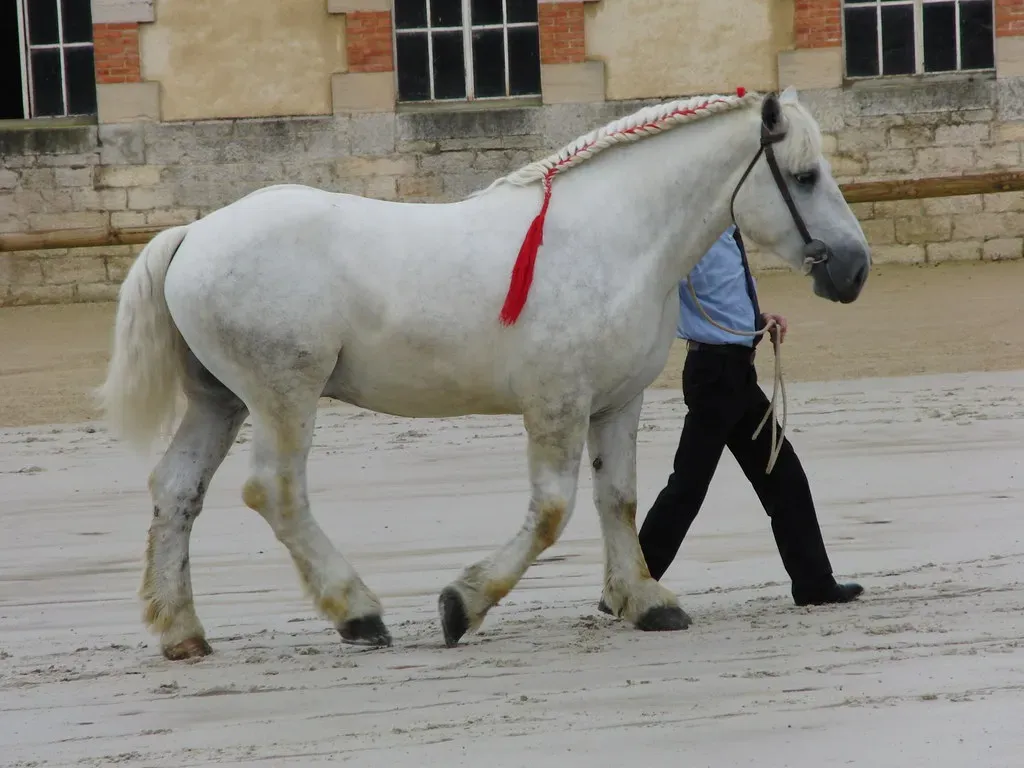
The Percheron closes this list as one of the most deceptively complex mismatches for beginners in the entire horse world. On the surface, everything about them looks reassuring – they’re calm in demeanor, well-muscled, steady in movement, and their draft heritage gives them a certain slow-rolling quality that reads as safe. What beginners don’t see until they’re already in over their heads is the intelligence behind those soft eyes. Percherons test boundaries with a quiet persistence that catches novice handlers completely off guard. Unlike a hot-blooded horse that explodes loudly and obviously, a Percheron just… leans. Subtly, gradually, until it’s running the show and the beginner has no idea when it happened.
Scale turns every management task into a physical challenge. Farrier visits, veterinary exams, trailering, even basic hoof picking – all of it requires either advanced handling skill or professional assistance when the animal weighs 1,800 pounds and has decided it’s not participating today. Draft metabolism is unforgiving: Percherons gain weight rapidly on standard pasture and hay, and managing that without triggering equine metabolic syndrome or laminitis demands a feeding precision that overwhelms beginners who are still learning the basics. Vets increasingly see Percherons recommended to novices on the basis of temperament alone, without anyone mentioning the rest of the equation. That gap between reputation and reality is exactly where beginners get hurt.
Here’s the honest conclusion, and it’s one the horse industry needs to say out loud more often: this list isn’t an indictment of these breeds. Most of them are extraordinary animals – breathtaking, historic, deeply intelligent – in the right hands. But there is a deeply embedded culture in horse sales that prioritizes romance over reality. Beauty gets the headline. Breed legend gets the pitch. The daily reality of managing a metabolically fragile, genetically complex, or behaviorally demanding horse? That part gets quietly left in the fine print.
Vets see the fallout every single season. The horses returned after the first winter. The owners who spent their savings on emergency colic surgery for a breed they were never warned was prone to it. The quietly discouraged rider who quit entirely because no one told them that their stunning purchase would require a professional trainer, a specialized farrier, a geneticist, and a whole lot of luck to manage safely. If there is one thing that connects every breed on this list, it’s that they all reward experience and punish the absence of it faster than most beginners are ever warned. The right first horse absolutely exists – it just rarely shows up in the most viral barn photo. Choose with your head, fall in love with your heart, and please – talk to a vet before you sign anything.

- 12 Surprising Facts About Reindeer - July 30, 2026
- 10 Common Bird Feeder Mistakes That Could Harm Your Backyard Visitors - July 30, 2026
- How Beavers Are Naturally Restoring Wetlands and Preventing Flooding - July 30, 2026