

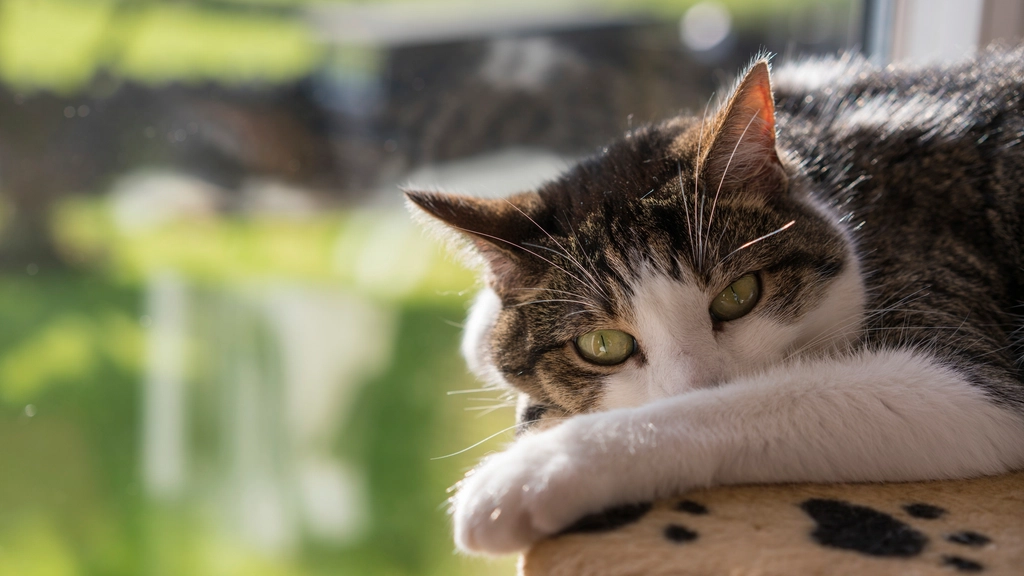
You’d think a cat whose fur looks like it lost a fight with a hairbrush would act the part too – sluggish, withdrawn, falling apart at the seams. That’s the assumption almost every owner makes. It’s also dead wrong, and that mistake is exactly why so many serious problems hide in plain sight for months.
Underneath a matted, greasy, neglected coat, most cats keep running the same tight little routines they’ve always run: patrols, meals, greetings, even fake grooming that looks convincing at a glance. The unsettling part isn’t that these habits survive. It’s what their survival is quietly covering up. Here are the 16 rituals that outlast a cat’s coat care, counting down to the one that fools owners the longest.
#16 – The “I Own This Place” Territory Patrol
🔥 Would you like to save this?
We'll email this post to you, so you can come back to it later!
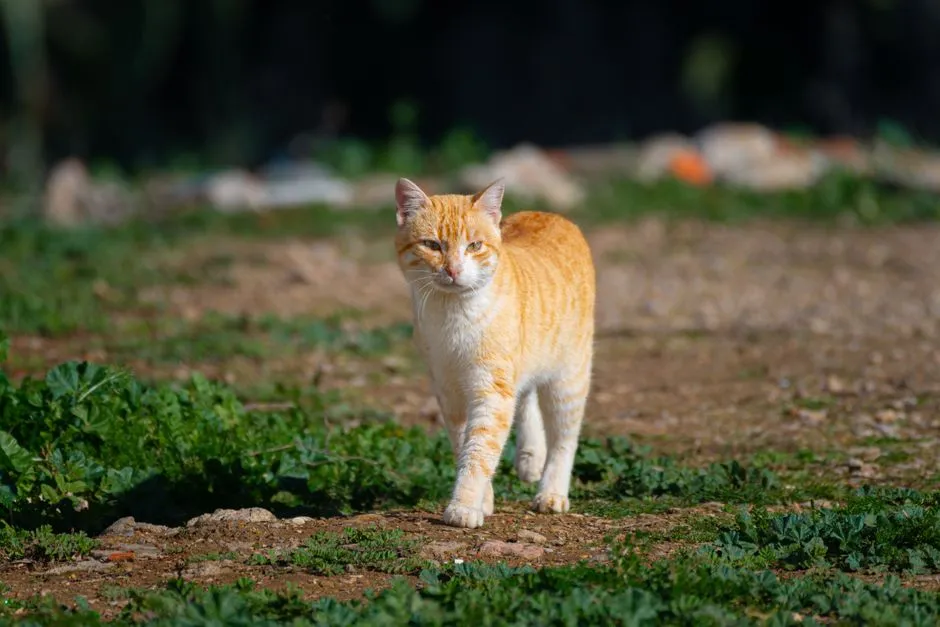
Even with a coat that’s gone completely to seed, a cat’s inner security guard rarely clocks out. Owners are constantly shocked that a cat can look unkempt, dull, and clumped, yet still march around the house like it owns the mortgage.
Cats are territorial first and fashion-conscious never. They’ll keep walking the same paths, sniffing the same corners, and hopping onto “their” window ledge like clockwork, no matter what their fur looks like. You’ll notice the patrol points never move:
- That one window with the best squirrel view.
- The hallway corner where outside smells leak in.
Some cats even pause mid-patrol for a half-hearted lick, as if some part of them remembers grooming used to be part of the route. Older or arthritic cats often keep the mission alive – guard the territory – while the ability to actually maintain the coat quietly disappears. Sometimes the patrol gets more rigid, not less, because the familiar loop is the one thing that still feels like control.
#15 – The Sacred Litter Box Ritual
🔥 Would you like to save this?
We'll email this post to you, so you can come back to it later!
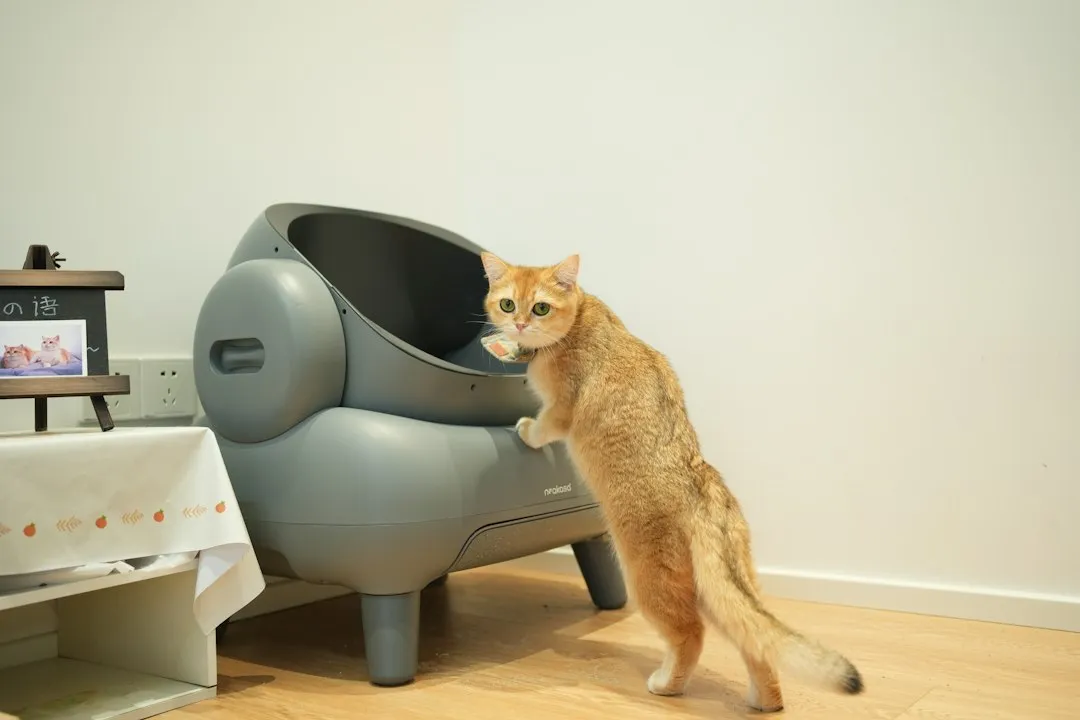
Coat a mess, fur clumped – but litter box manners? Almost always still impeccable. Most people don’t realize cats will sacrifice grooming long before they’ll sacrifice their toilet habits.
In feline priorities, eliminating in the “right” spot is tied to instinct and safety. Even sick, elderly, or heavily matted cats will painstakingly step in, scratch, cover, and avoid “dirty” corners of the box like it’s a matter of pride.
- They may enter more slowly or awkwardly if mats tug on the skin.
- They pick one “easy” spot in the box and hit it every single time.
Fast Facts
- Most cats visit the litter box two to four times a day, regardless of how they’re feeling.
- Box avoidance is one of the most reliable red flags for pain or illness – far more telling than coat condition alone.
- Litter habits can stay flawless for months even as grooming quietly collapses.
Here’s the trap: when a cat stops grooming but keeps its litter routine flawless, owners tell themselves, “If he was really unwell, he’d have accidents.” That logic fails constantly. Coat condition is one of the earliest red flags a cat gives off – litter box mistakes usually show up much, much later, if they show up at all.
#14 – The “Just One Spot, Over and Over” Self-Groom
🔥 Would you like to save this?
We'll email this post to you, so you can come back to it later!
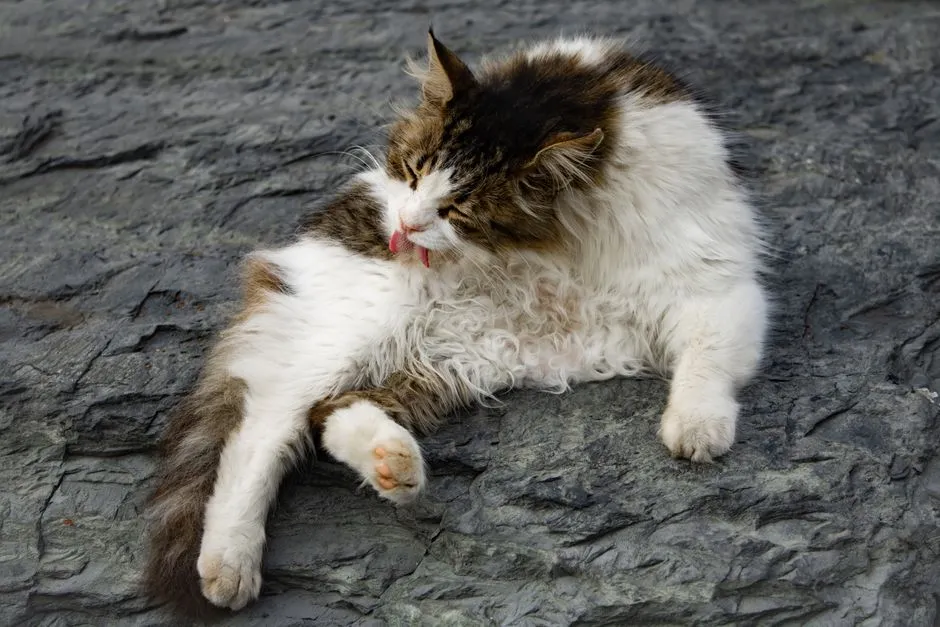
People assume a cat who’s stopped maintaining its coat has simply quit licking altogether. In reality, grooming rarely disappears – it just gets weirdly selective.
Many cats shift from full-body care to obsessively grooming one or two easy-reach zones. The front paws stay pristine, the chest stays spotless, the shoulders stay smooth – while the back, belly, and flanks quietly turn into tangled chaos.
- A clean face and tidy front legs fool the eye.
- An occasional long grooming session looks perfectly normal from across the room.
Run your fingers down the spine or near the hips, though, and you’ll hit mats, oily patches, or dandruff. Cats with arthritis or extra weight simply can’t twist far enough anymore, so they default to whatever they can reach without pain. Some even lick that one accessible spot so obsessively they thin the fur there, while everywhere else gets ignored completely. It’s a routine that survives – just badly distorted.
#13 – The Timed Meal Demands (Even While Feeling Crummy)
🔥 Would you like to save this?
We'll email this post to you, so you can come back to it later!
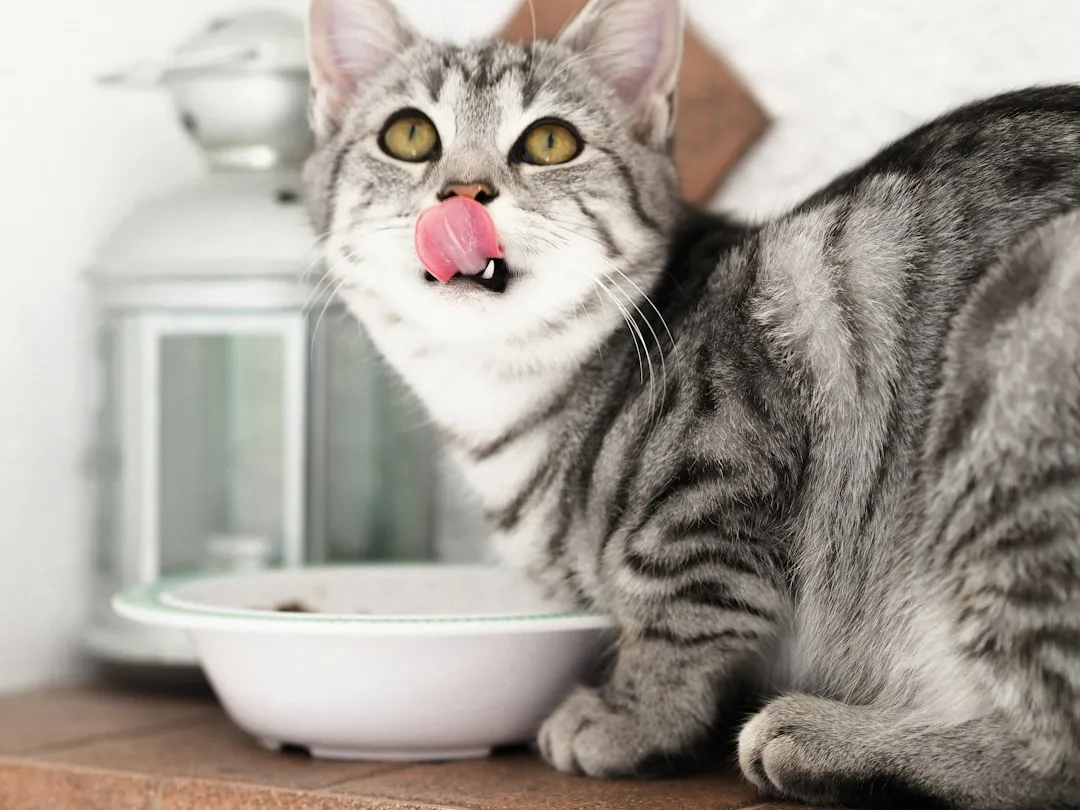
A shabby coat rarely shuts off a cat’s built-in food alarm. Most owners assume a neglected-looking cat must be eating poorly too. Often, that’s backwards.
Cats whose fur has gone downhill will still wind around your ankles, yowl in the kitchen, or park in front of an empty bowl at the exact minute dinner is supposed to appear.
- A cat inhales its food, then immediately lies down without grooming afterward.
- A cat eats totally normally but is too stiff or tired to do any post-meal coat care.
In multi-cat homes, even a greasy, matted cat will push in for treats, because food is survival-level important and grooming is negotiable by comparison. That’s the sad math: a cat can keep eating and begging like nothing’s wrong while its coat quietly broadcasts pain, dental disease, hyperthyroidism, or kidney trouble. “He can’t be that sick, he still loves his food” is exactly how advanced problems slip past.
#12 – The Window Watch and Neighborhood Surveillance
🔥 Would you like to save this?
We'll email this post to you, so you can come back to it later!
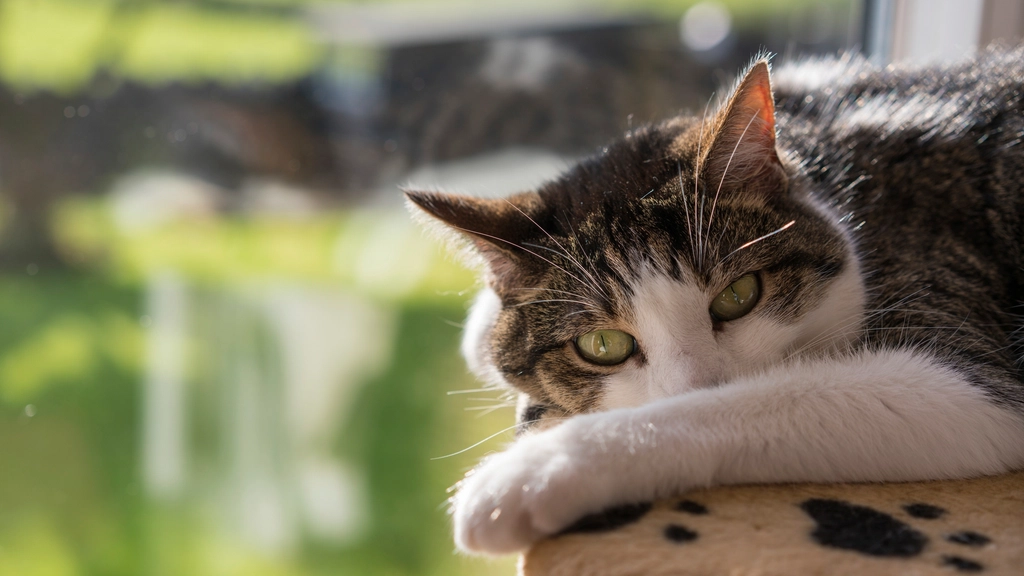
Disheveled or not, the daily “cat TV” schedule almost never gets canceled. Even with fur nobody’s been maintaining, most cats keep their window-watching ritual nearly unchanged.
They’ll drag themselves onto the sill, perch on the couch back, or wedge into a narrow ledge just to watch birds and cars go by, because mental stimulation still matters even after physical comfort has dropped.
- The morning bird check when sun hits the favorite window.
- The late-afternoon watch when the neighborhood dogs go for their walk.
What actually changes is the posture, not the habit. You might see them lying down instead of sitting upright, since mats along the sides and back pull uncomfortably when they twist. Some cats turn the window spot into a combined nap-and-surveillance zone, barely moving for hours. Owners call it “lazy” or “content.” Often it’s quiet pain-avoidance wearing a relaxed disguise.
#11 – Nighttime Zoomies With a Worn-Out Coat
🔥 Would you like to save this?
We'll email this post to you, so you can come back to it later!
Some of the scruffiest-looking cats still get the midnight crazies, and it throws owners completely off. The assumption is that a neglected coat means dropped energy across the board. Not always true.
Many under-groomed cats still explode into random bursts of speed at night – racing down hallways, pouncing on shadows, attacking toys like they’re eight weeks old again.
- A cat that lies around all day, fur clumped and greasy.
- The same cat, suddenly at 11 p.m., sprinting and leaping like a different animal.
The problem is what happens after: mats catch on claws and furniture mid-chase, making the cat more sore afterward, which pushes full-body grooming even further down the priority list. “He’s still so playful, he can’t be in pain” is a comforting sentence – and often a false one. Short adrenaline bursts and chronic arthritis or dental pain coexist far more often than people want to believe.
#10 – The Daily Sunbathing Session
🔥 Would you like to save this?
We'll email this post to you, so you can come back to it later!
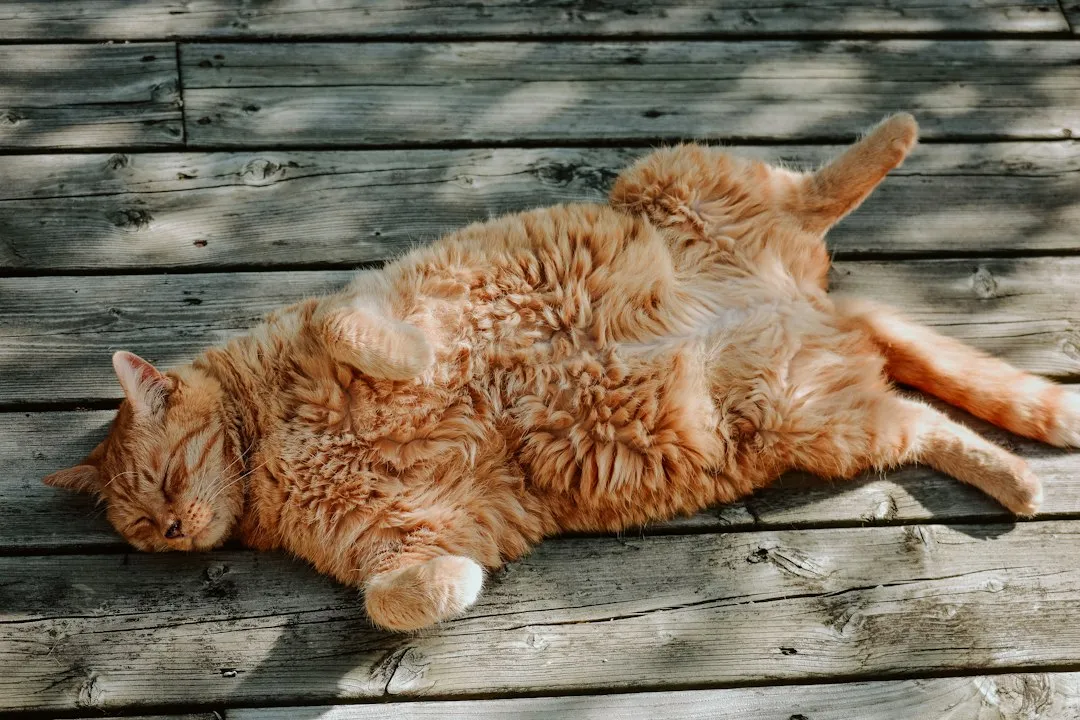
Messy coat, same favorite sun patch, every single day. Cats are basically solar-powered, and that doesn’t stop just because nobody’s been brushing them.
Even with fur that’s lost all its sleekness, most cats religiously chase the sunbeam across the floor, curl into the same hot windowsill, and stretch their ragged coat into the warmth like royalty on vacation.
- They choose positions that avoid pulling on matted areas.
- They groom lightly around the face or paws mid-session, then quit.
Sunbathing isn’t just pleasant – it’s pain management. Older or arthritic cats use heat as natural therapy, which is why a cat that’s stopped thoroughly grooming will still fight for that one square of warm light on the rug. Here’s the sneaky part: golden light makes shabby fur look softer and shinier than it actually is, which tricks owners into thinking things are better than they are.
#9 – The “Same Spot, Every Night” Sleeping Routine
🔥 Would you like to save this?
We'll email this post to you, so you can come back to it later!
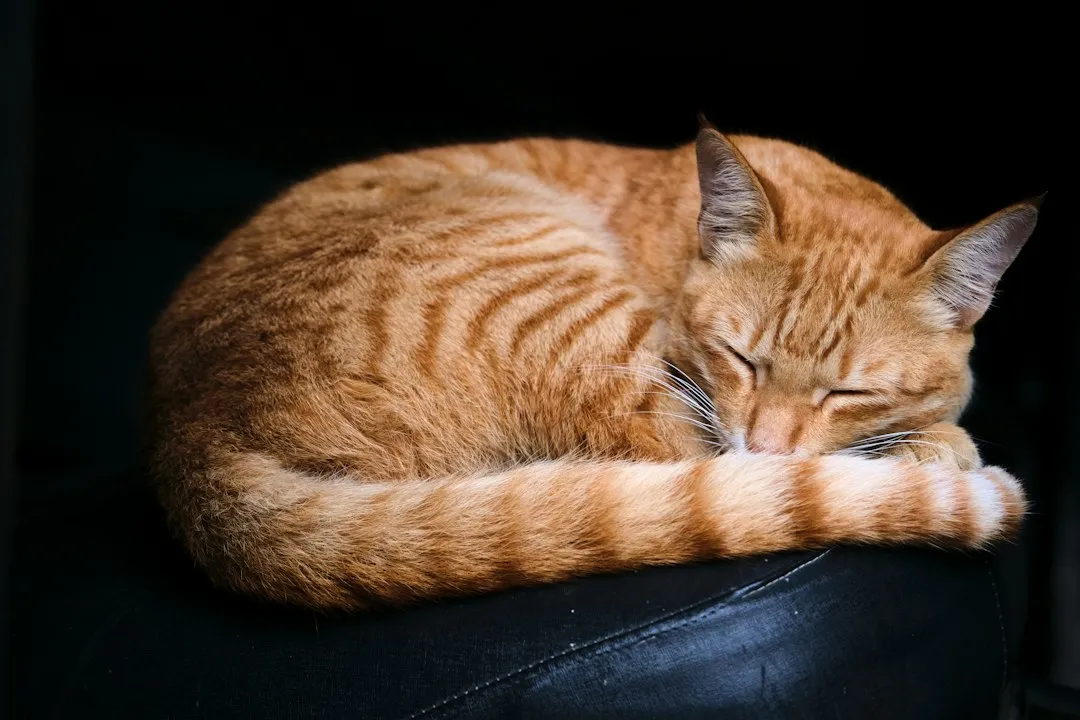
The coat falls apart. The bedtime schedule almost never does. Where a cat chooses to sleep – your pillow, one specific chair, the top of the cat tree – is one of the most stubbornly preserved routines there is.
Even with tangled fur or dandruff, they’ll navigate to that exact sleep zone like a homing missile, because it’s saturated with their own scent, and for a cat that feels physically off, familiar smells equal safety.
- They arrive earlier than usual and sleep longer.
- They curl tighter to protect sore or matted areas.
Worth Knowing
- Cats typically sleep 12 to 16 hours a day, often cycling through the same trusted spots.
- A scent-soaked sleeping spot can feel safer than a clean, unfamiliar one – even mid-mat.
- A shortened pre-sleep grooming ritual is one of the earliest, easiest-to-miss warning signs.
What actually changes is how they settle in. Instead of the elaborate pre-sleep bath – face, shoulders, flanks, then curl – you get one quick lick to the chest, a couple of paw licks, and straight to sleep. The location stays sacred; the ritual before it gets drastically shorter. Owners chalk it up to “getting older and lazier.” It’s often one of the clearest signals that grooming has become genuinely difficult, hiding inside a routine that looks completely normal on the surface.
#8 – The Social Check-Ins and Greeting Rituals
🔥 Would you like to save this?
We'll email this post to you, so you can come back to it later!
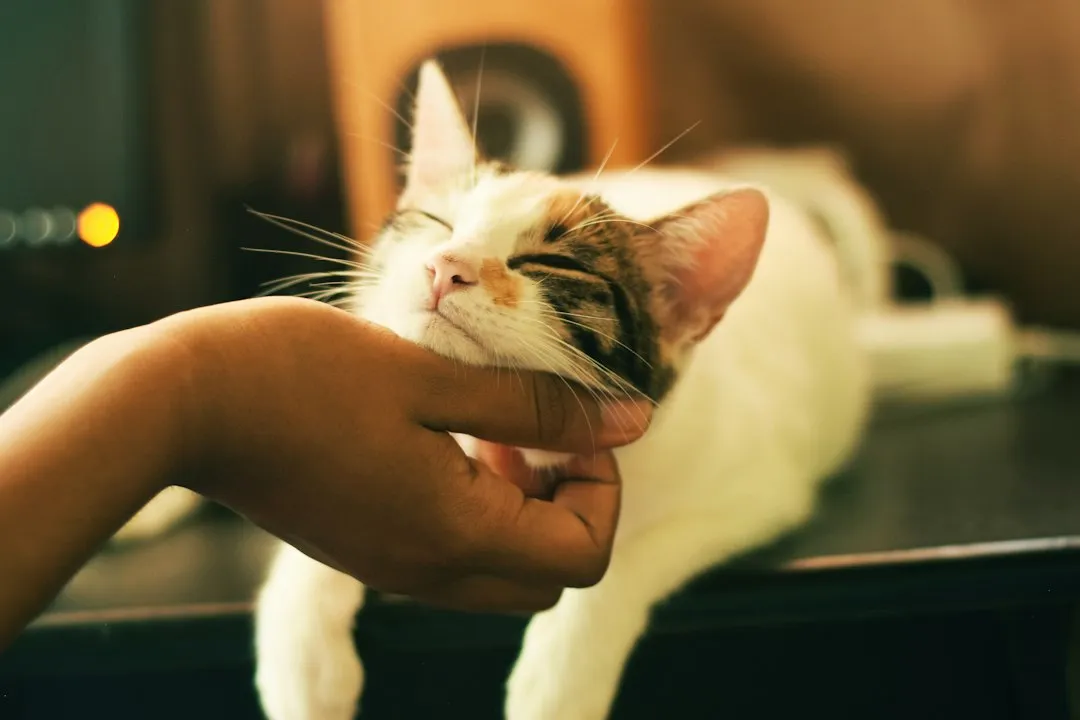
Their fur might be neglected, but their social calendar rarely gets canceled. Cats get unfairly labeled antisocial, yet plenty of them build tight daily routines around checking in with their humans.
- Greeting you at the door.
- Rubbing your legs at the same specific times.
- Jumping beside you on the couch like clockwork.
What quietly shifts is the physical affection itself. They might avoid being picked up because mats pull painfully, or lean into you with only one side – the less tangled, less sensitive side.
To a casual observer, the cat seems exactly as social as ever: purring, meowing, trailing you from room to room. So the unkempt coat gets waved off as “he’s just a bit scruffy.” In reality, it can be a cat showing up the only way it knows how, hoping you notice what’s changed underneath. The irony is brutal: a cat that keeps its people-schedule intact is often the one whose coat problems get overlooked longest.
#7 – The Scent-Marking and Face Rubbing Routine
🔥 Would you like to save this?
We'll email this post to you, so you can come back to it later!
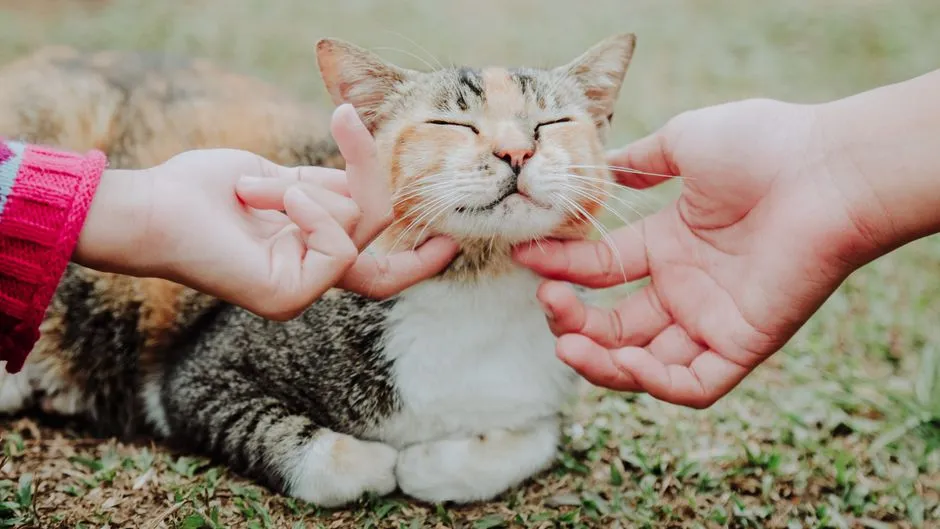
Even poorly groomed cats work overtime on home “branding.” Scent marking survives coat neglect almost completely intact, because the glands doing the work live in the face, not the fur.
- That one table leg they always rub after using the litter box.
- The doorway corner they insist on bumping before bed.
Because the rubbing continues at full force, owners read it as confidence and health. But marking is about emotional security, not physical comfort – a cat can feel genuinely lousy and still obsessively claim its territory. Sometimes rubbing even increases, because friction on matted areas elsewhere is uncomfortable, so they lean harder into head-and-neck marking specifically. It’s a preserved routine with a quiet, easy-to-miss modification built in.
#6 – The Hunting Games and Toy Stalking
🔥 Would you like to save this?
We'll email this post to you, so you can come back to it later!
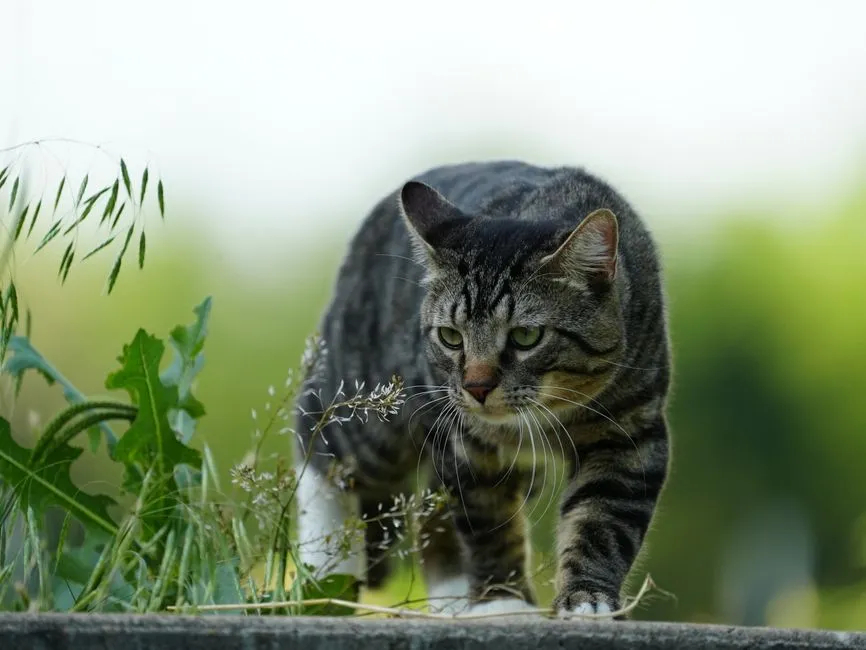
Predator mode doesn’t care what the fur looks like. A surprising number of under-groomed cats keep stalking feather wands, pouncing on crinkle balls, and ambushing ankles from under the bed like nothing’s changed.
What actually shifts is stamina and flexibility, not desire.
- Shorter play bursts before they flop down panting.
- Less twisting mid-air, because mats along the torso pull the skin.
Quick Compare
- Healthy hunter: full-body pounces, twisting leaps, long chase sequences.
- Coat-neglect hunter: stationary stalking, short bursts, quick recovery flops.
- What stays the same: the mental drive to hunt rarely fades, even as the physical style changes.
Some cats become intense “stationary” hunters instead – camped by a floor vent waiting for a bug, staring down a toy mouse instead of chasing it. The mental script (watch, stalk, pounce) survives; the physical execution quietly adjusts around the pain. Owners call it personality – “she’s just a more chill hunter now.” Often it’s coat neglect, or whatever’s actually causing it, rewriting the rules of the game in real time.
#5 – The Strict “Cleaning the Bowl” Inspection
🔥 Would you like to save this?
We'll email this post to you, so you can come back to it later!
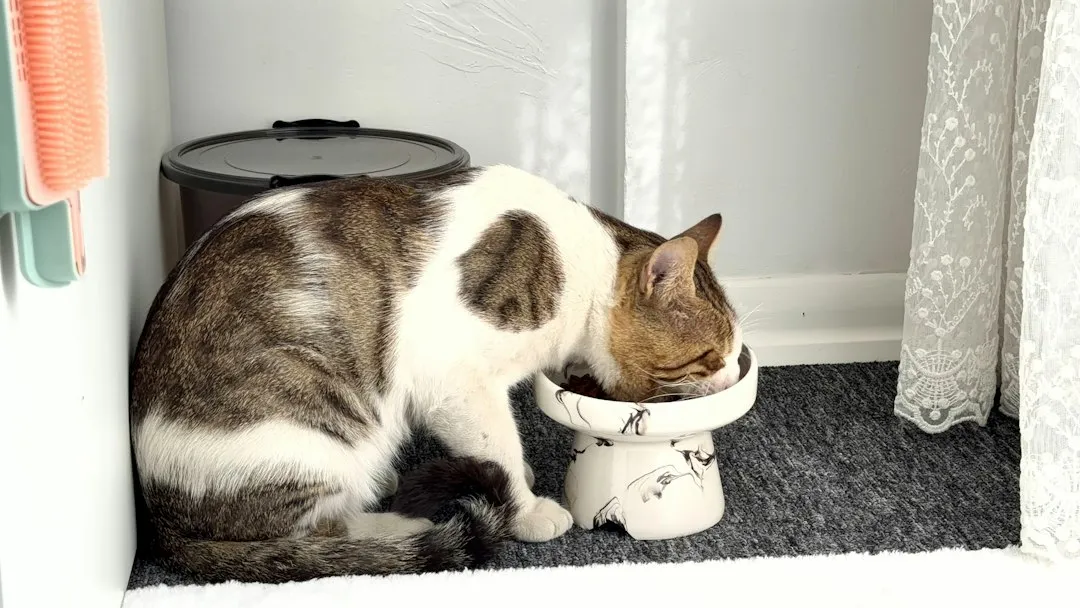
Here’s a wild contrast: a cat may fully give up on coat maintenance but never give up policing the food and water dish. Many cats circle back to the bowl area constantly:
- Sniffing the bowl even when it’s empty.
- Pawing near it insistently.
- Staring at you, then the bowl, like a tiny furry manager conducting an audit.
This is about control and predictability, and food access is survival-level, while a pristine coat is not. So you end up with cats that look ragged but act like dieticians about their own feeding zone – and it’s part of why unkempt coats go unaddressed for so long. As long as the cat is eating, drinking, and nagging for refills, people assume everything’s fine, without connecting the greasy back fur to oral pain, joint issues, or systemic disease underneath. Some cats even get more obsessive about bowl checks the worse they feel, doubling down on the one part of life they can still control.
#4 – The High-Alert Response to Household Sounds
🔥 Would you like to save this?
We'll email this post to you, so you can come back to it later!
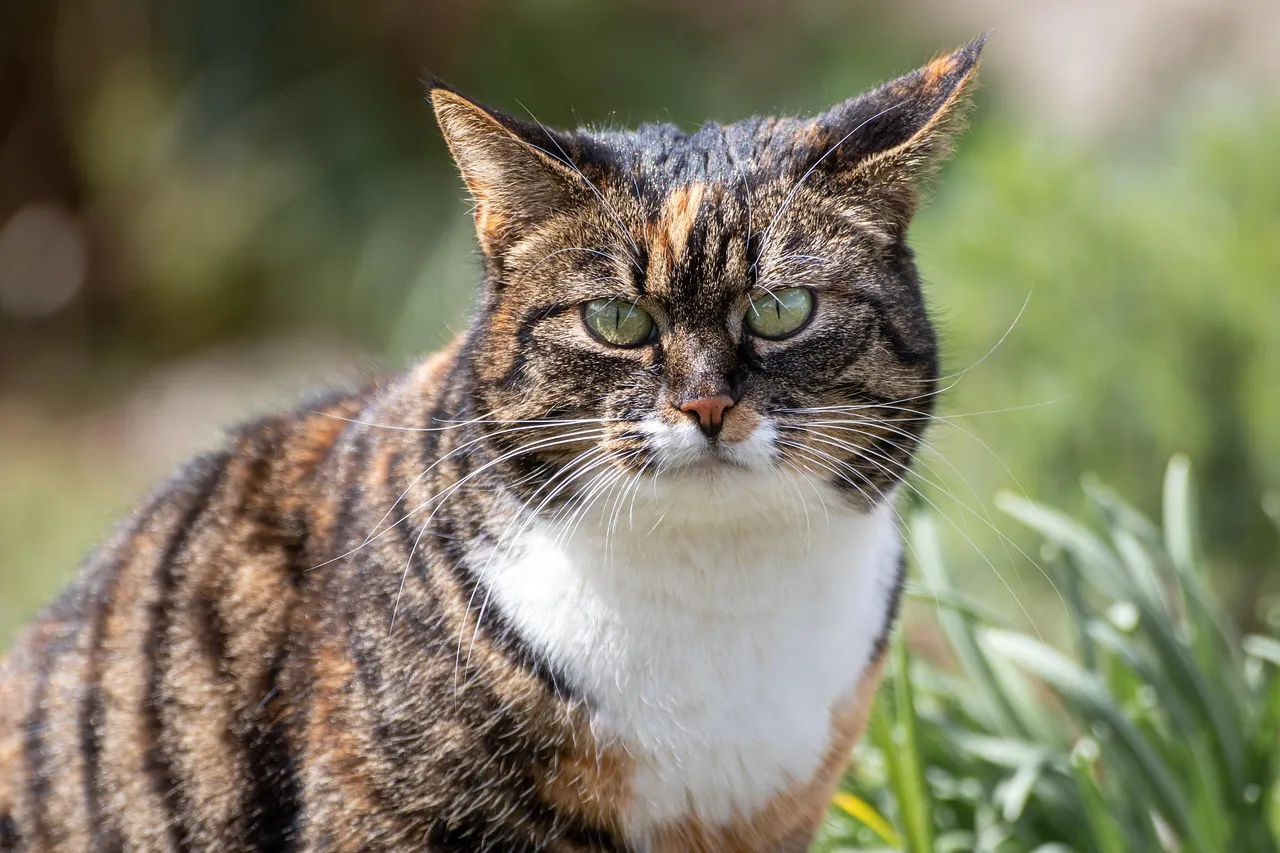
The coat may be dull, but the ears still work like radar. Even with grooming completely dropped, most cats stay locked onto the sound of treat bags, can openers, a specific cabinet, or footsteps on the stairs.
- Sprinting – or hobbling quickly – into the kitchen at the sound of a can.
- Appearing out of nowhere the second a favorite toy’s bell jingles.
This is part habit, part survival – food sounds and “human is home” cues are wired deep. So an owner thinks: “If she comes running every time she hears the treat bag, she must be fine,” mentally discounting that she no longer grooms afterward or that her coat gets worse every month. What’s really happening is simple and a little heartbreaking: the brain keeps firing correctly on old cues while the body quietly can’t keep up with everything it used to handle.
#3 – The Daily Scratch-Post or Furniture-Clawing Ritual
🔥 Would you like to save this?
We'll email this post to you, so you can come back to it later!
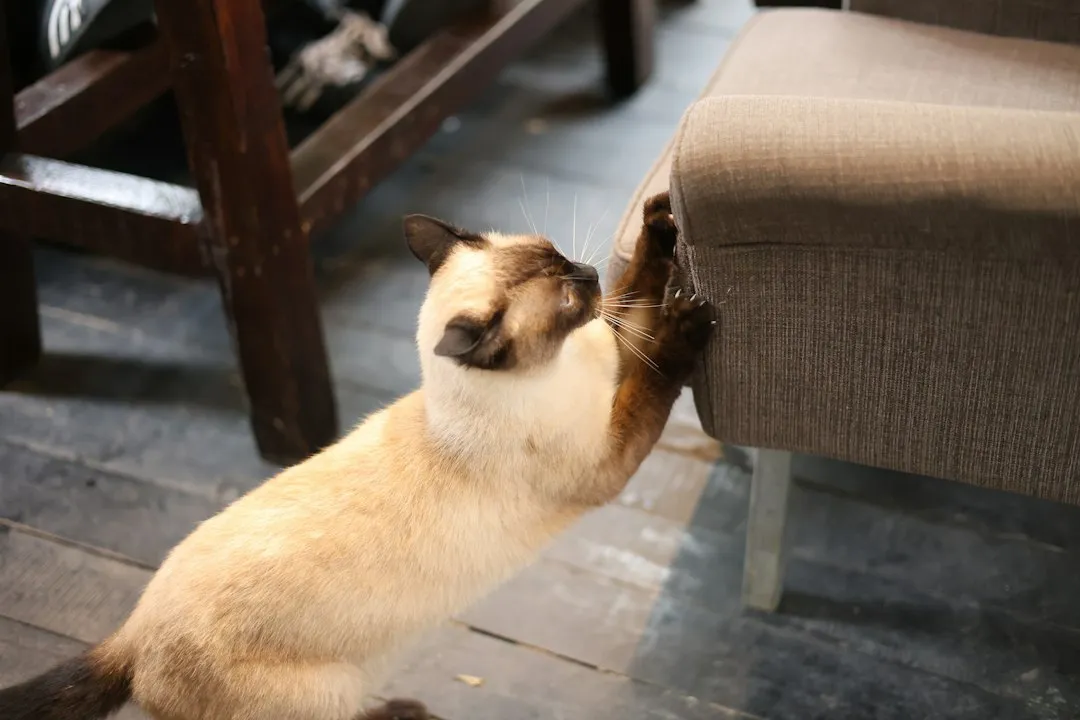
Claws maintained, coat ignored – it happens more than you’d think. Plenty of owners proudly say, “He still scratches his post, so he’s healthy,” while the coat tells a completely different story.
Scratching serves claw health, muscle stretching, and territory marking all at once, which is exactly why it survives coat collapse almost every time. The same post, the same corner of the couch, the same ruined armchair get used religiously.
Scratching can even briefly relieve discomfort by stretching a spine or shoulders that are tight from compensating for sore hips or knees. But it doesn’t fix the real problem – the cat still can’t twist far enough to groom its lower back, so mats build silently underneath a display of perfectly sharp claws. Owners trust the dramatic, visible behavior and miss the quiet evidence sitting right there in the fur.
#2 – The Morning “Check the Humans” Circuit
🔥 Would you like to save this?
We'll email this post to you, so you can come back to it later!
Ragged coat, same exact morning rounds. A lot of cats run a set morning route that has nothing to do with grooming and everything to do with checking on their people – visiting each bedroom, jumping on the bed, meowing for breakfast, head-butting whoever moves first.
- A cat who no longer spends ten minutes grooming after breakfast.
- The same cat still running the exact same lap from bedroom to hallway to kitchen, every single day.
At a Glance
- Morning routines are among the last behaviors to break down in a declining cat.
- Waking owners for breakfast is tied to hunger instinct, not physical comfort.
- A consistent morning circuit can mask weeks of a quietly worsening coat.
- Owners often mistake routine consistency for a clean bill of health.
This is the routine that convinces people their cat is fine. If it’s still waking you at 5 a.m. and herding you toward the food bowl, how bad could things really be? The harsh truth is that cats cling to human-centered routines for emotional security long after their bodies start struggling. That combination – messy coat, fully intact social rituals – is one of the most dangerously misleading patterns in feline health, precisely because it looks so reassuring.
#1 – The “I’m Fine” Mask: Subtle Grooming, Big Denial
🔥 Would you like to save this?
We'll email this post to you, so you can come back to it later!
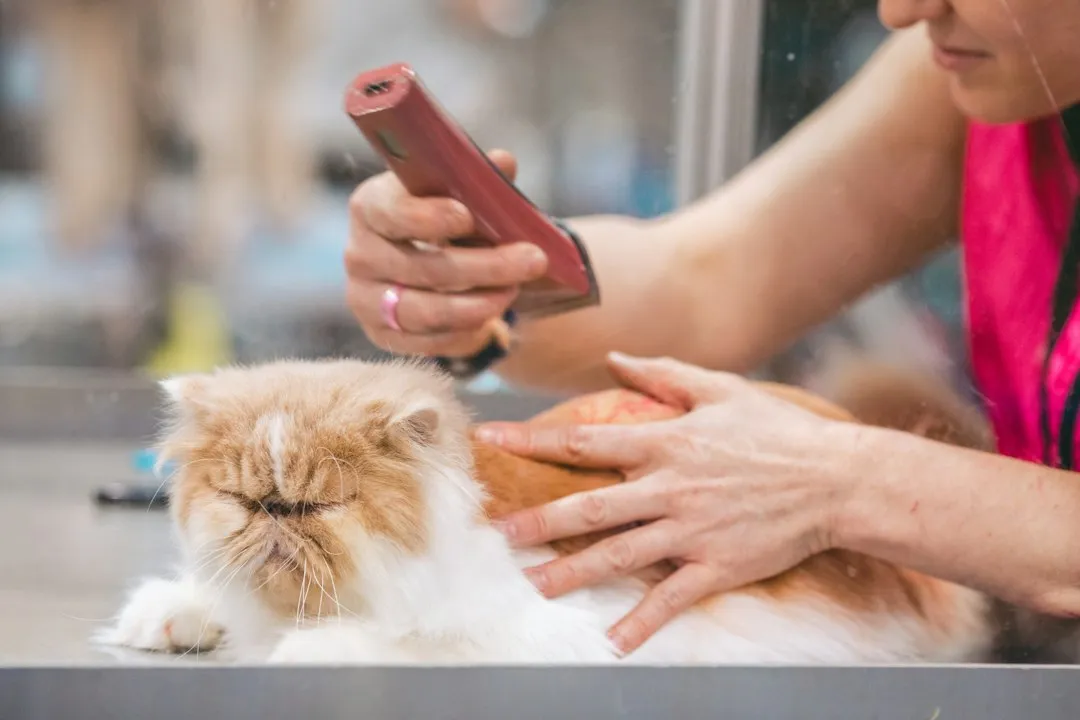
The strongest, most deceptive routine of all is the illusion of grooming itself. Even after a cat’s coat has effectively stopped being maintained, most will still perform small, symbolic acts – a few licks to the chest, a quick swipe over the face, a casual nibble at one paw.
To a casual observer, that looks like normal grooming. It isn’t. It’s a truncated script, the cat going through the motions because the full routine has become too hard, too painful, or too exhausting to finish.
- Arthritis making it impossible to bend toward the back or tail.
- Dental pain making long grooming sessions genuinely miserable.
- Illness draining the energy that full-body care demands.
Why It Stands Out
- It’s the single most convincing disguise on this list – a partial ritual that reads as a full one.
- It buys time, letting real problems progress quietly under a coat that looks “almost fine.”
- It’s usually the last routine to fully collapse, which is exactly why it fools owners longest.
The tragedy is simple: because the “I’m fine” mini-ritual survives, owners never realize the coat on the back, hips, or belly hasn’t actually been maintained in weeks. Cats are masters at preserving appearances, even as the appearance itself quietly falls apart. By the time the symbolic grooming stops completely, the underlying problem is usually already advanced.
The Verdict
🔥 Would you like to save this?
We'll email this post to you, so you can come back to it later!
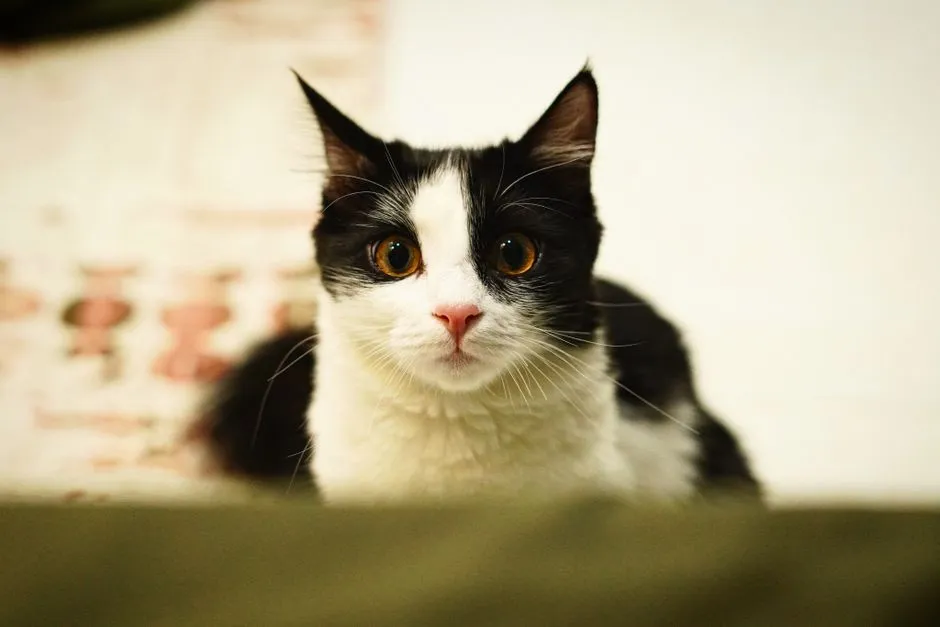
A cat doesn’t turn into a different animal the moment its coat stops being maintained. That’s the dangerous part. Door greetings, breakfast demands, window watching, scratching posts, even that half-hearted symbolic lick – all of it can keep running almost identically while the coat quietly broadcasts distress underneath.
Territory patrols, litter box manners, sunbathing, checking on the humans – these routines often survive long after full-body grooming has quietly broken down. And that’s exactly the trap. Cats will preserve their social and survival rituals for as long as they possibly can, even if it costs them comfort and coat health to do it. Coping isn’t the same thing as fine.
If your cat’s fur has gone dull, greasy, or clumped but the daily routine still looks “normal,” don’t take comfort in that normal. That’s your red flag, not your reassurance – and the sooner you read it that way, the less catching up you’ll have to do later.

- 14 Wildlife Permits Waived for Americans the Year They Turn 62 - November 5, 2026
- Machu Picchu’s Engineering Feats Were Far Ahead of Its Time - November 5, 2026
- 12 Most Beautiful American Cities To See Before You Die - November 4, 2026