


Bison are magnificent creatures that roam the North American plains, embodying both natural majesty and potential danger. Weighing up to 2,000 pounds and capable of running at speeds of 35 miles per hour, these powerful animals demand respect from a safe distance. While bison may appear docile as they graze peacefully, they can become aggressive with little warning, especially if they feel threatened or cornered. Understanding the warning signs that precede a charge is essential for anyone who might encounter these impressive mammals in national parks or wildlife preserves. This article outlines 16 critical indicators that a bison may be preparing to charge, potentially saving visitors from dangerous—even deadly—encounters.

One of the earliest and most reliable indicators that a bison is agitated is a change in tail position. Normally, a bison’s tail hangs down loosely, but when the animal becomes alert or irritated, the tail will rise and may become stiff. This elevated tail position is comparable to a warning flag. If you notice this change, it’s a clear signal that the animal is becoming uncomfortable with your presence. A fully raised tail that’s sticking straight up is an urgent warning sign and often precedes more aggressive behaviors. This tail position indicates high arousal and should trigger an immediate, calm retreat to a safer distance of at least 100 yards.
Pawing at the Ground

When a bison begins to paw or scrape at the ground with its front hooves, it’s demonstrating classic territorial behavior and frustration. This action, similar to what bulls do before charging, helps the bison release tension while serving as a warning display. The pawing motion can progress from occasional, gentle scrapes to more aggressive, repetitive digging. As the intensity increases, so does the likelihood of a charge. This behavior is particularly common during mating season when males are more territorial, but any bison might exhibit this sign when feeling threatened. If you witness this behavior, it indicates the bison is becoming increasingly agitated and you should immediately increase your distance.
Head Bobbing Up and Down

A bison that begins bobbing its head up and down is displaying a clear sign of agitation and potential aggression. This motion isn’t the gentle grazing movement but rather a more deliberate, pronounced bobbing that signals the animal is becoming increasingly upset. The head movements may start slowly and become more rapid as the bison’s agitation increases. This behavior serves as both a warning to potential threats and a way for the bison to assess the situation better. Some experts believe this motion helps the bison gather visual information about the perceived threat while preparing physically for possible action. This sign should be taken very seriously as it often precedes more aggressive behaviors including charging.
Snorting or Heavy Breathing
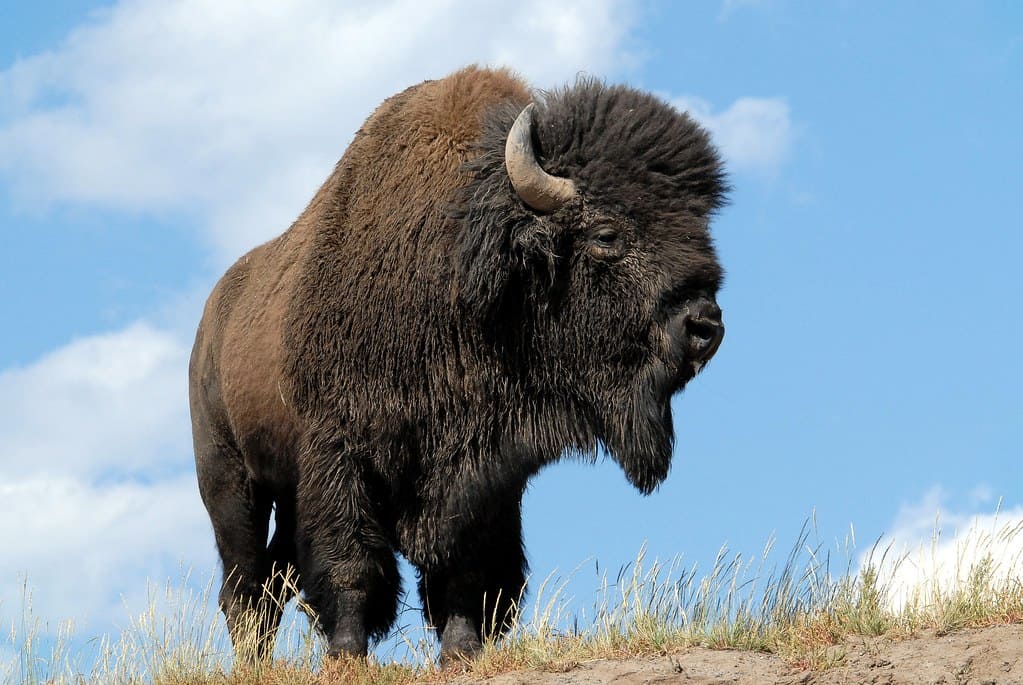
Audible cues provide valuable warning signs that a bison is becoming agitated. One of the most noticeable is a change in breathing patterns, including snorting, grunting, or notably heavy breathing. These sounds indicate increased adrenaline and physiological arousal in preparation for potential action. Snorts may start as occasional bursts but can increase in frequency and volume as the animal’s agitation grows. Unlike the gentle breathing of a calm bison, these sounds are forceful and deliberate. The snorting serves both as a warning to potential threats and communication to other bison in the area. If you’re close enough to hear these respiratory changes, you’re likely too close for safety and should immediately create more distance between yourself and the animal.
Lowering the Head
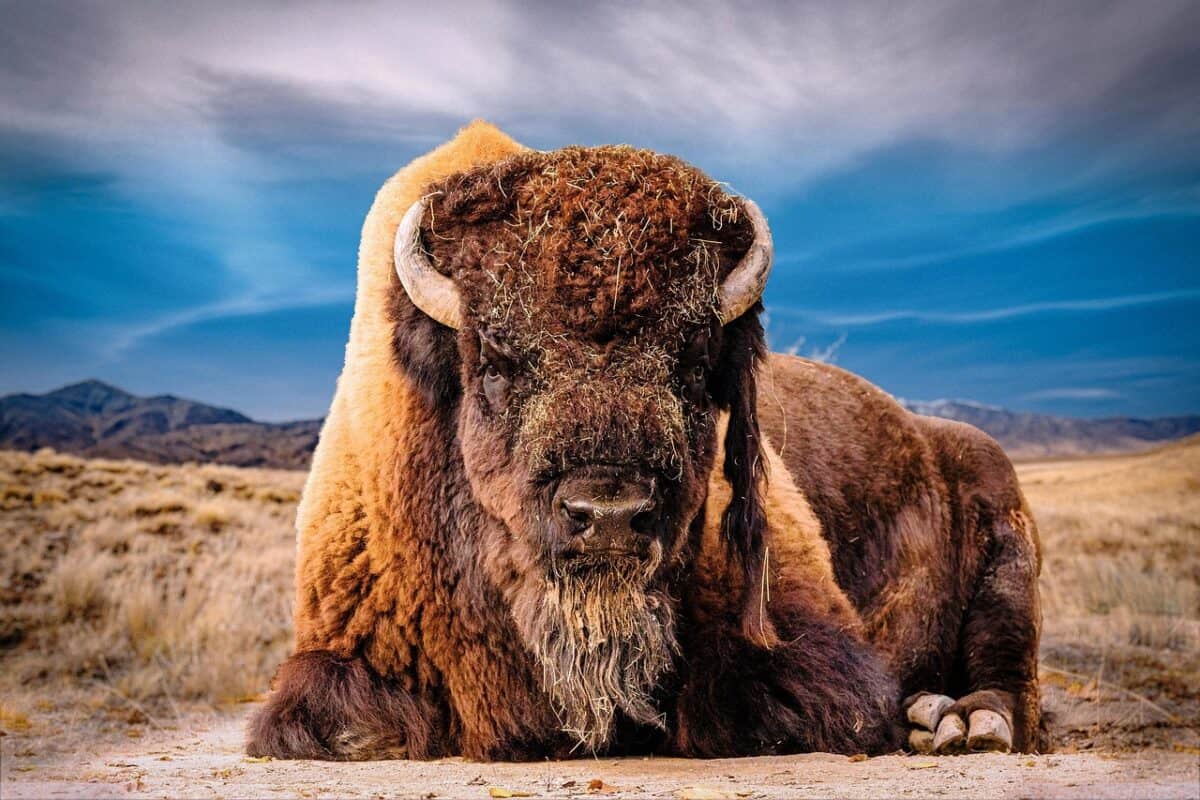
When a bison lowers its head below the level of its shoulders, particularly while facing you, it’s assuming a pre-charge position. This posture allows the bison to optimize its balance and power for forward momentum if it decides to charge. The lowered head brings the animal’s horns into position for potential use as weapons. This posture shift from the normal, upright head position is significant and deserves immediate attention. A lowered head accompanied by direct eye contact is especially concerning, as it indicates the bison has identified you as a specific target. In many documented cases of bison charges, this head lowering was one of the final warnings before the animal launched forward. When you observe this behavior, you should back away slowly if possible while seeking obstacles like trees or vehicles for potential protection.
Raising the Hump or Arching the Back

The prominent hump on a bison’s back contains powerful muscles that help drive the animal forward during a charge. When a bison raises or arches this area, it’s essentially “loading” these muscles in preparation for possible action. This physical change can be subtle but important to recognize—the normally rounded profile becomes more peaked or angular as muscles tense. The raised hump often accompanies other warning signs like tail raising or head lowering, creating a comprehensive physical preparation for aggressive movement. This posture change helps the bison maximize the power it can generate if it decides to charge. Wildlife experts note that this sign is particularly important to recognize because it represents a physiological commitment to potential action, not merely a warning display.
Stomping or Shifting Weight
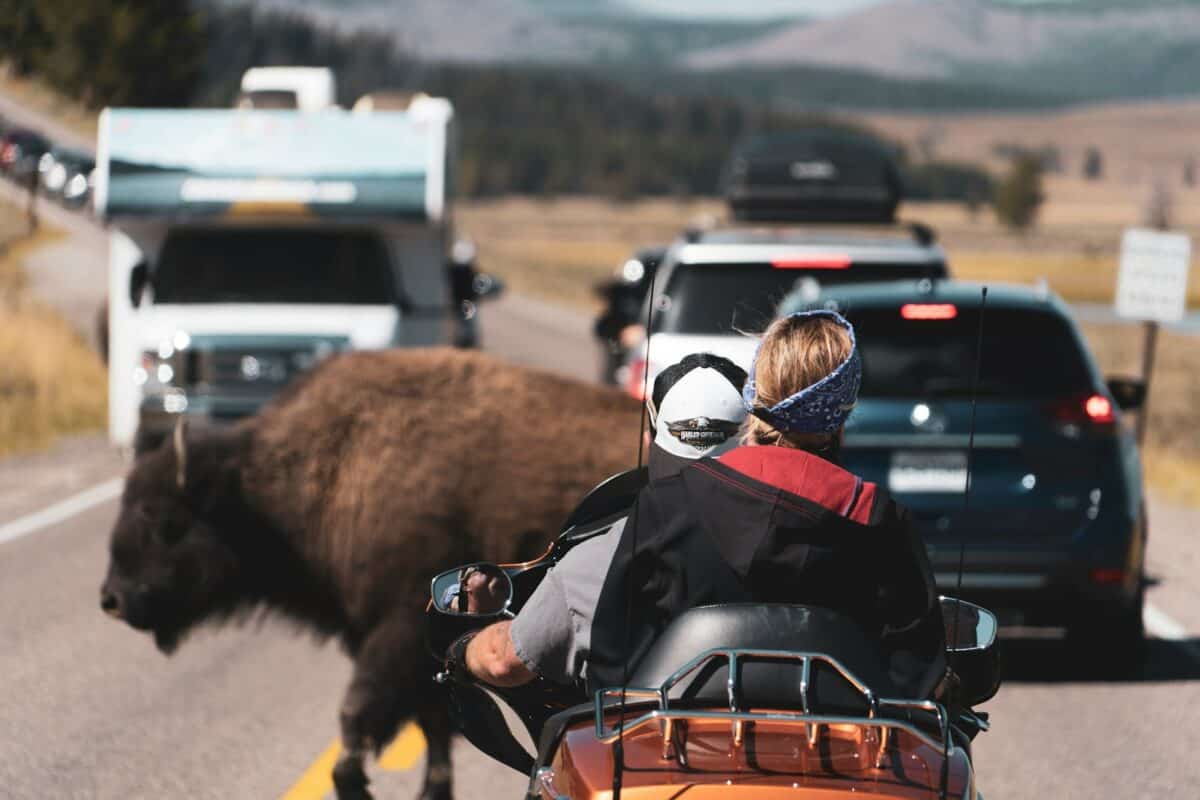
Before committing to a full charge, bison often display restless movement patterns including stomping, shifting weight from one side to another, or repositioning their feet. These movements serve multiple purposes: they help prepare the animal physically for sudden acceleration, release tension, and serve as visual warnings. The stomping may start subtly but can become more pronounced and forceful as agitation increases. This behavior indicates the bison is in a state of indecision—still evaluating the threat but preparing for action. Particularly concerning is when these movements are accompanied by the bison angling its body toward you, as this suggests it’s determining a potential charge path. These weight shifts and stomping behaviors may occur for several seconds or even minutes before a charge, providing a crucial window for humans to retreat to safety.
Making Mock Charges

Mock charges—where a bison rushes forward briefly before stopping—are serious warning signals that should never be ignored. These false starts serve as the animal’s final warning before potentially committing to a full charge. During a mock charge, the bison may run forward for a few yards, then stop abruptly while watching for your reaction. This behavior tests your response while clearly communicating the animal’s willingness to escalate if necessary. Mock charges are particularly dangerous because they can quickly transform into full charges if the bison perceives continued threat. Never assume a stopped mock charge means the danger has passed—the animal is actively deciding whether to proceed with aggression. If you experience a mock charge, it’s critical to move away calmly and deliberately while seeking protective barriers if available.
Facing You Directly

When a bison turns to face you directly, particularly with sustained attention, it’s demonstrating focused awareness that often precedes aggressive action. In normal circumstances, bison typically continue grazing or moving without paying prolonged attention to distant humans. A direct stance with the bison’s shoulders squared toward you indicates you’ve been specifically identified as a potential threat. This positioning also prepares the animal physically for a straight-line charge if needed. The duration of this direct attention is significant—momentary glances are less concerning than prolonged staring. This behavior becomes particularly alarming when combined with other warning signs like a lowered head or raised tail. Behavioral studies of bison indicate this direct orientation is a key precursor to charge events, serving as the animal’s way of assessing and preparing for confrontation.
Sudden Alertness or Freezing
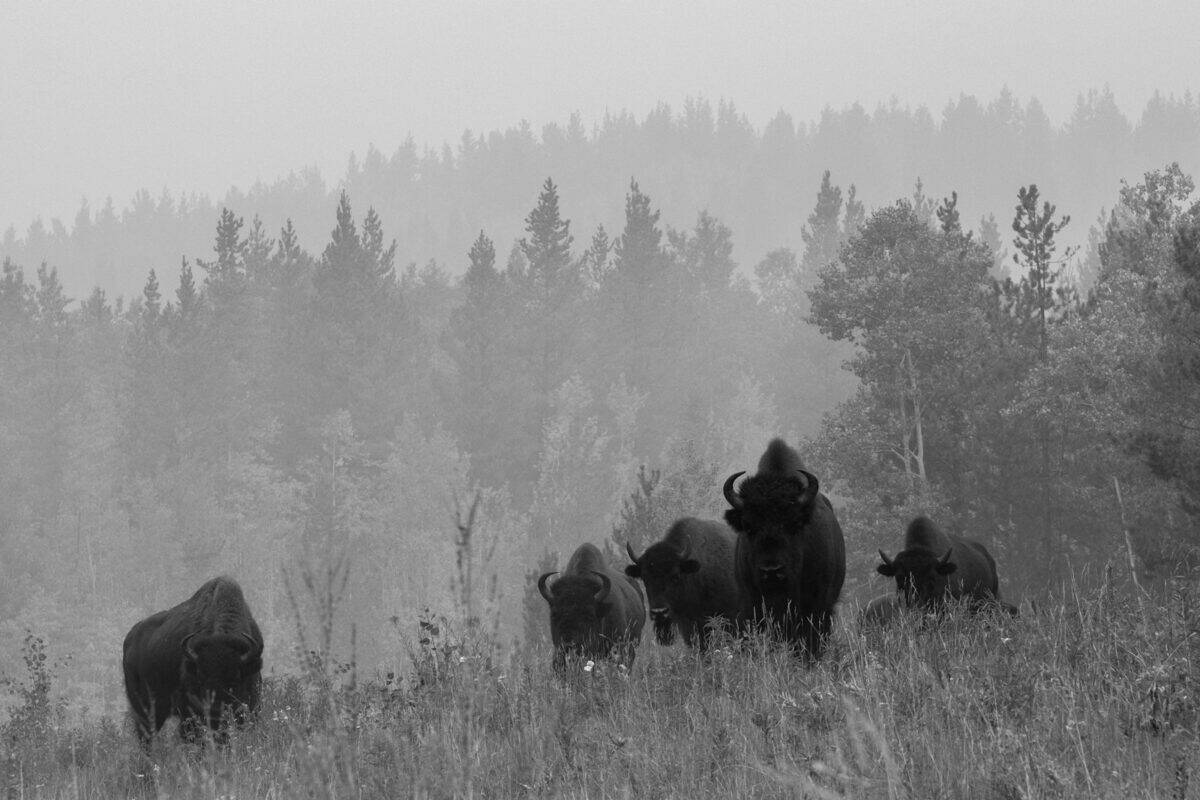
A bison that suddenly stops its normal activities—whether grazing, walking, or resting—to become alert and motionless is displaying increased vigilance that may precede aggressive behavior. This “freezing” behavior allows the animal to focus its senses and attention on a potential threat. During this alert pause, you might notice the bison’s ears pointing forward and eyes focusing intently. This behavioral shift from relaxed activity to heightened alertness represents a critical decision point where the bison is evaluating whether you represent a threat requiring response. The duration of this frozen alertness can vary from a few seconds to a minute or more, creating a tense moment of assessment. If multiple bison in a group display this synchronized alertness, it’s particularly concerning, as it indicates a collective threat perception that might trigger protective responses from the herd.
Bellowing or Making Vocalizations

Bison are generally quiet animals, so any vocalizations—particularly bellowing, grunting, or rumbling sounds—should be considered significant warning signals. These sounds represent direct communication of the animal’s agitated state and serve both as warnings to potential threats and alerts to other bison. The vocalizations may start as low rumbles and progress to louder, more forceful sounds as agitation increases. During mating season (July-August), bulls are particularly vocal, but any bison might vocalize when feeling threatened. Research has documented that these warning vocalizations often occur in a specific sequence with other warning behaviors, typically escalating in volume and frequency as the animal moves closer to charging. The acoustic qualities of these sounds—their pitch, duration, and intensity—provide additional clues about the animal’s level of agitation.
Swinging Head Side to Side

When a bison begins swinging its head from side to side, it’s displaying a threatening behavior that often precedes aggressive action. This motion differs from the up-and-down head bobbing in that it covers a horizontal plane, sometimes accompanied by a rotating movement that showcases the animal’s horns. This behavior serves multiple purposes: it helps the bison evaluate threats from different angles, demonstrates its weapons (horns), and expresses agitation. The speed and intensity of these side-to-side movements typically increase as the bison becomes more agitated, with faster, more erratic swings indicating higher arousal levels. This behavior is particularly dangerous because it demonstrates the bison’s ability to use its horns effectively if it charges. Wildlife experts note that this side-to-side motion often represents a bison’s final assessment phase before committing to more serious aggressive behavior.
Increased Herd Movement or Agitation

Bison are highly social animals that communicate threats throughout their herd. If you notice increased movement, clustering, or apparent agitation among nearby bison, it may indicate they’re responding to a perceived threat—possibly you. This collective response might include adult bison moving to position themselves between perceived dangers and calves, scattered individuals coming together in tighter formations, or multiple animals displaying warning signs simultaneously. During sensitive periods like calving season (April-June) or the rut (July-August), these herd responses can escalate quickly. Researchers studying bison behavior have documented how threat information cascades through herds, with the agitation of a single animal potentially triggering heightened alertness in dozens more within seconds. This collective response creates a particularly dangerous situation where multiple animals might feel threatened simultaneously.
Sudden Movement Toward You

Any sudden movement a bison makes in your direction—even if not a full charge—represents an immediate escalation that demands response. These movements might begin as seemingly casual steps that become more purposeful and direct. Unlike grazing movements or normal repositioning, these directional movements show intent and awareness of your presence. The speed may start slowly but can accelerate with little warning as the animal covers ground surprisingly quickly for its size. This behavior is particularly concerning when the bison maintains eye contact while advancing, as this indicates focused attention on you specifically. Bison can transition from walking to full galloping speed within seconds, covering distance at up to 35 mph—faster than any human can run. This directed movement represents one of the final warnings before a full charge and should trigger immediate protective actions.
Flared Nostrils and Visible Breath

Increased respiration visible through flared nostrils or visible breath (particularly noticeable in cooler weather) indicates a bison’s heightened physiological arousal. This respiratory change happens as the animal’s body prepares for potential exertion by increasing oxygen intake. The nostrils may expand noticeably while breathing becomes deeper and more pronounced. In cooler conditions, this intensified breathing creates visible exhalation clouds that increase in frequency and size as agitation grows. This physiological response is directly tied to the bison’s sympathetic nervous system activation—essentially its “fight or flight” response preparing for action. Research has shown that this respiratory change typically accompanies heart rate increases and blood flow redirection to major muscle groups, physically preparing the bison for charging if necessary. While this sign might be harder to detect at greater distances, it provides valuable information about the animal’s internal state when visible.
Eye Contact with Visibility of Eye Whites

When a bison maintains direct eye contact with you, particularly if the whites of its eyes become visible (sometimes called “eye-rolling” or “whale eye”), it’s displaying a high level of stress and potential aggression. This eye-rolling behavior, where the colored iris moves to expose the white sclera, indicates extreme emotional arousal in many mammals. For bison, this visual display often accompanies other warning signs and represents a state of high stress where rational assessment has given way to more instinctive responses. The prolonged direct stare itself is significant, as most grazing animals typically don’t maintain extended eye contact unless assessing threats. Wildlife behavioral experts note that this eye contact represents focused attention that often directly precedes aggressive action. The visibility of eye whites particularly indicates a state of fear or agitation where fight responses are increasingly likely.
Conclusion: Safety and Prevention Understanding Bison Behavior

Understanding these warning signs is critically important, but prevention through proper behavior around bison is even better. The National Park Service recommends maintaining at least 25 yards (75 feet) from bison at all times, though many experts suggest even greater distances of 100 yards or more. Remember that bison are wild animals that demand respect for both their space and unpredictable nature. Statistics show that more visitors are injured by bison than by any other animal in Yellowstone National Park, with most incidents occurring when people approach too closely. If you encounter warning signs, back away slowly without running, as sudden movements can trigger chase instincts. Always have an escape plan when in bison territory, identifying trees, rocks, or vehicles that could provide protection if needed. Most importantly, recognize that no photograph or close encounter is worth risking your safety around these powerful but magnificent creatures.

As a little kid, I fell in love with nature, wildlife, and animals. Living in the USA, South Africa, Italy, China and Germany gave me the opportunity to discover the world's Wildlife. My favorite animals are Mountain Gorillas, Siberian Tigers, and Great White Sharks.
I'm a certified PADI Open Water Diver, went to Everest Base Camp and Trekked Gorillas in Uganda. I hold a Master of Science in Economics and Finance.
Please send any feedback to feedback@animalsaroundtheglobe.com
- 12 Sea Animals Believed to Bring Luck or Doom - July 29, 2026
- The Lizard That Can Run on Water – Nature’s Real-Life Jesus Lizard - July 29, 2026
- Why Some Fish Can Live in Both Freshwater and Saltwater - July 29, 2026