

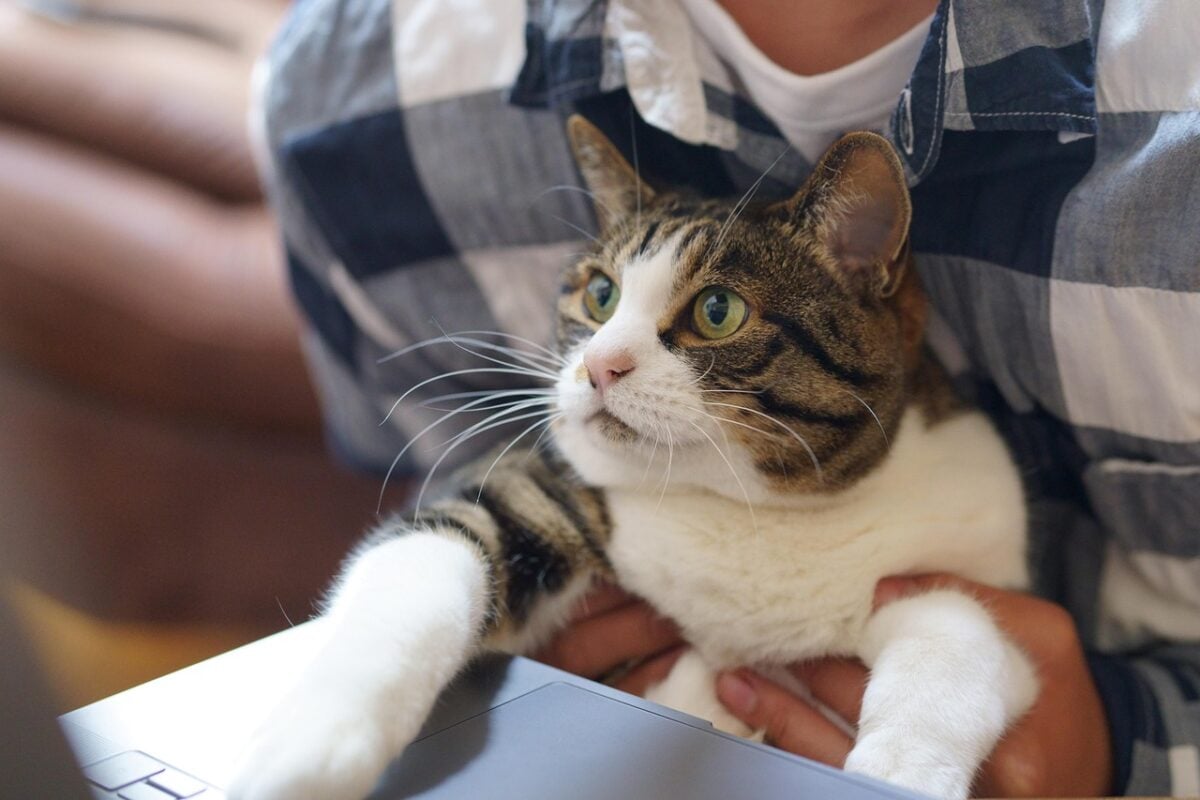
Ask most people why their cat sticks to them and you’ll hear, “Because I feed it.” The research has some rude news for that theory. In one Oregon State test, 50% of cats chose social interaction with a human over food, a toy and a scent object, and only 37% chose their favourite food over a person. So if your cat has fixed on you, dinner probably isn’t the reason.
The real signs are quieter than most owners expect. Some are the opposite of what you’d guess. A cat that barely glances up at the door may be paying you a bigger compliment than one that screams for attention, and one popular “proof of love” can actually be a stress signal. Here’s what the behaviour data say, counting down to the sign researchers’ work points to most strongly.
#16 – The Door Greeting That Only You Get
🔥 Would you like to save this?
We'll email this post to you, so you can come back to it later!
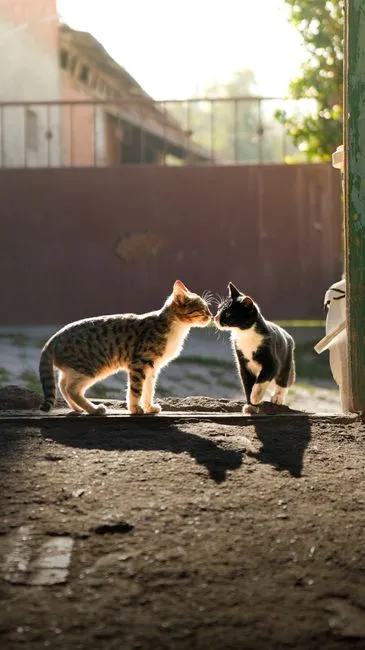
A favourite human gets a welcome that nobody else in the house gets.
Forget the dog-style parade. Secure cats don’t always throw a party. Researcher Kristyn Vitale notes that a secure cat may greet its owner and then go back to what it was doing. That’s a short hello followed by a return to normal life, and it counts.
Watch who triggers it. A cat that trots to the hallway for you but stays on the sofa when your partner walks in is sorting people into tiers. It’s a small, almost bureaucratic form of favouritism, and it happens every single day.
Look for these:
- An upright tail or a short trill as you enter
- A walk toward you, not just a head lift
- A brief rub on your legs before it carries on
Most people don’t realize that a calm, quick greeting is often a better sign than frantic yowling. Over-the-top noise at the door can come from hunger or anxiety, so context matters. The cat that says hello once, quietly, and means it is often the more secure one.
Don’t relax yet, because the next sign is the one owners joke about most, and it’s easy to misread…
#15 – It Shadows You Through the Whole House
🔥 Would you like to save this?
We'll email this post to you, so you can come back to it later!
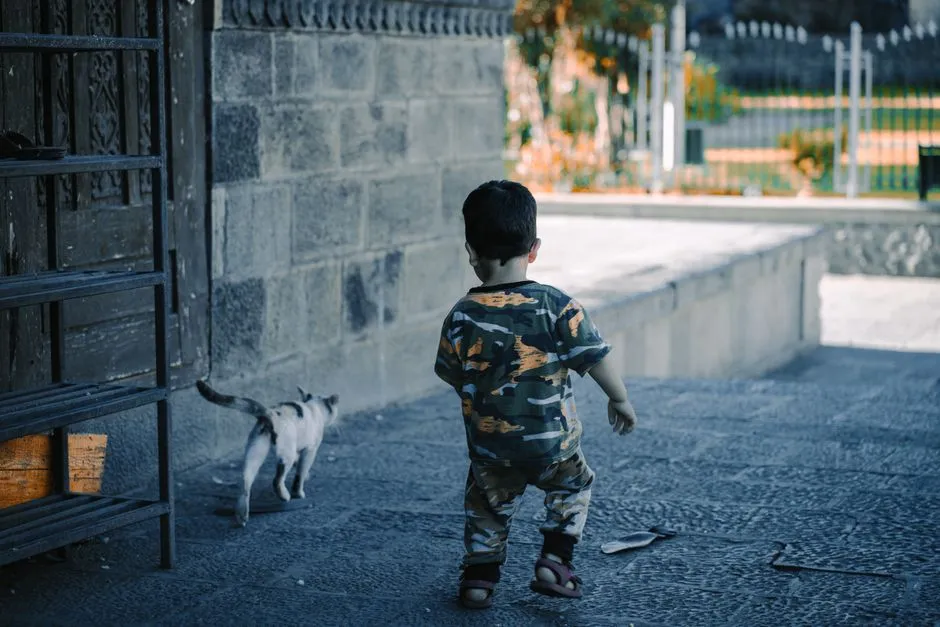
If you haven’t used the bathroom alone in years, you may be the chosen one.
Following is the classic favourite-human behaviour. It’s also the most misread. A cat that trails you before dinner may just be hungry, and that proves nothing about love.
The tell is what happens after the bowl is full. If it still settles in the doorway while you work, or flops in the hallway between you and the kitchen, the food theory falls apart.
The research backs the pull toward people. Adult pet cats in a sociability test spent an average of 60–70% of a two-minute session near an attentive owner. A favourite person tends to hold that attention across the whole day, not only around mealtimes.
Next comes a signal with some of the cleanest experimental backing on the whole list, and it happens across a room, without a single touch…
#14 – The Slow Blink Across the Room
🔥 Would you like to save this?
We'll email this post to you, so you can come back to it later!
This is one of the few signals here that has been tested in real experiments.
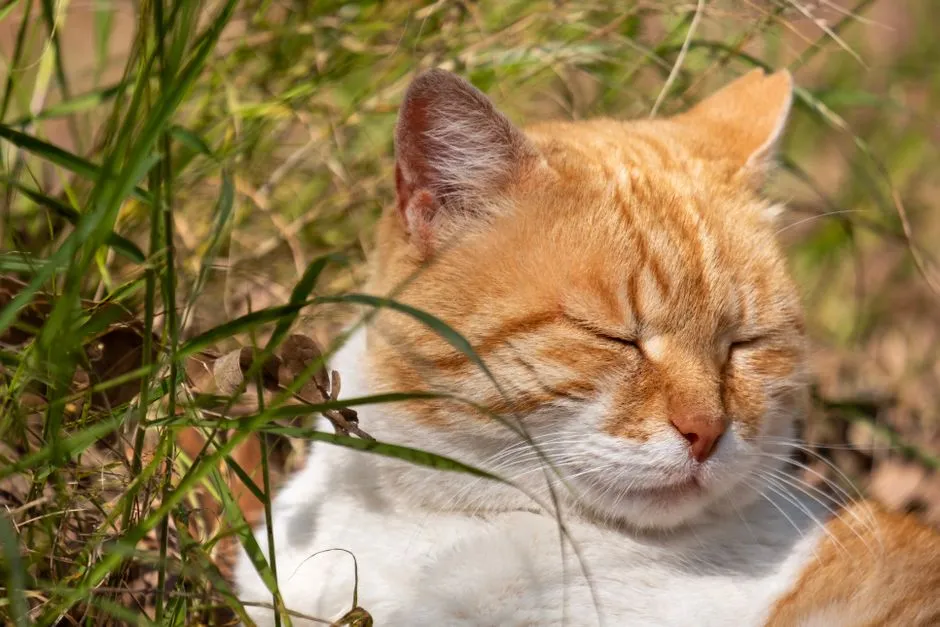
Slow blink sequences typically involve a series of half-blinks followed by either a prolonged eye narrow or an eye closure. Cats do it when they feel relaxed around someone. Picture the sleepy, soft-eyed look your cat gives you from the other end of the sofa.
In a Sussex and Portsmouth study, cats were more likely to slow blink at their owners after the owners had slow blinked at them. Cats were also more likely to approach an unfamiliar person’s outstretched hand after that person slow blinked. So the behaviour is not exclusive to owners.
Here’s the controversial bit. Calling it a “cat kiss” is generous. The authors suggest it may have begun as a way to interrupt a stare and signal no threat.
Still, a cat that offers it first, unprompted, to one person is telling you something. It’s the feline version of looking at you without any guard up.
Next up is a signal that gets mistaken for pure affection, and the real story is a bit more calculating…
#13 – Tail Up, Head Bunting, Cheek Rubs
🔥 Would you like to save this?
We'll email this post to you, so you can come back to it later!
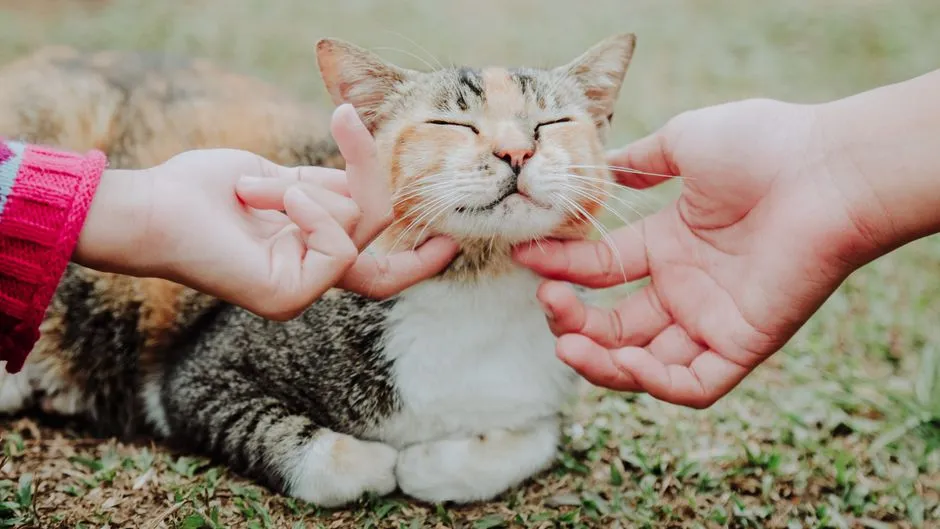
That head slam into your chin is a scent exchange, not just a hug.
Cats carry scent glands around the cheeks, chin and forehead. Bunting deposits their scent on you. Some behaviourists point out that this is partly about making you smell familiar and “ours.”
That doesn’t make it cold. Among cats that live together, mixing scents is how friends build a shared identity. Choosing you for it is a vote.
Pay attention to the target. A favourite human gets the deliberate, full-face bunt, often with a little push of the skull. Others get a casual leg brush on the way past.
The upright tail on approach is widely read as a friendly greeting. Put the two together, tail up and face rubbing, and you’re being treated like family.
And that’s before the sign that blows up the most popular myth about cats…
#12 – It Picks You Over a Meal
🔥 Would you like to save this?
We'll email this post to you, so you can come back to it later!
Treat-givers don’t automatically win. Often, they come second.
The popular belief is that cats are cupboard-love creatures who tolerate us for the snacks. The 2017 Oregon State research challenged that. Nineteen of the 38 cats tested, exactly half, chose people over everything else.
Food was the top pick for only 14 of the cats in the group. Four went for toys first. The cats had been kept apart from food and people for a few hours beforehand, so this wasn’t a casual preference.
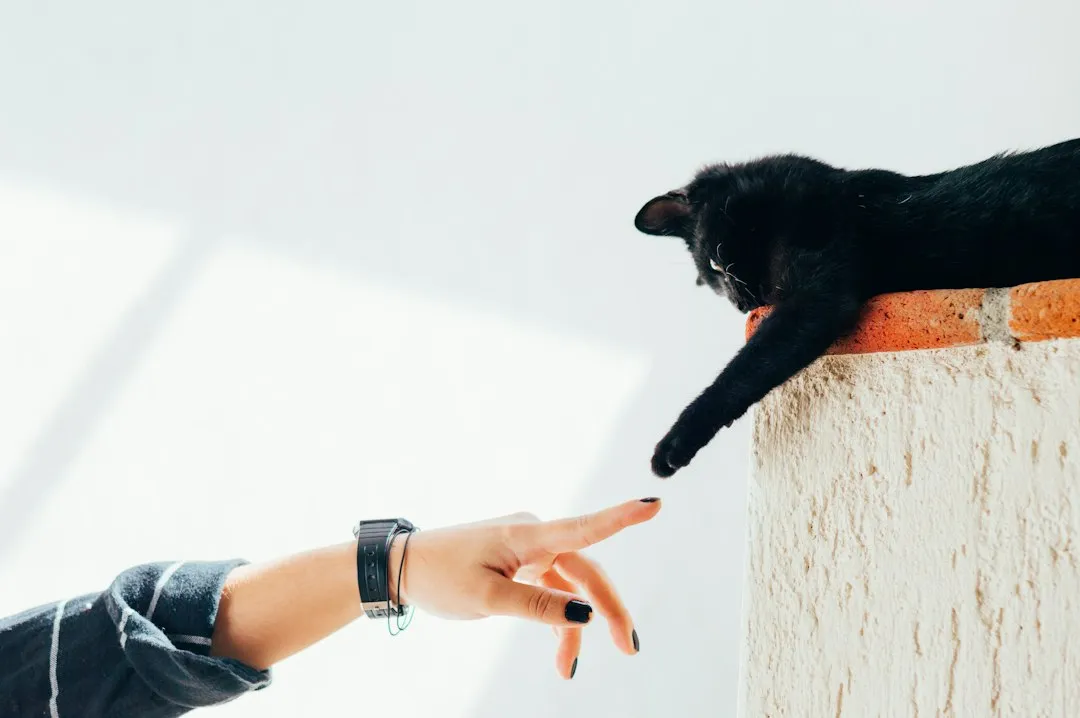
At home, the sign looks like this: your cat leaves its bowl to greet you, or abandons a toy to climb on you. For many cats, you are the reward.
The study also noted a wide range of individual preference. Some cats really are food-first, and that’s not an insult. It just means your cat’s love language may be different from the one on the internet.
Next, a sign you’ve probably been hearing for years without decoding it…
#11 – It Talks to You, Specifically
🔥 Would you like to save this?
We'll email this post to you, so you can come back to it later!
Adult cats mostly save their meow for humans.
Kittens meow at their mothers, but adult cats generally don’t meow much at each other. The meow is widely seen as a tool cats refined for living with people. In other words, your cat’s voice is largely a human-directed instrument.
A favourite human gets a different version. Watch for:
- Soft chirps or trills on approach
- Long, drawn-out “conversations” when you speak
- Answering when you call, rather than ignoring you
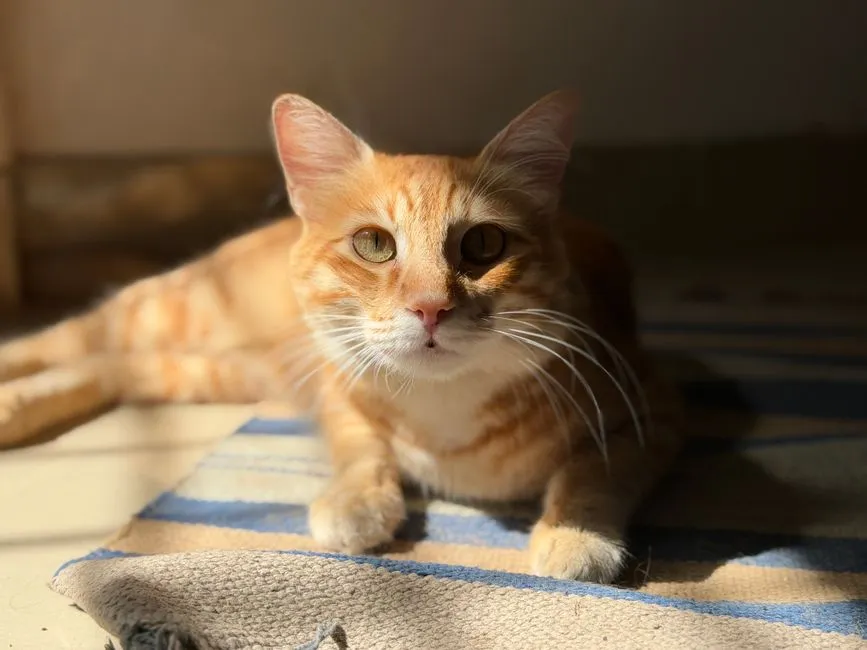
Cats can be very picky about who gets the full vocal range. The same cat may stay silent for a visitor, then chatter at you the second the door closes.
Be fair, though. A loud cat isn’t necessarily a loving cat, and some breeds are simply talkative. The real clue is the contrast: compare how it talks to you with how it talks to everyone else.
Now to a habit with roots going all the way back to kittenhood…
#10 – It Kneads You Like a Mother Cat
🔥 Would you like to save this?
We'll email this post to you, so you can come back to it later!
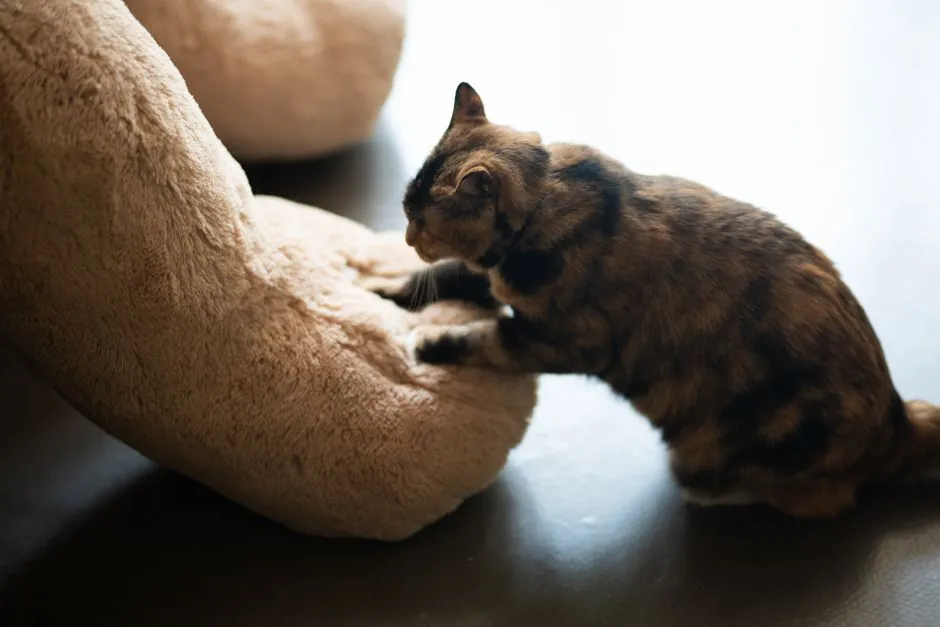
The “making biscuits” habit is a leftover from nursing.
Young cats knead around their mother’s belly to encourage the flow of milk. Adults keep the motion as a comfort ritual. Experts believe cats knead when they feel happy or content, which is why you often see it paired with half-closed eyes and purring.
That’s why it matters who gets kneaded. Cats don’t tend to perform a self-soothing routine on someone they distrust.
If the cat kneads only on one person’s lap, that person has been filed under “safe.”
Ouch factor aside, don’t scold it. Claws out is part of the comfort habit, not an attack. Keep a folded blanket on your lap to protect your skin, and trim those nails.
But the next sign is all about where your cat chooses to be at its most defenceless…
#9 – It Sleeps On You, or on Your Stuff
🔥 Would you like to save this?
We'll email this post to you, so you can come back to it later!
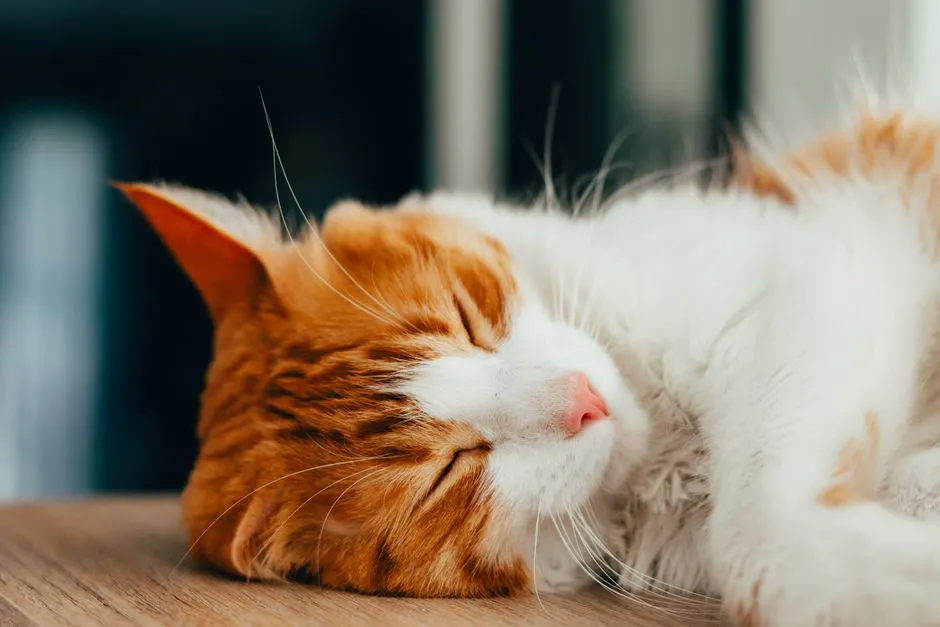
Sleep is the most vulnerable state a cat has, and it chooses your side of the bed.
Cats sleep a huge portion of the day, often 12 to 16 hours, and they aren’t careless about where. Dozing next to you means it judges your presence to be low risk.
Notice the details. A cat that sleeps on your pillow, your laundry or your side of the bed is picking your scent specifically. Many owners find the cat picks the exact spot they just left, still warm.
This is also where favouritism gets a little petty. Two people in the bed, one cat. It will choose, and the loser rarely forgets.
Heat plays a part too, because a cat may simply want warmth. So test it: if your lap is free and warm but the cat chooses the cold floor beside you, that’s affection through proximity.
The next sign takes real nerve for a cat…
#8 – The Belly Flop in Your Presence
🔥 Would you like to save this?
We'll email this post to you, so you can come back to it later!
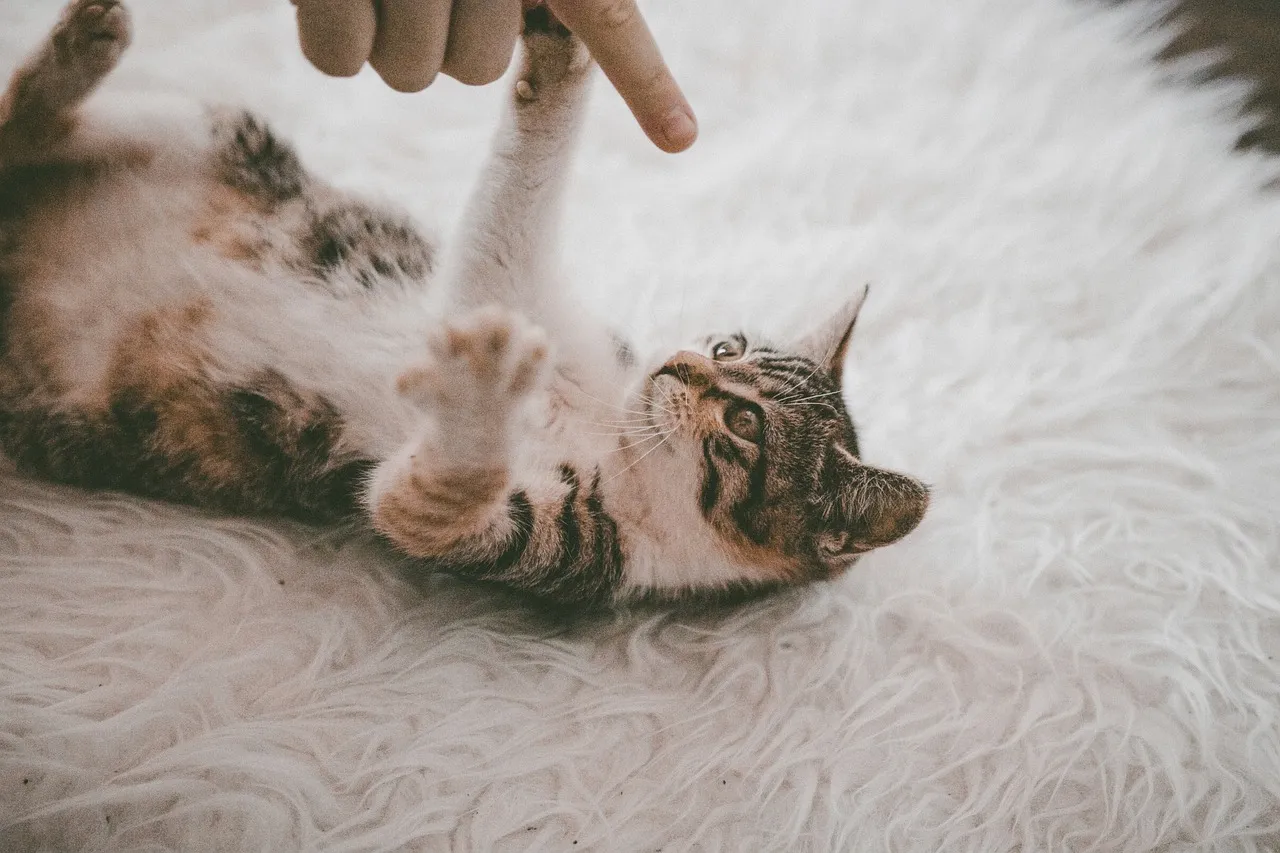
A cat showing you its belly is not asking for a belly rub.
Most people get this wrong. The exposed belly is a trust display. It’s the softest, most vulnerable part of the body, and the cat is saying “I feel safe here.”
Many cats will grab your hand if you reach in. That’s a boundary, not betrayal. A cat can be relaxed and still not want that area touched.
Look for the full-body version:
- Rolling over in front of you, not just near you
- Slow stretches with eyes half-closed
- Doing it more in your presence than anyone else’s
Safe-feeling cats roll in the open. Wary cats do it in hiding.
That’s nothing compared to the strange gift your cat may be offering in #7…
#7 – It Delivers Toys and Trophies
🔥 Would you like to save this?
We'll email this post to you, so you can come back to it later!
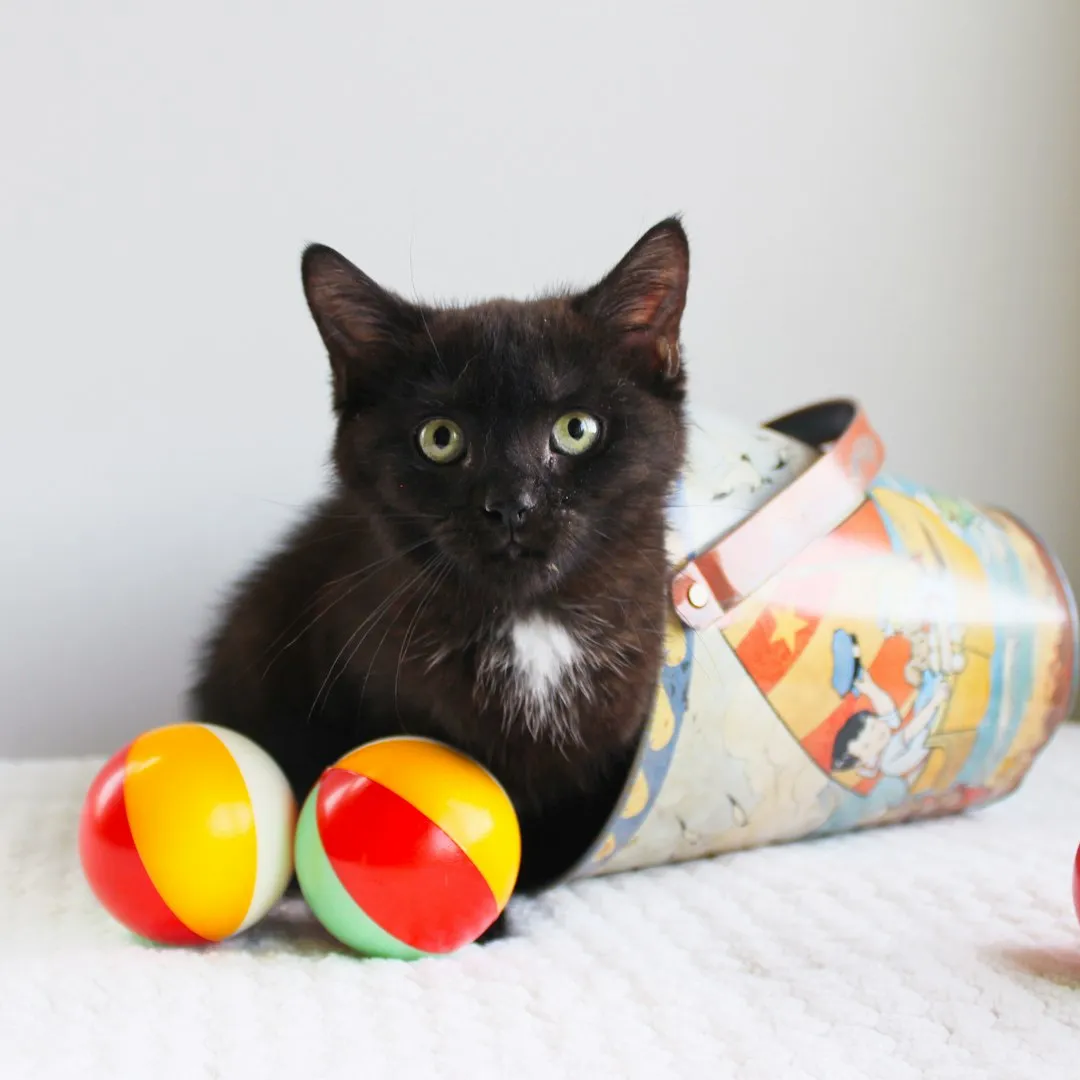
Indoor cats can’t hunt, so they bring you the next best thing.
A toy mouse dropped at your feet, often with a loud yowl, is a classic. Behaviourists don’t fully agree on why. Theories include sharing a “kill,” showing off, or just wanting to play.
What matters is the target. A cat that brings things to one person is treating that person as part of its inner circle. Some cats bring socks, hair ties, even your shoes. The pattern is the same.
Here’s the opinion that gets people arguing. Some owners think this means the cat believes you can’t hunt for yourself. It’s a cute story, but there’s no evidence for it. The honest answer is simpler: you’ve been chosen as its audience.
The best response is to engage. A short play session reinforces the habit better than ignoring the gift, and it turns the delivery into a game you both win.
But how your cat behaves around strangers may say even more…
#6 – It Acts Differently Around Everyone Else
🔥 Would you like to save this?
We'll email this post to you, so you can come back to it later!
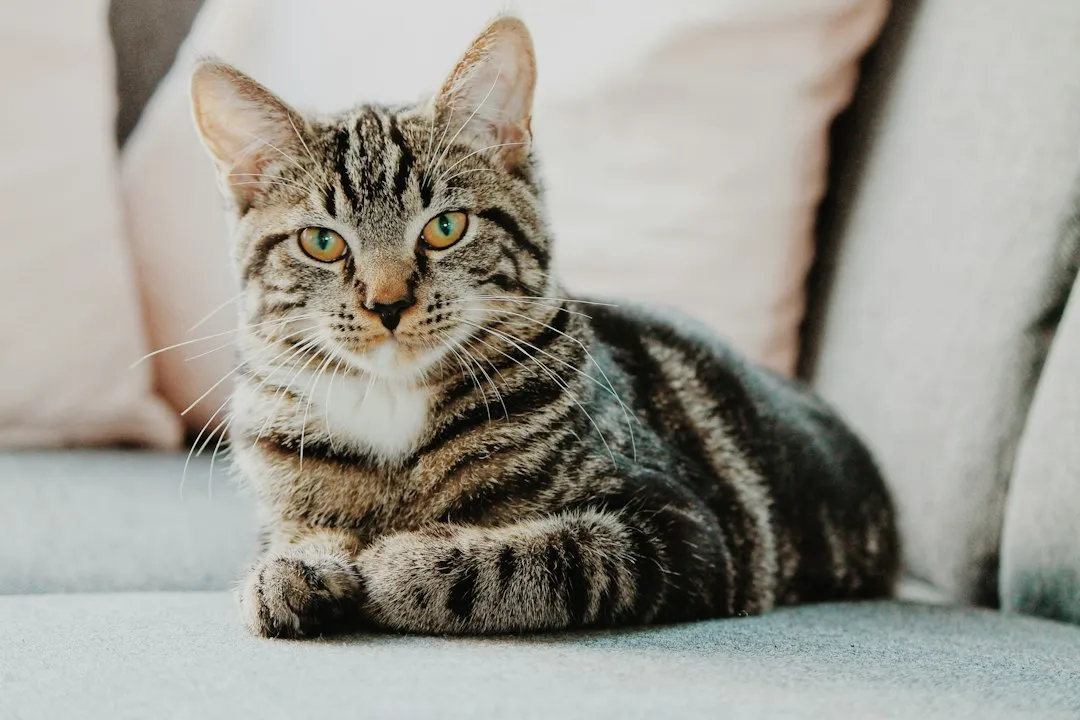
The favourite human gets the relaxed cat. Everyone else gets the alert one.
Research touches on this. Data suggest cats show increased activity and alertness around an unfamiliar person compared with their owner. Your cat’s body language changes depending on who walks in.
Watch for a split: soft posture with you, stiff ears or a retreat under the bed with visitors. Insecure cats can look aloof or run and hide, and that doesn’t mean they don’t care. Vitale says insecure cats may be likely to run and hide or seem to act aloof.
A caution on proportion. Not every study agrees. One study of 20 cat-owner pairs found no evidence that the bond met the requirements of secure attachment. And no study has ranked “favourite humans” directly, so treat this list as pattern reading, not a diagnosis.
The next sign is where the science gets really interesting…
#5 – It Explores Freely When You’re in the Room
🔥 Would you like to save this?
We'll email this post to you, so you can come back to it later!
A confident cat uses you as a base camp.
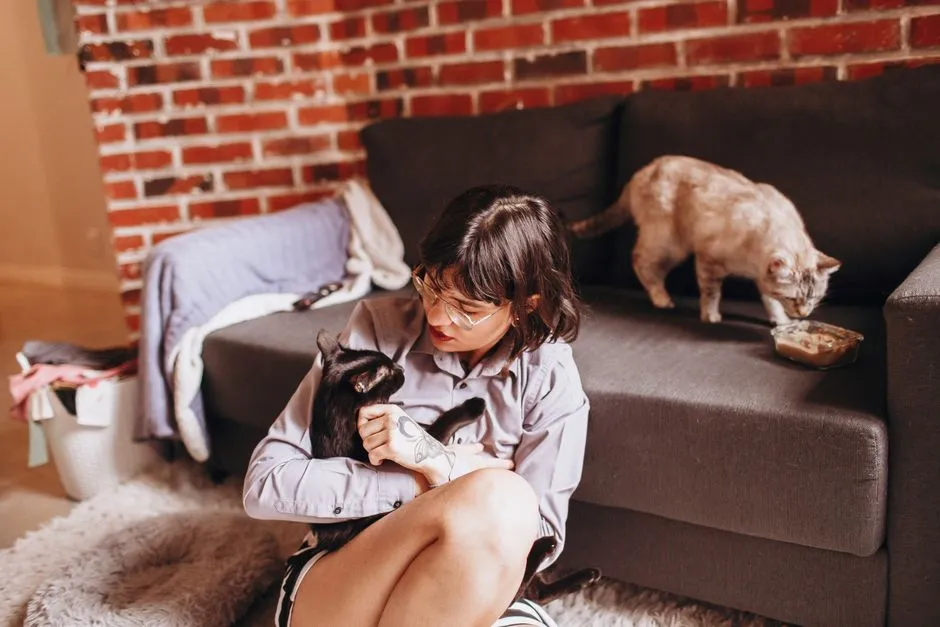
This is the scientific heart of cat attachment. Vitale and colleagues found that most cats are securely attached to their owner and use them as a source of security in a novel environment. Secure cats can freely explore a room while the owner is present.
At home, it looks like this. You walk into a new room or a rearranged living space, and the cat sniffs around calmly while keeping you in view.
Cats in the study were classed as securely attached at about the same rate as human infants. Roughly 65 percent of cats and kittens were classified as securely bonded.
If the cat is bolder with you around than alone, you’re the safety signal. That’s a strong favourite-human marker, especially if it doesn’t happen with others.
Coming up, a sign that can sting a little…
#4 – It Grooms You
🔥 Would you like to save this?
We'll email this post to you, so you can come back to it later!
Licking your hand or hair is how cats treat their own family.
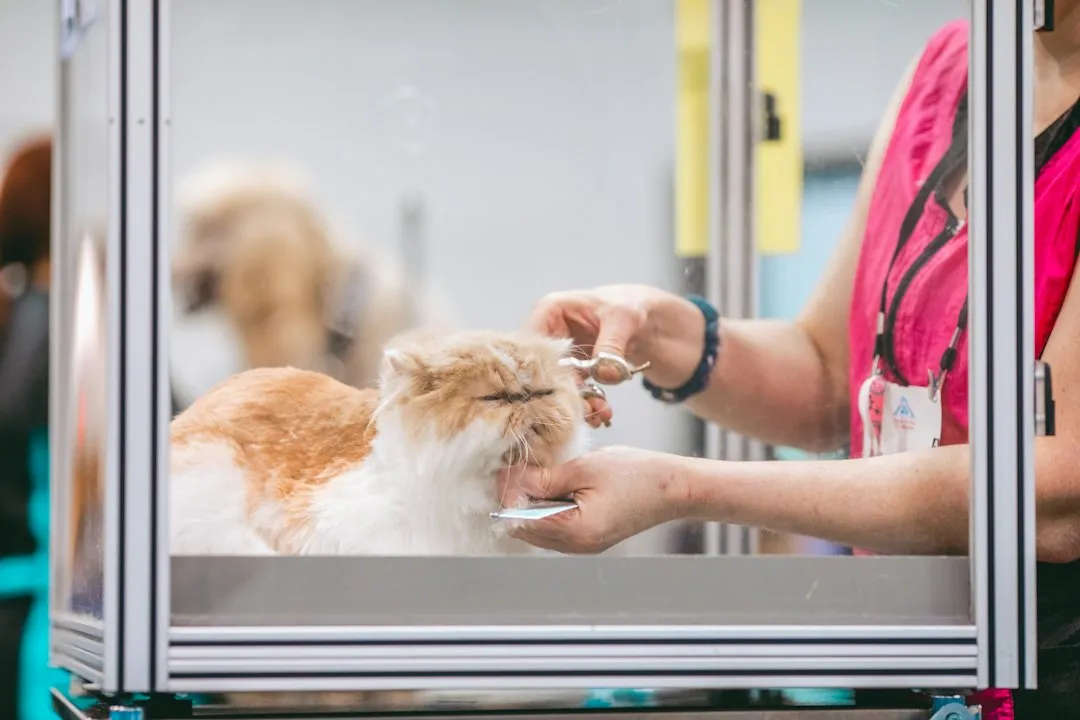
Cats groom other cats they are close to. When yours licks your fingers, your hair or your eyebrows, it’s applying that same social gesture to you.
The rough tongue can be a surprise. Gentle licks sometimes turn into light nibbles. That’s still affection, not aggression, as long as the body is relaxed.
Most cats are choosy about who they groom, so the target tells you a lot.
Watch for signs of overstimulation. If the tail flicks or the ears flatten, the session is over, and the cat will let you know. A cat that grooms you after you brush it is returning the favour, which is the closest thing to a feline thank-you note.
But the next sign is one you can test in seconds…
#3 – It Knows Your Voice Better Than Anyone’s
🔥 Would you like to save this?
We'll email this post to you, so you can come back to it later!
Your cat can tell your voice from a stranger’s, and it often hides the fact.
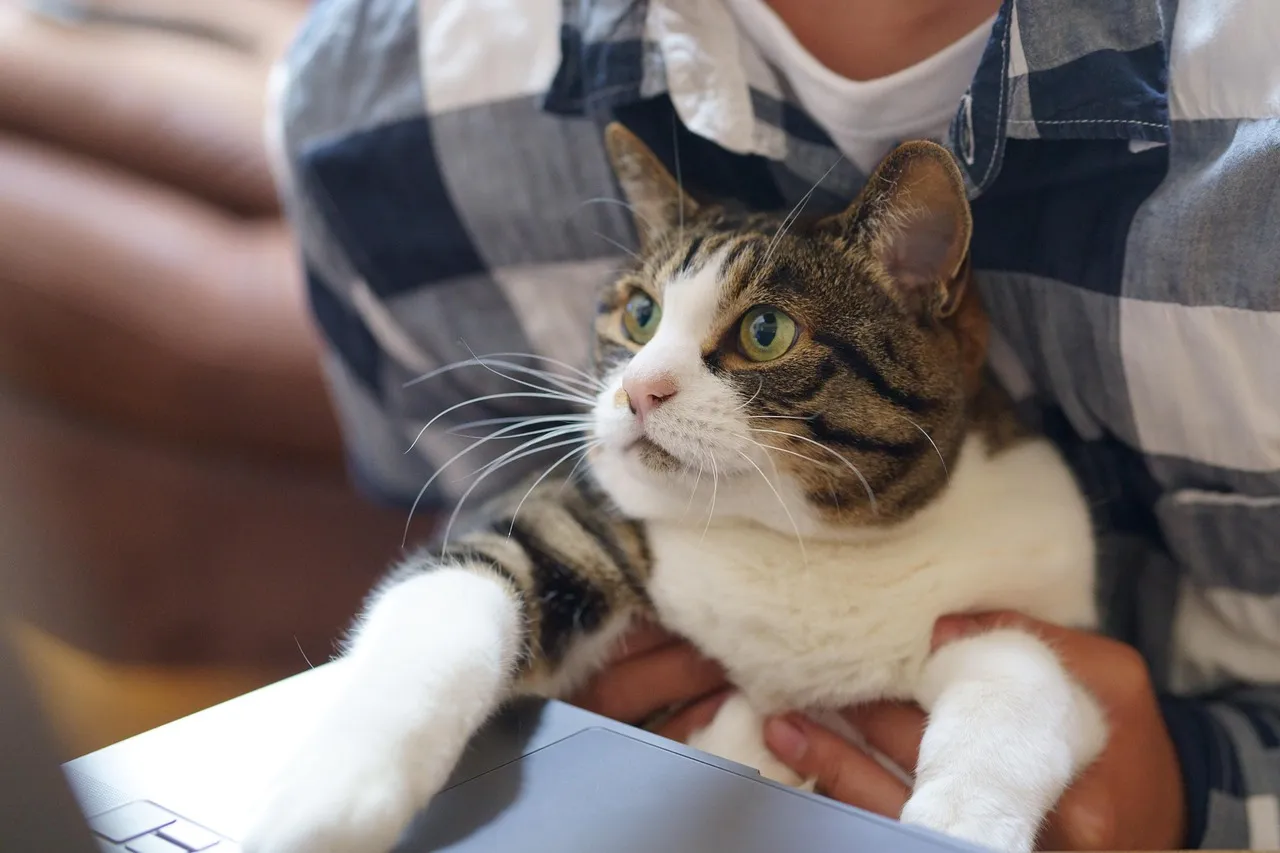
A 2013 Japanese study found that cats distinguish their owner’s voice from strangers’. The reaction was subtle: ear and head movements, not a dramatic run to the door. A later Japanese study found cats can also tell their own names from other words.
That explains the “ignoring me” myth. The cat heard you. It just chose not to answer. A favourite human often gets a response, however small, when calling the cat’s name from another room.
Try it. Say the cat’s name in a soft, higher-pitched tone from out of sight. Watch the ears, a head turn or the tail tip.
Here’s the cat-owner debate. Some say cats ignore us deliberately. Others say we’re just low priority at that moment. Either way, the tiny twitch tells the truth.
And the next sign has a double meaning…
#2 – It Waits, Calls or Sulks When You’re Gone
🔥 Would you like to save this?
We'll email this post to you, so you can come back to it later!
Missing you is a sign of bond. Panicking without you is a different story.
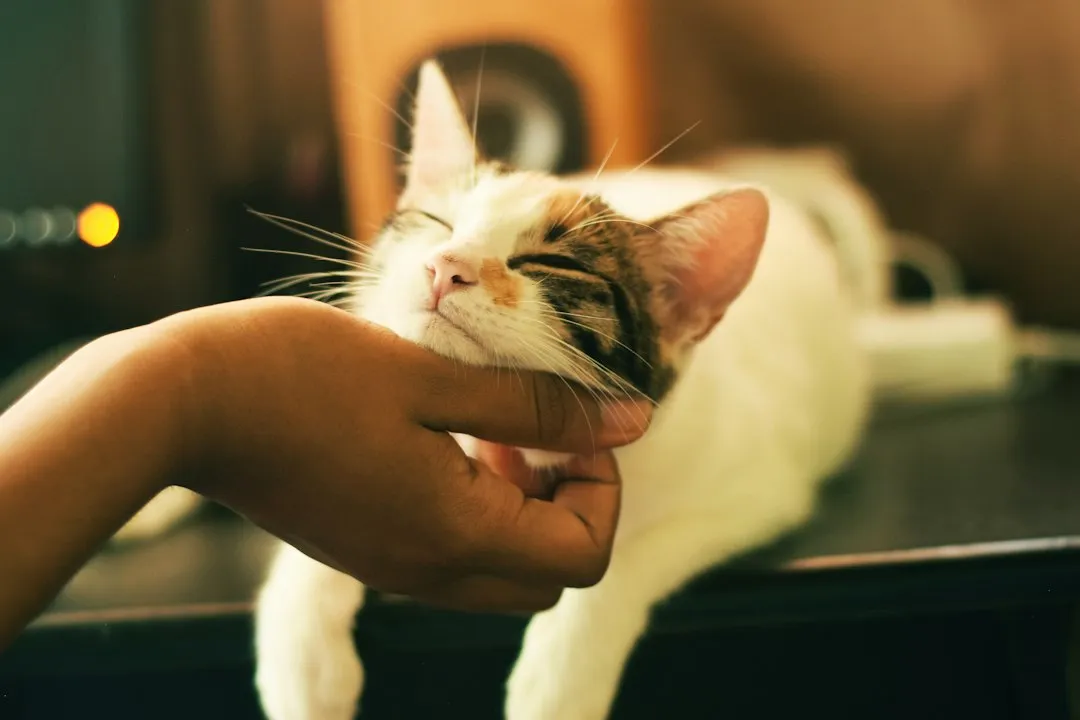
Some cats wait at the window, sleep on your clothes or call through the house when you leave. Research indicates cats show various levels of attachment to their owner, which affects behaviour during and after separation.
Here’s the nuance. Clinginess isn’t automatically a good sign. In the kitten study, insecurely attached kittens showed higher stress and either clung to their owner or avoided them altogether.
A secure bond tends to look calmer. The cat misses you, welcomes you back, then resumes normal life.
Warning signs of stress rather than love:
- Destructive behaviour while you’re out
- Excessive vocalising for hours
- Toileting outside the litter tray after you leave
If you see those, talk to your vet.
The final sign is the one that comes closest to what attachment researchers actually measure…
#1 – It Runs to You When Something Scares It
🔥 Would you like to save this?
We'll email this post to you, so you can come back to it later!
When the vacuum roars, who does your cat run toward?
This is the strongest sign on the list. A frightened cat has a choice: hide, flee or seek out someone. Running to you means it has learned that you predict safety.
Vitale has said that most cats use their humans as a source of security. That’s the heart of attachment, in plain terms.
The person who fills the bowl isn’t automatically the person the cat bolts to in a scary moment. That’s the real test, because fear strips away every habit except trust.
Notice what happens next. A bonded cat will often settle near you, relax, and then return to what it was doing. That is the secure pattern researchers describe.
Our take: stop hunting for one magic sign. A cat’s favourite is built from patterns, not moments. The research is clear that most cats bond closely with their people. It is also clear that no study has ranked favourite humans, so anyone promising a certain test is overselling.
The real lesson is simpler. Favourites are earned through calm, predictable behaviour and by letting the cat approach. The person who grabs hardest usually loses, and the one who sits still and waits usually wins.
If your cat ignores you at the door but runs to you in a storm, you’ve won. Which of these 16 signs gave your cat’s choice away, and who was the surprised loser in your house?

- 14 Wildlife Permits Waived for Americans the Year They Turn 62 - November 5, 2026
- Machu Picchu’s Engineering Feats Were Far Ahead of Its Time - November 5, 2026
- 12 Most Beautiful American Cities To See Before You Die - November 4, 2026