


Did you know that over 100 snake species slither across the United States, yet only a handful regularly cross your path? Whether you’re hiking a sunlit trail or gardening in your backyard, these fascinating creatures might be closer than you think. From harmless garden dwellers to the notorious rattlers of the wild west, America’s snakes are as diverse as the landscapes they inhabit. For animal lovers, herpetology fans, or even the snake-wary, understanding these serpents is both captivating and crucial. Ready to meet the 16 snakes you’re most likely to encounter in the US? Let’s dive in and discover which scaly neighbors are sharing your space.
16. Western Diamondback Rattlesnake

The Western Diamondback is one of the most recognizable snakes in the southern US. With its distinctive diamond pattern and rattling tail, this snake often inspires both fear and fascination. Found mainly in arid regions from Texas to California, it thrives in deserts, grasslands, and sometimes even suburban outskirts. While its venomous bite demands respect, fatalities are rare thanks to modern medicine and the snake’s shy nature. Most bites happen when the snake feels threatened, not because it’s aggressive. If you hear a warning rattle while hiking, it’s best to back away slowly. Western Diamondbacks play a vital role in controlling rodent populations, helping to balance local ecosystems.
15. Eastern Garter Snake

The Eastern Garter Snake is a friendly face for many who grew up flipping rocks or logs in the yard. This slender, striped snake ranges from Canada down to the Gulf of Mexico, making it one of America’s most widespread snakes. It’s often found in gardens, fields, and even city parks, where it hunts earthworms, slugs, and frogs. Garter snakes are harmless to humans and can even emit a mild musk when threatened—a quirky defense mechanism. Though sometimes mistaken for more dangerous species, their small size and gentle nature make them a welcome neighbor for gardeners. Spotting an Eastern Garter Snake is a sign of a healthy, balanced yard.
14. Northern Water Snake

Northern Water Snakes are excellent swimmers, gliding effortlessly across ponds, lakes, and slow-moving rivers. They are frequently mistaken for venomous cottonmouths due to their similar coloration, but Northern Water Snakes are entirely non-venomous. Their diet includes fish, frogs, and even small mammals, making them valuable predators in aquatic environments. These snakes can be defensive if cornered, sometimes flattening their bodies or emitting a foul-smelling musk. People often encounter them basking on rocks or logs near the water’s edge. Observing one in action is a treat—watch it dive and disappear beneath the surface, like a shadow in the shallows.
13. Eastern Rat Snake

Eastern Rat Snakes are the gentle giants of the snake world, often reaching over six feet in length. These black, shiny snakes are common throughout the eastern United States and are often found in barns, attics, or climbing trees in search of rodents. Despite their size, they are non-venomous and pose no threat to humans. Their appetite for rats and mice makes them a farmer’s best friend, silently working as nature’s pest control. Eastern Rat Snakes are also skilled climbers, sometimes startling homeowners when they appear high up on walls or rafters. Their calm demeanor makes them a favorite among reptile enthusiasts.
12. Prairie Kingsnake

The Prairie Kingsnake is a master of disguise, with its brown and tan blotched pattern blending perfectly into fields and grasslands. Ranging from the Midwest down to Texas, this snake is a common sight for farmers and hikers. Kingsnakes are famous for their ability to eat other snakes, including venomous ones, thanks to their immunity to certain venoms. Their diet also includes rodents, birds, and eggs, making them helpful allies in agricultural areas. Prairie Kingsnakes are non-venomous and rarely bite unless provoked. Their secretive nature means you’re lucky if you spot one slithering through the underbrush.
11. Corn Snake

Corn Snakes are the colorful chameleons of the snake world, with vibrant orange and red markings that make them popular pets. Native to the southeastern US, they often inhabit abandoned buildings, barns, or forests, where they hunt rodents and birds. Corn Snakes earned their name by being commonly sighted near cornfields, searching for mice drawn to the crops. They are docile, easy to handle, and completely non-venomous, making them beloved by reptile enthusiasts. In the wild, their camouflage helps them avoid predators and sneak up on prey. Spotting one in its natural habitat is like stumbling upon a living jewel.
10. Copperhead

Copperheads are the copper-toned enigmas of the eastern US, often found in forests, rocky hillsides, and even suburban woodlots. Their hourglass-shaped bands help them blend seamlessly into fallen leaves, making them difficult to spot. Copperheads are venomous, but their bites are rarely fatal and usually only occur when the snake is accidentally stepped on or handled. Many people walk right by them without ever noticing. Copperheads feed on small mammals, amphibians, and insects, playing a quiet role in keeping ecosystems balanced. If you see one, give it space and admire its beauty from a distance.
9. Ribbon Snake

Ribbon Snakes are slender, quick, and strikingly beautiful, with racing stripes running down their length. A close relative of the garter snake, they’re often found near water sources in the eastern and central US. Ribbon Snakes dash through grass and reeds, hunting frogs, fish, and insects with remarkable speed. Their gentle, non-venomous nature makes them popular among those who admire snakes but fear bites. If you catch a glimpse of one zipping through your garden or near a pond, consider yourself lucky—they’re like the sprinters of the snake world, always on the move.
8. Black Racer
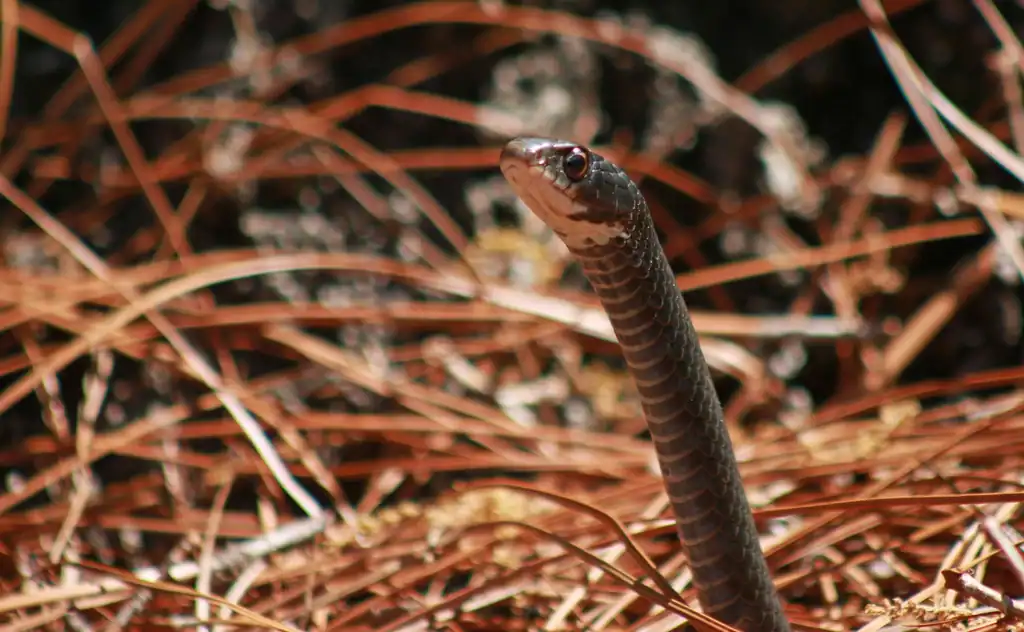
Black Racers live up to their name, jet-black and almost impossibly fast. These snakes are common throughout the eastern US, often darting across roads or through brush in search of prey. Black Racers eat insects, rodents, and even other snakes, making them fierce hunters. They’re known for their speed and agility, able to outrun many would-be predators. While they may act defensively if cornered—vibrating their tails or striking—they are non-venomous and prefer to escape rather than confront. Watching a Black Racer dash away is like seeing a streak of midnight vanish into the grass.
7. Bullsnake
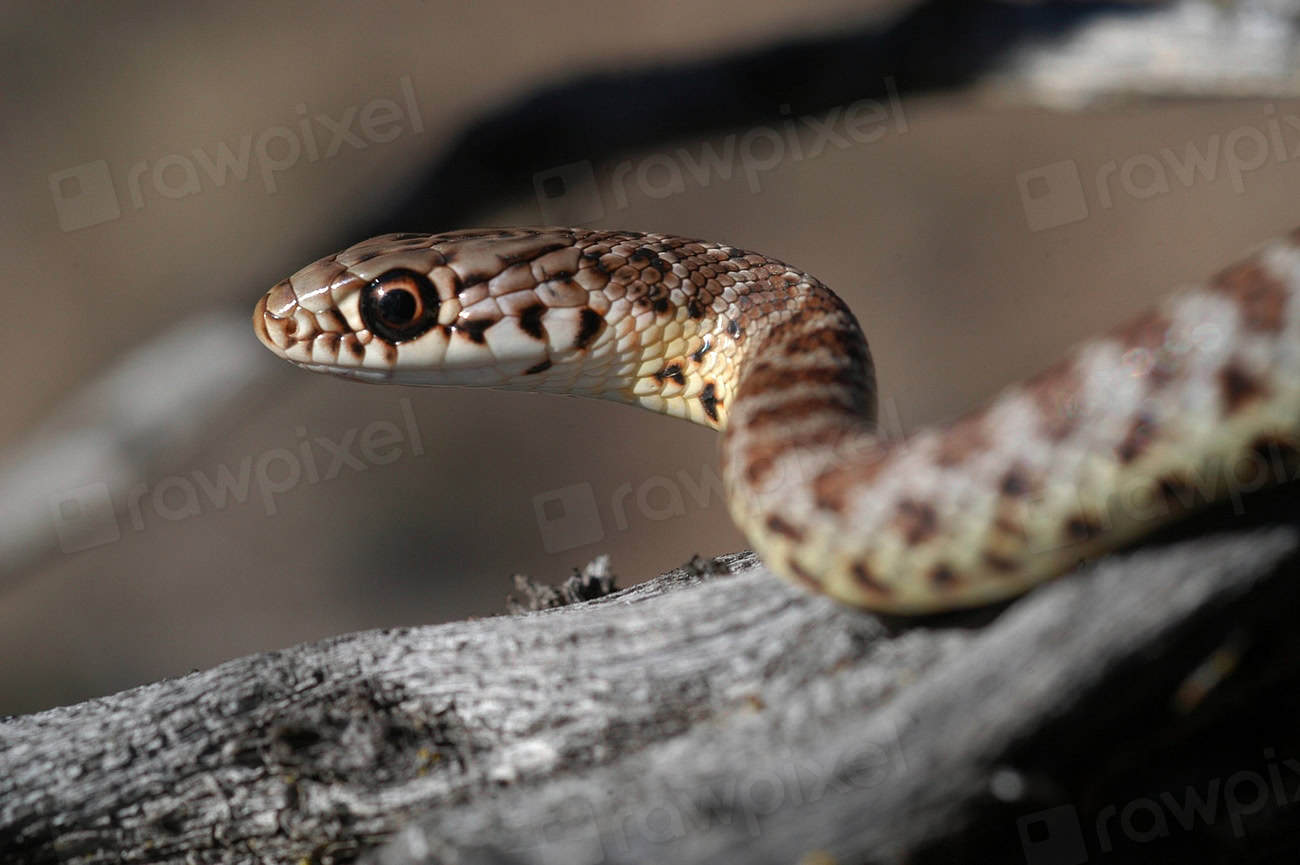
Bullsnakes are the heavyweights of the prairie, sometimes growing over eight feet long. These powerful constrictors roam the grasslands and farmlands of the central and western US, preying on rodents, birds, and eggs. Bullsnakes are often mistaken for rattlesnakes due to their size and similar defensive behavior—they hiss loudly and vibrate their tails when threatened. Despite this mimicry, they are harmless and provide invaluable pest control. Their burrowing habits help aerate the soil and create homes for other animals. Encountering a Bullsnake can be startling, but these gentle giants are more friend than foe.
6. Milk Snake

Milk Snakes are the tricksters of the snake world, known for their bright red, black, and white bands that mimic the appearance of venomous coral snakes. This clever disguise helps them avoid predators throughout their range, which stretches from Canada to South America. Milk Snakes are non-venomous constrictors, feeding on small mammals, birds, and eggs. They often live under logs, rocks, or in old barns, making them a surprise find for anyone exploring rural areas. The myth that Milk Snakes drink cow’s milk is false, but their quirky name adds to their charm.
5. Coachwhip

Coachwhips are long, slender snakes with a whip-like tail and a reputation for speed and curiosity. Found in sandy or scrubby habitats across the southern US, these snakes can reach up to eight feet in length. Coachwhips have excellent vision and are active hunters, chasing down lizards, birds, and rodents. They are famous for their boldness, sometimes raising their heads above the grass to survey their surroundings. While non-venomous, Coachwhips can deliver a feisty bite if handled, so it’s best to admire them from afar. Their energy and curiosity make them true adventurers of the snake world.
4. Cottonmouth

Cottonmouths, also called water moccasins, are the infamous aquatic vipers of the southeastern US. They are easily recognized by the stark white interior of their mouths, which they display as a warning when threatened. Cottonmouths inhabit swamps, marshes, and slow-moving streams, where they hunt fish, frogs, and small mammals. Their venomous bite can be serious, but these snakes are not aggressive and usually retreat if given space. Many mistaken identity cases occur, with non-venomous water snakes often blamed for cottonmouth encounters. Seeing a Cottonmouth in the wild is a reminder to tread carefully near water’s edge.
3. Rough Green Snake

Rough Green Snakes are the emerald acrobats of the southeastern and central US. Their vivid green color helps them blend perfectly into vines and shrubs, making them nearly invisible to predators and people alike. These slender, non-venomous snakes are expert climbers, often seen hunting insects and spiders among the leaves. Their gentle nature and striking appearance make them favorites among reptile enthusiasts. Rough Green Snakes are rarely seen on the ground, preferring to stay elevated where they feel safest. Spotting one is like finding a living piece of jewelry nestled in the greenery.
2. Timber Rattlesnake

Timber Rattlesnakes are the stoic sentinels of America’s eastern forests. With their dark bands and powerful rattle, they command respect and awe. These venomous snakes often remain hidden under logs or brush, preferring to avoid humans whenever possible. Timber Rattlesnakes feed on small mammals, helping to keep rodent populations in check. While their venom can be dangerous, bites are extremely rare and usually occur when the snake is surprised or provoked. Their secretive lifestyle makes them a rare treat for hikers and wildlife watchers alike. If you hear a rattle in the woods, it’s nature’s polite reminder to step lightly.
1. Plains Garter Snake

Plains Garter Snakes are the cheerful striders of the central US, with their bold stripes and easy-going temperament. These snakes thrive in fields, prairies, and even suburban yards, where they hunt insects, frogs, and small fish. Their adaptability has made them one of the most widespread snakes in North America. Plains Garter Snakes are completely harmless and often the first snake children encounter while exploring outside. Watching one weave through the grass is a reminder of the wild world that thrives right beneath our feet. Their presence signals a healthy, balanced environment.
Conclusion

Snakes are among the most misunderstood creatures in the US, yet they play a vital role in our natural world. From the stealthy Timber Rattlesnake in the woods to the lively Garter Snake in your backyard, each of these 16 species brings a unique story, benefit, and beauty to the landscape. Next time you see a slithering shape in the grass, pause a moment—what kind of neighbor might you be meeting?

As a little kid, I fell in love with nature, wildlife, and animals. Living in the USA, South Africa, Italy, China and Germany gave me the opportunity to discover the world's Wildlife. My favorite animals are Mountain Gorillas, Siberian Tigers, and Great White Sharks.
I'm a certified PADI Open Water Diver, went to Everest Base Camp and Trekked Gorillas in Uganda. I hold a Master of Science in Economics and Finance.
Please send any feedback to feedback@animalsaroundtheglobe.com
- 12 Animals That Can Regrow Their Own Organs And How They Do It - July 11, 2026
- Do Tarantulas Shoot Venomous Hairs at Their Enemies Here is the Real Story - July 11, 2026
- 12 Creatures You Did not Know Are Smarter Than You Think - July 11, 2026