
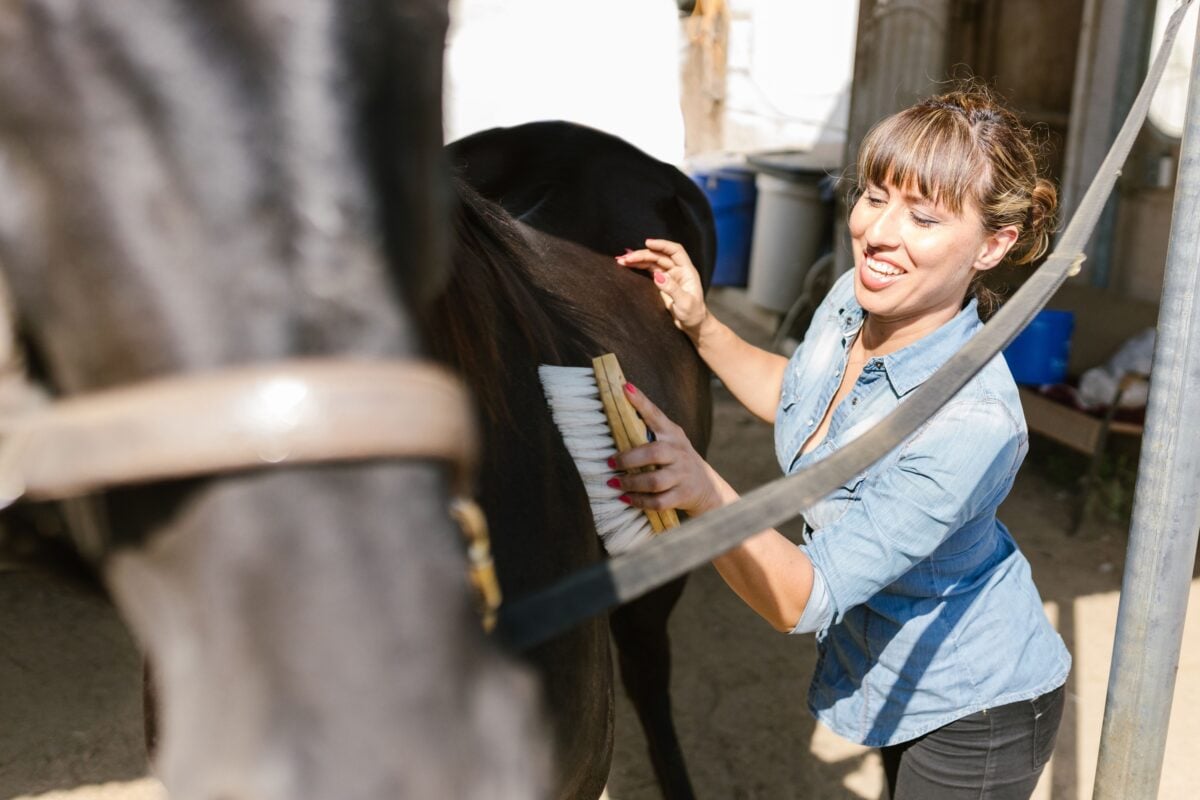
Most people think a horse “showing affection” is just a soft nuzzle or a hopeful whinny at feeding time. That’s the postcard version. What actually happens between a horse and the one person it has quietly decided is safe looks nothing like that – and most of it never makes it onto camera.
Lifelong handlers and behavior-minded trainers all describe the same strange checklist once a horse fully commits to one human. These aren’t tricks, and they’re not cute quirks. They’re a 1,000-pound prey animal quietly rewiring its own survival instincts because of you. Here’s what it looks like when a horse hands you the reins to its trust completely.
#16 – Letting You Into Their “Bubble” Without Bracing
🔥 Would you like to save this?
We'll email this post to you, so you can come back to it later!
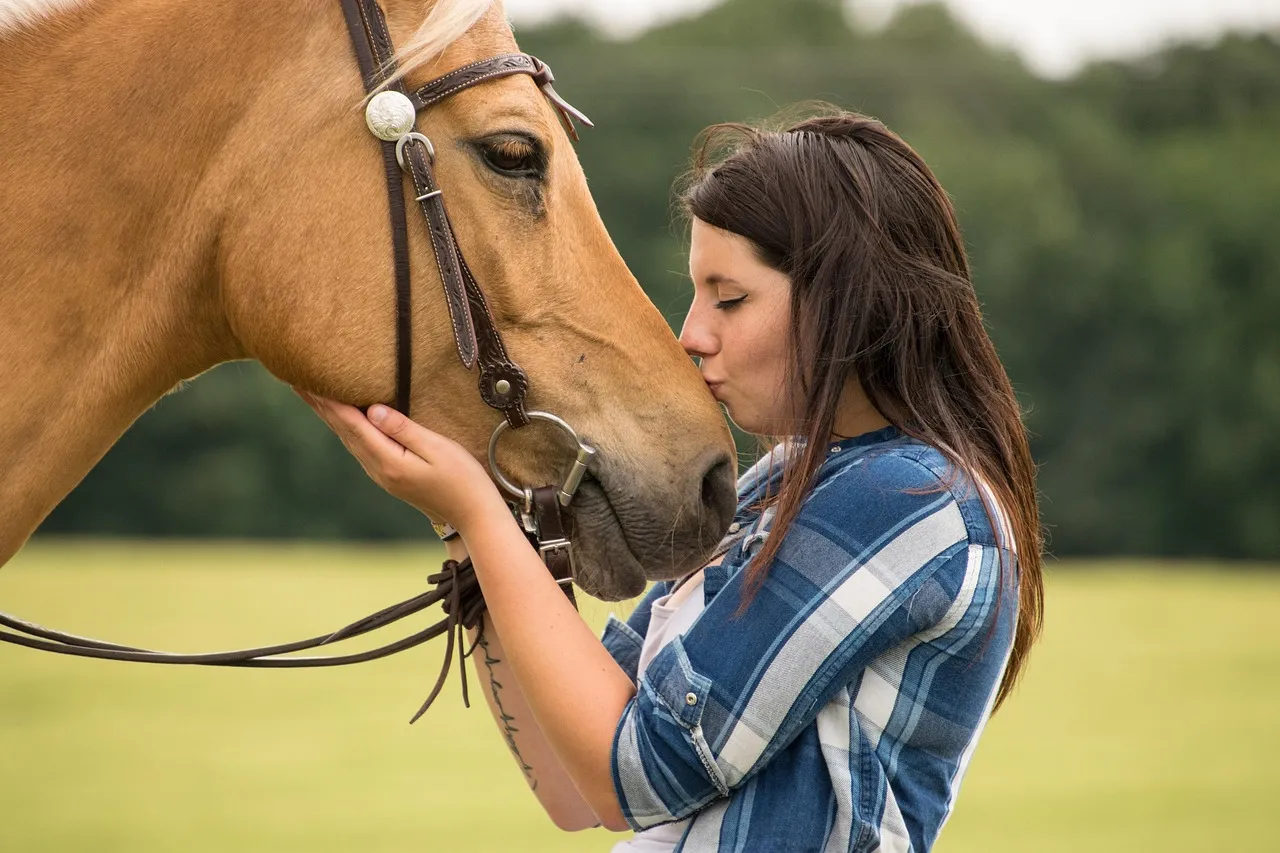
A truly trusting horse doesn’t just tolerate you in its space – it quietly invites you in. For a prey animal, personal space is survival. Most horses will let people handle them because they’ve been taught to, but their muscles stay a little tight, their eye stays a little hard, their jaw stays faintly clenched.
The horse that fully trusts one handler shows something completely different. It softens. You’ll notice the ribcage stop holding, the breathing deepen, the eyelids droop just a bit as you stand in close, and they don’t shift away when you step toward the girth or flank – they actually stay planted.
- They exhale instead of holding their breath.
- They relax a hind leg instead of locking both.
This isn’t “laziness”; it’s the nervous system saying, “I don’t need to be ready to flee.” Some horses will still pin their ears at strangers but melt the moment their person steps up – and that contrast is the real trust test.
#15 – Resting Their Head on You Like a Living Weighted Blanket
🔥 Would you like to save this?
We'll email this post to you, so you can come back to it later!
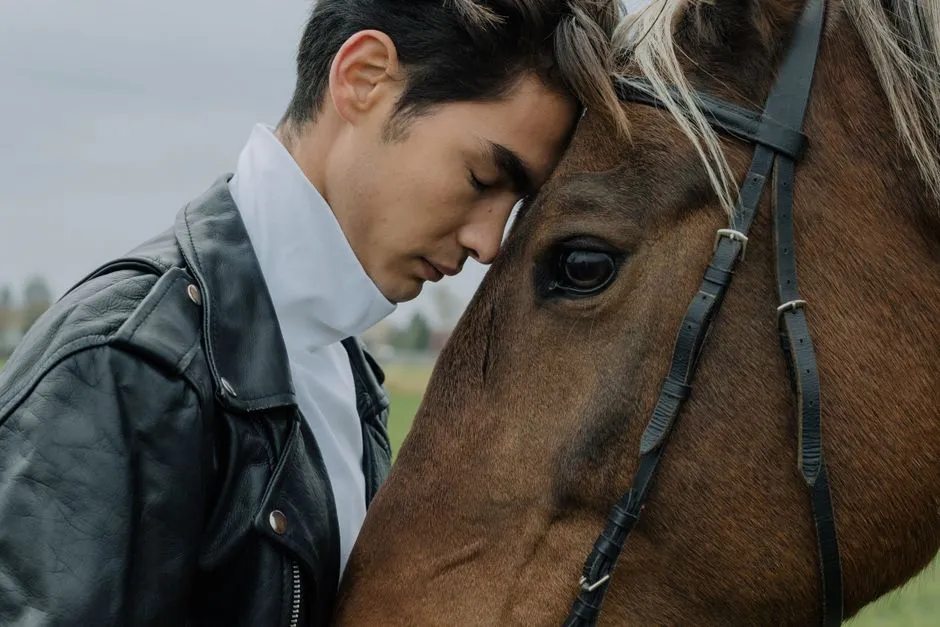
When a 1,000-pound animal gently places its head on your shoulder, chest, or back, that’s not an accident – it’s a confession. Horses don’t randomly give up the weight of their head and neck. Out in the herd, that kind of leaning shows comfort and social acceptance.
When a horse chooses to rest its head on its handler, it’s borrowing their body as a safe perch. You’ll feel the muscles under the jaw soften, the lips loosen, and sometimes even hear a slow, deep sigh. A horse will not do this with someone it thinks might suddenly jerk, smack, or explode – it’s a calculated emotional risk.
Fast Facts
- Head-resting only happens once the neck and jaw are fully released, not tense.
- A slow, audible sigh often follows within seconds.
- The behavior mirrors how foals lean into a trusted dam early in life.
- Rushed handlers miss this cue most often during quick grooming or tacking-up.
Handlers who rush through chores often miss this invitation entirely. The horse steps up, lowers the head, hovers – and the person walks off for the wheelbarrow. Over time, the horse simply stops offering that moment.
The ones who notice and stand still, even for thirty seconds, often describe it as the most grounding part of their day, like the horse is “holding” them right back. Some professionals argue this is a stronger bond signal than nickering, because it shows total physical vulnerability.
#14 – Choosing to Follow You at Liberty (No Halter, No Bribe)
🔥 Would you like to save this?
We'll email this post to you, so you can come back to it later!
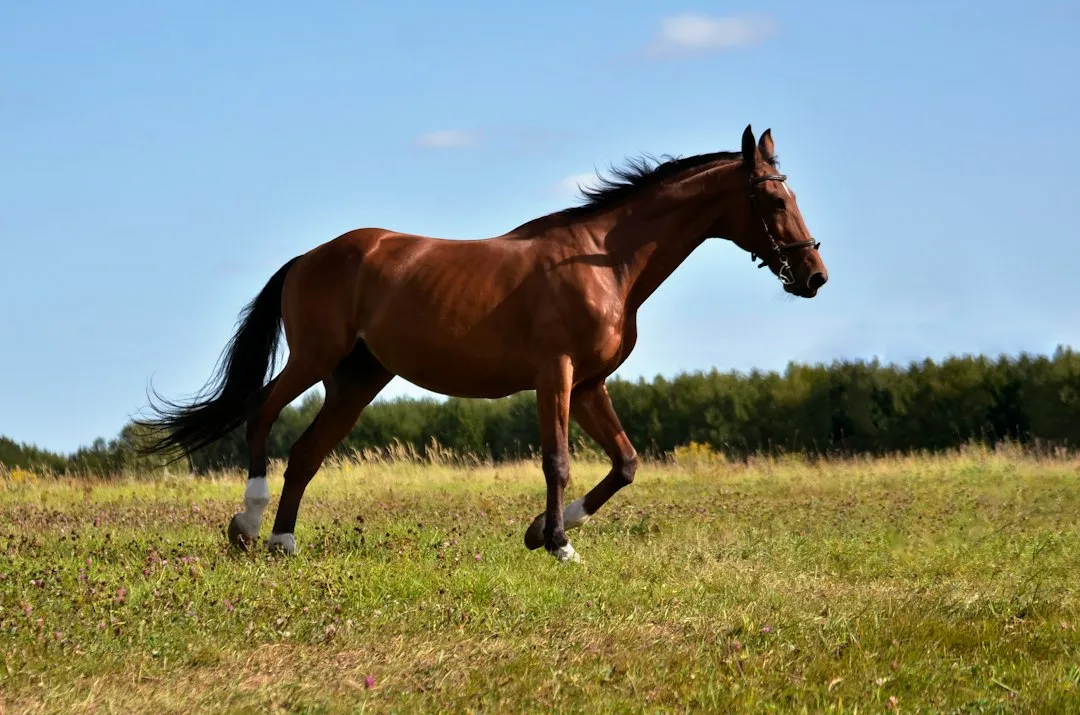
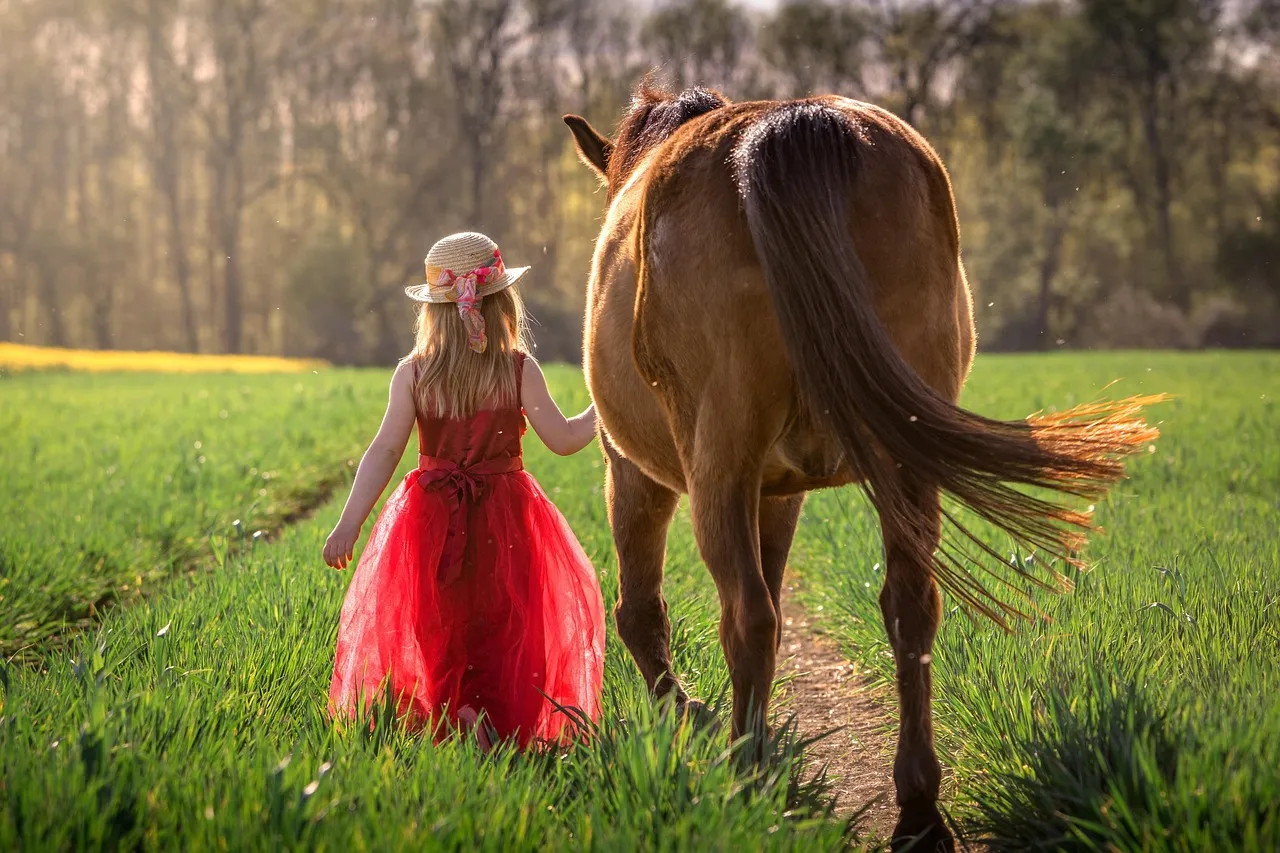
Plenty of horses will walk behind a bucket. That’s not devotion, that’s dinner. The real magic happens when you unclip the lead, step away, and the horse follows you anyway.
Liberty following is a huge trust tell because the horse is technically free to leave. No rope, no pressure, no bit. In that moment, your relationship becomes the strongest motivator in the arena – or it doesn’t.
Horses that are mentally checked out drift toward other horses, the gate, or the nearest patch of grass. The one deeply attached to its handler keeps choosing to shadow them, matching pace, stopping when they stop, curving around like a big, quiet dog.
- Ears softly tuned to you, not locked on the exit.
- A relaxed tail, swinging, not clamped or swishing in irritation.
Some trainers insist this is “just good training,” but that misses a layer. Two handlers can use the exact same technique, and only one gets the sticky, seeking, “Where are you going?” behavior. That’s a horse voting with its feet.
#13 – Showing You Their “Ugly” Side Without Shutting Down
🔥 Would you like to save this?
We'll email this post to you, so you can come back to it later!
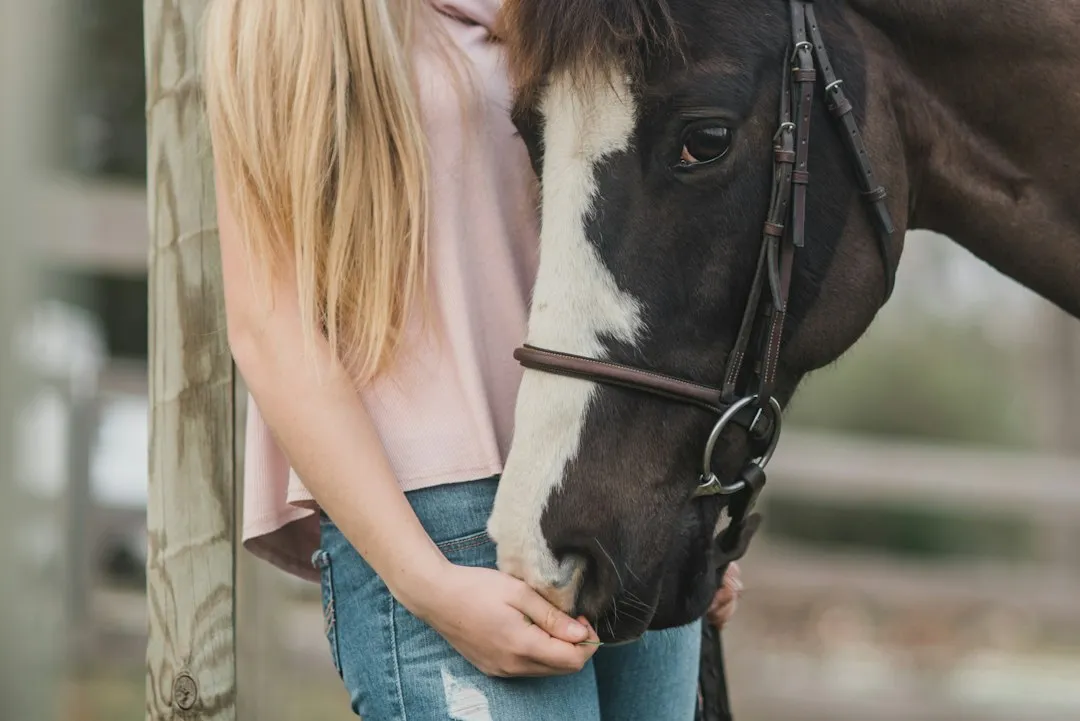
Most people think a “good” horse is one that never reacts. Experienced handlers know that’s often a shut-down horse, not a trusting one. A horse that trusts you will let you see its stress, then look to you for an answer.
That can mean snorting, dancing, or widening its eyes at something spooky – but instead of bolting blindly, the horse arcs its body back toward you, almost asking, “Is this actually bad?” You’ll see the head go up, then slowly lower as you speak or breathe with them.
The real tenderness is that they allow themselves to be vulnerable and dysregulated in your presence, trusting you won’t punish the fear itself. Many riders make a serious mistake here – scolding or over-correcting a horse that’s honestly anxious – and over time, that horse stops showing emotion and turns robotic around humans, then “explodes out of nowhere.”
The bonded horse, by contrast, keeps you in the loop. They flick one ear at the noise but keep the other ear on you, and might even step closer, crowding your side, using you as a social buffer. It’s messy, not Instagram-pretty, but it’s the real relationship stuff.
#12 – Lowering Their Head on Cue Just From Your Touch or Voice
🔥 Would you like to save this?
We'll email this post to you, so you can come back to it later!
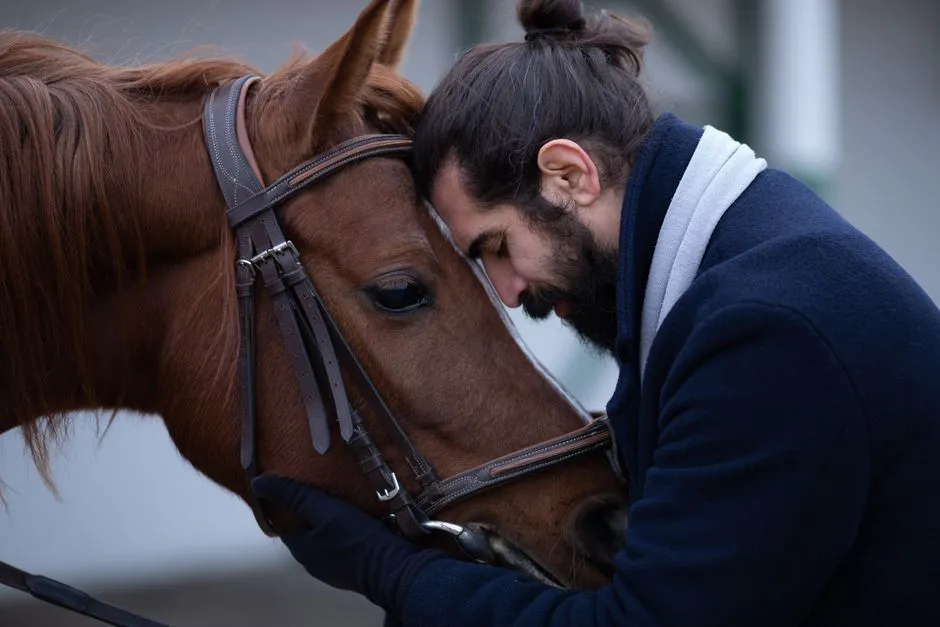
Head-lowering looks like a simple training trick. In reality, it’s a live feed from the horse’s nervous system. A chronically tense horse keeps its head and neck high, ready to flee.
When that same horse learns to drop its head from your hand on the halter, a light stroke down the neck, or even a quiet word, that’s not just obedience – it’s physiological trust. Lowering the head activates the horse’s rest-and-digest mode, and doing it because you asked means your presence helps flip that switch.
Worth Knowing
- Head-lowering triggers the parasympathetic “rest-and-digest” response, not just obedience.
- Horses under chronic stress keep their poll noticeably elevated almost constantly.
- A trained head-drop cue behaves differently once it becomes voluntary and unprompted.
- Some horses only offer the unprompted drop with one specific handler.
Over time, some horses will pre-emptively drop their head the moment they see their person approach, almost like a ritual for settling in together. Trail gets spooky? They glance at you, then offer a small head drop. Vet visit? The horse may plant its feet and try to lower its head toward your chest, even with a needle in the neck.
That’s them asking, “Can you help me calm down?” and trusting that you actually can. Some trainers dismiss this as “just conditioning,” but the horses who only do it with one specific human are quietly proving otherwise.
#11 – Grooming You Back With Their Lips (Without Nipping)
🔥 Would you like to save this?
We'll email this post to you, so you can come back to it later!
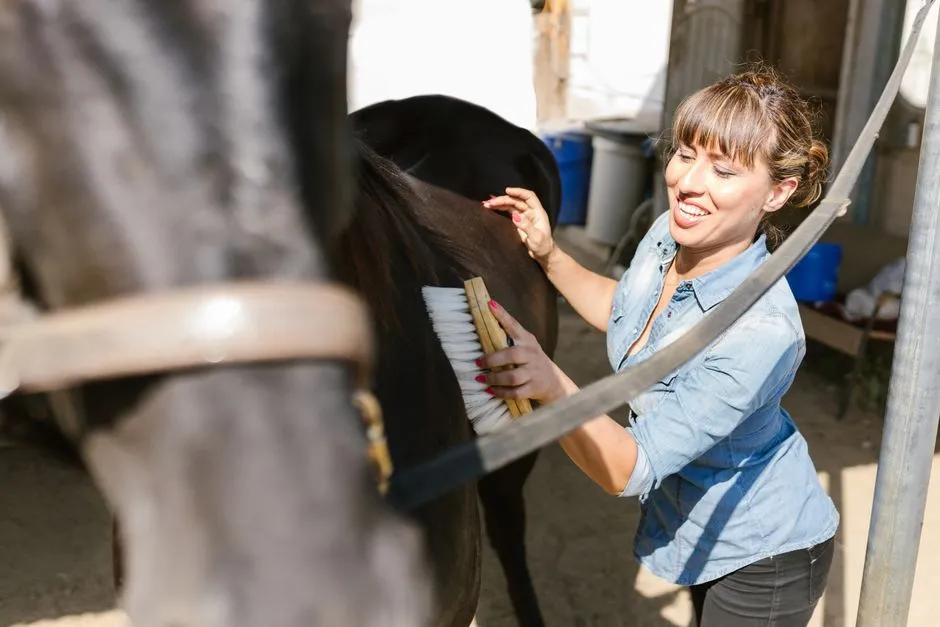
Mutual grooming is one of the most intimate social behaviors in a herd. When a horse tries to “groom” its handler, that’s a massive compliment – if you read it correctly. Herd mates groom each other by standing side-by-side and gently nibbling at the withers, neck, and shoulders, releasing tension and literally changing heart rate patterns.
So when a horse leans in and starts nuzzling or lightly mouthing your sleeve, shoulder, or back while you scratch their favorite spot, they’re often saying, in horse language, “You’re in my herd. I’m grooming you back.”
This can spook people who assume any lip contact equals biting, and yes, you should calmly prevent actual teeth on skin. But shutting down every attempt at reciprocal affection can confuse a sensitive horse who is genuinely trying to bond.
- They rub their lips without clamping their teeth.
- They rest their muzzle in your hand instead of snapping.
Over time, you’ll notice they save this behavior for quiet, safe moments – long grooming sessions, slow hand-grazing, post-ride cooldowns. That’s not boredom. That’s bonding.
#10 – Standing Guard Over You When You’re Distracted or Vulnerable
🔥 Would you like to save this?
We'll email this post to you, so you can come back to it later!
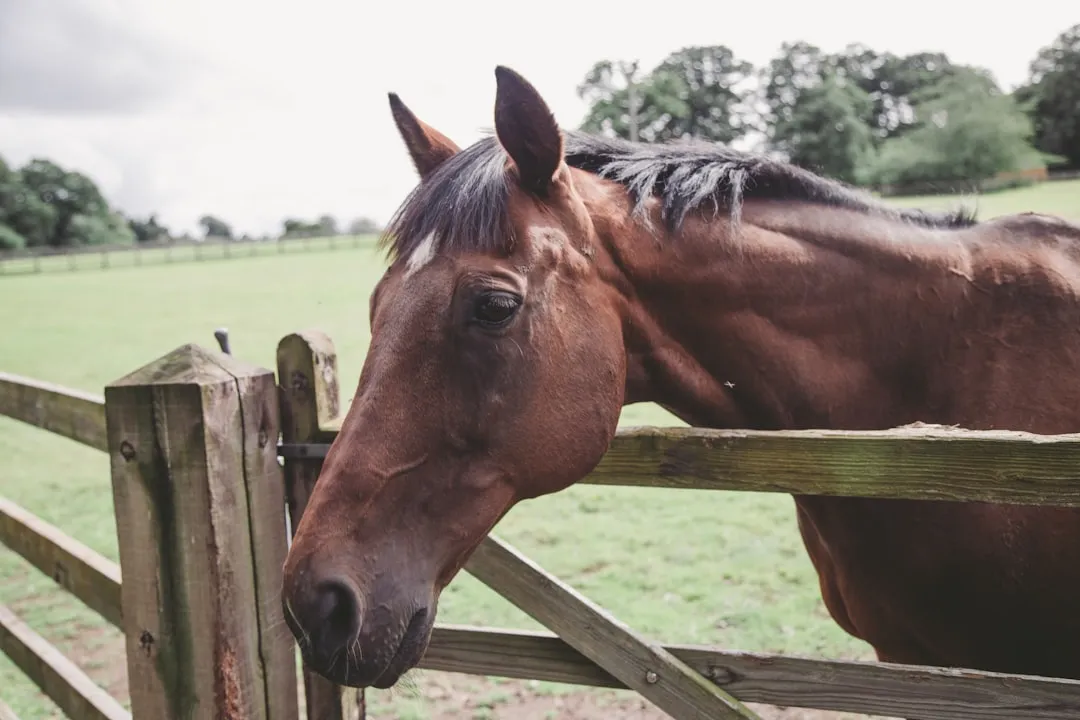
Every horse person has a story: they bent to tie a boot, checked their phone, or fixed a fence, and realized the horse had quietly positioned itself like a bodyguard. For a prey animal, turning your back or looking down is risky business.
When you do that near a horse that fully trusts you, something fascinating often happens – they assume part of the lookout job. You’ll notice the horse step half a pace to the side, angle one eye outward, one ear on the environment and another on you, then stop grazing and casually plant itself between you and whatever it thinks might be a problem.
- They block loose horses or pushy pasture mates from rushing into your space.
- They plant their feet if you stumble, giving you something to catch.
Is this “protectiveness” in the human sense? Behaviorists argue over that. But the reality on the ground is simple: a horse that doesn’t trust you prioritizes its own flight path, and a horse that does often factors you into its safety calculations. They’re not just coexisting. They’re with you.
#9 – Softening Their Eyes and Blinking Slowly Around You
🔥 Would you like to save this?
We'll email this post to you, so you can come back to it later!
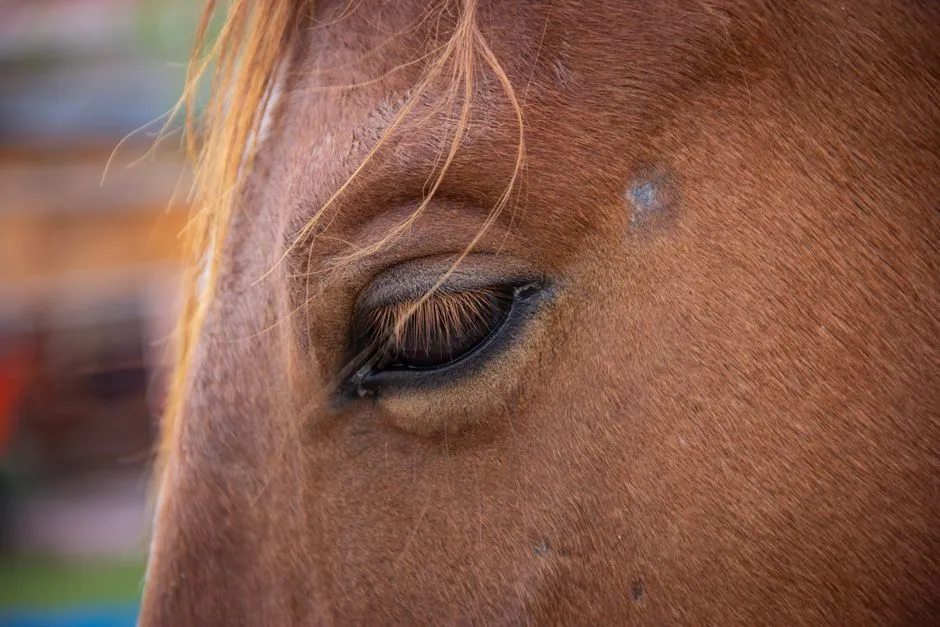
Most people obsess over ears and hooves and completely miss the most telling body part: the eye. A tense, guarded horse shows a hard eye – exposed white, tight wrinkles, rapid blinking or almost no blinking at all.
When a horse fully trusts a handler, their eyes literally change in that person’s presence. You’ll see the upper eyelid soften, the lashes angle down instead of up, and the blink rate slow. Sometimes they’ll give what looks suspiciously like a slow blink – the equine version of a contented exhale.
Quick Compare
- Stranger nearby: hard eye, exposed white, quick or frozen blinking.
- Trusted handler nearby: soft eyelid, slow blink, loose lower lip.
- Same horse, same minute: the switch can happen the instant the trusted person walks in.
Paired with this, the muzzle relaxes: lips hang a bit looser, the chin loses its tight line, and the whole expression shifts from “on alert” to “half-asleep spa horse.” The wild part is that the same horse might snap back to hard eyes when a stranger walks into the barn aisle, then soften again the second their person returns.
That contrast isn’t training. It’s emotional preference. Some riders chase big tricks and flashy movements, but veteran horse people will tell you a soft eye is the real flex.
#8 – Letting You Handle Their Most Vulnerable Spots Without Fuss
🔥 Would you like to save this?
We'll email this post to you, so you can come back to it later!
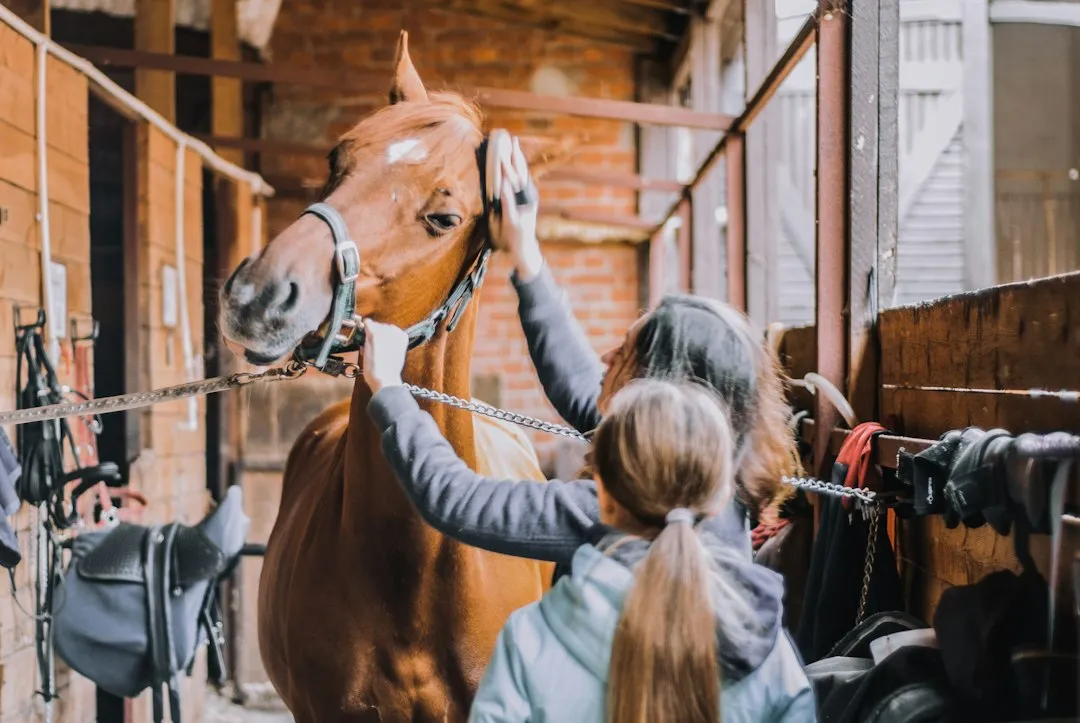
Ask any vet where horses hate being touched: ears, sheath or udder, dock of the tail, and the tricky hind legs. A horse that’s just “obedient” will grit its teeth and tolerate handling in these areas, maybe with a swish, a flinch, or a half-hearted kick threat.
A horse that trusts one handler reacts very differently over time. With that person, they gradually stop bracing. The skin stops twitching under your hand, and they stop tracking your every move with a worried eye. They allow that one human to touch the body parts a prey animal would normally guard at all costs.
- Dropping for a sheath or udder cleaning without a fight.
- Quietly lifting each hind hoof and resting it in your hand instead of snatching.
Yes, some of this can be trained. But when only one person gets the “okay, do what you have to do” response while everyone else triggers fireworks, you’re looking at a relationship, not just compliance. Many barn workers see this during medications or wound care – the horse pins its ears at everyone else, then stands like a statue the moment its main handler walks in. It’s not that they enjoy it. They simply believe you won’t hurt them more than necessary.
#7 – Matching Their Breathing and Heart Rate to Yours
🔥 Would you like to save this?
We'll email this post to you, so you can come back to it later!
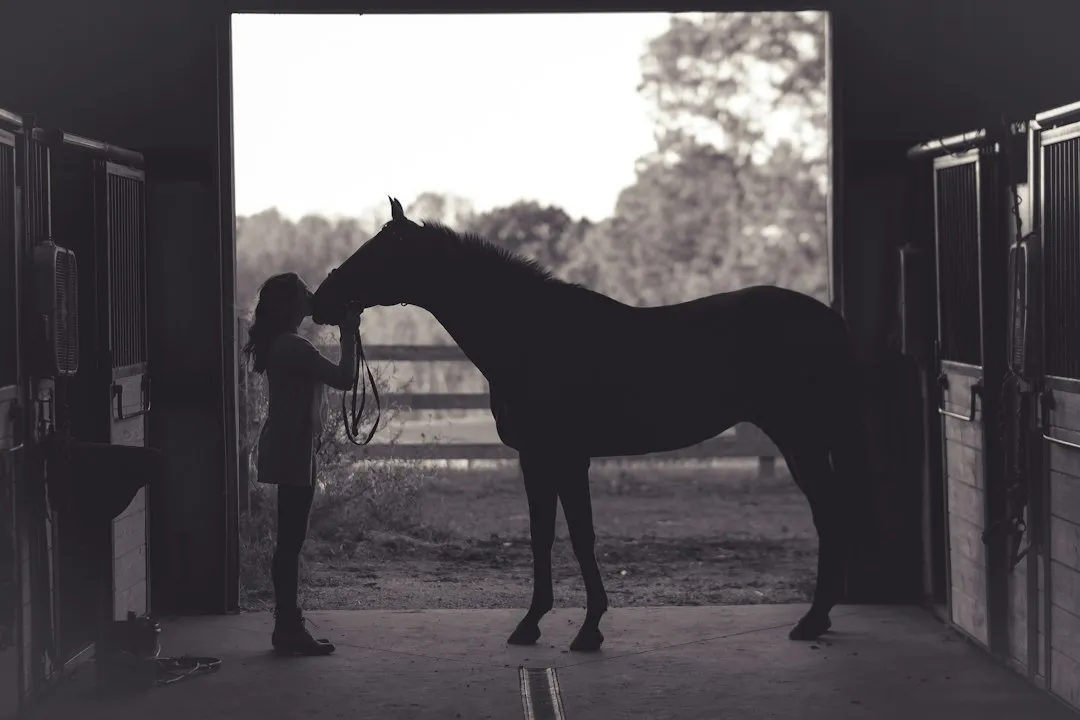
This one sounds a little woo-woo until you’ve actually felt it happen. Stand with a deeply bonded horse, chest near their shoulder, hand on the neck, and breathe slow and deep for a few minutes. Many handlers report an eerie shift: the horse’s breathing starts to sync with theirs.
Science has begun backing this up – horses are remarkably sensitive to human heart rate and emotional state, and around a trusted handler they often mirror relaxation. You’ll feel the heartbeat under your fingertips slow, the ribs rise and fall in a calmer rhythm.
When you’re anxious, the opposite can happen. A horse that truly trusts you might reflect that anxiety back, or better yet, try to regulate alongside you – blowing out a big breath, licking and chewing, leaning into your touch, basically prompting you to calm down too.
It’s not mystical, it’s nervous systems talking to each other. Notice which horses start yawning and stretching the second their “one person” appears, even after a loud, chaotic day in the barn. That shift isn’t random. It’s relational.
#6 – Coming to You First, Even When Freedom and Friends Are Right There
🔥 Would you like to save this?
We'll email this post to you, so you can come back to it later!
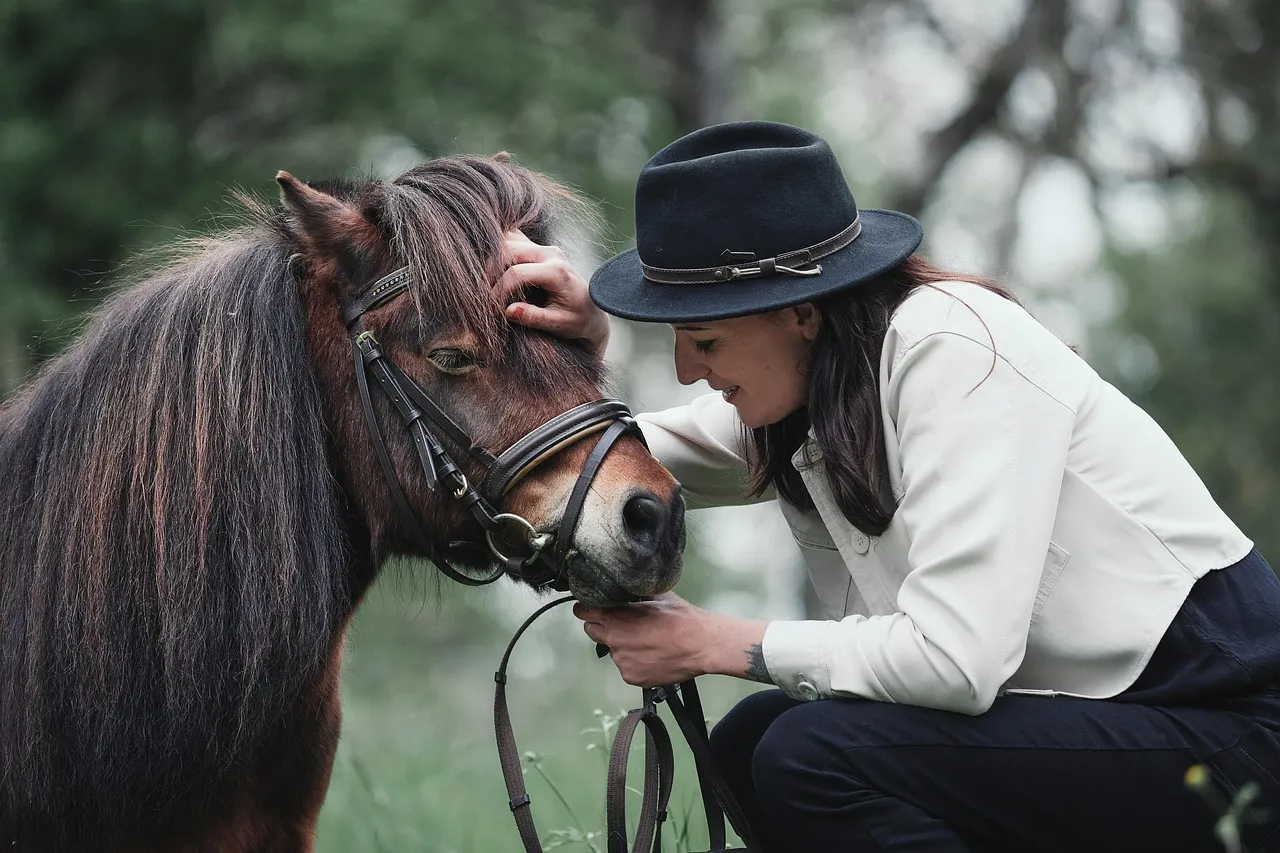
This is the one that quietly hurts a lot of owners: calling their horse from the field and being totally ignored. Horses are honest – they don’t fake enthusiasm. When a horse chooses to leave hay, buddies, and wide-open space to walk, or trot, over to one specific person, that’s a loud statement in a quiet behavior.
It’s not just about treats. Plenty of horses will come for a bucket but blow past the human the second the food is gone. The trusting horse keeps engaging after the reward – shadowing their handler, sniffing clothes, standing quietly nearby.
- Multiple people enter the pasture at once.
- One person shakes grain while another just stands there.
The bonded horse often checks the bucket, sure, but then orbits back to “their” human, lingering, head lowered, ears soft. Some will even leave a stranger mid-petting to go stand by their main person. It sparks endless barn arguments about “spoiling” versus “bonding,” but the behavior itself is clear: given options, the horse picked you.
#5 – Letting Down Emotionally Enough to Sleep Deep Near You
🔥 Would you like to save this?
We'll email this post to you, so you can come back to it later!
Horses sleep lightly most of the time, dozing on their feet, ready to bolt at a moment’s notice. Deep sleep only happens lying down, and it requires total vulnerability. So when a horse fully trusts a handler, you’ll sometimes witness a tender, almost shocking sight – the horse stretches out flat on the ground and sinks into deep sleep while that human is nearby.
A horse will not do this near someone it considers unpredictable or unsafe. It might catnap, sure, but it won’t go fully down unless it believes someone, or some herd mate, has its back.
- The horse lies down in the arena while the handler quietly sits nearby.
- In pasture, the horse chooses a snooze spot near where their person is fixing fence or reading.
Even more telling, many horses allow their trusted person to approach while they’re lying down – the equine equivalent of a wild animal letting you walk into its den. They might glance up, give a soft snort, then put their head back down, utterly unbothered. Try that with a horse that doesn’t trust you and they’ll scramble up before you’re within arm’s reach. This is one of the clearest, least flashy proofs of deep trust there is.
#4 – Adjusting Their Movement to Keep You Safe in the Saddle
🔥 Would you like to save this?
We'll email this post to you, so you can come back to it later!
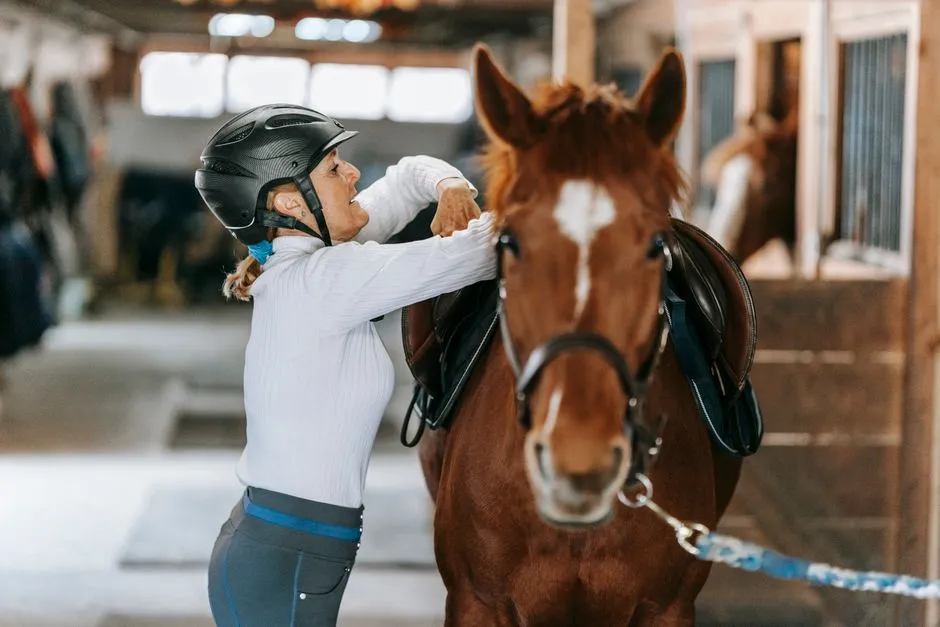
Here’s where a lot of “brave” horses get mislabeled. A horse that fully trusts and cares about its handler often starts riding defensively – not for itself, but for the human on its back.
At a Glance
- Slowing pace the instant the rider’s balance shifts.
- Declining a jump the horse could easily clear alone.
- Choosing safer footing only while carrying a rider, not when loose.
- Side-stepping gently toward the mounting block instead of away from it.
Some riders get angry at this, calling the horse “lazy” or “stubborn.” In reality, many of these horses are making a judgment call: this doesn’t feel safe for the two of us. A horse that doesn’t care will launch from any distance, spin you off when spooked, and plow through footing that might injure you.
The bonded horse will take the blame of looking difficult in order to keep their person upright. Is that anthropomorphizing? Maybe a bit. But if you’ve ever felt a horse literally slow under you as you start to tip, or gently side-step to get you closer to the mounting block, you know there’s more happening than pure obedience. They’re aware of you as a fragile, wobbly passenger, and they adjust accordingly.
#3 – Using You as a “Home Base” in New or Scary Environments
🔥 Would you like to save this?
We'll email this post to you, so you can come back to it later!
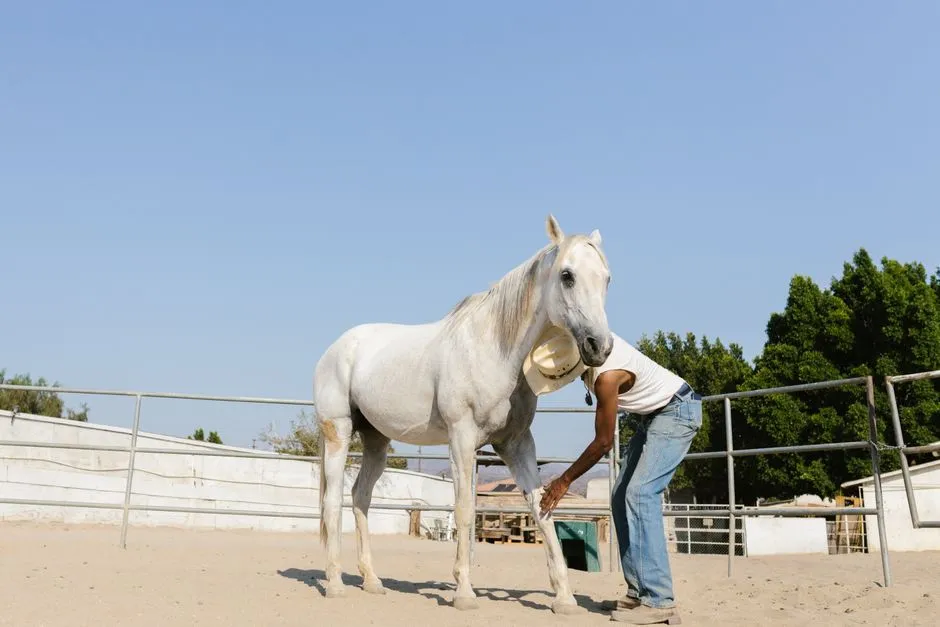
Take a trusted horse to a new arena, trail, or showground and watch their default strategy. Some horses spin, bolt, or mentally check out entirely. The deeply bonded ones do something different: they use their handler as a social anchor.
You’ll feel them glue to your side on the ground, circling out to sniff something then swinging back to you like a magnet. Under saddle, they might hesitate, blow, or stare at whatever’s worrying them, but their feet stay mentally tied to your seat and hands. They step forward when you ask, then check back – still okay? Still with me?
- One ear forward, one ear permanently tuned to you.
- Neck arched not from tension but from trying to keep visual contact.
Most people think bravery means never being scared. With horses, real bravery is being scared and staying with your person anyway – they’re outsourcing some of their danger assessment to you. React calmly, breathe, and don’t punish their hesitation, and that trust deepens. Smack, yank, or mock their fear, and they learn you’re not a safe base after all, choosing flight over checking in next time.
#2 – Greeting You With a Specific, Personal Ritual
🔥 Would you like to save this?
We'll email this post to you, so you can come back to it later!
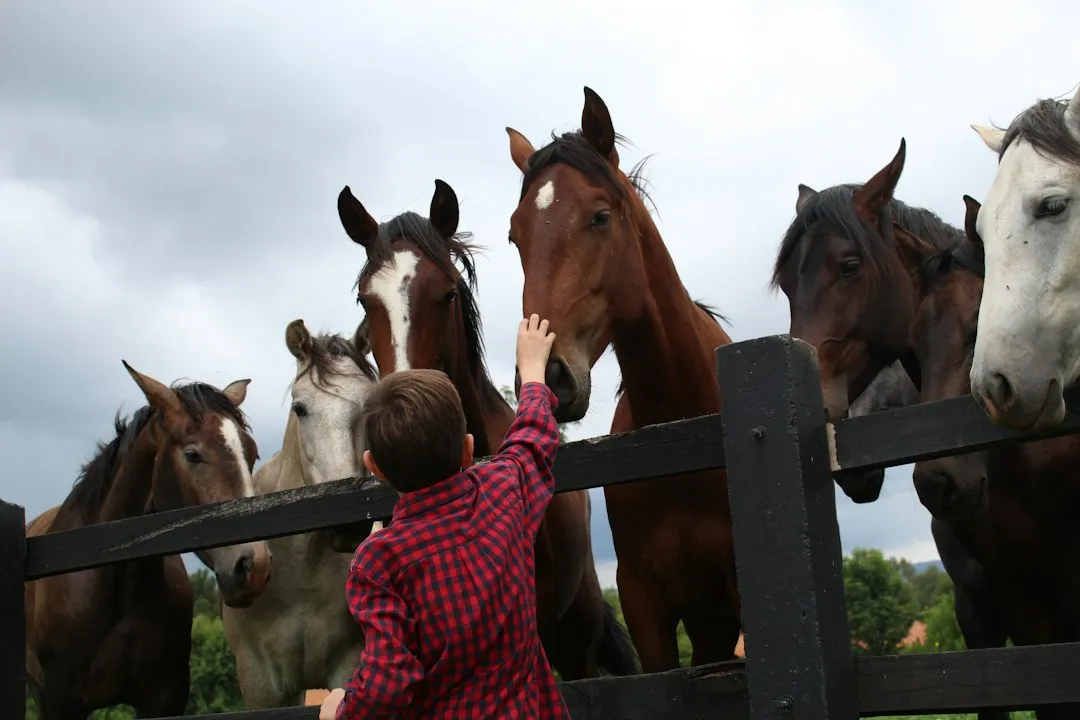
Not all nickers are created equal. Plenty of horses whinny at whoever brings food. But when a horse has picked one handler as “their person,” they often develop a very specific greeting ritual reserved just for that human.
It might be a soft, throaty nicker, nothing like the shrill, food-screaming call they give at feeding time. It might be a quiet rumble paired with a nuzzle at your pocket, a particular toss of the head, or even a goofy habit like lifting a front hoof the moment they see your car pull in.
- They do it consistently for you, but not for every random barn visitor.
- The behavior appears even when you’re not obviously carrying food.
Over time, some horses start the ritual the second they hear your voice in the parking lot, or the sound of your boots in the aisle. They’re not just reacting to stimuli, they’re anticipating connection. This is also where jealousy shows up – yes, horses can absolutely show a version of it, pinning ears or snaking their head at other horses that crowd in during “your” greeting time. Some people find this cute, others find it inconvenient, but honestly, it’s one of the most flattering experiences you can have as a horse person.
#1 – Quietly Reorienting Their Whole World Around You
🔥 Would you like to save this?
We'll email this post to you, so you can come back to it later!
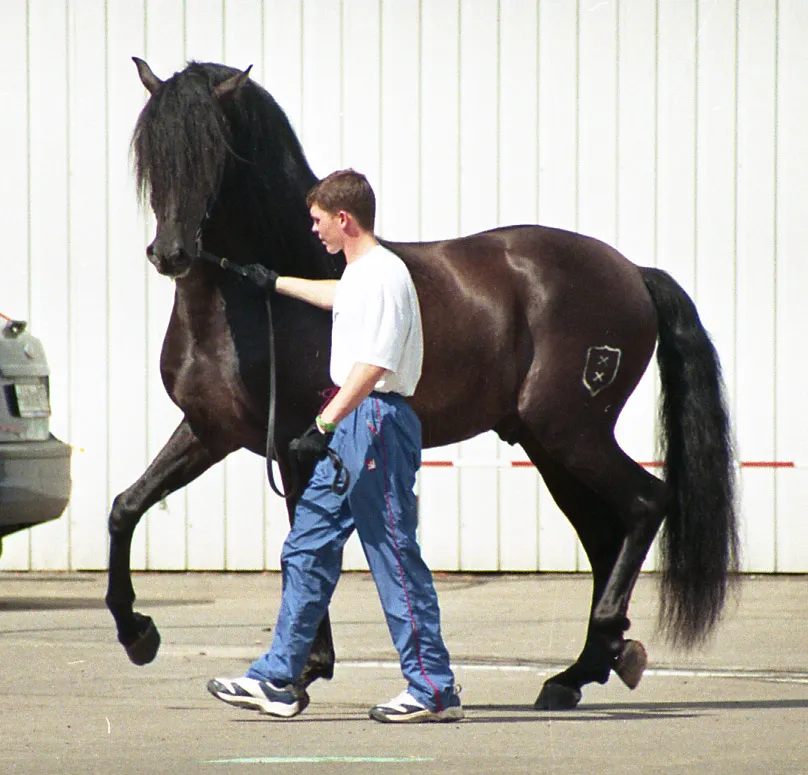
The most tender thing a horse does for the one handler it fully trusts isn’t a single behavior. It’s a shift in the entire way they move through the world. Watch a truly bonded pair and you’ll see it in a hundred tiny choices – the horse steps around their person instead of through them, waits at the stall door instead of barging out, angles its body so the handler has an easier reach to the halter.
They seem to always know where that human is, even in a busy, chaotic barn. Their default setting becomes “with you,” not just “near you,” and they check in visually, emotionally, and physically over and over, in ways casual observers might not even register.
This isn’t dominance. It isn’t “the horse respects me because I showed him who’s boss.” The more we learn about equine behavior, the more that old-school mentality looks outdated. What you’re actually seeing is a partnership built on thousands of predictable, fair, and kind interactions.
The horse has run the data and decided: with this human, I’m safe. With this human, I can relax. With this human, I can be myself. Most people will never experience this level of connection because they’re in too much of a hurry, or too focused on control, to earn it. For the ones who do, every quiet, ordinary day with that horse feels like a privilege.
When a horse fully trusts one handler, it never shows up as one big Hollywood moment. It shows up as a stack of quiet, shockingly tender behaviors – resting a heavy head on your chest, dozing at your feet, following you with no rope, syncing their breath to yours, rearranging their choices to keep you safe. These aren’t party tricks. They’re survival-wired animals rewiring their own instincts because of you, and that’s rarer, and more valuable, than any ribbon or viral riding video.
The uncomfortable truth is that not every owner earns this. Rushing, force, and ego kill it. Consistency, fairness, and genuine affection build it, slowly, one unremarkable afternoon at a time. If your horse isn’t doing many of these yet, that’s not an insult. It’s a roadmap.
Which of these tender behaviors have you seen from your own horse, and which do you think people get completely wrong? Did we miss one you’d swear by? Drop it in the comments.

- The Remarkable Intelligence of Octopuses: Beyond What Scientists Imagined - November 5, 2026
- What Your Dog’s Tail Wags Are Really Trying to Tell You - November 5, 2026
- The Surprising Reason Some Animals Thrive in Extreme Environments - November 5, 2026