

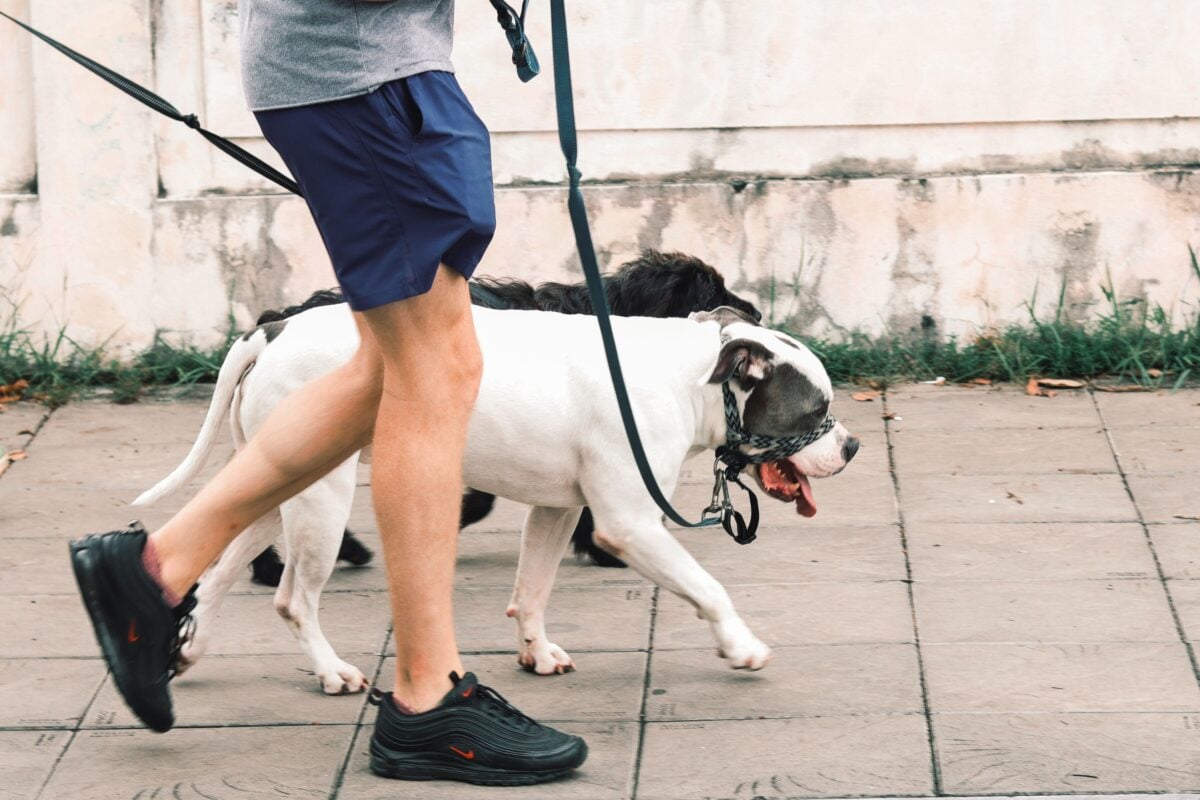
You probably think you know your dog’s little quirks by heart – the stretch, the stare out the window, the frantic bedtime digging. And you probably assume all of it is aimed at you, some secret bid for a treat, a laugh, or a scratch behind the ears.
Here’s the twist: behavior researchers say most of it isn’t about you at all. Your dog has been quietly running an entire private life right under your nose – routines built, refined, and repeated purely for their own comfort, curiosity, or peace of mind. Once you see them, you’ll never watch your dog the same way again.
#15 – The “Just-Right” Morning Stretch Sequence
🔥 Would you like to save this?
We'll email this post to you, so you can come back to it later!
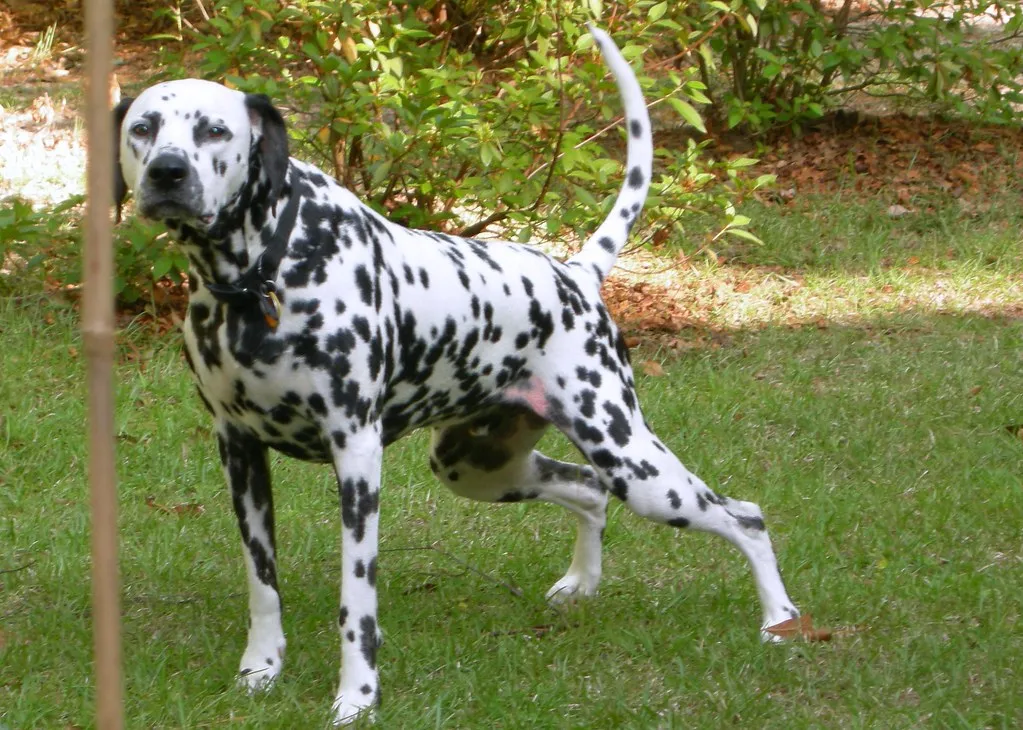
That big, dramatic morning stretch isn’t just a lazy wake-up move. Many dogs develop a very specific, repeatable sequence they run through in the exact same order every single day – front legs, back legs, spine twist, head shake – almost like a personal yoga routine perfected over thousands of mornings.
Watch closely and you’ll notice the tiny details. Some dogs always stretch facing a doorway. Others pick a particular rug because it has the best traction for tender joints first thing in the morning.
Dogs with joint sensitivity often fine-tune this even further – stretch, pause, walk three steps, stretch again, almost like they’re checking in with their own body. Owners assume it’s a show for them walking into the room, but really, your entrance just happens to overlap with a ritual that was already running.
Worth Knowing
- The classic front-legs-down pose is the same shape yoga calls “downward dog” – the pose was literally named after this canine move
- Stretching after rest helps flush blood back into muscles and joints that have been still for hours
- Senior dogs or those with stiff joints often add extra pauses to the sequence to warm up safely
- The routine rarely changes even when furniture or flooring is rearranged, since it’s stored in habit, not scenery
If you vanished for a week, your dog would still roll out of bed and run that exact same script, alone, for no one. But that’s nothing compared to what we found about #14.
#14 – The Scent-Mapping Lap of the Yard
🔥 Would you like to save this?
We'll email this post to you, so you can come back to it later!
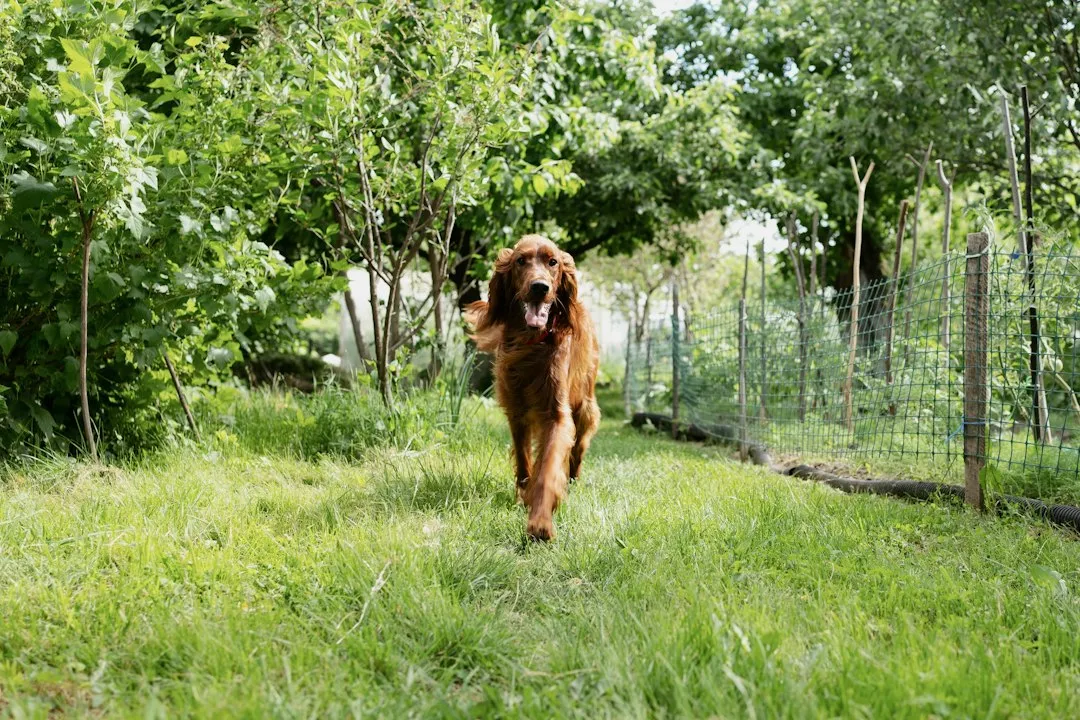
That “random” wander around the yard isn’t random at all – it’s a private patrol your dog invented for their own peace of mind. Chart the route and it’s shockingly consistent: always clockwise, always the same three corners, always a pause at the same bush or fence post.
- Always loop clockwise around the yard
- Visit the same three corners in the same order
- Pause at a particular bush, stone, or fence post every single time
This is a scent-mapping ritual, and it runs whether you’re watching or not. Dogs are constantly updating an internal map of who’s been where and how recently – less “I have to go potty,” more “checking my territory’s notifications.”
Here’s the strange part: some dogs keep the exact same route even after the yard changes. New furniture, new plants, a new fence panel – they’ll adjust slightly but still nudge their body past the old scent checkpoints, like the map matters more than the landscape itself. But that’s nothing compared to what we found about #13.
#13 – The Private Toy Burial (and Re-Burial) Routine
🔥 Would you like to save this?
We'll email this post to you, so you can come back to it later!
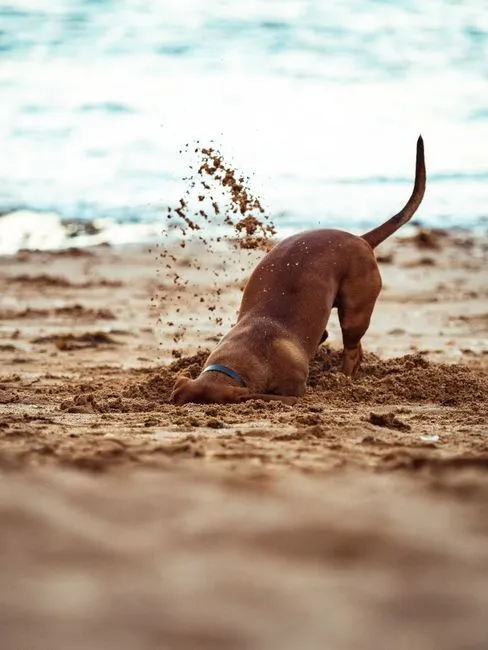
Your dog isn’t hiding toys from you. They’re rehearsing an ancient survival instinct, and the ritual around it is far more precise than people realize.
- They always choose the same room or corner
- They “dig” at the couch, blanket, or carpet – even when nothing moves
- They place the toy, nudge it into position, pause, then do a final nose press, like sealing an envelope
What’s fascinating is how often this happens when no one is around to see it. Quietly watch from another room and you’ll catch your dog running through the entire performance on their own schedule, for their own reasons.
This is an echo of ancestral food-stashing behavior, repurposed for modern life. The toy isn’t just “fun” – it’s a resource, and dogs invent elaborate rituals around managing resources.
Even more revealing: many dogs later dig the toy back up, carry it somewhere entirely new, and repeat the whole ceremony from scratch. That’s not for your benefit. That’s a dog self-soothing through instincts wired in long before couches existed. But that’s nothing compared to what we found about #12.
#12 – The Solo Zoomies Circuit
🔥 Would you like to save this?
We'll email this post to you, so you can come back to it later!
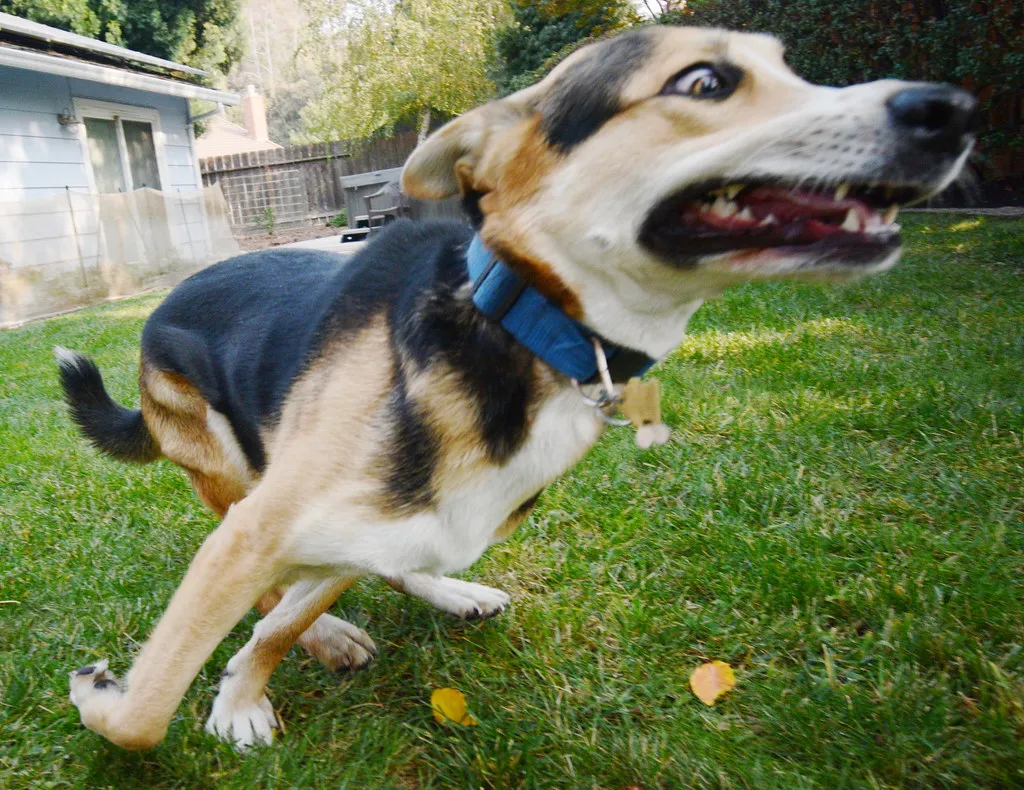
Zoomies look like pure chaos, but they’re actually a choreographed, dog-designed track. Watch closely and you’ll notice most dogs repeat one or two favorite circuits almost exactly.
- Couch → hallway → kitchen corner → back to couch
- Yard gate → tree → patio → gate again
The path, the speed, even the exact spot where they leap or pivot – it’s startlingly consistent. That’s not your dog going wild for laughs; it’s a body-regulation ritual used to burn off tension and reset an overloaded nervous system.
Many dogs launch into zoomies right after something stressful – a bath, the vet, a loud noise – or after holding in energy too long. Here’s what most owners miss entirely: plenty of dogs wait until the room is empty before starting.
Fast Facts
- Vets have an official name for this behavior: Frenetic Random Activity Periods, or FRAPs
- A Cornell behavior researcher notes there’s no single known trigger, only that the bursts seem to release pent-up energy or ease stress
- Certain breeds, like high-energy terriers or greyhounds, are especially prone to these outbursts
- Episodes usually end as suddenly as they start, often with the dog flopping down looking completely satisfied
That single detail tells you everything. This behavior is intrinsically rewarding, not a performance. Your dog has found a personal track that feels right in their muscles and joints, and they return to it the way you’d return to a favorite walking route. But that’s nothing compared to what we found about #11.
#11 – The Sunspot Pilgrimage

🔥 Would you like to save this?
We'll email this post to you, so you can come back to it later!
We joke that dogs are little solar panels, but their sunbathing habits are far more structured than “lying in a warm spot.” Many dogs seek the exact same patch of sun at the exact same time every day, rotate their body in precise increments, then get up and reposition as the light shifts.
- Seek the same exact spot of sun at the same time every day
- Rotate their body in precise increments, always in the same direction
- Get up, leave, and return once the light has shifted slightly
Dogs are remarkably tuned to temperature and texture. Your dog is quietly running an internal calculation – how warm is this tile versus that rug, where does my back feel stiff, how bright is the light – and building a personal heat ritual out of the results.
The telling detail: security cameras show dogs slowly migrating through sunbeams for hours, totally alone, totally unconcerned with an audience. That’s not affection-seeking. That’s a private comfort program, refined by experience, running with or without you. But that’s nothing compared to what we found about #10.
#10 – The Midnight House Patrol
🔥 Would you like to save this?
We'll email this post to you, so you can come back to it later!
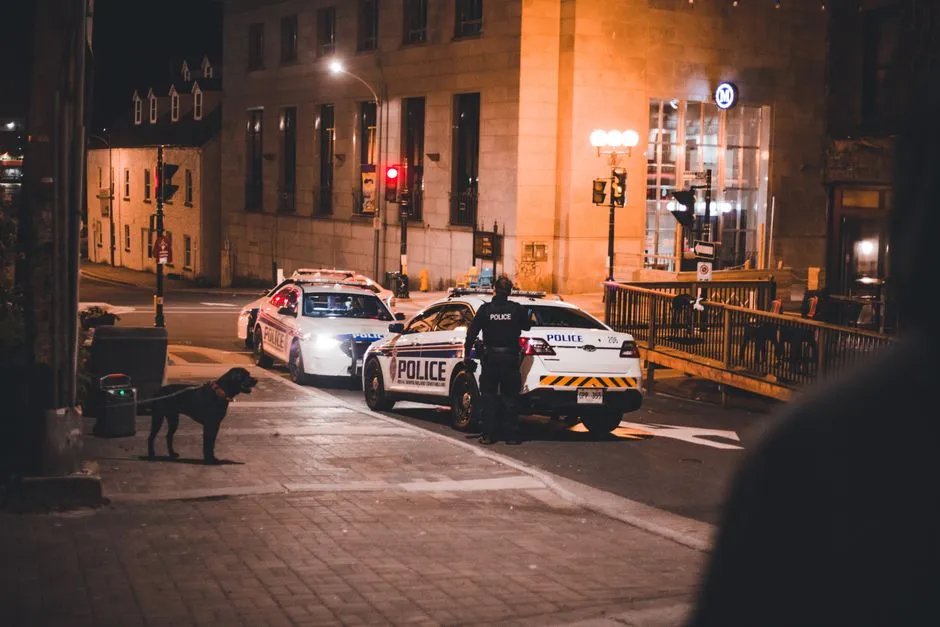
Plenty of owners assume their dog sleeps straight through the night. Then they check a camera and discover the truth: their dog has a self-appointed night shift.
- Dog wakes, does a slow lap of key doors and windows
- Pauses to listen at favorite “checkpoints”
- Returns to the same resting spot and curls up exactly the same way
This isn’t separation anxiety and it isn’t a bathroom break. For a lot of dogs, it’s a job they gave themselves. The house is their territory, and nighttime is when strange sounds and smells feel loudest, so they build a security circuit without any training at all.
Some only patrol when something’s different – a guest, a storm, a recent move. Others do it every single night, rain or shine, whether or not you ever wake up to witness it.
They’re not doing it for praise. In their mind, the role exists, and they filled it – a quiet act of responsibility playing out while the whole house sleeps. But that’s nothing compared to what we found about #9.
#9 – The “Favorite Sound” Listening Session
🔥 Would you like to save this?
We'll email this post to you, so you can come back to it later!
Everyone talks about the sounds that terrify dogs – thunder, fireworks, vacuums. Almost no one notices the sounds dogs actively seek out.
- A humming fridge
- The ticking of a wall clock
- The faint sound of traffic or birds outside
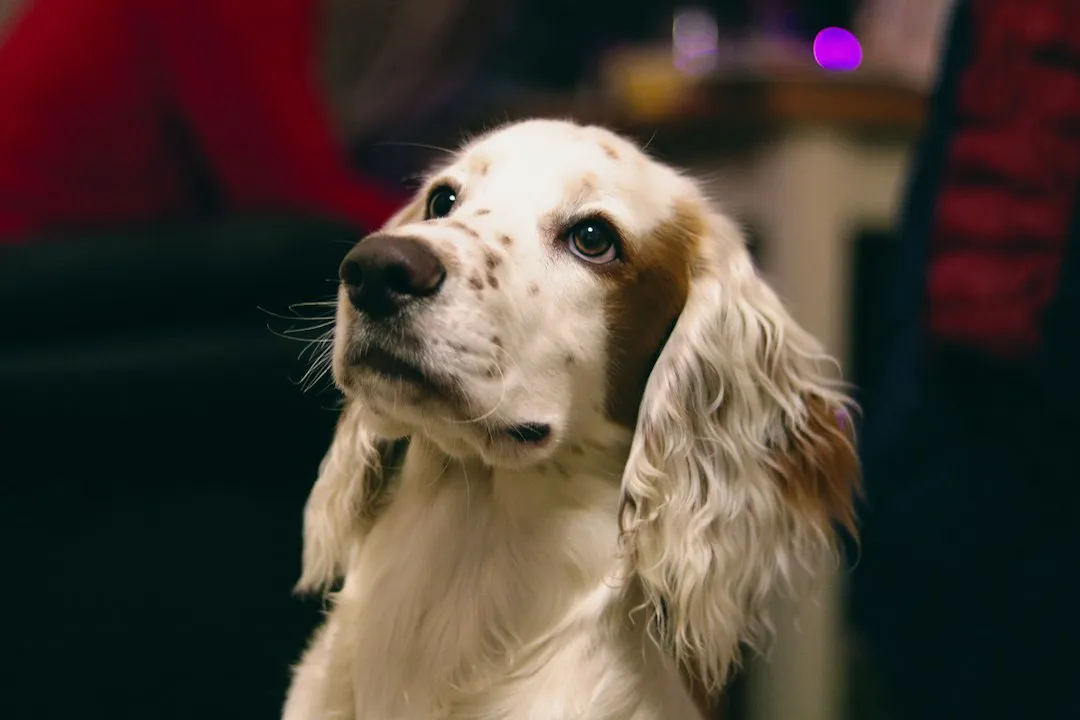
Over time, many dogs build a genuine listening ritual: lie in the same spot, angle one ear toward the sound, and settle into a half-awake, half-alert state that looks almost meditative. There’s no obvious reward. No petting, no treats, nothing happens afterward – it’s closer to how a person zones out to white noise or a favorite playlist.
In multi-dog households, you can actually watch preferences split. One dog drifts toward the open window; another parks by the dryer. They’re curating their own sensory environment, completely independent of anything you asked for.
At a Glance
- Dogs can hear frequencies well beyond human range, which is why sounds we barely notice can feel vivid to them
- A steady hum or tick can act like white noise, nudging a dog into a calmer state
- Preferences are individual – littermates raised together often pick completely different favorite sounds
- None of this is trained; it’s a self-selected menu of everyday household noise
This has nothing to do with commands like “go to bed.” It’s a brain that has learned which frequencies feel soothing, and built a loyal little ritual around chasing them. But that’s nothing compared to what we found about #8.
#8 – The Imaginary Pre-Hunt Stalk
🔥 Would you like to save this?
We'll email this post to you, so you can come back to it later!
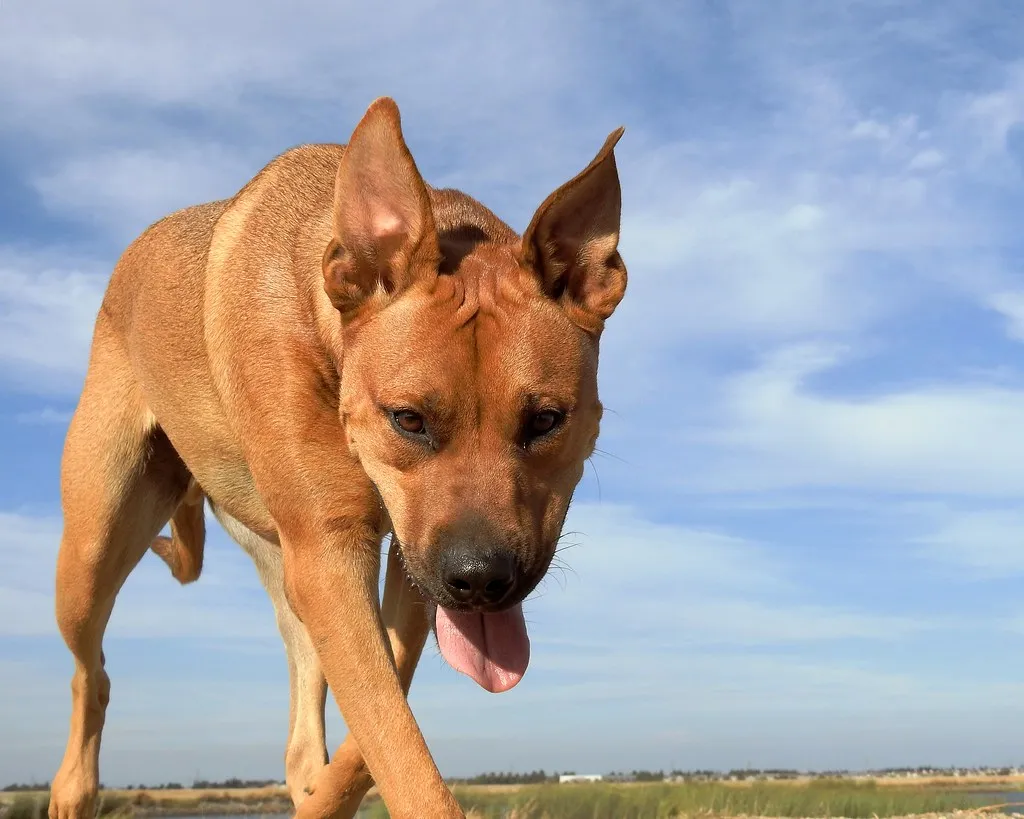
Sometimes a dog creeps low across the yard, eyes locked on absolutely nothing, then pounces on a leaf or a shadow. Owners laugh it off as silliness. Repeat observations tell a different story – many dogs have a genuinely choreographed stalk-and-pounce sequence they run in nearly identical form every time.
- Pick the same “starting line” spot in the yard
- Creep along a specific path, often parallel to a fence or wall
- Pause, freeze, then launch forward in two or three practiced bursts
This mirrors ancestral hunting behavior, but crucially, it happens with zero real prey around. That means it’s not about the catch at all – it’s about running the program itself, because completing the sequence feels good.
Even dogs with no exposure to actual hunting invent these little dramas from scratch. Anyone who thinks dogs only act “for treats” is underestimating how satisfying this feels on its own. Your dog is essentially starring in their own private movie – hunter, prey, and audience all at once. But that’s nothing compared to what we found about #7.
#7 – The Bed-Making Obsession
🔥 Would you like to save this?
We'll email this post to you, so you can come back to it later!
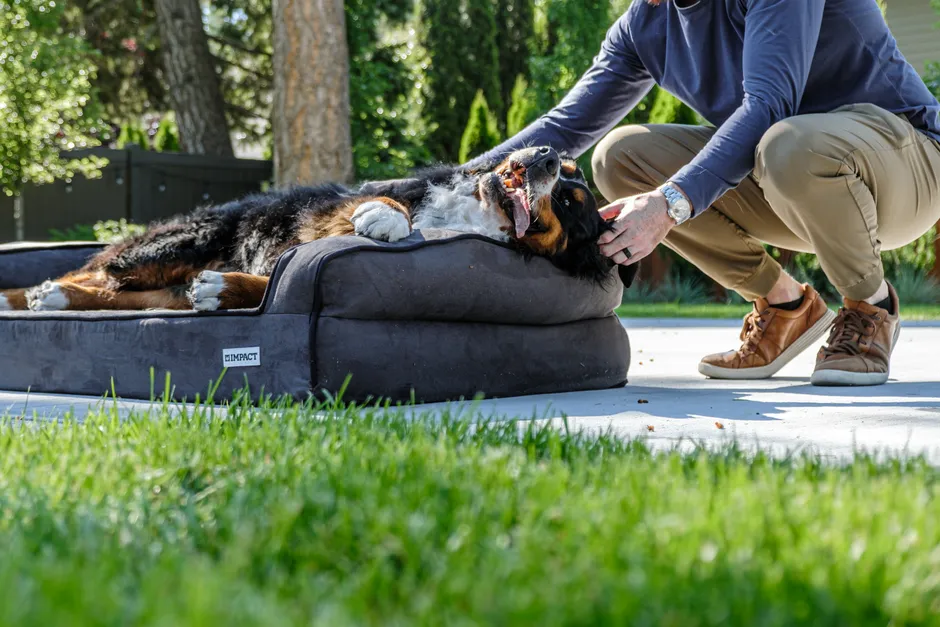
They’re not trying to help you make the bed. They’re engineering a nest, and the process is far more exact than people assume.
- Circle clockwise or counterclockwise the same number of times
- Scratch or dig at bedding, even when nothing moves
- Lie down, then get up and start over if something feels off
This traces straight back to denning behavior in wild canids, where clearing rocks and checking for threats meant the difference between safety and danger. Your dog has no idea they’re on a memory-foam mattress in a locked house. Their nervous system just insists: prepare this space.
Here’s the kicker – some dogs will abandon a bed that looks perfectly comfortable to you and instead pour huge effort into “fixing” some odd corner of the couch. The ritual answers to how their body feels in that exact spot, not how it looks to your eyes. You’re not the audience for this one. But that’s nothing compared to what we found about #6.
#6 – The Rotating “Treasure” Collection
🔥 Would you like to save this?
We'll email this post to you, so you can come back to it later!
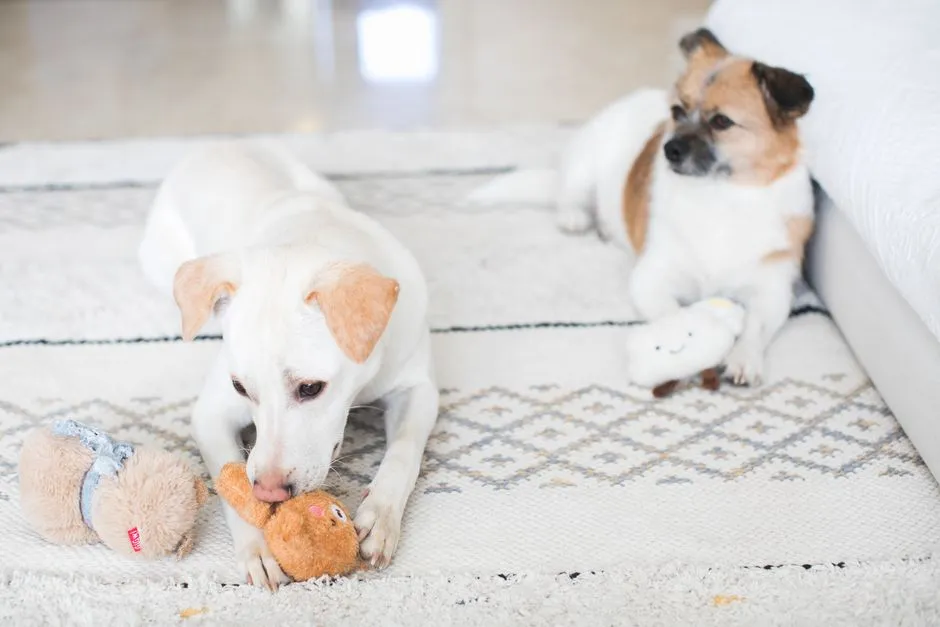
Your dog is hoarding, but on a schedule you’ve probably never noticed. A ball, a sock, a leaf, a scrap of cardboard – you usually only discover the stash while deep-cleaning under the couch.
- Dog acquires an item during a quiet, low-stimulation moment
- Carries it to a specific private spot – under a table, behind a chair, inside a crate
- Rearranges the stash, “promoting” one item to active play and “demoting” another back into the pile
Some dogs even rotate their treasures seasonally, or after a big life change – a move, a new pet, a shifted routine. You’re not consulted. Your dog simply curates the collection with the same quiet determination a person might apply to organizing a desk drawer.
We tend to over-pathologize this as resource guarding, but in most cases it’s something gentler: a private, enriching hobby. A dog managing comfort and familiarity in a world they have almost no control over. But that’s nothing compared to what we found about #5.
#5 – The Window Vigil at “Their” Time
🔥 Would you like to save this?
We'll email this post to you, so you can come back to it later!
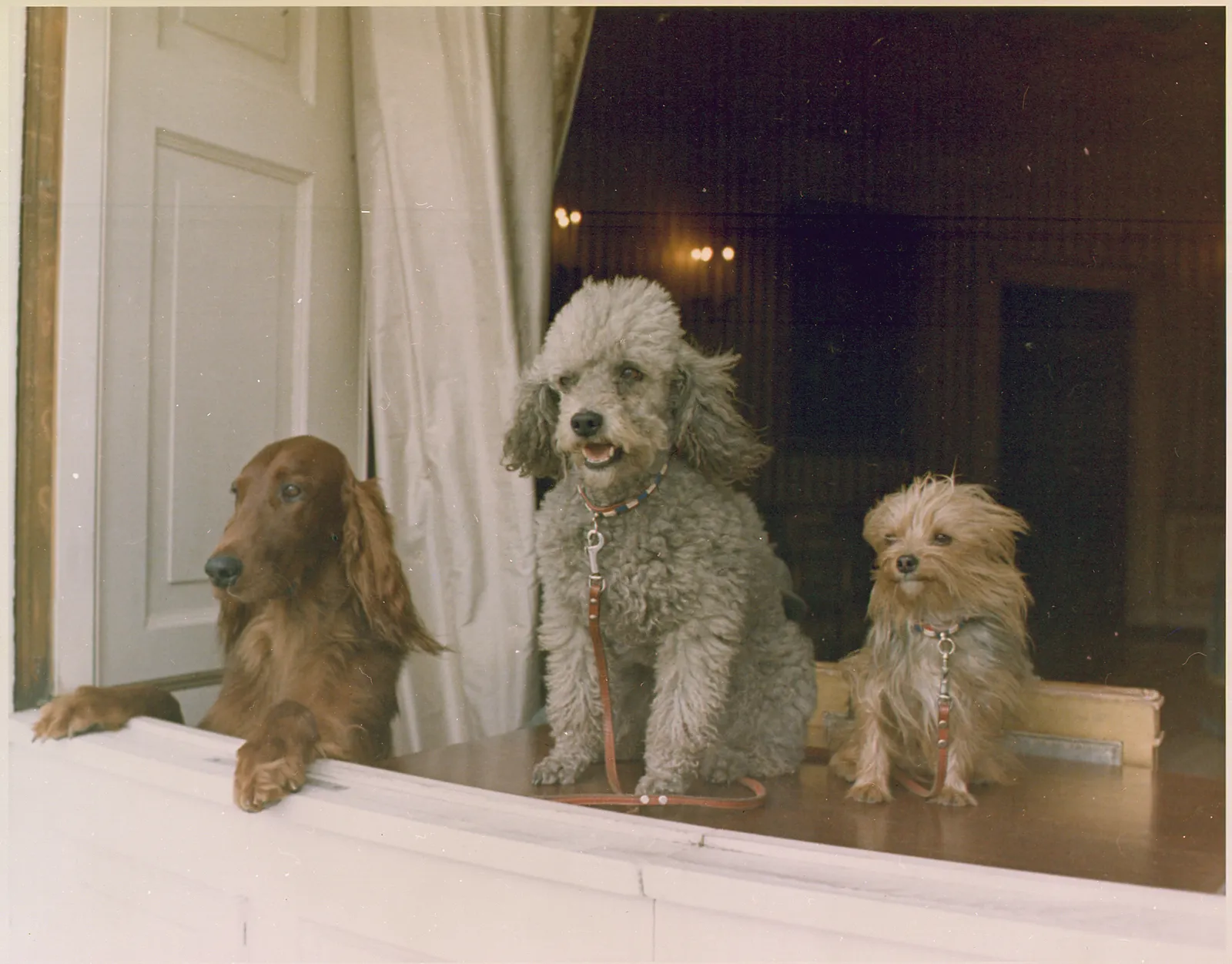
Your dog doesn’t just glance out the window – they clock in for a timed lookout shift. At roughly the same moment every day, they’ll get up, walk to one specific window, and settle in for a set stretch of watching.
- It happens around the same time every day, no matter what you’re doing
- The dog chooses the same window and position, even when better views exist
- The session ends with a specific gesture – a stretch, a yawn, a shake-off – then they walk away
Sometimes it lines up with the school bus or the mail truck. But even when those cues disappear entirely – summer break, a new delivery schedule – the dog often keeps the ritual running anyway, on its own internal clock.
We love to think they’re “waiting for us” or “guarding the family.” Behavioral evidence points somewhere quieter: monitoring the horizon simply feels satisfying on its own. It hands the dog a sense of role and stimulation that has nothing to do with your presence. But that’s nothing compared to what we found about #4.
#4 – The Post-Meal Reset Routine
🔥 Would you like to save this?
We'll email this post to you, so you can come back to it later!
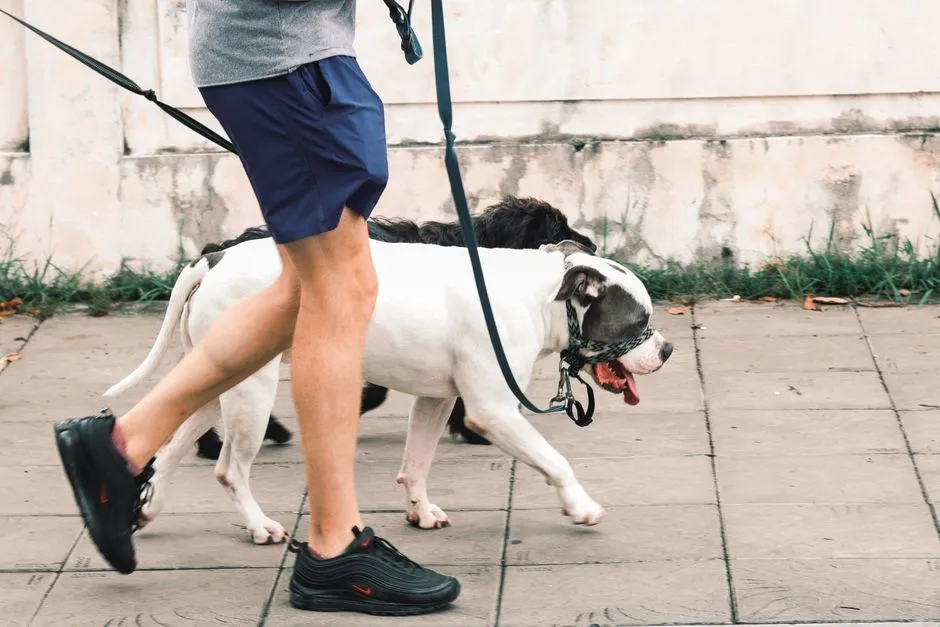
Dinner ending is just the opening scene. Watch the next twenty minutes and you’ll catch a strangely precise script playing out.
- Drink water
- Rub face on the rug or couch
- Scratch one side, then the other
- Do a big shake, then trot to a specific “post-dinner” spot
This is more than cleanup – it’s a physiological and emotional reset. Eating floods a dog with sensation: fullness, taste, shifting blood flow. The routine helps settle all that input into something calmer. Some dogs even squeeze in a short burst of play before crashing, as if burning off whatever’s left over.
Crucially, this keeps happening whether or not you’re in the room. No praise required, no audience needed. Many dogs run the full script alone, then curl up with a sigh in their chosen spot.
Change the bowl, the feeding spot, or the timing, and the ritual usually survives the swap anyway – proof that the pattern itself matters to your dog more than pleasing you ever did. But that’s nothing compared to what we found about #3.
#3 – The Self-Selected “Thinking Spot”
🔥 Would you like to save this?
We'll email this post to you, so you can come back to it later!
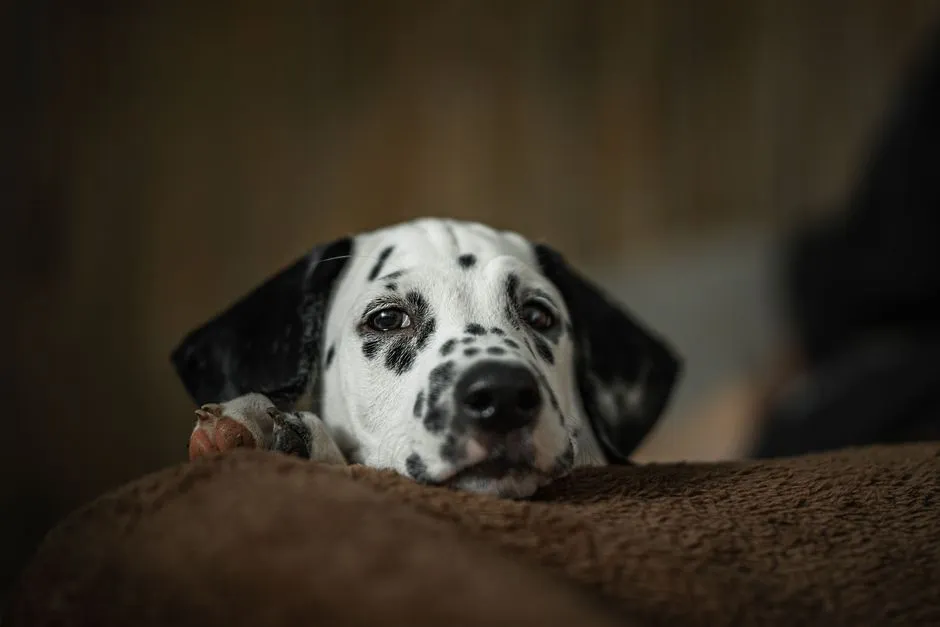
Your dog has a private office, and you’re probably not invited. Almost every dog has at least one place they gravitate to when nothing else is happening – not tired enough to sleep, not excited enough to play, not anxious enough to pace.
- A hallway corner
- Behind a chair
- Halfway up the stairs
- A strange strip of floor between two rooms
This isn’t idle loitering – it’s a thinking-spot ritual. Your dog picks this place when they want distance without full isolation, when they need to watch the world without being the center of it. They’ll lie a certain way, ears at a certain angle, in an almost meditative state.
What makes it truly theirs is how quietly they defend it. No growling, maybe just a small hesitation if someone tries to coax them away. They gravitate there when guests arrive, when the house feels tense, when the energy shifts.
Owners often misread this as moodiness. It’s actually the opposite – a dog exercising quiet agency, choosing a mental reset that has nothing to do with commands and everything to do with how they want to experience the world around them. But that’s nothing compared to what we found about #2.
#2 – The Time-Specific “Sniff Walk” Indoors
🔥 Would you like to save this?
We'll email this post to you, so you can come back to it later!
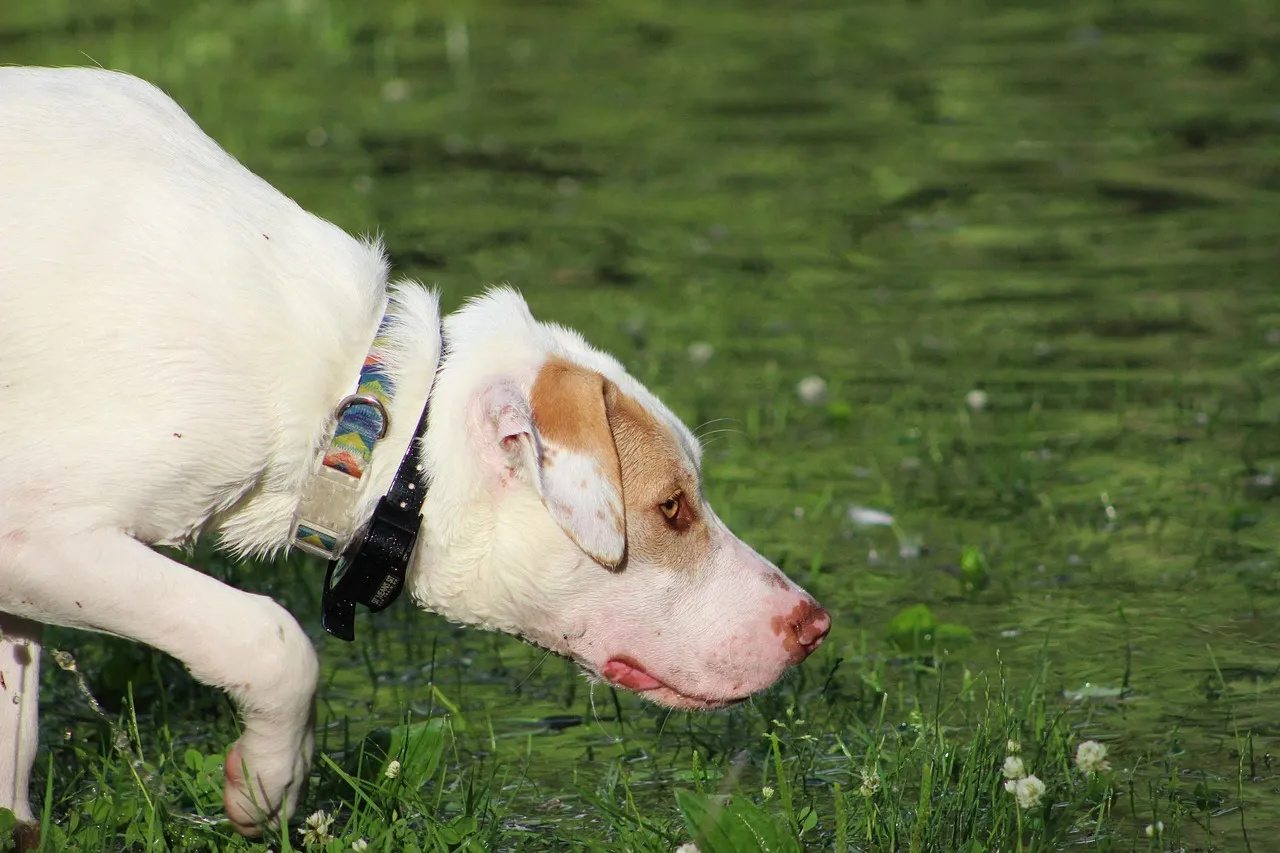
Your dog walks the house like a museum, and the tour runs on a schedule only they know. Structured walks outside are easy to spot, but plenty of dogs also run a scheduled sniff tour indoors that looks pointless at first glance.
- Get up, move through several rooms in a set order
- Sniff low surfaces, corners, doorframes, sometimes mid-air
- Pause in certain spots every single time, like checking exhibits
This isn’t hypervigilance by default – it’s routine data collection. Your house is always accumulating tiny new scents: shoes, groceries, drafts, stray bugs. Your dog is updating an internal map, and it’s not really about you at all. They’re auditing the whole environment.
Here’s the giveaway that it’s truly self-invented: call your dog mid-tour and they’ll often delay, finish a key checkpoint, and only then come to you. That’s not disobedience – that’s priority. The ritual matters, and it hands them information and reassurance we don’t fully understand but they clearly value.
Track it over a few weeks and the consistency is almost unsettling – same route, same rough timing, same start and stop points. Disappear for an evening and your dog would likely still clock in for their rounds, like a night-shift worker who never called in sick. But that’s nothing compared to what we found about #1.
#1 – The Emotion-Reset Shake-Off

🔥 Would you like to save this?
We'll email this post to you, so you can come back to it later!
The full-body shake isn’t only about being wet. It’s about being emotionally “too full,” and once you notice it, you’ll see it everywhere.
Most people only clock the shake-off after a bath or a rainstorm. Pay closer attention and you’ll catch it sprinkled through the entire day – after a tense moment with another dog, after a startling noise, even right after an intense play session. Trainers have a name for it: the emotional reset button.
- Right after something mildly stressful or confusing
- Right before the dog switches activities
- As the final step in a longer micro-ritual: freeze, look away, yawn, shake
Scientists have measured real muscular tension being offloaded during these shakes. But beyond the mechanics, dogs seem to choose this at exact transition points – ending a social interaction, leaving the vet, finishing a grooming session.
Why It Stands Out
- Georgia Tech engineers filmed dogs and other furry animals to work out the physics of the “wet-dog shake”
- A Labrador retriever shakes at roughly 4.3 times per second, while a mouse has to shake around 27 times per second to get the same drying effect
- The bigger the animal, the slower the shake, with the frequency leveling off near 4 hertz in large mammals
- Researchers even built a robotic shake simulator just to study how the motion flings water free
Nobody taught them this. Nobody lured, rewarded, or trained it into existence. They invented it themselves, as a way to clear their own nervous system. If you disappeared tomorrow, your dog would still punctuate their day with the same shake-offs, at almost the same moments – one of the clearest, purest rituals that belongs entirely to their inner world.
The Bottom Line
🔥 Would you like to save this?
We'll email this post to you, so you can come back to it later!
We love telling ourselves that every quirk our dogs have somehow revolves around us – our rules, our treats, our affection. These fifteen small rituals blow that story apart. Sunspot pilgrimages, midnight patrols, private toy stashes, emotion-reset shake-offs – none of it was built for an audience.
It reveals something a lot of people quietly resist admitting: your dog has a rich, self-directed inner life that doesn’t need your approval to exist. That doesn’t make you less important to them. It just means they were never blank slates waiting for you to write the script.
Some people will find that idea uncomfortable, because it knocks humans off center stage. I think it’s the opposite – it’s the most respectful way to actually live alongside a dog, letting them keep the parts of themselves that were never yours to begin with.
Did we miss a weird little ritual your dog invented? Drop it in the comments – this is exactly where the real stories start.

- 14 Wildlife Permits Waived for Americans the Year They Turn 62 - November 5, 2026
- Machu Picchu’s Engineering Feats Were Far Ahead of Its Time - November 5, 2026
- 12 Most Beautiful American Cities To See Before You Die - November 4, 2026